Zachary Hanson: Episode 1033
Read the full transcript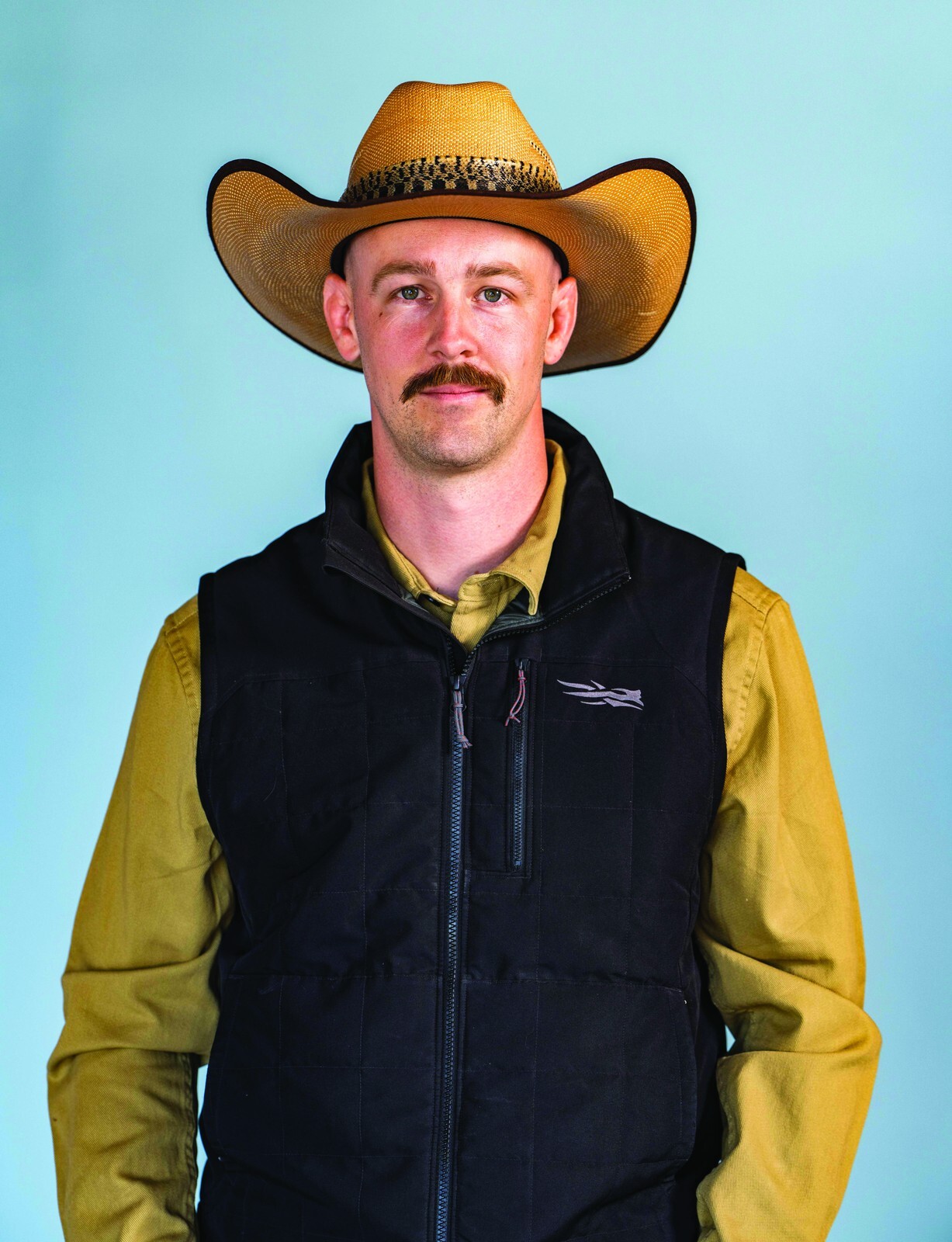
Zachary Hanson
Zach Bio Draft: Zachary Hanson is a Hunter, Trapper, and Author and lives in rural Idaho with his wife and two children. He is the Co-Founder & CEO of TheOutfitter.Guide, one of the hunting industry's first true software companies. He also happens to be an Artificial Intelligence product expert with experience developing AI-solutions at several Fortune 500 companies such as IBM, Brightcove, Capital One, & Wells Fargo. He is a graduate of the College of Charleston and Johns Hopkins University.
📚 Books by Zachary Hanson
Transcript
[0:00:38] HA: Living on cruise control, a thriving career, designer clothes and a jet setting lifestyle, practicing high level Jiu Jitsu, running ultra-marathons and pursuing academic interest but nothing gave my next guest what he craved, the antidote to suburban sedation. What’s up everybody? Welcome back to another episode of Author Hour, I’m your host, Hussein Al-Baiaty and today, I get to have an opportunity to talk with my friend, Zach Hanson about his new book, Turning Feral. Zach and I met when he first started writing his book in our Scribe Guided Author Program, where we shared stories of living in the Middle East but for two very different reasons. He's invited me to come up to Idaho and hunt with him and I hope to make that happen. Zach went from trapped in suburbia to trapping and hunting up in Idaho. So it’s a really exciting episode, I can’t wait to get into it, so let’s do that. All right friends, I got my man, Zachary Hanson, likes to go by Zach, we’re going to get into this podcast episode. Zach, thank you so much for joining me. Let’s be honest here, like, I met you – it feels like not that long ago but it was beginning of the year and you know, we had a fascinating conversation about so many different topics. You seem to have an experience of you know, living abroad, working abroad, doing all kinds of amazing things so I’m really excited about this episode today but before we get into that, can you start us by giving our listeners an idea, a little bit about your background, your personal sort of narrative about, you know, what led you to writing this book?
[0:02:28] Zachary Hanson: Yeah, 100%. Well first off, I want to acknowledge that too Hussein, it has been not too long since we first met in the Scribe offices in Austin. It was an amazing experience, you know, getting the chat and talk and theorize about what this book would be about and to see it come to fruition has been fantastic especially with the whole team’s support, your support specifically, you know, even text messaging me a long the way, it was very encouraging. But to answer your question, I have a very odd and eclectic background. By day, I am a machine learning product manager, working at a publicly traded company and by morning, evenings, nights, I am now a trapper-hunter that lives in a town of 35 people at the base of the Solitude Mountains and what has been known as the most rural community in the lower 48 with just the few of us that live there year-round. So that’s a little taste on kind of you know, myself and I’m sure we can go more deeply into the journey of getting to that small town having, as you mentioned, living abroad, doing a bunch of different things but yeah, that’s it in a very short nutshell.
[0:03:38] HA: Yeah man, I love that. You know, when I got to know you then and seeing your book come to life, you know, it’s fascinating to me because there’s so much rich context about sort of how you got to this book but just a little bit about sort of like, what inspired you? If you can point out to like one story, you’re like, “Man, this is it, I’m going to write a book now about this topic that’s super important” and again, we’re going to go deeper into it but what was the inspiration to get you here?
[0:04:09] Zachary Hanson: That’s a multipart answer but I’ll dive into two little parts. One is to note that I am what’s known as an adult-onset hunter. Meaning, I did not grow up in a family that hunted for food or hunted for sport. Most of my friend groups, there were a few folks who hunted, I grew up in the southeast of the United States but I was never really exposed to it and it wasn’t until my late 20s that I became actually curious about where my food was coming from. You know, I read a lot of books form Micheal Pollen, I actually done undergraduate dissertation on the politics of food and ultimately I was like, “Man, I want to be able to provide protein and food sources for my family” and that got me started and in archery hunting. It was the slow and steady build, it’s become a lot more popular lately but the real catalyst and probably the real push for me to write this book was when I went through a divorce. It was an unexpected one for me but coming out of that, I made the decision to move to Idaho. In particular, that town I was mentioning earlier of 35 people, in a self-sustaining community, way off grid, way out in the woods, 80 miles dirt road between me and anybody else and it was moving out there in those first few years of learning how to survive that really gave me the inspiration for the book because I feel like there’s so many people out there who are sustainability curious. Now, whether that involves hunting, trapping, you know, is up in the air but still a lot of people especially with the pandemic, started to ask questions, “Could I survive if the grid in Texas fails? Could I provide for my family if things happen?” and I really ended up putting myself to that test and found out in a lot of instances, I failed miserably and my family would have starved to death but you know, built on that to try to actually learn those deals where I found out where my deficiencies were.
[0:06:05] HA: That’s so powerful man and you know, so skimming through your book, you talk about there’s this like, overlapping idea of hunting and trapping, right? And this idea of feeling trapped at work and environment that you know, there’s something out there, something else for you. You talk about it in the form of like suburban sedation, which I thought was really powerful. You know, in thinking about writing this book and you kind of touched on it, who were you thinking like, “This is the audience that I want to write this book for. I want to help these group people” who are those people and why?
[0:06:42] Zachary Hanson: You know the persona was a version of myself. You know, people who have been sold on this idea of, “What success should look like in America.” You know, the white picket fence, the suburban house, the two cars, you know, the thing that my generation is often finding as unattainable with inflation, student debt, all of these different things and I’ve been grappling with that for many, many years. I was fortunate enough to be able to find that success and you know, is kind of that whole thing of, you’re chasing and chasing and chasing something and you catch up to it and you grab it and you’re so excited because you’ve been cha sing this for so long and then you realize like “Wow, this is it” and I had that feeling, you know? I had the large home in the nice neighborhood and we had the cars and I found myself, honestly, just unhappy and it wasn’t like an unhappiness where I was sulking every day. It was just this innate feeling in my soul that like, something was missing and I try to fill it and I would fill it with all sorts of things to challenge myself and said, “Okay, well, we’re in this suburbia, we have everything we need but why am I feeling a gap in my soul?” and I’d fill it with ultra runs. You know, I have been doing jiu jitsu for what feels like forever and challenging myself and those things helped but they felt like Band-Aids until I realized that I was just missing this connection with nature is what it boils down to and a connection back to my food sources and you know, where all these things come from that are our generation and we just weren’t growing up necessarily appreciating.
[0:08:27] HA: So you know, in your book, you talk about this. I mean, you were living the life that a lot of people dream about, you know what I’m saying? As far as like, you know, you’re jet setting, you have the bank accounts, you’re doing a tech job that people would dream about and you had all these things that you know, people align with happiness, success, joy, whatever. You know, I’ve met quite a few people that dip in and out of that lifestyle and say, “You know what? That was…” like, you said, you know, it’s, what our world wants us to be in and feel that we’re excited and happy about but something deeper is not resonating and it’s not aligned and some people don’t find their way out, some people and like yourself, some people do. It varies in experiences, some people travel or some people do all kinds of things but for you, you traveled abroad, you studied and then you got into deep into tech, technologies and social media specifically and I know you and I have had several conversations about that. Can you tell us a little bit about the work in which you did that kind of also added to that feeling of, “You know, I don’t know if this is the right place or the right direction I want to take things” and ultimately, helped you made the right decision but can you tell us a little bit about tech world that we’re so heavily, not only invested in but you know, very much tapped into whether we like it or not at this point.
[0:09:51] Zachary Hanson: Yeah, for sure and part of the book talks about this is, I’m still in tech, right? I still work in a big tech company. I enjoy the work from a mental challenge but some of the past roles I’ve held, you know, dealt with social media and the things that can make one feel the need or to get the dopamine hit to continue to interact with technology and you know, I’m not telling anybody anything new buy saying that social media has an addictive quality and many people have been sucked into it and sucked into this world that is not necessarily real. Where the influencer economy, where people are fronting about their happiness, their life and what I saw within my own life when we were living and this like suburban façade was that that was our overtake. We were always there but we were always escaping somewhere else and that was through our phones and that was something that I was acutely aware of because I was behind the scenes. I understood how these algorithms were targeting you for things you should buy, you know, helping see the idea that you need more, more, more, and it started to deteriorate the personal relationships in my own life and I noticed that. You know, that was what ultimately led to divorce from my first wife and gave me that catalyst to which most people don’t get the opportunity to and I’m very thankful for it, to do a hard reset. Like, that was my opportunity to say, “You know what? I saw what happened here, I was not conscious enough to be able to step in and stop what was happening” but now, I can kind of remove myself from those specific things, change my life entirely and start anew and start in a way that I feel is more sustainable. You know, things that aren’t hopefully going to go away such as spending time in the outdoors and getting closer to food sources.
[0:11:58] HA: Right man, I mean you talk a lot about that. You know, kind of the idea of sort of reverting back to our human essence in a way. You’ve gone all the way, I feel like the other side of that pendulum, right? It’s like, I want to basically be as humanly experienced as I can be, from catching my food, to growing it, to taking care of my family with this, whether it be a small town or things like that and that’s really powerful and that’s, like I said, like the other side of where you once were and you know obviously, that’s brough you a certain level of fulfillment perhaps or enjoyment or challenge. I mean, I guess it depends on how you perceive it.
[0:12:44] Zachary Hanson: All of the above.
[0:12:44] HA: All of the above, there you go.
[0:12:47] Zachary Hanson: You know, what’s interesting too because kind of continuing onto that persona of who this book’s written for, it was just somebody or anybody who is in a position of wanting to be more than their job or more than their relationships because for me, when I looked at myself, you know, I would never have admitted this to anybody in the past was, I did jiu jitsu. I did these other things, I did self-defense courses, I’ve always liked to shoot and do these things where I felt tough, right? But when I would sit down and think about it, I’m like, okay, let’s say there’s no more meat in the grocery store and I find a roadkill deer and this is going to be an extreme example, but I had a knife. I don’t usually carry knife. What would I do with that knife if I needed to gut, clean and somehow transform this once living being into meat for my family and I had no idea. You know, I was like, we would starve to death and you know, I wanted to be known for people who are curious about that and have those same feelings. You can learn and the book has a pretty humorous undertone throughout, a little bit of self-deprecating humor but you know for instance, the first time started in my late 20s, it was probably my early 30s before I even took my first and harvested my first deer with my bow and arrow. You know, just the idea of like, “Okay, that was a hard part of it” but now, the hard part genuinely starts was like, “Oh yeah, now I got to figure out how to turn this into table fair” and you know, it’s everything you would imagine on learning how to gut an animal and it’s disgusting. It’s gory, it’s gag inducing but I try to paint the reality of it. It’s not a pretty – it’s not pretty, period, right? The things you got to do but then it’s also so satisfying when you’re able to transform something into a sustainable meal for you and your family in a way that is ethical but hard. So it’s for all of those readers how have that latent feeling of like, “Wow, I’m pretty helpless in the grand scheme of things and I don’t want to rely on anybody else to provide for me” and showing you that it’s okay. It's doable and it’s going to be scary and hard the whole way.
[0:15:12] HA: That’s the, like deep and genuine purpose of understanding your own resilience, understanding that this is your human nature. In reality, we’re more or less designed to do this and we’ve gotten so far away from that ability to you know just be, I guess in a way, one with our natural surroundings, one with these other beings that have provided not only us but our deep ancestors with everything. The nutrition, the value, the clothing, you know, all these things but we’ve lost that story to technology and again, you know, it’s not that the technology’s all bad but it’s like, we forgotten a piece of ourselves that deeply is ingrained in our nature and it’s once you get back out there and with people who know the surroundings and know the world, you can learn. You can redevelop those skills and appreciate, you know, your own humanity. I think for me personally it’s the idea of really understanding yourself through nature and whether you are hunting, whether you’re just – you know, your understanding of what types of trees grow where, what types of plant. You know, what kind of like those things are so profound but yet we’re so pulled away from that, right? Living in our suburban neighborhoods. Again, not that these are bad things, it’s that there’s a piece of us that is so innate and so beautiful that when you are out there in the world, you get to experience that person. I think parts of our brains light up because that’s where they can do the most fulfillment type of work, right? It is hard but you are earning it and earning something whether it’s you know, a PHD, a job, the accomplishment feeling of finishing a book, right? You earned it but it is through that understanding, learning, hard work, you know, I am sure for you like waking up way earlier than your wife to like – or vice-versa, way later than your wife to sit down and write. It’s the idea of earning, there is something about that, right? Like where our society has learned so much to like earn money as oppose to like earn our dopamine hit from living life in a way that is really powerful and I think you talk a lot about that in your book and it is so intriguing to me. So tell me about –
[0:17:39] Zachary Hanson: Yeah, I want and to make sure it’s being on that point before you get to that question is I don’t think those things have to be mutual exclusive and I think that’s kind of been in part of my journey is I did not just carte blanche give up my job in technology. In fact, that was the thing that helped fund the ability to get out there. It is one of those things where you can have both things. You don’t have to give up one for the other and it doesn’t have to be going out into the woods. You know, it could be something else, right? Like those things that weren’t fulfilling to me necessarily on a soul filling level could be for somebody else. You know, whether that’s running marathons or practicing martial arts or doing art, you know, as long as it’s something that brings you joy and gives you that fulfillment on an animalistic level I feel is good for everybody. Because you know, I want to touch on you because you were an inspiration too Hussein with your book and I mean that genuinely and from our conversations earlier because we’re very fortunate in this country and we’re recording this right now in the United States, where a large bulk of people have not known war. They have not known true hardship and I know you and your family has. You probably have a much better appreciation for these little things that I had to artificially create for myself, right? Then ultimately, went out and found it on a deeper level for myself to get blood on my hands but you know, it is something like you mentioned, is innate in all of us and we’re fortunate not have to have the sorrow that goes along warfare and these other things directly happening in this country even though there are other things that happened here that are equally despondent. But you know overall, it’s been – we’ve been sedated to a degree. So I just want to say thanks for your inspiration and also we have to find that, you know, humanity, right? Like you even mentioned, that kind of goes through my treading. I did find my own humanity and I found my limits as well. You know, how far am I willing to go on this hunting and tracking journey to my ethical bounds and I pushed them on some of the times. I am not necessarily excited about that but I did push those ethics and found out where those lines were and you know, pulled back to an appropriate spot for me but you know, everybody is kind of should have to go through something like that to find those balance.
[0:20:11] HA: Right, I 100% agree. It’s like you find yourself when you are pushing yourself, right? To do things that you would not normally do in the places of comfort. You are a 100% right, you know, whether you are doing an ultra-marathon or you’re going bow and arrow hunting, archery, you know whatever it is that gets you connected to your human instinct and out of what I call like pop culture. You know, our popular culture today is driven by these technology companies that you know again, we’re not here to say what’s right or wrong but it is more like what is making you feel good and what’s not making you feel good and I know like deep scrolling, I don’t care who you are. It doesn’t make you feel good. You know for me personally, I gave up social media last November. I just deleted it off my phone. It was very purposeful but you know, I’ll go back in and check in every now and then but I am very intentional about that. I am aware that that’s what I am doing and when I do it, it is like a set time but it’s like I realize like how much I used to compare myself or just look at things or like, “Oh I need to do more” and it’s like, you know, when you kind of pull yourself away from that, you really get to ask yourself like, “Why do I want to do more of that?” As far as whatever it is, build more, make more, compare myself more as oppose to do this thing, you know for example for me, it was just like sitting in front of a canvass and painting or sitting in front of my laptop writing. These things actually like I really want to indulge and I love and it’s like why don’t I just do less of all that stuff and do more of this. You know, what you’re talking about is so powerful. I do want to talk about that story that you shared with me about the mother and her son I believe, living in like a distant sort of dystopian future. You know, when you shared that story with me, I went and looked it up and read it, it was so profound. It was so powerful. Can you tell us a little bit about that story, do you know what I am talking about?
[0:22:19] Zachary Hanson: I do and I actually mention it at the end of the book. It is something that actually a colleague and my current company, Brightcove, had forwarded it to me. We were talking about literature, we were kind of you know, vibing on the joint love of writing, things like that. It’s like, “Have you ever read, I believe it’s called The Machine?” and it’s so crazy. It was written in I believe 1907. I can’t remember the author’s name offhand but it’s at the end of the book. I think I have a reference to it but it’s this whole idea where this gentleman in 1907 predicts that, all though he pretty much predicts facetime, the Internet, air travel, it’s bizarre. Yeah but it’s this mother and son where they are living in this future, everybody is pretty much receded underground where your born but you weren’t held by your parents, you receive your own room in this entire sphere and all these different rooms are below Indonesia, below the United States and it’s just gone with the core of the earth and the machine, whatever that is, provides everything for you. So you get entertainment and this world values only higher education and doing studies of philosophies. So you might grow up reading and watching all these stuff through your screen in your room, which again is bizarre that they have facetime and you can learn all these things and that’s what they push on people and people become a little bit more of vegetables, so they aren’t valuing anything physical. So they just kind of lay in their beds all day and the story evolves to where this mother, you know, wants to meet her son but his room is all the way across the world and she decides to go and visit him because he is kind of bucking the system. He’s like, “No, I am not going to do these lectures” and she flies all the way across the world to see him and it talks about her getting in the air, finally coming out of the pod and she’s looking at these beautiful mountains. She’s like flying over Nepal and she’s disgusted. She’s like, “Oh man, they just look harsh. You know, we have so much better now that everything is provided for us, why would anybody want that?” But the moral is, the son is trying to find his way out and he is crawling through these vents and it kind of ends with him finally coming up and into the world and breathing this air that he’s been told is going to kill him at some point. But feeling that first hit of oxygen and it’s so powerful because that’s where the story ends and it is kind of like that rediscovery of the life that was always there but it’s been kind of pushed aside a little bit and it is just something that resonated with me and my experience because I was doing the things that society was telling me to, you know, shucking all of these necessarily like hard and difficult things outdoors that you know, are way of the past. Like you know, no longer we need to go get our own food, no longer do we needed to, just don’t worry we’ll provide but pushing through that, I felt like I got my first real breath of oxygen the first time I stepped into a tree stand or out into the woods and tried my hand at finding my own food.
[0:25:33] HA: Right, man, I mean you know, and it was such a shockingly like this is right now. I mean, you know, obviously it’s fiction but it’s like to a degree it’s so relatable, right? How could something written that long ago be so damn relatable and the idea is I think, you know, there is a universal truth in that, right? Not only do you relate to it but I too relate to it and I am sure so many of our listeners, so many people who are in the creative world, there’s just people in this world right now questioning those things. You know, we are questioning our relationship with technology in a way that was like, “Okay, you know, it’s not that there’s this quote by Imam Ali, which I really love and I mean, this person exists like 1,400 years ago, right? He says, it’s not that we shouldn’t own things, it’s that things shouldn’t own us and that story is like for me in a way that quote. It’s something we shouldn’t own technology and say, I mean, we’re humans. We are amazing at creating amazing things however, not pushing yourself to be a monk, right? Because that is also a very hard discipline, right? In the realities of things where you don’t own anything, right? But the idea of like there’s a balance. There’s like you can own this technology and utilize it but when it owns you in a way, I hate to use the word enslave but in a way, enslave you then you are owned by something and that is a dangerous territory of one, your number one thing, your health, specifically our mental health, right? I mean, let’s be honest like back then, slavery looked like physical, right? But like in obviously traumatic mental but today, you can’t sense it because it’s going so direct to the mind with hits of dopamine and all of these things but to a person that doesn’t understand their mind and hasn’t had the opportunity to grow and really question the societal norms, then it is going to be hurtful to you in the long run and so I love that your book ties these ideas together in such a unique way. I love that you actually live this life. It is so inspiring, I can’t wait to visit you man, it’s going to be so fun. The other thing is man, I want to say congratulations to you because I know you just had another baby. Your amazing wife not only supported you through writing this book but you brought a beautiful new soul into this world, so congratulations to you on that. Congratulations to you on completing this book. I know this won’t be your last book, which is I am really excited for. So can you tell me a little bit like what’s one or two takeaways that you want people to, you know, when they go through your book, what are one or two things that you want people to kind of move along with?
[0:28:26] Zachary Hanson: Yeah, I mean that is a good question. I would love if people who read this book and felt an inspiration to poke at what makes them truly happy. You know, I wrestle with that a lot and you know I don’t have it perfect yet, going through these experiences helped but you know, starting to question what is it that you are doing in your life that’s really feeding your soul, that would be one and the second would be trying new things, right? I think that’s a thread that I have carried my whole life thanks to my parents. They have always encouraged me to try new things and I have never been very afraid to try new things and I have become increasingly awesome at failing at a lot of things, hunting and trapping included, which is touched on in the book. You can’t be afraid to try stuff. You can’t be afraid to look stupid. I mean, writers get caught up in that too and you got to get it out there and let people react and then adjust. Let yourself react then adjust and those two things I think would be valuable for people to take away. It would give me fulfillment if people would read that and say, “Yep, this gave me a little bit of a blueprint and I am ready to go try some things.”
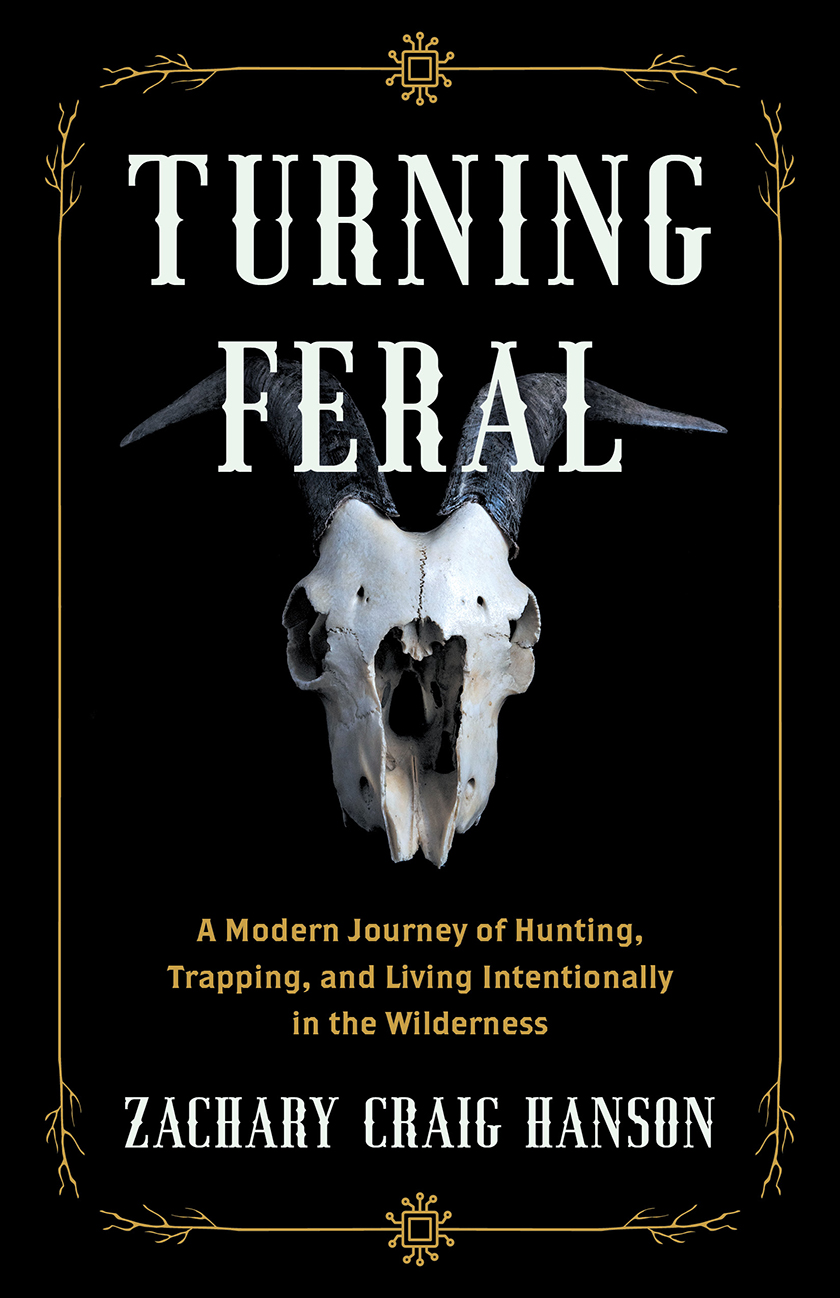
[0:29:38] HA: I love that so much and I have no doubt that people will walk away from that book feeling those just because of knowing you and having the conversations that we’ve had, that’s exactly how I felt like walking away from those. So man, I am excited for you. Congratulations on your book. Zach, I can’t wait to come hangout with you and your family. The book is called, Turning Feral: A Modern Journey of Hunting, Trapping and Living Intentionally in the Wilderness. In the words of DJ Khaled, don’t play yourself, go get this book. It’s available right now on Amazon. Besides checking out the book, where can people find you or do you want them to find you Zach? That’s another question, right?
[0:30:20] Zachary Hanson: Funny thing is, I intentionally leave out the name of the small town I live in. I think there is enough clues.
[0:30:27] HA: That’s good.
[0:30:28] Zachary Hanson: On there where people could find it because it is a hidden gem.
[0:30:31] HA: I love that.
[0:30:32] Zachary Hanson: End of the road, it’s beautiful and I think there’d be three other people in the town who would probably come at me with pitchforks if I put that out of the bag so to speak. Yep but social media, the only thing I’ve got is LinkedIn. I’d kind of be much of a hypocrite if I had a lot of other things but yeah, LinkedIn, you can check me out there and contact me there if you’d like to and I hope everybody enjoys the book.
[0:30:57] HA: Thank you so much Zach for coming on the show, I appreciate you. It’s been a wonderful episode. I always love chatting with you man, I know this won’t be my last time but thanks again, man. I can’t wait for people to check out this book, learn from you and hopefully get out and do their own inspirational adventures as well.
[0:31:15] Zachary Hanson: Thanks Hussein.
[0:31:18] HA: Hey everybody, thanks for joining us for this episode of Author Hour. You can find, Turning Feral: A Modern Journey of Hunting, Trapping and Living Intentionally in the Wilderness, on Amazon right now. A transcript of this episode is available at authorhour.co. For more Author Hour, subscribe to this podcast on your favorite subscription service. Thanks for joining us, we’ll see you next time. Same place, different author.
Want to Write Your Own Book?
Scribe has helped over 2,000 authors turn their expertise into published books.
Schedule a Free Consult