Jody Ray: Pivot
Read the full transcript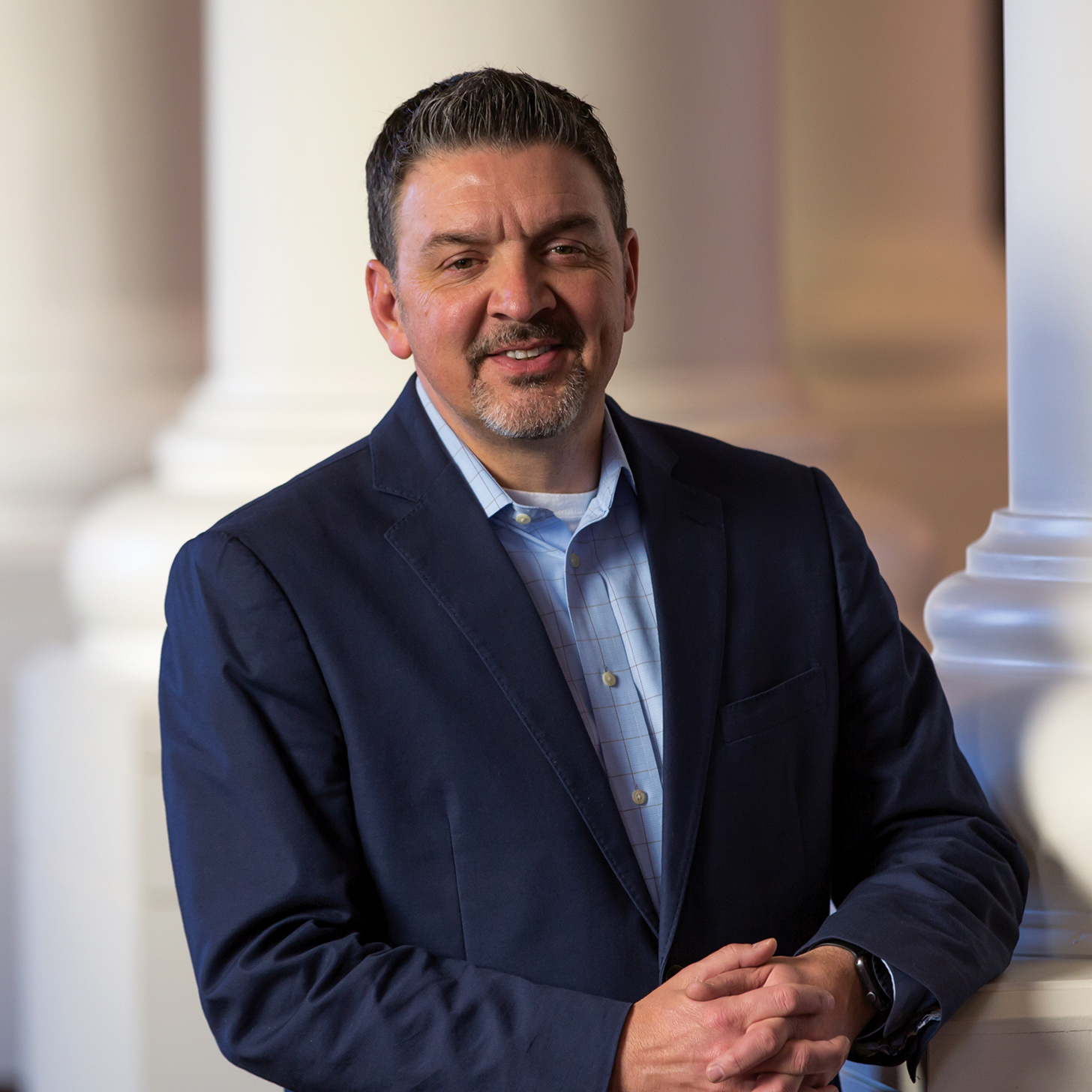
Jody Ray
Dr. Jody G. Ray is the senior pastor of Mt. Bethel in Atlanta, Georgia. He worked in financial services before entering ministry and holds a degree in finance and accounting, a master of divinity, and a doctorate of ministry. His own struggles motivate his work coaching people through difficult seasons of life. He and his wife, Shelley, have three sons: Jennings, Carson, and Robert.
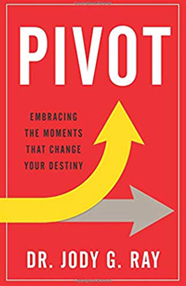
📚 Books by Jody Ray
Transcript
[0:00:21] CH: What’s up everybody, it’s Charlie Hoehn, the host of Author Hour where I interview authors about their new books. Today’s episode is with Dr. Jody Ray. He is the author of Pivot. Now, this episode is about what we need to do when we’re hit with heartbreaking events, when we’re struck with crisis that leave us feeling like we’ve lost our purpose. They make us feel like we’re stuck in grieving. Jody talks about how he was able to successfully pivot when he went through some of the hardest things he’d gone through in his life. We also talked about what it’s like to go through these dark seasons of our life where we’re struggling with depression or anxiety and what we need to do to help ourselves successfully get out. If you’re going through life struggle right now that seems like a dark and never ending valley, this is the episode you want to listen to. Now, here’s our conversation with Dr. Jody Ray.
[0:01:41] Jody Ray: One day I hear the words I want a divorce and the guy who thought everything in life was good in just a minute because I didn’t see it coming really turned me for a loop and it was that moment that season in my life that really caused me to start doing some soul searching and I started questioning, “Is this what I’m supposed to be doing in my life? Is this where I’m supposed to be, is this just a,” questioning everything and you know, they always say that crisis brings clarity and that crisis brought, help me to start a journey if you will to really develop some clarity in my life. Who I was and direction that I wanted to go and where God was calling me to go more than anything. That was a huge moment and it was a dark season for a time because just not knowing and kind of having to deal with some of the questions that I was asking myself and through the advice of some friends and some close mentor, I really took some time and kind of think through what am I supposed to be doing, where am I called to be. This was in a time where financially and that particular, my age and where I was and where our company’s going, it was like boom time, I mean, it was great and I was one of those kind of people that I sort of planned out, this is where I want my life to be when I’m 30 and 35 and so I had calculated it that hey, 42 years old, 45 at the latest, I’m retiring, I have the money that I need to go do all the things that I want to do this aside of life plan that I was on this trajectory that I was working towards and I was checking the boxes. Every goal I was making it so I was pumped up and my ego was pretty pumped up too, which ended up being a huge negative but when all this happened, I just reevaluated every part of my life and then made a decision to just, to quit my job and I was at a meeting in the Bahamas at a place called Paradise Island with a whole bunch, with many colleagues and people in my industry at a convention. I’m sitting there and I’m having this conversation, speaking to this group of people and in the back of my mind, I’m having this other conversation where I’m going, “This is not what I’m supposed to be doing with my life.” I left that event and really went back up to my room in this very expensive hotel and got down on my knees beside my bed and just said, “You know, lord, I don’t know what to do but I’m going to quite following Jody’s plan and I’m going to follow your plan and for what, where I’m to go from here is all about the direction you’d have me to go,” and that ultimately led me to quit my job, go to seminary and started on this journey of becoming a pastor. Real big shift, life change and the great thing I would say is that I’m glad that god doesn’t tell us what tomorrow and the next day is going to bring because having known, if god would have said hey, this is all that’s going to happen in your life or this next few years. Shoot, I don’t know what I would have done, you know, I think I’d have been too scared.
[0:05:13] CH: Yeah, I’m curious Jody. You mentioned you went through a dark season and I’d imagine there are a number of listeners who are going through a dark season themselves and could you describe what that was like? What htose days were like, what your thoughts and feelings were like, when you were in the thick of it, because it’s always great to talk about getting out of it, you know, now things are better for you. But so many people just don’t talk about how dark it can really get. Can you share what that was like?
[0:05:50] Jody Ray: Yeah, for me, I was this guy who really thought that I knew exactly what I wanted to do, I thought I had everything together, I really did, I thought I had it all together. When your foundation of who you think you are and the direction you think your life’s going and you’ve kind of developed this picture of what that’s going to look like, you got this, what you think is this real strong foundation and then when that foundation breaks and all of a sudden, you’re left in a season of where wow, none of that was really as important as I thought it was or that really – All these plans that I made. When I got there and for me, because I’m a person who really wanted to know and I’ve had plans and all of this was very important in my life and then to have that foundation break, it was if something in me broke and then not knowing, thinking I knew and then realizing I didn’t know. You could insert depression and there were some depression there and anxiety and worry and inserts from tears in the process as well and it was really over. I’ve been working so long and investing so much into this little life I had and now none of that really means anything and so it was a real tough time, there were times where I didn’t want to be around people. I just kind of you know, isolated myself and just did what I – went to work, went to the gym and did some of those things and just from really, it was kind of a dark time, you know, it wasn’t dark in the sense that I was going to do something wrong, it was just really a self-evaluation and me, having to process, you know, that see that it’s going through. There were some other things that in my past that I hadn’t probably dealt with and so it made all of that come to a head at once and so it was pretty tough.
[0:08:02] CH: And intense I imagine and luckily, you were able to pivot out of that and go into the seminary. I’m curious how you – when you asked God what is – “I want to follow your plan. I’m going to stop following Jody’s plan, I want to follow your plan,” how did you figure out what God’s plan was for you?
[0:08:28] Jody Ray: I came from a very strong Christian home and my dad was a pastor and when I was 16 years old, I really felt that God was kind of calling me into the ministry and I don’t know how to describe that at the foundation or base level other than to say, if you’ve ever had this desire in your heart that you can’t really – it’s hard to describe those desires but I had this desire, some world in my heart I was supposed to do to be a minister or a pastor, shepherd people, I really want to say that a long time ago. You know, I didn’t want to really do that so I just began to go Jody’s way. For the next 15 years or so, I was just doing what I wanted to do and what I thought would make me happy and what I thought would make me successful and all that. Then, when that crisis moment came, it was like wow, here’s this thing again and it’s popping up in my life and I feel that sense of call that I h ad felt several times even when I was a banker on some level and so as I began to kind of lean in to that, there were some people who just started sort of entered into my life during this particular season. Business people or people who had strong face and they just begin to invest in me and as that process was happening, it just became very clear that I was supposed to take this big step in a completely new and different direction.
[0:10:09] CH: Wow, you know, Jody, I’m thinking, you talking about in your book, how everybody has this moment, right? This life changing moment of crisis. How do they – how can we embrace these moments when they’re so world changing and often terrifying, how do we lean in and actually embrace them?
[0:10:34] Jody Ray: One of the things that I believe with all my heart is that we all have moments, we have great moments, we remember things like get married, having our first child, graduate from college, writing a book and getting that book published, those are all these great moments, we celebrate and are exciting. We also have this other series of moments, you know, part of human existence is we’re going to feel the experience of full gamut. We have moments of divorce or death of a loved one or a loss of a job or whatever series of events that we have. What I see is embedded in those hard moments are great opportunities and they’re great opportunities for transformation to take place and it’s something that we learned in the business world is that there is always an opportunity in the midst of a problem that we face or a struggle within our company. Our organization or a failure that there’s an opportunity there you’re tiled in the business world to begin to look for those opportunities. It’s the same thing that happens in our lives and so when we get into these places, it’s the most difficult thing that we can do, which is why I wrote the book is to begin to say, all right, I’m in this tough time, I’ve had – there’s been a crisis moment or a difficult moment or life changing moment that’s taking place and so the book is all about helping, all right, I’m going to take my eyes – When we get in a tough moment, we focus on this is bad, “What am I going to do, my life’s over.” We focus on those kind of things and if we can begin to shift our thinking, and that’ snot to demean the pain or anything like that or the struggle but we begin to say, “Okay, what can I learn from this? What do I need to own in this season that I’m in? What do I need to own and how I got here and where do I want to be on the other side of this?” “What’s this new path, where is God calling,” when we can begin to think through all of those pieces. I begin to take ownership for my part in a problem and then when I can begin to think beyond the present situation, that’s when pivot moments are created and when you look at some of the people who have done great things in their lives, people who have accomplished great things. Many of them can trace that great accomplishment or that great new trajectory or path that they were on to a moment that they entered a crisis that they had or a problem that they came into earth are difficult time or season and it was from there that they were able to see clearly this new path. That’s how I believe it work. I think embedded in every problem we face, sometimes I would even say that the bigger and the more difficult the season or the moment, the greater the opportunity is for that person or individual on the other side.
[0:13:44] CH: Man, I could have used this conversation in your book when I was 15 years old, almost 17 years ago. My aunt Karen, she was diagnosed with Lou Garrick’s disease or ALS and most people know that from Steven Hawking, the ice bucket challenge but I got to watch that up close and personal as did my family for years and there is nothing harder than watching somebody you loved basically be tortured and suffer by her own decaying body. You just felt helpless and I remember a woman in the hospital room when I was watching her die said, “Well, this is all part of God’s plan" and instead of ignoring maybe that comment, it really planted a seed of anger for me and instead of asking the questions that you're asking, which I think are a lot healthier. I ran away from God for a long time because of that moment, because of that crisis and I’m really glad that you wrote this book because people who are going through that, they don’t often have people around them supporting them in an understanding way or trying to force them down a path. Rather than, or a way of thinking, rather than simply helping them ask the right questions of themselves. I think that’s a much more constructive, healthier way of going about this.
[0:15:42] Jody Ray: Yeah, I hate when people say things like that person said to you. There are very few things that can get me or make me as mad as when I hear that. Because one, it’s a really bad sell of who God is. It’s a poor description that God has orchestrated every event of our lives and he caused – it was his plan that my mom die from brain cancer when she was 44 years old, going to be 45 years old or your aunt passing away that all those were orchestrated. I believe the scripture will tell this is that we are human beings and we live in a world that’s fallen where bad things happen to good people and – but our faith leads us to a place called eternity, which is so awesome. What I would say, this is again, this is in my book is that God doesn’t cause bad things to happen to us but God can use some of the deepest, darkest, most painful moments in our lives. He can use those moments for his glory and our good. He can propel us into understanding more about who he is and more about how – I have this incredible compassion and love for people because of what I experienced and so my greatest desire and the reason that I wrote the book is that I want to help people who have faced or are facing or have a friend or a loved one or colleague or anybody like that who is experiencing a moment like you talked about or that I have talked about or any array of other difficult moments just say, “Hey this isn’t all there is.” Even if you caused the moment, even if your dark season or moment is a mistake, one of the things that I say in the book is that mistakes are events and they’re not people and if we can realize that and that God didn’t throw us away. Then say, “Hey Charlie, you made this big mistake. You are no good to me anymore. You are done. I don’t have anything to do with you” wipe my hands, go a different direction. Those are the moments where He embraces us the most. His love is so incredibly big that it can encompass any of the mistakes we made and he invites us in and then says, “Hey I got something more for you to do” and that’s what it’s all about to me and what the book is about.
[0:18:19] CH: Jody, again I reiterate I’m so glad you wrote the book and shared your story and how you were able to get through your moment and successfully pivot and navigate and how your life changed and so, I’m curious. I know your book hasn’t been out long at the time of this recording but have you been able to share your wisdom with others and see them go through these transformations a little bit smoother?
[0:18:52] Jody Ray: Absolutely. There are a number of stories, I have lots of stories in times where I have helped people or seen people work through their seasons. I’ve highlight a number throughout the book of people whether it was from an addiction or whether it was a job failure or whether it was from divorce or whatever that they’ve gone through where they have these moments in which they came to the brink of crashing and burning themselves or hit rock bottom. And begin to look for, “Where do I go from here? What do I do?” and so I have tried to help people as just to – I think the pivot moments of our lives can be the most profound, incredible moments that we’ll ever experience and what I mean by that is I don’t want to experience the death of a loved one again. I don’t want to experience a divorce or a financial crisis. Those are events that I don’t ever want to deal with again but those are the moments in which the greatest change can take place in us. And the greatest pivots can take place in us and we’ll look back one day and celebrate. It is crazy to say that we can celebrate a hard moment, a dark season or a heartbreaking moment that we can celebrate those based on where we are but we can and it is a weird celebration. I get that but I can go, “Gosh, if it hadn’t been for this, I wouldn’t be where I am today and although I don’t want to go back there, I am thankful for having walked through that.” Because that is a thing, moments are like seasons of the year. They have a start date and they have an end date just like the winter is going get, winter is a season. It has a start date and spring comes and life is like that. Life is a whole connection of seasons and moments and so when you are in that dark place or you are in that difficult place, always recognizing, “Yeah this is dark and this is hard right now and this is ugly and I am in a lot of pain but you are going to walk through it out.” One of the 23rd Psalm where David is talking about walking through the valley of the shadow of death he said, “I will fear no evil for You are with me” and what I love about that is he said, “When I walk through it” he didn’t say, “I’m going to stay there” he didn’t say that this is the end. He didn’t say that I am trapped. He said, “I’m going to walk through it” and I think and believe that when we enter those moments and we’re going to have times where we’re going to have heartbreak. We are going to have times when there’s going to be some grieving. There’s going to be times where there will be tears, all of those pieces are going to be a part of it but we are always moving forward. We are always dealing with and processing grief and pain in the right way but we are always moving forward to the other side and then when that season, that winter season ends and the spring comes out and the flowers began to grow and life begins to change, we can come out on the other side stronger and healthier and have a real clear vision for our future if we use those moments correctly.
[0:22:08] CH: Well said and you talking about the seasons of life and going through this reminded me of the Book of Ecclesiastes well and the turning of the seasons and they’re such good reminders to stay the course and this too shall pass. So this has been really, really great Jody. I want to wrap up this episode with a couple final questions. The first one is what is the best way for our listeners to follow you and potentially get in touch with you?
[0:22:45] Jody Ray: Well, social media is always a great way whether that be Facebook, Instagram, Twitter, those are always ways to connect with me and love to have the listeners do that. If you go to our church’s website, which is mtbethel.org and there’s all kinds of ways to connect with me personally via email or whatever right there and I am very accessible and love the opportunity to speak and talk with people and there are also videos there and talks that I have given and things like that that they can view as well but those are all the great ways to connect with me.
[0:23:28] CH: Excellent and the final question I have for you is to give our listeners a challenge. What is the one thing they can do this week from your book that will have a positive impact and keep it fairly synched like 15 seconds or so.
[0:23:47] Jody Ray: The one thing that they can do is when you find yourself in tough times or difficult seasons, one of our human nature is for us to retreat and to pull away from people and that is the worst thing that you can do. It’s in these times where you need to force yourself to pick up your phone and call your friend. To be with the people that you love or to connect with a community and I think it is a great time and if you are in a college to connect to a collage ministry. Or maybe there’s a local congregation, instead of pulling away resist that desire, which is very natural but resist that natural desire to escape or to pull away from people and really force yourself to connect because as humans, we are created for connection and sometimes or often times when we are in a tough time we don’t want it but it is exactly what we need. It is like when you have a cold or something and you’re a kid and your mom was trying to stick that terrible tasting medicine down your throat. And you didn’t want to do it, you don’t want to it but it was the key to you getting better and that is the one thing that I would tell our listeners and your listeners to do right now, is that if they are in that place just to connect with people. Connect with your friends, connect with your family or find a really good strong community to be a part of and connect with those.
[0:25:20] CH: So I normally don’t extend this much but I want to ask because people who are going through a dark season in their life tend to hear that and say, “Yeah, I know that already” I’m going to push you to be even more tactical than saying reach out to your friends and family, what do they say? What do they say in that text message? What do they say in that phone call? What can they send right now to begin that process?
[0:25:51] Jody Ray: I think we have to come to a place where we, one of the things that I tell people is that it’s okay to not be okay and when I am connecting with my friends or family or this community I am talking about, it is okay to talk about that. So if I am texting a friend of mine I am going, “Look I’m in a bad place” or “I am just really struggling right now. Is there any chance for us to grab some lunch or dinner” or something like that. You know those are things which you can do. Phone calls to family members or whatever, if you have those kind of connections or people who are friends of yours, maybe you know somebody who’s connected to a community, a church community and you just say, “Hey, I like to go with you” or “Help me get connected in some way” I think those are some of the ways that you can do that but it is so vitally important to connect and to not retreat from our relationships.
[0:26:55] CH: Agreed whole heartedly and if you don’t mind I want to add to this because this is something that is near and dear to me as well. Just to add to what you said, which I thought was great, reaching out to somebody and telling them, “I am in a not so great place. Can we grab lunch?” I think is brilliant. I think it also matters who you reach out to. Reach out to somebody who will just listen and not judge you and won’t try to save you.
[0:27:26] Jody Ray: That’s right.
[0:27:26] CH: I think that is a huge thing because the suffering, you are talking about something that I believe wholeheartedly, which is the suffering and the pain that we go through can help us transform into our greatest next phase in our life but if you try and have someone save you, they will take that gift from you.
[0:27:48] Jody Ray: That’s right and for that person who for example may not have that, these people that they love to hang out with but they may not have that person, then I would – I am real big on counseling and coaching and it is a part of my personal health, part of my life to this day, something I always stay connected to and these are people who listen to me but also kind of – they’ll listen for a season but there’s that time where they may help. Sometimes the way we look at a crisis or we look at a situation because we’re right in the middle of it and we don’t see it as clearly as those people around us who we can trust at some point can help us to visualize and to see clearly where we are and can help our thinking be healthy. There’s a healthy way to grieve and there’s an unhealthy way to grieve, there is a healthy way to process what you’re going through and there are unhealthy ways. You really need people whether that be a professional or people who you’re close to help you navigate that.
[0:29:00] CH: Absolutely, totally. Doing it the unhealthy way can leave you in that state indefinitely.
[0:29:09] Jody Ray: It absolutely can. You can do, you know, a lot of times, what we see in society today and I come across this, so sad but unfortunately, every week, where we try to medicate the pain that we feel and we do that through relationships, we do that through sexual things, we do that through substance abuse and those are all the wrong ways, gosh. Those only create more issues and so if you can process grief and the difficulties that you're going through in healthy ways, it makes that season be shorter for you.
[0:29:49] CH: Yes, man. I could talk about just this for a whole other podcast with you. I really appreciate you getting tactical with that Jody. The book is Pivot, it’s out now on amazon, Dr. Jody Ray, thank you so much for being on the show.
[0:30:05] Jody Ray: I loved being here, thank you so much for having me.
[0:30:08] CH: Thanks for tuning in on today’s show. If you liked what you heard, here is what I want you to do next. Open up the podcast app on your phone or iTunes on your computer and search for “Author Hour with Charlie Hoehn” and then click “ratings and reviews”. Take 10 seconds to rate this show or leave a review. It is a small favor but it’s really the best way to show your support and give me feedback and if you know someone else who’d love Author Hour, take another three seconds to text them a link to this episode. We’ll see you next time.
Want to Write Your Own Book?
Scribe has helped over 2,000 authors turn their expertise into published books.
Schedule a Free Consult