Randy Frisch: F Content Marketing
Read the full transcript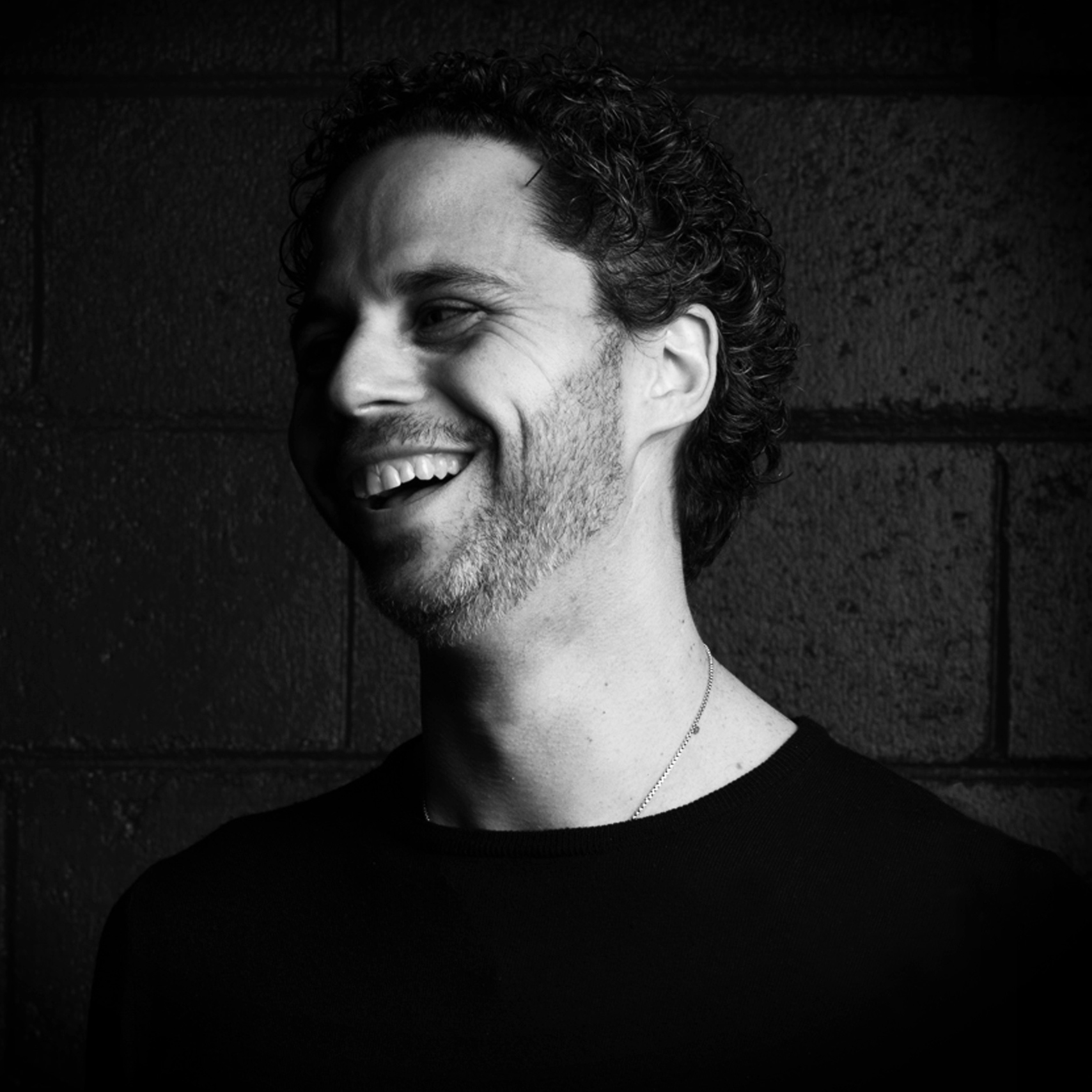
Randy Frisch
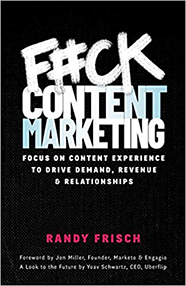
Randy Frisch is a co-founder and the chief evangelist of Uberflip, a content experience platform. He helped define and lead the content experience movement and founded Conex: The Content Experience, an annual conference for marketers. He is the author of F#ck Content Marketing: Focus on Content Experience to Drive Demand, Revenue & Relationships.
📚 Books by Randy Frisch
Transcript
[0:00:13] CH: What’s up, everybody? It’s Charlie Hoehn, the host of Author Hour where I interview authors about their new books. Today’s episode is with Randy Frisch. He is the author of F Content Marketing. Randy actually believes in content experience and when I say content experience, I really mean these immersive infinite scrolls that Randy talks about like what we’re used to with Netflix and Spotify and Facebook and other billion dollar brands. In this episode, Randy’s going to push you to rethink how you approach content for buyer journeys. Because the reality is, most of the content that your company is creating is probably never being used and frankly, that’s a waste in your content marketing efforts if you’re not actually leveraging the assets that you create. Now, a bit of background on Randy, he is the CMO and cofounder of Uber Flip, which allows marketers to create content experiences at every stage of the buyer journey. As you can tell by the title off his book, he’s been known to swear sometimes so if you’ve got kids or sensitive ears around, you may want to hold off on this podcast, there’s only a couple of F bombs but they are coming. Be ready. Let’s get into it with Randy Frisch.
[0:01:53] Randy Frisch: It’s kind of funny that we ended up first of all with such a provocative title for this book in the end. I honestly resisted it for a little bit as we were going into publishing mode. Partly because you know, I’ve got three kids and the idea of them seeing a book with the F bomb on the front was going to be fun to explain. You know, if you go back, I was actually the one pushing for this in the original version of this which was a blog post. This was almost two years ago, I was on an airplane to a big event and usually when I’m on airplanes that’s when I crank up blog post because you know, when you’re on that Wi-Fi-less airplane, what else are you going to do? I wrote this piece where I kind of been signaled by this status the night before which was that 70% of content in the content marketing space and for clarity, content marketing’s very much about creating content to attract a clearly defined audience. We all jumped on board and said, let’s create content but then there was a set that 70% of that never gets used, right? I was just like, that is pathetic and I looked at myself.
[0:03:00] CH: Never gets used? What does that mean?
[0:03:03] Randy Frisch: Meaning, we go and we put all these work into authoring it, right? No different than authoring a book and then imagine writing a book and putting all that effort into a book and no one read it, right? You know, a lot of us who write books or a lot of us who write simply as a blog post or create a great video or ebook or whatever format of content to share an idea which is supposed to help our company grow or get our message out or set ourselves up pas a thought leader. We want to get that out in front of people to you know, shape the way they feel. But the reality in a lot of organizations is the content they were creating, very often was created with a lot of care and a lot of tact. Then, it would never get leveraged by the organization. It either just sat on the website, too hard to navigate to find. It sat on internal wikis where sales reps and you know, other stake holders in your organization just didn’t know where to find it to leverage it. You’re creating all of these content but you’re not leveraging any of the content. It’s a scary reality where I realized in a way, I was one of those marketing leaders as a CMO who is at times kinda preaching the same thing. I was a little bit better because you know, I’m in this world and I don’t mean that in any type of I’m better than the others but you know, I was guilty too where I would tell our team, “we need more content, we got to create this many posts per week and we always have to make sure there’s new content.” The reality is what’s the point if all that content we’re creating is going unused but when I kind of went to headline this article and I’ll tell you a little bit more about why I think we’ve gotten to this popping but when I went to headline this article, you know, the idea of what’s the point of content marketing just wasn’t really capturing the attention the way I wanted it to. I even toyed around with the idea of stop content marketing. But what I wasn’t suggesting to people is that we shouldn’t create content, it was more so, you know, if we’re not going to do it right, if we’re not going to leverage it, what’s the point in that way. The most compelling way to get that across unfortunately was with the F bomb. Now, my team at first, they were just like, “there is no way we’re going to let you publish this blogpost" as they put it, “we’re going to offend half off our customers at Uber Flip where it’s my day job. We’re going to offend any future customers that we can potentially land” and I said to them like no, you got to read in because you have to see that I’m actually not telling content marketers who are really talented people and organizations, you know, to go F off. I’m not telling them that they should stop creating content. Again, I told you why they shouldn’t stop it. I’m just saying, if we’re not going to leverage this content then what’s the point in the first place?
[0:05:59] CH: wow, okay. I’d imagine that you get some push back on this idea or that you got some push back on that blog article. What kind of objections did you hear from people?
[0:06:13] Randy Frisch: Yeah, the biggest one was that we were accusing content marketers of having no value, right? It’s quite to the contrary. I think at times, we look at content marketers and organization and we under value them, right? We ignore how hard it is to put pen to paper and tell a story, deliver a narrative. This is really hard work and many of the people who are doing those rules, they used to be perhaps a journalist, perhaps an editor or writer at a newspaper. They’re great story tellers and that’s a really hard skill for a lot of us to master. But you know, my point here was is that those people are sometimes being expected to do things that are beyond their skillset, right? You go in terms of what happens after content’s created. You look at some of those requirements distribution and the way we recommend what content comes next. You go back to those people who are journalists, that wasn’t what they had to do with the newspaper, they didn’t have to get the actual newspaper in front of people, they just write compelling content so that when people were presented with that newspaper, they dug in, right? As brands, we have to think of it the same way. We need to turn more to other members of our organization like demand generation and digital marketers. The ones who are charged with getting the eyeballs and going in that way and there’s a lot of other aspects. Really, what we’ve ended up with is this term content marketing has become defined by us in way sit was not intended to be. That happens with so many things, right? Very early on, we define it in a very narrow scope based on what’s trending or what’s required. That’s the same even, you know, I’m in the technology field and you know, a lot of software was built for content marketing and they call themselves content marketing platforms. But in many cases, the only aspect that they’ll focus on is the creation piece which is very important but to be effective with content marketing, we have to go beyond. We have to think about distribution, placement and a lot of these things come in to what we ultimately call experience.
[0:08:41] CH: Randy, break down the cost of getting this wrong. I mean, I’m sure some people listening are like, well, we have content marketing at our company and seems to be going well, it builds trust I think with our customers and hey, it adds a little to our SEO but how bad can it really get if we’re not doing it properly?
[0:09:04] Randy Frisch: Yeah, that’s a great question. I think there’s two ways to look at opportunity cost here. You know, the first is just to let pure cost of what are we burning, right? That’s 70% of content that’s getting unused, first of all, took a lot of work, a lot of effort and a lot of strategy to put out. You look at the salaries of the people who are creating all these content and you start to look at that as a loss, right? Because if we’re not leveraging those assets to drive value and drive business then we’re not realizing that investment. That’s one way to look at loss. To me though, that’s peasants. In the grand scheme of things, yes, big dollars but the real key of why we create content is to fuel demand revenue and relationships in our organization. If we’re not succeeding a generating demand for our products or services or you know, ultimately closing deals form some of that content because content is no longer just this thing we do to capture people’s attention. It’s things that we also do to push a deal over the line and then the last part is how do we actually maintain these customers that we work so hard to get. By continuing to educate them with thought leadership along the way. I think you know, all that hard work again is the cost that goes unused but all the lost opportunities from a customer engagement perspective, that’s the part that should really keep marketers up at night.
[0:10:38] CH: Let’s talk about what happens when we get this right, when we do it properly, what is the real upside there?
[0:10:47] Randy Frisch: Absolutely. The first question I would actually say is like how in the world are we going to do this right, right? We all quickly assume as you put it, well, as long as we get our content out, we’ll start to do well and I think that’s the part that people think is so simple. A lot of us just assume that if I create the content and I click publish and people are going to come and they’re going to find that content, right? There’s some funny analogies that I get to highlight in the book and you know, one of them that I often will contrast with that I think a lot of us can relate to is the blockbuster experience versus say the Netflix experience, right? The blockbuster experience and it’s easy to laugh at it now because all those blockbusters are like maybe Starbucks now or something like that but we used to go in there and we’d have to search for content. You know, if I went in there and I knew I wanted to watch – I’ll give you a throwback, Apollo 13 by Tom Hanks, right? Great movie, right? It just came out and I go to new releases and I go to A, remember, it was A to Z on the wall and it should be in that first thing, right? It’s probably out of stock if it just came out but at least I knew where to look for it. Let’s say I did rent that movie and I came back the next day because I got to go back for more movies. I’m like, “I want to binge on some Hanks right now.” All Tom Hanks, all the time. Where are you going as an example if you want to watch Forest Gump. Let’s say Forest Gump wasn’t new at the time. I don’t know which movie came before the other so don’t call me out on that. But you know, is Forest Gump a comedy, is it an action movie, is it a drama. They didn’t have Tom Hanks sections, right? We had to go on, we had to try and find all of these content in a maze. That’s why we spent 20 minutes at blockbuster, half time we went home just buying some candy, right? It was a terrible experience that we just kind of got used to. What Netflix did is they came and they said okay, we’re going to take all that great content and we’re going to serve it up in ways that you look for content. We’re going to serve you drama, we’re going to serve you action, we’re going to serve based on the fact that you just watched Tom Hanks, we’re going to show you some other Tom Hanks or you just watch Apollo 13, you may like Armageddon, right? They delivered us down these journeys to find content and when you think about what they did is they got us to this point where we just wanted more. We naturally wanted more and we spent more time with that brand in turn.
[0:13:28] CH: That segues really nicely into your book of craving a personalized experience. Talk to me how companies that are doing content marketing now can start to transition successfully into this personalized content experience that you talk about.
[0:13:47] Randy Frisch: Absolutely. First off, let’s explain what content experience is for people because it’s somewhat of a new term even though there’s been a big rising in the last year or so.
[0:13:58] CH: Right, I want to point out, I am in this space as well and I don’t think I’ve ever heard somebody say content experience even though that’s literally what it is for a lot off – whether it’s apps, whether it’s newer, more polished blogs like I can think blogs. I can think of blogs that now they have the ability to listen to the article built. I mean, there’s been changes. In how we interact with content and how it’s served up. I know what you’re talking about intuitively but yeah, sorry to interrupt.
[0:14:32] Randy Frisch: Yeah, no, it’s fair because I think a lot of us is back to this challenge with the term content marketing. It’s so loaded that we don’t know what it means, right? Even we talked about software, there are solutions out there and about a year ago, G2 crowd, it’s like a peer review online site for softwares. They called it a grid. They have different grids for different categories. If you want a CRM or you want a CMS, they’ll compare all the best and peers, let you know what is better for them. It’s like a TripAdvisor for technology if you will.
[0:15:09] CH: Yeah.
[0:15:09] Randy Frisch: On the content marketing side, they had so much confusion, right? That’s the same thing which is content experience is one of these things that we know is important but sometimes it gets overshadowed by other aspects like creation. What G2 actually did in 2018 was they said, you know what? There is a lot of contusion, they started to break up that grid into three different buckets. One was creation of content, the second experience which will come back to and the third was distribution. Going in on experience, it’s one of those terms like you said that people know it’s important, we talk about customer experience but it’s one of those things that we often punt out and we say, you know what? This is going to be a Q4 thing for me, right? It’s like you know, we’re kind of like still in the midst of pumping out some good content right now. I think in Q4, we’ll turn our eyes to putting together a content experience and I always laugh at that because we always do these things, you know, we get stuck in the weeds and you know, we put off things that we think are less inclined but here’s the thing with content experience. Content experience ultimately is anytime your audience encounters your content and what do they experience at the end of the day? That’s really before they even read the content. It’s like, is it a good visual experience, right? That’s things like the environment. Is it well organized, structured tag so we get into again, structure, there is a whole of how that content’s organized.
[0:16:41] CH: Can I pause you for a second? Randy, let’s make this even more concrete because let’s give an example of maybe a company that’s doing this that everybody’s familiar with and we’ll get away from Netflix but does something come to mind just to make this a little bit more tangible to listeners?
[0:17:00] Randy Frisch: Yeah, absolutely. Let’s move away from Netflix and let me give you, I’m going to give you three examples, right? A three different terms and what comes around mind and I’ll give you a real consumer example on each one so you can kind of like really visualize this with something you’re familiar with. Then I’ll kind of give you a parallel to someone who is executing really well on the content side. One of them is you know, I need you to visualize if you will and if you listen to this on a podcast, you’re on a train or something, just close your eyes for a moment, right? You know those scary basements like my parents, really scary basement but the only good thing about getting there when I got into my teens was there was a beer fridge in the basement. Every once in a while, I’d get down there and I’d be like, I think I’ll grab a beer and there would be a Corona in the beer, let’s say Canadian, I only had to be like 19 to drink, it’s okay. You pop open that Corona and you’re like, all right, this basement’s really scaring me but the Corona is soothing. With your eyes still closed now, imagine as you drink that Corona, you open your eyes and all of a sudden, you’re on a beach in Costa Rica, right? That exact same Corona taste completely different based on our surroundings. It doesn’t taste bad but we don’t necessarily crave another one, we just want to get out of there, we’re not going to wait around to you know, grab that second beer unless we have open hands and you know, our mindset is, enjoy the content I’ve got but then I’m on and I’m off. When we’re on the beach in Cost Rica, we’re at ease, the sand, it’s the beach, it’s like, the drips going down the side of the bottle and all that adds up to us literally drinking more Corona than we thought.
[0:18:45] CH: It’s context.
[0:18:46] Randy Frisch: It’s the environment, right? You’ve got experience around us. Now, the corona, the bottle or the beer inside the bottle is no different in your basement than it is on the beach. Same thing with the content that you’re authoring. Say a blog post, right Charlie? That blog post that you’ve written is great content but if we surround it in a terrible visual aesthetic where it’s not mobile friendly, we’ve all seen those types of experiences. Or, the font is just like being overwritten by images of popups that are obstructing our ability to read and you know, terrible recommended content flying out at the wrong time to seed. You know what? This content just isn’t worth sticking around here, kind of like our basement and we’re off, right? We’re out of there. That’s one example and there’s companies though that do the environment thing with content so well, right? You know, one that we call lite too in the book is a company called E light. They are a company that does a really good job at thinking about how we’re going to serve that content. Another company that I’ve done some work with is Cirque De Soleil, they do a really good job at injecting content at the right points on their website by really integrating the right content and the right environment. Environment is one piece of that. The second one we were getting to is structure, right? You know, to me, structure is so important, I’ll give you another real life example. I’ll start in the consumer world because we can all relate there, right? We won’t go with Spotify. With Netflix, let’s go with Spotify, right? I love Spotify. I love music, you know, we were talking before the podcast turned on, thunder strikes my song, right? You know, what’s amazing about Spotify to me is if we were in a room of a thousand people right now or however many people are listening to this podcast. If you opened up your Spotify app everyone of us, when you get to that home screen will have this collection of music that’s called made for you. It doesn’t even say you, they say, made for Randy, made for Charlie, made for whoever is listening to this podcast. Right? What’s amazing there is they’re delivering us content based on what’s interesting to us and what’s important to us. Now, we kind of take that for granted but the reason that happens is because they’ve taken time to structure, they’ve taken time to tie songs, they actually have real people who do some of this work in the back end. It’s not all computers but it’s scale, there is algorithms obviously to serve for the thousands of us who open up Spotify on a daily basis. Now, the question is, what do are we doing in our marketing world to deliver those same experiences, right? It takes us back to that Tom Hanks example that I gave you. The ability to serve the right content to the right person when they log on to your site. What we need to do is we need to emulate those experiences delivered by Spotify, by Netflix, by twitter, by LinkedIn, by Instagram. It’s that infinite scroll that they create. That if they create that if we can do that too and we can mock people in, then they will spend more time with us. We’ll build deeper relationships. We’ll generate that demand and ultimately that revenue.
[0:22:12] CH: Do you get resistance from clients of yours saying, “I don’t know how we’re ever going to get to infinite scroll. I mean we’re just a plain old company here. I don’t know if we have anything compelling enough to give a user an experience that want to stick with for very long.”
[0:22:29] Randy Frisch: It is a great point. Now first off, the idea is to emulate some of those experiences but we don’t necessarily have to mimic it. Now, not all of us need an actual infinite scroll. Sometimes an infinite scroll is maybe the wrong approach. The difference just to call out between say something like YouTube where you get stuck on for hours and the brand site is we eventually want someone to usually take action, right? If we are selling a product in a B2C type of environment, you want them to buy that online perhaps. If we are in more of a B2B environment, perhaps we need to get that audience to request a demo or talk to sales and in that case, it is more about optimizing the number pieces of content that we need to server to someone and proper tagging and adjusting that as we go to guide them through that as quickly and efficiently as possible. But it is a huge change in how we think because a lot of us, there is a really interesting stat right there that comes from a research group called IDG and they say that on average it takes seven pieces of content to those if someone is ready to buy from you, right? This is more like B2B type of space but the funny thing about how most of us think of that challenge is as follows. We think, “Okay I’m going to get Sally to read seven pieces of my content.” So I will just do this the old fashion way or they call it the modern way, “I am going to send Sally seven amazing emails and in each of the emails, I’m going to drop in a link to a really good piece of content. Now my emails are so good that Sally is going to open all seven and after seven weeks because I don’t want to bombard her, I’ll send her one a week, after seven she’ll be ready to buy from me” right? That is how a lot of us do it and as I say it, it sounds so silly but we all do that. Now what if instead of taking that approach, we could deliver seven pieces of content to Sally the same way Netflix serves me up a full season of Stranger Things and I binge it on a Saturday, right? The next piece of content is playing before I am done and it is relevant and it is related. I know this is Netflix versus our world but that’s what we need to do. That is the experience that we need to create. We need to mimic that and before people know, again they are scrolling through they’re consuming that content. And then at the right time, we put the right call to action and that is the last piece, you know the first was environment. The second was structure, the third part of a good content experience is really engagement, right? And it is how do we engage our audiences and that’s putting the right opportunities to convert that customer and really – it is a bit of the personalization that we talked about. It is a bit of that marketing conversion funnel that we look at.
[0:25:19] CH: So let’s dig into this part. I mean again, the book is Fuck Content Marketing, it is on Amazon and it details all of what we’re talking about in much more detail but let’s dig into this point that you just mentioned of how do we engage our audiences. Let us say the end goal is we want our audience to call us. We want them to call the company and you just said we need some personalization, walk us through how we might engage a brand new person to our audience, through a content experience that could eventually lead them to calling us?
[0:25:57] Randy Frisch: That’s a great question, I need to get that annoying it depends answer but I’m going through on the “it depends” because this is actually, the depends is the reality of marketing today, right? The depends is people don’t interact with us in one way, right? If you are Spotify perhaps you could say they download the app on whatever smart device and then they go but they learn about that in different ways but we have got into is the reality that we are living in a multi-channel world. Where we need to be everywhere with an experience that’s consistent and personalized and adaptive along the way. Now a lot of marketers have invested in solutions that are known as either at the base CRM, customer relationship management but more advance gets into like marketing automation, right? So you hear companies who have invested in marketing automation and that is how they’re scaling and they’re learning about us. And they’re tracking what we do along the way but the key there is there is nothing to trace unless we put marketing campaigns and experiences in front of them. Now I said at the beginning that I actually think sometimes marketing or content marketing or content marketing specifically doesn’t get enough credit right? I think some people in organizations are starting to view it and people are going to hate me for saying this, almost as non-strategic as social media has become. And this isn’t a knock on social media. I actually think social media is a really effective distribution tool but the problem with content marketing which is different is if you are a marketer and you are thinking about buzz words like inbound or demand generation or even account base marketing which is a new trend that is very much on the rise, it is really hard to execute any of those types of marketing strategies without content right? You know if we’re going to do an ad campaign on something like Google, people are going to click on that add and very often these days, we send them to the top of a learning experience that is content, right? If we are going to email blast our entire database in most cases, we’re no longer expecting them to read the email. We want to clip them out of that email so that we can see how they engage with our brand, right? And so to go back to your question as to like how do we actually get people to spend time and engage with us, it really comes down to delivering consistent personalized experiences that scale and that is something that a lot of companies struggle with because I get to do a lot of these roundtable marketing chats with really bright marketers and a lot of the times when someone is in charge of that roundtable, the last question like tell us that really cool marketing campaign you did, right? But no one ever gives the example of something they did for 10 or a hundred or a thousand. They talk about that one to one cool campaign they did but they can’t talk about how they scaled that through their entire funnel or buyer journey or whatever term you want to actually use as a marketer here. It is fine. The question is, how do we align this and it really comes down to delivering a consistent scalable content experience.
[0:29:20] CH: So I want to get a little bit tactical just because I like doing that, what are some of your favorite tools that you use that allow you to deliver these types of personalized experiences because I don’t want to build these things, so what do you use?
[0:29:38] Randy Frisch: Yeah, it is a great question. I will give you a couple of examples. Now day job for me is CMO, so I am running a marketing team but I also through the company we run, we’re marked tech company. So there is a lot of cool examples that I’ve got one that we talk about in the book is this really bright marketer named Daniel Day and Daniel works at a company called Snowflake and what Snowflake does at a high level is its infrastructure as a service for database type of play. Now, what they’re doing is they want to actually start selling more direct one to one or one to few and what that means is that’s the buzz word we talked about earlier which is like account based marketing. So the idea is instead of trying to just blast out my message to the world, if I am Daniel and I want to sell to Pepsi then I am going to deliver campaign directly to Pepsi right? And to do that, let’s say I have the ability to track and say, “Pepsi has come to my site. I want to track anywhere with this person with this pixel drop, just going to go. I’m getting a little tactical here as you asked”. What I can use is I can use a service say like Terminus or Add Roles is another one. They happen to use Terminus and Terminus will let me retarget anyone from Pepsi specifically who is searching the web and then I can serve ads geared at Pepsi that say, “I, Snowflake, can really solve your problems Pepsi” I show their logo, I show my logo, I have some compelling imagery and my goal is to get them to click. Now that is step one, right? Once they click on that though the next question is where are they going to send them to. Now, where I’m going to send them to is a content destination. That content destination should have a selection of content that is going to show how I can actually solve and how I can be a trusted advisor to Pepsi. That is where they use a solution like Uber Flip which happens to be the company I founded where you can actually hand pick and deliver that content up on the site. Now the last piece of this is to – you know there could be many pieces but the last piece that we’ll throw in there is using a solution like a marketing automation platform. So that is something like a Marketo or an Eloqua or Pardot or Hubspot and that allows us to track that engagement. So at Uber Flip, we would pass that information back into this database where we can now start to see how is Pepsi engaging and last that it is channeled also back into sales force which is probably our CRM. So that our sales reps know Pepsi is engaged. They engage on the following way, they clicked on an ad, deliver it through Terminus, they visited content hosted by Uber Flip and we’re looking at that through the automation platform say Marketo. So it becomes this ability to get these different things working together but ultimately tracking the journey through content along the way.
[0:32:41] CH: So I really appreciate that explanation Randy and for mentioning the tools, just to reiterate one is Terminus and then the other is your company, Uber Flip and so at what point does it make sense to really measure all this stuff? How big of a business, how much revenue or how much volume do you think they need to be having before it’s like, “All right, now it is time to really invest in this” or do they do it from day one?
[0:33:13] Randy Frisch: Absolutely, so the first thing I’ll tell you is even though I run a technology company, I often tell people technology is the last thing that you should buy, right? There is a great framework that talks about the idea of people process technology. I think about it in that way. So first, always run some point when you get people. You need great, in this case, we need great marketers who know what they’re doing. Then we need to set them up or they need to set up really scalable processes. In the book, we actually outline a really great frame work which is the process part of how to handle content experience and we call it the content experience framework. It walks through how to centralize, organize, personalize, distribute and generate results. Five steps, a big part of the book, essentially the middle of the book that goes into a lot of types of stories that we’ve been talking about today, right? Once you’ve got great people and a great process, at some point you are going to hit a wall. Where you’re going to have challenge scaling and often at that point we are trying to figure out how many people would I have to hire, how am I going to do this effectively, that is when you start to layer in technology, right? And layering in technology, there is also stages of doing so. For some of us, we can start with the spreadsheet to accomplish some of the things that we care about but at some point, we are going to graduate and we’re going to need in the content experience space, we’re going to need what is known as content experience platform to accomplish that.
[0:34:45] CH: Well Uber Flip, I have heard of from friends of mine who are smarter and more experienced marketers than myself and I know you guys have worked with some pretty big brands. Microsoft, I mean Docusign, GE, could you share one of your favorite case studies of a company that you’ve helped using the principles that we talked about in your book but also stuff that you have done at your company.
[0:35:14] Randy Frisch: Yeah. It is really hard to pick one but that’s the fun part I guess of doing this. I mean first off, what I get to do is my job not just the ability to bring this book which is very much comes from a lot of the stories, talking to really bright marketers but this is fun for me. I always wanted to be a marketer from day one as a kid like yeah, I love super bowl commercials back in the day and you know I still do but being in MarTech company helping marketers is a dream come true. So I get to do something that I love and I am so fortunate to have a family who supports that and push me to pursue this as a career. You know one of them that we talk a bit about in the book that I will give an example of is a woman named Lisa Kenny. Lisa is one of these super bright marketers who probably could have been the best teacher you ever had in school if she had gone that road, right? And what Lisa has done and there is just so many examples of this. I could talk about Jodie Leebo, another one that clapped that there is so many like this where they don’t buy software for one purpose and I hate that. I hate it even when my team does that. It’s like, “Oh we have this one little thing that we have to do so we buy a software for it” right? As I said before, software I think you should buy when you need to scale because you are doing the same thing over and over and over again, right? And what Lisa’s team has done is they’ve created so many personalized destinations for content because they understand that people are looking for different things at different times and what they are able to do when they get really deep into how the track things on their team. Their company if I missed it is called Blackbaud. So they are like an online platform for raising awareness, raising money etcetera in higher end and whatnot. A great company, check out blackbaud.com, but what they are able to do is deliver that and also track that if they miss of being more personalized and in the past year, Lisa’s team told us that the content experiences that they were putting in front of people helped generate over 51 million in revenue and that is really exciting when you’re not just – you know let us go back to the beginning, right? When we get away from saying, “Let’s just create content and we hope it gets used.” To saying, “Not only did I create great content but I understand that that content actually can be attributed to revenue and attributed to growth” and you look at this book that was a lot of fun to write and I truly believe this book is not just for marketers, right? Marketers without a doubt are being expected more and more to help drive growth in organization but that’s not everyone. It is on sales, it is on the CEO, it’s on the COO, it’s on the finance team. It is even on the HR team to figure out how do we get our message and how do we get people who can come into our organization and understand the value of content and leverage it. So this book is really designed to be one of those books that probably gets first picked up by the marketer but it is one of those books I expect will be passed around the office very much like some of the books I do here that I think just have wide applicability to thinking about growth.
[0:38:37] CH: I agree. I believe that is going to be your book’s journey inside of companies as well and Randy I’ve got a couple more questions for you. The first one is, what is the best way for our listeners to get in touch with you or potentially follow you if you share a bunch of stuff online, how can they be a part of your content experience?
[0:39:01] Randy Frisch: Yeah, absolutely. I love that, so I am usually found in one of those infinite scrolls that we talked about. The most common one that I like to contribute and also read ideas is LinkedIn. I think it is a great channel for sharing and being able to curate who you follow around ideas. Again it’s the idea of getting to personalize content that you want. So LinkedIn is definitely a great place to connect with me, a great place to start a dialogue as well. I am obviously on Twitter and whatnot too but if you want as well and you want to find more information about me, I’ve got a website set up too. I am happy to come speak to your company, your team or even just grab a coffee. The website is b-rand.com. Most people who I have been really close with don’t call me Randy. They call me Rand so we had a little bit of fun with the branding of the B-Rand site if you will.
[0:39:57] CH: Nice. So the final question for you Randy is to give our listeners a challenge. What is one thing that they can do from your book this week that will have a positive impact?
[0:40:10] Randy Frisch: That is a great question. You know I am going to give a couple, right?
[0:40:14] CH: I will challenge you and say keep it to one.
[0:40:17] Randy Frisch: All right, if I will give just one here I would say that it’s to start with the least sexy thing of all, right? Because most of us we just want to jump in and we want to personalize content experiences like that is the fun part but one of the most important parts is actually to organize and tag your content. It is one of those things that we just put off and we put off and that is why we keep creating more and more and more content because we never realize what we actually have at our disposal. And I can’t tell you how often a marketer says to me, “You know I don’t have enough content to start focusing on experience” right? The reality is yeah, you probably have way more content than you know but marketers’ turnover in your organization so quickly so you don’t know what was created sometimes a year ago let alone three months ago. Take the time to organize and tag your content and you can do it in something as simple as a spreadsheet or you can invest in a content experience platform when you get there but start with a spreadsheet and you’ll be amazed to find the applicability of all that content to the various stages of the prior journey.
[0:41:23] CH: Excellent. The book is Fuck Content Marketing, always a great time to say the F bomb and I title I love doing it and I say that sincerely. Randy Frisch, thank you so much for being on the show.
[0:41:38] Randy Frisch: Thanks so much, this was a blast.
[0:41:41] CH: Thanks again to Randy Frisch for being on the show. You can buy his book, Fuck Content Marketing, on amazon.com. Be sure to check out authorhour.co for full show notes and a transcript of this episode and leave us a review on iTunes. It makes me super happy and pleases my family as well. We’ll see you next time. Thanks for tuning in to today’s show. If you liked what you heard, here is what I want you to do next: open up the podcast app on your phone or iTunes on your computer and search for “Author Hour with Charlie Hoehn” and then click “ratings and reviews”. Take 10 seconds to rate this show or leave a review. It is a small favor but it’s really the best way to show your support and give me feedback and if you know someone else who’d love Author Hour, take another three seconds to text them a link to this episode. We’ll see you next time.
Want to Write Your Own Book?
Scribe has helped over 2,000 authors turn their expertise into published books.
Schedule a Free Consult