Rick Huttner: Episode 284
Read the full transcript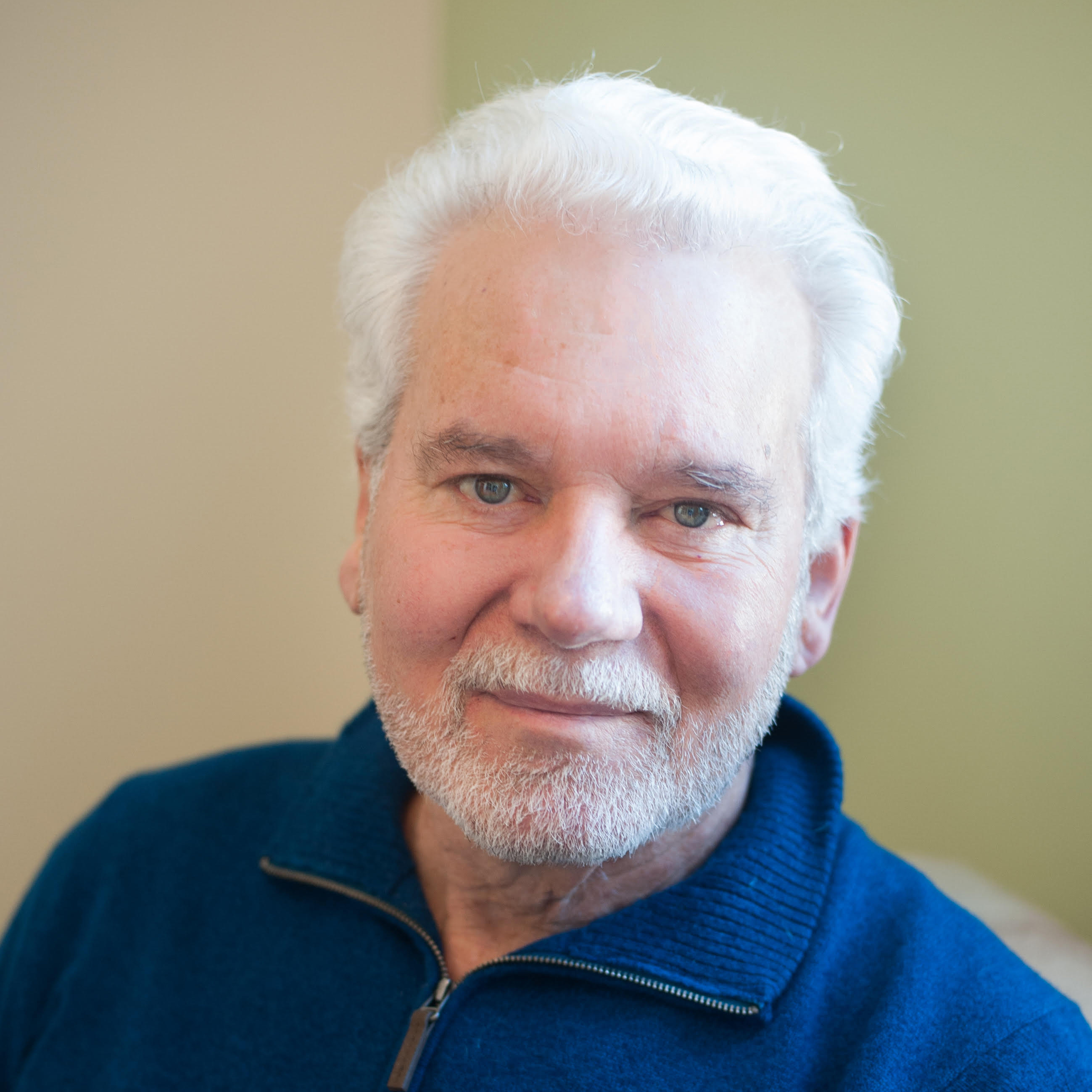
Rick Huttner
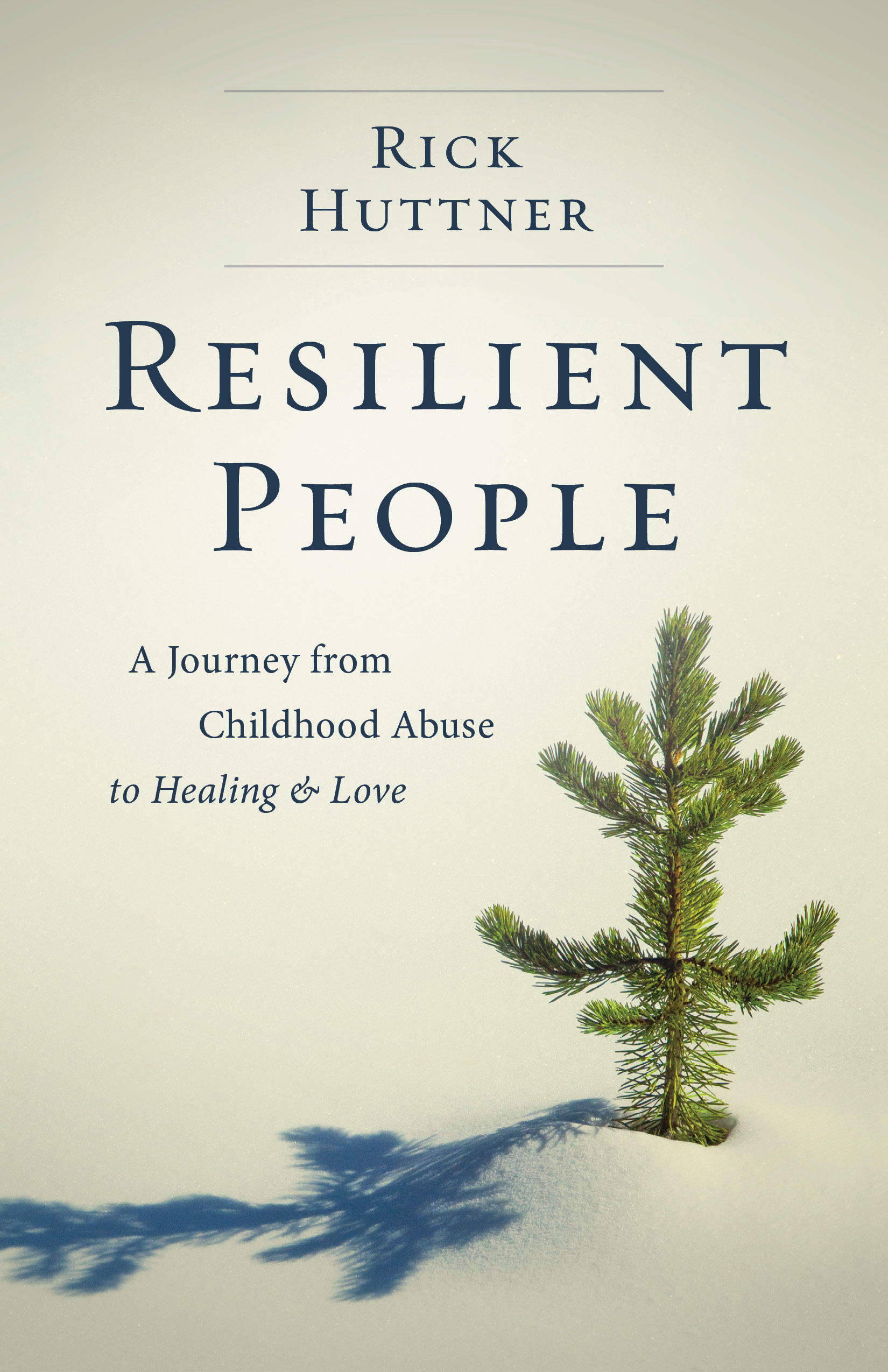
Rick Huttner is a survivor of physical and sexual childhood abuse who now works to spread the message that all abuse survivors can heal. His own healing began after decades of alcohol abuse, dysfunctional relationships, and a volatile career, all shaped by the buried pain of his childhood trauma. Now living a joyful, productive, and loving life, he founded the Resilient People initiative to support other survivors and regularly shares his story at speaking engagements and abuse-awareness workshops. He is the author of Resilient People: A Journey from Childhood Abuse to Healing and Love.
📚 Books by Rick Huttner
Transcript
[0:00:26] RW: Hi, everyone. It’s Rae Williams, host of Author Hour, where I interview authors about their new books. Our next guest is the author of Resilient People, he’s Rick Huttner and in his book, he shares his inspiring story and his journey through the recovery process of childhood abuse. If you were abused as a child, the psychological damage can be considerable. Feelings of worthlessness, hopelessness and shame can persist well into adulthood, seriously impacting your personal and professional life. Rick is here to share with us today because he wants you to know you’re not alone and that it’s never too late to heal. Here is our conversation with Rick Huttner.
[0:01:11] Rick Huttner: I’ve dealt with the effects of abuse for 40 years, you know? Four automobile accidents, three motorcycle accidents. It’s a blessing I didn’t kill myself or someone else. I started a number company, made millions of dollars and lost it all. My first marriage failed, my second marriage although was fabulous, that went through some really difficult times. I went – I had a reasonable amount of money at the time. I have less now, but I flew all over the country taking healing seminars, spiritual seminars, doing body work, reiki, rolfing, massage and I finally joined something called Mankind Project. I don’t know if you know what that is. It’s an international organization of men’s groups, run by men and I’d always been uncomfortable around men because of the sexual abuse by a man. When I got on to Mankind Project reluctantly. I didn’t do much, but I’d listened, I had a friend encouraged me to go but at least I realized, it was a place where man could share his deepest feelings, fears, emotions, never get judged, would be listened to and supported. Never interrupted. I started, “my god, this is an incredible place,” and in there and depressed, I realized I kept looking outside myself to be healed. It wasn’t outside that needed to heal. I needed to heal from inside out. That was a venue that I never had before. And so, I started doing things like hung outside of my office store and said, “what am I thinking?” I kept a notebook and I realized, at the end of the day, how many negative thoughts went through my mind, not just every day, but every hour and sometimes every minute. I started to write them down. I realized when those feelings came up, I stuffed them. My method of choice initially was alcohol, I started sneaking alcohol when I was 13 because I didn’t want to feel. And Brene Brown said something really fascinating. When you shut off negative feelings, you shut of all feelings. That was true. I didn’t feel and I was a workaholic, I had an anger fused that was like a nanosecond long and it’s just all bottled up inside me. I started welcoming these negative thoughts. And yes, they were uncomfortable but I realized, the more I welcomed them and felt them, actually felt them, they began to lose some power over me. I continued that and I continued that for quite a long time, but I learned this. Fears become demons and when fear is rejected and stuffed into the subconscious mind and the subconscious mind protects and that’s what saves us as children. We barred all of this from our subconscious mind. Because it was way too painful. But by allowing it out, even welcome it, it lost power over me. Now, I remember abuse but it doesn’t drive me, it used to put me into a deep depression. I could slide into a depression so quick and I had to develop some skills to avoid that and I can share one of those with you if you like.
[0:04:52] RW: Yes, please.
[0:04:53] Rick Huttner: Yeah, I don’t know if you ever heard of neurolinguistics programming.
[0:04:57] RW: Yes actually. I’ve been through that, yes.
[0:05:00] Rick Huttner: I’ve studied some of it, I’m not an expert, but I realized three things. Human beings operate from three states. One, kinesthetic or emotional where the eyes are down and they’re feeling things. The second one is auditory where their eyes level and they’re speaking themselves. In the kinesthetic, the predicate is, I feel and the auditory portion predicate is, I say. In the visionary one, when your eyes are up, that’s where you and creation can see new things, the predicate is, I see. I realized I was slipping, I could get down that slippery slope of depression and early on, I could last there for weeks and I think, one of the things that saved my marriage is I owned a consulting firm and I traveled all over the country in Canada. It gave time for the arguments to settle and get back. But then I had a very strict and religious upbringing, which I think was more damaging than good. When you read the book, you’ll understand that when I was six months old, my mother had a serious emotional breakdown and tried to kill me and my brother. My brothers don’t particularly agree with that, but the book says what I believe. One of the things I remembered is lift mine eyes unto the hills, whence cometh my help. My help cometh from the lord. Now, literally, there’s a literal meaning to that, which I don’t subscribe to, I subscribe to the metaphysical meaning. I mean, it doesn’t mean there are troops coming down from the mountains, but it just lift your eyes up, look differently, see differently. What I did is I put those two together, NLP, in that statement and when I found myself getting upset or going down, I lift my arm up, I lift my head up and say, I lift mine eyes up unto the hills, when cometh my help. It changed my perspective immediately. I watched that real closely and it was just fabulous and I started doing things – some of the things my wife thought really crazy, but a lot of them were fun. I used to wake up in the morning just kind of go, "god, another day and then what am I going to have to get through today?” And I just was laying in bed one morning and I remember another statement from the bible is this is the day the lord has made, rejoice and be glad in it. I went, “you know?” I started saying that when I woke up and I’d get out of bed feeling better than I go on the bathroom and I looked in my eyes and I realized, when I first did this, I never really looked at my eyes. I never really looked in anybody’s eyes. I felt too much shame. I look at the mirror, I look at my eyes and I’m looking and I go, “good morning sweetheart, God loves you and I love you.” I got this huge smile on my face and I just started my day feeling really good. One of the things I realized, when I made my commitment to heal, things came to me, in my mind that’s the universe supporting me in that healing. Because I made a commitment and then things started coming to me, like those things I shared. I remember one day, driving in Texas and just down in the dumps and I was a passenger in car in this big truck pulls up alongside us and I look at the bumper. It says, “all will be well.” I went “wow.” I look back and it was gone. What was that? Was that an angel? Was just that’s something my mind created to help me through that day? I don’t know that I can tell you but I do know this and I’m firmly convinced to this. When you commit to heal, the universe will line up to help you.
[0:09:00] RW: I very much agree with that. This book is in part kind of a memoir, but also a teaching tool to help other people to also begin to heal once they’ve committed to that healing, correct?
[0:09:13] Rick Huttner: Yes, very much so.
[0:09:15] RW: All right, what in your opinion is just taking that first step. For somebody who has been through abuse or just kind of anything else that might be traumatic that they have decided because in a way, I kind of assuming that they have decided, what is the step after that or is just deciding that first step?
[0:09:34] Rick Huttner: Well, you just said something incredibly powerful - is deciding. The first thing that happens with abused children is they start making decisions about what happened and those decisions are mostly incorrect. They blame themselves; you’ll find it’s almost universal. The child can’t comprehend, so they figure, “I did something wrong.: Me personally, I believe I committed the most horrible, unforgivable sin. That was my religious upbringing, but its decisions we make that start defining the story we write about our lives. When you become aware of abuse and that can be subtle, things keep happening, same problems persist. You keep getting in the same argument with your mate, certain situations frighten you. When we become aware, awareness is the first step. Aware something happened. Then it’s a question of what happened. My experience, I did a lot of this alone, but I think it’s really important to get professional help and we can go into that in a bit. But awareness that something happened is the first step. The second step is making a decision that yes, this happened and I want to heal. It’s a huge commitment. It’s a commitment that can take a couple of years, but there’s risk in not going forward and there’s a risk in going forward. Risk in going forward; you’re going to learn a lot of things about yourself that are traumatic. The risk of not going forward, you’re going to live the rest of your life doing those same things over and over again, you can change your mate, but you’ll create the same thing with the next mate. You’ll change your job, but you’ll probably create the same thing in your next job. Until we heal our inner being, our mind, it’s difficult to move forward in freedom. Here’s an interesting point I learned. The mind is a collection, storage and retrieval mechanism, that’s all it does. The mind, the mind is incredibly powerful. The mind can create and what it creates it can un-create. That’s one of the things I deal in the book is rewriting the story of who you truly are, the beautiful child you were. Before your life was disrupted and a significant part is stolen from you.
[0:12:20] RW: All right. What happens if people are not to dealing with this trauma? What do you think is the most detrimental part of not confronting and deciding to heal from your trauma?
[0:12:36] Rick Huttner: Well, addictions are significant among abused children. Alcohol, drugs, gambling, inappropriate sex, sex outside the relationship. Just a lot of inappropriate things. For me, I had a number – I created a number of great businesses and because of an inappropriate decision, on my part, they failed. Or, I had to dispose of them at significantly less than the value they would have had. I had when I was a very young man, relationships with two beautiful young women. One, I got engaged to. They were really beautiful, loving young women. But when it got intimate, I got scared and when I got scared, I got freaky and I bailed and I bailed on these two women in the most inappropriate and hurtful ways. All because I was scared. I was scared and I didn’t have the courage to sit down and talk to them about it. One of these girls I was engaged to and I engaged to get married. To this day, I have written a lot of apology letters, I haven’t mailed them because they’re on with their life and I don’t think they need to hear any of that. I wrote apology letters because when I really get into those feeling and emotions, I was deeply upset how they treated these young women, who was so wonderful to me and loved me deeply. So, you go in the book, there is a list. I mean 36% of women and 26% of men in US prisons were abused as children. So, crime becomes a thing, there’s just so many things, medical issues. Abused people are more attuned to heart conditions. Other medical conditions, so in the book we spend a chapter on this thing. Here are all of these things that potentially can happen to you and things you can avoid.
[0:14:50] RW: All right, so what do you think is the most central idea of your book? So, if you have to say, “if you take one thing away from this book it’s got to be this…” what would that be?
[0:15:03] Rick Huttner: You did nothing wrong as a child. It’s the caregiver’s responsibility to protect the child no matter what. And the second one is you can heal. I guarantee it. You can heal and you can live a fabulous beautiful life, fulfilling your wildest, beautiful dreams. That is what I want people to get more than anything.
[0:15:28] RW: All right and so, tell me a little bit about how and I think this is an interesting concept because a lot of us listening to might be thinking, “okay maybe this didn’t happen to me but something happened to someone I know and I don’t know how to approach them or approach the situation or just approach their healing in general.” What is something that you recommend for people to do that they can help someone, a friend, a relative, a partner, like you said it affects your partnerships as well that might be still in the beginning stages of healing or just trying to get healing going?
[0:16:05] Rick Huttner: It is a sensitive topic and many, many abused people deny it. And they deny it as children because that is how they survived. So, I know when I was really out of control and two people very close to me came to me. One was an employee and the next day one was my boss and the employee said, “Rick, you are one of the best people I ever worked with. You have done an incredible help in my career, but I am not covering for you anymore. You are out of control. Your drinking is out of control and you got to do something.” And I said, “anything else?” She said, “no.” And I went, my first reaction was, “good god, I get all I have done for her?” I just went on this mental tirade and then I went to a bar and got drunk. The next day my boss called me and he says, “Rick, you are probably one of the best financial people I ever worked with. You have done incredible to turn this business around, you helped me when I became president but your life is in the toilet. Clean it up or I am going to fire you.” And I just was just like I couldn’t believe it. I mean I work day and night helping to turn that company around and I called my best friend and I said to him, “man let’s meet for a drink.” And so, we met for a drink and I told him how righteously indignant I was and he looked at me and he says, “you know I am your best friend, aren’t I?” I said, “yeah.” He says, “you need help. You need to get into therapy.” And I went, “you kidding me?” He said, “no, you need to get in therapy, Rick.” And he recommended somebody and I did. And it was the beginning of the healing. It is where I learned about the abuse from my mother. I used to have two night terror dreams and the first dream I was small, I was in a room it was dark and I felt like I always contained like in a crib and I felt this pressure on my throat and in my chest and it got tighter and tighter and I couldn’t stop it and it only went away when I gave up and I wake up just soaked in sweat and terrified. In the second dream I was in that room, dark, in that crib and I knew someone was coming to hurt me and I had a handgun and I could point but I couldn’t pull the trigger. I could see my face contorted in rage and trying to scream and no sound coming out. I couldn’t pull the trigger no matter how hard I tried and in working with this couple, I started in private therapy and working in a group, working one day the realization came. I was little. I couldn’t stop my mother from hurting me. And along with breaking down, significantly, I never had those dreams again ever. So that was the beginning and that is when I started traveling around the country all these seminars and all. I still wasn’t looking deeply inside and I wasn’t looking at the abuse, the sexual abuse.
[0:19:22] RW: All right, so tell me a little bit about Resilient People. Is it a foundation or?
[0:19:30] Rick Huttner: It is a foundation, it’s a 501C3. I created it when I started doing this healing work and Mankind Project, I started healing I said, “maybe I could help other people heal.” And I made a commitment to write a book. It took about three years and then I just got and you know I made that commitment to my Mankind brothers and they kept asking me and asked me and I kept writing and writing and then eventually I did it. But the purpose of Resilient People, foundation is again to provide information again the first being, you did nothing wrong as a child absolutely nothing. No matter what you participated in you did nothing wrong. It is not your responsibility; it is the caregiver’s responsibility. Second that you can heal, when you make a commitment, I promise you can heal and I list all. There are so many organizations out there that will help people. I also discuss significantly how to choose a therapist because that is critical in the healing process. There are lots of wonderful, kind therapist out there who have no idea how to deal with abuse. Especially multiple trauma and they can do more harm than good. That’s why we talk in the book and then in the website if you want to help somebody, make sure you have healed yourself. Brene Brown says another great quote you know in that healing process getting in the wrong place can create a swirling debris worse than what you had. So, when people start healing they want to help, which is a wonderful thing. We want them to help themselves first and get solid in that before they help others. Like the friend who counseled me, he didn’t try and counsel me other than say, “Rick you need help. I am your best friend, you need help,” and I love them enough or I trusted him. He was that good of a friend.
[0:21:44] RW: All right, so if you had to issue a challenge, so to the people who are going to read your book, already in the process of reading it, just people listening to you right now, what would you challenge them to do?
[0:21:57] Rick Huttner: First thing is read the complete book, don’t just read the first part. The book is I deal with the sexual abuse and that was difficult to write. It was difficult seeing it and writing and one of the things I decide is, I am never ever again be ashamed or embarrassed about what happened to me because I did nothing wrong as a child and that helped. But the book then goes into the healing process and it goes into how to choose a therapist. It goes into what needs to happen to bring awareness to the abuse in this country. So here is an important point, you know recently the Me-Too movement came alive and it was fabulous and it happened because very powerful and some very wealthy women had the guts do this and had to resources to do it. Just think, back a long time ago, women didn’t have the right to vote. Blacks couldn’t vote, they had no voice. Children have no voice and one of my goals is to bring awareness to this and give children a voice so they can be protected and that’s challenging. There is a gentleman I quote in the book and I can’t recall his name right now, but he is very knowledgeable and “he says to truly cure abuse will take 120 years because of what has to happen.” Abuse reporting is different in every state. Most abuse don’t get reported. It’s general consensus that 6.2 million children get abused every year. And they think that is under reported. Four to five children die every day of abuse, mostly under four years of age, die a brutal horrifying death. If you just read the statistics there, they are appalling, but they’re numbers. They don’t show the bruised bones, the damaged mind, the abuse destroys trust and perverts love. One of the things my abuser did was show me pornographic movies. I had no concept of how to treat a woman. I had to relearn that. It was just horrific what went through my mind. It is one of the reasons I broke it off with those two beautiful young women because my mind couldn’t comprehend what a loving relationship was. So, I want this word to get out. I want to speak at colleges and universities because I think the young people will be better in helping move this along, as they have been with gun control and had been with the Me-Too movement. So yeah, I want children to get a voice.
[0:25:07] RW: All right, so how can people contact you. So, if they are interested in helping, they are just interested in discussing and starting their journey of course they are going to get your book but how can they reach you?
[0:25:17] Rick Huttner: They can go to resilientpeople.us and our contact information is on there. We’ll be adding a calendar for list of speaking engagements but they can email us and get a lot of help. I have two directors; one is Dr. Rosana Scearce. She was one of the top psychologists in Houston dealing with abuse. She is just a talented, very bright lady, got more clients than she can handle and was significant in my healing and when I committed to creating Resilient People and writing a book, she volunteered to come on as a director. Chance Taureau, who is a senior leader in Mankind Project and teaches all over the world, he is that much demand. He also has a coaching business, which is in high demand and he said, “Rich I want to be a part of this. I think what you’re doing is incredible and they’ve been significant in helping me.” So, we have a lot of resources and we’ll bring those resources and there’s also in the appendix phone numbers. If you happen to feel suicidal, we want you to get on the line quick. We want you to get help quick. Suicide is a permanent solution to a temporary problem and it is tragedy when somebody kills themselves because it is a life lost. So, the sexual abuse lines, there’s rape lines, I mean some of the statistics of how many young girls are raped every day, is horrifying and there is a cultural thing that needs to be fixed. You know abuse has no religious, economic or cultural boundaries. It is prevalent in every society, in every cultural group in the world. So, it is just widely spread and it needs this attention.
[0:27:22] RW: All right, thank you so much Rick for sharing with us today and of course, we’ll be encouraging people to get your book and just seek help if that is what they need and as you said in the beginning decide to heal and make that decision to confront their trauma and change their lives. So, thank you so much.
[0:27:39] Rick Huttner: Rae, thank you and thank you for the opportunity to do this.
[0:27:42] RW: No matter what you endured in your childhood, you can live a happier and more productive adult life. Rick’s book, Resilient People, will help you take back control, learn to love yourself once more and finally be free. So be sure to pick up your copy on Amazon.com. Join us next time for another episode of Author Hour.
Want to Write Your Own Book?
Scribe has helped over 2,000 authors turn their expertise into published books.
Schedule a Free Consult