Hans Johnson: Episode 444
Read the full transcript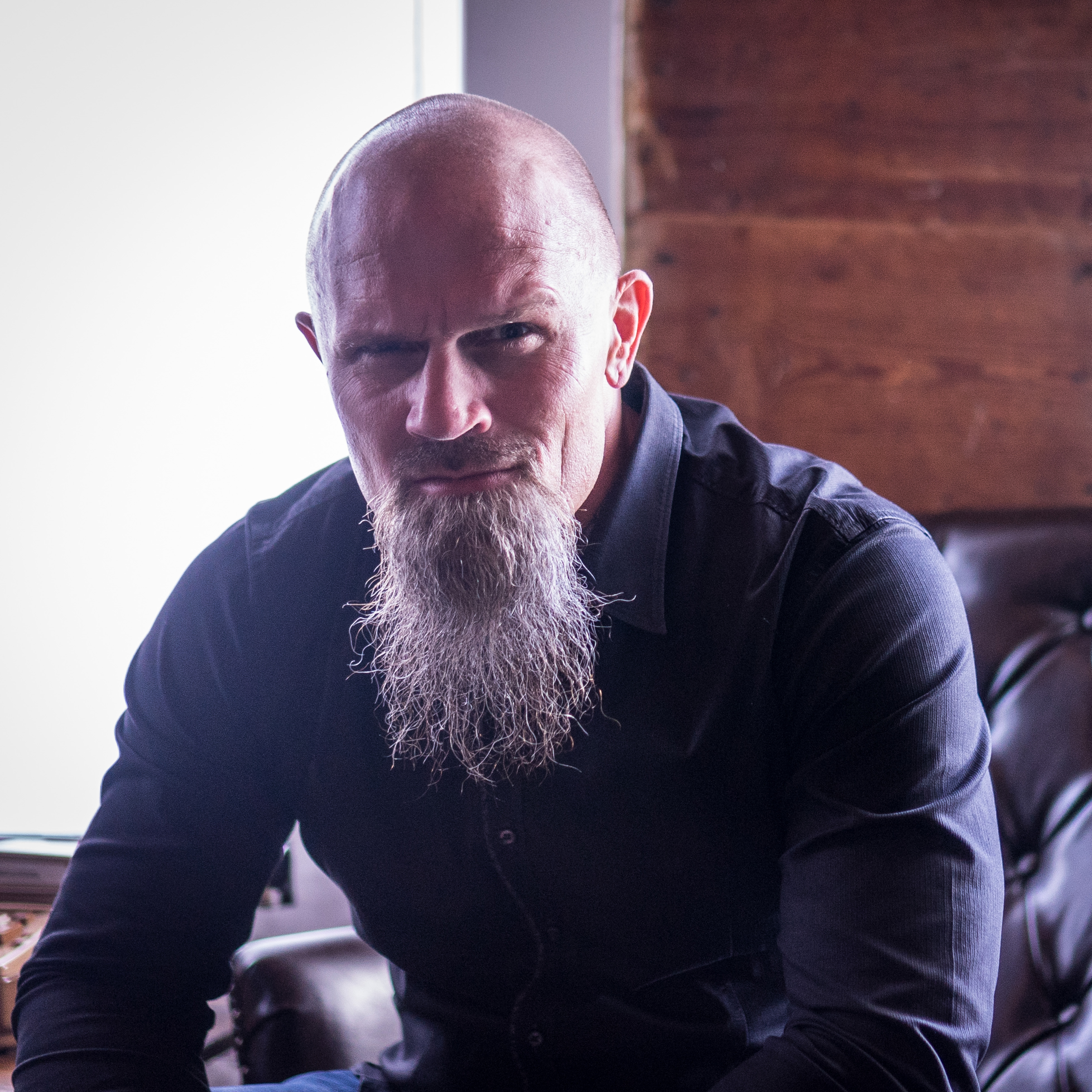
Hans Johnson
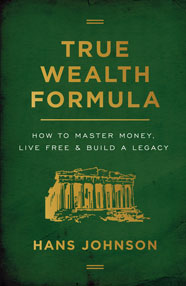
Hans Johnson rose from a childhood of poverty to become the co-founder and chief executive of a multimillion-dollar business. Raised in Hawaii, he started his first business at the age of eight, driven by self-study, curiosity, and a desire to transcend his circumstances. By twenty-three, he was featured in Success magazine for earning a six-figure income from a home business. He is the developer of the True Wealth Formula system and the Wealth Builder app, and the author of True Wealth Formula: How to Master Money, Live Free, and Build a Legacy. He lives in Texas with his wife, speaker Dani Johnson.
📚 Books by Hans Johnson
Transcript
[0:00:17] NVN: I really loved this conversation with author Hans Johnson and our discussion about his new book, True Wealth Formula and so much more. Hans is a fascinating guy with equally compelling thoughts about both the mindset behind, and logistical management of money, and he weaves these two elements together beautifully. But, I’ll let you hear it for yourself. I’m joined today by Hans Johnson, the author of the new book, True Wealth Formula: How to Master Money, Live Free and Build A Legacy. Hans, thank you so much for joining me.
[0:00:51] Hans Johnson: Thank you Nikki, it’s great to be here.
[0:00:54] NVN: I am very excited to talk to you and to hear a little bit about the story of your early years because it seems to me like they were almost cinematic in nature, by the brief description I’ve read.
[0:01:08] Hans Johnson: Cinematic, that’s a great word for it. Yeah, I mean, it’s funny, you know, I think that people have different childhoods. You know, I think for a good portion of my life, I just told myself, “It’s no big deal,” you know? Told different people, friends, and they would just freak out and be like, “You did what?” You know, for whatever reason, my way of kind of coping with it, you know, as a child, as a kid, was just to kind of like blow it off and tell myself, “That’s no big deal,” you know? I used to tell people that I just didn’t have a childhood. I went from you know, mentioning in the book, eight years old, I started my first business, was selling flower necklaces to tourists. I grew up in Hawaii on the big island, in Kona. You know, I’d come home from school and pick flowers from the trees, make these flower necklaces, and go downtown and sell them to tourists. You know, on a good day, I’d make some good sales and on other days, I wouldn’t sell anything and I’d be depressed and feel terrible.
[0:02:14] NVN: As an eight year old.
[0:02:16] Hans Johnson: Yeah, exactly. I grew up in a pretty typical, you know, broken family and most families and you know, often married, divorced, and my mom is a single mom and she did the best that she could but I guess what I try to do is focus on the positive of that experience of just learning of entrepreneurship, learning the value of work. You know, just to think about if there’s a problem, there’s a way to solve it. If there’s a need, you know, how do I go out and work, or create value, or get out there and, you know, figure it out. I guess in some ways it was kind of a blessing to be able to have that opportunity at a young age and to get out there and to make money, you know? For school clothes, for food, and then of course, video games at the local arcade or whatever –
[0:03:07] NVN: Priorities, as it should be.
[0:03:09] Hans Johnson: Yeah, totally.
[0:03:11] NVN: But this sounds like it really propelled you because by 23, you were featured in Success magazine, correct?
[0:03:18] Hans Johnson: Yeah, I think, I remember at like 12 years old, we were moving like every few months and such and never really had a bedroom to myself. 12 was the youngest age I remember telling myself, “Someday I want to be a millionaire,” you know? “This sucks. I want to be able to provide different for my family someday and don’t want my kids to grow up the way I am.” So, I did, I eventually got started in business, you know, different business ventures and had success, met my wife, we became business partners. Over the years built several businesses. Most of my adult life, I was an entrepreneur, CEO of a company that there’s a multi-million-dollar company that we had built. You know, most of my background again was in entrepreneurship and marketing and product development into that area and – but it was further down the line where I started to kind of think about those dreams again and really, you know, the idea of wealth, what is wealth, what is true wealth? The book was really, I guess in development for quite a long time, frankly.
[0:04:30] NVN: In this book, you’re talking about the difference between the appearance of success and how it feels on the inside and how people can get sort of enmeshed in this ongoing cycle of consumption, debt and despair. Talk to me a little bit about that and also, was that your experience with attaining wealth as you got older and grew more and more successful?
[0:04:54] Hans Johnson: Yeah, its’ a great question, the answer is yes. I mean, I think most people still don’t often do go through that cycle because a natural state, and this is sort of a human nature thing where what we think is, we define wealth, basically, we define it the way it’s been sold to us and we’ve been programmed our entire life through media, through advertising, the whole system basically to be consumers and to consume. Particularly, in western cultures make this is more pronounced but the idea that more is better, bigger is better. One of the things that I talk about in the book is this idea of first of all, if we’re going to deal with money issues and the idea of this concept of mastering money, let’s first define wealth, what is true wealth. You know, the importance of getting that real clear, you know, that there’s an internal wealth and then there’s an external. The internal is always more valuable than the external. There’s a graph in the book that I talk about, called The Money Versus Happiness Diagram. In there, it basically comes, to kind of summarize it, there’s a lot of studies that have been done about people that you know, they spent a whole life trying to achieve success and have all kinds of success and particularly, this one study, everyone that were people that were getting ready to retirement and asking them. “What’s your biggest concern?” The number one answer was, you know, not having enough money for retirement. And then, a couple of years afterwards, they followed up with them and said, what’s your biggest concern now? Now, these very same people, they didn’t say, “Not having enough money,” now their biggest concern was loneliness.
[0:06:32] NVN: Wow.
[0:06:33] Hans Johnson: It’s one of those things where it’s like, you know, they figured out how to do with whatever they. So, we talk about this in the book, a little bit about hey, because the majority of the book is again, talking about this concept that I talk about in there that I learned when I was young from a mentor that I had, that the key to wealth is to get your money working for you, instead of you working for your money. The book is really about how to convert, how to do that, and we do it through a formula, various formulas. But in the beginning, we say, you know, you can have all that material success in the world but if you don’t have the internal gain, we don’t have those relationships, and good health, you know, this spiritual side, it’s going to be pretty meaningless, you know? There’s a lot of rich – I talk about the rich miserable bastard and it’s blown up in its, you know, but that’s kind of my story, it’s the story of the guy that’s just driving and driving and going up to that next goal, and you’re constantly going for that next thing. Every time you get there, you don’t ever enjoy it, you know? Because it’s like a mirage in the desert, you get there and then it disappears because you’re looking out at that next thing, whether it’s the next income goal, or achievement, or whatever it is and that we’re really enjoying the moment, and never basically having that sense of fulfillment and satisfaction.
[0:07:59] NVN: For you, was there a specific moment where that turned and you did feel satisfied, or you did feel fulfilled, or was it more of like a gradual experience of getting that to that place by making different choices, or focusing on different things, or whatever the answer was for you?
[0:08:18] Hans Johnson: It’s such a good question. For me, it’s been a journey and a process and I think to the best that I can identify, I think part of it is a personality and a temperament thing, there’s certain types of people that are more, maybe type A personalities, and just hard-driving and the typical pattern is that they just burn through relationships, you know? Probably because of my upbringing, my childhood, and growing up in poverty and things like that and just being driven by that sort of that fear, it took me a lot of years to realize that fear was the thing that was driving so much. I mean, this is after making millions and having all kinds of success. Crazy material success but still like, what’s going on, you know? To answer your question, I would say that for me, it’s still there, it’s still something I have to acknowledge is very real and that I have to hold myself in check by paying attention to certain things in my life, like the quality of my relationships. How I’m feeling, how I’m sleeping at night, there’s things, but I’d have to learn over time. I would say, it’s more like a – I used to fly planes privately and you know, you have a dashboard of gauges and each gauge kind of tells you something but you use all of them together to help you – That’s your instrument power, hopefully that you keep that plane flying. But if one gauge is off, it tells you, “Hey, you need to make an adjustment,” you know? It doesn’t mean that the plane’s going to crash, but you kind of have to have some indicators that you know, help you stay on track. For me personally, you know, it’s definitely my relationship with family and friends, those aren’t the strongest parts for me but they’re important. They’re so important. I have to watch myself. Probably, there’s some people that don’t have that same kind of challenge, you know? It probably depends on the person, their upbringing, their temperament, and certainly cultural, influences play a big part as well.
[0:10:22] NVN: I love that analogy of the plane dashboard, that’s such a good way of thinking about this. I mean, in my opinion, it’s true, we do have all these different gauges and you got to keep an eye on all of them on a pretty frequent basis.
[0:10:36] Hans Johnson: Yeah, absolutely. I mean, you’ve got to get to know yourself, you know? Again, there’s the internal gain and then there’s the external. I mean, one other thing that, to me, took a lot of years to figure this out, I was like, why is life so complicated. Why do I have a list of 20 fricking things that I got to try to figure out all the time, and every time I get one thing figured out that the other thing is just screwed and wonky?
[0:10:56] NVN: It’s a whack a mole.
[0:10:58] Hans Johnson: It’s just craziness. I was like, “Okay, what’s the deal” and then I was like, “Okay, life, basically, it all kind of boils down to like money and relationships,” you know? People argue that and say, “Oh no, that’s not the case,” you know? But yeah, pretty much, that’s it, you know? It’s money and relationships and if we don’t keep those prioritized right, we can get things really out of whack. So, part of the book, what we’re trying to do is to basically simplify the whole money side of it because it’s gotten just ridiculously complex. The system is basically designed to keep people in a cycle of consumption and debt and then if they break free from that to be speculating in high-risk investments and to be overly dependent on other people to tell them what to do with their money. For me, I got tired of that, I was like, “This is crazy,” you know? Like I said, the book was kind of like, I don’t know, almost two decades now of just a lot of journaling, a lot of trial and error, looking at patterns across the wealthy. How they managed money, how they think, how they see money, versus the masses, and versus most people, versus what we’re taught in school for example, or not taught.
[0:12:14] NVN: I love that. You know, one of the things that has become unexpectedly so clear to me through hosting this podcast is when I started, I thought of money as a thing and almost a cold topic for a lack of a better word. The thing that has become clearly obvious to me is, as I’ve talked to more and more people who are experts in the field, and then began to watch my own behaviors around money more carefully – it is such an emotionally loaded topic. I think a lot of us don’t think about it that way, but it’s one of the most emotionally loaded topics.
[0:12:49] Hans Johnson: Absolutely. You, me, all of us, we have these playgrounds in our brain and they’re the default program, you can call the subconscious, unconscious, non-conscious, whatever word they want to call it nowadays. But you know, since we were born, we’ve been basically programmed through 10,000 media messages a day through – you can’t go anywhere. Nowadays there’s social media, whatever, it used to be TV, now it’s internet. Every media out there is basically messaging, constantly telling us that the core message is: “You’re not good enough, you need this, you need more of that. You need a little bit of a bigger house, you need to drive a nicer car,” you know? And our whole economy, our whole global system, our global economy is a debt-based economy. It’s that debt that’s used to basically finance all that consumption and that over consumption. It is, it’s an emotional thing, there’s a lot of fear attached to it and you know. For example, I find this all the time with clients and different people. They’ll have the money plan or budget, but as soon as something happens in their life that is some kind of an exception, that budget is out the window, you know? That savings plan is out the window and there’s always an excuse, it’s always some emergency. Right now, it’s this, you know, pandemic that’s going on and the markets are crashing and all these kinds of things. But that’s life, throughout entire human history, life has never been an experience that doesn’t have curve balls, you know? That doesn’t have uncertainty, that doesn’t have periods of time that have chaos and, you know, things that happen. These are the cycles that happen, and so people just react to that and so, we will compromise. Basically, we’ll tell ourselves in our mind, we’ll have these facts, we think we’re logical, and at the end of the day, it’s emotion that’s driving it. The dominant emotion is fear. It doesn’t look like it’s fear but if we dig deep enough, that’s the emotion, that’s the most dominant human emotion that exist.
[0:14:55] NVN: I think you hit the nail on the head. Fear is this sneaky thing and it has a lot of masks that it hides under.
[0:15:01] Hans Johnson: Yeah, absolutely.
[0:15:02] NVN: You talked earlier about this idea of money working for you, rather than you working for your money. I want to land there a little bit, but before we do, I’d love you to just pull that thread through for me about how these things we’ve talked about in terms of the way we deal with money and look at money and feel about money. How does that relate back to our money working for us rather than vice versa?
[0:15:28] Hans Johnson: That’s a great question. You know, we’re going through our life, we’re working harder, trying to get that next job, that next promotion, we’re trying to grow our business, right? We’re always looking at those numbers and we’re driven throughout our whole life to basically, essentially, like I was saying, spend, right? And to use debt to finance that. The whole idea of get your money working for you instead of you working for your money, a multimillion taught me this when I was a teenager growing up in Hawaii. I didn’t understand when he first told me that, I was like, I wrote it down, it’s like my god, that sounds amazing, you know? I was like man, and then later on I thought, “Well, wait a second, how do I get the money, you know? And then, how do I get it working for me, wait, I don’t understand this, did you give me an answer to something, or just give me a big riddle, I got to figure it out.” I spent years trying to figure this thing out because it sounds so simple and it sounds so neat, and was kind of like cool, I say this phrase, you know? Like all these success books and finance books, you know? How do you actually do it? So, yeah, the emotional side, the subconscious, those programs, there’s over 180 known biases that they have identified. These are the ones that they think they know of the human mind where we will basically – that will hijack our rational thinking. There’s some personality types that can come up with their money plan, or budget or financial plan and stick to it. But it’s a very small percentage of the population. But basically, what we do, through a funnel, it’s a framing, essentially, on how to think about money, how to manage money, how to manage investing. What we like to do is we like to start with concepts and then strategies and then tactics. So, that the concept helps us understand, what is money? How do we use it, for example, like, get your money working for you instead of you working for your money? There’s two types of money, there’s what we call our earned income which is the money that we work for, right? And then there’s unearned income which is the money that works for us. This could be at different types of investments or assets and – but there’s different types of investment and different types of assets, some of them are very risky, there’s no such thing as no risk but there’s different characteristics that once people get that foundation under their belt and they get that understanding, then they can start to identify okay, these are the type of assets that are more likely to do well over a period of time. I guess, the way I explained it is just like, I like to show our clients an image of an iceberg and when you look at the iceberg, you know, everybody knows this, it’s like 90% of it is under the water. What I’ll say is okay, most people, what they’re looking at when they do with money and you do with investing or you hear something on the radio, you hear something your friend tells you this great story, “I bought this stock and it doubled or whatever.” What you’re seeing is the tip of the iceberg and the tip of the iceberg is an investment tip, you know? What’s a good stock, you know, my god, the market’s crashing, what should I do? What I like to say is, what we really need is we need a wealth-building system which is what’s below the surface. If we can learn and add a wealth building system, then we can plug in those investment tips. That wealth building system needs to basically model patterns across different people but patterns of the wealthy, basically, on how they manage money. One example I’ll give you is, you know, most people think when they think about budgeting, they think about dollars and cents and successful investors and the wealthy, don’t manage money by dollars and cents. They manage money by ratios. Most people are taught, well, you should do a budget and you need to spend you know, $500 on this or X amount of dollars on that, or whatever. That’s just not how the wealthy typically manage money. We have a formula basically that we use to convert our earned income into unearned income, or to get our money working for us instead of us working for our money. Kind of going back to what you said, it starts with dealing with those programs and those belief systems and unravelling some of that a little bit and redefining the purpose of money, meaning, the purpose of money is not just to consume, it’s not to fill that hole of more, more, more. Bigger, bigger, bigger. What we do is we start to get clear on that with purpose of money being about building a legacy, which can be to help other people, it can be to fund a nonprofit, it could be to do with a lot of things. We go through a – basically, a process of steps, once we deal with those beliefs, then we can start to let go of, we can go, “Why am I over-consuming? Why am I spending more than I earn?” Which is the patterns across the board, people do. There was a study that came out recently and like most people don’t even have a thousand dollars in savings and you know, people are thinking well, that’s only the people that don’t have high earnings but the stats are the same across all income streams, you know? There’s a high percentage, even people that are earning a hundred thousand or more a year, there’s a huge percentage of them that don’t even have a thousand dollars in savings.
[0:20:39] NVN: That is so scary.
[0:20:41] Hans Johnson: Yeah. Especially with the crisis that’s going on right now.
[0:20:45] NVN: Absolutely. Wow, okay. So, what you are basically doing it sounds like to me is, this is completely holistic so there is this mindset part of it, so that hopefully people can come to this with more of a clean slate, so to speak. Then build a strategy on top of that where they’re getting rid of some of the human behaviors that cause us to be more erratic rather than finding strategies that are sensible on a logistical level and allowing ourselves to go with them. Am I understanding that correctly?
[0:21:21] Hans Johnson: Yeah. I’d say that is a good way to put it. You know, I could sit there all day long. I can read dozens of books. I can learn this, I can have that information in my head, you know, I could be smart, I could have all the right answers and that is what we’re all taught in school, you know? The question gets asked, I’ve got to raise my hand, I’ve got to get the right answers, or sound smart, and I get that star on my name. But it doesn’t matter what I know, what matters is what I do, what matters is what is my system, and do I have a system that works, causes forward progress, and forward momentum every single month, every single year, no matter what, right? So, it is even more important in today’s world because we are in massive information overload. So, the answer to becoming financially independent, becoming financially free, creating wealth, it’s not any more information, you know? Or, you can say this like it is not just in buying this book and reading this book, right? It is in the actual implementation of the systems and putting that together and part of what the systems do, so yeah, you’re right. First of all, it is like digging that foundation, which is dealing with those belief systems and all of those programs that are in there but then putting those systems in place and those formulas and we automate it. But doing it in a way that my brain can’t come in later and hijack and derail it.
[0:22:49] NVN: I like that.
[0:22:51] Hans Johnson: That’s what happens.
[0:22:52] NVN: You know, as you are talking it really reminds me. It is like the same human impulse as emotional eating, for example. So, we know that to feel healthy and strong, we should eat a certain way but then something happens, so there is an ice cream excuse and then it’s like that, over and over again.
[0:23:11] Hans Johnson: Yeah, it is exactly the same thing.
[0:23:14] NVN: Yeah, totally. So, I would be remise if I didn’t ask you because obviously it is so relevant right now, what are your thoughts about what is going on right now and the uncertainty in the financial markets, the fear that obviously is cropping up for a lot of people with it like, do you have any words of wisdom to share with people at this particular point in history?
[0:23:39] Hans Johnson: So, that is a great question Nikki and I am going to say two things and it is going to sound scary but with it there is huge opportunities. So, I think, and this is the side, this is the me part and you’re asking me my opinion and I have done several conversations recently with clients and others out there. We are all looking for someone to tell us what is going on, you know? And we are looking at the newsfeed, we are listening to financial experts, this and that. And if you look at the patterns none of them know what is going on. There is no consistency across the board, it is all the guess work and for me personally what’s happening right now and I have been saying this and I have been following this event that is going on, you know, it’s early April 2020 right now. I have been following it since December and started delivering this to our clients in January, this is a not a G-recovery event. This is not something to stop. This is a 100-year-event that’s taking place right now. And that sounds pretty bad and it is bad. I think it is being underestimated the impact that it is going to have and it is going to take longer to deal with it and I am not just talking about the virus and you know all of the unknowns that are about happen but the economic impact is huge like it’s massive. I can elaborate on this if you want but I’ll say that on the flipside to that there is going to be – so when I say a 100-year event, the biggest mistake that people make and we all do this, is we have recency bias, which is one of our 180 biases where we say, “Well this looks like this thing that happened recently.” So, we’re expecting things to go the way they did most recently, and you saw this with the markets with the Federal Reserve reduced interest rates and instead of the markets rallying the markets crashed further. So, there is a lot of stuff going on right now that is very complicated, but it is not responding the same way that it has in the last 10 years. So, the first thing that people need to realize is that the environment has shifted. We are in a bear market right now, we are not in a bull market. So, for example in a bull market, you buy the dips, right? Because it is going to on to make a new high. Well, we are in a bear market right now and in the bare market you sell the spikes, you don’t buy dips because the trend is down. So, one of the things we talk about in the book is that all markets boom and bust, every market. There is no market that just goes on and grows forever. So, there are these cycles that happen, and it doesn’t matter if it is real estate or the stock market, or you know dozens of other different ways to take money. We call it planting seed and growing in order to do it, and you know building wealth through money funds and money seeds, basically. But all markets boom and bust. So, this market has gone bust and this is not just the financial market, like in ’08. Where the result is garbage going on in the system and then the financial system basically caused pain and problems on Main Street. This is a Main Street issue going on with businesses shutting down, nobody knows how long this is going to be. The experts are saying – think about it – a month ago they are all saying, “Oh it is just the flu don’t worry about It,” you know? And then a week or two they’re like, “Oh we’re probably going to have to shut down for two weeks.” Now, they are saying, “Oh it is going to be one month,” right? I have friends that live and work inside of different government organizations out in the DC area and they’re shut down in Maryland, Virginia, DC is shut down until June 10th, right? So, we have to basically step back, and we have to look at a longer view of history. So, this thing in my opinion, and I hope I am wrong on this, I would be so glad to be wrong on this, but I think this is a 100-year event. I think it is going to be longer than people are anticipating, and people need to be hunkering down. They need to be raising cash, they need to be cutting expenses, they need to be very conservative unless people have money to lose and if they want to basically buy lottery tickets, go for it. Yes, there is some deals out there, buy the dips, do whatever. If you want to treat it like a lottery ticket, right? But there is going to be better deals a year from now in the real estate market than there is today. We are in the very beginning of this thing. The defaults and the stuff that is going to happen and yes, the government and the feds are going to throw all kinds of money at it. But I think the positive side to it is that there is going for people that have been priced out of the market and have not being able to refer to buy homes and all of this stuff that’s been going on out there, for people that are really smart right now, we have clients that were able to side step this. And they’re heavy in cash right now, they have been using to our formula because the formulas and the systems in there basically allow for you know positioning for these types of events. But the positive side to it is that there is going to be incredible opportunity coming out of this for small business owners, there is going to be new ideas that start up, new businesses that start up, and obviously on the investing side, there is going to be a lot of opportunity out there. So, that’s my opinion on it. I just think that this is a time to be hunkering down. It is not a time to be gambling. That is my take on it, so.
[0:29:04] NVN: I have a couple of questions for you actually because this is fascinating and I really love that you are saying you don’t know, nobody totally knows, these are your thoughts on them. Yeah, I hate saying this word, I am nowhere even close to a financial expert. I am one step above financial dummy, but you’ve said a few times the phrase, “100-year event ,” and this is one of those thoughts that I’ve actually had a few times. We keep comparing this to the 2008 recession. Is this actually going to be more comparable likely to the depression?
[0:29:38] Hans Johnson: Yes.
[0:29:39] NVN: Okay.
[0:29:40] Hans Johnson: It is the only thing even closely comparable that to be looked at and now, there is a lot of changes, a lot of differences obviously, you know? But the other thing is that we – the amount of debt in the world today is massive, you know? So, yes, there is the central banks are more involved, they’re throwing all of this liquidity, they are trying to keep the gears in the systems moving and flowing and for all the paucities that are different today, there’s also a counter balance of the negatives. There are the risks on the other side. I mean it follows to the pattern of the Spanish Flu followed by you know – there is sequence of events there. My concern right now is the virus, yes, I mean the numbers and the stats on it are all over the place, all over the board. You know, we could talk about that, probably not this time, maybe some other time, or whatever, but that is what it is, and most people are probably going to survive it and be fine and not – But then you have the economic, what they call the third order effects, the economy, all of the domino effects to this, with your political instability that is already happening as a result of it there is some real risk out there right now and some huge unknowns. So, I just think that there is a time for feast and famine and plenty, and there is a time for storing and being conservative and you know, being smart. And people that are smart right will be rewarded, you know? But the hardest thing, here is the hardest thing for all of us, is that when that environment shifts to get ahead of it mentally because we are looking at the rearview mirror constantly and that rearview mirror is only a few months or a year or two going, and the furthest fact we can see is ’08 you know? So, we just don’t do very well at making that quick shift and getting ahead of it. We always tend to be a step behind because we are trying to stay positive. And we are trying to basically – you know, we are rationalizing things, you know? And so one of the things that we do in our financial wealth formula, and one of the things I talk about there a bit is a pattern. A huge difference between the professional wealth builders and investors, versus amateurs is professionals focus on risk management and amateurs focus on gains. So, when I say amateurs, I would consider myself – a lot of the reason I wrote this book is for me. So, to remind myself, seriously right? You know for my kids and just like as – because it is our natural human nature to look at things and go, “Oh that’s a good deal let’s do that,” you know? Whereas the professionals, the people that are really good at the game they know that these kinds of risks are out there, and they pre-position for that. They’re really focused on calculating the risk and managing the risk and they prioritize that over just gains so.
[0:32:26] NVN: It is also interesting, and I have to say, I mean clearly what we are talking about is not the happiest news ever, but I almost feel a sense of relief in hearing someone like you talk about it because I have the same feeling, understanding it is totally out of fear of the unknown. In this situation, the other thing is that it happened so quickly, we didn’t have a lot of time to mentally prepare ourselves, but I think it’s very helpful right now to talk in terms of reality. Even if we don’t have answers, getting as grounded in reality as we can, so that like you said, we can prepare and just be braced for what’s ahead and hopefully with that forewarning, or preparation, not get in an emotional tailspin when things do play out.
[0:33:16] Hans Johnson: Yeah, you are exactly right and the other part to that is also a dependency on these systems, these experts, corporate media, whatever you want to call it to tell us, right? And so there is a saying in the book to affirm this is, “No one will do it for you if you don’t want to do it yourself.” And it’s a hard pill to swallow because we live in a society where we don’t like risks. We don’t like uncertainty. We love guarantees. We want somebody to give us some type of a security, safety net, you know? To insurance, right? And then look at the insurance industry so we are constantly looking, we’re standing in the headlines, we are looking for that government official or that media talking had to tell us what’s going on you know? Please tell me, give me some good news. Tell me this isn’t going to be that bad you know? And meanwhile, we have to take that responsibility ourselves. We have to take that responsibility for our health, our own finances, our own family, you know, because there’s all kinds of examples. You know, there is a limit to what the government can do. The government can’t do everything, can’t be everywhere. It’s so ridiculous, they can’t, you know? Just thinking it’s all right and they can act like it and people want to think that way but no, it is just not how it works.
[0:34:37] NVN: Absolutely, yeah, the comfort of magical thinking. My last question for you and again, I really don’t want to Polly-anna any of this but the other thing you mentioned when we started talking about this was a mindset shift. It occurs to me that being in the midst of such a large event, it is also an opportunity for a mindset shift for the better. Okay, I would love to hear you talk about that since that is sort of, you know, what you are talking about in this book.
[0:35:12] Hans Johnson: Yeah, I mean it plays right in. You absolutely nailed it. 100%. Okay, so our brains, our programming, we have been programmed since birth to be debt slaves. We are in a global debt-based economy and that global economy totally depends on us to consume and to be in debt. It has been proven statistically, the more income people make the higher their debt goes, you know? And so, human beings expand or contract to whatever our environment is. We can sit here all day long and we can talk whatever, we can read, we can do all of this stuff but our environment is what is going to be intended. So, we’ve had this crazy environment where we have unlimited options. I can open up Amazon or I just can type in any product. I can get whatever I want from all over the world, where I am just consuming, or I am eating whatever I want. What do I want to eat tonight? I don’t know, you know? You know, all of these options, right? Nothing is simple anymore, the world is overly complex, right? Look at the supply chain problems that are happening right now because we can’t even get freaking toilet paper because it is being made in some other country, right? And 80 to 90% of our medications are made in another country, right? Historically, it was always known that you import your luxuries. You don’t ever import your necessities. You make your necessities at home. You import your luxuries. You don’t import necessities, right? That is history. It was always like that, you know, you get your nice French wine and your French cheese, and your elites and your wealthy people get to do that, but everybody else just eats your domestic stuff you know? I mean there is always known that way. So here we are now we have supply chain issues, we have systematic stuff. So, going back to what you said, it is an amazing opportunity because the environment is changing and it is going to force us to simplify our lives, to value relationships more, which is true wealth, to cut our expenses, right? Get rid of all the garbage in our life, and all of the crap, unnecessary crap. Look at those investments that are on our portfolio that our “financial adviser” told us were safe. Ah no, right? There is no such thing as safe, there is no such thing as risk-free, right? There is just risk management. There is just structure in your life in a way that prioritizes what’s most important, right? That keeps it as simple as possible. We live in the light, we live in a work today that is just a cluster fest of complexity, right? And dependency on these different industries and people to tell us what to do. You don’t know what to do with your own health, your own food, your own money, nothing without asking somebody to tell you what to do, you know? This is the world we live in now. So, the benefit from all of this going back to what you said that I see is just it’s going to force us to get our values straight, to simplify things, to really think about what is really important you know? And the worst this thing gets the better that gets. So, there is a counter-balance –everything in the world, universe, creation, God, whatever you want to call it there is a balance you know? So, add to this, yeah this is a bad terrible event. I personally think that it is a 100 year cycle event that is unfolding right now and I think we are at a very, we are at the front of it and the same plays out over a period of years not weeks or months but there is so much positive to come out of this like so much positive. So, we just have to keep that positive attitude, get outside, get a little sunshine, you know? Get that vitamin D, have positive conversations with people. We’ve got to let go. We’ve got to let go of all of that stuff that we think in our mind is important, you know? All the crap. I worked in Hawaii and in Hawaii you go to school barefoot, you know? So, it is a different type of place there, as far as just more simple, but I am far, far removed from that now in my life. I am looking at myself going, okay this sucks. I am not going to like this but there is a part, there is a little voice deep down inside of me that’s like, “Oh I am going to do this, this is the perfect way,” you know?
[0:39:21] NVN: Yeah, I get that.
[0:39:23] Hans Johnson: Just like anybody, you know it’s freaky. It is a little bit terrifying because of all the unknowns and all of the uncertainty and all of that, you know? Worried about my grandpa, my 91-year-old grandma. I am worried about people in my family. I have all of those fears, all of that uncertainty but I am taking that deep breath and I am going, “Okay, there’s a lot of good that is going to come out of this,” and we need it. We need it as a society, we need it.
[0:39:48] NVN: Yeah, man your book, I mean, who knew that your book would be landing at this moment in time. It is kind of perfect, actually.
[0:39:58] Hans Johnson: It is kind of weird because we were like uh, you know, I have been delaying it and delaying it, and it’s like, “Oh my God, I am going to try to drop a book right now with all of this going on, like I don’t care anymore. I am just going to get it out there.”
[0:40:08] NVN: Yeah, well I mean I am delighted right now. First of all, I think people have more time to read on their hands than they have in a while, but also, I am grateful that it is now because this feels like an important conversation to have. So, you know, I won that’s great. Hans, you are fascinating to talk to. I really appreciate your time, the book is True Wealth Formula: How to Master Money, Live Free and Build a Legacy. Is there anywhere else listeners can find you outside of the book?
[0:40:38] Hans Johnson: Well definitely, if they go to truewealthformula.com, if they go to the website, there is a page on the home page that they can basically sign up and get a free PDF. We call it the Money Quadrant and it talks a little bit about these different type of assets. We didn’t really talk about it here today, but it kind of touches on some of the content of the book and then obviously inside the site, there will be a page, you know, to get more info on the book and some of the other coaching programs and stuff. But truewealthformula.com is the website and that is the best place to reach me.
[0:41:07] NVN: Awesome. Thank you so much again for your time and good luck with the book.
[0:41:12] Hans Johnson: Thank you Nikki, this was really fun. I appreciate you.
[0:41:16] NVN: Thanks for joining us for this episode of Author Hour. You can find True Wealth Formula, on Amazon. For more Author Hour, hit the subscribe button on your favorite podcast service. Thanks for joining us, we’ll see you next time. Same place, different author.
Want to Write Your Own Book?
Scribe has helped over 2,000 authors turn their expertise into published books.
Schedule a Free Consult