Melanie Holscher: Becoming Ovary Jones: How to Fight Cancer Without Losing Your Mind
Read the full transcript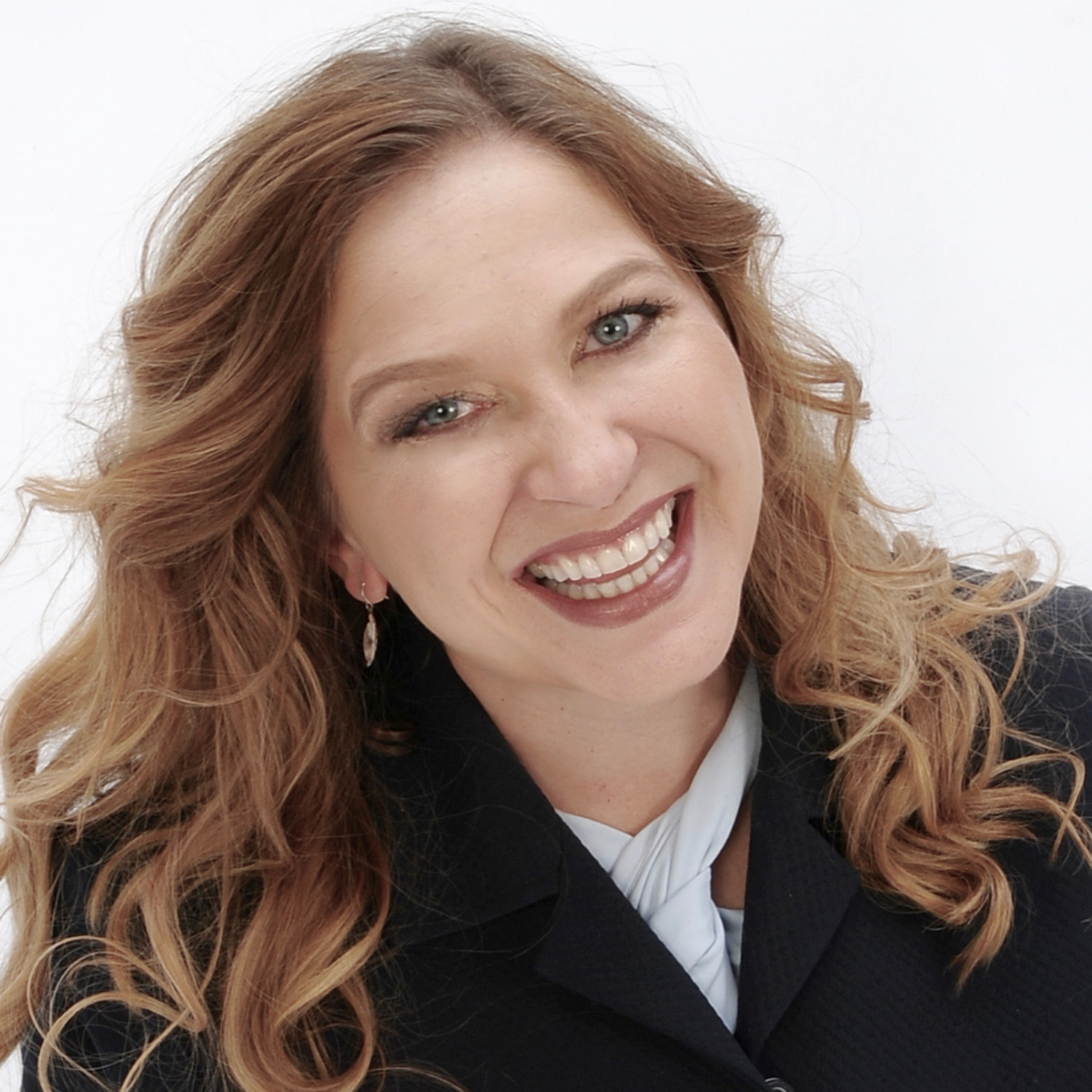
Melanie Holscher
Melanie Holscher is a business performance coach who spent years as a sales and leadership coach helping thousands of professionals. After she was diagnosed with stage 4 ovarian cancer, she applied the same coaching techniques to her own fight, an experience she shares in her book Becoming Ovary Jones: How to Fight Cancer Without Losing Your Mind. She is also the founder of Together We Box, a monthly subscription box created to strengthen the mindset of people going through cancer treatment.
📚 Books by Melanie Holscher

Transcript
[0:00:31] EG: As you’ll hear in this interview, Melanie Holscher can’t say she’s thankful for her cancer. But after mysterious back pains landed her in the hospital, where doctors found cancer that had already progressed to stage four, Melanie realized that to survive this, she needed a strong fighter mindset. She writes about her fight and shares the lessons it brought in her new book, Becoming Ovary Jones: How to Fight Cancer Without Losing Your Mind. The biggest lesson she learned was that our mindsets affect our outcomes. In this conversation, Melanie explains how she focused on this principle to strengthen her inner warrior. Today on Author Hour, I’m sitting down with Melanie Holscher, author of Becoming Ovary Jones: How to Fight Cancer Without Losing Your Mind. And Melanie, I know that having cancer survivors in my life, I have seen so many people struggle through the cancer journey, not really feeling seen and known and I’m just so grateful that you’ve written this book for folks to be seen and known and know that they’re not alone.
[0:01:38] Melanie Holscher: Absolutely. We are all in this together, it’s so important.
[0:01:44] EG: Let’s start by giving listeners an idea of obviously the book it covers your personal background with your health but there’s also this element of how your professional background played into it as a consultant. And so, let’s give a snapshot of what your life looked like before you were diagnosed with cancer?
[0:02:04] Melanie Holscher: Before I was diagnosed with cancer — I am a coach for a company called Southwestern coaching. And I’m plugged into this brilliant and talented group of coaches, all dedicated to helping people achieve their goals in life. And it was so fortunate that I happened to have this career because I had these amazing coaches on my journey with me. And even the CEO of Southwestern, Dustin Hillis — he is in charge of so much. He has to maximize every minute of his day and even he was taking the time to text me and lift me up and really protect my mind. And as coaches for athletes, athletes work on their mindset to prepare them for their game. Boxers have to win the fight in their mind before they ever step into the ring. And it’s the same in business, success comes from developing the right mindset. Thankfully, my career as a leadership coach really helped me and who knew that all the things that I had been coaching on mindset for years, I never realized that those things that I was coaching, those principles were actually preparing me for the biggest fight of my life.
[0:03:24] EG: Was there any moment that maybe surprised you when you realized that a lesson that you had learned and coached in your professional life was applicable to your cancer journey?
[0:03:37] Melanie Holscher: I think there was a lot of things that were just so applicable, I just never thought of it in those terms. And it turns out that all of the principles that we’ve been coaching for success really came into play with the cancer battle as well. Because our mind is not our friend, usually, and it can get kind of dark in there sometimes. So especially for that cancer patient, there are things that we can do that really bolster up that mindset — that makes all the difference in the world. And so I think that’s really what the coaching helped me see. And it wasn’t actually until the very end when I finished my last chemo treatment. I happened to go to a banquet for my son and I was randomly seated at this table with another family and just making conversation. I said you know, what do you do for a living? The guys said, “I’m a gynecological oncologist,” and I was like, “Of course you are, because I just can’t get rid of you guys.” We got to talking about my journey and you know, I told him that I had just rang the cancer bell, finished my chemo that day. And we talked a lot about that, he commented on my attitude, and he said the most incredible thing that literally changed my life. He said, “Well you know, mindset impacts outcomes.” I guess I didn’t really think in that black and white kind of terms before but those simple words, those three simple words made me realize how important the mindset coaching is. And in a way, I feel like my life’s work trained me for this battle and now, understanding the ramifications so clearly. Mindset impacts outcomes. I had to share the story.
[0:05:36] EG: The title of your book, “Becoming Ovary Jones,” is actually really connected to the mindset. In terms of connected to stories that you had sought out and used to help bolster you through your own cancer journey. Tell us a little bit about why the name Ovary Jones and who are the Ovary Joneses that you found?
[0:05:58] Melanie Holscher: Well, Ovary Jones is kind of a mindset and there’s no better time than now to have cancer. Not that anybody ever wants to have cancer, but we’ve come a long way, right? We’ve gotten a lot better with the medicine, understanding the side effects. And I kept thinking through my battle of all of the other cancer fighters that came before me, and just how resilient they were and how much we’ve learned from everything that they went through. And I really love the idea of tapping in to a society of people. All fighting this battle. And I used to think of a little boy whom I actually never met face to face, he’s all the way on the other side of the country but his name is Vannie. And Van, he was diagnosed with leukemia and I remember going in to do a blood transfusion and I was really scared because I didn’t know what to expect. And I just kept thinking, you know, Vannie went through this and so tapping in to Van Alfred’s power, just really gave me the courage to go and face that fear. That’s what it’s all about, it’s a mindset, it’s this moxy of all these resilient bad ass cancer fighters all over the world and we are Ovary Jones.
[0:07:34] EG: How did you come to meet Van? Or learned about him?
[0:07:38] Melanie Holscher: Van is actually the son of one of the coaches at Southwestern Coaching. A couple of years ago, when he was diagnosed — we are a very tight-knit family at Southwestern Consulting. And so we were all praying for and thinking about Van and so when I was diagnosed about a year later, I thought of him often.
[0:08:05] EG: Why the name Ovary Jones? Where does that come from?
[0:08:09] Melanie Holscher: It just sounded really tough, I just liked the way it sounded kind of tough, like we’re Ovary Jones. We’re fighting cancer and we’re conquering the world, we’re moving this mountain. And we are a whole club of fighters and warriors that go to battle every day. And we fight cancer, not only in our bodies but in our minds. And we can tap into that tough mindset that helps us through some of the darkest days.
[0:08:46] EG: What kind of cancer did you have?
[0:08:49] Melanie Holscher: I was diagnosed with stage four ovarian cancer that had spread into my bones. I was actually admitted into the hospital immediately and because I had a grapefruit sized tumor that was choking out my spinal column. They weren’t very hopeful that I was going to be able to keep my legs, they were afraid I was going to be paralyzed and it was really scary.
[0:09:17] EG: Yeah, even the reading the chapter where you talk about leading up to that diagnosis and sort of how you even wound up at the hospital. I was reading this description of having back pain and just kind of like fighting through it, going to a chiropractor and convincing yourself that that was working. And I just thought, “Shit, this is how I am, this is my mindset,” right? Nobody expects that that back pain is actually something much worse, how did you deal with the psychological scramble of that?
[0:09:57] Melanie Holscher: Well, that’s the most important thing. That’s where all the coaching thankfully came in. I just had a group of amazing people lifting me up. There’s a saying, “I’d rather be bankrupt than hoperupt.” In those early days, when things were really out of control, I felt that this was so big and I was so broken. And I finally had to come to the conclusion, I had to actually make a decision that if none survived, I’d be the first. If one survived, so could I. That whole, if one survived, so could I, if none survived, I’ll be the first and I really had to just make that a mindset. And I had to tap into the art of acting like a survivor and thinking like a survivor and really tapping into that diva mindset that, “This is my mountain. I’m going to move it and I’m going to just prove to the world that it can be moved.” So, today, I’m a survivor and every day that I wake up, I’m going to act and think like a survivor.
[0:11:09] EG: Are there any specific moments you remember from your journey where that mindset was a very deliberate choice, where you kind of had to fight to keep that mindset?
[0:11:21] Melanie Holscher: Quite often. It’s one of those decisions you don’t just make once, you have to make that decision over and over again. And you know, there were times when I was going through chemo and I was just clinging to my bed sheets every day. I had so much anemia, I didn’t have any energy, I would just have to take a nap. I’d get up and take a shower and then I’d have to take a nap because I was so tired. The whole time, I had to really tap into the power of coaching, developing an attitude, you know, what can I focus on? What can I control? Because I couldn’t control what was happening in my body but I absolutely could control what was happening in my mind. I could control who I talk to, because there are some people that are just negative. It’s really developing that mindset and protecting that mind, ensuring that mind up for this fight.
[0:12:22] EG: Before we hit record on this interview, you and I were talking about not just cancer fighters and how this book is for them. But also those who were supporting someone who is going through a cancer journey. How important it is for those people to really read this book and understand what that experience is like for their loved ones. You poignantly said, you know, kind of flipping it as well, you said “You know, sometimes people say the wrong things.” What are some of the ‘wrong things’ that you heard from people that you loved while you were going through this?
[0:13:01] Melanie Holscher: You know, I think this is kind of a public service announcement for people when they’re talking to cancer patients. Because the intention is to be helpful and to really want to connect. And we know that the intentions are pure. However, a lot of times, what happens is somebody goes kind of off in the recesses of their mind and they want to find the common denominator. Something that they can talk about. So they go shuffling through and then they find “Yeah, so-and-so had cancer,” and then they start telling you the story about so-and-so who had cancer but the problem is, a lot of times, those stories don’t end well. It can be very difficult for a fighter to hear those stories over and over again. I do recommend, instead of trying to tell a story, obviously, you want to identify the elephant in the room and talk about it. So maybe, you know, “I heard the news, I heard.” But then just keeping it to — “If there’s anything I can do, I’m here to listen, you're so strong.” And keep it about the fighter and not about all the other people that I have fought before. I don’t know if that helps. But I know my friend Beth who is my chemo buddy. She had some guy, it was a friend of hers, and he came up to her and he goes, “I understand you are winding down.” She’s like, “I am not winding down” and I had a friend of mine say to me, “Well, you don’t really fight cancer, it’s not the person that fights the cancer. The person just has to go to the appointments and let the medicine fight cancer.” And I was like, I really thought about that long and hard and I’m like, “That is so not true because we have to be able to win the battle in our mind before our body can really heal.” And the whole thing and I don’t want to get too philosophical but does your mind have a body or does your body have a mind? And I think that our mind has a very sick body and we have to really protect our mind and be careful about who we talk to.
[0:15:22] EG: Are there any ways in your own journey that you saw that illustrated clearly for yourself?
[0:15:29] Melanie Holscher: Absolutely. So having to protect my mind, I actually have three coaches that made probably the biggest difference in my journey and we would talk every Friday morning and I was just in a funk. I just didn’t want to have cancer and I was having a little hissy fit meltdown. I was like, “I don’t want to have cancer. I don’t want to be a cancer patient. I am tired, I just want to get back to my normal life. I don’t have time — like, this is pretty fucked up.” And I was just having a temper tantrum. And I’ll never forget, Angie said, “I know. I didn’t want to have cancer either.” And I was like, “What? You had cancer?” And it really stopped me in my tracks because I didn’t know that about her. And she said, “Yeah and you know what? I’m really thankful that I went through that.” And that was probably one of the biggest game changers for me. It really shifted my mindset because I thought who could possibly say they’re thankful for cancer? That’s so crazy. And then she asked the question, like only Angie can do. She said, “What would have to happen for you to be able to say you were thankful for your cancer?” And at the time, I couldn’t think of a world in which I would be able to say that sincerely. And I just thought it was crazy. But from that moment on, I started thinking what would have to happen for me to be able to legitimately say that. And as I thought about that, I knew that I started to try and figure out what would have to happen for me to be able to say that and I can honestly tell you, Emily, I’m not there yet.
[0:17:18] EG: I was going to say, like, I am assuming from this story that there’s some outcome in which you are thankful for your own cancer. And I am kind of relieved to hear you honestly say that there isn’t. At least not yet.
[0:17:33] Melanie Holscher: Absolutely not.
[0:17:35] EG: That seems pretty damn human to me, yeah.
[0:17:37] Melanie Holscher: But I am getting closer. I am getting closer every day but I will say it hasn’t been all bad. There’s been some lessons that I’ve learned, I have included that in the book. There’s been some things, some people that I’ve met that I would have never met had I not gone through this journey. So there are aspects of it that I absolutely am glad that I’ve had. However, I could not put a blanket statement out there that I am thankful that I had cancer, just yet.
[0:18:06] EG: Do you have an idea of what the coach meant when she said that? What it meant to her?
[0:18:12] Melanie Holscher: Yes actually. So hers happened about 20 years ago. And at the time, she was making a decision whether she was going to expand her family or what exactly she was going to do. So when she was diagnosed, it sort of closed that door and so she went in a different direction with her career. She ended up building a very successful business and then ultimately, she started working with Southwestern Coaching, where I met her. And so after thinking about it, I was like, “Wow, I really can see that not only are you thankful for all of the opportunity, all of the things that you are able to have because you went in this direction but ultimately, I’m kind of glad you had cancer too. Because I wouldn’t have met her had she not.”
[0:19:08] EG: Getting back to that idea of the wrong things that people say, and I am making an assumption here, but I know it is a very common thing when someone is grappling with an illness that they don’t fully understand that supportive well-meaning people will throw all of these ideas on the table of like, “Well, have you tried XYZ ABCDE?” Did you have that experience as well where people were kind of trying to figure out how you could fix your cancer?
[0:19:37] Melanie Holscher: Yes, everybody has opinions and everybody wants to be helpful, truly, they do. However, there are times that I didn’t even want to talk about my cancer. I don’t want to hear the word cancer. I just didn’t. So I think if we just truly want to lift the spiders up and be there for them, part of it is to understand that they might not even want to talk about it. They might not want to be thinking about it right then. We just have to let the fighter tell us when they want to talk. Does that make sense?
[0:20:10] EG: Absolutely and was there a particular moment when you realized that you needed to share your journey and what you learned in this book?
[0:20:22] Melanie Holscher: Yes. As soon as the oncologist that I talked to at my son’s banquet said, “Mindset impacts outcomes,” it really hit me like a ton of bricks. Because I was just so blessed that I had all the coaches in my life but I thought what would have happened had I been an accountant? Or a school teacher? Or somebody that wasn’t tapped into mindset training 24/7. So it was at that moment that it really made me realize that doctors are so amazing. My doctors are phenomenal but they are working on our body and we’ve got to work on our minds. And I just haven’t heard that message. So I just felt that I had to share it.
[0:21:17] EG: That’s beautiful. One of the hallmarks of your journey that you write about in the introduction is how much waiting was involved in the lead up to learning that you had cancer. And then going through scans and tests and confirming it and then going through treatments and there’s just all of these waiting built in. How did you learn to deal with that?
[0:21:42] Melanie Holscher: We call that scan-xiety. So there’s all kinds of scan-xiety for cancer patients waiting for these tests and waiting for this doctor and it is really challenging. And that’s when that mindset comes into play because we’ve got to be focused on the positive. We’ve got to focus on the things that we’re grateful for because if we start worrying and letting that consume us, it robs us from our joy. And I don’t know how much time I have left here and neither do you, neither does anybody but I do know I don’t want to spend it worrying and not enjoying my life.
[0:22:28] EG: Yeah, wow and it’s funny right? It strikes me that the hard part about that is that when you are waiting for news that is so important about the supposed outcome of your life, I know that for me, it’s like hard to get over how important it feels to know the thing to actually enjoy the moment that’s here.
[0:22:49] Melanie Holscher: Absolutely. I remember very early in my battle, I would ask the doctors, “Well what are my chances? How much longer do I have?” And I was asking them all of these questions and then I realized, “Oh my goodness, I am asking the wrong questions.” And that’s when it clicked and that is when I made the decision if one survived, so could I. If none survived, I’d be the first. And it was all because I was asking the wrong questions and I was planning how long I was going to live. And so in our coaching program we worked with a lot of sales people and we’re always teaching them to assume the sale. And so I realized that I had to assume that I was going to live. And I want to live like a survivor. And so that was a very important moment in my journey when I assumed the win and started acting and thinking like a survivor.
[0:23:52] EG: Wow. You write too about how important it is to acknowledge and express your feelings — all of the various weird and ordinary and otherwise kinds of feelings that come up throughout this journey. I imagine it was difficult to learn that lesson.
[0:24:13] Melanie Holscher: Yes, there’s a lot of lessons that are challenging for the cancer fighter. But there is no better time than now to be tagged into the battle. Of course nobody wants to hear that diagnosis. Obviously I didn’t. But we understand more today than we did in the years past and we figured out how to manage pain and side effects much better and when we tap into that Ovary Jones mindset, that society of warriors who have all heard those words, “You’ve got cancer,” it’s meant to be a tribute to those that fought before us. That helped the medical world learn about our disease. But it is also a mindset thing. Warriors are renegades. They’re brave even if they don’t realize it and it is meant to be a reminder that we’re not alone. There are so many that have fought before us and we can tap into their moxy mindset, the spirit of Ovary Jones.
[0:25:18] EG: What does your life look like now?
[0:25:20] Melanie Holscher: Well, it looks a little different. So I have been working a lot on not only the book but also a subscription of monthly care packages. And on online resources designed to cultivate the healing mindset. It is called Together We Box. So the boxes are full of encouragement, empowerment and actionable hope, things that every patient can do, even if they are clinging to their bed sheets, like I was for months on end. So I am truly counting on all of the geniuses in the world today to tap into their mind bending, Elon-esque style of out of the box thinking, and figure out this cure. But until then, I am dedicating my life’s work to change the way the cancer battle is fought by strengthening the mental game of every patient — I can to lend them some moxy too.
[0:26:26] EG: That’s incredible. What kinds of things do you put in the box to help give them hope and empowerment?
[0:26:32] Melanie Holscher: Well, the book is one of them, of course. But there is also a Becoming Ovary Jones gratitude journal that is guided. Well, every month is a little bit different and they’re all geared to foster that winning mindset. But there’s beautiful things in there to remind her just how special she is, what a fighter she is, that she is a champion. And that she has the heart of a champion. And there’s things, action things to be able to do, even if you’re bed-ridden. Things that you can think about, things that you can listen to, to bolster up that mindset. Every box is a little bit different, and of course they’re full of some luxury things, and some special little gifts to let her know that whoever is sending her that box that loves her and is thinking about her. But it is also jammed packed with empowerment and grit and encouragement.
[0:27:36] EG: That is wonderful, how exciting. Well, it’s been such a pleasure to talk to you today and hear about your book and your journey and what you’re doing. Thank you so much for taking the time.
[0:27:49] Melanie Holscher: Thank you Emily, it’s been a very enjoyable conversation.
[0:27:52] EG: And for me too. So once more, the book is called, Becoming Ovary Jones, and besides checking out the book where can people find your boxes and where can people find you?
[0:28:04] Melanie Holscher: Together We Box is the website, togetherwebox.com and you can find everything there and of course, you can always find me on LinkedIn and Facebook. We have a Facebook fight club specifically for our Ovary Jones Club but there are lots of places to find me and you can always find me at Southwestern Consulting as well.
[0:28:29] EG: Wonderful. Well, thank you so much Melanie.
[0:28:32] Melanie Holscher: Thank you so much Emily, I’ve really appreciated our time.
[0:28:35] EG: Thanks for joining us again for this episode of Author Hour. You can find, Becoming Ovary Jones, on Amazon. A transcript of this episode as well as all of our other previous episodes is available at authorhour.co. For more Author Hour, subscribe to this podcast on your favorite subscription service. Thanks for listening. We’ll see you next time, same place, different author.
Want to Write Your Own Book?
Scribe has helped over 2,000 authors turn their expertise into published books.
Schedule a Free Consult