Kelly Edwards: Episode 696
Read the full transcript
Kelly Edwards
KELLY EDWARDS is the CEO of Lawton Marketing Group, a full-service agency specializing in marketing and branding for the financial services and insurance sector. The agency represents hundreds of top financial advisors and firms throughout all fifty states and Canada, and they have won more than fifteen national and international awards for their work. Kelly has been in marketing for more than twenty years, and her clients range from individual advisors and small family offices to Fortune 100 companies.
📚 Books by Kelly Edwards
Transcript
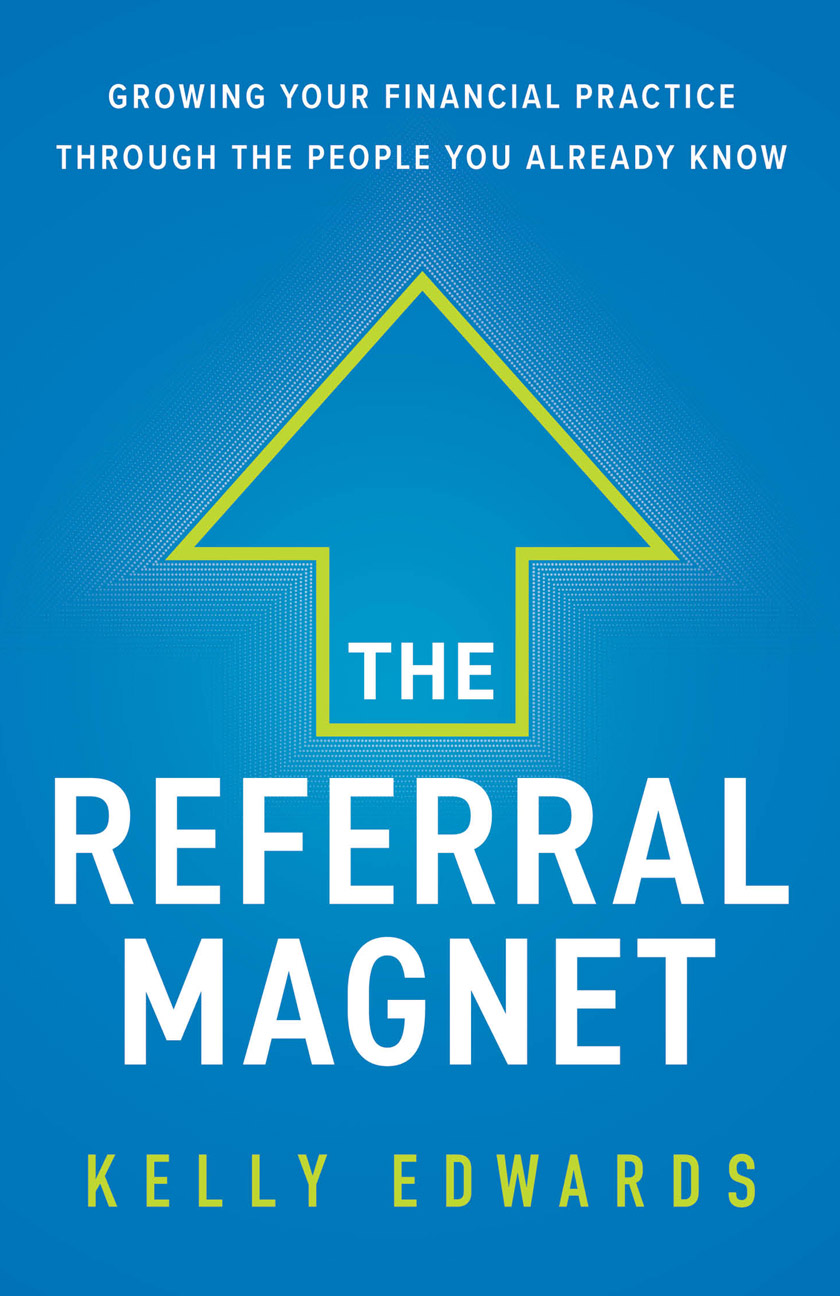
[0:00:36] JB: Often, business owners think that, if they get most of their clients from referrals, then they don’t need marketing. According to Kelly Edwards, making yourself “referrable” is a kind of marketing and you definitely need to be doing it. In her new book, The Referral Magnet: Growing Your Financial Practice Through The People You Already Know, she offers a guide for how to do just that. On Author Hour today, she explains why financial practices are especially reliant on referrals, how businesses can ensure they actually are referrable, and then how to build the kind of relationships that encourage clients to spread the word. Hi, Author Hour listeners. I’m here today with Kelly Edwards, author of The Referral Magnet: Growing Your Financial Practice Through The People You Already Know. Kelly, thank you so much for being with us today.
[0:01:27] Kelly Edwards: Thank you so much for having me.
[0:01:28] JB: Okay, before we get into all of the goodness, give us some context. What do you do for a living? How did this book come to be?
[0:01:37] Kelly Edwards: Sure. I own a branding and marketing agency that specializes in working with financial advisors. We have an agency of about 14 people and we work with financial advisors all over the country to help them grow their practices. Most of our clients are in the top one to 3% of the industry so they’ve been in it a while, they’re already successful, they get a lot of referrals, most of them work primarily on referrals and so just wanted to put a book together that shares the secrets and the tricks of the trade if you will with other advisors.
[0:02:15] JB: Okay, cool. Now, I feel like generally speaking, we all understand that referrals are important and why but why are they particularly important for financial practices?
[0:02:28] Kelly Edwards: That’s a great questions. I’ve actually been in marketing for gosh, almost 20 years now and the last 10 has been focused on the financial sector but prior to that, I’ve worked in a lot of different niches and marketing and the financial industry is very different than really any other industry and the reason is, when somebody is choosing a financial advisor to work with, they’re choosing somebody, when you think about the magnitude of the decision, they’re choosing somebody that’s going to keep them safe, that’s going to protect the money that they have worked their entire lives to earn and is going to protect that money and make sure that they are always able to provide for themselves for the rest of their life that they don’t run out of money in retirement. They’re entrusting their entire financial future and sometimes their family’s financial future to a person, right? It’s a huge decision that it’s really unlike any other that consumers make. Because of that, it doesn’t tend to be an industry where people choose an advisor based on whose office is nearby or by just googling for financial advisor near me. The decision making process of finding a financial advisor almost always begins with talking to people that you already know and trust and asking them who they use, that might be an attorney or a CPA that you work with or just a friend or family member but because of that, it’s just always, it’s an industry that is extremely referral centric.
[0:04:02] JB: Okay, I’m assuming getting referrals, there’s more to it than just like doing a good job for your clients and hoping for the best, right? You’ve built a business. How does a company make itself referrable?
[0:04:19] Kelly Edwards: Yeah, it’s a great question. A lot of times, what people think is that the process of getting referrals, they think of it as being two different things, either it’s just a passive process that happens whether you’re involved or not or it’s something where if you want to impact the volume of referrals you get, really, the only way to do that is by asking for them. I don’t teach asking for referrals at all in the book because I think it’s horribly awkward. I always tell clients, if you already have a way that you have figured out to ask for referrals and it’s comfortable for you and it works, kudos to you. I’m not going to tell you not to but I’m not going to teach people to ask for referrals because it’s an awkward conversation to say, “Well, do you have anyone that you can send my way?” and it’s awkward for the person asking and awkward for the person being asked. It’s really, what this book is really about is all the things that you can do in your business to just increase the volume of referrals without asking for them. Part of that is being referrable and to your point, you’re not going to survive in this business if you don’t do a good job for your clients, that’s the basics, right? There’s a big difference between doing a job, doing a good enough job for your clients to where they keep you on as their advisor and doing such an outstanding job for them that not only do they keep you on but they also rave about you and refer you to their friends and family and that’s really what the book is about, teaching them to tap into.
[0:05:48] JB: Okay, is that what you mean when you say referrable, tell me what that word means?
[0:05:55] Kelly Edwards: Yeah, essentially being referrable means that you’ve got enough of your ducks in a row, you’re doing enough things right to where people are comfortable referring you. I’ll give you one example, let’s say you got a referral for a specific physician that you were told was a really great physician and when you showed up at their office, everything was old and tattered and torn and it smelled bad in there and the receptionist was kind of rude and maybe once you finally got back to the doctor, you liked him but the whole experience just wasn’t great. The next time somebody asks you, “Do you know a doctor in this particular specialty?” are you going to refer them? I mean, when somebody refers somebody, you’re kind of putting your own skin in the game, it’s a reflection of your own personal style and taste and standards when you refer somebody. In the world of financial advisor, if you’re somebody – again, if you’ve maybe – maybe you have problems with your staff and you don’t – they’re not nice to people when they come in or they don’t look a certain way or maybe your office is tattered, I mean, those are some basic things. Also, just really, the overall experience of doing business with you. Again, you can be great at your core function of your job and that's going to keep people with you that have already chosen you, but being referrable is really about being outstanding enough to where people will put their own reputation on the line to send people to you. That really requires a different level of care and concern in your brand and in the overall experience of working with you.
[0:07:30] JB: Beyond having all your ducks in a row like you say, making sure none of your employees are being rude and that there are lots of key pieces of advice in the book similar to this. Beyond that, how can you get your clients without asking them to take that extra step?
[0:07:50] Kelly Edwards: Yeah, it’s a great question. One of the things that we teach people is that when it comes to – your brand is what people are referring. You may be your brand, you may be just a solo advisor with no staff, you’re still a brand. Your brand is really in being referrable, you have to tap into all three parts of your brand, which is you have a verbal part of your brand, you have a visual part of your brand and you have an experiential part. The verbal part is all the things that you say about the company, your website verbiage and the things that are in your brochure and the things that you say to your clients, it’s anything used to talk about you or your company. The visual is the visual, it’s what is – again, what does your office look like, what do you look like, how professional are people, what does your website look like, et cetera. Then, the experiential side is the experience of doing business with you. How fast do you return phone calls, how often do people hear from you, how often do you meet with them, do you send them gifts on their birthday? All of those things are the experience part of your brand and when you do all of that really well, you’re giving people an experience that makes them not just a satisfied client but a raving fan. Raving fans refer people, so that’s part of it. Another part of it is forming deeper relationships with your clients, we all go out of our way to refer our friends for things more than we do just people we do business with. If you’re actually personal friends with your hairstylist but your nail technician is someone you just know and go to for your nails, you’re more excited and more wanting to give a referral to your friend, right? That’s just how it is. Part of it is really changing the relationship you have with your existing clients from not just advisor in client but advisor and friend and client and friend. That’s a big part of it and you do that by spending time with them and sowing into that relationship like you would any relationship.
[0:09:51] JB: Yeah. Every single aspect of the business is client facing, ultimately.
[0:10:00] Kelly Edwards: It is, absolutely. Whether it’s your part of it or it’s a staff member or whatever, thinking through from the moment a prospect reaches out to you until you’ve been working with them for decades, what is that experience like and that’s often the absolute best way to grow in advisor’s practices and the growth happens through referrals, is looking at everything they’re already doing and figuring out which areas are good as they are, which areas need improvement. It’s not about creating this whole new thing, it’s about doing what you’re already doing but taking it up a notch to provide a better overall experience for people and form better relationships with them.
[0:10:43] JB: I mean, what an incredible opportunity if you can take money that’s been flagged for a marketing budget and put it into customer service and wind up with the same result.
[0:10:55] Kelly Edwards: Exactly right, it’s funny I talk to advisors all the time that will tell me, “I don’t do any marketing” and then when I talk to them and I know what they don’t know in that moment and I’ll educate them on it and that’s that you do marketing. If you’re a successful advisor, your marketing, you’re just not considering it marketing because it’s relationship marketing. I talked to a guy yesterday that said, “I’ve never spent a dime on marketing” he’s been in business for 20 years and he and I have worked together for a while. I said, “That’s totally not true, you were just a minute ago telling me how you take your clients out for golf and you send them a book on their birthday every year and all of that is marketing” but it’s a really enjoyable way to spend your marketing dollars to your point, it’s sowing into those relationships and just kind of loving on your customers if you will. Again, the end result of that comes, it’s increased loyalty and closer relationships and the net output of that is more referrals.
[0:11:53] JB: Part of it also is making the actual referral process, should your clients choose to do it relatively easy, right? Having a website that’s easy to find, having information ready to share, is that right?
[0:12:09] Kelly Edwards: Absolutely and to take that, you have to have a brand. I had a client who had a really terrible web presence before I started working with him and he told me, “Yeah, my website is terrible. I never look at it. I don’t ever send anybody there so it doesn’t really matter. I only work on referrals” and I said, “Well, that’s actually not accurate that it doesn’t matter” because even when somebody – number one, if you’ve got a really embarrassingly bad website, I promise you people are less likely to refer you to their friends because they don’t want to send that link. They go to your website and they see it and they’re like, “Ugh” and again, it’s a reflection on them when they send that to somebody. If your website is bad enough and your web presence is bad enough that will stand in the way of referrals but the other biggest thing that it impacts is that when somebody’s referred to you, their next step is not contacting you. It is going online to vet you to decide if they’re going to contact you. That is an incredibly important part of the referral process that people have to think about because the reality is that any advisor, you don’t know how many referrals you get. You only know how many convert to becoming an actual prospect by reaching out to you. You don’t know how many were referred to you and decided not to reach out to you and so thinking through having a great web presence, having a great social media presence, having things that when somebody has been referred to you, they can go online and check you out and that everything they find sends the right message and inspires them to get in touch. That’s that second part of the referral process that’s critically important, I call that passing the test that you don’t know you’re taking because again, you don’t know necessarily that you’ve been referred to somebody but they are still going through a process of vetting you and checking you out and you got to make sure you look good and seal the deal.
[0:14:01] JB: Do you advise clients to put testimonials on their website or is that a step too far?
[0:14:07] Kelly Edwards: No, it’s great. Some advisers can and some can’t. That actually depends on their licenses. There is a lot of rules in the financial industry when it comes to marketing and promoting yourself, so when advisors are able to have testimonials and reviews, it’s a very powerful thing. I definitely encourage it, it’s great content but unfortunately, a lot can’t have those so they have to impress people other ways.
[0:14:34] JB: Which makes referrals even more important if there are so many rules around how you can and can’t work at your business publicly.
[0:14:43] Kelly Edwards: The way that somebody writes a testimonial, you know what that does again when somebody is vetting you and checking you out, they are just looking for reasons either to reach out to you or not to reach out to you. It’s sort of like going through, if you’ve got a yes and a no column, we want to get all the checks and the yes column. You don’t want to give them anything to rule you out, you want to give them just information that’s going to help them decide, “Yes, that’s who I want to work with.” Testimonials can play a very great role in that but other things can too. It is really just about using your web presence in this way to build credibility, to kind of lift the veil and let people see who you are professionally and personally and so there is a lot of things that you can do even if you’re not an advisor who is able to do testimonials that can still be really powerful in getting people to a yes decision that they want to reach out to you.
[0:15:36] JB: Yeah and to your point about people making a decision, do they want to call you or do they not want to call you, I mean tell me if this is wrong but I assume psychologically speaking, they want to. They want their homework to be finished, you just have to not ruin it for yourself, right?
[0:15:56] Kelly Edwards: Yeah, I would say so and most cases, you know they’re just looking for confirmation that you’re not – you know, you know what you’re doing and it’s kind of interesting. It’s different, different people care about different things. You’re even looking at the different generations, baby boomers look for different things in an advisor than Gen Xers do, so making sure that your web presence and your brand essentially is properly aligned to whoever you’re trying to talk to but I would say in most cases, people are definitely – they’re trying to just get that yes confirmation. Sometimes though, you’ll have a client that has had a bad experience with another advisor or maybe they’re just a really analytical type and those folks may go a little deeper into really vetting your background before they decide to reach out but yeah, in most cases I think it’s a good – it’s a confirmation step. They’ve already been told by somebody that they trust, “Hey, you should contact this person” so they’re just making sure and doing their due diligence.
[0:16:58] JB: Okay, so what are some of the common mistakes people make that drive referrals away?
[0:17:04] Kelly Edwards: I think a big common mistake that people make is not – they think because I only work on referrals, I don’t – and that’s very common in the financial industry that people only work on referrals. Again, it is just kind of how business is done, not necessarily early in their career but once somebody’s made it past five years or so, it is very common that they’re solely work on referrals so thinking at that point that your brand doesn’t matter, thinking that referrals are going to happen no matter what and that how you look online doesn’t matter, whether you participate on social media doesn’t matter, how you know, your – I think most advisors are savvy enough to know that the experience that you give people matters. If you are slow to return phone calls or you have bad staff members I think most people are intelligent enough to figure out that’s going to work against you but those other parts of your brand, sometimes getting neglected because you tell yourself, “I only work on referrals. My website doesn’t matter” that’s a big common mistake that we see people make and we debunk that. You know at our agency, we debunk that all day every day with people visits. It is not the right way to think about it.
[0:18:13] JB: What’s a place everyone can start?
[0:18:16] Kelly Edwards: I think a really great place to start is number one, making sure that you are – there’s really kind of two parts to this. The first part is making sure that you’re referable. Being honest about the level of service that you give, kind of look at your overall experience through the client’s eyes, look at what is your website look like, I mean just kind of be really honest with auditing, how polished and perfect your business is and how outstanding your service is to people and that’s a great place to start because until you fix all that, the referrals, I mean you’re not going to increase your referrals until you get those basic things in place. The more effort you put into them, the more it’s going to pay off in the long run and that’s kind of part one is making sure that you’re referable and that when people are referred to you, the things that they’re going to find about you are good. You know that is the conversion side of it, passing the test you don’t know you’re taking. Google yourself and make sure that what you see, what you find out there, exactly like a prospect would Google you, Google yourself and see what’s out there. If you’ve got a LinkedIn profile that you’ve never paid attention to or an old Facebook profile out there that you are not posting to, you have to deal with those things. Just again, vet yourself through a client’s eyes and then I think once you’ve got that part down, shifting to, “How can I strengthen the relationships that I already have?” I’m already working with these people, how can I improve my relationships and grow into something more than just advisor and client with these people that have entrusted their financial livelihood to me? That’s where you can kind of really get creative with doing, spending time with your clients. Whether it’s taking a few people for golf or taking a bigger group to dinner or doing a big event for all of your clients every year, sending them things, making sure that they know that you’re thinking about them. My advisor every couple of months I’ll get a YouTube video or a TED Talk or a podcast from him and he’ll say, “Hey, you know Coby and Kelly just heard this and thought about you guys and wanted to send it to you.” Those little touches make a big difference in growing that relationship and so being really strategic with how you’re taking care of your existing clients and understand that that is marketing. It’s just not marketing for strangers, it’s marketing for referrals to your own client base. One more tip I’ll give you on that note that’s a nice freebie and it’s a great place for everybody to start in the relationship building side is connecting with your clients and your centers of influence on social media. On the personal side of social media and not on the business side, there is a use for your company page as well but on who you are as a person, personal side of social media, if you’ll connect with your clients and centers of influence there and spend five minutes a day commenting on their content. In five minutes, you can easily comment on 10 to 15 of your client’s social media posts and then go about your day knowing that you just did some really great touches and really great relationship building with those people because when somebody puts content out on social media, you know as consumers, we never want to think through it this deeply because it’s gets like kind of deep psychologically but we put content out there in hopes that people will see it, care and comment on it. When you put something out there whether it’s a picture of your child and her recital or it’s a vacation photo or whatever, a motivational quote that means something to you and somebody takes the time to comment on that, that means something to you and when it’s your advisor and they care enough to say, “Oh wow, your daughter looks beautiful, congratulations” or “Oh, your trip to Italy looks like so much fun” these don’t have to be long winded things. Just quick little notes to start to kind of edge yourself into their personal life a little bit. They’ve connected with you on social media, it’s a personal relationship you already have with them. It’s just a really, really great way to build those relationships in a few minutes a day for free.
[0:22:51] JB: Yeah, interesting bit of practical advice there at the end, thanks for that. Kelly, it’s been a pleasure speaking with you. Congratulations on the book. Again listeners, it’s called The Referral Magnet: Growing Your Financial Practice Through The People You Already Know. Kelly, in addition to reading the book, where can people go to learn more about you and your work?
[0:23:11] Kelly Edwards: Absolutely. They can go to thereferralmagnet.com. I’ve got some additional resources from the book, some free downloads to help people walk through the process of becoming more referable and increasing their referrals. They can also go to our agency’s website, which is lawtonmg.com.
[0:23:29] JB: Great. Thank you so much.
[0:23:32] Kelly Edwards: Thank you so much. It’s been great.
[0:23:35] JB: Thanks for joining us for this episode of The Author Hour Podcast. You can get Kelly Edward’s book, The Referral Magnet: Growing Your Financial Practice Through The People You Already Know, on Amazon. You can also find a transcript of this episode as well as previous episodes on our website, authorhour.co. Make sure to subscribe to The Author Hour Podcast for more interviews and insights into life-changing books.
Want to Write Your Own Book?
Scribe has helped over 2,000 authors turn their expertise into published books.
Schedule a Free Consult