Mark Rucker: Episode 719
Read the full transcript
Mark Rucker
Mark Rucker spent a fulfilling and successful thirty-two-year career working globally in Walt Disney Parks and Resorts and regionally at the Walt Disney World Company. He moved rapidly through fifteen different roles of increasing responsibility, becoming global Vice President of Experience Planning & Integration, Park Operations, Lodging, and Operations Systems Integration.
Today, he’s a Board Advisor to the University of Missouri in their school of Hospitality Management. Mark Rucker lives in beautiful Golden, Colorado, with his wife, Stephanie. When he’s not consulting, you can find him babysitting his first granddaughter, serving in his community, writing his next book, hiking, and snow-skiing in the Colorado Rockies.
📚 Books by Mark Rucker
Transcript
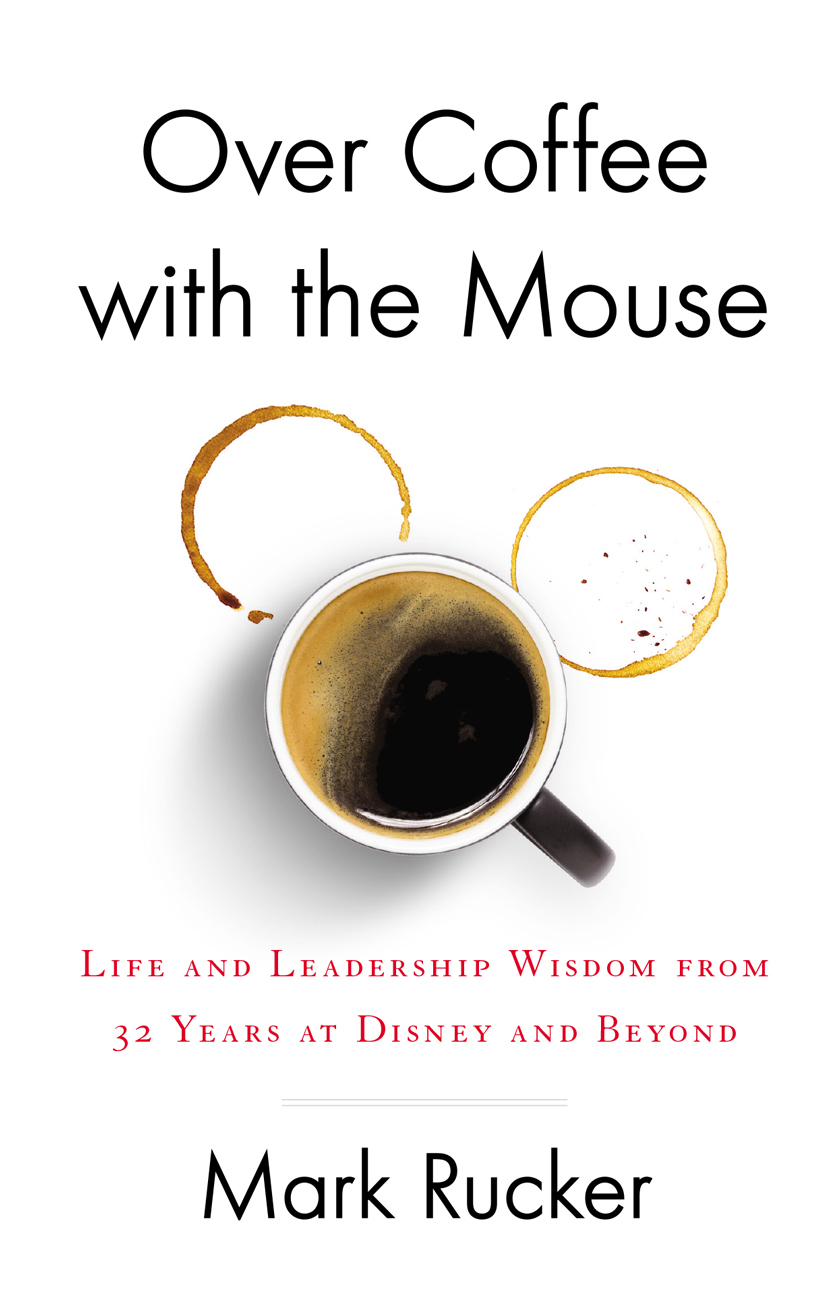
[0:00:22] JB: Mark Rucker has been collecting leadership advice since the very beginning of his career. He also implemented it during his years in management at Disney. Then he ruminated on it more when people asked him out to coffee and now, he’s put it all into his new book, Over Coffee with a Mouse: Life and leadership wisdom from 32 years at Disney and beyond. On Author Hour today, he discusses the importance of seeking excellence instead of being driven by competition and how that pays dividends beyond your goal. He compares leadership roles to the process of adoption and he shares why we should not only seek guidance but make sure we really listen to it. Hi Author Hour listeners, I’m here today with Mark Rucker, author of Over Coffee with a Mouse: Life and leadership wisdom from 32 years at Disney and beyond. Mark, thank you so much for being with us today.
[0:01:15] Mark Rucker: Hey Jane, it’s great to be with you this morning.
[0:01:17] JB: Before we dig in, can you please tell our listeners a bit about who you are and what your career path has been?
[0:01:24] Mark Rucker: Well, upon graduation from the University of Missouri in industrial engineering, I worked for a multinational company for a little over year and then was hired by Disney and had a 32-year career with Disney, leaving as a global vice-president. In those 32 years, I’d had about 17 different jobs and then unfortunately had to leave Disney unexpectedly when I found out that my mom was seriously ailing and our family moved to where their home or where they were located. Interestingly though, I joined another great company following that for three years which enabled me to actually continue my work in entertainment and hospitality industry while at the same time, being closer to my parents to provide help and support as they got older and more ailing.
[0:02:16] JB: I’m sorry to hear about your mother, I know that was a tough decision but certainly one you won’t regret.
[0:02:21] Mark Rucker: Yeah, I was just – you have to make decisions in life and this is one of those critical ones that we felt like we needed to make even though it was for me, a painful decision to leave a brand that I really enjoyed working with in and loved but you have to make decisions difficult decisions in life and I feel in retrospect, it was the right one.
[0:02:44] JB: Speaking of your dad, he was instrumental in the development of this book. Tell us about the drop file your father suggested you start developing?
[0:02:53] Mark Rucker: Well, when I graduated from the University and joined the company, my dad suggested to me early on that areas or categories of life and leadership that were extremely important or interesting to me, I would just create a drop file and create these categories, gain learnings, drop material into those files and interestingly as over the years and as the year progressed, I learned that my leadership file was the file that was growing the thickest. At the same time when I would collect items that were of great interest to me around leadership, I got the understanding that they were life lessons as well. The same time, I had this parallel life diary going and it wasn’t a daily diary but was important things that I wanted to remember. It could be weekly or even monthly that I would just record so that I would never forget that situation instant time or attribute that was a learning for me. In essence, that leadership file and that life diary morphed together into a life and leadership lessons outlined for me. Interestingly, in the middle of my Disney career when I became an executive, I was invited by friends and colleagues to come over and talk to their emerging leaders teams and I would actually just use this outline that I had crafted called life and leadership lessons. As well at the same time, I was always trying to be a learned leader and grow and develop and so I would never be shy in terms of asking a mentor or respected colleague or a pastor even on spiritual issues or a financial advisor on investments or even a friend that I respected and I call them and say, “Hey, do you mind having a coffee chat with me, I’ve got a question for you or I want to talk with you about a certain topic.” Most of them were always very willing just to have a casual conversation with me, which only added to that leadership file and also, my life and leadership lessons will – I also realize that when I became an executive at Disney, the table flipped on me and in fact, I found that more people were asking me to have coffee chats than I was asking. In fact, it was a real realization to me that it was time to give back and if you will, reciprocate on all the informal mentoring times that I had to gather and that I was going to actually be about doing that and be available and so, there’s a point in my career where I said, “Darn it, I’m going to make at least one to two mornings available every week” where I would be willing to get up early and be at the coffee chat by 6:30 and have an hour time together and I ended up realizing that those were probably the most valuable times in my career where I could be in a one-on-one setting informal as it was but they were the most enriching times where I could help others but at the same time, I was growing from them and their questions. Just really excited as I would leave in the morning. It would almost be my energy are fuel that made my day because at Disney, there were busy, busy days at Disney and just to be able to have that quiet time and help someone with something they were challenged with was just very rewarding as a leader within the organization.
[0:06:35] JB: Yeah, I imagine that in addition having the opportunity to teach what you had then taught made that learning for you more durable.
[0:06:43] Mark Rucker: Yeah, it did. I mean, I think when you’re willing to actually give of yourself, you don’t really realize it but I think you get a multiple in return without the basic intention of doing that. That thread runs throughout the book in many, many of the 28 chapters that are there.
[0:07:04] JB: Listeners, you should know, 28 chapters, because there’s one dedicated per piece of advice and they’re all very brief. The book is really digestible, Mark, I mean that as a compliment. Each bit of wisdom is expressed clearly and succinctly with some storytelling.
[0:07:22] Mark Rucker: Do you mind me commenting on the kind of quick hit cogent formant?
[0:07:27] JB: Please, go ahead.
[0:07:28] Mark Rucker: Yeah, one of the things I thought about when I was constructing the book was, I traveled a lot with Disney, a lot domestically in flights, ranging from two to four hours and then later in my career as an executive, I was flying internationally a lot and so that would be an eight to 14 hour flights. When I was thrusted out, when I found out my mother was ill and unfortunately retired from Disney and joined the new organization, I found myself in a lot of quick flights. They were hour and a half to three-hour flights here in the US and as I started to think about the outline that I had written, I thought, “Gosh, I need to write a book that the average reader could read in just two hours” and get on let’s say a flight in Chicago and they’re heading to John Wayne in southern California, I want them to be able to just open that book and finish it before they land and get a lot of goodness or nuggets out of the book. That was intentionally. When I say, 28 chapters, the reading audience may go, “Oh my gosh, that appears to be a long book” but every chapter ranges from two to four pages and so it is a very quick read and I tell each chapter is written in story format because I think most learners learn best in – when they hear stories or hear storytelling. I use each chapter as more of a storytelling chapter and then get to the punch line of what the leadership lesson was of each story. I intentionally as well, I’ve been involved in a couple of small groups, business small groups and community small groups where friends and I got together and studied together with a business book or spiritual book or something like that and we would read it together and then talk about it. Intentionally at the end of every chapter, I got some thought-provoking questions. At the end of every chapter, whether you read it by yourself or you're reading it as a group, you’re provoked with deep questions about possible learnings from each of those chapters.
[0:09:36] JB: I want to get into some of the chapters. Before I ask you about any of the ones that struck me, do you have any favorites you’d like to share?
[0:09:45] Mark Rucker: Yeah, I do. Early on, I guess, maybe one of my favorite chapters is – occurs fairly early in the book but it’s a story that tells that after graduation and having graduated in industrial engineering, I was in a very technical track. My degree took me into industrial engineering with multinational companies I had already mentioned. I joined Disney as a the park’s industrial engineer, moved to resorts industrial engineering and then some of my aptitude and experience was systems development and implementation and so, I got moved at one point in time into a systems arena, quickly I went back and got an MBA and with the focus in finance because I realized, I had some weaknesses in that area. My undergraduate degree didn’t help me or prepare me effectively and there’s a chapter that talks about “I know what I don’t know” and I had to do something about it. Following that job or following the system’s job, I then was asked to move into finance, which I never really had a career desire to go into finance but I was asked to actually do that and because of my strategic mindset and early leading capabilities and then that finance job put me really close to operations. I really loved operations, I just – I had always loved people a whole lot in high school and college. I’m a very social individual, I found myself in finance in the sports and recreation group at Disney and an opening was occurring in operations at Typhoon Lagoon, one of their very famous and popular water parks. I interviewed for that job and I got that job and the story tells about the titles, really, the secret leadership imperatives and what it talks about is this concept of leadership adoption mindset. I had interviewed for this job and got the job and so excited that night, I called my parents and when I called them with excitement, my dad gave me some very sobering council, which was the best council he could have ever given me. It was, “Mark, I can sense your excitement and we’re equally as excited for you, but know that you were in a professional job that has 12 people on your team and it’s just gotten a lot harder and you know, you just told us that in the summer, you may be leading as many as 450 people and that’s a big responsibility.” He goes, “But before you do anything, before you use your learnings and experience and knowledge about what do you do when you get in a new organization” and the book talks about got to get in and assess the business and understand the organization and make sure you get the right people and the right place and train them properly and empower the team and measure their performance. All the text book-y things that I think most of us that read a lot about leadership, I’m geared up and ready to do. My dad says, “Before you do any of that, take on a leadership adoption mindset.” I said, “What are you talking about?” He said, “Just like a family that doesn’t have kids or maybe they do have kids but they’re deciding to adopt the first or adopt another one into the family, you’re the new leader of an organization and you have 450 people that are going to be working with you and working for you.” “You probably don’t know many of them and at the time” I said, “No, I don’t, I only know 10 to 15 of them.” He said, “Well, you’re going to have to adopt them all and they’re going to be adopted into your team and they’re going to be adopted into your family and you’re going to extend special grace to them and get to know them as individuals and understand their hopes and desires and dreams.” At the same time, you can learn about the organization, what’s going really well and what’s not going really well. In the process, if you take that adoption approach, you’ll create an endearing relationship with them that won’t change over time if you continue to do that. Then they will extend the opportunity for you to do all the other things that you know are right to do like assessing the business or partnering effectively or training folks in certain areas and so forth but that’s very, very important to do anytime you go into a new business where you don’t know the people. That’s probably one of my top five favorite chapters of the book.
[0:14:24] JB: Yeah and so how do you do that? How do you adopt 450 people?
[0:14:29] Mark Rucker: Well, it’s nearly impossible to meet with 450 folks and effectively get up to speed really quickly. You are able to do a couple of things. Number one is quickly meet with all of the leadership team and do that and do it very quickly and intimately I think and then you know, Disney always encouraged everyone to do something called in costume experience and so, what I did very quickly as well is put the costume on of the area that I was working in, in that specific day. When they would put custodial outfit on and spend the day with the custodial team and the next day, I would put on food and beverage costume and spend time with the food and beverage team and it’s amazing that you get to meet 10, 20 people spending eight to ten hours with them out learning and understanding what they do every day and they usually very openly and willingly tell you what they believe and what they think and what their hopes are and what’s working and what isn’t. You can begin to formulate a perspective on all of that and collect that information at the same time, which is really important and in essence, that enables you to see exactly what they see every day and you know, assess the business as I mentioned earlier.
[0:15:50] JB: I’m also interested in what you’ve written about the difference between striving to compete and striving for excellence. Can you tell us about that?
[0:15:58] Mark Rucker: Yeah, that chapter in the book, well, maybe I need to back up and just tell you a little bit about myself. When I was in college, one of the early college lessons that I learned was you are going to win and you’re going to lose and you’ve got to lose gracefully and you know in some classes, I didn’t do as well as I wanted to in college and that was an early learning lesson for me and so, I brought that forward yet never really totally learned that lesson in college. There was a point, you know, probably halfway, a little further than halfway through my career where I was in one of the big Disney theme parks, pretty high up in operations and there was a sense where some another park I mentioned to the audience or the listener, who I would call hyper competitive. Needed to win at almost any cost, always needed to be number one in every area and it made me think about myself a lot in college and the lessons that I learned between college and maybe 15, this is probably about 15 years later after college. I started to realize that there was a big difference between hyper competition and excellence. The book talks about, well first of all, I have observed all my leaders that were working for me and how disheartening and actually, I’d maybe even use the word disdain they had for kind of a hyper competition even within one’s own company. You know, I ended up beginning to talk with them about the fact that I think sometimes competition presents itself more in an outward appearance that everybody sees hyper competitiveness. The one who is delivering the hyper competitiveness, the individuals on the team that are part of that group and then the ones that are on the receiving end of that. Outwardly, everybody sees that and understands that, yet excellence is something a bit more inward and I would always tell my team despite you see this outward display of competition, you needed to focus on inward excellence and team excellence and I would say to them, I would quote to them, “We could strive for perfection but as human beings, we could never achieve it not in this lifetime.” We’re going to just strive for excellence and that’s going to be often good enough and it doesn’t mean that you’re going to be in first place every time but excellence always gets you near the top always and it helps you focus inwardly in your own team and what you’re doing and how you are contributing as an individual. When you do that, when you focus on excellence, it drives a higher, if you will goals for the team and in essence, the byproduct of that is it creates team unity but at the same time, it creates individual performance as part of that unified group and so therefore, excellence drives unity and also individual performance as part of that unified group, which is really important. Especially today, when we talk about the need for unity, I think sometimes it’s based in excellence. You know, excellence as a group, excellence as a team, excellence as an individual gets all bonded together. When you do it and do it that way, it has this reverse appearance to everybody around you that impacts others, that others look in and say, “Man, I respect that team. I know what they’re about. They’re about excellence, they’re about unity, they’re about performance as a group” a unified group. I think that’s what I’ve always had to say to team members because especially at Disney, Disney is so excellent at everything they do and the quality of talent is so high that it’s nearly impossible to always be in first place with such an unbelievable brand and in essence, I hope in retrospect that part of my contribution of the year was striving for that kind of excellence in the teams that I led. Interestingly enough, let me juxtapose that team unity. Also, when you are in an organization that I was in, you lost people, meaning your talent as they were great individuals you lose them to other areas, other divisions, other departments within the organization and I always loved it. I never wanted anybody to leave the company but I always was very happy for individuals that were growing and developing themselves and moving onto the next level and especially when they would go on and take a bigger better job somewhere within our company. I had a leader working for me, it was just so bitter about losing one of their top talent on their team and I remember and I sited in the book, we always used to say, hold on tightly enough to your team member that they know you care but when they’re ready to leave for bigger opportunities within the company, don’t hold on so tightly that it hurts your hands, you know? I think you can have caring arms not hurting hands, you know, in terms of the way you lead people and make sure that you are seeing that they go off to do bigger, better, greater things in their life and their career overall. That’s kind of how I would sum up the chapter, which I think you were asking the question about the chapter from excellence shows you care. By the way, that’s probably another one of my top five favorites in the book.
[0:21:47] JB: Thank you for that. Tell me, what do you want your readers to do after finishing this book?
[0:21:55] Mark Rucker: The book was written fairly broadly. I think there’s so many nuggets for an emerging leader, someone I harken back as writing this book to think how many hundreds of hundreds of people when I was working always talk with me about moving into leadership, emerging into leadership and that is why I call it emerging leaders and I think this book is just so cut out for that individual but as well there’s very deep lessons for leaders that have just gotten, you know, come into leadership and they are moving to senior management. There is also nuggets even for seasoned executives I think on how to be thinking about leadership excellence overall. It’s a generalist leader book with I think a ton of nuggets written broadly for both the emerging leader, leader that’s been in their position for a while and those that are kind of merging into executive leadership as well. It’s written broadly for them. I think to answer your question, which was what do I want the readers to actually do is in the final chapter, I write three punctuated sentences. I say time is fleeting, leadership isn’t easy, gain wisdom early and I don’t think you gain wisdom by yourself. I think wisdom is gained only by seeking and asking and listening and adopting that and so, the last chapter talks about as I’m now in my late 50s and realizing time is clicking away quickly and realizing that leadership is a high calling and it isn’t easy, you know I think one of the little nuggets that I didn’t do perfectly and some may say I didn’t do excellently, early on I was poor and I grew to good. I think I had moments of greatness made in my leadership but it was actually through that wisdom that I improved and I want the reader to really take these 28 chapters or nuggets of wisdom that I hope I’m conveying to them and because time is going quickly regardless of whatever your stage in life is or your career stage, I’m asking the reader to actually kind of take in every chapter and do four things. You know seek out wisdom by building a board of directors. You know, companies build board of directors, people’s careers and people lives are just as important as the direction of any company and so build a board of directors that give you guidance and wisdom in both your career and life. I challenge the reader to immediately start scheduling coffee chats immediately like find those impromptu. They don’t have to be formal mentors but just casual folks that you think will have more guidance than you on various topics and life and leadership. Call them and say, “Hey” and don’t be overly aggressive about it, just say, “Hey, I love to spend 30 minutes with you.” Most people are very willing to do that and then as you gain wisdom, start reciprocating and doing that, you know doing that for others and I think then putting into practice on just these little nuggets that the readers learn through maybe just a couple of the chapters that really strike them and say, “Yeah, these three really kind of move me and I need to put those into practice because it is going to make me a better leader overall.” Like I said to before, give back. Give back to the people around you because this last building your board of directors for your career and life, start scheduling your coffee chats, put things into practice and then for start reciprocating and doing the same for others. Now, I think it’s this fourth one, giving back to others and a commitment to love and care for other people in your life and service to them, there is nothing more rewarding that any leader can actually do in their career and they’ll look back fondly 10, 20, 30 years later and go, “Man, those were really important times for me and I learned a lot as well along the way.”
[0:26:20] JB: Mark, it’s been a pleasure speaking with you. Again listeners, the book is, Over Coffee with the Mouse: Life and leadership wisdom from 32 years at Disney and beyond. Mark, in addition to reading the book, where can people go to learn more about you and your work?
[0:26:32] Mark Rucker: Well, obviously they can go online through social networks, connect with me on LinkedIn and learn a little bit more about me in terms of my background and career. I’m always happy to connect with them through LinkedIn and even take messaging all the time just to try to help them out even if I don’t know them and so that’s probably the best way to understand me. I am very transparent in terms of my background and experience through social media and that’s probably the best way to do that.
[0:27:06] JB: Great, thanks so much.
[0:27:08] Mark Rucker: Great, it was my pleasure. I hope you have a great day.
[0:27:13] JB: Thanks for joining us for this episode of The Author Hour Podcast. You can get Mark Rucker’s book, Over Coffee with the Mouse: Life and leadership wisdom from 32 years at Disney and beyond, on Amazon. You can also find a transcript of this episode as well as previous episodes on our website, authorhour.co. Make sure to subscribe to The Author Hour Podcast for more interviews and insights into life-changing books.
Want to Write Your Own Book?
Scribe has helped over 2,000 authors turn their expertise into published books.
Schedule a Free Consult