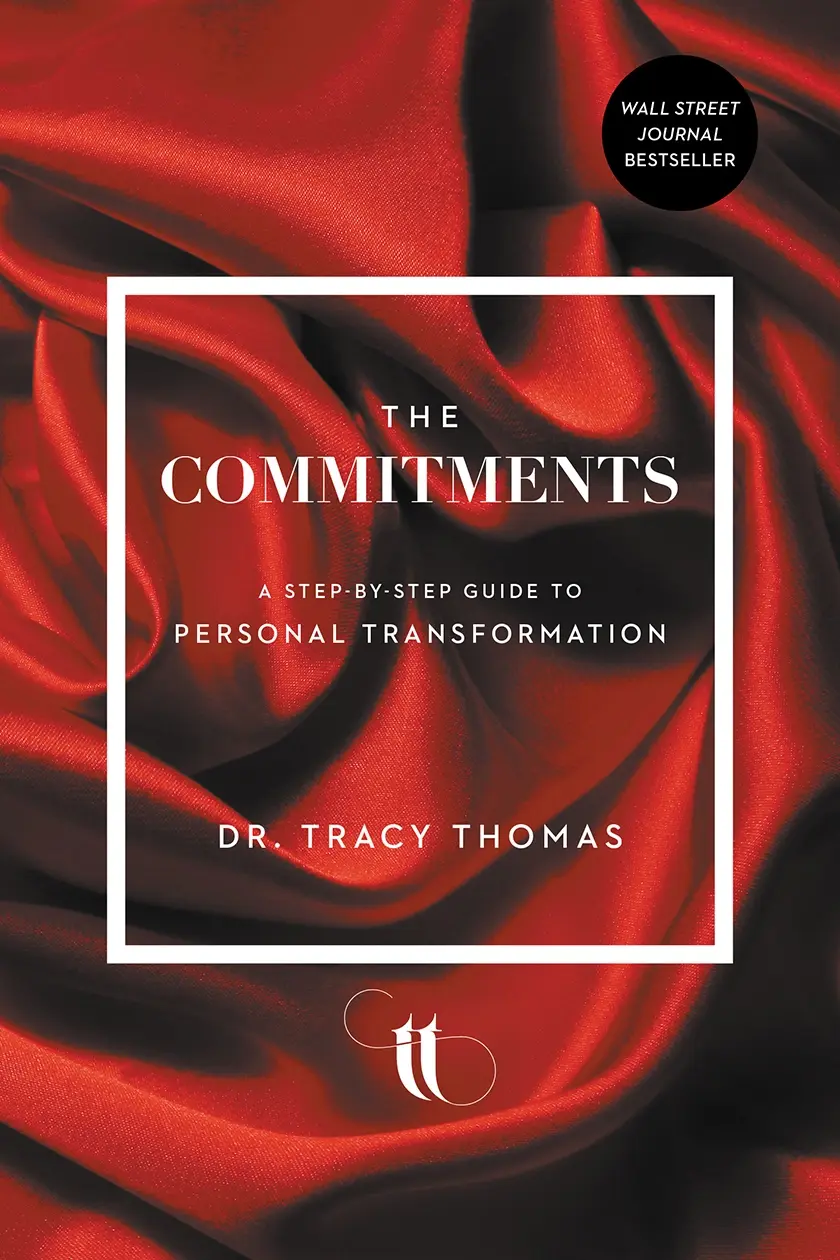
Dr. Tracy Thomas: The Commitments: A Step-by-Step Guide to Personal Transformation
Read the full transcript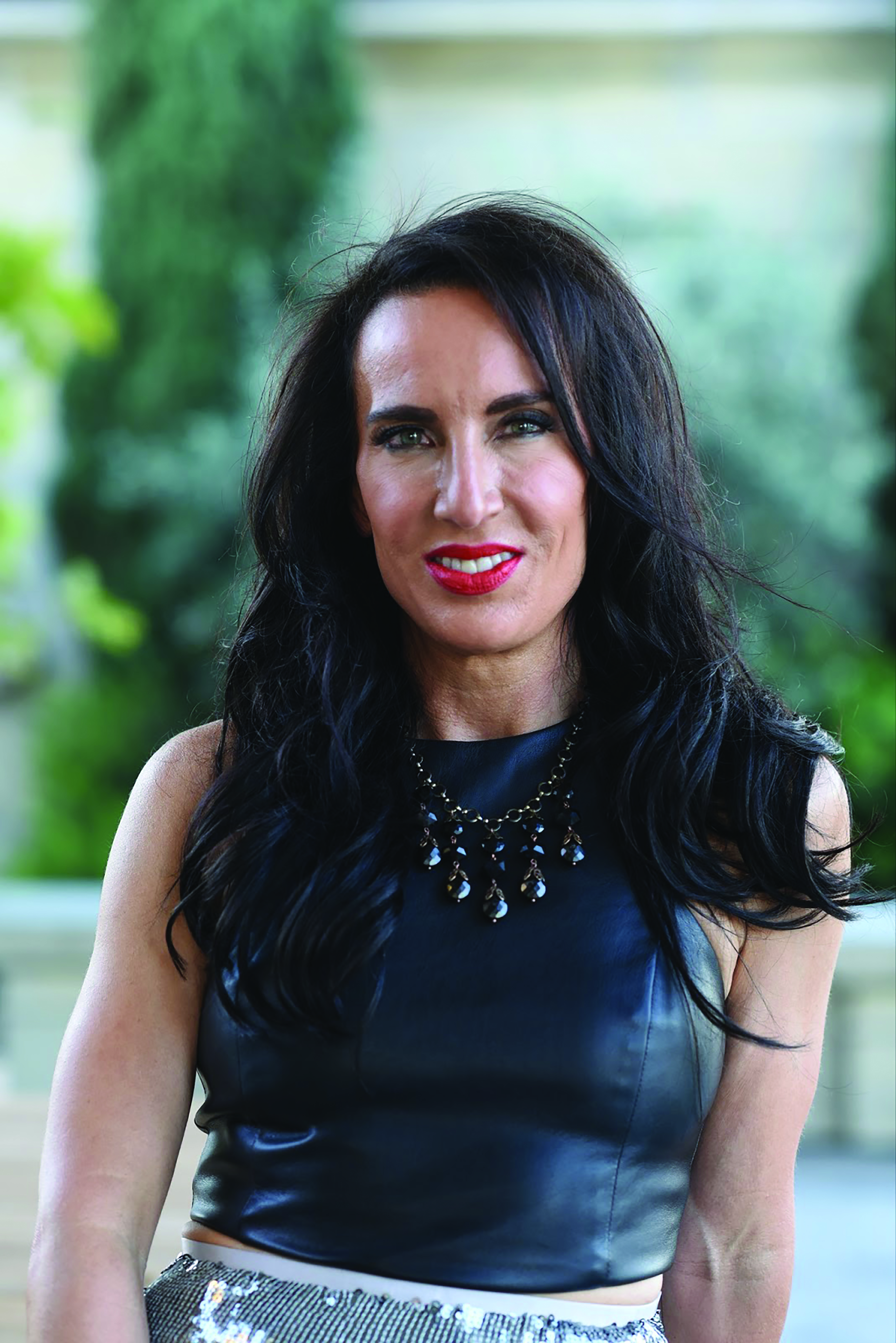
Dr. Tracy Thomas
Dr. Tracy Thomas is the Mogul Maker, Reality Creator, and Dynastic Empire Builder. An award-winning psychologist and Wall Street Journal bestselling author of The Commitments© and The Method©, she oversees The Empire Company as the world’s preeminent intentional conditioning expert.
Dr. Tracy and her team equip the greatest experts, performers, innovators and leaders on the planet with precise action steps that transform them as individuals, while also imbuing their families, teams, and boards with new purpose. At its core, The Empire Company builds new worlds, ushering the global elite into their highest calling and elevating the entirety of the human experience.
Nothing is impossible with The Empire Company: millions, billions, trillions, a multi-generational family dynasty… any reality can be chosen and achieved with Dr. Tracy’s methodology.
📚 Books by Dr. Tracy Thomas
Transcript
[0:00:26] DA: You’re meant to feel joy every day, to be wildly happy, deeply purposeful and fulfilled. So why are many of us so miserable? The unconscious emotional conditioning that most people have received in their lives keeps us stuck in negative patterns of anxiety, depression, addiction and aimlessness. We have been taught to live in reaction, not in intention. In reality, life is not as hard as it has been made out to be. In her new book The Commitments, Dr. Tracy Thomas teaches you how to live your life on purpose, helping you transform into the person you’ve always wanted to be. You don’t need years of therapy and struggle to get there, and you don’t need to be trapped by confusion, uncertainty or pain. All you need are the commitments to get ready to live your most elevated life. Hey listeners, my name is Drew Appelbaum. I am excited to be here today with Dr. Tracy Thomas, author of The Commitments: A Step-by-Step Guide to Personal Transformation. Dr. T., thank you for joining. Welcome to the Author Hour Podcast.
[0:01:29] TT: Hi Drew, it is great to be here.
[0:01:32] DA: Well Dr. T., help us kick this off. Can you give us a brief rundown of your professional background?
[0:01:37] TT: Yes. Well, I am referred to as an emotional scientist, and that is added on to my -- I guess I would call it my day job of being a psychologist. But really in all of my years of studying psychology and working with people on psychological issues, I’ve really boiled things down to what is happening with people's emotions and that’s really brought me into a real sub-specialty of studying emotions and helping people transform their emotions and really making emotions and what goes on with people my primary focus and study. So, as a psychologist, as a scientist, I am an author and I’m also somebody who is an interventionist, helping people who are more sensitive and have a lot of emotionality and really need a specialized kind of support and training to transform their lives, Drew, and really have them go from somebody who is reacting all the time emotionally to somebody who is really creating intentionally. Let us just say I spend a lot of time in the area of emotions, and it is absolutely my passion to help people really use their emotions for their most, their most productive creations in life.
[0:03:05] DA: Now you mentioned that you are an author already, so this is not your first book. I have a few questions along that line. Why was now the time to write this additional book? Did you feel like you missed out? Is this just a totally different subject? Are you expanding on the some of the themes from the first book?
[0:03:24] TT: You know Drew, I feel like I’ve got 10 books in me. So, this is for me, I actually feel a little delayed. It’s been a few years. I guess because the area of emotions and having people really be able to be the most productive with their emotions is something that I feel is one of the most important things that we can do as a society. For me, my plan is to continue to create content that really helps people understand this subject matter in a way that really gives like a makeover to the area of emotions because people can be so afraid of them. This book is really about deepening the understanding of what goes on with people’s emotions and how they can be the most productive with those emotions and it really builds on the first book and brings things that much more into a way that people can, like, literally do this process any moment, in anything that they’re in. Whether it’s something -- a big decision they’re making in life or if they’re giving a presentation in the boardroom and they’ve got to really be able to be on their A-Game. I wanted to just keep simplifying for people, how they can be the most productive.
[0:04:47] DA: Now, I ask this question of a lot of authors, and a lot of times in an author’s first book, there’s really big breakthroughs and learnings, just because that’s what naturally happens throughout the writing process. Did you find this in your next book? Did you find that you still had, maybe you were doing some research or by digging in deeper, a few more breakthroughs and learning some more of the topic?
[0:05:08] TT: Yeah, absolutely Drew. Having it between the two books, having worked with a lot more people who are more of the emotionally sensitive, highly sensitive type of constitution and done all kinds of successful client programs, transformation programs and working with every range of symptom, every type of mental, emotional, health issue or disorder that people were struggling with, and I mean everything. Anxiety, depression, ADHD, addiction, like every aspect of what happens with somebody when they have difficulty with their emotions. The process and the application of the emotional techniques that I use with people, it just keeps deepening and deepening, and as people are getting more and more benefits and recovering fully from things that were previously thought, if you have an addiction, you’ll always be in recovery, if you have anxiety, you’ll always have anxiety. All of these things that were previously thought to be chronic and just able to be managed by people, over the course of years, as my team and myself have put all of these kinds of symptoms and disorders into complete remission for people. It’s just one of those things where you just feel like, you can’t keep this to yourself when people with – you know, who would have maybe spent their life in a, in a series of AA meetings, and never-ending AA meetings and now they’re just completely liberated from that. It really lends itself to feeling like you need to put this stuff into the world and really help people be able to operate at their best without a lifelong sort of just matrix of things that they always have to deal with.
[0:07:02] DA: Now it sounds like you have really seen it all. But when you were writing the book, did you really narrow down in your mind who you were writing this book for?
[0:07:15] TT: Yeah, you know, to say I’ve seen it all is absolutely the case because, really for people who have the most kind of emotionally sensitive constitution. The truth is, Drew; they have seen it all. They have experienced it all. Life can be really, really difficult in all these areas, relationships and their relationship with people, their relationship with food, with money, and emotional sensitivity can take on all kinds of different symptomatology. So, it really has been seeing it all. By the time people tend to end up on our consultations for our programs, they have also tried it all. They have gone to every kind of therapy, taken every kind of medication, you name it. Sometimes they’ve got this massive conglomerate of people trying to help them. The reality is they need it really, really simple. If you’re already sensitive and struggling in life and just wanting to live your most intentional life, and then you have all these other things to navigate and manage that are trying to support you. What I have seen and know benefits people over the years is just the continual simplification of how a person can be into, really Drew, how they can go from being in a reactive emotional state to an intentional emotional state and be able to make it as simple as that for the rest of their life, and everything they want to apply it to. So that is definitely who this book was written for.
[0:09:04] DA: I mean, it’s in the title of the book itself, it’s called The Commitments. I would love to just start digging into it a little bit. But if you can set the foundation for us, what exactly is a commitment to you, in regards to the book?
[0:09:19] TT: I really felt it was important to drill down into what it is that are the emotional techniques that are the most simplest version that helps our clients, and by the way, this is what has transformed my life so many years ago and why I am so passionate about this, and really take all of the different emotional training techniques that we use to again help somebody be their most intentional self instead of often their most reactive self. And often when things are like step one, step two, step three and lots of things that we have all seen in the world, there’s all these methodologies, there’s the 12 steps and there’s every kind of different kind of framework that is designed to help people you know live their best life. But what I really recognize is that, beyond just a framework, when something really goes from something much more personal and a set of commitments to yourself, it takes on a whole new way of being and it really allows somebody to go through their lifetime in a relationship with themselves that, yes, has this type of methodology and it really makes it a way that a person can carry out a really effective way of being, a really effective life, a way of being productive that also just feels good, it feels intuitive and it doesn’t feel so much like, “I am just walking through a set of steps.” That’s why I really felt that it was time to put these important steps that we teach people, these techniques, into something that is really a much more deeper set of core commitments that a person can make to themselves.
[0:11:17] DA: Now it’s funny because you actually start the book, and this is way in the intro, and you say, “If you are like most people, the things you are committed to in your life are entirely wrong.” Big statement to start with. Can you expand on, you know, you just told us what commitments are, but what people are usually committing to and why they are normally wrong?
[0:11:42] TT: Because a lot of times in our cultural conditioning Drew, our training, conscious or unconscious, has a lot to do with what it is that people don’t want. A lot of the process of what people feel very committed to is about things that they are avoiding, or things that they want to stay away from. So, that process is really ass-backwards, if you will, because you know it’s just like, “I don’t want this, I’m never going to let that happen.” The things people can feel the most passionate about are all of these categories of what they don’t want. Unfortunately, the way that physics works and the way that all of our emotional power and the force of nature that each person is, the moment you are talking about what you don’t want you actually now have energized that. You’ve added your energy and you’ve given it a shape and focus and literally what you’re doing is you’re creating the very things you actually do not want to happen. The moment you start speaking about them, the moment you start thinking about them, and any more that you keep energizing them, you’re actually giving all this passion to the exact opposite of what you want. And when you were in an intentional state when everything is about what it is that you intend, what you are committed to, what you want to create and what you want to make happen, then the opposite it is true, which is what you really are going for, is that all the energy gets put into the very thing that you want to take shape and form and that just starts to build, really, an intentional reality. Which is why, again, I am so passionate about this, because what people really need to be committed to, is what it is they want.
[0:13:46] DA: I’m glad you mentioned how we got them so wrong. So, I think you talk about it in the book, you know, kind of find what you really, really like and go with it. You kind of build the commitments around that, can so you talk to me how you picked the commitments you really want people to focus on when they’re kind of riding that ship, and maybe what people can expect when they start when they are dialed in, and they start doing a bit of the work, what can they start to see?
[0:14:17] TT: Right, so the way you want to think about this is that the commitments really are about, first and foremost, staying connected to yourself. Because there’s a lot of things, right, there are a lot of priorities that people have. They’re sort of like -- the categories are some of the bigger, larger things, the bigger goals and outcomes and incomes they want for their lives. And that’s more of the broad strokes, and then there's the stuff that we're dealing with all day every day, which is, like for example, just to have a very productive day where we do what is on the to-do list, so to speak. Staying connected to yourself, which is commitment number one, is first and foremost how you're going to keep track of what is going on with you, right? It’s a way that you are observing yourself, you’re staying in touch with yourself and you’re really like, “Am I on track for what I am intending today? Am I on track for what it is that I’m intending for, am I on track for what I’m intending in my partnership or in my health and my body, my fitness?” So, staying connected yourself is commitment number one, to know exactly where you are in any given moment. Then commitment number two is to really be in that factual and accuracy with yourself, Drew. Where you know, like “Am I on course for what I intended right now?” or “Am I now 17 clicks deep into looking at something online, now an hour and a half has gone by.” It’s really a sense of being in integrity with ourselves and going, “Okay, where am I?” in terms of what I am intending. It could be something like you are going to a party and you were going to leave at 9 o’clock and now it is 10:30. Everybody knows these moments that happen, but it’s really just being able to be factual with yourself on what’s going on. And then, in commitment number three, the step is very much to just really be connected to your intentions and if you’ve lost track of them and you are, say, for example, staying late at a party, you don’t need a big story about it, you’re just like, “Okay, my intention was to transition home” and you shift into that intention and just move forward without having all the stories and stuff that people are often going through about, “Oh, I was supposed to leave and I didn’t leave” and a wave is just extra. Then really the last part, commitment number four, is really what I just said actually which is, you’re just going to follow that outcome, you are just going to go okay, I intended to leave at 9 and it is 10:30, so I am just going ahead and move forward. And Drew, while that example is a pretty basic one, this is for anything that is going on. This is for that type of situation, and this is for anything that people are wanting to make happen in their life and they just need to be on track for these commitments to themselves. So that they can, if they are staying in intention, great, keep going. If you are off track, we don’t need a bunch of drama about it. You’re just going to shift forward to your intentions and move along that track, and that’s the way that you’re going to get where you’re going anyway. So, it just keeps things much more simple and for many people, this is going to shave off like 20 years of therapy.
[0:17:54] DA: I think it’s really interesting that we’ve heard you’ve helped people, you’ve seen, you’ve studied a lot of people, but you actually made a commitment to change yourself. So, looking in the mirror and sort of turning the tables, what happened to you before and then what happened after when you changed and really changed your focus and committed on the right thing?
[0:18:18] TT: Being somebody that, from the beginning stages of my life, I was definitely somebody that was more sensitive, more intuitive and really feeling things very deeply and very intensely. When you’re young, you don’t necessarily know that. That’s just how you feel. I was also raised in a family where there was, of course, a lot of love and a lot of really wonderful things happening. However, there was a lot of intensity and reactivity. So, the combination of being a sensitive person and feeling things really, really deeply and navigating through my life that way and being around people and my family that had a lot of that intensity, at a certain point in my life, even though I was fortunately very, very intentional and very driven and very successful by anybody’s standards, I still felt this sense of like, this very distracting, intense, emotional process going on all the time, Drew. And it brought a bunch of really unpleasant things in my life. You know, going through therapy and the traditional stuff where the process is often to take people backwards and start dissecting all of this stuff from your past, which can be helpful to -- it can be helpful to understand, “Okay this is why I’m struggling; this is why I’m in pain.” But like so many people, it wasn’t helping me actually just move forward and do the things I wanted to do at the level I wanted to do them. I really had one of these really epiphanal moments in my life, where I just knew I needed to be able to crack the code on this stuff. Not only for myself, for other people and I really just begin to build this relationship with myself that was all about what these commitments are, which was, keeping track of myself, recognizing whether or not I was in a reaction or whether I was in an intention. And quite simply, if I was in a reaction, I just began to shift it and started to connect it with my intentions, and I started to notice, Drew, that, pretty instantly, my emotional state would shift. I’d start to feel better, and I’d shave off all of this time and all of the struggle that was going on. And so, this process was really a revelation for me, and I just kept committing to it, committing to it, keeping track of myself, and making these kinds of shifts from a reactive process to an intentional one and it really just skyrocketed. My success in life, my health and it resolved all kinds of health issues, all kinds of relational issues and I really began to recognize the simplicity of this process and also the application for it across, not only emotionally sensitive people, Drew, but really anybody who wants to be more intentional and less reactive. And so, it’s been exhilarating to say the least, to see this whole process work for myself and so many other people.
[0:21:45] DA: How do you balance the distraction of our old selves and the commitments we’ve just made, you know, you have jobs, you have partners or old friends, and you have technology to get in your way to do anything. That’s positive, right? So, what’s the balance there and is this one of those things where you could just one day put your foot down, or is this something you have to slowly implement, these new rules.
[0:22:14] TT: This everything that you are mentioning is that much more of the reason why I have created this process and why these commitments are so important, productive, simple but powerful and that is because we are in the most highly stimulating environment that ever existed in humanity with the most potential for distraction. Also incredibly, the most opportunity for creating literally anything that we want. Also, Drew, the most requirements, the way I can see it now, the most requirements for intentionality, because five gazillion things can pull your attention and it’s a complete cafeteria, right. You just Google and the world is at your fingertips and that’s a lot of responsibility that we have, and so to your point, with our families, in our relationships in our companies and our bodies and everything that we’re responsible to and the old, the previous stuff that we are doing, our past. This is why the very simplicity of understanding whether or not you are in a reaction and doing something that is just what you used to do or doing something that just happened to come across your radar like a text message or something. And really knowing, am I in a reaction or am I in an intention that I’m really meaning to do and being able to discern and then easily shift from one to the other. Then also, as you’re in intentionality, to just keep yourself forward in your intentions and then, again, have it be very simple because all of these things that we are all doing as people and navigating, the simpler our process is to say, “Am I intending that? Or is that just something that came across my radar?” and knowing the difference. It’s the ultimate liberation and freedom to just say, “Yes, I want to hang out with these new people. That’s my intention” and something else must just be – because, like you said, there could be friends that you were used to hanging out with, but the truth is you actually have something new that you desire to do, and being in one’s intentions is, again, the most liberating and productive thing that you can do. And for me, what I really see, is that this is what everybody is here to do. They’re here to be in their purpose of going forward in their future, rather than constantly revisiting the past which has already been experienced and the future is where everything is really amazing and exciting. So, this is why this is so much fun for me.
[0:25:02] DA: When somebody picks up the book, and they get through it and they are excited to move forward, what is the immediate impact that you hope that the book will have with them? The first few steps you hope they’ll take.
[0:25:14] TT: I think first, the recognition that life can be so much simpler. Because the sense that everything is complicated, I feel, again, is one of the biggest pieces, it is one of the biggest pieces of overwhelm that people feel, like, “It’s such a mystery, how does life work?” and there are so many complex things that people need to learn in the sense that like, they’re not going to get there, they may not figure it out. What I’m really excited for them to get right off the bat, is that it is really that simple. The way that physics works, this is a physics equation and physics is about either we are in a reaction, or we are in an intention. The liberation, again, of that of going, “Wow it’s that simple, I don’t have to dissect 5000 things to know what it is that I don’t want”, which is be typically the reaction, “and going backwards. And I don’t have to dissect 5000 things about going forward.” Because the moment you connect to, you know, “What is my intention?”, the answer comes pretty darn immediately, and then you start to feel like, if I say that my intention is fun, now that I literally just said that Drew, the conditioning that is already in there for fun, you know I start to kind of feel, I just felt a smile coming over my face. And if I focus on that more, just even a couple of extra times saying, “Fun, fun, fun”, it starts to change my voice, it starts to change my life and it is much simpler, it is much simpler than people think things are and that’s, again, the most exciting thing because you can apply it to this or you can apply it somebody realizing that their intention is to build a new home and really trust that their intentions for their life are what is going to take them where they want to go, and reactions are only going to take them in the opposite direction. So, this is really a game-changer for simplifying life down to the two core things that are already happening and that is a really, really cool thing when you get down to it.
[0:27:37] DA: Well Dr. T., I feel like you and I could probably talk for another hour, and we just touched really, really on the surface of the book here. There’s so much more inside. But congratulations on your second book. And just writing a book like this to help folks out and just build that positive long-term outlook for themselves, it’s no small feat, so again, congratulations on book number two coming out.
[0:27:58] TT: Thank you so much.
[0:28:00] DA: I do have one question left though. It is the hot seat question. If readers can take away only one thing from the book, what would you want it to be?
[0:28:10] TT: Quite simply that the commitment to always know whether you are in an intention or whether you are in a reaction and to simply choose your intentions and trust that, trust your whole life with it. That is the number one thing that I would want them to get, that is the core commitment to oneself, and it will always take you where you want to go.
[0:28:37] DA: Well Dr. T. It has been a pleasure and I am excited for people to check out the book. Everyone, the book is called The Commitments and you can find it on Amazon. And Dr. T., besides checking out the book, where else can people connect with you?
[0:28:49] TT: They can go to the website which is, drtracyinc.com and when you go to the resource section on the website, you will be able to find The Commitments, as well as other books and other resources that we’ve got for people
[0:29:10] DA: Dr. T. Thank you so much for giving us some of your time and coming on the show today and best of luck on your new book.
[0:29:16] TT: Alright Drew, thanks and I really hope everyone enjoys the book.
[0:29:20] DA: Thanks for joining us for this episode of Author Hour. You can get Dr. Tracy Thomas’ new book, The Commitments on Amazon. Also, you can find a transcript for this episode and all our other episodes on our website at authorhour.co. For more Author Hour, subscribe to this podcast in your favorite subscription service. Thank you for joining us. We’ll see you next time, same place different author.
Want to Write Your Own Book?
Scribe has helped over 2,000 authors turn their expertise into published books.
Schedule a Free Consult