Allison Pelot: Finally Thriving: Your guide to empowered wellness
Read the full transcript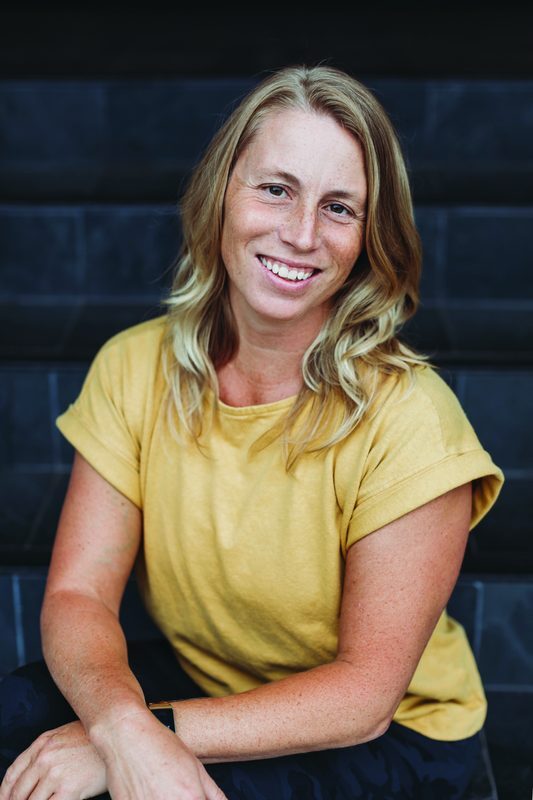
Allison Pelot
Allison Pelot is a dynamic fitness trainer and energy coach specializing in rapid, permanent change through corrective exercise, metabolic nutrition, and energetic alignment. She helps people feel strong, confident, and calm in their bodies for life-changing results—with practical, proven energy skills, including mindfulness, reflection, and deep affirmations.
Through Allison’s signature mix of humor, entertainment, and authenticity, her podcast, Integrate Yourself, has inspired thousands to approach their health and wellness in a whole new way. Tap into your creative expression, understand yourself, embrace your joy, and create the body and life you want, starting right now. Learn more at finallythrivingbook.com.
📚 Books by Allison Pelot

Transcript
[0:00:36] DA: Self-care is a cultural phenomenon, the #selfcare has appeared on social media millions of times, so why aren’t we applying it to our own health and wellness? Instead, we beat ourselves up for not finding time to exercise, where we work out so hard that we suffer from joint and back pain, we struggle with diet, stress and insomnia and that kind of health and wellness isn’t relaxing. It isn’t joyful and it definitely doesn’t feel like self-care. This is why Allison Pelot’s new book, Finally Thriving, invites wellness into your life in a whole new way, bringing genuine self-care to your health and fitness routine. The book aims to teach how true self-care actually helps your body regenerate using quick, simple exercises that builds strength and flexibility, powerfully but gently, with hidden treasures along the way. There are also journal prompts, breathing exercises, relaxing meditations and more. Merge your physical, mental and spiritual wellness into one with the self-care wellness routine that will nourish every aspect of your life. Hey Listeners, my name is Drew Applebaum and I’m excited to be here today with Allison Pelot, author of Finally Thriving: Your guide to empowered wellness. Allison, thank you for joining, welcome to The Author Hour Podcast.
[0:02:01] Allison Pelot: Thank you so much, Drew. I am honored to be on the show.
[0:02:05] DA: Help us kick the show off, can you give a brief rundown of your professional background?
[0:02:12] Allison Pelot: Absolutely. Well, I started out as an athlete, as a gymnast from about the age of five to 22 and I did gymnastics in college as well and then, became – it went to school for pre-physical therapy and then switched over to exercise science and decided to get into personal training and this led me down a path to explore and get curious about holistic health and so I ended up studying holistic health, energy work metaphysics, spirituality and really, anything under the sun as it related to physical health and holistic healing and using food to both regenerate our bodies and keep them healthy. I brought all these, this is my background, I’ve been really studying health, regeneration and fitness. Most of my life, I’ve been involved in it.
[0:03:20] DA: Now, why was now the time to share the stories in the book? As you mentioned, you’ve been in this world for a long time. Was there an "aha moment", something really inspiring out there for you or you just feel like you needed to put this in a format where you could just send it off into the world?
[0:03:36] Allison Pelot: Yeah, that’s a really good question, mine was a – it took time, it took years for me to really get to where I am now and it really started my – one of my first aha moments or epiphanies was after I had kids. It was in my early 30s and I’d had severe digestive issues and I’d been taught the physical ways to get in shape, but I’ve never really been taught about food, about digestion as an athlete, it was all about the physical, it wasn’t as much about what exactly to eat or how to do that for regeneration and health as much as it was just for energy uptake so that you could just replenish your body after you worked out hard or did a lot of conditioning. That part for me was really missing. The aspect of holistic health and how everything works together until I really got into a time with my own body where I had severe digestive issues, I had issues, I had some back pain that resulted after two kids and many years of gymnastics and so I just came to a place with my own body that I needed to seek out more to help myself and so, that’s when I started getting curious about holistic health and got into that with the tech institute out in San Diego, California and that’s where I pursued my education in holistic health, in corrective exercise and that brought me to that next stage of awareness where I could help people even more.
[0:05:13] DA: When you started writing the book, in your mind, did you know exactly who you were writing this book for or was it for just a broader audience?
[0:05:24] Allison Pelot: Well, how the book came about, originally, my dad passed away February 2020 and there was a dedication to him in the book in the very beginning and this caused me to really examine my life and how fast paced it was, how much I was really putting my own desires and needs on the backburner, things I really wanted to do in my life but wasn’t making time for it and that was really what began that process for me because then, when we went through the whole past two years with the pandemic, I ended up having more time in the morning because I didn’t have to get up early and run off to work and eat my breakfast in the car, you know? I ended up really having extra time for myself in the morning and so I’d get up and I’d start writing because I had all these information from working one-on-one with people for almost 15 years but I’ve never really taken that information and just put it all out in one place before or shared it with a bunch of people all at once. It was all just sharing bits and pieces one-on-one with people throughout the years and I had this deep desire to give much more. I just wanted – I had all the stuff and I was seeing things that were happening in my industry these past couple of years and how we had a lot of misunderstandings with things and I’m like, I can’t just keep all these information to myself, I really need to get this out to so many more people and let them know that their bodies have their own technology for healing and health that they can access anytime that they want and it’s really simple. What I did was, I started writing every morning during this time and it was probably about a six-month period and just getting up every morning, just writing whatever came to mind which was everything I kind of accumulated throughout the years, right? Just a lot of stuff and yeah, it just kind of came out like a huge download and it was channeled through me, through that six months and it was just – it felt really good to get it out first of all, it was also very healing for me personally because there’s something that happens when you actually write things and you get things out that have been in you, that you’re holding in for so long, you know? That was an amazing process in itself but I just felt the need to want to share all this information that accumulated throughout the years and how I put it together, how I perceived it. Because I’d talk to people and a lot of people weren’t perceiving it this way. To me, it seems really simple and I wanted to share that how simple it could be for people and how magical and beautiful it can be as well and really, the overarching thing here is how joyful your wellness journey can be if you can see it that way, right? If you can perceive it that way. Teaching people how to think more optimistically as it relates to their health and wellness, instead of trying to fix something within themselves and treating it like more curiosity and exploration is what really ultimately makes it more fun and it also causes it to be more sustainable over time. You’re going to stick with it because it’s enjoyable. That’s what I wanted to share with people because many times, we go into these health and wellness journeys where we get stifled because we feel like we failed if we didn’t stay consistent with it or we didn’t do what someone wanted us to do and really, it comes down to you, owning your own experience of it. That’s what I really wanted to share with people. Those deeper aspects of our purpose behind our fitness and wellness journey and how to bring people into that mindset of approaching it that way.
[0:09:32] DA: Yeah, I actually have a question for you and it’s especially because it’s in the sort of the subtext of the book, what do you consider the difference between wellness and empowered wellness?
[0:09:46] Allison Pelot: Yeah, it’s similar to what some of the things I just mentioned. Wellness is pretty broad, right? It’s pretty broad and it can mean many things to many people and for some people, wellness – I mean, I’ll just say, it’s very different for each person, just depending on their background and how they learned about wellness, right? Or how they’re perceiving wellness. For me, empowered wellness is, like I said earlier, owning your experience of your body, your mind and your spirit and looking at it from all of those aspects. Not just the body, the body’s important to connect with, very important, it’s important to learn how to eat healthy, it’s very important to know how to move your body in all of those things. It’s also really important to be in the correct mindset to allow those changes to occur and become sustainable over time. As well, it’s important to connect with our spirit because we also want to be aware of the energetic aspects of how our body changes and how we can connect with it that way. Because there’s an energetic component that’s not talked about much but it’s very important to know how to integrate that with your physical changes. They’re very much one and the same. That’s what my book gets into and I just wanted to give people – I mean, it was easy in a way and it wasn’t in another because I was thinking, “How am I going to do this?” It’s a big concept for people, that’s why you usually just see books about food and movement or you see it about spirituality. Very rarely do you see all these things kind of put into one book and so I was like – that was a challenge for me, I was like, “How am I going to articulate this where people can connect with it?” I just decided to share my experience of how I came to these conclusions and also the things I share with my clients and so that’s how I came to define empowered wellness is it’s for you to – It’s a journey for you to explore on your own through curiosity and if you come to a place of joy and bliss at the end of it or during it, if you're enjoying it then I consider that to be empowered wellness because you’re owning it, it’s your own. It’s not something that someone told you to do, it’s something that you’re doing because you love to do it.
[0:12:19] DA: What do you say to people who have tried to change their life before and tried a path of wellness but they keep falling into the same old traps and just go back to the status quo for them which is living an unhealthy life?
[0:12:38] Allison Pelot: Yeah, that happens often, we go back into these old patterns because either we go through a lot of stress or a traumatic event and then we get pushed back into old patterns of behavior that are more comfortable and so, that becomes the issue and it takes courage to make changes in your life, it takes responsibility. That’s not to say that we’re not ever going to go into old patterns but really, the difference is the awareness around when you go back into the old patterns and being aware of that in saying to yourself, well, okay, I did that, I’m going to switch over and I’m going to get back into this new pattern that I’m working on and every time you switch back over to the old pattern, you’re aware of that and then you practice getting back into the new pattern. That’s how we begin to create change in our life over time, it’s a process, it’s not like – it’s going to happen overnight, rarely does that happen. The process is, it just takes time, it takes practice and that’s why I say in the book, you are the practice because it is about you discovering what works for you and then integrating that into your life by practicing it and that, like I said, takes responsibility. The way we can be responsible for ourselves that way is to really notice these things about ourselves and acknowledge t hem and be honest with ourselves about what we really want.
[0:14:15] DA: You actually have a lot of fantastic info in the second part of the book, it’s really focused on nutrition and your physical body. Can you tell us what the difference is between working out and working in as you call it?
[0:14:30] Allison Pelot: Sure, yeah. How I explain it is, how I’ve learned the difference between the two is working in is more of a generating or generating your energy, we also call it life force or Prana or Chi and that is more of a slower movement, that is more of a down regulation of your nervous system, it’s a way that you can calm your body and create more of an environment of healing and regeneration. What that looks like, like I said is a slower movement. Picture someone doing Chi Gong practice, if you're familiar with Chi Gong, it’s a very slow movement and you might think, “Well, it doesn’t look like they’re doing anything.” What they’re doing is they are feeling, not only feeling the energy in their body flow thorough but they also are directing it and they are generating it, they’re creating more life force energy by going slower. That’s what working in is and that I learned that from Paul Chek, who is the owner of the Chek Institute, and he taught me that years ago and so I have – what I wanted to do is kind of give people an example of the difference between the two because we talk about working out all the time and I believe that’s why people get burned out so much especially in the beginning of the year is because they work out but they don’t know how to regenerate their energy. They go-go-go and they deplete themselves and then they feel like failures because they feel like, “Oh my god, I couldn’t keep going.” Well, that’s because you got to find that balance between you know, working in and working out so every athlete knows how to recover after they work hard. Most beginner exercisers and people who are just working out for fitness don’t know that and so they’ll go into it really hard and they’ll deplete their energy without recovering or bringing that life force energy back in and then they’ll just burn out. Working out is really very important too, we have to work out to push the body, to move the body, to circulate the body but we also have to know how to regenerate and bring that extra energy in down regular our nervous system, so we want to get into the parasympathetic nervous system mode, which is rest and digest and out of the sympathetic nervous system mode, which is fight or flight, which is what we’re doing when we were working out. It’s balancing your nervous system basically with those, right?
[0:17:08] DA: What are the effects for someone who really kind of changes their eating habits, they get their fitness on track, they’re finally, you know, they’re all committed mentally, what actually happens? What can people expect to see when everything is finally in sync?
[0:17:26] Allison Pelot: Yeah, well, that’s a really good question. I was going to say, I don’t know if you ever reach that point in nirvana where you’re like, “Ah, everything is perfect” but it’s a matter of – it’s just a practice like with anything else, like you practice a musical instrument, you know there is always something to learn about it, right? There is always somewhere else to go with it. It’s the same thing except with our bodies, we expect for that to happen. I’ve talked to many clients who expect to attain this physical point of nirvana or perfection point and that is not a thing, you know? The body is our vehicle, we’re living in it, it is where we gain our perspective from so if you’re in pain, you’re going to have a different perspective than if you weren’t in pain and feeling really good, right? It’s important to take care of your bodies because we need to have a healthy perspective in life. It’s one of those things again where you’re – it is an ongoing job, I guess, you know? Because it’s never ending. Just like with our – so mind, body and spirit, we’re always learning more and I feel like if we weren’t doing that, it would be pretty boring, right? There is just, it’s the labyrinth, it’s the path of a labyrinth like I put in my book. I use that as an example of how I teach people because we’ve really learned this linear path of learning and experiencing the world especially with wellness and fitness but it’s a path where you are spiraling down. You’re letting go of old stuff, spiraling down to the middle, where you’re taking it in, you’re receiving the information and you’re spiraling back out to give and return back out to integrate it, right? That’s really the pattern with everything we do and we may have to revisit some things more than once but the good news is, is that you do get to a point with your health where things become much easier. For example, if you’re learning a new behavior like eating organic food or going gluten-free or whatever it is that you are trying to bring in as a change, a different behavioral change as it relates to your health, it is going to be a little bit more work in the beginning just like anything else. If you are a podcaster, you’re going to have to learn how to podcast first and that’s going to take a lot more time and energy in the beginning. Then once you get it going, then it’s pretty easy, right? But there is still more to learn about it, there is still more people to meet and all of that but same with fitness, it will get – there’s things about it that will get much easier and then you can just begin to flawlessly integrate it into your life but in the beginning, you’re going to expect that it’s going to be a change and it’s going to take more focus and practice and effort, so hopefully that answers your question.
[0:20:37] DA: Yeah, I wasn’t sure if there would be a perfect answer out there for that question but it is nice to know that similar to –
[0:20:45] Allison Pelot: Yeah, I don’t know, sometimes I don’t know if I would want that, you know? Because I think I’m here to learn, so you know?
[0:20:52] DA: Sure.
[0:20:53] Allison Pelot: It kind of makes it more fun.
[0:20:55] DA: When you were writing this book, were you writing it from the traditional sense of what everyday life was like two years ago and is there any changes that you would make or that you could suggest for folks now that they might be working from home. They are not going outside as much, they are sitting at a desk and then they roll into their couch and then they’re going back to their bed and that can have effects on the body. What could you suggest that folks can do to still keep themselves upbeat and healthy during these times?
[0:21:27] Allison Pelot: Yes, that’s an important question because if you’re at home and I’ve been experiencing this on a personal level, I’ve been home a lot more and it is more – it can be more challenging to get motivated to do things when you’re already home, you’re comfortable, you got your set up, you know, and you got your little schedule and everything, you know, you could just roll over in bed and just get on the computer, have a meeting and roll back over. I think it’s important to honor yourself and honor what your personal needs are and so even – so that’s very similar to what someone would experience if they owned their own business, you have to make your own schedule and you can use – also first I would say, look at your schedule and schedule yourself in that schedule. Make time for yourself and I would say now is one of the most important times to get outside. Go walk in nature, take time to, if you have a hike nearby, take a hike. Schedule a specific day that you could do that, schedule time in your day that you can honor yourself and you can prioritize time with yourself. I give a lot of examples in the book in how you can do that, I call it taking yourself on a wellness date, so that’s one thing. You schedule wellness dates with yourself at least one a day and that will be great for – you know, whether it’s a workout, whether it’s a walk outside, whether it’s just sitting down and eating a really delicious nutritious meal, make yourself a priority. That is how we start to practice that and if you can’t make yourself a priority, ask yourself why and because that’s the first step of really getting healthy is to be able to do that. To be able to really invest the time in yourself, so I would say definitely look at your calendar, do you have space on there for yourself? That would be my first thing and go by that like if you have yourself set up for a workout or you have yourself set up for a walk, follow through with that, you know? The other thing I would – I’ve been doing too is I am making my morning time sacred. I am not getting on any technology first thing in the morning. I am doing a meditation before the sun rises and making space for myself before anybody else enters that arena, you know, my energy. I think that’s really important because if we just jump right out of bed and into our day, we don’t actually give our self any room to step into that day fully as ourselves. We’re just kind of taking on everybody else’s energy right away and really getting into that hustle of life instead of giving our self some sacred time first thing in the morning, get yourself grounded. You can meditate, you can go for a walk, you can do some exercise, some stretching, really anything that would work for you. Sometimes I listen to some sound healing music or something like that and it really gets me grounded in the morning. If you get on social media or get distracted right off the bat, then that really sets the tone for the day, right? I always like to just feel very grounded when I start my day, therefore then I can start my day with my own energy and my own focus, right? Otherwise you just get pulled into all kinds of directions and the other thing I would say is, I really love – so this is one thing I’ve been doing for a while now and even more now since I’m at home mostly. We don’t have to sit on chairs when we’re at home, right? We don’t have to sit on an office chair, if most people have or doing Zoom meetings and that kind of thing at home, you can sit on the floor while you’re doing your meeting. You can change positions, you can stand while you’re on the computer. You don’t have to be sitting in a chair and a lot of times that positioning of how you’re positioning yourself throughout the day and holding your body especially when you’re on the computer or you’re in a meeting is what I unwind most of my clients from or I used to when everybody was sitting in chairs so much. Now, you have the option. If you’re at home, you can sit anywhere you want, right? You can sit on the floor, you could stand up, whatever, there’s a lot of options so I would say, give yourself a little bit more movement throughout the day if you’re at home because you can afford that, you know? We couldn’t do that when we’re in cubicles as much but now we can do that a little bit easier.
[0:26:19] DA: Allison, you offer other resources on your website along with the book itself. Can you tell listeners and readers what they can expect there and what the address of the site is?
[0:26:30] Allison Pelot: Yes, so it’s finallythrivingbook.com and I’m going to be having some videos of the exercises that I put in the book but then in addition to that, I have an online course I’m currently working that will be out in April. It will be live in April, it’s going to be a group coaching format with an online course that you’ll have access to and we’re going to be integrating what I talk about in the book and I am going to take people through a 12-week program for that. We’re going to be doing a group, it is going to be a group coaching program and we’ll be going through aligning the mind. The first phase of the book will be connecting with our body together and then we’ll be integrating how to listen to our spirit and I’m going to share – we’re going to go in a little more depth and actually learn how to integrate what I talk about in the book, which will be really exciting too. In the meantime, people will be able to access some of the videos that I reference in the book and then they can practice that at home as well.
[0:27:33] DA: Well Allison, we just touched on the surface of the book here and there’s so much more in the book and on the website itself. I just want to say that just writing this book and helping folks make positive changes to their mind and body is no small feat, so congratulations on having your book published.
[0:27:50] Allison Pelot: Thank you so much. I’m really excited about it. I can’t wait to share, I am so excited for people to read it and experience their own journey of health and wellness.
[0:28:02] DA: I do have one question left, it is the hot seat question.
[0:28:07] Allison Pelot: Okay.
[0:28:07] DA: Prepare yourself, if readers could take away only one thing from the book, what would you want it to be?
[0:28:15] Allison Pelot: Yes, I would want them to understand how amazing each person is and how unique they are both in their – in all of their expressions, so the book is just a way for you to learn how to express yourself in a healthy way. It is bringing in our creative aspects with our more disciplined aspects like our athlete and our artist, it is bringing those together so that you can find that joy and bliss, the creative childlike parts of you that keep you on that health journey, right? To keep you curious, so I would, I guess my answer would be, I would love for people to stay curious and keep just realize the magnificence that each person has within them. It’s amazing, it really is and I just want to share that with people to realize that within themselves because it is very powerful and my hope is that people will be empowered by their own journey.
[0:29:25] DA: Well Allison, this has been a pleasure and I’m excited for people to check out the book. Everyone, the book is called, Finally Thriving, and you could find it on Amazon. Allison, besides checking out the book, besides checking out the website, is there anywhere else where people can connect with you?
[0:29:40] Allison Pelot: Yes, I’m on Instagram, Pure Energy PDX is my Instagram handle and you’ll find me there mostly. I also have a website, pureenergypdx.com, where I have most of my fitness stuff, my fitness services and you can also access my book through that website and I’m on YouTube too, so you can find me under Allison Pelot on YouTube and oh, one more thing, my Integrate Yourself Podcast is also on YouTube and any podcast app that is available.
[0:30:14] DA: Great. Well Allison, thank you so much for coming on the show today and best of luck with your new book.
[0:30:20] Allison Pelot: Thank you so much Drew, I really appreciate it. It’s an honor and a pleasure.
[0:30:25] DA: Thanks for joining us for this episode of Author Hour. You can get Allison Pelot’s new book, Finally Thriving, on Amazon. Also, you can also find a transcript of this episode and all our other episodes on our website at authorhour.co. For more Author Hour, subscribe to this podcast on your favorite subscription service. Thank you for joining us, we’ll see you next time. Same place, different author.
Want to Write Your Own Book?
Scribe has helped over 2,000 authors turn their expertise into published books.
Schedule a Free Consult