Gui Costin: Two Books, Two Dakotaisms, and the Greatest Authentic Hack of All Time
✨ Episode Summary
Gui Costin, founder and CEO of Dakota, wrote two books with Scribe Media, The Dakota Way and Be Kind, and turned them into what he calls the greatest authentic hack for building authority and brand in his industry. He gives signed copies away at every event and hears from readers who found him on LinkedIn and even recognized him on a plane, proof the books keep widening his reach long after launch. As Costin puts it, “you write a book to become a subject matter expert and an authority.”
⭐ Top Moments
- A business leader is “insane not to write a book.” Costin’s case for authorship has nothing to do with selling copies and everything to do with sharing hard-won lessons and building authority. “If you’re a business leader and you have a company, you’re absolutely insane not to write a book. And you don’t need to write a book to sell books. You don’t need to write a book to sell your products. That’s not the goal. The goal is to share the life lessons, things that you’ve learned that other people can read and apply.”
- You write a book to become the authority, not to sell books. The real reason a leader publishes, he says, is the credibility and expert standing it creates for the whole company. “You write a book to become a subject matter expert and an authority.”
- Writing two books was the single best thing he has done for the business. Costin is emphatic that partnering with a professional process is what made it possible at all. “Having a group like Scribe that’s done it before and has a whole professional process for how to go about it and keep you honest and keep you on point, that’s what really got it done. I would have never been able to do it on my own.”
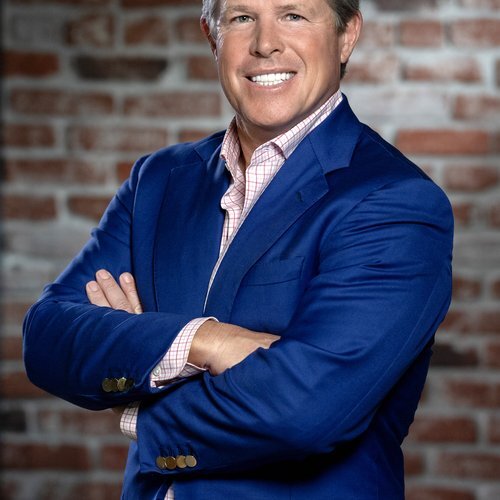
Gui Costin
★ Scribe Case Study
How Gui Costin Turned Two Scribe Books Into Dakota Greatest Authentic Hack
Dakota founder Gui Costin wrote two books with Scribe Media and calls them the single best thing he has ever done for the business, building authority, brand, and credibi…
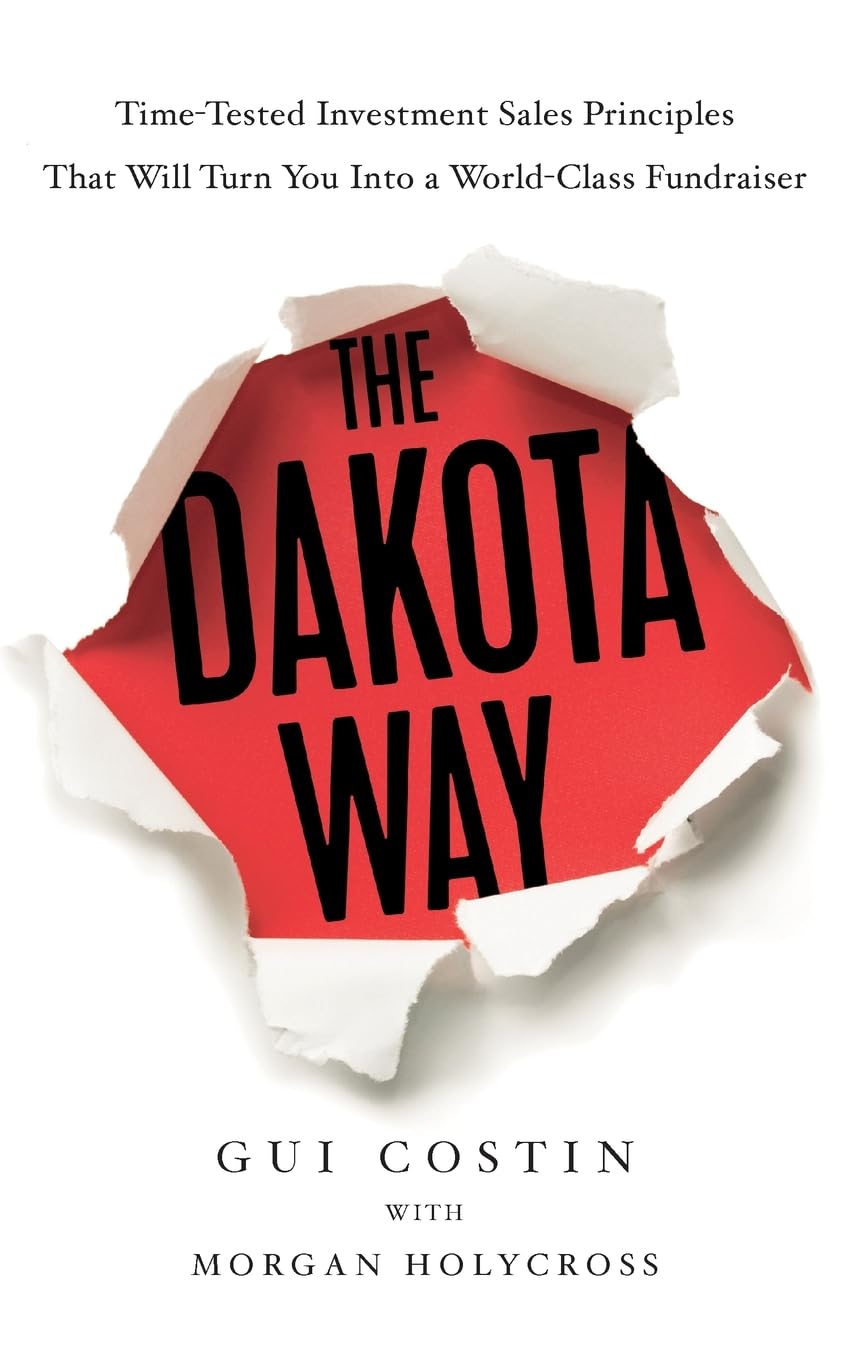
📚 Books by Gui Costin
Transcript
Gui Costin: If you're a business leader and you have a company, you're absolutely insane not to write a book. And you don't need to write a book to sell books. You don't need to write a book to sell your products. That's not the goal. The goal is to share the life lessons, things that you've learned that other people can read and apply. So there should be a serious application. These aren't novels. These are clear business books, again, on lessons learned and sharing knowledge. Everybody has knowledge.
Eric Jorgenson: It's a pleasure to have you here.
Gui Costin: It's great to be here. Thanks for having me.
Eric Jorgenson: Thank you for writing these books, man. Not everybody takes the time to give back and share their knowledge.
Gui Costin: Yeah, it's been great. It's very authentic and I'm looking forward to getting in the conversation because it definitely forces you to think a lot introspectively, right, about what you've learned and getting it in your voice. There's a lot to it, but it's so worth it. I can't even tell. It's two of the greatest things I've ever done is writing the two books and doing it with you guys because I happen to have the most world-class ghostwriter.
Eric Jorgenson: Yeah, it's amazing. I'm delighted to hear it. I'm curious what you sort of, I hear that a lot. I'm curious what you learned about yourself or your process through the through the act of writing.
Gui Costin: When you write a book on your craft, which is book one, which is the Dakota Way, sales coaching, the key there was to get it in the exact words that I use every single day to talk about it. And it really forces you to examine a lot of things. Now, it's a little more straight down the middle, the Dakota Way, because that's a sales process that we follow. And then making sure it's structured in the right way. However, the second book called Be Kind really made me think introspectively and deeply about leadership, how we treat people. And so I wouldn't have gotten there, I wouldn't have been able to produce that if we hadn't done a book, because it just forced me to examine at such depth. everything that I've gone through, things that I've thought about, things with intention. So it really does make you, it's a self-examination, put it that way, if you're going to write about the things that you care about the most that you just want to share, lessons learned.
Eric Jorgenson: Yeah. You said before we started recording that you sort of were hesitant about a book at first. You procrastinate a little bit on the first one and you had to kind of find your way through it. What was the decision to write it in the first place?
Gui Costin: So even though I didn't do the true first one with you guys, we did it with Forbes in 2019, called Millennials Are Not Aliens. And being public, being out there, can just create all sorts of noise in your head. And it's a real, that's like the issue of the procrastination. What are people gonna say? Would anyone ever read it? Would they care? So eventually you have to get over that, right? What killed me on the second book, the first book we did with you guys called The Dakota Way is our sales coaching book. is I procrastinated. And meaning I blew off meetings, I pushed stuff down, we didn't review a chapter, right, so it just took a lot longer and I was just still scared, hesitant. And then a lot of times you read something and it's not in your voice and then you would freeze, wouldn't be able to You know process the whole thing and then it just it was like walking through thick mud You know what I mean? And then I was procrastinating and then stepping in then eventually it got to a point whether you know You're either gonna do this or not And so then I stepped up at the end and we got very disciplined very focused They helped me get it into my voice. I had to do a lot of the editing on that However, on the second book with you guys was much more smooth because we did it immediately after the Dakota Way. And we set up timelines, structure, meetings, interviews, the whole thing. And so Gail could bring me on. We'd go through it. We'd flesh it out. And it was much more of her interviewing me, if you will, just about lessons learned in leadership and what the key takeaways are. And we had a really funny one where this was lessons learned leadership. And I was a golf coach for nine years. And I said, I want to have a chapter on Little League. She's like, no way. She's intuitive. She's like, no way. We're not doing that. It's going to be a sub-chapter. I said, Gail, why? She goes, well, why do you want to write that? I said, because I've kids in the early 20s, they all played college sports very successfully. And they grew up playing in like the little league and all of that. And I watched these dad coaches, the absolute psychotic to eight year olds. And I said, somebody's got to write a full chapter that can be forwarded on to all these coaches to stop the craziness. And I said, for the love of the game, can we just have fun at eight years old? Right. And she laughed. She's like, all right, we'll figure it out. So that was blast.
Eric Jorgenson: I like the side quest. Do you feel like you got mission accomplished on that?
Gui Costin: Totally, I mean, people crack up when they read it. They're like, finally, someone acknowledges the craziness. Yeah, so, and trust me, when I talk to my son, he's very resilient, played division one lacrosse at Penn State, both of my sons did. But when I bring up that one thing, he goes, yep, it'll be with me for the rest of my life, that experience as an eight-year-old. So it's like, that's the impact, you know what I mean? It's like, it's very, very real. And then if you're around athletes, like we have all these athletes up on our fourth floor, They immediately start talking. They know the guy's name. They know what he said to them at eight years old, how he treated them. And some people get driven out of the sport because of one person because they're just a jerk.
Eric Jorgenson: Yeah, you start a generational family feud on the little league pitch. That's not what anybody wants.
Gui Costin: Change your whole family's reputation in one sentence.
Eric Jorgenson: What was the switch that flipped for you when you suddenly got disciplined after this muddy period, this fear, this procrastination? Was there an epiphany? Was there a conversation? Was there a timeline? What happened?
Gui Costin: It just was, I was allowing it to extend on too long, and it needed to be addressed, and we needed to get the book done. And so, once I got that, then once I realized, all right, this is getting more and more in the shape of my voice, and that really had to be in my voice, because I say certain things, and I describe these consistently all the time, like talking to you right now, it needed to be reflected in the book. Once that started to come into focus, then I was like, okay, I'm feeling good about where this is. Let's just have the discipline." And I will tell you, and I hope anyone who's listening, is we have a decodism called turn your brain off, okay? Or throw your hat over the wall. That's two independent decodisms. And it's absolutely the single best thing I've ever done for the business and for people is to do the two books. They are rooted in practicality. They're rooted in not self-promotion, but really, hey, this is what's worked for us. Over 15 years, I wanted to share it. Fundraising's hard, leadership's hard, but what it enables you to do, because they're very simple books, you know what I mean? They're thin, they're 65 pages, and they really pack the punch, but they're insane marketing, if you will. Now, it's not, like I said, it's very authentic. So I'm not saying do it just to be a self promoter and like me me me. That's not what this is about This is rooted in practicality. This is rooted in lessons learned mistakes made along the way and but then you you get to the end and there's a way to Show hey, this is what works. This is what's worked for us and then signing them, getting comfortable being an author, being comfortable, hey, I'm going to send you a signed copy of my book. It's really cool. Everybody likes a signed copy of a book, right? And so if you're thinking about your business and you're thinking about how to just at least, now listen, we're not selling, you don't do a book to sell books and make money off books, right? It's just, it's basically to build your brand, share knowledge, share what you've learned, et cetera. single greatest thing I've ever done. And then we do all these events. And so we bring every event we do is a book signing, right? Hey, want to sign a book? And then people love taking books at the end of the event. And so it's just, it's a total grand slam.
Eric Jorgenson: That's fantastic. So let's talk about all the ways that you, you use it, right? Like you, you called this the greatest authentic hack of all time. And your, your first, well, your second book, first book with us, the Dakota way is, do I understand it right? It's like the principles that you use in your business all day, every day. Do you use it internally? Do you use it externally? Like both all over the place? Okay.
Gui Costin: Yeah.
UNKNOWN: Yeah.
Gui Costin: And then we do we do sales coaching here at the desk once a month. So we'll record Dakota Way sales coaching. I send signed copies to anyone who requests it. We send copies to because it's rooted in how to do the job. Right. And I always say the book is like a jar with we I put in the rocks. and the stones, and then your job is to put in the sand and the water to make it, right? But I'm giving you four core principles, investment sales with three principles underlying each, all of what you have total control over. It's the only things you have control over in sales. And it details where people fall down, where they fail, and this is why they fail. I call it the law of 18 months. And so it's something that we have built two businesses on and two very successful businesses. with a lot of longevity with clients and employees and teammates. And then we send it out all the time. I sign them. We send them as gifts. We use them at our events. I sign them at our events. And they're books that stand the test of time. And like I said, it's just sharing knowledge of what has worked. And so, yeah, they're incredibly useful. Yeah. And like I said, it's a hack only because You don't know it until you do it. You know what I mean? You're doing it like, well, is anyone going to read it? Does anyone care? And then all of a sudden you do it. And actually people are like, wow, there's really good ideas in here. This is really helpful. I've seen people like have highlights of it and they fold over pages. Gosh, I have to remember to do this. This is a great refresher. So when it doesn't come from the ivory tower, it comes from practicality. And at the end of the day, we're just sharing what's worked for our team over a long, long period of time.
Eric Jorgenson: Yeah, this is a great example of a book that feels like it's the written version, the distilled version of stuff that you've said all day, every day for 10 years plus, decades maybe, right? Like you know these things work and you can feel when a book is written by a practitioner who has like a battle tested ideas that they just put down on paper and they're like, look, I've had this conversation. 10,000 times I've done my 10,000 hours of this and I'm just I'm turning that conversation that I've done so many times into a book that you know, anybody can read any time and revisit and have in this package timeless thing, which is just Is a different level of density of insight.
Gui Costin: I think I would say, you know to the audience that Dakota ism through however the wall turn your brain off if you're a business leader and you have a company, you're absolutely insane not to write a book. And you don't need to write a book to sell books, you don't need to write a book to sell your products. That's not the goal. The goal is to share the life lessons, things that you've learned that other people can read and apply. So there should be a serious application. These aren't novels. These are clear business books, again, on lessons learned and sharing knowledge. Everybody has knowledge. Just the only thing you have to be careful about is being self-promotional. It's like, I'm the wizard. I have all the answers. That's why I said we're the jar with the rocks and the stones, right? Because there's always going to be ways to massage sales, other ways to do it, your personal touch. So I'm not here to tell you you have to do it our way. What I'm trying to outline are the core principles and follow them if you want to. But we know these have worked. So yeah, I think you're somewhat almost, it's almost a requirement and a responsibility as a CEO or leader of a company to take the time, because it's really gonna change, it completely changes how the world sees you, right? Because when I wrote my first book, and this was the lesson I got there, you don't write a book to sell books, right? You write a book to become a subject matter expert and an authority. And that's very important, because I have a bigger responsibility as a business leader than to myself. So if I'm going to hurt my team, I'm going to hurt our customers by not writing a book or not being an authority on whatever. I'm a sales guy, so I wrote a sales book. And then part and parcel of that, I built a company, so I'm a leader. And so I wrote that. If I didn't write it, I would end up hurting the team, and I'm hurting our growth. I wouldn't cripple the growth, but it wouldn't do, don't you believe as a leader you should be doing everything you can possibly do to lift your team, grow their careers, serve your customers, grow, have a growth mindset. So it really is the ultimate growth mindset.
Eric Jorgenson: It would certainly be have been an opportunity lost. And I think a lot of people have this kind of the fear that you talked about, you know, it will. Will people care? Will the book be good? The imposter syndrome sort of wins out over the upside or the opportunity that they could have to take the organization to the next level. I think One of the things that helps people sort of dispel that is understanding what it's like on the other side. So I'm curious what some of the things are that have happened, you know, since your books have come out that have been like these these unexpected good things.
Gui Costin: I mean, it's just weird. I mean, it's great. People reach out to you on LinkedIn hails on a plane. I read both books, you know, love it. And this really helps. You're just the overall acknowledgement. It makes you feel great. It's just like doing content marketing. It's like posting on LinkedIn to personalize yourself to people. I had dinner with one of my golf teammates from college in January. I hadn't seen him in 20 years. met at the bar in New York, chatting it up. He's like, let's go to the maitre d and get our table. As we're walking there, he looks at me and he goes, man, he goes, I love those ice espressos from Starbucks, the espresso over ice. I'm like, putter, what? All of a sudden I was like, oh my gosh. Oh my gosh, our head of social media, she sends me like 25 tasks to answer a question. Hey, what's your morning routine? My morning routine is I go to Starbucks every morning and get two ice espressos. So if you're going to tell me posting on social media content marketing doesn't work, that is the proof statement, right? Putter, who's not even in my industry, is watching what I'm doing on LinkedIn, and we just post, hey, what's your morning routine, right? So, you know, all this stuff matters as long as you share, right, be vulnerable. And the imposter syndrome, for the most part, I think it's always going to be there. Like for me, you're always going to have those crazy thoughts. But the more that you are out there, the more that you try stuff. It's just like why When you look at all the LLMs that no matter if you use chat or Claude or perplexity, Grok, whatever you might use, the more you use it, the better you get at it. People are like, I've got to take a course. It's like, no, you don't. You just need to use it. And that's the same with content marketing, and that's the same with writing a book. You just need to just write it. And then the benefits So the reason I told you the question or gave you the answer with my college teammate is because it all comes in unexpected ways. When you post something, everybody doesn't call you up and give you feedback. I mean, hey, I loved your post. Some people do, but you don't know what's going to impact people, and you're not always going to hit the bullseye every time. our podcast right sometimes it's a hit and miss right i mean just in terms of how it resonates with the audience and i said i can't be perfect and we meet people but you know what i mean it's just you know it's some really really resonate some don't and what have you and you don't know it's going to resonate with each person but you have to you have to be doing it to be consistent most people don't do it most people and so it's somewhat if you do it It's somewhat of a benefit to you because most people won't do it. But like I said, right in the book, you walk in our office on our left side, all stacks of the book right there. People can take them, right? And also, if you really care about design, you can have the designer do very unique, cool covers that you really feel good about. You know what I mean? And so just great, hand them out, sign it, hey, this, oh my gosh, I'll send you a copy. I'm doing a podcast. Hey, if you want to copy the book, send me an email to geedecoder.com. We do all that kind of stuff. And then you're just like you're in the mix all day long, all week long, all month long, all quarter long.
Eric Jorgenson: Yeah, it increases your surface area in a lot of surprising ways. Like you said, you never know exactly what's going to kind of turn out or what people will see in it, who you're helping, how you're helping them. But over time, if you do increase that surface area and keep showing up, these unexpected good things are just going to continue to happen, whether it's a customer or a partner or maybe a new recruit. I imagine these are really useful in building your team. It's establishing the values and filtering for the kind of people that want to work with you and that you want to work with.
Gui Costin: Yeah, like what you're getting at, it's credibility. And you're also able to document what you believe in, what your belief system is. And that's another thing that the through line of both books is our belief system, our Dakotaisms. One of the reasons, I mean, doing core principles as an organization, we could spend the next hour talking about how important that is because it defines your North Star, it defines what you stand for, it defines your standards. And so if you write a book on leadership and be kind and all of a sudden you find yourself, like you can't go backwards, right? Because you've put in a book. Right. Yeah, it's a way the whole organization can hold you accountable. It's a forcing mechanism as well. And like I said before, everyone in their soul has something they want to talk about. And I was just one of our teammates, dad's is going to write a book. And it really, he was 26 years as a public school administrator. And it's all those lessons learned. It's all those things that he wants to share. Right that that really made it work for him that he wants to share or potentially with other people That are might be just two years into the job, right? So he's gonna write a book and all his lessons learned as a school administrator. How cool is that?
Eric Jorgenson: Right. I love that. I love that. I love that this era allows people to sort of share that no niche is too niche I guess is what I generally say people are really surprised at the response to books that nobody's ever written before, you know, because it doesn't matter. You're not going to reach 100,000 people, but the 10,000 people that your book is perfect for, it's going to change your life.
Gui Costin: I agree. And another benefit is, I mean, hopefully everyone is listening to this as a growth mindset, but it also shows you what you're capable of. Right? Because almost everybody said, you know, their goal when they're 18, 12, I want to write a book. Okay. And it's like, but most people never do. Right. They have all the noise in their head. They procrastinate all that. I experienced that myself in a very, very deep way, but then it shows you what you're capable of. And the neural network, once you do it, then you're like, wow, I did that book. I can do another one. I can do another one. Oh, we're going to do content marketing. OK, what are we going to share? All right, let's share this. Let's share that. When I shared something about my mom, which I thought was amazing, I called her on a Saturday morning at 830, and she's 82 years old. And, you know, great shape, looks great, the whole thing. She's driving downtown Philly. I said, what are you doing? She's like, honey, I'm a little busy right now. I have to park my car. I'm going in to take a sewing class with all these, you know, professionals. I'm like, you're taking like to make, you know, like high end Couture dresses. You know what I mean? Like really high end dresses. I'm like, oh my God. You can't make it up. I'm like, I posted that. I'm like, this is insane. And she's like, and she's hanging out with all the 22 year olds, you know, that are the up and coming designers. So, you know, it's sharing like whatever is useful. And it's so neat that we have, you know, social media where we can connect with people, you know, in a very frictionless way.
Eric Jorgenson: Yeah, it's such a cool thing. How long did you sort of flirt with the idea of writing a book before you actually made the leap your first time?
Gui Costin: Well, it's another thing that if you are going to do a business that kind of requires you to become the subject matter expert, and that's what the first one did, which was on millennials. And it took me kind of about a year, and then I wanted to do it. And then the easiest way to do it is to go with a scribe, right? Because then it's a blueprint. It's paint by numbers. Doing it on your own, I would strongly recommend against that, but you need the budget. You also have Claude and others that can be very helpful to kick it off. But having a ghostwriter, having a system, having a group like Scribe that's done it before and has a whole professional process for how to go about it and keep you honest and keep you on point, that's what really got it done. I would have never been able to do it on my own, nor would I ever had the the quality, right, the way that Gail was able to lay it out. And she didn't know any of these subjects, but she was able to lay it out in a way that it all made sense to her. And that's really kind of the fun thing is could I actually make sense to Gail of what we're trying to say and communicate.
Eric Jorgenson: Yeah, it's a good collaboration. A lot of people seem to think that their creative partners need to also be subject matter experts. And it's like, no, no. We provide the structure. You provide the input. And that combination, that attempt to meet at the middle is actually the process that creates something that's really clear to people getting access to the value of what's in your head, the things that you've said so many thousand times. That's amazing. What do you think? You've done so many things to grow your business and Dakota's been extremely successful over the years and you say this is a uniquely beneficial one. It's so hard to actually pin down an ROI because there's so many, as we said, unexplained good things that happen. Do you have any guess at the multiple or the value that's been created downstream of this book?
Gui Costin: You're right. It's a little bit like billboard advertising or TV advertising. However, if you really want to talk ROI, it's going to be in the qualitative of building your brand, building awareness, creating something to give back, to share with people. I mean, I just see it in our business. If we didn't do any of this stuff, there's no way we would be where we are today if we weren't out there sharing. Do you know how hard it is? I mean, the press likes to write about the popular, like the huge successes. However, that's not 99.999% of us, right? We're not Google, Facebook, Nvidia, all that good stuff. And so, do you know how hard it is to build awareness for a product? in the real world outside of the, the press don't, the press only writes about successful people, right? They're not writing about all the people that struggled and never got past a million bucks. I mean, it's really, really hard with so much noise, so much competition, so much out there. And so I would almost say, look at it in the negative, right? As I say with AI, don't use it at your own peril. You can sit there and say, well, I'm an older guy. I'm 59. That's my age. I'm 59. That's not really for me. It's like, no, no. I have to be the leader at the company of using Claude and sharing the things that we're doing and promoting it. Just don't do it at your own peril. And so if you're a business leader, don't do it at your own peril. Don't do content marketing at your own peril. Don't share. I have a good friend who runs a services business and it's an incredible business as you can imagine. Think about all the coffee shops and stuff that need machines, espresso machines serviced and all those types of machines like that. There's companies out there that have legions of people that service these things. So he has to see, we're talking about sales process, he goes, could you talk to the CEO? This is a business does three, 400 million in revenue, said, gosh, what am I going to tell a guy like that? So we sit down, we go through sales process, and I'm explaining the code away and the whole thing. And he's taking notes. This guy's a serious CEO, like 20 years. you know, hundreds and hundreds of employees. And we sort of veer into content marketing. Like, do you guys do anything on content marketing? Because you could do videos all day long on, hey, this is how you fix this and fix that. I mean, you're chock full of video content. And he goes, yeah, we don't do that. We don't do blogs, nothing. Well, my buddy owns the company. And after we got done, he's like, no, I think we should be doing content marketing. I think we should have a sales process using Salesforce and everything. Well, lo and behold, three months go by, four months go by, they call me. They're like, hey, just thanks. We're doing all this stuff. And you can't believe the engagement we're getting. on all this and people love what we're doing I can't believe you guys did that you just wrote this blog on this and that and I'm like yeah I mean because you have such useful information that you're creating every single day through the services and products that you create right that is the new way to get it out there it's like Andreessen Horowitz largest VC firm in the world on November 6 of 2025 produced their new media manifesto And they said, PR is done. Press releases are goofy. If you do something, you do it on a blog. And I think we have nine places where we take any piece of content that we have, whether we put it on LinkedIn, an internal Slack, into a blog, a web page, on Substack. And then you repurpose the same ideas. Sometimes it's got to be shorter, sometimes longer form, everything. And I believe that is a really healthy way, a book. Naturally, it's just another way to get out there and create awareness for who you are and what you do.
Eric Jorgenson: How do you connect the book to that content engine? Do you do anything unique there?
Gui Costin: Oh, yeah. Well, I mean, we'll do blog posts on different concepts. Well, absolutely. It's because it's all part and parcel. It's all sort of part of the lessons learned, right? How you treat people. The Be Kind book is really, really deep in terms of hey, we all spend more time at the office and at work than we do with our family, and how do you feel that you're treated at work, right? It's incumbent upon the leader to create an environment that people actually want to come to and they feel respected and they feel challenged, they feel accountable, they feel like they're treated like adults, they don't feel like they're demeaned or put down, right? There's all of that and you want work to be fun, right? So we're trying to just spread the word of those concepts through all the social media, through everything that we're doing.
Eric Jorgenson: Amazing. One final question for you here before we sign off. What advice do you have for somebody who's sort of where you were in, I don't know if it was 2017, 2018, you have sort of a vague notion that a book might be helpful, but you're not yet like all the way committed? What's your advice to somebody 10 years down the road?
Gui Costin: Just do it. But the more specific answer to what you're getting at is that figure out what you're really passionate about. I'm really passionate about sales and leadership and how I treat people in the environment that they have at work. And I wanted to document what's worked for us. And I documented it in 2011. It took 15 years to write the book, if you will. But we had it documented. I had it very clearly done. Word documents and everything. But I wanted to memorialize it. I love sales. I love leadership. I love people. And so figure out, sit down and just figure out what you're passionate about that you want to share with the world that not from the ivory tower and giving this advice. No, actually, I walk the talk here and this is what I'm really passionate about. Figure out what you're passionate about. There's so many tools now. meaning Claude, where you can talk to someone and you can say, hey, this is an idea for a book. This is what I'm thinking. Could you give me a sketch? So use Claude to do this. And then just come up with what you think, how you would want to see you articulate an idea that you're really passionate about. that really is meaningful to you on how you do something at work or what have you. And then call Scribe. And I just don't think you can do this on your own, because it's not going to get done, and it's going to get done so much more efficiently. It's definitely an investment. We all know it's not free, but also what Scribe's doing for you. It's an investment in your company. It's an investment in your employees. It's an investment in your customers because you're sharing. And so it's just get started, get going, but figure out what you're really passionate about that you want to share with people and that you'll be very proud. You know, once it's out there, if people start asking questions, you're on a podcast. Hey, why'd you write the book? Oh, it's because this is my serious passion, and I love it, and that passion should come out of the words of the book when you're reading it, and then also as the author when they're talking about it, because clearly I'm ridiculously passionate about sales and leadership, and I wrote two books. So the thing is just get started, just do it, and let's use a decodism to close it out. Turn your brain off.
Eric Jorgenson: Explain that to me. You brought that up three times. Please explain to turn your brain off. Sorry to keep you over, but I gotta... No, not at all.
Gui Costin: The number one thing about anybody doing anything, right, is paralysis by analysis. Their brain, right, starts talking to them, meaning for all of us, 100% of us. And your brain starts saying weird stuff. And the only way to overcome that is to literally just turn your brain off and just take the step. So for instance, What are people scared about, right? Cold plunges, right? Okay. Then what's the easiest way to do a cold plunge? Just stop thinking, put your feet in the water, right? Okay, I didn't die. Okay, good. So, and this is just from personal experience, you know what I mean? But to turn your brain off is I think one of the greatest, one of our greatest Dakota-isms because so many people can get so tied up in their head overthinking things. Well, what if this, what about that? All that, no, just turn your brain off. What's the goal? Okay, write the book. What's the next step? All right, come off something I'm passionate about. What's the next step? Okay, give me kind of a sketch. Use Claude. Use these tools that are at your disposal. Talk to your friend, your wife, your husband, whatever it might be, and then call scribe, right? And you need a partner on this one. You can't go it alone. The benefits, I'm just going to tell you, if you're listening, are so far outweigh any of the cost. And listen, we're not talking millions and millions of dollars to do this. It's still affordable. It's a great investment in yourself and your employees and your customers.
Eric Jorgenson: Thank you. Can you do one more for us? Let's throw your hat over the wall.
Gui Costin: So throw your hat over the wall, right, is the same concept of turn your brain off, right? You throw your hat over the wall. All right, so now the hat's over the wall. I have to jump the wall, right? So now I have to do it. What's the easiest way to host a conference? Okay. Easiest way is to call the venue, book a date, and send in a deposit. Guess what has to happen next? Everything else. That's what I say to the team. It's like, no, pick the date, send in the deposit, sign the contract. Okay. Now, what's up, guys? Okay, good. All right. What do we do now? Dude, it's like in two months, we need to figure out the agenda. I'm like, yeah, good. Let's figure out the agenda. Okay. And so that's a great example through a hat over the wall is we always say, right, or if you want to get something done, if you want something to be accountable, hey, okay, 830 Monday, you're going to do five minutes and present this. Oh, okay. That just got really real. Just put it on the calendar, and it'll get done. So yeah, Thur ahead of all is another one. Remember, any organization, it doesn't matter what the organization is, is always going to have reasons why they don't want to get something done. There's always going to be reasons, right? But the reasons aren't real. The reasons are imagined in people's brains. Right? So I had to come up with decodisms to erase those weird ideas and feelings to have them plow through the wall, if you will. So throw your hat over the wall, turn your brain off. These are all things that I've had to do. at the company to get people to remove those mental barriers that are just made up in their head. They're fake. They're not real. And then so, yeah, we live it every single day. And I try to be, another thing that I think that you're getting at is by writing the books, I also showed the team that as an older, I'm the oldest person in the company by a long shot. And I was able to do this at an older age. right, which shows all the younger folks, hey, you can do this too. You can do anything that you set your mind to. And with the tools that we have at our disposal today, in fact, you could, I would never write the book using Claude, but you sure can get started with certain things because it's one of those things where they talk about AI. And I was at a conference yesterday. This is so fascinating. This guy's the president of Salesforce, kind of all the CTO's report to him. He did unbelievable jobs before this. He built Disney Plus, all this stuff. And he said, yeah, you can create a CRM using Claude or ChatGPT. Sure you can. Almost in a nanosecond, you get 20% of the way there, meaning the whole thing. Great, now you have your CRM. Okay, so time is going on, more people are using it. Okay, now you need to update it. Now you need to have security. Oh, you have important information in there. And then it's that next 80% that is basically impossible. because things have to be maintained. And so my point is just getting started, remove those mental barriers, and we've had to put an institute all these things in the company so people can accomplish things that they didn't think they could accomplish.
Eric Jorgenson: Love it. All right, Guy, where should people go to follow along, read the books, see this playbook in action?
Gui Costin: It's all at either dakoda.com. And if you're listening, I will send you a signed copy of the books. If you email me at geegui at dakoda.com. And then you can also find me at geecostin.com.
Eric Jorgenson: Awesome. I'll be following along. I'll be reading the books, following the isms. I love this. I love this conversation. Thank you so much for taking the time. Appreciate you.
Gui Costin: Thanks for having me.
Want to Write Your Own Book?
Scribe has helped over 2,000 authors turn their expertise into published books.
Schedule a Free Consult