Money Mind: Beyond Speculation with Brayden Sutton
✨ Episode Summary
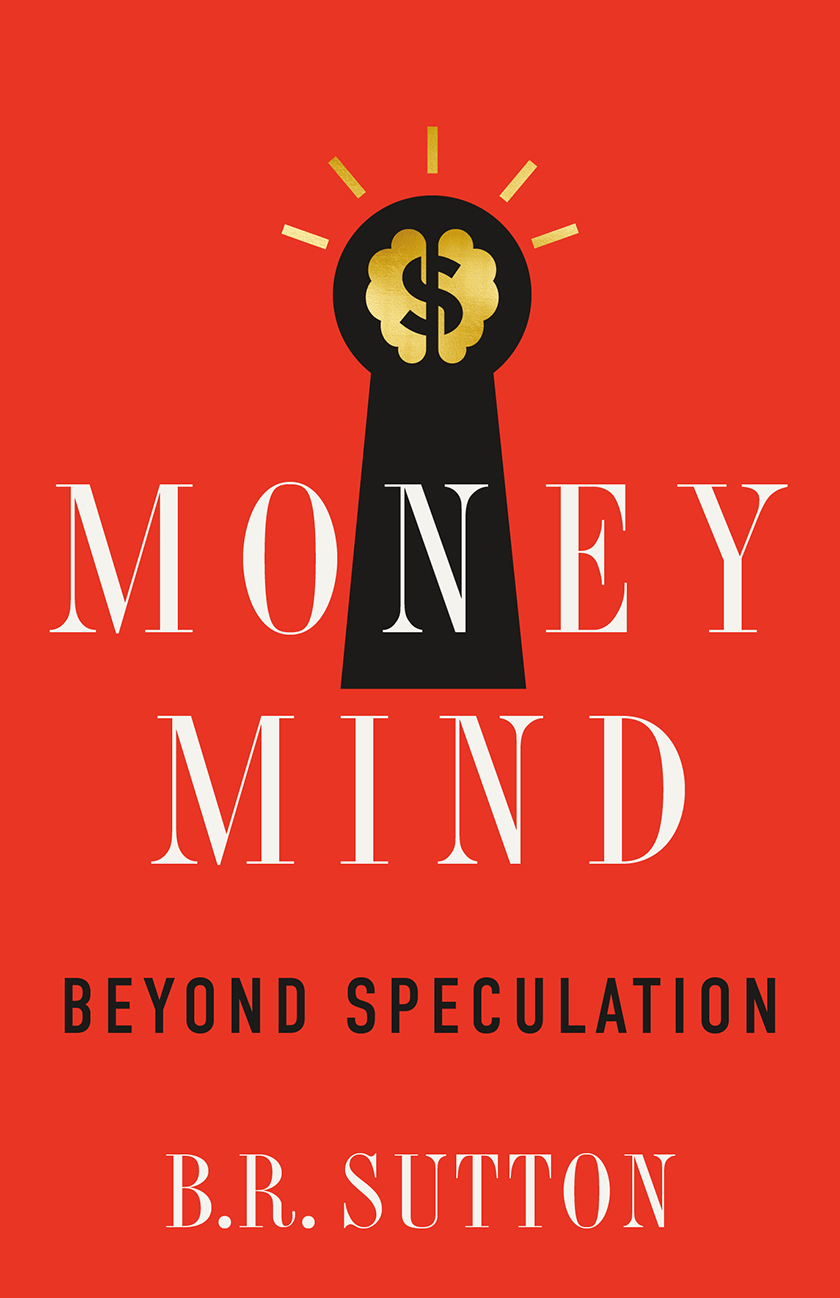
Brayden Sutton is a self-taught investor and private fund manager based near Vancouver who built his entire career from scratch — no formal education, no family wealth, no industry connections — by reading hundreds of finance books and trading through real losses. His book Money Mind: Beyond Speculation, released in 2022 and now a Canadian bestseller, distills over 15 years of hard-won market experience into a practical manual aimed at retail investors who want to stop acting like gamblers and start acting like banks. Four years after release, the book continues to generate compounding returns: it brought an ultra-high-net-worth investor into Brayden's fund without a single prior conversation, earned endorsements from two Canadian billionaires, and draws weekly reader messages from people whose entire investing mindset it has shifted.
⭐ Top Moments
- An ultra-high-net-worth investor found Brayden's fund through his book alone. Without any prior contact, a stranger read Money Mind: Beyond Speculation, tracked down Brayden's private investment partnership, and invested — all without Brayden ever knowing or meeting him. "I have more than one very, what you call in the business, ultra high net worth investor only because he read it. He didn't know me. He read it. He sought me out. He figured out that I have a, this, this small partnership. He was able to participate, but he did so only through the book without me even knowing or meeting him."
- Two Canadian billionaires called it "manual material." Despite no dedicated marketing website and minimal promotion at launch, the book reached official Canadian bestselling territory and earned endorsements from two Canadian billionaires who called it manual material after receiving it through a third-party recommendation. "I've got two, believe it or not, Canadian, I can say Canadian billionaire thumbs up, call it manual material, which was the biggest honor that was given to them by somebody else in Canada."
- Four years later, he still gets weekly reader messages about mindset shifts. With no active marketing and no author website, Brayden receives messages every single week from readers who say a single passage changed the entire way they think about investing. "I get messages every single week of people that are, that are genuinely, genuinely grateful over like three sentences, one little snippet that completely switched the entire way they look at their investing in it. It unlocked why they're losing more importantly, and showed them how winning is right there."

Brayden Sutton
B.R. Sutton is a self-made speculator, volatility and metals trader, acquisition entrepreneur, and lifelong student of the markets. With more than two decades of business experience, Sutton has founded several companies and invested in hundreds of individual startups. A pilot, psychonaut, and mental health advocate, he lives in British Columbia with his wife, three children, and five dogs.
★ Scribe Case Study
Brayden Sutton
📚 Books by Brayden Sutton
Transcript
Brayden Sutton: Kudos to scribe because the team was, was, it was unbelievable how good everybody was and how they work together. And there's no way I would have been able to do it on my own. Like I just, it would have been one of those projects in the queue until 2040. I was just so grateful that it kind of, you know, by creating those timelines, I was able to be really just, yeah. And I'm just grateful that it happened because it's now kind of like a big checkbox professionally, even the ability to send audible to somebody that I know doesn't read, but drives whole day. And they're calling me the next day, be like, I had no idea about this, this, this, and this, I go, well, now you do now you're armed. Now go do something with it. Now go let that catalyze some change for you. So it's, it's a great gift to have it. And I feel super fortunate to be able to work with you guys to do it. Great. Thank you for being here.
Eric Jorgenson: Thank you for having me. Great to be here. Just sort of set the stage for the meat of the conversation about your book. Can you give us a little bit of your life, personal background?
Brayden Sutton: Yeah, I am up in Canada. I started life out in, in tech, always been a bit of a book, bookworm, but I was always very fascinated by the capital markets at a young age, really, because there's nobody kind of in around the stock market in my family. So it's this sort of elusive thing. So I kind of dug in around 18 years old, met my wife the next year, I mean, we've been together now 22 years and just been on a journey and it really took me to all edges of the earth and showed me some pretty cool parts of the mining business and technology and cannabis industry and all sorts of new frontiers in tech, but ultimately just been really obsessed with, with macro trends, geopolitics, things that move markets and ultimately trying to find a way where a small retail DIY do-it-yourself home guy can deploy capital and participate like an institution. I always thought it was really neat that you could sit at home on your Mac book and trade features. You know, it's a pretty big life hack. If you have a little bit of capital, I started with zero, very proud of that, but just really dove in, nerded out on the technical side, read everything I could on, on TA, on technical analysis, studied the greats, we're very, in a neat time in history where we've got a few guys out there that manage money that are 60 plus years in this business and they've all got books out, so all the information you need is out there, but yeah, lifelong student of the markets, forever fascinated by all things stock market.
Eric Jorgenson: Wow. Did you ever have any formal training in this or you, you started with $0 in curiosity and you, you read your way to where you are now?
Brayden Sutton: I did. I, I, I truly infiltrated the business, which I'm, I'm proud of because I not only have money, no inheritance, no guidance, I was also never a stockbroker or a banker or a lawyer. Uh, so I came into business truly as a retail, like if you remember the roaring kitty era back with GameStop, that's really what he did. He came in out of nowhere with a microphone and a YouTube account. I'm pretty close to Vancouver, which is kind of the startup capital of the world and a lot of the global trends and a lot of really big companies come out of there. So fortunately I've, I've got the proximity of a lot of cool startups. So it allowed me to sort of morph from a stock trader, which is what I still love to do into a lot more sort of almost like investment banking or merchant banking, just basically private investor cutting checks into good startups. And you know that there's about a 90% probability you'll never see your money back. But it could also be the next EA sports or Lululemon or you name the brand. So I'm, I'm really big on, on supporting entrepreneurs and, and visionaries that, that have a lane and an opportunity and that see something that's, that's really become a big passion of mine as well. That's awesome. So I should reiterate though, is it is important to the audience that no education as well in the space. So no training, no capital, a desire to learn, picked up the oldest books there was, and then sort of worked my way up. There's about two, 300 must read phenomenal finance books. And once you've done that, you kind of get your PhD and there's no excuse for anybody that wants it to be able to go out and take it.
Eric Jorgenson: I love that. I like infiltrated the industry, like, and you probably have a deeper education when those couple hundred books than a lot of people with, with MBAs or PhDs in there, you know, in their fields, just cause they didn't have the skin in the game or the depth of the research that you did, or the number of loops, just getting feedback from reality on whether you're right or wrong.
Brayden Sutton: This is it. I had to spend three years in Las Vegas with a company I invested in. Talk about a life experience. I spent tons of time in California, helping another company that I had invested in that needed help. And then I've been, been thrown into some pretty cool and pretty challenging situations that yeah, you'll never, you'll never learn in theory in a classroom, what you'll see on the ground when there's, there's capital at risk and emotions at play. It's a, it'll carve you pretty quick. Yeah. Yeah.
Eric Jorgenson: So when did the first twinkle in your eye arrive that you might write your own book?
Brayden Sutton: You know what? It was, I had a really good mentor who, funny enough, he's a New York Times bestselling author, and he was working on his second book. And I had been working on this sort of manuscript now for over 10 years of sort of like a personal story and ultimately no desire to do anything with it just because, you know, who cares, who am I, I'm not, I'm not here to create a biography on, or a memoir when I'm not some household. I just didn't seem to make sense. And then he made this comment to me that he goes, well, if you have that, why don't you try to create sort of a manual for your 18 year old grandson? And I didn't, you know, he hit me right away and I thought, man alive. I can't now take this, you know, at that time it was over 15 years of hands-on blood, sweat, and tears in the market, I go, I don't want to be able to not say to my two boys, here's a manual, read the manual. Don't blow your brains out. Like I did in my twenties, you know, figure this stuff out while you're young. You can easily and literally be retired at 30. If you follow the rules and if you respect money and if you allocate it properly and you manage it properly and get out of its own way, yeah, hopefully that that's sort of, that's what's the question for right now. That's awesome.
Eric Jorgenson: It's, it's really cool. And I feel like books get a whole new level of depth when they're written from a, to a person that you know, in your life, it's so much easier to be vulnerable and direct and honest and like really actually teach everything, you know, which is really what makes a great book completely that that's really
Brayden Sutton: what it was, it was a combination of, of realizing that you have the power to kind of encapsulate what you've taken along this journey and distill it and give it to somebody in 200 pages, I think is a, is a pretty special thing. And yeah, I was, I was pretty honored to do it. And when I came across you guys, that, that was what I was most excited because I don't think left to my own devices, I would have done it. I would have kept, you know, I like to write, I've got a sub stack, but I don't think I would have, I've gone through what I learned later was an unbelievably large amount of work. I mean, even, even just the editing of our manuscript initially, I felt like it was almost like this, like five hours Scorsese movie, they're like, you have put it into 90 minutes. It's like, how, how do you, and, you know, we worked with a tremendous, tremendous editor to get it down to a point where I felt really excited to be able to just give it to anyone, no matter where they were in their market journey or their money journey, even if they're still working for a paycheck. I knew there was going to be something in there because I took sort of all of my favorite things and referenced it and quoted it, brought it all together. And, and really it was until I had that avatar of my own boy or my own grandson of, okay, now I'm, now I have a message, now I have somebody to write for a reason and a voice and, or pardon me, uh, someone to, you know, to receive the message. And that was ultimately what, what made me want to do it. And, and was the passion to really do it properly. Yeah. Did you have any, does it, does it play a role in your, your business at all? It plays a huge role. And, and funny enough, more now, as the years progress, it came out in 2022 when the world was in a funky place. Typically in 22, the markets were going nuts with, with AMC and GameStop and Bitcoin and everything was getting really, really weird. Everybody was at home in their sweatpants trading stocks all of a sudden that didn't have a brokerage account a year earlier. So it felt like it came out exactly when it needed to, but was never really marketed because it was more of a professional tool to be able to give to people and assist people. But, uh, fast forward to now I've got two, believe it or not, Canadian, I can say Canadian billionaire thumbs up, call it manual material, which was the biggest honor that was given to them by somebody else in Canada. I have more than one, I actually have a small little fund to myself now that has shareholders. I have more than one very, what you call in the business, ultra high net worth investor only because he read it. He didn't know me. He read it. He sought me out. He figured out that I have a, this, this small partnership. He was able to participate, but he did so only through the book without me even knowing or meeting him. And as I've got to know him, of course, we think very similar and there's, you know, he really read something in there that he saw in himself. But countless, I have a lot of youngsters, which excites me the most than just say like, wow, I had no idea how this is, how it works. And I've had a ton of seasoned old guys say, wow, oh my goodness. I wish to God I read this at 20. That's precisely what I was hoping the book would do. That's all I wanted to do. I wanted to be able to, to, to just hand it to somebody that says, Hey, can you teach me how to trade stocks and say, absolutely, but read this first, it's going to make you go out and buy a hundred bucks, you're going to do that. And you're going to read all those. And then you're going to come back with questions. And that's exactly what it's done. It's really served as a great way to be able to scale my, you know, the desire to help others to scale it in a way that actually makes a difference. And that's exactly all I was hoping for with the book.
Eric Jorgenson: So, yeah, I was, I usually try to ask about expectations sort of going in, like you, you have this personal mission, you know, you want to write to your, you know, your 18 year old grandson, you want to get back to your family in some way. I'm sure you give back to the, the next generation of the 200, 300 books you had to read to become who you are and leave those, the stepping stones for the next people, did you, do you feel like you've achieved expectations overachieved, underachieved and for context is about four years since this book came out?
Brayden Sutton: Yeah, that's, that's wild. You know, I didn't do service in a sense that I should have gone out and marketed only because I wanted it to be more, again, a personal tool to genuinely help people. So instead of coaching me that I could just hand them this book and say, it's all here, everything that I've learned, millions that I've lost, millions of made and exactly why are right here. You can, you can get it all. Well, it's done that. And then some expanding on it would be awesome. You know, in hindsight, I, for one day I noticed just personal is that, you know, I wanted even, for example, the cover artwork to be very sort of OCD and clean and tidy rather than like how to quit your job at 25 and retire young early. I could have given it a title that I think would have really changed the economics of the book. So I have regrets in terms of like first-time author, a bunch of things that I would have probably tweaked for sure in ways that would have marketed it. But at the end of the day, I just want to get it to people and, you know, the 2022 release, fortunately with it not being done for economic purposes, for me necessarily, but more professional and to assist people that it's not stale dated. So that's kind of the nice thing, but you know, perhaps there'll be a version two one day or a follow-up to it would be great, but it's definitely doing its job and it definitely taught a lot on the first go around for sure.
Eric Jorgenson: I, it's so, I mean, you probably sold what a thousand copies more.
Brayden Sutton: More than that, which funny enough is amazing. Heller status in Canada. It's that's, I mean, you know, you know, physical print up here. It's, it's a small country, personal finance, small category. So it's officially deep into Canadian best-selling territory. Funny enough. I just, somebody just shared that with me. That's awesome. Which is wonderful. But I've more, I was just going to quickly say what I, what was suggested to me recently, one big mistake, not mistake. One thing maybe I can still do is I wish I would have created a proper marketing website and, or given it away to people in exchange for, let's say, even an email to keep maintain like a sub stack, that's something maybe with some help I can, I could do in the future. That would really take me to the next level in my view of how it can assist the world, but yeah, it's, it's a inner owner in Canada.
Eric Jorgenson: Yeah. Well, especially for a book that, you know, it's a very clean, I mean, the title for, for context of people, it's called money mind beyond speculation. It's, it's not, you know, that's not a deeply descriptive title or subtitle. And I say that to say like, It is doing all these things for you, even though it's not like, if you just look at the Amazon page, it doesn't look like this runaway bestseller, right. Is there's like 30 reviews. It's really well reviewed. But it's not huge numbers publicly, but you sold thousands of books. It's a bestseller in Canada and ultra high net worth people are finding you and investing in you that you have no contact with other than they discovered your book somehow, and you just still don't know how you find your people.
Brayden Sutton: That's, I've got some friends that read it from someone else's recommendation that I've become close to, even like WhatsApp friends, like threads of dozens of dozens of really cool people that we've built this relationship because they found themselves in the book and when they come back to me and touch on those points, I'm kind of like, oh yeah, we're, we do that too. And you start to talk about all the little idiosyncrasies you do in the market and how to act like a bank. That's, that's really, again, the overall message of the book is you can become a bank, you can act like a bank, you can make money like a bank, but you have to stop acting like an individual investor. And that's our human tendency is to, is to do just that, right. Buy the tops and sell the bottoms. Is this the great saying in finance is you, you, uh, cut your weeds to water or pardon me, cut your flowers and water your weeds. And that's really what most people do is they buy a bunch of crap. The ones that go up, they lock in small gains. Initially, the ones that go down, they average down and hold forever and just slowly bleed. Banks behave the opposite. So it's, it's pretty common knowledge in the hedge fund world and in the investing world, but I like the fact that I've been able to help bring it to the, the truly, I would say the, you know, horrible word, dumb money to regular me retail at home investors, non-institutional money.
Eric Jorgenson: Yeah. What is it when you say act like a bank, what does it, what does that mean?
Brayden Sutton: Well, that simply means remove emotion, I guess you could say on, on a grand scale. So you think when you, when you chase SpaceX on IPO day and pay 2.2 or 2.8 trillion to be down 20, 30% next week, you bought on FOMO or hype or greed specifically, and then you're probably going to sell next week and chop a 30% loss and go stock market sucks. It's a scam. Well, no, you just bought into the secondary market on an IPO when there's thousands and thousands of shareholders for years before that are now using the secondary market, the stock market use you as liquidity. So as long as you're aware of the mechanics and the dynamics and where you are at the poker table, and I do use a lot of analogies with professional gambling, because if you take a, give a simple example, if you, if you walk into a casino and you have a hundred thousand dollars in chips and your goal for the is to make 10 grand, all you need is 10 K. You can do that. If you're, if you're proficient in a game in the casino, you can do that every single night. You can hit your 10%. You can take your 10 grand. You can walk out. What does everyone else do? They walk in with a hundred dollars in chips or a thousand dollars in chips. Try to shoot the lights out. They lose their money every single time. They say, this sucks. This is rigged, et cetera, et cetera. So it's the, the problem is a SpaceX or Tesla or Visa. And the problem is not the market. The problem is not even the direction of the market. The it's about strategy and allocation and understanding where value is understanding how to be in front of that SpaceX psychology. In other words, what, what in, you know, industries or sectors or entrepreneurs are you investing in today? That will be the next SpaceX, for example, for one. And also if you're buying something because CNBC told you to, or because Twitter called you to, or because your barber told you to, that's the end of the train, that's the final destination of, of there's Gordon Gekko. And there's the barber and you're at the end of the line. If you're buying it on that tip, you are the dumb money. So, and I, again, I only say that because we all do it. We all hear about the next Palantir and we want to own it. We want to not miss it. We FOMO in, we buy high, it comes low. So what I, what I've studied since I was a kid and I find fascinating, this is a Buffett made his fortune, is that mutual fund redemptions going back 50 plus years of data in America, more like 70 years now, probably, but mutual fund redemption data, when people sell, close out, take their money back out of their mutual funds is overwhelmingly at the bottom troughs of the market. People have an innate ability to exit or outflow at bottoms. And they have an innate ability to buy tops. What does that mean? Well, volume is always highest at the top when everybody rushes in late to try to get in on something they missed. And then when it comes back down to the very bottom, right, when sentiment is at an all time low, people are most likely to sell when the institutional Buffett, Munger, Lynch, smart money is patiently waiting in cash to buy the cheapies that the tired, fatigued, emotional, irrational, you know, exuberant retailers are willing to give them for pennies on the dollar. So it's about understanding what you're buying, when you're buying it from who and who you're going to sell it to later. It's a, it's a greater full theory. When you, when you buy SpaceX at X price, you're only buying and assuming there'll be another you in the future that will give you a higher price per share for your stock. So you're participating in a greater full theory. Okay, well, that's fine. What's your time horizon? If your horizon is, well, I don't want to hold it all year. Well then now you're just gambling and you might as well go to a casino because what, what did separate Buffett and some of the greats, I mentioned a couple of them in the book, but what did separate the mega mega billionaires of our generation is that two things, two amazing little gifts, and that is make your timeline forever. You genuinely make it. So how long will you hold this? My grandkids are going to sell. That's my timeline. Why? Because that will filter 99.9% of shite. So someone puts Costco in front of you and you see it as the best opportunity forever, you put all of your IRA into Costco, you actually see soundly because you know that over the next 20, 30, 40 years, this will perform with or without you. When you speculate on a hot potato in that same account, yes, of course you're checking it every day because you bought something that you have no conviction in whatsoever. So the public buys, no conviction, high bullshit, high flying, timely talked about things, and there's all sorts of expressions, but whenever there's, there's sort of a lot of buying or a lot of market highs and everybody's very bullish and very hawkish and everything seems good. Always seems to mark these sort of market tops. It pulls back to the bottom, smart money moves. It's just the same. It's kind of kind of a seven year overdue seven year cycle. There's also a broader kind of 75 year larger when you kind of zoom out the chart. We're kind of heading into the tail end of both of those. You could say the shorter and the longer term cycles are kind of petering out. Well, Buffett has got, I forget the number now. It's like upwards of 300 billion of cash in Berkshire, which is their largest cash percent ever. What does that mean? They don't see value in the market. They don't, they don't see a better place because when you, if I break that down a little bit for you, because it is important when someone says, should I buy Bitcoin right now? You go, well, well, what is Bitcoin to you? Well, it's, it's a family heirloom. I want to hold, it's like a classic Mustang. I want to put it in the garage and never sell it. Well, then that's a buy for you. If you're buying something because it's a rental, which is what most people treat stock ownership, which is just that you're owning equity in this, in this business, most people treat it much more like a rental, you buy the car or you rent the car, you drive it until the wheels fall off, you hand back the keys. You really don't care because you're never going to see it again. That's most people's mentality on their, on their entry point. Whereas you need to come slide more into the long-term heirloom area. And that'll do a couple of things that will again, make you more picky. It will make you deploy capital wiser. So instead of clunking all on black, because you fall in love with Costco, you're going to go, you know, I'm going to buy five, 10 grand a month for the next 45 months and see where I'm at. That would be an investment versus like speculatingly sliding 300 K on it. Just because it dipped four bucks and you think the RSI is oversold and you're starting to get a nice little 11 day, 20% gain, it's not realistic. So when it doesn't happen and you sell at a loss and you give up, that's where most people fail and blow up their accounts. And, and my book came out of tears and blood and losing millions of dollars, literally. And I wouldn't have felt I was qualified, frankly, to put the book out if I hadn't blown up a bunch of accounts before I sort of figured out the rules, went, okay, if I'm going to do this. So I, I physically wrote out these 10 commandments last page of the book, not everybody notices there's my actual image of my journal entry in 2009. I think it was of trade the plan. Don't follow hype. And I, I physically, here's my rules. And then every time I go back and I look at, oh yeah, well, had I listened to rule number three, I wouldn't have bought it in the first place. Whose fault is it? It's my own fault for losing.
Eric Jorgenson: Yeah. During the, the whole journey of, of writing the book, what do you think was your, your highest moment? Your biggest, like emotional high? Was it, was it finishing it, publishing it? Was it something that happened after? Was it a conversation that came out of, you know, meeting a reader?
Brayden Sutton: Well, it was, it was reading the final, final, final cut and just feeling like this is awesome. This is going to help so many people. In fact, I'm going to, and what I did do is I put together this email kind of like BCC, everybody I know, Hey guys, check it out. Here it is. And it was that reading of that final cut that I went, I think everyone that has that basically trades time for money in any capacity or invest for money needs to read this book. If only because it'll give them 10 Bibles that they need to have in their, in their library, if they're going to be investors or vision in any way. So it's a one-on-one and that final cut. I was, I remember just feeling awesome. This is going to, it's going to help people. And I get messages every single week of people that are, that are genuinely, genuinely grateful over like three sentences, one little snippet that completely switched the entire way they look at their investing in it. It unlocked why they're losing more importantly, and showed them how winning is right there. And I, I give the example of when I created a little bit of a system to sort of create a little bit of an income once I was really full-time at it and proficient at it. And that allowed me to kind of, you know, let my hair down or at least feel like, okay, this is now my job and pursue it full-time as it were. So there are a lot of little psychological barriers and breaks. And once you can pop through those, you can get to the next level. So it's just helping people get to that next lily pad of confidence, really.
Eric Jorgenson: That's awesome. It's so cool that, you know, four years in here, you're still getting. Personal outreach from readers, even though you're not, you know, I think by your own admission, not really doing much to promote the book or emphasizing the marketing of it in your day to day, you don't even have a website.
Brayden Sutton: Well, and again, kudos to scribe because the team was, was, it was unbelievable how good everybody was and how they work together. And there's no way I would have been able to do it on my own. Like I just, it would have been one of those projects in the queue until 2040. But I was just so grateful that it kind of, you know, by creating those timelines, I was able to be really just, yeah. And I'm just grateful that it happened because it's now kind of like a big checkbox professionally. Even the ability to send an audible to somebody that I know doesn't read, but drives whole day. And they're calling me the next day being like, I had no idea about this, this, this and this, I go, well, now you do, now you're armed, now go do something with it. Now go let that catalyze some change for you. So it's, it's a great gift to have it. And I feel super fortunate to be able to work with you guys to do it.
Eric Jorgenson: I love the way you put that. Cause I think, you know, we, we would love unlocking books that otherwise wouldn't have existed, you know, and you have all this experience, blood, sweat, tears, scars, painful lessons that you can teach that help avoid, help other people avoid that pain. And, and to be the, you know, the kind of key that can help you unlock that book and make a book where there might not have been one is super fulfilling for our whole team. How did you, how did you find your way to us in the first place?
Brayden Sutton: You know what it was actually originally was a mutual friend of Tucker, funny enough, and then way back, like pre scribe and then kind of reached out, played with the idea and then funny enough, it was my, my little brother shout out to Dean that when I mentioned again, that I really wanted to write, he goes, well, what about scribe? And I went, oh, I already, I know who those guys are. I know. And I kind of went back and then it was the, the gal that it's sort of just sort of liaised with me in that whole period was just so professional and so encouraging. Like, like we got this, let's go. Like you, you tell us when, and she, you know, she was awesome because again, without I wouldn't have pushed her over the edge, but it was actually, yeah, it was a roundabout way through, through Tucker when it was book in a box way back when that was probably six, seven years ago, maybe, maybe, maybe more honestly.
Eric Jorgenson: I mean, time, time flies. I think it was more than almost 10 years ago. I think now that Tucker and Zach originally started book as book in a box. Yeah. And then pretty quickly became, became scribe media, but that's, that's awesome. I mean, that's how I came to it too, was just reading Tucker's blog and he was reading mine and knowing him through the internet and a couple of exchanges we had. And yeah, it's, you know, surrounding yourself with this team that does this all day, every day, kind of takes you from like, Oh my God, how do I climb this mountain to, Oh, these people climb this mountain all day, every day. And it's a given that we're going to make it. We just got to kind of stick with it and keep showing up, even though it's, you know, it's harder than we bargained for when we thought when we started, do you have a piece of advice for authors who are where you were in, I don't know, 2020, 2021, like got something written down, thinking about making a book, but haven't fully committed yet.
Brayden Sutton: Yeah. It's a, it's a big, just do it because as it was explained to me just before I did it was stop getting hung up in OCD and perfectionism, just, just do it. It won't be your first. It was kind of the impetus when I finally did engage scribe was somebody saying it won't be your first, just, just start. And I went, okay, that's, I remember hearing the expression years ago about like, let's say you want to start a podcast, but you're totally hung up on your background, your camera and your lighting. And it's like, just start shitty and get better. Cause if you don't, you never will. And we know how quick another year will go by. So please do it. But for me, I needed the personal coach. I need the accountability and I needed the timeline. I needed the, I was, my hand was held the whole way and I'm a busy guy like everybody, and I wouldn't have been able to maintain that cadence and that rhythm to get a published book right down to the listing and artwork and all of the things you got to do, there's so much more than people anticipate, I think.
Eric Jorgenson: Yeah.
Brayden Sutton: So I would just say, do it. You'll feel so good when it's done. And it's just a great starting point. You know, it doesn't, it's not the, it's not the BL end all. So just do it. And yeah.
Eric Jorgenson: As they say, like the time is going to pass anyway, this is it. And everybody, I mean, all of our authors are so, so successful entrepreneurs, executives, coaches, speakers, whatever they travel on all over the world. They're all busy people. And you know, it's like my, our, our own official tagline that I say all the time is like, we help busy people write books. You think you don't have time, but I promise you, we will figure it out.
Brayden Sutton: What was sold to me was exactly that energy. And that's what, what hooked me was you do what you do. You've got all this knowledge in here. We're going to, we're going to turn it into a book. And I thought, hell yeah, that's, that's all I want. And it was, it was a perfect exchange in that regard. It was a, it was a great part of 2022 and it was a real high point to release it. But again, it was a weird time of the world and, and I remember scribe the time and there was a lot of, a lot of stuff going on at that time. So it kind of was a personal thing that's ironically become more and more of a, of an external health thing as the years progress. So yeah, really happy about it.
Eric Jorgenson: This is going to, this may be a torturous question for a finance guy, but if you had to just ballpark your ROI from, from the book and your time into it, what do you, what do you put it as man?
Brayden Sutton: When, when I, and ironically, I'm not a finance guy. That's, that's one of my big things in the books is I'm, I'm in finance. I trade for a living. I'm happy to say I'm not a finance guy at all, which I think is why I'm partly able to know that I am the opposite of finance guys. So the ROI is, is pretty extreme. There's a concept called, what is it called? Social dividends or social capital. I guess you could say it's, it propelled me a lot in a way of a lot of people know what I do and it helped them to sort of understand my universe a little bit. So it helped validate sort of my professionalism to my spear around me. And then it also brought a lot of really cool new people, which translated into a sub stack, which translated into a new love for writing for covering startups, companies that involved in all sorts of things, which really was sort of driven partly as my, it's called Beyond Speculation. So it's kind of like the, the sub stack for the book. So it wouldn't exist. I wouldn't have a lot of cool conversations every day if it didn't exist. So there's, there's so much indirect ROI. It's not even funny. So as far as the ROI, you can't even capture it. It's, it's immense because the capital, personal confidence level and ability again, to hand it to somebody, to go to an event and, and bring it with you, to go to a first time meeting with a prospective partner and be able to bring it and go, here's me and kind of lay your own cards on the table. Both helps authenticity and transparency and sort of fast track relationships. And I've also been in the room with some pretty high level bankers, given it to them. And they all go, wow. Like where, where were you a banker? Where were your lawyers? Every time it's the same question I go, I'm a high school dropout. I don't tell people that, but I didn't get to finish high school because I was a street kid in Abbey and that's, that was the impetus was that anybody can do this. I am not a finance professional. I didn't have a book of business. I didn't have a rich daddy. I didn't even have an uncle that cared to show me the way. And it was books. It was literally thinking of a rich power, positive thinking, reminiscence of a stock operator. And then get into all the Benjamin Graham and all the modern stuff. But it was books that, that got me there, books that got me in the trade. And then that created the book. And then the book created more opportunity. So in essence, it really kind of put a little bit of a fuel in the fire of opportunity, I would say of opportunities coming to me.
Eric Jorgenson: This is incredible. What a, what a story. I mean, good for you. I'm so glad you wrote this book. I mean, you're, you're just the dead center bullseye of people that I love to learn from and that I'm grateful have taken the time to productize themselves and put a, you know, put everything you learned out into the world, you know, honestly and, and forthright and in a generous way, I'm going to follow along and tell, tell, tell me and everybody else where we can learn more about you and follow along, because this is like, I love startups. I love investing. I love like everything that you're talking about. I feel like we're going to end up in a WhatsApp group at some point here.
Brayden Sutton: Well, you're, you're good at it too. I've got some pretty cool, I have one WhatsApp chat going pretty proud of it's anyway, we'll, we'll chat about it. I'll just, it's, that's a great tool for finance. It's become a really cool place for aggregating brilliant minds all over the world, Twitter has been so cool for that. But I, I guess on Twitter at Braden Sutton, bradensutton.com, I believe we'll take you to that sub stack. I'm on Instagram, people that care about that. I'm on LinkedIn for professionally. All over just Google Braden Sutton, I guess you'll, you'll see the things. And then of course, listen on Amazon listed on audible. I did the audible, which was quite an experience and a lot of people appreciate that, but that was, that was a good experience, but yeah, doing it. It was really, it was a sort of tighter bow nicely on, on 20 years of a journey for me and helped me to feel a little bit more like the subject matter expert that I am, that I never gave myself credit for, if that makes sense. And I, I say the high school thing lightly, cause I don't recommend anyone on earth, not get a post education, let alone or post secondary, let alone secondary. But I wasn't in the cards for me as a kid. And I, I'm quite grateful kind of by the grace of God that I, I was able to pick up good books and sort of carry myself and, and decide I wanted a better life and really that's the book was to say, Hey, no matter what, if you're freshly divorced, just turn 50 and your flat broke 20 years old, you don't know you're going to do with your life, just retired, this book will perfectly kind of go great, there's lots of options for you. Lots of ways to make money. You don't actually need staff or inventory or funnels or referrals or marketing. You can do it on your Mac book. You can do it in your brokerage account. You just need a couple of bucks and, and some discipline. So hopefully that'll, that message will continue to encourage people.
Eric Jorgenson: I love that. And I think your, your insight there that, that it was a, a personally transformative thing for you to do that, that it, it really like helped you solidify the identity that you spent decades building, that this was kind of a momentous thing in your career is really cool.
Brayden Sutton: I almost felt like I was sitting up on my, it almost felt like a degree after 20 years of my trade. I finally got up. I finally got something to put on the wall for, for all of that. So that very much felt like that. And to be in control of that and to own the IP was pretty cool. And to not have to do the dog and pony show, I really loved to be honest. I, there's a strong case we had to go out and find a great deal and do the, do the dog and pony show. But that's, that's doing the thing. You gotta, you gotta understand what's entailed there. You don't even, you know, you're, you're somewhat, yeah, not, not to knock it, but I love the fact that I was in charge of my own destiny and in charge of every word in it.
Eric Jorgenson: Yeah, a hundred percent of that, that freedom once yielded cannot be regained easily. And I love that, you know, just, just like Napoleon, you, you picked up the crown, you dusted it off and you put it on your own head and not, no, no external, no external credentials. You, you wrote them yourself. You earned them yourself.
Brayden Sutton: Life's that way we can choose whatever we want to be. We, we can genuinely recreate ourselves in 24 hours. Life's, life's a trip in that regard. We're in a matrix where we can do anything we want in the best way. So it's a good reminder for people not to not, not be unhappy anymore. Not, not complain because people have choices, you know, and I've been there where you, you're at a job you hate, and it's like the first step for many people is just a resignation to remove that plan B or that safety net to fully go out and, and have to have to fly, you know, Well, we're not going to find a better ending than that.
Eric Jorgenson: Thank you, Brayden, for the time, the expertise, the wisdom, I'll be, I'll be following along, looking forward to it. Thank you.
Brayden Sutton: Okay. Get in touch. Thanks so much for having me, Eric.
Want to Write Your Own Book?
Scribe has helped over 2,000 authors turn their expertise into published books.
Schedule a Free Consult