Rachel A. Williamson on Turning 30 Years of Store Operations Experience into a Bestselling Book
✨ Episode Summary
Rachel A. Williamson spent 30 years in retail, most recently leading transformation for a $4 billion brand running operations across a thousand stores. Her Scribe-published book launched in 2026 took two heads-down months to write. Within weeks of publication, the CEO of a major company cut to the front of her book-signing line, handed her his business card, said "I need to hire you," and walked away. As Rachel puts it, "It's hard to break through the noise. It's hard to be seen. And I feel like the book is the unlock."
⭐ Top Moments
- The CEO Skipped the Book-Signing Line to Hire Her. "The CEO of a well-known company came to the front of the line and said, I can't wait in this line, but I need to hire you. Here's my business card and thank you for my book and left. You never know who you're gonna meet. The book kind of helped you get into the room. It's hard to break through the noise. It's hard to be seen. And I feel like the book is the unlock." The single most aspirational launch-window outcome any consultant could imagine. Closed business in the first weeks of having the book in the world.
- Two Heads-Down Months Beat Seven Years of In-Between Writing. "I was heads down for two straight months and got the book written. I was so focused on what I was doing and what the message was, the rewrites and the edits were really minimal relative to what they probably would have been if I had just done it in between over the last seven years." A discipline lesson for any operator considering a book.
- 30 Years of $4 Billion Retail Transformation Captured in One Book. Rachel ran transformation for a thousand-store, $4B brand. The book is the distillation of three decades of running stores, leading transformations, and consulting with operators. The kind of authority piece that gets you hired without a pitch.
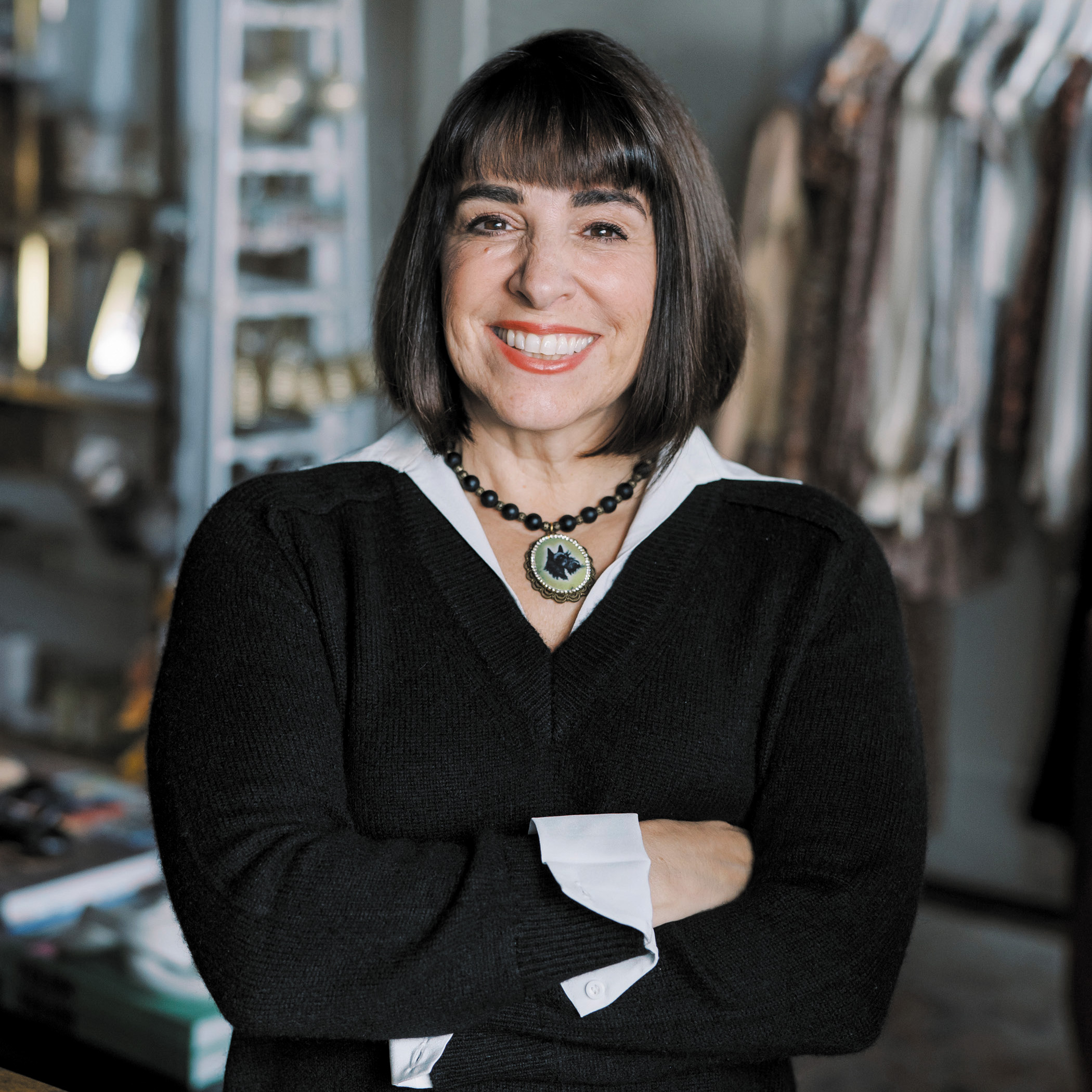
Rachel A. Williamson
Rachel A. Williamson is the founder of Running Great Stores and the author of 30 Days to Running Great Stores. She spent thirty years inside America's largest retailers, most recently leading transformation for a four-billion-dollar brand with a thousand stores, before stepping away in 2019 to advise retailers on her own. When nearly every client asked the same question, where is the book, she wrote it heads-down in her home office in two months. Published with Scribe Media in 2026, 30 Days to Running Great Stores reached number one on Amazon in its categories by its third day and, within weeks, brought a well-known retail CEO to the front of her book-signing line with a job offer. Her book distills three decades of operating experience into a practical playbook for the people who run stores.
★ Scribe Case Study
Rachel A. Williamson Spent 30 Years Running Stores at $4 Billion Brands — Now a CEO Skipped Her Book-Signing Line to Hire Her
Rachel A. Williamson spent 30 years in retail, most recently leading transformation for a $4 billion brand running operations across a thousand stores. Her Scribe Media-p…
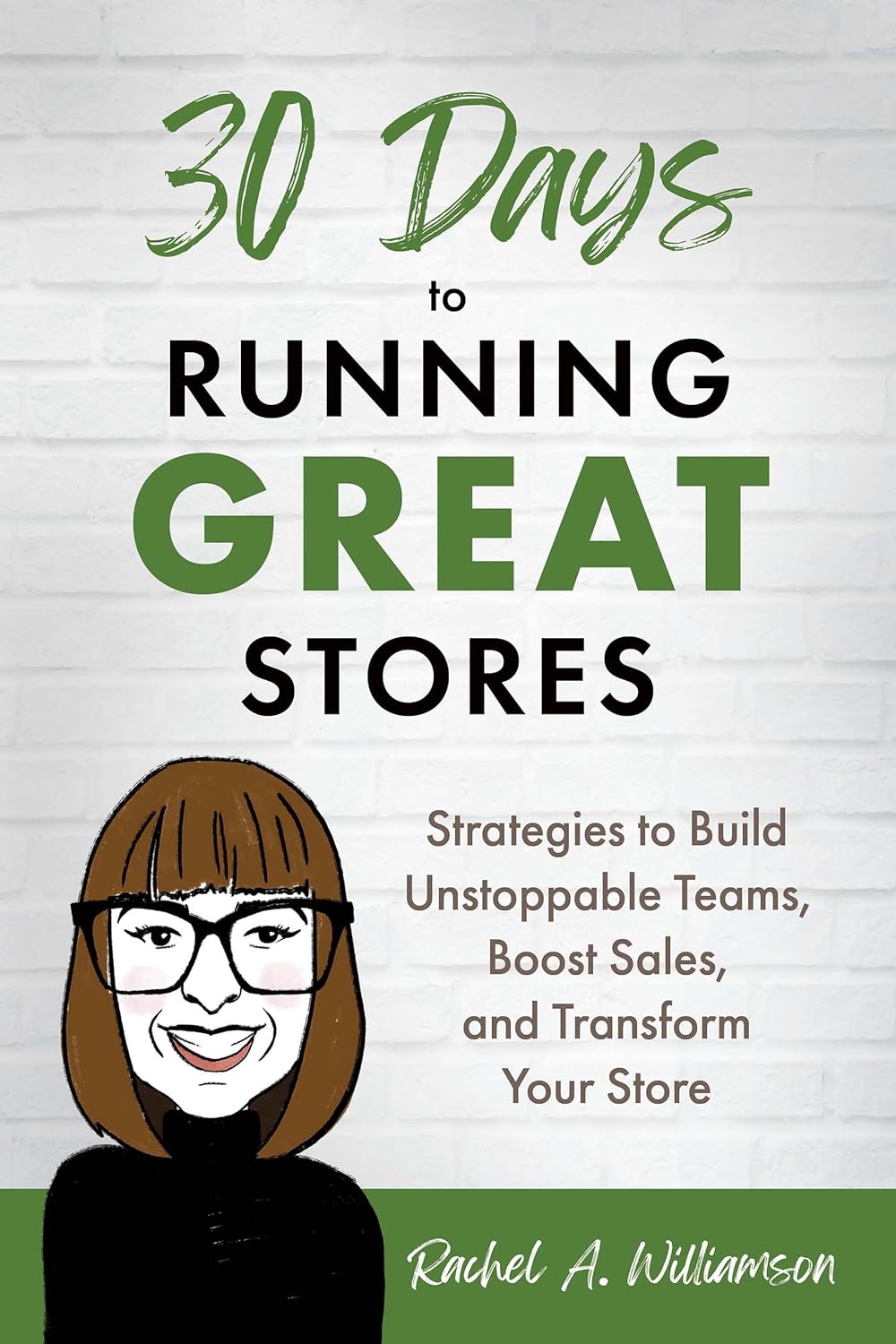
📚 Books by Rachel A. Williamson
Transcript
Rachel A. Williamson: the CEO of a well-known company, I won't say the name of the company, came to the front of the line and said, I can't wait in this line, but I need to hire you. Here's my business card and thank you for my book and left. You never know who you're gonna meet. I mean, again, it's that expanding your reach. It's people seeing like, oh wait, but how did you get into the room? The book kind of helped you get into the room. It's hard to break through the noise. It's hard to be seen. And I feel like the book is the unlock.
Eric Jorgenson: Rachel, I'd love to start with just a little bit of your background. What was the life situation that you were in that led you to thinking, like, oh my God, maybe I should write a book?
Rachel A. Williamson: Yes, so I spent the last 30 years working in retail, my most recent corporate role before I went out on my own and hung a shingle to start consulting. But I was running transformation for a four billion dollar company, leading store operations for a brand that was a thousand stores. And so I was in the thick of it, you know, day in and day out of just what the complexities and the disruptions that retail is, what those were. In 2019, I experienced a layoff. It was a layoff I asked for. In transformation, you are firing people for a living often. And that's what I was doing. I didn't like it. I said, I don't want to do this. And so I was like, could put my name on the next list and let somebody else stay who really needs to, because I didn't. And so I stepped away from corporate life and took a little bit of time to figure out what I was going to do. Started running great stores. And as I like immediately started having clients and the same thing kept being asked, why do you not have a book? If you had a book, you would be able to really get that message out there without having to engage every single retail on the planet, which, you know, will never happen. And so that planted the seed and I was like, yeah, right. Like I've got time to write a book or yeah, right. Like I'm an author. And, and so those things over time. So when I wrote the book in 2025, it published in 2026. And so it took about that long for me to kind of wrap my head around it and get there. And I'd gotten really good advice from people that have written 30 plus books. And they were like, this is actually how you go about writing a book. And I followed that formula and then, you know, got introduced to you to scribe. And yeah, so it's all from history after that.
Eric Jorgenson: What was that advice? What did you learn from those authors?
Rachel A. Williamson: The advice, it was John Gordon. You probably know him. He just actually published another book. I think we're on 32 maybe now. He said you have to sit down and write it. You can't just write it in between clients and in between work, whatever. You have to sit down. He can write a book in 30 days. I was not that lucky, but I was heads down for two straight months and got the book written. And I think what the value there was, I was so focused on what I was doing and what the message was and the rewrites and the edits and what have you, I think were really minimal relative to what it probably would have been if I had just done it in between over the last seven years. So it was good advice and I've actually shared that advice with a friend who's writing a book. It comes out in a couple of weeks. So it was the same thing. I was like, well, you stop trying to do it in between all your speaking engagements, sit down and write the book. And so sure enough he did and he got it done as well. So I do think that's winning advice.
Eric Jorgenson: Okay, so this is I think there's lots of ways to win, but this is a really interesting one and I actually don't get to talk to that many people who have enough control over their schedule to really do it. So tell me like tell me even more like all the details. Like what does it look like to go heads down for two months? Did you like move and live in a hotel room? Did you cabin in the woods? Did you block your calendar? Did you cancel clients? Like what does that really look like?
Rachel A. Williamson: So, you know, it was, it was Kismet because I was wrapping up one client that I had worked with for like four straight years. And I was transitioning to another big client, but I had a two month gap in between them. And I had like, I don't know, never not had something going on. And I woke up one day and said, you know what? I need to not kill this time. I'm going to write the book. And if nothing comes of it, no harm, no foul. I didn't decline client engagements to do this. I have this time somewhat blocked already. And so that's what I did. And it was so cool. And I was like, I think I'm going to go to France and I'm going to just go to Provence and I'm going to sit there in this beautiful lavender filled environment, what have you. Well, don't you know how distracting that is? You're not writing a book when you're there. You're like, wait, no, I'm going to go to the Bro Cots and I'm shopping and I'm sightseeing and I'm walking. And so it ended up working out better to just allow myself to be heads down in my office working on the book. And it was such an amazing experience.
Eric Jorgenson: And did you find you could get, you know, were you working four good hours a day? Did you work to write 2,000 words? Did you buckle down for eight hours? Were you working like a maniac for 12? How did it feel?
Rachel A. Williamson: I felt like I did a little bit of all the above. So I'd wake up Sunday, some days and be like, I'm just going. And I would just, and I side note, I wrote by hand a lot of it because I found when I wrote, when I was writing stories would come flooding into my mind, et cetera. And I would just capture it all. that, and I didn't actually, I got to a point where I said, I'm not going to handwrite all this. I'm going to have to type it all. So I actually ended up stopping the handwriting about halfway through and like, you know what? I'm just going to type this. So then I typed in the whole beginning section that I had handwritten and then typed from there. But if I was just like in a fog and couldn't do it, I just gave myself the grace to not write that day. I went and did something else. You know, I went and rode my bike 20 miles. I just did the other things that I love to do and not worry about it. But then inevitably it might be 11 o'clock at night, that night, all of a sudden I can't sleep and I have a great thought and I just start writing. The other thing I didn't worry about, and I think this was key, I initially tried to write it in the order I thought the book should flow. And then I realized that I was forcing myself to think very linearly and I didn't want to do that. So I was like, just write the information and worry about organizing it later. And that was key. that allowed this free flow of thoughts and experiences and stories. And my book is filled with real stories, which feedback from people who are reading it are like, we love the stories so much because it brings to life what you're trying to say we need to do to run a great store.
Eric Jorgenson: Yeah, it's so much easier for people to remember stories and relate to them. It's something that in particular, nonfiction authors, I feel like under use, you know, the wealth of experience you have from all these, you know, the long career plus the consulting that you've done is, you know, people get to see themselves and place themselves in stories in some really interesting ways. I'm curious how the book changed, how your vision for it changed through this kind of creative process. You wrote it very quickly. And kudos to you for being able to just sort of get it down on paper without overthinking the process of getting it down on paper. I do think I agree. That's a very important distinction. Were you did the vision change as you worked through it or do you kind of knew what it was going to look like and had a clear path towards it?
Rachel A. Williamson: Well, to be honest, in 2020, I started writing a book and I wrote a three chapter manuscript and gave it to a publisher. And they came back with, we don't, we don't like this book. We don't think it has legs. We think that the audience is too narrow and we're just not interested in publishing it. And I threw it away. I literally, I didn't even save it. I literally discarded. I just discarded all of it because I was like, I'm just not doing this. I need a fresh idea and. this idea came in my mind of exactly how I wanted to do this book. And I knew it was the right way to do it. I'd done a ton of research on books available about retail. I knew that it was going to be unique to what was already available in the space. And I didn't doubt myself. I just went with it. I will tell you the editing process when I was in the middle of going through the publishing process did at times make me rethink what I had written, what I was doing. And that was only because I had a tendency to overthink it. Like, wait, is this going to resonate? Wait, I'm investing a lot here, right? Spending time and effort and what have you. And is it going to resonate? And so there were moments where I would like want to rethink it and rewrite and what have you. And maybe that's normal. I, you guys had sat or scribe a publishing, had sat your book about writing books and just some things that you should expect during the writing process. And I, I, a few times went back to that and I was like, okay, I'm in that valley of like, am I sure I should be doing this? Is this the right, is it the right time, the right book, the right content? But if you can keep pushing through, I mean, it helped for me that I had. my husband, my daughter, some work colleagues that were all really supporting the effort and said, don't question. You've been number one in every role you've ever had, no matter the size of the retailer. Help other people understand it is possible and what it looks like. It's not luck. It's not a fluke. It's actually, there's a framework for it. And they were like, just stick to what you know. Don't get distracted by, well, someone else had this idea and they had that idea. Like just stick to it. And when I did that. when I was true to kind of what I thought was really going to help people when the day was done, you're not going to become a millionaire off selling your books. The idea, I think the heart of it has to be, I want to impact the industry. I want to help people who work in retail. Retail is often the role that people take until they find the role they want, not always being overlooked as a legitimate fulfilling career. And so I knew the impact the book could have and I knew what my goal was from an impact point of view. So I just had to stick with it and I did and I'm glad I did. I, you know, I'm getting really good feedback about the book, selling lots of copies of it. And I think it's helping lend credibility to my voice when you're a published author, let alone a number one bestselling Amazon author doesn't hurt. And I'm seeing a lot of client potential client engagements around it. And, you know, all those things were, were the by-product goal that I was hoping would happen.
Eric Jorgenson: That's awesome. Yeah. Yeah. Leads us directly into sort of how you use it in the context of your broader, your broader business, which is retail consulting. And it's just, it's just you, right? You're consulting.
Rachel A. Williamson: Yes. I use sub consultants for projects. So for example, if I am working with a particular client, I've got an awesome client right now out West and, and there were some parts of the project that I will use a sub consultant for because I am a, I've always been this way. I believe. that you should only work with experts enrolled. So for me to pretend like I'm an expert in HR, I'm an expert in finance, no, no, I'm an expert in store operations and everything that includes when I need to go deeper in a complex. scenario, I will bring in a sub, but they're not employees. They are sub consultants and they'll work for me for the span of the project and then, you know, then I'll use them at the next project as needed. So I have HR sub, finance sub, I have event sub consultants that help me when we're putting on big events, et cetera. So lots of span there. Yeah, very cool.
Eric Jorgenson: So you said this is like leading to engagements and helping with clients like how is it just the fact that people discover you through this book? Is it that you sort of are three?
Rachel A. Williamson: Yeah, I think it was three things. The first thing was I followed everything Scribe told me to do to the letter as far as build out that list of people that will write reviews for you, build out the list of people who will talk to their audience about your book, build out that list of people that'll write blurbs for you for your book, et cetera. And so I followed that to the letter. If I was supposed to have 50 people do reviews, I had 60 people do reviews. I really took to heart the instructions. Again, you guys are experts. Scribe is an expert in publishing. And so I listened to the experts and didn't try and interpret what that might mean for me or what I might have time to do. So I did that part. So that's probably number one. Number two, I actually had a strategy for sending books to people I knew in the industry, either prior clients, people who I had worked with across my retail career, many different brands, and then as well, brands that I admire, retail brands that are either new on the scene or direct-to-consumer brands that are moving into brick and mortar. And I wanted to potentially work with them. Like I just really admire the work they're doing. And I sent them a book and I had cards made with a special note that went inside each book. I had vinyl die cut stickers made of the Mini Cooper, which of course is a key part of the art inside the book, which I'll explain that in a minute. And so I had little marketing pieces made, had acrylic Keychain of the mini Cooper made that I send people to use as a bookmark like just lots of fun things that Tie back to the book the shipping envelopes I had made actually have the cover of the book full printed on it So when it gets received they actually see that on the outside and of course I use the artwork provided by scribe the number one Amazon bestseller artwork with it and so all these little pieces and parts that one first and foremost I think I've gotten the most feedback about all the marketing components that I've done I worked actually with a marketing person who just helped me really think holistically about my brand which the book really really well defines and upholds my brand and then all those pieces and parts that are interesting to people that make them want to flip through it and open it and so and then the third thing is that I'm on social media talking about it or people that have bought the book or on social media talking about the impact that it's had and I don't pay people to do that they're excited about the book and so then those lead to I've had podcast invitations, I've had live webinar invitations, and those are leading to other podcasts and other client connections. And so, yeah, I mean, it's. You know, it's like some days it's like pushing a heavy boulder up a hill, but that's okay. I think everything worthwhile is, is hard. And so I also have, you know, a sub stack newsletter. I talk about the book a lot in the newsletter, primarily, you know, pieces that people need or how other brands are using it or what have you. So that's really the approach that I've used kind of those three pieces.
Eric Jorgenson: Those are fantastic. I love the custom shipping envelopes. I've never heard that before, but that's a great idea.
Rachel A. Williamson: Yeah, and it's this isn't sponsored, but it started with sticker mule that that they're the only ones really who will do it. No one else will do it for the price they do it for. So I actually just ordered more. I've got multiple sizes, but yeah, and then I've got the running great stores tape I had ribbon made that says let's start running great stores. And when the books get wrapped it like, you know, a ribbon tied on it with that and Yeah. So it's, you know, I think you have to just think about the book and you have to think about your brand and you have to think about who's receiving it and what might be fun. Some people's favorite, like I was just speaking to a group doing a book signing, they all were putting the vinyl die cut stickers on their Yeti water bottles. Like it's like a thing. They stickers won't always be the thing, but right now they're a thing. And so I have all different ones. I have one that's like powered by coffee and customers. As I've said, I've got the Mini Cooper car. I've got one of this banner that you can't see, but this banner goes with me to all my book signing. So they're fun. People love them. You know, I would just encourage people to. Figure out outside of the book itself and they're not expensive items. People love free things. And so, and then I did put a e-commerce site on my website. I can sell the books directly. I still sell through Amazon and Barnes and Noble and all that. But the idea is I can personalize the book to each person receiving it. And so they're able to do all that through my shop on my website. And so they're all all the books, of course, then come autograph things I can't offer through third party dot com. So I also get to know who's buying the book and what their businesses are. I will say that shortly after the book was published, I realized that I assumed everyone else was inside my head and understood what implementation might look like. So I created a 25 page implementation guide and there's two versions of it. There's a version if you are a business owner and there's a version if you're a multi unit leader, a district manager, a regional manager. The wording's a little bit different and they get that free when they order the book. So again, the benefit, I'll tuck it into, you know, every book order that I get because kind of like the car. So my company car is a Mini Cooper and I wanted the Mini Cooper inside the book. when you flip through this book you see the car moving because the car is positioned on the time to take action and it's a 30 day book so it's there's 30 of them and the car is just moving from left to right because the idea is if you don't apply what you read nothing changes just like if you don't drive the car you don't ever move right and so All of those, I think, pieces and parts make it fun, but send the ultimate message. Reading a book does not change anything. Applying the book is where real change happens. And so that's kind of been, you know, my message and my mantra. It's like, CEOs reach out to me, they're buying a hundred books for their stores. And it's like, your DMs need the implementation guide. I'm happy to sit on a call with them about how to do it, but it's not a magic book. Let's just remember that it's not magic. We have to do the work of the work once we've read it. So yeah, there's a little bit of an intensity there with me around it because I wish you could just read it and be number one. You won't read it and be number one. If you read it and apply it, you can hit number one.
Eric Jorgenson: Yeah. A good friend who often repeats learning is changing behavior. So it's a really good, it's a good reminder. Yeah. No, no silver bullets. I love there's so much to love about this book that I feel like you did. You know, it's obviously like you have a some advantages having spent a world, you know, a career in the world of branding and marketing and and customer focus. But, you know, the I would encourage people if you haven't seen it to just look up this book and and Rachel's brand generally because it is really fun and it is really unique.
Rachel A. Williamson: Yeah. Well, and one of the experts that sits at Scribe publishing Because there's these things called Rachel isms sprinkled throughout the book and there are things I'm known for saying. In fact, it is a funny thing in here. It's a true story. I was leading a thousand brand team and a brand with a thousand stores. Let me say that right. And she used to write down the Rachelisms and she was like, someday you're going to have a book about Rachelisms. Well, this isn't that book, but a lot of them are in here. And in talking about it, one of the people on the scribe team said, I can envision a cartoon, like a New York Times sketched cartoon of you in like a box with those Rachelisms. And then we did the same with the Mini Cooper car. We animated that. I think those ideas that having a publishing partner that helps you continue to elevate what you're trying to deliver, having a great cover or great branded piece might sell the book, but might not. What's written inside is what will keep selling the book. Right. So you can't just like have a fun cover and then think you're home free. You're not, but it's an important part. I don't think enough people spend time on. the actual layout of the inside of the book and is it easy? I mean, I have so many books in my library, but I even bought other books that were 30 day type books to say, how should the layout look? What do people expect when they buy something that I'm going to read once a day for 30 days? And so that really helped as well. So I love it. I mean, I don't know that I have another book in me, but I will say that I have some clients say, we want you to write a book about talent from finding them to developing them, promoting them, et cetera. Again, I don't know if I have another book in me, but if I do scribe will be the first to know.
Eric Jorgenson: It's how the first book came, right? People pulling it out of you, asking questions, saying you should write it down, just telling you about the problem they wish you'd solve for them. So that's how it happens. I'd like to ask what unexpected good things have happened as a result of your book being out in the world? I know as we record this, we're not too, too far from the launch, but it sounds like some things have already started rolling.
Rachel A. Williamson: Yeah, I mean, I think the best things that have happened is no matter how many years I've been doing this and no matter how many people in retail know me, and it's a lot of people who know who I am. And it's one of the reasons I like having my face, because as your last name changes and you get married or remarried or what have you, and then people don't know the last name anymore, but they know who I am when they see like, Oh yeah, I know her. I worked with her at the Gap. I worked with her at Ann Taylor. I worked with her at Bath and Body Works, what have you. And so that's a piece where I've always used my face in my consulting business. But I'll say probably the best thing has just been I just feel like I have a little more reach. I'm certainly not there. I'm not selling, you know, I'm not going to sell 17,000 copies and be a New York Times bestselling author two months from the launch of the book. Right. But I did. I'm very proud of achieving number one bestselling author for Amazon in the first. I think it was by the third day that the book was out. And just the expansion of people knowing who I am and what I do and getting more clients and getting opportunities to speak at different events. I've got an event in New York City that I'm speaking at in a couple of weeks. I was just speaking at an event a few weeks ago. Lots of book signings, people ordering a couple hundred books at a time and signing those. And so I did just order journals and they have the caricature on the front and Running Great Stores, it's all debossed on it. And I give those out. I found, I ordered this green, I found a green pen that writes in green ink. So everyone, when someone buys a book, they're getting a book, a journal, the pen tied with the Running Great Stores ribbon. It's just a really nice presentation. And to be honest with you, people that are putting on these events, they like that presentation. They're like, yeah, we actually love how you do this. We can put one out at every seat, at every table at this event on Park Avenue in New York. And it's just, it's brand right. It's like not our brand, it's your brand, but we're proud to represent it and to offer it out there. And so that's another fun component. Like every month I've got another event that I'm going to. So just, you know, keep pushing on that flywheel to move forward.
Eric Jorgenson: Yeah, this is I want to dig a little deeper here because this is a really exciting kind of thing. So are you are you're like taking all these in at your house and. building these packages yourself. Okay.
Rachel A. Williamson: Yes, I am. I have support staff that helps me like fill orders online, whatever. But if I'm doing like, I have to go drop 75 journals, books, pens, all this off. And I'm going to tie every one of them. And I'm going to make every one of them look like a gift. Like someone was coming to my home, because I think every it's all going to be wrapped in bubble wrap. So it ships to New York. Well, like all of those extra details. matter. And I think it comes through to the recipient. I think there's going to be retailers sitting in that room. And I have to believe they're going to say, all right, I a little bit love this attention to detail, because retail is detail. And we know that. And so these experiences that people are having with the book, whether they hire me or not, that's for me, it's the passion and the impact of being able to help retailers do this hard job better. The book was written, I thought I would see store managers and district managers, primarily the ones buying it. And there's a thing out there, I don't know who made this up, but says, district managers are the second hardest job in retail, managing the first hardest job in retail, and that's the store manager. And so anywhere that I can get that message out, it's a hard job. They're closest to the customer. You know, give them the love that they deserve, give them the tools that they deserve, help them do it better. Like those are all to me. The passion that I demonstrate for what I do is contagious and I want it to be. It's the book though has opened doors to have more people find me than were finding me before. I didn't just suddenly get passionate. I've always been passionate. The book just appeared to open more doors for me. There's just a credibility there. And now I've got people I've mailed a free copy to. It's not that big of an investment. The shipping is twice the cost of the book itself, quite honestly. So there's a little bit of an investment there, but I've had a couple of people I sent a free copy to who have booked me for two different things. One to talk at an event that they're hosting and giving away books and talking about retail. And then the other one is a consulting project that's coming up. You know, again, you're investing that money, but it's just really fun to see there's retailers out there that get it, that believe that I get it and can help them. And I love it. I'll do it every day as long as I can, because I love it so much.
Eric Jorgenson: I love it. Yeah, it's this amazing thing of like packaging this passion and putting it increases your surface area and makes it more discoverable. And so, yeah, people find their way to you who need the passion and the expertise that you have, but might not have otherwise known that you were out there. And like the strategies that you put out here, I mean, gifting is so glad to hear these sort of things coming back to you. You know, it's hard to It's hard to picture how it'll happen for new authors. I think they're like, wait, you want me to just like give away 100 books, 200, but you want to just spend that much money is like, yeah. And I don't know exactly what's going to happen, but I know that. I know that that's going to come back to you somehow.
Rachel A. Williamson: Well, it does. But again, the book's got to stand on its own legs, right? I mean, you can do all the cool marketing stuff in the world. It's kind of like, you know, I'll say to retail brands that I'm working with. Don't send more traffic to your stores until you get the stores figured out and cleaned up, because you're going to send traffic to them. The customer is not going to have a good experience. They're not going to buy. And then how are you going to win them back? So let's get your stores ready. And then let's engage your marketing team to drive traffic to those stores, because to drive it to them now is only going to cost you. You're not going to make anything from it because you're not going to convert them. Right. It's just, I think the reality of marketing plays such an important role in retail and in what we do, but let's make sure we're ready. Likewise, the marketing that I did, it was like, I'm going to keep doing it. I'm going to keep sending free books. Every time I see a retailer, and I've got clients in England and what have you, but it's like, retail is retail, no matter where on the globe you are. And so my next passion now is getting this book international. I know it's only, I really need to saturate the United States before I do that, but I really want it to go international because I think there's even more opportunity overseas to help retailers. They don't have as many resources there as we do here in so many parts of the globe, but they have amazing retail. So looking for that opportunity next, but it's just always, it's like, how do I, I think you have to remember what the mission is and why I did this to begin with. So I think if you're writing a book, whatever your passion is, whatever your mission is that's driving it, you have to remember that. And every step you take, you have to say, am I doing it to drive this purpose, this mission, or do I have another reason for doing it? You can have another reason, but I think if we stay honed in on what our mission is and what our purpose is, it's better.
Eric Jorgenson: Yeah, that North Star like aligning every decision along that North Star and trying to get the whole team and everybody who works on that book to understand your vision for it from the very beginning. And as you point out, like, you know, there's many, there's many good reasons to write a book and not everybody's going to come into this with the goal of selling a million copies and becoming famous and nor should they. I like the idea of being like famous in one room, like at one conference, you want everybody to know who you are. And I feel like yours is an amazing example of like you want to be really well respected in the industry in which you have expertise. And that it's been a great focus and everything in your playbook kind of goes to that. And that is very clearly working even just a few months after launch. And, you know, this book will be around for forever. So I'm really excited to see where you are in, you know, in five years and 10 years and what kind of dividends this thing is paying.
Rachel A. Williamson: For sure.
Eric Jorgenson: Will you give me a little more detail before we get into the closing questions about the book signings and the events? That was kind of an interesting tease. Sometimes you're speaking, sometimes you're giving away copies. You said you've done some signing events. Where do you do those? How do you approach people? What does that look like? What's your kit and playbook for that?
Rachel A. Williamson: You know, I've been really fortunate that I'm not I'm not much of a cold call seller. Like I'm not picking up the phone and calling the stranger. I'm not calling someone and saying, can I come sign books? I did it with one. I went to Barnes and Noble, my local one, and said, can I sell my books here? And they were so sweet. They were like, they did a consignment thing and whatever. Okay. But in general, don't do it that way. In general, people know about the book. They've received a free copy. They've ordered a copy. They, they have history with me somewhere. It could be 20 years ago, what have you. And they're like, Hey, I've got an event coming up. We'd love for you to speak or be on the panel. Then we'd love to do a book signing after we'll buy 200 books from you. We'd love you to autograph them. And then you can still personalize them at the table. So I was like, okay, what are all the things I need to show up really professionally for this? Not like. You know, some local schmokel person who just wrote a book and found a publisher. And so I have this banner, which you can't see in the, on the podcast, but I have this eight foot tall retractable banner made and it's got, it's not just the cover of the book. It's my marketing person created a really great. a really great image for it. And so it's super professional. It's set adjacent to the table where I'm signing. He also created artwork for me for the table, book signing available, books available here, whatever, depending on what I need and where I'm going. And so I have like a kit of parts, if you will, that I just can bring with me. I usually bring, you know, other giveaways, die cut stickers, key chains, all the things. And if people want them, they can take one. And if they don't, that's fine too. And so that's how that's been. And it's really cool. Like I just did one last month for a Lead Like Her event. And it was hosted down at Ohio State University campus, which if you know that university, it's like 75,000 kids that go there. So it's enormous. It's like a city in itself. There's a fantastic facility that's there. It was on the second floor of that facility. And some students were invited who are in the retail school there and just got to talk to them. And they all want to know, like, how do you decide to write a book? Like, how did this work? You know, they were so curious. But then I had other people that work in retail that wanted a copy of the book. And of course, the host of this event gave bought the books for me, and then they were giving them for free to the attendees. And so it was just to sit there and to be able to meet people and To be able to answer their questions about why this book and why now and you know this is their story and what have you and I mean the line I couldn't see the back of the line and I had no voice the next day I mean I was so forced but it was. is so invigorating, and I loved every minute of it. So the book sightings are really fun, and they've all been a little different. Not all of them are that big. I mean, that was a couple hundred people in line, you know, waiting to talk about the book and to get their copy. Others have been smaller than that, you know, 50 people and what have you. But they're all really fun because, to your point, you're kind of famous in the room. They heard you speak. They're curious about your background or they remember you from somewhere. And, you know, I feel bad when I don't remember them, but, you know, they remember you and, and it just leads to great conversation. And it was interesting. There was this really long line. The CEO of a well-known company. I won't say the name of the company. Came to the front of the line and said, I can't wait in this line, but I need to hire you. Here's my business card and thank you for my book and left. and got a message from his assistant two days later and have a call with him in two weeks to talk about a project. So, you know, it's like, you never know who you're gonna meet. I mean, I was like, who's this guy? He's like really well dressed, actually quite handsome, like just really well on the student who was standing there in front was like, oh no, go ahead, it's fine. But he couldn't wait in the line and what have you. And it was just a cool opportunity. I don't know what'll come of it, but it, Again, it's that expanding your reach. It's people seeing, like, oh, wait, but how did you get into the room? The book kind of helped you get into the room, right? So, you know, good, bad, or indifferent, right? One could argue, well, my experience and my qualifications and my capability, but there's a lot of noise out there. I mean, it's hard. Social media is hard. It's hard to break through the noise. It's hard to be seen. And I feel like, and I say this every day to my husband, I feel like the book is the unlock. And it doesn't minimize all the years of what you've done, it just exposes, yeah, yeah. So it's really interesting. And it's, you know, it's every day is another day, like who will I meet today? What will happen today? But I... I'll tell you this really quick, just kind of a funny story. There's a resale shop near me. I'll take clothes in there. I work for retailers. So I buy way more than I should because I like to support the brands. And so I have clothes to take to the resale. I get rid of old stuff, whatever. So the lady there says, I know the woman who owns it. And by the way, they do a great job. They really run a great store. But I gifted her a copy of the book when I was there one day. The next time I was there, she said to me, Oh my gosh, you wouldn't believe it. You mentioned someone in the book who's a customer of mine here. And I told her when she was in that you she's in your book. Well, that person reached out to me and I hadn't talked to her in many years. And she said, your book was so well done. My son's in retail. I sent him a copy of the book. And she just was so flattered that she was in the book. But then a couple days later, I had an online order for a book. This guy is a district manager. He bought the book for himself, read it, had worked for this woman, said that she sent him on his career, that it wasn't just a job until he found a job. He was going to grow up to be like her, professional, get to the top of the company, whatever. He ended up ordering 20 books, personalized all of them for him. And it's just so funny what a small world retail is, but it's like, I didn't name a lot of people by name, but this person was really instrumental in my retail career and truly a mentor to me. And it was just so funny how all these dots connect. And I think the more. I don't know, like the more people find out about or they know someone who you're talking about or someone who wrote a blurb on the back of the book. There's a guy that played for the NFL and it's like, wait, how do you know that guy? And it just opens up tons of great conversations and really fun stories. And when you don't care what it leads to. when you care about the impact your book is having, when you recognize the people around you that have helped get you to where you are, those are all the things that I think propel your success versus I want to get rich, I want to make money, I want to have a million clients, I want to whatever. You just got to watch our motives, right? What was my motive for writing the book? What are my motives right now for wanting to get into more organizations to want to speak to more companies? And I think when those motives are right, just these good things happen and I'm so grateful.
Eric Jorgenson: Yeah, it's a fantastic story. I love hearing these like where the world gets smaller through this very long loop of people that couldn't possibly have sort of known
Rachel A. Williamson: What is that, that like six degrees of separation or something? I'll date myself from some movie a million years ago, but that's, that is what it feels like many days.
Eric Jorgenson: So let's think back to your 2019, 2020 self and what piece of advice do you think is most important for you to pass along to an author who's just starting out? I find that every author sort of learned from the ones who came before them and they're a little further down the road. So I'm trying to kind of get a collection of wisdom from down the road for those just teetering on the edge of committee.
Rachel A. Williamson: I think probably the best advice I could give someone else is don't doubt your ability to do it. Don't listen to the naysayers. Don't listen to the voice in your head. The voices in our heads are usually just full of lies. Don't listen to those, but believe in What it is you want to do, what it is you want to say, the message you want to get out there. Seek what I'll call wise counsel. People that will say to you, yes, you have enough information for a legit book or, or you don't work with a reputable publisher. Obviously I worked with scribe and I recommend you guys. every day and twice on Sunday. It was such a great experience. Katie was my publishing manager and I just love her. I sent her an autograph copy of the book and all the little stickers and the things and I just loved her. I missed my calls with her, but she was such a big support. And so all of those folks that from the very first person that I spoke to, Mark, about the book, all the way to the very last person, all of them made me believe that I could do it. Made me believe that it was a great idea. Made me believe the book was great. And so, you know, I think that people could like publish their own book on Amazon, whatever, but I think you miss the experience of working with a publisher who's an expert who knows what they're doing, who encourages you when you get discouraged and will give you honest bits of information and feedback to keep you moving down the right path. And I would say once you make the commitment, stick to it and do what they say. Like follow their direction. If you hire a publisher, follow what they tell you to do and do it to the letter of the law because their expertise helps propel you forward in moving the book into people's hands, which is just the goal. I want to get the book in as many hands as I can get this book into because if you were in retail, it will change your life. And it's all the things that you can control inside this book and none of the things that we can't control because there's god knows enough of those in retail So I think that's what I would say find the right publisher wise counsel and believe you can do it and ignore all the noise
Eric Jorgenson: Love it. That's fantastic. And I know on behalf of myself and Katie and the entire team, like we are all just delighted to have played a part in, you know, helping you go from idea to book out there in the world. This is what gets us up and excited about work every day and being able to help people go this through this kind of inflection point in their careers in a way that they can be extremely proud of and you know, changes everything that comes after for them. So Rachel, where would people go to follow along, see your book, see your brand, learn more about you?
Rachel A. Williamson: Yes, thank you. Well, visit my website, runninggreatstores.com, and you'll learn all about the services that Running Great Stores offers, all about me. You can check out my little online shop where my autographed and personalized books and other little accoutrements are available. But you can also there sign up for my free sub stack newsletter. I never charged for content. There's tons of downloadables on the website as well. I have, it's funny. I recently was hired by a client who they were like, I know you, I download all your stuff and give it to my stores. Cause we don't have anything. And so when I started meeting the stores, they were like, man, we feel like we're meeting a celebrity. I'm like, you guys are too much. Like you're so nice. So there are a lot of free downloadable bits of information. And so signing up just gets you exposed to that. Never saw the mailing list and you never get spammed. So it's like literally one email a week. And then the rest is you go to the site and pull what you want. I'm not going to push it on you. So yes, that'd be great. People can follow me on LinkedIn and Instagram as well, running great stores. So pretty easy.
Eric Jorgenson: Love it. Thank you so much for taking the time to share your expertise. I love this playbook. I feel like you've got a lot of amazing gems that you applied as an author that you picked up throughout a great career in retail. And I think myself and every author listening can... Take something away and apply it to their own benefit.
Rachel A. Williamson: Thank you Well, thank you Eric and congratulations on your organization and what you're doing and the talent you surround yourself with I think that's makes a huge difference no matter what industry we're in surrounding ourselves with talent is key to Really staying true to your brand and who you are and and what you want to do for? All the people out there that want to write a book. So kudos to you Thank you so much.
Eric Jorgenson: It's been an honor
Want to Write Your Own Book?
Scribe has helped over 2,000 authors turn their expertise into published books.
Schedule a Free Consult