The CEO's first book Known differently than today.
You built a company that earns its reputation without you needing a public profile. This page explains what a first book does for a founder, what Scribe Elite and Professional cost, what each asks of your time, and when a CEO should wait.
A CEO's first book turns the company's reputation into the founder's own, and it only pays when the business can use it.
Four things a founder should know before deciding: what the book changes, what it is worth to a company, which tier fits, and when to wait.
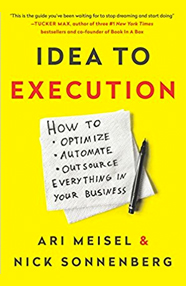
What it changes. Today you are introduced by your title and your company. After the book you are introduced as the person who wrote the book on your subject, and the conversation starts there. Nick Sonnenberg, founder of Leverage, says Idea to Execution has generated about seven figures in revenue for his companies, his own estimate. The book did the introducing before he walked in.
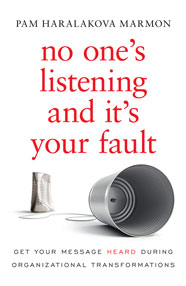
What it is worth to a company. The return is rarely royalties. It is the client who arrives already convinced, the candidate who wants to work for the founder who wrote the book, the partner track that opens, and the premium a known founder commands when the company is sold. Pam Marmon founded Marmon Consulting in 2018; revenue quadrupled after No One's Listening and It's Your Fault, by her account.
Which tier. Professional is the most common choice for companies under $50 million: $4,667 a month over twelve payments, $56,000 total, and a Scribe writer builds the book from about twenty hours of interviews. Elite is for larger companies or founders who already have a platform: $9,000 a month over fifteen payments, $135,000 total, a premier ghostwriter and a dedicated team, built to the standard of a major-house book.
When to wait. Some CEOs should not write a book yet. If the company is inside a sale or a raise and you cannot give the project its hours this year, wait. If you do not yet hold a point of view you would defend to peers, wait, or start with Compass. If there is no business or platform to feed it and this is personal money, do not buy it.
What does a search for a founder's book not tell you?
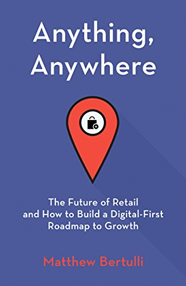
A book introduces you before you arrive. Matt Bertulli's average client did $20 million in annual sales before Anything, Anywhere. The clients he wins now do $400 million and more.
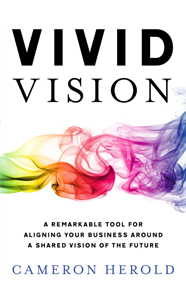
Cameron Herold's speaking fee rose to $30,000 after his two Scribe books, up from $15,000. Most founders do not set out to speak. The invitations arrive because the book exists.
David Allison founded a marketing company, not a media presence. His first book, We Are All the Same Age Now, was named an Inc. Magazine top 10 leadership book.
Jake Falcon on why he calls his book his firm's new website.
What a first book did for CEOs who tracked it
Every number below comes from a published success story on scribemedia.com, and each one links to the page it came from.
These are the best documented results among authors who told us. Every one of them had a business or a stage the book could feed. Most authors do not track a number, and a book without a business behind it should not be bought for a financial return.
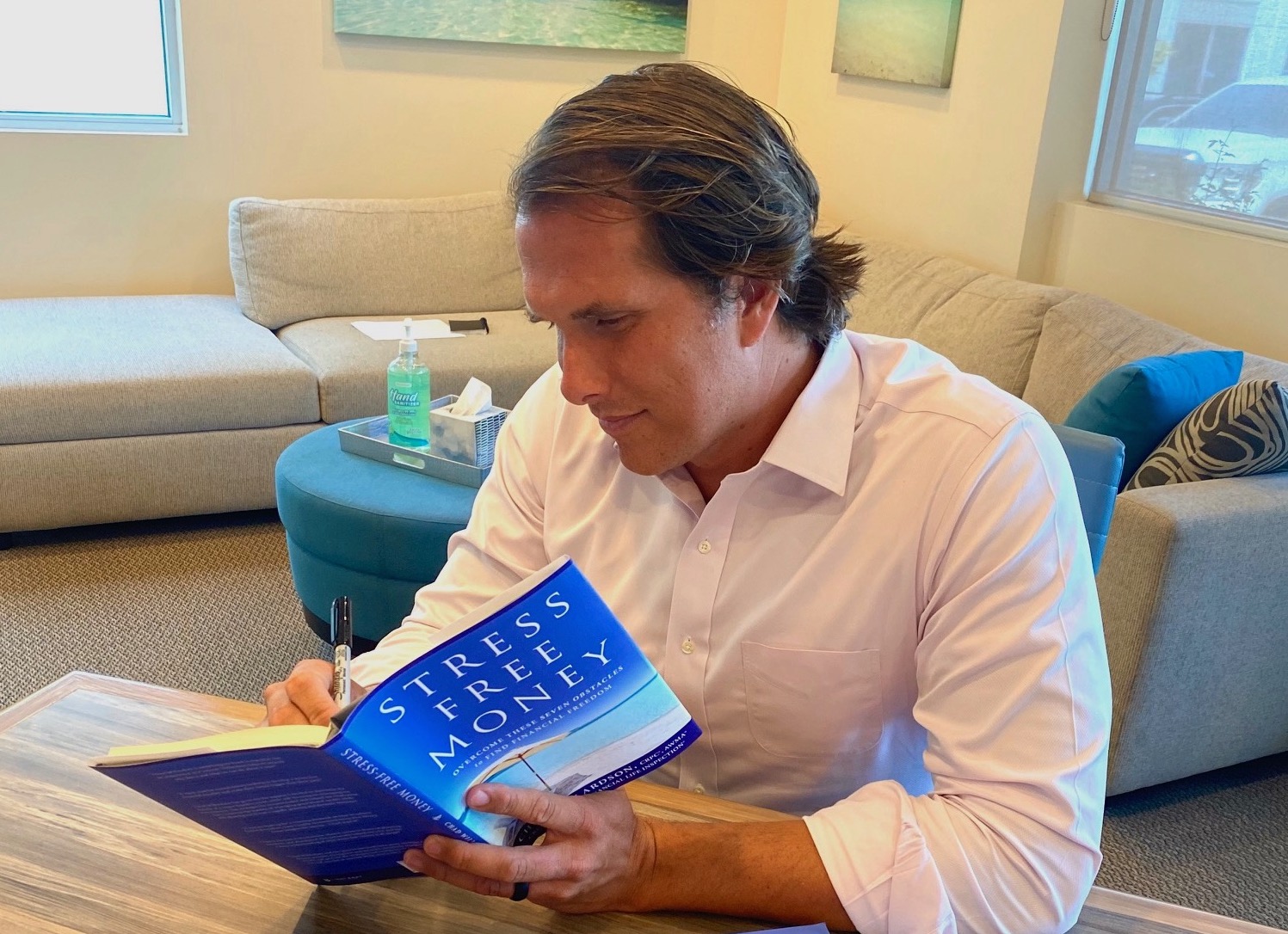
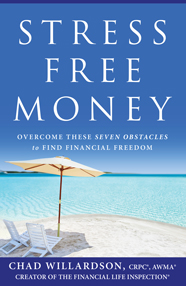
Chad Willardson founded Pacific Capital, a wealth advisory firm in Southern California, and published Stress-Free Money. Within six months new clients arrived from Virginia, Florida, New Jersey, Guatemala and Switzerland, and within ten months the firm had made back more than three times what it invested in the book, by his figure. He had a firm, not a following.
His own estimate of what Idea to Execution has produced for his companies, through the clients and speaking it brought in.
Read the story →She founded the firm in 2018 and wrote the book on change management for executives. Revenue quadrupled after it, by her account.
Read the story →You would be in good company
From first-time authors to number-one bestsellers, these are books our teams helped create.

What CEOs ask before they decide
Not usually. You need a point of view and a track record, not a finished offer, and founders often find the book clarifies the business rather than the other way round. Nick Sonnenberg's Idea to Execution is the story of his company's first year; it has since generated about seven figures in revenue for his companies, his estimate. Wait only if you cannot give the project its hours this year (about 50 on Professional, more on Elite), or if the company is mid-transaction and your attention is spoken for.
For most companies under $50 million, Professional is the right choice: $4,667 a month over twelve payments, $56,000 total, with a Scribe writer, an editor, design, audiobook and worldwide distribution. Elite, at $9,000 a month over fifteen payments, $135,000 total, is for a larger company or a founder with a platform: a premier ghostwriter, twenty in-depth interviews, twenty hours of research, ten revision calls, up to three days in person and a $25,000 launch budget. We will tell you which fits, and say so if neither does.
Professional asks for about 50 hours of your time in total across roadmapping, ten two-hour interviews, voice checks and revisions, roughly one to two hours a week over nine to twelve months. Elite asks for more of you: twenty in-depth interviews, ten revision calls and up to three days in person with your writer. Neither asks you to write. Your writer drafts, you talk, and you approve every line before it goes to print.
You interview matched senior writers and choose the one you want. After the first interviews you see preview pages, and there is a midpoint voice check; nothing proceeds until you approve the voice. The full draft is then revised in four sections, line by line, until every line is approved. Many senior Scribe writers have been with the company 5 to 10 years, and many have traditional publishing credits. If the writer is not the right fit, we re-pair you.
The return is clients, talent, speaking and standing, not royalties, though you keep 100% of the royalties in any case. Pam Marmon's consulting revenue quadrupled after her book, by her account. Chad Willardson's firm made back more than three times the book's cost in new-client revenue within ten months, his figure. Most authors do not track a number, and a book without a business behind it should not be bought for a financial return.
You own 100% of the intellectual property and 100% of the royalties. Scribe is paid a fee and takes no share. You can quote it in the company's materials, hand it to every candidate and client, turn chapters into talks and posts, build a course from it or write the sequel. If the company is sold, the book and its rights stay with you, because they were always yours.
When Scribe is the wrong choice
We would rather say this here than on a call.
- You want to sell copies as the business. A CEO's book returns clients, talent and standing; royalties rarely cover the fee.
- There is no company, practice or platform for the book to feed, and this is personal money.
- You need the finished book in hand in under nine months, for a sale, a raise or a conference.
The real numbers, before you talk to anyone
Every package is one price, paid monthly, with a $1,000 deposit at signing that comes off the first payment. You own every right and every dollar of royalties. The monthly figure and the total are both here, before any call.
A premier ghostwriter and a dedicated team, built to the standard of a major-house book: twenty in-depth interviews, research, ten revision calls, and a $25,000 launch budget.
If you want to start smaller, Compass is $5,000, five coaching calls, and the full amount is credited toward Elite. How Compass works.
A private conversation
Tell us about the company and the book you have in mind. We will tell you the price, $4,667 a month ($56,000 total) for Professional or $9,000 a month ($135,000 total) for Elite, and whether you fit, and we will say so if you do not. We reply during business hours, usually the same day.
The fuller case, and the case against
Most CEOs who search for this share a situation. The company is real: revenue somewhere between one and a hundred million, a team, customers who renew, a reputation inside the industry. The founder is less visible than the company. The phone rings because the firm earned it, not because anyone outside your network knows your name. A first book changes what you are introduced as. You walk into a conference and hear "I read your book" instead of "what do you do?" You become the person who wrote the book on the thing your company does, and every conversation begins there.
That is why the founders on this page did it, and why the return shows up in the business rather than in copies sold. Nick Sonnenberg's book brought clients and speaking to his companies, about seven figures in revenue by his estimate. Pam Marmon's consulting revenue quadrupled after hers, by her account. Matt Bertulli's average client did $20 million in sales before his book; the companies that call now do $400 million and more. A known founder attracts people who want to work for a known founder, and when the time comes to sell, commands a premium. None of that is a royalty statement. All of it is the business.
Now the honest part. A book is the wrong purchase if you want to sell copies as the business, if there is no company or platform to feed it into and this is personal money, or if you need it in under nine months. Professional, $4,667 a month over twelve payments, $56,000 total, is the most common choice for companies under $50 million. Elite, $9,000 a month over fifteen payments, $135,000 total, is for larger companies and founders with a platform. The next step is a private conversation. We ask about the company, the book you have in mind and who introduced you, then tell you the price and whether you fit.