How to write a family history book that your family will keep.
Most guides tell you to gather photographs and start a timeline. This page explains how a life is captured in recorded interviews, how a family takes part, what the finished hardcover is, what it costs, and when a simpler path is the better one.
A family history book is built from recorded interviews, a writer who shapes them, and a design that is meant to be kept.
Four things decide whether the book gets made and whether it lasts: how the memories are drawn out, who takes part, what the object is, and whether this is the right way to make it.
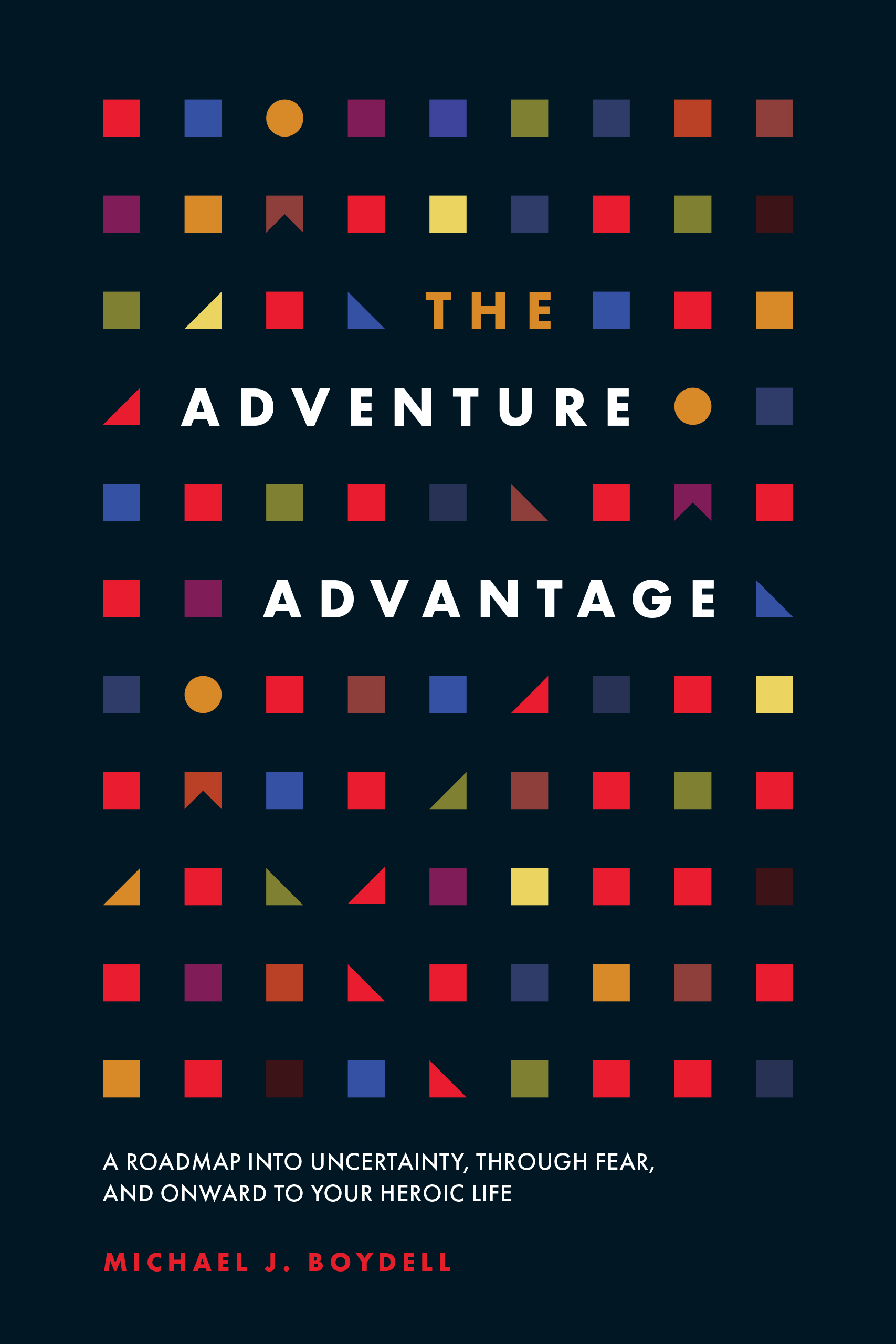
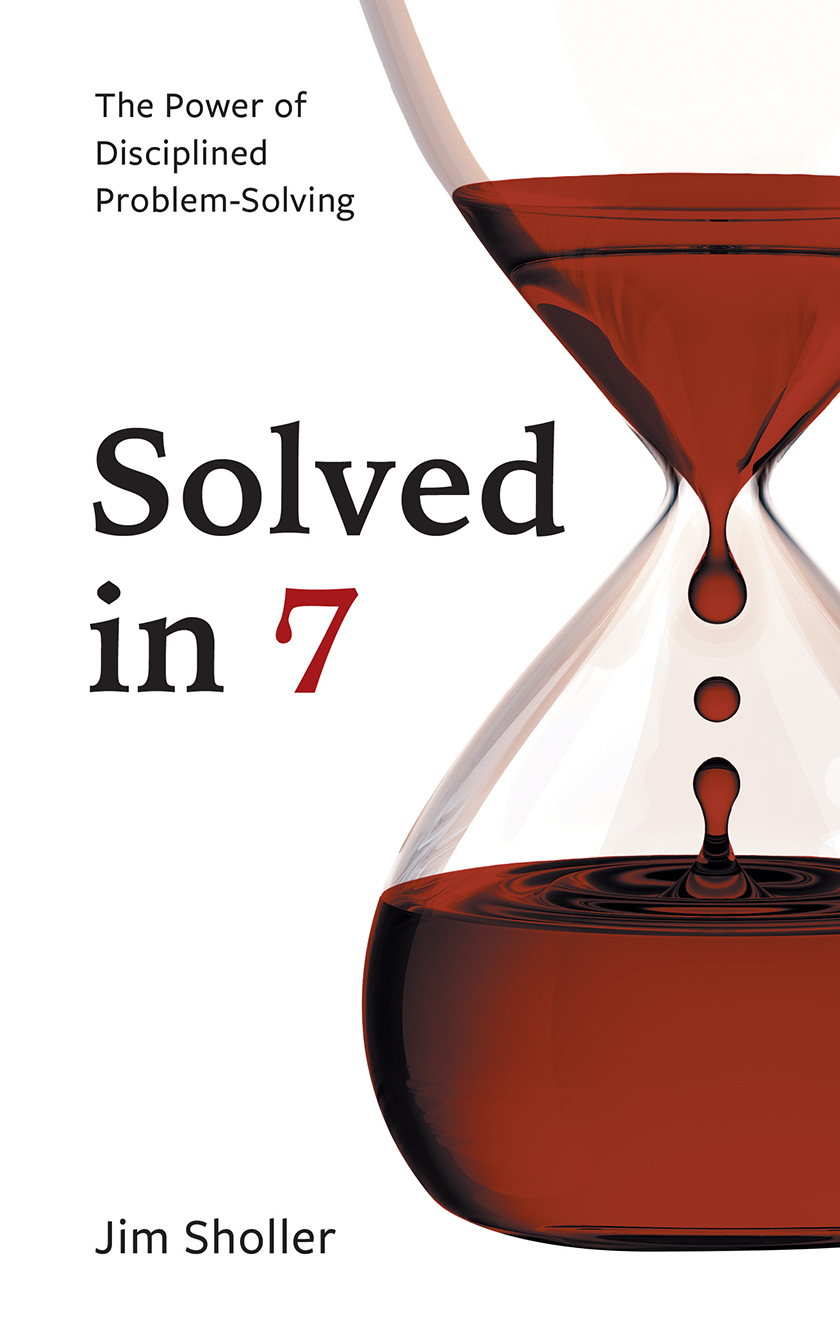
Interviews capture the life. Michael J. Boydell sat down with years of scribbled notes and, three weeks later, had one paragraph. The book gets made in conversation: a writer asks, listens, and asks again, then shapes about twenty hours of recorded interviews into chapters. Jim Sholler went from retirement to a published book in nine months that way, and says plainly he could not have done it alone.
The family takes part. Halfway through Boydell's manuscript his father was diagnosed with terminal cancer. Boydell reopened a locked manuscript, wrote a poem for him that now opens the book, and sent him chapters as PDFs. His father edited from a hospital bed, and one copy reached his hands in time. Who sits in the interviews is decided with you in the roadmapping sessions.
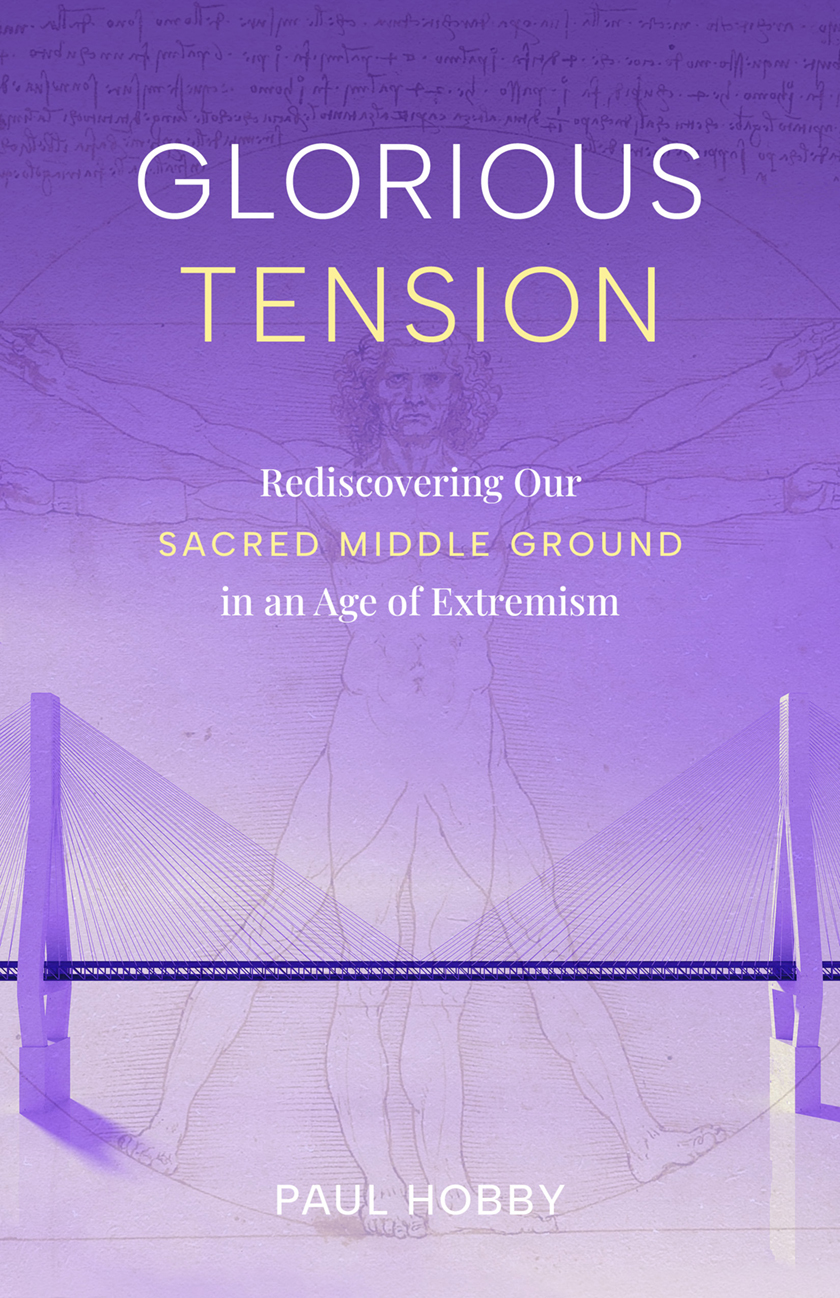
The book is a real object. Paul Hobby found a speech his grandmother gave in 1938 and reproduced two thirds of it as the opening of chapter one. Three years after publication the book still brings him mail from strangers. A finished Scribe book is a hardcover, an ebook and an audiobook, with a cover taken through three to five design proofs and an interior laid out for print.
When Scribe is the wrong choice. If what you want is a modest keepsake, a few dozen copies of stories and photographs for the people at the table, you do not need us. Read the free Scribe Method, write it yourselves, and take it to a local printer. Scribe makes books meant to be read by people outside the family, and that is a $56,000 to $135,000 decision.
What will a how-to guide not tell you about a family book?
Michael J. Boydell had carried the book around as notes for years. Three weeks alone at a desk produced one paragraph. Recorded interviews with a writer produced the book.
Paul Hobby found his grandmother's 1938 speech and reproduced two thirds of it in chapter one. Existing material like this is reviewed inside the interview sessions; going deep into an archive is a research add-on.
Jim Sholler's sister read his first draft and asked whether he was writing a memoir or teaching a method. He started over, and the book was better for the question.
Paul Hobby on his grandmother's 1938 speech, the one that now opens chapter one.
What came back to the people who made a family book
Every number below comes from a published success story on scribemedia.com, and each one links to the page it came from.
These are the best documented results among authors who told us. Every one of them had a business or a stage the book could feed. Most authors do not track a number, and a book without a business behind it should not be bought for a financial return.
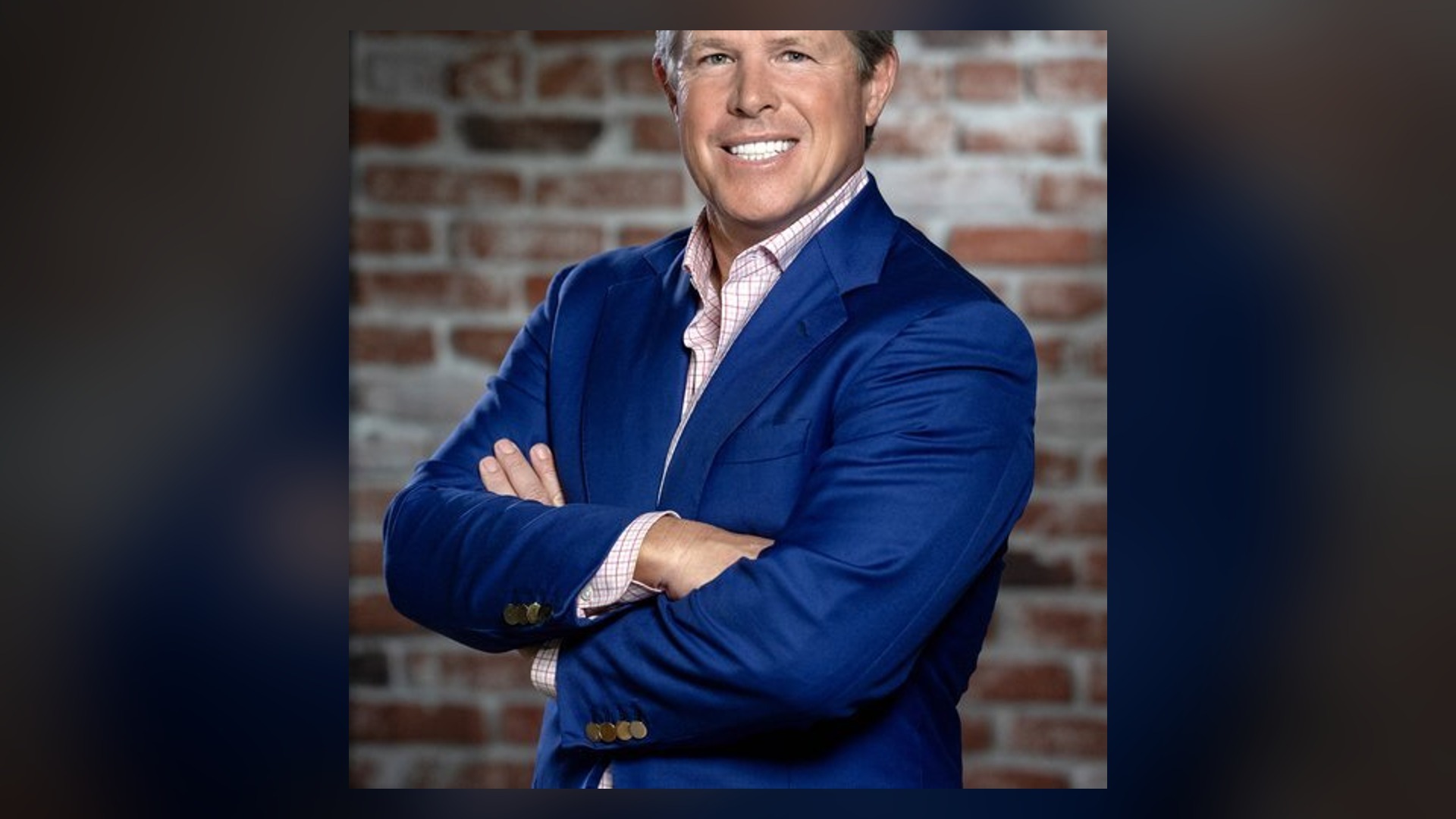
Gui Costin founded Dakota and had been writing its principles down for his team since 2011. At 59, the oldest person at his company, he wanted them on paper. His first Scribe book, The Dakota Way, took him through his own doubts. The second, Be Kind, went more smoothly: his ghostwriter interviewed him about what he had learned in leadership.
His father edited chapters from a hospital bed and held the finished book before he passed.
Read the story →His team was his sister, some family and Scribe. He says he could not have done it alone.
Read the story →You would be in good company
From first-time authors to number-one bestsellers, these are books our teams helped create.
Questions families ask before they start
Almost every author says this before the first interview. Michael J. Boydell had a decade of client work and scribbled notes everywhere, and three weeks alone produced one paragraph; about 20 hours of recorded interviews produced the book. Paul Hobby began with what he calls cathartic scribblings. If your children ask you for the stories, or you are the one asking a parent, the material exists. The interviews draw it out and the writer organizes it. Roadmapping decides what belongs and what stays out before anyone writes a word.
Two paths fit most family books. Scribe Professional is $4,667 a month for twelve payments, $56,000 total: a Scribe writer turns about twenty hours of interviews into a finished, published book. For many family books this is the right choice. Scribe Elite is $9,000 a month for fifteen payments, $135,000 total: a premier ghostwriter, twenty in-depth interviews, research, ten revision calls, up to three days in person and a $25,000 launch budget, built to the standard of a major-house book. A $1,000 deposit at signing comes off the first payment.
Who sits in the interviews is decided with you. Every Scribe book is custom, and the 4 roadmapping sessions at the start settle whose voice the book is in, who is interviewed, and what stays out. Tell us who holds the memories. Michael J. Boydell's father read chapters as PDFs and called from a hospital bed with edits. Jim Sholler's team was his sister, some family and Scribe. If a parent's health sets the calendar, say so in the first conversation so the plan is built around it.
A real hardcover. The cover goes through three to five design proofs, the interior is laid out for print, and the book is also produced as a paperback, an ebook and an audiobook. 25 hardcover copies or 50 paperbacks are included, and because you own 100% of the rights, more can be printed. Distribution to Amazon, Barnes & Noble, Apple Books and other major retailers is included; if you would rather the book stay within the family, say so and we will tell you what is possible.
Nine to twelve months from the first call to launch, because every step has a purpose: roadmapping, interviews, voice checks, a full draft, and revision line by line until you approve every one. Your own time is about 50 hours in total. Jim Sholler went from retirement to a published book in nine months. If a parent's health sets the calendar, say so at the start. Michael J. Boydell's father was diagnosed halfway through the manuscript, and the advance copy reached him in time.
You do, entirely. The author keeps 100% of the rights and 100% of the royalties; Scribe is paid for the work and takes no share. You can print more copies for the family, quote from the book, or write a second volume. Paul Hobby has never tried to sell Glorious Tension, and three years after launch it still brings him reader email. The book is his to do with as he likes.
When Scribe is the wrong choice
We would rather say this here than on a call.
- You want a modest keepsake for the people at the table: a few dozen copies of stories and photographs. Use the free Scribe Method, write it yourselves, and take it to a local printer.
- You want to sell copies as the business. A family book rarely earns back its cost in sales, and it should not be bought for a financial return.
- You need the book in under nine months. Scribe runs nine to twelve months from first call to launch, and a thoughtful book is worth that time.
The real numbers, before you talk to anyone
Every package is one price, paid monthly, with a $1,000 deposit at signing that comes off the first payment. You own every right and every dollar of royalties. The monthly figure and the total are both here, before any call.
A premier ghostwriter and a dedicated team, built to the standard of a major-house book: twenty in-depth interviews, research, ten revision calls, and a $25,000 launch budget.
If you want to start smaller, Compass is $5,000, five coaching calls, and the full amount is credited toward Elite. How Compass works.
A private conversation, when you are ready
Tell us about the person and the story. We will tell you the price, Professional at $4,667 a month for twelve payments ($56,000 total) or Elite at $9,000 a month for fifteen payments ($135,000 total), and whether Scribe is the right way to make this book. If it is not, we will say so and point you to the free Scribe Method.
Why a family's story deserves a book, and when it does not
People who search for how to write a family history book are usually holding something already: a parent in their eighties, a box of letters, a founder's forty years in a business that carries the family name. What they want is not a scrapbook. They want the story told properly, in one voice, in a form that will still be on a shelf when the people who lived it are gone. Paul Hobby found his grandmother's 1938 speech two generations after she gave it and put it at the front of his book. A book is where the next generation will find it too.
The way it happens is quieter than most people expect. A writer sits with you, or with your parent, and asks questions across about twenty hours of recorded conversation. Roadmapping settles what belongs and what stays out. Drafts go to the family for reading. Michael J. Boydell's father edited from a hospital bed and held one copy in time. Jim Sholler's sister read his first draft and sent him back to the start. Then the object is made: a cover through three to five proofs, an interior laid out for print, a hardcover, an ebook and an audiobook, with twenty-five hardcover copies in hand.
The price is stated plainly. Professional, at $4,667 a month for twelve payments ($56,000 total), is the right choice for many family books. Elite, at $9,000 a month for fifteen payments ($135,000 total), adds a premier ghostwriter, research, ten revision calls, up to three days in person and a $25,000 launch budget, built to the standard of a major-house book. If what you want is a modest keepsake, the free Scribe Method and a local printer will serve you better, and we will tell you so. When you are ready, request a private conversation. We will tell you the price and whether you fit.