Should you write a book? Five questions, and an honest no.
Some people should write a book and some should not, and the difference is not talent. Five plain questions below tell you which you are, what it would cost, and what to do next if the answer is yes.

Write a book if you have done the thing, hold a point of view, and have a business or platform to feed it into.
Five questions decide it, and the honest answer to each one is below, including the cases where the answer is no.
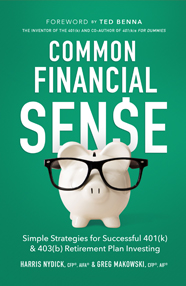
Have you done the thing? A book is a record of work, not a plan for it. Harris Nydick spent decades as one of the first certified financial planners before Common Financial Sense existed; the idea lived in his head for ten years. When he wrote it, his firm's track record stood behind every chapter, and prospects now arrive at calls having already read it. Still building yours? Publish later.
Is there somewhere for the book to go? The return comes from the business, not the royalty statement. Mario Simonyan runs an intellectual property firm for e-commerce brands. It has handed out about 10,000 copies without a single ad, and by his account it has given him four to five years of value, still compounding. No practice, audience or stage to feed it into, and personal money? Then no.
What do you want back, and when? If you want to sell copies as the business, that is a different trade and Scribe is not the right choice for it. If you need the book in under nine months, we are not the right choice either: a Scribe book takes nine to twelve months. If you want clients, invitations and a reputation that shortens every first conversation, keep reading.
Do you have a point of view, and enough to say? A point of view is something your field would argue with. If clients pay you for your judgment, the material exists in the questions you answer every week. Scribe Professional draws it out through about twenty hours of recorded interviews, about 50 hours of your time, and the free North Star tool is a fair three-minute first test.
What will the top ten answers to this question not tell you?
Mario Simonyan's firm has given away about 10,000 copies without a single ad. He never wrote it to sell. He wrote it to be the one intellectual property attorney in a room full of Amazon sellers.
Harris Nydick carried his book in his head for ten years while his advisory practice kept growing. When it came out, decades of 401(k) work stood behind every chapter, and prospects now arrive having read it.
The North Star tool takes about three minutes and names the one idea your book is about. The Scribe Method book is free. If neither produces a book you would hand a client, you have your answer.
Mario Simonyan on why he treats his book as a business card for his firm.
What came back to the people who passed the test?
Every number below comes from a published success story on scribemedia.com, and each one links to the page it came from.
These are the best documented results among authors who told us. Every one of them had a business or a stage the book could feed. Most authors do not track a number, and a book without a business behind it should not be bought for a financial return.
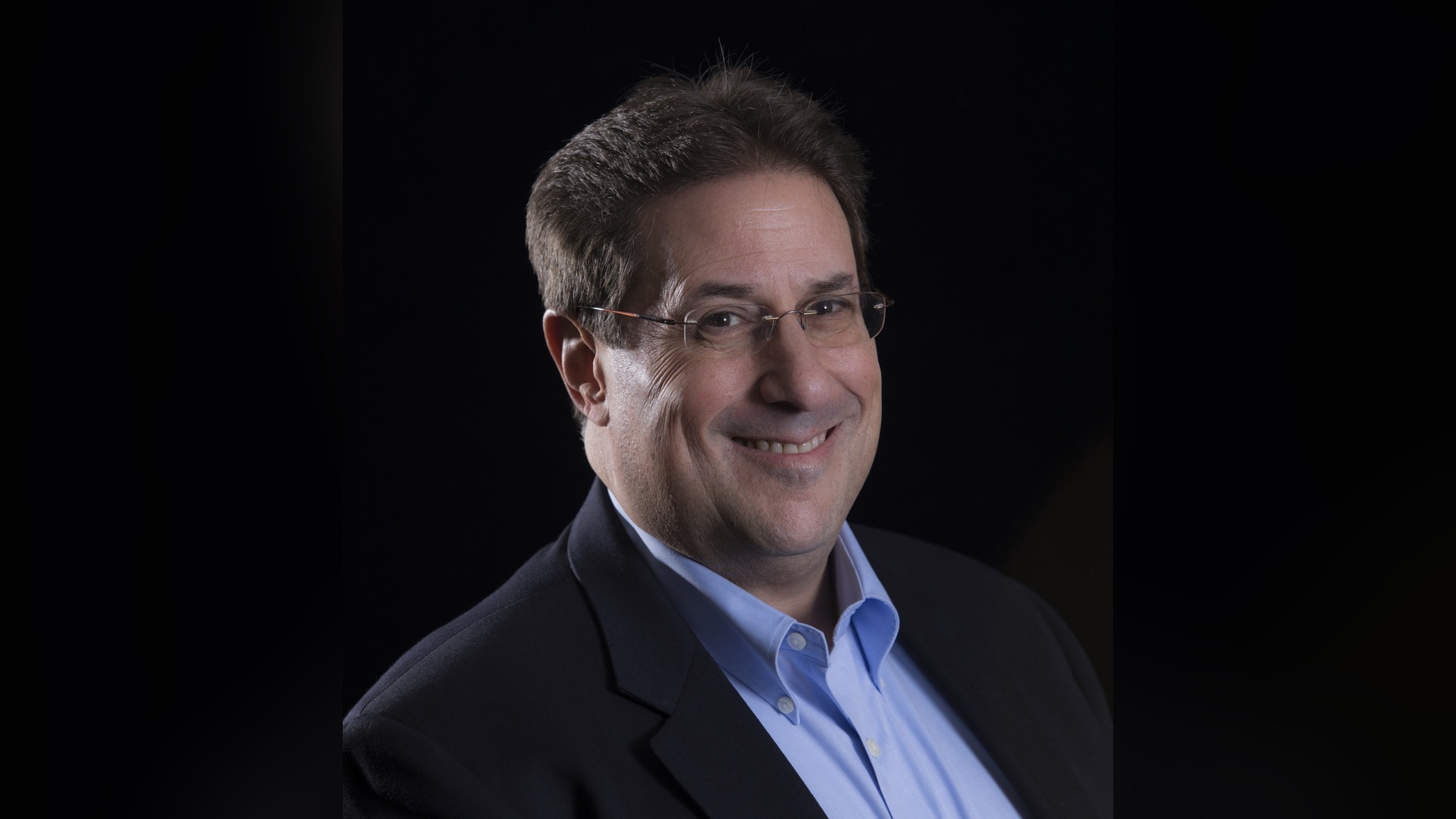
Harris Nydick was part of the first wave of certified financial planners in the early 1980s and built a New Jersey firm around the 401(k) and 403(b) plans most advisors avoid. Common Financial Sense sat in his head for ten years. Since 2018 it has stayed in print, plan acquisitions accelerated, and prospects arrive at calls having already read it.
A wealth advisor with a firm to feed the book into. The return came as clients, not royalties.
Read the story →A practice the book could feed. Five years on, new patients still arrive because of it.
Read the story →The book is the front end of his sales process. Copies go out before the first call.
Read the story →The number is his estimate, and it came to a firm that already served attorneys.
Read the story →A physician with a message and no platform. The book built the platform, then a coaching business.
Read the story →You would be in good company
From first-time authors to number-one bestsellers, these are books our teams helped create.


What people ask before they decide
It is the right vehicle when three things are true: you have done the work, you hold a point of view, and there is a business, practice or stage the book can feed. A book turns twenty years of judgment into something a stranger can read in four hours and hand to a partner. If you mostly need traffic this quarter, an ad is the right vehicle. If you need to be trusted before the first meeting, for years, the book is.
No. The five questions are about what you know and where the book goes, not how you type. Harris Nydick wrote his own book on weekends and published it with Scribe. Authors who do not want to write choose Scribe Professional, where a writer turns about twenty hours of recorded interviews into the book in your voice, for $4,667 a month over twelve payments, $56,000 total. Your total time is about 50 hours.
If clients pay you for your judgment, the material exists. It lives in the questions you answer every week and the mistakes you stop people making. The process draws it out: four roadmapping sessions fix what the book is about and who it is for, then ten interviews of two hours each pull the chapters out of you. The free North Star tool, about three minutes, is a fair first test of whether there is a book in there.
Wait until you have a track record and a point of view. Do not wait for a finished offer. The book often clarifies the business, because writing down what you believe forces choices about who you serve. Mario Simonyan's book was intellectual property basics for Amazon sellers, a corner of law where, by his count, two or three other attorneys in the world do what he does. The narrower the book, the more rooms it opens.
Scribe Publishing for a finished manuscript is $4,833 a month for six payments, $29,000 total. Scribe Professional, where a writer builds the book from interviews with you, is $4,667 a month for twelve payments, $56,000 total. Every package takes a $1,000 deposit at signing that comes off the first payment. The smaller start is Compass: $5,000 for five coaching calls that produce your North Star, table of contents and chapter roadmap, all of it credited toward Professional or Elite.
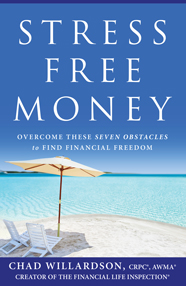
Honestly, for most authors, nothing they measured. The best documented returns on this page came to people with a business the book could feed: Chad Willardson's firm got back more than three times the book's cost in new-client revenue within ten months, his figure. Nobody should buy a $56,000 book for a financial return without a practice or platform behind it. Buy it to be the person who wrote the book on your subject, and let the clients follow.
When Scribe is the wrong choice
We would rather say this here than on a call.
- You want to sell copies as the business. Royalties are not where a Scribe book pays back, and we would be the wrong partner for that goal.
- You have no business, practice or platform to feed the book into and this is personal money. A $56,000 book should not be bought for a financial return in that position.
- You need the finished book in under nine months. Scribe takes nine to twelve, and every step is there for a reason.
The real numbers, before you talk to anyone
Every package is one price, paid monthly, with a $1,000 deposit at signing that comes off the first payment. You own every right and every dollar of royalties. The monthly figure and the total are both here, before any call.
You have written the manuscript. Editing, cover, interior, audiobook and global distribution are handled for you.
You talk, a Scribe writer turns about twenty hours of interviews into your book (about 50 hours of your time in total), and it is published under your name.
A premier ghostwriter and a dedicated team, built to the standard of a major-house book: twenty in-depth interviews, research, ten revision calls, and a $25,000 launch budget.
Five coaching calls over four to six weeks produce your North Star, table of contents and chapter roadmap. You keep all of it. If you continue into Professional or Elite, the entire $5,000 comes off your book.
Passed the test? Talk it through.
A 15-minute call. We tell you the price and whether you fit, and we will say so if you do not. Compass is $5,000, credited in full toward Professional or Elite. Professional is $4,667 a month for twelve payments, $56,000 total, with a $1,000 deposit at signing that comes off the first payment.
Why the honest answer is sometimes no
Most people asking this question already suspect the answer and want permission. Here is the version without permission. A book is a very good way to turn a career of judgment into trust a stranger can hold in their hands, and a poor way to make money from copies, to get known without a business behind you, or to hit a date this year. Traditional publishing trades rights for reach, self-publishing trades support for control, and paying a firm like ours trades money for time and craft. None of those trades is worth making until you know what the book is for.
The authors on this page knew. Harris Nydick had spent decades on the 401(k) plans other advisors avoid before he sat down on weekends to write, and the book became, in his words, the best business card his firm has ever had. Mario Simonyan wrote intellectual property basics for Amazon sellers and has handed out about 10,000 copies without an ad, four to five years of value by his account. Neither man bought a book. Each built a tool for a business that already existed, and the return arrived as clients who had read it before they called.
So take the five questions seriously, and be willing to fail them. If you do, read the free Scribe Method book and try the North Star tool, which takes about three minutes; both will make the book you eventually write better. If you pass, the sensible next step is Compass: $5,000, five calls, a table of contents and a chapter roadmap you keep, with the whole fee credited toward Professional or Elite. Only after that does a conversation about the full book make sense. On that call we tell you the price and whether you fit, and we will say so if you do not.