Dr. Monifa McKnight on Leading, Surviving, and Thriving as a Black Woman in Education
✨ Episode Summary
Dr. Monifa McKnight started as an English teacher, worked at the federal level for the Secretary of Education, and served as a superintendent. In Full Flight: Lessons in Leading as a Black Woman in Education, she turns what she learned on that climb, and the stories of other Black women who pioneered in education leadership, into a roadmap for the women coming next.
Weeks after launch, the book is already doing what she hoped. On tour she walks into rooms where women point to specific pages, and she says the book has given them permission to share their own challenges and build community. In this conversation with Lex Statzer, she talks about why she chose a book over every other platform, the weekly morning sessions that made writing a full-time job, and the advice that changed how she works.
“If there is a story within you, I feel like it’s your responsibility to get it out.”
⭐ Top Moments
- “I know that part. It’s this page.” On her book tour, women walk up and point to the pages they have lived. “I found that the book has given permission for women to actually share their own challenges and create communities of working through together.”
- A book, without anyone else’s filters. She had other platforms. She chose a book because “when you write a book, it is your story.”
- A writing partner for a healing journey. Writing Full Flight meant reliving hard experiences, her own and other women’s. “When it took longer than I even anticipated or they [Scribe] anticipated, we all just got together and went through it together. And so I have truly enjoyed my experience with Scribe from beginning to end.”
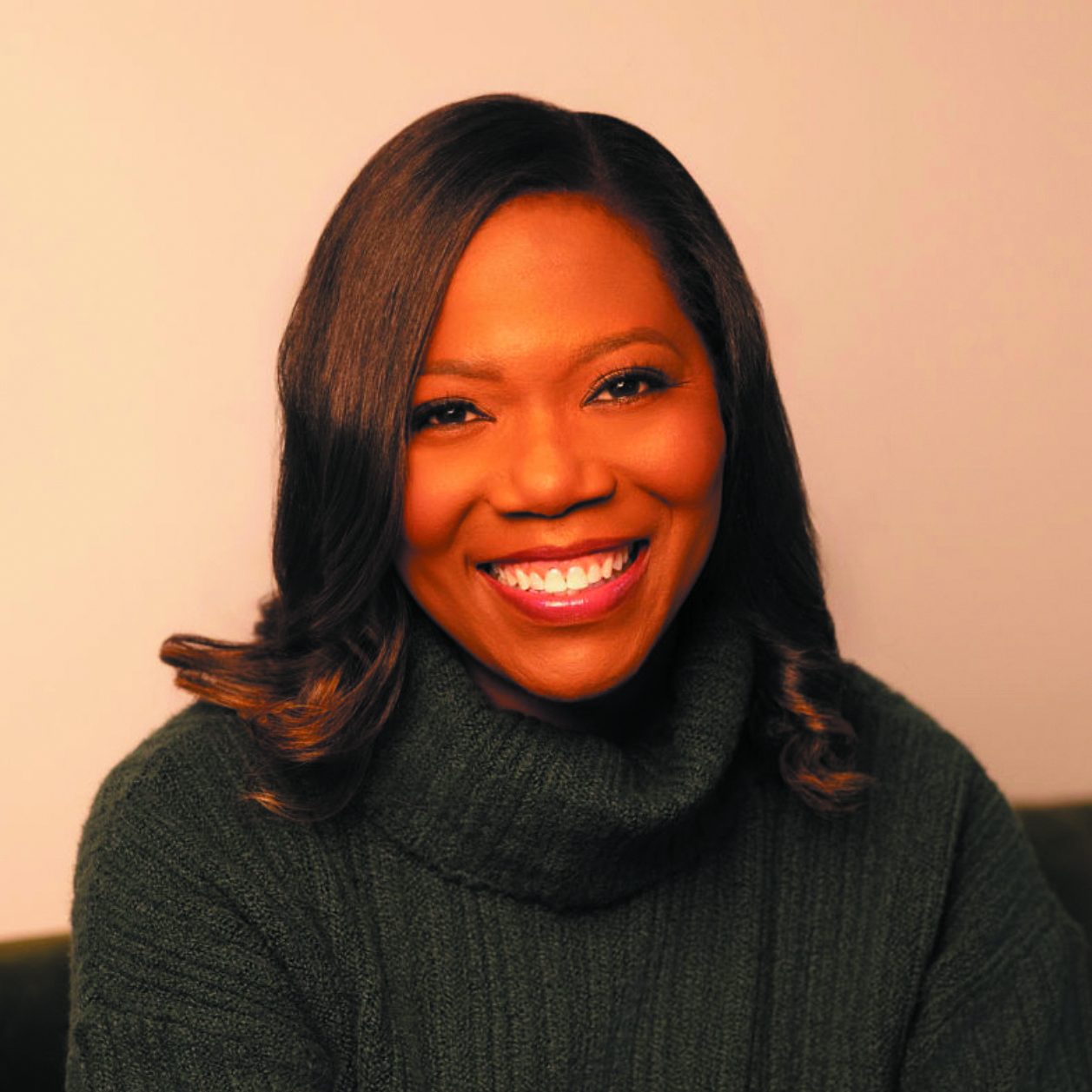
Dr. Monifa McKnight
Dr. Monifa McKnight is a nationally recognized educator and leader. With more than twenty-five years of experience, she has served as a teacher, principal, district administrator, and most notably, the first woman superintendent of Montgomery County Public Schools, the fourteenth largest district in the nation. She now serves as Founder and President of McKnight Lotus Leadership Group and as a Superintendent Fellow at the University of Maryland's Center for Educational Innovation and Improvement, where she continues to shape the next generation of educational leaders. Outside of her professional roles, she is a devoted wife and mother.
★ Scribe Case Study
Dr. Monifa McKnight's Full Flight Turns a Superintendent's Hard Lessons Into a Roadmap for Black Women Leaders
Former superintendent Dr. Monifa McKnight wrote Full Flight so the lessons of her climb could serve as a roadmap for others. On tour, women already point to its pages.
📚 Books by Dr. Monifa McKnight

Transcript
Lex Statzer: Today, I'm here with Dr. Monifa McKnight, author of Full Flight, Lessons in Leading as a Black Woman in Education, which is out now. Today, we're going to be looking into what your book is about, who it's for, and how it came to life. So, Dr. McKnight, welcome to Author Hour.
Dr. Monifa McKnight: It's great to be here for Author Hour. Thank you for the invitation.
Lex Statzer: Amazing. So, before we open the book, let's actually rewind a little bit. So, you spent more than two decades climbing from the classroom to the superintendent's office in one of the largest districts in the country. Was there a specific moment when you thought to yourself, there are lessons here that other leaders need to hear?
Dr. Monifa McKnight: Absolutely. I always felt very prepared for every professional journey that I approached. I know that I'm a person who works from a place of grit. I'm going to give it my all. I know that I only do the things in life that I care about. I know I truly care about students, improving outcomes so that they can just thrive and have the best futures that ultimately just create better communities across the world. I think that's what education is. And so, I've spent my career learning about all the things to help make that happen at a local level in school systems, at a federal level, when I had an opportunity to work with the Secretary of Education, work with policy. I mean, just so many things. I've had a broad career in seeing education from every perspective. So, I felt very prepared. And with that said, all those things did prepare me in different ways. But I experienced, I would say, situations that I had to navigate relating to bringing communities together and all the parts of community that played out very differently when I served as a superintendent. And so, I realize I'm doing a lot of learning while I'm on the job. And I'm open to that, right? Because I've taught leaders over the last couple of decades that you must always be reflective and learn from the situations, be open to a growth mindset. And all of that was, in fact, exactly what I was practicing. But I couldn't help but think about, wow, I have never heard of things like this coming up that I'm having to navigate in my leadership journey. So, when that happens, I want to make note, I want to learn from it, and then I want to come back to teaching, right?
Lex Statzer: And so, that's how this all came about. Amazing. So, walk me through the heart of Full Flight. So, when you talk about leading through adversity, what are the core lessons or principles you would want a reader to come away with?
Dr. Monifa McKnight: So, when I think about that question, Lex, because I'm often asked that question, what made you want to write a book? And I had to think deeply about that. My honest answer at first when I wanted to write a book, because I was like, I need to tell my story. I also knew that it wasn't just about telling my story, because as I reflected, and I started to take when I was, I call it my sabbatical, when I left the job and I had time to think, reflect, read, all the things you don't have to do when you're putting fires out all day, every day, 24 hours a day, and trying to stay ahead of it, I quickly realized, well, some of the things that I saw isn't new. They've happened. They've happened to other people. And I need to be able to contribute to that body of work to help others in the future. And so, with that said, that's what led me to wanting to go beyond just telling a story about my leadership journey. I wrote it because I realized that what I learned through my leadership journey up to the superintendent seat could actually serve as a roadmap to help others. And at the heart of it, that's what I hope and desire to do every day, all day, and for the rest of my life, embed everything in how do I help others. I have been built from a child in a mindset of how can I be of service to others? And so that's where this process and this book took me.
Lex Statzer: Amazing. So, with that roadmap, what made you decide to turn it specifically into a book? So, you have a leadership group, speaking opportunities, you have a fellowship at Maryland, you have so many platforms. What made a book the right vehicle for this message?
Dr. Monifa McKnight: One, I had to think about what would allow me to be my authentic self in a way that I want, I'm comfortable with, I desire to, without anyone else's filters, right? And so, we talk about platforms. Platforms are important, and it's great to have a broad spectrum of platforms that are available to you. However, when you write a book, it is your story, right? And while I absolutely took feedback, I had people review because I wanted every reader on the other side of those words to connect with it in a way, but it was my project that I could put together with the way that I was comfortable. And so, that's what I did. And the book also resonated with me personally, Lex. I am an avid reader. I love reading. I think about the busiest parts of my life when I didn't get to do all the things that I wanted to do. And one of the first to go was reading. I mean, it is the thing that relaxes me. I love to do it before I go to sleep at night, all of those pieces. And so, because I am an avid reader and I love reading and I understand that a book can take me far away from something or bring me closer to something that I need to understand, that's why it became the project or the conduit for the type of project in a way that I wanted to share, teach, and support other women, and particularly Black women.
Lex Statzer: So, when it comes to Black women in leadership and leadership in education more broadly, what is the biggest misconception that you keep running into, and how does Full Flight push back on that?
Dr. Monifa McKnight: Oh my goodness. So, let me say this, Lex. While the book is titled in a way that elevates my experience and the experience of many of the women that I speak about, who are also pioneers in education, it speaks to our experience as Black women collectively. I am going to say that the lessons in this book, they truly apply to all women, all leaders. And in the book, I actually have a chance to peel back the layers of how everyone is connected to the words that I write in this book in different ways, and that's across hue, gender, race, everything. And so, as I think about the lessons that I want people to walk away with and how the Black woman's experience was unique through my experience and the experience of others that I was able to unearth and research and learn more about in the book, it taught me that, one, leadership coming through a preparation program will not prepare you for everything. As a woman, as a Black woman, as a leader, there are some on-the-job experiences that are going to be unique. And I found that for Black women specifically, there were some experiences that stood out that were repeated in the leadership journey that I felt were very important to share. Many of them were tough, I have to tell you. And it was even tough thinking about it because it made you or made me in some ways feel like, why is it so much harder for Black women? But then, at the same time, I can answer that question quickly. I look up, I look at things that happened historically. I look at the plight of ways that Black women had to push back, adjust themselves, move through life differently. And so, I guess it does make sense that the same would apply in leadership. And so, I just wanted to elevate that because, one, I would hope that it would, one, help women, Black women, and others who are not Black women understand how to support good allyship in the process of Black women leading, right? Because that's what it has to be about. You share these stories because you want to impact change. And so, that's one outcome that I absolutely wanted to achieve. Another is, you know, what are these specific interactions, lessons that Black women should be aware of that can make them feel better prepared for what they may be ready to walk into? And also feel like, make them feel confident as they walk into those leadership positions. So, when this innocuous thing shows up on their doorstep and experience, they're like, oh, I read about that in Monifa McKnight's book. You know, she talked about this. What did she do? And then, Lex, here's the other thing. I want this book to create communities. I want women to get together and talk about these lessons because there may be things that Beverly Hall experienced, that Monifa McKnight experienced, that Arlene Ackerman experienced, that Berlita White experienced, but it may, there may be different nuances in every situation that I want people to come together in community and unpack and say, you know, what do I think, why do I think this happened? This is how they handled it, but is there something else that I could do that would take it a step further? And most importantly, for the people who are supporting these women in these leadership roles, what can I do in my position to help eliminate these types of barriers that exist? To make the job be focused on the thing that it's supposed to be focused on. And we started with that in education, improving the education for our young people, which then in turn improves communities.
Lex Statzer: Perfect. So speaking of those communities, who is the reader that you imagined as you were writing? So paint me a picture of the reader you most wanted this book to reach.
Dr. Monifa McKnight: Yes. So for the woman who picks up this book, Full Flight, she is one that I want to inspire to go after the leadership journey. I want her to understand the leadership journey so that she can feel prepared to go after it. No matter the challenges that she reads about, no matter the challenges that she may see others experience, because that's one thing I'll talk about in the book, our experiences tend to play out publicly in very different ways. But sometimes, you know, I wonder, just orchestrate it. And so I want her to not be discouraged by that and seeing that in what happens with other Black women leaders. But I want her to feel more prepared for the realities of leadership by, you know, reading this book and not being afraid. But again, most importantly, walking away feeling prepared. And I wanted to understand that knowing how to do the job of leadership is only one part of it. You also have to know yourself, right? That's the story that I like telling the most. People like, how did you survive all of this? And here you are fine. And my answer is always simple, because I know who I am. And actually, in this part of life, which is amazing, I'm learning even more of who I am. And the unfiltered me, right? Because let's think about it. For big jobs that require a lot of outward public publicity, there's also a filter. Remember that same filter we talked about that exists when you're working through organizations? And I understand that there has to be protection for the organization. And sometimes that may damper down a bit the pure authenticity that one brings and carries to a process. But now, I only choose to be and thrive in spaces where I can be authentic in a way that helps the environment that I'm in, helps me bring my true gifts to the experience that I'm in, and all of those pieces.
Lex Statzer: Yeah. So if that reader, that inspired and prepared reader, finishes Full Flight and holds on to just one lesson from the book, what lesson do you hope that they hold on to the most?
Dr. Monifa McKnight: Understanding the importance and the intersectionality between who you are, relationships, power, politics, transitions, and boundaries. But I want them to understand that all of those pieces have to carefully be navigated in your journey of leadership. It should always bring you back to who you are and why you're there, but there has to be a carefully curated framework and mindset that understand that all of these pieces have to coexist. And sometimes there may be, I don't know, like difficulty in the relationship that exists between all of these parts, but they are important parts that must work together. And so I want them to understand clearly that these are the components. Again, knowing yourself, understanding relationships. You cannot come into this not knowing who you are and seeking validation from other relationships. It is not going to happen. And that means you have to come in with a strong foundation of knowing who you are, why you're there. And as my grandmother would say, treating people well. That's a part of who I am as a person. I'm going to do that in my work and in my job and in my interactions. But also understanding how power, when you hold a certain level of power that people perceive, what comes along with that and being aware of that. And the politics, like I said, transitions, establishing boundaries, all of those pieces, because that's what I think makes people better prepared and leaders better prepared to navigate. And you made me think about something. We've talked about who this book was written for and those leaders and women, but I also wrote this book to challenge organizations. That's important. And sometimes, I was recently doing actually a conversation. I was doing a series of full flight lessons online, and a leader said something to me that I've, Dr. Judy Alston, actually, she said, organizations are not people. They're people that work in these organizations, but basically, they're organizations, right? That may not embody all the things that we embody as people, feelings, connectivity, all of that. That has to be established through culture that then influences an organization, right? You understand what I'm saying there? And so, as we think about that, the people in the organizations have to really think about the lessons that I wrote in this book and, you know, recognize that we can't continue to celebrate women when they break barriers, right? And then leave them alone to survive. That's not how it works, particularly for Black women, I'm going to say. Getting into the room cannot be enough. There has to be a conversation about when she comes into the room, how is the room prepared for her, and how is she able to sustain herself in that room for the benefit of the organization? You know, so my website, my tagline, you know, is talking about leadership sustainability. That's the best business strategy. That's my tagline. Leadership sustainability is the best business strategy because, in the end, it saves money, it keeps the community focused on accomplishing the goals that it sets, and in order for that to happen, the people in the organization, particularly the people who lead organizations, have to understand how do I prepare the table for her? And that's not just a one-time conversation, but it has to be an ongoing conversation that happens, that is played out, and that is implemented in a way that supports that vision.
Lex Statzer: So what's one concrete thing both an individual reader and an organization could implement based on the book?
Dr. Monifa McKnight: Yes, so individual leader, you are one person, you cannot do it all yourself, and so the very thing that you have to do when you go into leadership is, one, have a plan for how you're going to take care of yourself to sustain you personally, right? So because I know that we cannot be good for others if we are not taking care of ourselves and good to ourselves first. So that is one big lesson that comes from this book and one that I hope everyone takes away because the premise of the book really is about that in the stories that I tell. Some women did not make it through the leadership journey. They did not survive. They died, like either during their career or shortly after their career. That's not how life is meant to be, right? So for leaders, yeah, I want them to take away from that. You got to take care of yourself first. That's how you're going to be the best to everyone else. And for organizations on that same note, that means organizations have to set up the structures for how that can happen, right? And so I see even particularly organizations setting up structures and how that happens and how they develop and establish contracts for women leaders. I just don't think it is the same process that works for everyone else. I don't think that, you know, you work from just a history of how contracts have been written for, you know, between CEOs and organizations that get at the way true leadership should happen. I think contracts should be written to acknowledge, particularly for women, how we serve as not just the leader of an organization, but as mothers, as caregivers for our families. And so what does that look like? And what does that look like and how we agree up front, we're going to work together and value all the parts of a leader that should be valued. And that's across multiple rules.
Lex Statzer: Yeah. So it sounds like that sustainable leadership piece goes both ways, right? For the individual, it's sustaining yourself in that environment. And for the organization, it's sustaining those leaders so that they can lead to the best of their ability, right?
Dr. Monifa McKnight: Absolutely. Absolutely. And their organization's responsibility in setting things up so that that can happen structurally.
Lex Statzer: Yeah, definitely. So backing up a little bit, how did you and Scribe find each other? What made you decide that Scribe was the right partner to bring Full Flight to life?
Dr. Monifa McKnight: Yes. So like I am, have always been a person that tries to discern my environment, the people in my environment, when it comes down to making decisions about my life. And I knew this was going to be a really, really important journey. One, it played out even more than I thought it would, but writing the book process was also going to be somewhat of a healing journey for me. And so I knew that whoever was on the other part of that journey was going to need to be someone who understood me. If they didn't, would be open to understanding me and be patient with me in the process. And as I started to look up organizations that would not filter me, I'm coming back to that, right? Like allow me to tell my story in a way to be helpful to others. I saw a value in that in working with Scribe. Scribe also provided a myriad of different options for me and how I wanted to approach writing the book. And so that I appreciated. I also felt early on that the support they were going to provide in the process was going to be exactly what I needed. And it was. It took into account my therapeutic part of the process of having to relive a lot of what I wrote and actually living through an experience of other women and sometimes really tough experiences that I felt. And so as I was going through the writing process, they understood that. And so when it took longer than I even anticipated or they anticipated, we all just got together and went through it together. And so I have truly enjoyed my experience with Scribe from beginning to end.
Lex Statzer: Perfect. I love to hear that. So take us behind the scenes of actually making the book. So the writing, the editing, all of that. What did a typical week look like for you?
Dr. Monifa McKnight: It was a full time job. Let me say that. And I kind of organized it that way. Now, remember I talked about sabbatical. I had moved into a season of not waking up at 445 and going to bed at, you know, 12 a.m. And, you know, I'd moved from from that part. So there was some parts about structure of life, though, that I just knew would feel normal to me. And so I would set up a weekly meeting with my Scribe in the morning, just like, you know, a regularly scheduled meeting, because that worked for me at a time when I knew I would be fresh, when they would be fresh. And we could, you know, interesting. I remember at some point we did a lot of work over Zoom. And so, you know, we would greet our dogs. I Scribe had a dog. I had one that then became two. And so I knew her dog. She knew my dog. You know, we would do the greetings. I mean, it just all felt personal. And so that structure of getting through was really good. Sometimes when it got hard, we agreed to take a break. Right? Like, I cried a lot while writing, you know, because I recognize I had to recall some of what I wanted or tried hard to forget. But I needed to recall not just the incidents, but also the reflection and the learning from it. And so we honored that process as it came up in just the way that we needed to. And so that was maybe not so much of what I expected, but it became a part of the process. That's what we did. And so, you know, a lot of interviewing, a lot of talking things out. So I am also a English teacher by trade. So there were times in which I had to back myself up out of the process and realize, oh, there are professionals who are doing this.
Lex Statzer: That's tough. I mean, especially because this was so personal to you. This was your story. So having to create a little bit of distance would be really hard. Yeah, I can imagine.
Dr. Monifa McKnight: It was like, I wanted to at some point, I was like, I want to write this like you know, and recognizing that no, there's probably an editor in the process who has much more experience than I do. So let them do what they need to do in terms of even editing for grammar. Like I want this, I want it this way. But then I had to recognize some of it was style. Right. But think about it as a teacher working from a textbook of grammar, probably from years and years ago. I mean, I'm not old or I'm not vintage, as I would say in that way, I'm becoming more experienced, which I am loving. But with all of that said, I came up in an era of, you know, there being lots of rules around some of the spaces that we've now gotten to acknowledge, you know, provides a little flexibility. So that became hard for me in the process as well. But again, because there was so much trust built between myself and the people that I worked with on the scribe and we were able to work through it. And so what the part that I found easier that got easier was telling the stories that were important, sharing the stories that were important that I'd learned about from others, and then sharing the reflection because I kept a journal. And so that was easy for me to go back to. The parts that became harder was getting to the later part of the book where I felt like we did a lot of negotiation about what was important. I remember they kept telling me, Monifa, this doesn't have to be your only book. But I felt like it. I was like, there's so many things I don't want to miss any part of an important lesson that I want someone else to get, because it can help them. But then we, you know, we brought me back to what I said I wanted in the very beginning, which was a practical read that someone could get through and really take away the lessons that were not so complicated in the style in which I was writing. So when I was reminded of that, then I was like, you're right. Okay, we can move forward. But I remember that being very challenging for me because I just wanted to get it all in there. All in there.
Lex Statzer: Yeah. Well, it's hard because with a book, it feels so encompassing, right? So it's hard not to be as thorough as possible, but then you have to pull back and be like, I have how many books in me still? This does not have to be my last project. This isn't the final word on this topic. And I can imagine that being a really difficult thing for a lot of writers.
Dr. Monifa McKnight: It was. And Lex, it reminds me also of how I felt like I kept reliving my book, not to mention when I had to record the audio version of my book. That was reliving it again, because now I am reading it in my voice again. And I am reliving every experience, feeling like it's so important for me to share this experience to any and everyone that it can help. And so then it feels like another layer of importance around the book and the messaging of the book. When I went in for the audio recording, and I'm not an audio book person. I wish I were before I went into that recording. But boy, was it a learning experience. And I loved it. Loved the process. Another shout out to Scribe. I mean, again, they recognize the importance to me to make the connection with the right people in the process. And my producer, who was, I call her the producer extraordinaire when we recorded my audio book. She was an angel. I felt like she was made for me. Like, I don't care who else she helped record their book. I'm like, no, she was made for me. Because her level of patience, getting me, giving me breaks, everything.
Lex Statzer: It was just amazing. Thinking back to that time when you were writing and editing and going through the whole process, was there a piece of writing advice that anyone gave you along the way that really stood out to you as a writer?
Dr. Monifa McKnight: Yes. One piece of advice that did not feel natural to me, but they were on it, was when you write, step away and come back to it. Just don't keep going and going and going and going and going, trying to get to the finish line. The nature of how I used to work that I've had to unravel in myself is it's not about how much you can do or the quantity of what you can produce, but the quality of it. And that piece of advice to write some, step back, do some reflection, and then come back, pick writing back up in a couple of days, was okay. And I recognize I struggle with that because I'm so deadline driven. And I was the student, I want to get it done. I want to make sure it's the best product, and I want to get it done before the due date. That's why that was different for me naturally. But it was the best advice ever. And it was so complimentary to a change I was also making in my life, right? You don't have to be in this constant space of getting it done. It is okay to stop and have a slow morning and take your time drinking your coffee. It was like the same approach had to be applied to the work. And that was just very different for me, but great advice, because when I would take the breaks and come back to it, I felt refreshed and felt like I was able to create a better product.
Lex Statzer: Especially because your project was so personal, I can imagine taking time away and then stepping back with a more fresh mind could also be a bit cathartic for you. It could feel good to just take a break from the material, let yourself breathe for a minute, and then come back to it when you had almost a better mentality. Yes, that's exactly right.
Dr. Monifa McKnight: That's exactly how it played out, Lex. I just wasn't used to that. Remember, I left the superintendency and then I went into a book writing process. So there were things about how I worked that I needed to change and transform. And in fact, the process of writing the book helped jumpstart that. I didn't even anticipate it. It naturally did. It helped me shift my thinking and how I approached work. And that was probably the very thing that I needed to happen in my life at that time.
Lex Statzer: Yeah, yeah. So one of my favorite questions that we ask on Author Hour is, thinking of the listener who's been carrying a book inside of them but hasn't written the first word yet, what would you say to them?
Dr. Monifa McKnight: Start writing. It doesn't have to be formalized. If there is a story within you, I feel like it's your responsibility to get it out, right? Get it out. And so how do you get it out? If it's helping you to write it down and you're feeling better, you're feeling like you're getting it out, and if on the other side of all of that feeling, it can help someone, do it. Don't be intimidated by the process. There are so many books out there that are helping people, building community. And if you have one, it's worth pushing past all of the hesitation and making a decision to say, I'm going to lock in and I'm going to do it. And on the other side of that, you feel like you've given a gift to the world. And to me, there is no better feeling. That's what I feel like every book, if I had to imagine, every book is written and wrapped with a ribbon around it, because it feels like a gift. That's what it feels like to me, to everyone who reads the words that are on the pages and walk away with something that they had not thought before, a perspective, and have grown in some way. And so I say to anyone who has a story inside of them, make it happen. Let's just do it. Just do it.
Lex Statzer: Just do it. Absolutely. How do you see Full Flight fitting into where you're taking McKnight Lotus Leadership Group and your work over the next few years?
Dr. Monifa McKnight: Yes. And so moving forward in my life, I have spent a lot of time reflecting on the work that I've done over decades, right? I have worked in education at a local level as a superintendent. I've worked at the federal level for the Secretary of Education. I helped implement policy that was shifted under presidential administration. I have started out as a teacher in the classroom and can reflect on days of my first year like they were yesterday. And now through McKnight Lotus Leadership Group, I get to serve others in education and beyond on how to strengthen leadership. When I look at our world, when I look at our local communities, when I look at our entire world, good, great leadership is always needed. And it needs to be leadership that is refreshing. It needs to be leadership that is responsible, leadership that cares, leadership that creates. And through great leadership, we find opportunity to grow, to strengthen communities, the world. And if I and McKnight Lotus Leadership Group can be a part of doing that for others, that's what I'm here to do in this part of my life moving forward. Because I want to live in a world that is thriving and it's great and it's helping young people see hope in the future. And that's what I want to do. And so I see McKnight Lotus Leadership Group continuing to offer services in our consulting space that allows organizations to do that. We talked about this, Lex. What do I want organizations to take from the book? Well, everything that I wrote about in the book is what I'm ready to help organizations do through McKnight Lotus Leadership Group. Bring us in. Let us work with the governing bodies who are hiring these leaders and really need to sustain leadership in their organizations. Bring us in to let you understand how to build partnership to help you do that successfully for CEOs who are looking for someone to support them. I can serve as a coach, as an advisor for you. I have a host of other people who have experiences and experiences that are very close to mine or like mine who can serve as advisors. Let us do that for you. We want people to be successful. And so our services reflect all of the offerings that help them be successful through advising, through team optimization. I always talk about that. CEOs can't do it alone with just them and their governing boards, but the people who support the CEO, oh, you have to know how to do that. And that also is something that has to be done uniquely based on who the leader is, right? So I found through my studies, research, writing this book, interviewing processes, women and Black women need teams who know how to support them. The way in which those teams have to do their work might have to look a little different from how it looks when they support leaders. So we help teams figure out how to perform at their best, most productive levels, while also understanding the nuances of how that work supports the leader that they're supporting. And so those are just a few of the services. I mean, one other career intensive one, you know, I always have to do something that's related back to the students directly, right? Like I do a lot of work on my team and I with how we support leaders, but at the heart of it, it always has to be a part of how do I help young people? Like that's a big part of my superpower. And so a big part of work that I did when I was superintendent that just stayed near and dear to my heart is how do we prepare our young people for the workforce? And so through McKnight Lotus Leadership Group, we work with K-12 and higher education institutions on walking through how we get their students prepared for career. So when they graduate from college or from high school, they're ready to go into those internships that then turn into jobs. So those investments in their education actually turn into lucrative income that helps them build families and wealth. And like I said, a stronger community. So those are just a few of the services, but I am excited about where McKnight Lotus Leadership Group is going and all the people that we have will have the opportunity to help and support.
Lex Statzer: Amazing. Amazing. I love bringing it back to the students because I mean, that's exactly like you said, the heart of it all. That's where it starts. That's where it should end. Exactly. So for all the listeners wondering, where can people pick up your book and stay connected with you and McKnight Lotus Leadership Group?
Dr. Monifa McKnight: Yes. So definitely stay connected. Lots of wonderful things continuing to happen. And in my journey of authenticity, I've been doing a lot more social media, I have to tell you Lex. Like just coming on, having conversations, talking, having the freedom to do that feels so good. And so I'm doing that. So I invite leaders and anyone who's watching to follow on Instagram at Dr. Monifa McKnight and Instagram. I am there and will be continuing to interact and support. Same thing, Dr. Monifa McKnight on LinkedIn. That's a big community of connection. Like I invite you to reach out if there are collaborative opportunities in which we work and you heard that our values align and there are projects that come up that you think we could work on together or that if there's an organization interested in what we provide from McKnight Lotus Leadership Group. Please, I'm always open for a conversation. And my website, it is www.McKnightLotusLeadership.com. Again, it's www.McKnightLotusLeadership.com. And there you're going to find information more about the services that are offered through our consulting leadership firm. You will have updates about the book. I invite you to subscribe there about the book because I also send out information and guides as it relates to topics in the book that I cover around leadership. So take advantage of the free resources that are there and engage. Ultimately, we're going to be engaged in the community. And I also want to say follow along on the book page and on social media because I am going to be sharing the journey of this book tour. It has been amazing so far. Also, let's just going out. I walked into rooms and women are like, I know that part. It's this page. It's this page. And I mean, being okay, feeling vulnerable and talking about some of the challenges. And I found that the book has given permission for women to actually share their own challenges and create communities of working through together. How would you work through this? What would you do? And most importantly, building community amongst one another. And so that's the book has already started to do that. We spent some time in South Carolina last week. Now we're getting ready to do a number of events in the DC, Washington, Maryland area. I'll actually be traveling to Zimbabwe in a few weeks. And I look forward to working with a group of students and leadership team at Africa University there and sharing an opportunity about what I've been sharing across the world and interacting with lessons from the book. So follow along on all of those channels because that's where I'll be sharing the journey. And I'm hoping that that will inspire and enlighten someone to dig more into the book, share the book with someone or invite us in to work alongside you to support leadership.
Lex Statzer: What a journey. My goodness, that must feel so good. So good. Well, thank you so much for joining us, Dr. McKnight. It has been so much fun. And I think I speak for a good amount of people when I say I'm so glad that Full Flight has finally hit shelves.
Dr. Monifa McKnight: Yes, thank you. I'm so glad it's here as well. I enjoyed the conversation, Lex. And to everybody out there, if a book's in you, write it. Write it. That's right. Write it. Go out, buy Full Flight. Be inspired by it and reach out. I love my community. So please, if you are watching this, reach out. You will hear back from me. And I look forward to continuing to connect because in the end of this, we all want to give our gift to the world, which is to give our best selves. And in order to do that, we must stay connected. So let's stay connected.
Want to Write Your Own Book?
Scribe has helped over 2,000 authors turn their expertise into published books.
Schedule a Free Consult