Drug-Free Crohn's: Hadley Ott on Taking Agency Over Your Health
✨ Episode Summary
Hadley Ott was diagnosed with Crohn’s disease at twelve and spent more than a decade being told he would be sick for life, until he quit his doctors and medication cold turkey and healed himself through nutrition, fitness, and faith, then wrote Drug-Free Crohn’s with Scribe Media to hand that same hope to other young people and their parents. Working on a shoestring budget, he has turned the book into talks at Notre Dame and Ole Miss, about 15 podcast interviews, and local Nashville TV, mostly by handing out promotional cards and cold pitching until someone said, oh, my brother has Crohn’s. As Hadley puts it, “I just want to give a ton of hope and confidence and inspiration to a lot of our other young people that you don’t have to be sick for life, that you can really take agency over your health and heal naturally with nutrition, fitness and faith.”
⭐ Top Moments
- He was told he would be sick for life, then healed himself and felt called to write the book. Diagnosed with Crohn’s at twelve, Hadley spent over a decade on feeding tubes, steroids, and biologic drugs before quitting cold turkey in the spring of 2024 and going all in on functional medicine. Months later, drug free and symptom free, he says he “woke up one day with this really strong call in my heart to write this book to try to help other people.”
- A first-time author with no budget landed Notre Dame, Ole Miss, and about 15 podcasts, one cold pitch at a time. Hadley printed promotional cards and handed them to everyone he met, months in advance: “the number of times I would hand a card, somebody would read it and say, oh, my brother has Crohn’s.” A friend opened the door at Notre Dame, and Hadley turned that into leverage: “as soon as I got to get the Notre Dame opportunity, I turned around and I pitched to like a hundred more schools.”
- His advice to anyone sitting on a book: your story is yours to tell. “Don’t ever think you can’t do it. Of course you can do it.” And on why it has to be you: “your story is your story and no one can tell it better than you.”
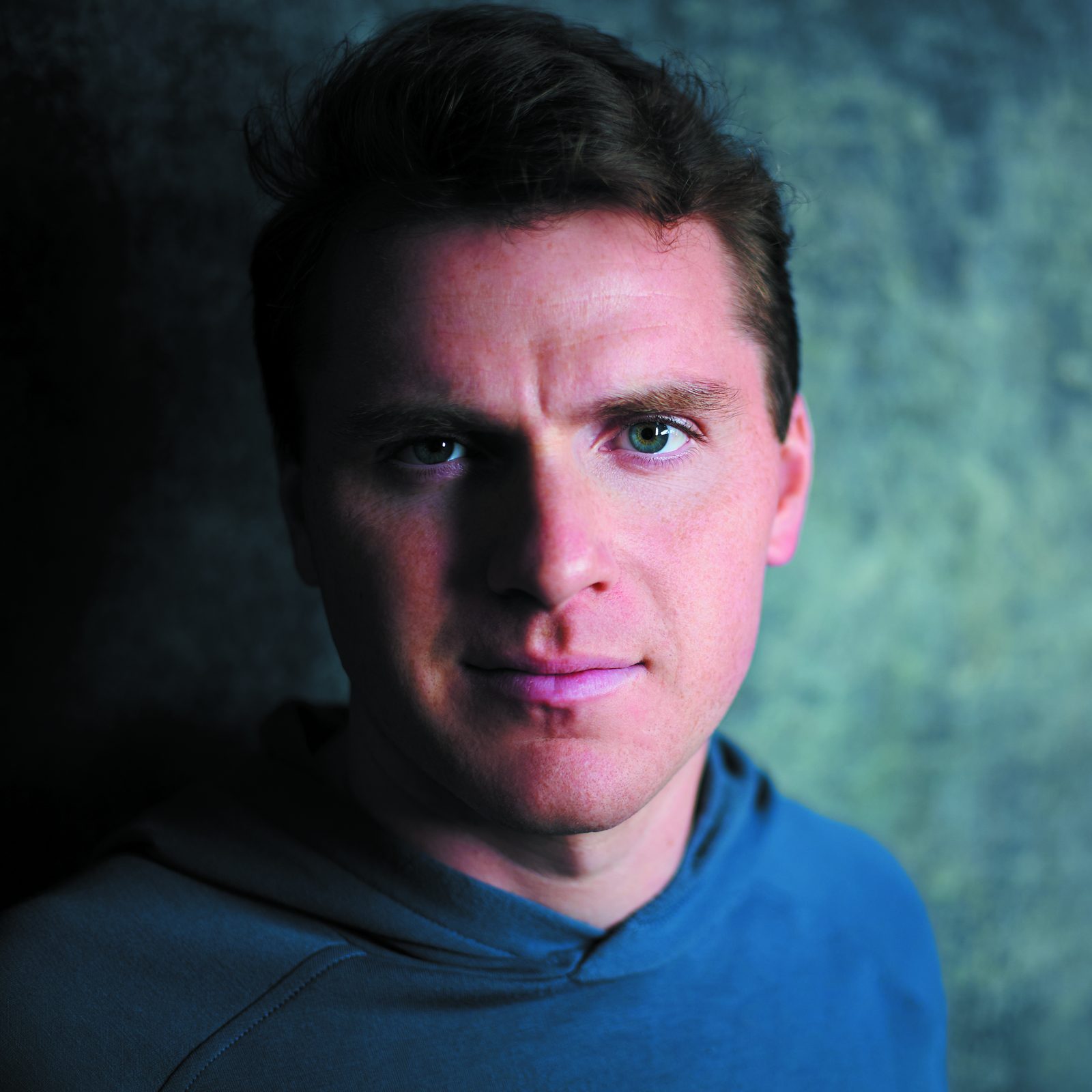
Hadley Ott
★ Scribe Case Study
Hadley Ott's Drug-Free Crohn's Took Him From Patient to Published Author and Campus Speaker
Diagnosed with Crohn's at twelve and told he would be sick for life, Hadley Ott healed naturally and wrote Drug-Free Crohn's with Scribe Media, now taking it to Notre Dam…
📚 Books by Hadley Ott
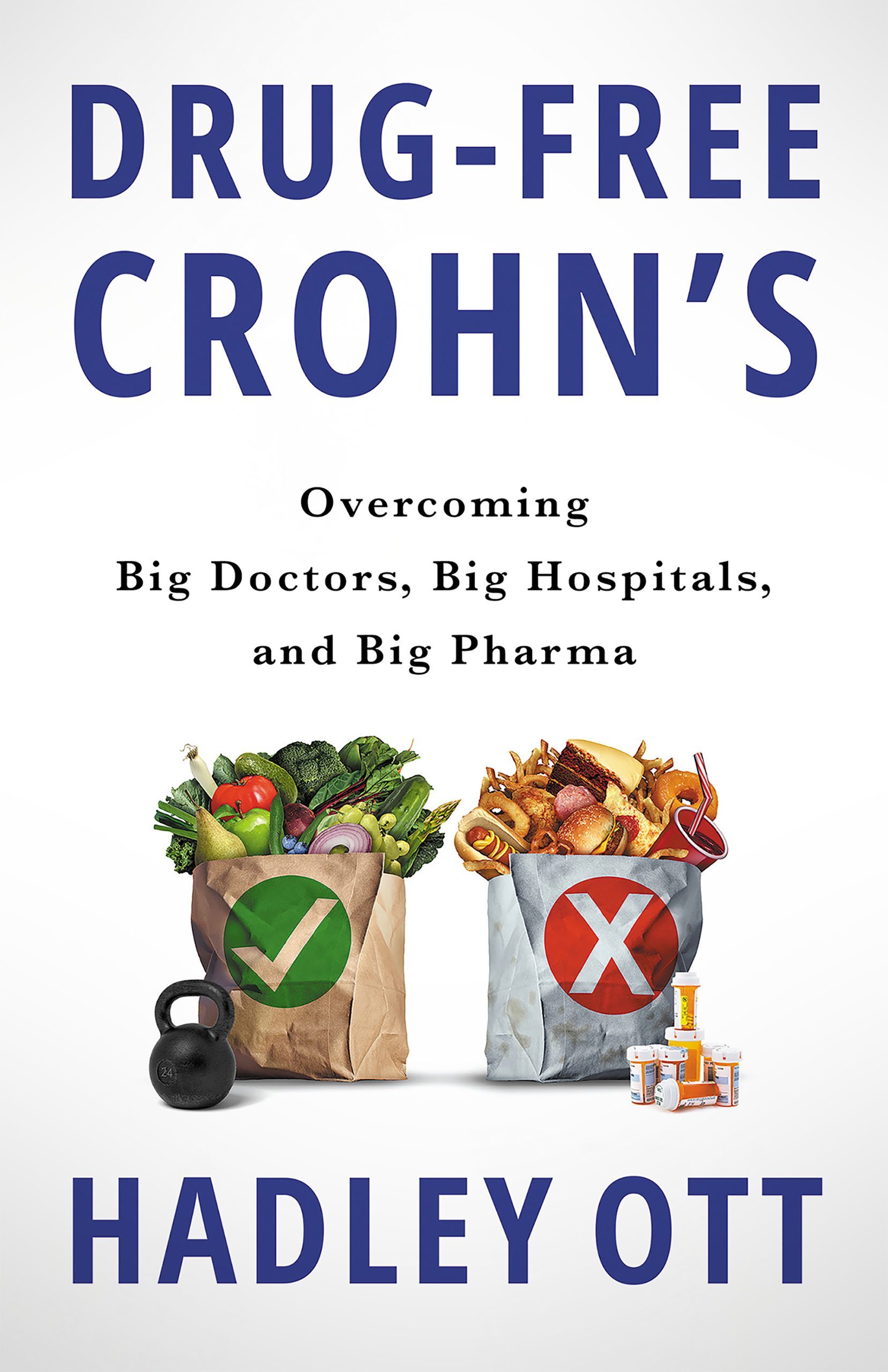
In this episode of Author Hour, Eric Jorgenson sits down with Hadley Ott, author of Drug-Free Crohn’s: Overcoming Big Doctors, Big Hospitals, and Big Pharma. Diagnosed with Crohn’s disease at twelve and told he would be sick for life, Hadley spent more than a decade on feeding tubes, steroids, and biologic drugs before quitting his doctors and medication cold turkey and healing through nutrition, fitness, and faith.
He talks about the private promise that started the book, writing it every night while working a remote job, and how a first-time author with no budget landed talks at Notre Dame and Ole Miss, about 15 podcasts, and local TV, one promotional card and cold pitch at a time.
Hadley Ott: If you're having a pull on your heart, if you've got like this idea in your head that that just won't go away, like I should write a book about this, or I just really feel called to tell this story, to tell my story, I definitely think that that's probably something that you should pursue and you should do it. Your story is your story and no one can tell it better than you. And so make a commitment, you know, give yourself a deadline too for when you want to try to have it done, because otherwise I feel like it could go on for eternity if you don't give yourself a deadline. I kind of just have to keep telling myself that at a few points, especially during the editing process, like just get it done. You can write a second one later. People aren't going to remember every word, you know, every chapter title. The truth is they're going to take away like one sentence or like one big idea is what people are going to take away from that. And so that's what you kind of have to keep in the front of your mind is like, what's the big idea? What's what's my goal with this book and what's my purpose and reason behind doing it?
Eric Jorgenson: Hadley Ott, thank you for joining us and taking the time. Hey, thank you so much. Before we get to your book and the story of your book, give us a little bit of your your broad life background. Tell us the story of the author.
Hadley Ott: Yes, sir. Yeah. So I'm born and raised here in Clarksville, Tennessee. I went to school at UT Martin, graduated in the Covid year and came back to Clarksville and worked in real estate for a little bit. And then I went to Troy in South Alabama to do my master's with the goal of getting to do economic public policy in D.C. And I graduated last May from there and was able to go and work with the administration doing economic policy. And then I got my book under contract and I came back to Tennessee to pursue this book and build a health coaching practice. And of course, I know we're going to get into how the book came to be.
Eric Jorgenson: Yeah. Yeah. Tell me, when did when did the book, you know, for a lot of people, the career sort of feeds into the book. But you've got you're a man of many talents. So when did the concept for the book come about?
Hadley Ott: Yeah. So it's easier to just kind of give the quick rundown on this. So I gave you the the professional side all the while I was pursuing these different things. Crohn's disease has been a big part of my life. I got diagnosed when I was 12 years old and basically went over a decade dealing with conventional medical treatments. Everything from feeding tubes, steroids, biologic drugs, had a big surgery while I was an undergrad at UT Martin, and it kind of created this immense insecurity. I put a cap on my potential, never thought I could get too far away from home and just kept having symptoms. And I was labeled from the get go as being sick for life by my doctors. And I felt trapped and felt stuck in this big conventional medical system and felt quite literally tethered to the doctors, the hospitals and big pharma. And so I mentioned I went to grad school at Troy and I went there for professional purposes, but also went there to try to figure out something different in terms of how I was going to treat myself, possibly heal myself naturally. Long story short, I end up going cold turkey, just quitting my doctors, quitting my medicine, cold turkey in the spring of 2024. And I just went all in on the functional medicine alternative healing approach. And a few months after the fact, in July, so yeah, two years ago, July 2024, I was interning in D.C. at the time and I had been drug free for three or four months. I'd been doctor free for the same amount of time. I had also been symptom free for the same amount of time. And I just couldn't believe how good I felt. And I remember I woke up one day with this really strong call in my heart to write this book to try to help other people, especially young men, young women, too, who are high school, college aged, who've been diagnosed with Crohn's or another autoimmune disease. And they've been told that they're sick for life. And I just want to give a ton of hope and confidence and inspiration to a lot of our other young people that you don't have to be sick for life, that you can really take agency over your health and heal naturally with nutrition, fitness and faith.
Eric Jorgenson: Wow. Okay. So how did you find the functional medicine? What was the story of that leap that you took?
Hadley Ott: I always kind of had an instinctive feeling that at some point I could probably figure out a way to heal myself naturally. But what made it so challenging was being diagnosed at a young age, I was plugged into the system. And so it made it really hard to escape from that when you have your Remicade infusions every six weeks, when you've got the blood tests, the other tests, you've got to see the doctor. It just makes it really hard to break away from that. What I started doing in 2023, so I started kind of going down the functional medicine rabbit hole on my own. I started reading a lot about it, listening to podcasts of doctors who had healed patients naturally, reading books, Patient Heal Thyself by Dr. Jordan Rubin was a huge inspiration to me. And so by doing that, by reading these other stories of people who had healed themselves naturally, whether it was from Crohn's or cancer or something else, I started to develop this really strong mental fortitude that I could also do the same thing. And then I began just kind of putting myself out there. I started contacting other people in this alternative healing space, had an appointment with a provider in the United Kingdom known as The Gut Expert. I had several appointments with a guy in Texas and kind of got the professional guidance that I needed and learned about tailored supplements, independent blood testing, some of the dietary changes that I needed to make in order to take that leap and feel confident doing that. And that's just been the greatest decision I've ever made. Wow.
Eric Jorgenson: For the uninitiated, what's the definition of functional medicine or alternative healing? How do you know you're kind of entering one or the other? Because some of that sounds like kind of preventative care. Yeah.
Hadley Ott: So preventative care, the classical Western approach to medicine could be described as preventative care. That's what the ancients taught. And that's what early Western civilization taught for a long, long time, even in the United States, 1600s through the late 1800s, early 1900s. A lot of the books that physicians were writing were about exercise and were about the need to stay active on your own, to eat well on your own, because for most of history, there was really no way to do surgery without, at least without a ton of pain. There weren't cures to a lot of diseases that people could get. And so you had to stay healthy by necessity. That all kind of went away in the early 20th century, partly because of there were technology advances. There were some of the robber baron types, the Rockefellers, who started funding medical schools and started funding reports that started pushing people to specialized training when it came to medicine. And a lot of the functional medicine, natural healing protocols were kind of, you know, laughed off the scene as being, you know, voodoo or witchcraft or whatever. And so that's what I tell people is the functional medicine and alternative healing approach. And, you know, really the whole Maha movement make America healthy again. It's not anything new. It's just kind of rediscovering what other generations already knew about health. And so that's why I really encourage people in the book to be super proactive on all three of those fronts, because to me, that's what health and that's what healing comes down to is nutrition, fitness, and faith.
Eric Jorgenson: Interesting. Yeah. It's really wild that that so many steps will be taken by by doctors and kind of, you know, the current like state of the art medical edifice, whatever you want to call it, instead of just saying like, you know, have you tried like fruits and vegetables and sunshine and exercise and better sleep habits? And like it just sort of like skips all of that and just like assumes that whatever your lifestyle is, is sacrosanct and whatever conditions it creates in you, we can just manage through drugs, which is just like a wild, almost dystopian thing, depending on kind of the lens that you're looking at it through.
Hadley Ott: No, it's an insane way to view medicine. And that was one of the big things that I was told early on was that food doesn't matter. And to me, that's just a crazy thing to say. But, you know, I was 12 years old and I just instinctively knew that wasn't true. Doctors are saying this. Yes. Like doctors are literally telling you that food doesn't matter for a member like, you know, gastrointestinal. Yeah. Right. So you eat food. It goes through your mouth. It goes down your esophagus, into your stomach, into the whole GI tract, large and small intestines and all of that. And they're basically saying that food, that the stuff that passes through there has zero role, zero impact on how any of that stuff feels or functions. It's just crazy when you, when you think about it, but what I've since learned is that food and nutrition, those are not taught in medical school that, you know, early on to my parents many times would try to suggest that to the doctors, you know, what about Jordan Rubin's book? What about this or that? And it was just always dismissed on the grounds that it hadn't been studied. And so it was really when I finally, I started doing a lot of that on my own, you know, just keeping a food diary. And like I say, but it wasn't until I worked with a functional medicine provider that they really talked about, you know, how to fine tune and tailor your diet even further, because I had to do that on my own. I cut out the foods that I knew made me feel worse. And I focused in on the ones that I knew made me feel better. But I think it was always kind of viewed as just a coincidental thing among the doctors that, you know, I guess that's good that you feel better, but I mean, the food plays no role in it.
Eric Jorgenson: Yeah, by the way, my symptoms are gone too. So, you know, the coincidences have no end. What was your original concept for the book? You said you felt called to do it. Did you have a really clear vision? Did you have a person that you were writing for? What was that? What was that call? And what did it sort of look like?
Hadley Ott: Yeah, so I knew I wanted it to, to focus on these three things, nutrition, fitness and faith. I think the thing that I probably didn't know is, did I want the book to be the majority or the majority of the book to be about me and my story? Did I want the majority of the book to be just about like research and insights and a practical how to guide in terms of how somebody else with Crohn's or autoimmune disease could heal naturally. And so I started this project. I made a commitment to myself first that I was going to write this book. And again, just, it existed only in my head, but I didn't tell anybody about this. This was just kind of a promise between myself and God that I was going to somehow get this done. Why didn't you tell anybody? I'm a really big believer. I actually say the first sentence of the first chapter, I'll give it away, is that men are not supposed to be self-revealers. It's, that's just kind of the way I've always been. I don't really believe in, in talking that much about yourself and talking about your, you know, your, your plans and ambitions. I believe in, you know, having goals and dreams, but kind of quietly working in the background to make them happen. And then that way, when they do come true, you know, some people are shocked and like, you know, why didn't you tell me this? And I don't know, there's just something, something about keeping, keeping your plans and ambitions to yourself and just kind of quietly working on them and then revealing that when it's finally about to materialize or when it finally materializes itself, that I think is a little bit more rewarding and fulfilling.
Eric Jorgenson: Yeah. Interesting. So how did you make that decision about how biographical to make this book?
Hadley Ott: Yeah. So I kind of just had to start doing it. So I started, I started this literally January 1st, 2025. It was a day one commitment for me last year that I was somehow going to get this thing done and had, again, I really had no clue how to proceed. I tried originally reaching out to some other authors to, you know, just get some insights or, you know, advice on how to get going, you know, didn't hear back. So I just kind of started and figured it out on as I went. I love it. And that is what you have to do. It sounds, you know, so cliche, but you truly just do have to start. Like I'm with my notepad, my research, just kind of scribbling out chapter ideas. And then I just started writing and I started writing every single day. And I think as you do that, or at least as I did that, you start to gain more and more clarity about how the book should actually look, how it should actually be structured, what you want the chapters to be called and what you want the chapters to be about. And so there's a couple of things that I kind of, I kind of realized. One is I thought it would probably take me years if I wanted to have like a three or 400 page guide about how to heal yourself from Crohn's autoimmune disease, like step by step, how to treat every symptom that comes up. And I was like, well, I don't know. I just don't want to wait years and years before I finally produce a book. And the other thing was, you know, I didn't want to make the whole thing about myself. I wanted to kind of give people what I thought they needed to have on my background and some of the other pertinent details from my Crohn's experience and my healing journey. But I wanted to try to combine all three of these things, my personal story, the research that I did, and then the insights itself, and somehow weave that into a theme, a broader theme of nutrition, fitness, and faith. And so I just got cracking on it. I, first chapter was very much about me. Then I kind of get into the, what Crohn's actually is and just kind of some of the, the medical history of that and then conventional medical treatments for the third chapter and a critique of modern medicine. But then the second half of the book really gets into those three factors. There's a chapter each on nutrition, fitness, and faith. And then just kind of a final chapter that really ties it all together and touches on some other lifestyle and mindset tips that people with Crohn's and autoimmune disease need to have as good companions during their healing journey.
Eric Jorgenson: What do you hope this book will accomplish for you or in the broader world?
Hadley Ott: Yeah. So my goal with this book is to reach other young men. It's also to reach the parents of young kids who are getting diagnosed. And I just want them to reject the label of being sick for life. Like I want just focus on the parents for a second. And I've been fortunate to get to talk to a few, which is just an amazing thing. You know, who's 10, 11, 12 year old son or daughter is getting diagnosed with Crohn's or another autoimmune disease. And I just want to know, you know, what do you wish you would have known when you were their age? What do you wish your parents would have known when you had this? And I find that super rewarding. And I want my book to be kind of the first thing that parents reach for when their kids are getting diagnosed or having health challenges, you know, whether it's Crohn's or, you know, some type of gastrointestinal problem as just being a quick, easy to read, kind of go-to guide of someone who's been there, kind of gone through the ringer and come out of it so much healthier and so much happier having gone down the functional medicine route. But then also for just young men themselves, like if you're in high school, if you're college aged, if you're a young guy in your twenties and you've got this health challenge, whether it's Crohn's or ulcerative colitis, and it's causing symptoms, it's causing an insecurity, it's causing you to put on a cap on your potential. Maybe you want to somehow heal yourself naturally, but you're just not even sure where to go. You're like me. You just feel stuck and literally tethered to the doctors and hospitals, and you just don't feel like you can break free. I want my book to be a go-to guide for those young men and young women too, who are looking for another way out of it. And I just, like I say, want to give so much hope and confidence and inspiration to other young people to take agency over their health. Because what I've found in my own experience is once I finally overcame Crohn's, there were so many professional and personal opportunities that opened up for me. And now having written and published this book, it's just given me even more confidence to do a lot more things professionally. And so my only regret is, and I try not to have regrets because it just is what it is, it's just not doing it sooner. And so I would just really encourage anybody young who's got a health challenge to just be super proactive about their health and take agency over it. And hopefully my book can serve as a good guide and a good starting point for you.
Eric Jorgenson: I love that. I think this is a very interesting exercise too, because you know, I tell people to really fight for a super clear target reader, and there's no clearer sort of target audience than your book. I also know we're recording this only a few months after the book has come out, want it to change. So this may be still early in your journey, but I'm curious how you go about marketing this book. How do you go get in front of the eyeballs of those parents and these young kids?
Hadley Ott: Yeah, that's a really good question. So I will say I've kind of done all of this on a shoestring budget. I have really had to just kind of work and hustle to get the word out about this book. Now, in the United States, there's about four or five million-ish people who have IBS or IBD. So, you know, the ideal people who should have this book. And I think that's the challenge anytime you're marketing something is, you know, well, how do I find those people? And the answer, I guess, is I honestly don't really know how you go about finding those people specifically, but I can find people in general. And what I have found is I'll just kind of tell you one of the first things that I did. I started making these promotional cards about my book, and I just started handing them to everyone that I met months in advance. I mean, almost like eight or nine months in advance. Everyone that I had met, I just started cold approaching, started giving my book, started pitching it as, you know, it's a health book about nutrition, fitness, and faith. And the number of times I would hand a card, somebody would read it and say, oh, my brother has Crohn's. My sister-in-law has Crohn's. Like that's how you start to make those connections. You know, you can't find those people, you know, if you just try to find them. I don't think you're going to find anybody, but you just have to reach and approach as many people as possible and spread the word organically. At least that's what I've done. I've been able to speak at a couple of colleges. I talked at Notre Dame. I talked at Ole Miss this spring about the book. I'm speaking at several colleges in the fall. I've been fortunate to get on about 15 podcasts now. I've done local TV in Nashville. I've cold approached a ton of businesses, you know, giving cards to employees. I've spoken at local clubs here. So just kind of taking every opportunity I can get to get the word out about it. And then social media too. I'm still fairly new to that, but I guess this is probably a better answer to your question. But since I'm kind of still new to online, I've learned about all of these Facebook groups and, you know, people on Instagram and stuff like that, that I can post my stuff to and have had a lot of people reach out to me that way. So that's, that's been another great tool.
Eric Jorgenson: Yeah. I was going to say, I bet there are patient groups, Facebook groups, and I bet there's a couple, but there's probably a lot of like influencers who are sort of, you know, focus on this, this aspect or this part of their journey and are open about it. I know one of the most Mr. Beast, one of the most famous people on earth has talked very openly about having Crohn's as a kid when he was like, I think 12, I think he was diagnosed around the same time, 12, 13. And he, he really wanted to be a baseball player and love baseball. And he's like, I just, I couldn't, I couldn't make it through games. It was like too painful, you know, too, too much of an interruption. He's like, you know, I gave up on, I essentially gave up on face or on baseball because of Crohn's. And that was when I went all in on becoming obsessed with YouTube. And obviously that worked out for him. But I think he's still, you know, in a number of interviews I've seen, he still kind of talks about like managing it and the diet and lifestyle changes that he's had to make and occasionally being on different, different drugs and how it lowers his energy. And I was like, I just can't like, that was such an unbelievable thing to hear that, like one of these insanely productive, like high energy people who's like flying around the world all the time. He's like, thinks of himself as low energy because he's got this auto-immune, you know, issue that he's dealing with and managing. I'm like, oh my God, you know, what a, what an unbelievable champion to like talking about, you know, that relationship between putting a cap on your potential because of how you perceive this. And I appreciate him being open about that because I think a lot of people, you know, in his position don't necessarily open up about things like that. And when you do, you can serve as an example and an inspiration to people that are kind of going through it and trying to figure out their relationship with it.
Hadley Ott: For sure. Yeah. Mr. Beast, he's actually a guy I just learned about not too long ago. Somebody pointed him out to me. We were, we were looking up, you know, celebrities and other famous people who have Crohn's and trying to reach them with this book too.
Eric Jorgenson: How did you approach the universities? You said you spoke at Notre Dame and I can't remember the other one you, you mentioned.
Hadley Ott: Yes, sir. Yeah. I was at Ole Miss. Ole Miss. So yeah. So I guess at kind of at the beginning of this year, I was still just kind of looking for a way to get the word out about this book. I knew that I wanted to, would love to, you know, speak it, speak to different groups, speak to health groups, speak to colleges if possible, but was still, and of course we wanted to get on podcasts, but had never been on a podcast before, had never talked at a college. And I'm sure you may know, people listening may know when you're brand new to something, I mean, it's really hard to get that first opportunity, but if you can just get that first opportunity, it leads to a second and a third and so on and so forth. So I had reached out, you know, cold reached out to a lot of different shows, a lot of different universities and was still kind of struggling to get something. Fortunately, just a God thing, a good buddy that I knew from DC goes to school at Notre Dame. He just graduated. And I was talking to him around the winter time about this and saying, you know, I would love to be able to speak at schools about this book and, you know, go on shows and stuff like that. And he said, well, do you want to come speak at Notre Dame? I can try to make that happen for you. And so he was able to, and I was able to go up there and it was a great time and all. And then as soon as I got to get the Notre Dame opportunity, I turned around and I pitched to like a hundred more schools, you know, can I come speak there? And finally start hearing back from a few, once you have some proof of performance, a name like Notre Dame, you know, you can kind of attach yourself to that. And I was able to hear back from, from Ole Miss and a couple of other schools time and in the semester didn't make as many opportunities possible, but I've been able to line up several more in the fall. So yeah, just kind of not being afraid to reach out.
Eric Jorgenson: Yeah. I like, I appreciate the detail of the, you know, you reached out to a hundred to get one. I think sometimes people like send three emails and don't hear back and they're like, oh, that doesn't work. And it's like, well, you just misunderstood the ratio of effort required. Oh yeah. That's for sure. Yeah. Do you reach out to a specific group, a specific person? Is it, is it alumni? Is it student groups? Is it, you know, how do you, how do you find the right, I mean, these universities are huge places.
Hadley Ott: Yeah. So I try reaching out. Well, I guess at first I tried reaching out to like people in the administration, you know, people in a health department or, you know, sports nutritionists, that type of thing. Something that I definitely would love to eventually connect with on this book. It's just really challenging to get a response, you know, from a lot of the administration people. Fortunately for me, I'm still young enough where I can reach out to college students and I don't think it's weird. I mean, I just graduated last May from Troy with my master's. So I'm still, you know, pretty relatable to those people. And so I kind of used that to my advantage. I reached out to a lot of student groups, you know, inner fraternity council, student clubs, that type of thing. And that's ultimately who I spoke with, you know, student clubs at Notre Dame. And then again, at Ole Miss.
Eric Jorgenson: Love it. Yeah, it's fantastic. I feel like people, it's just, uh, it's hard to find the entry point.
Hadley Ott: It is. It really is.
Eric Jorgenson: Every book is going to be different. Every person's going to be different, kind of what the right one is. But I was curious to kind of dig for some of those details. So it's still early, early days, but have you had any like unexpected good things happen as a result of like, like handing out these cards and, you know, getting your book out there in the world in these first couple of months?
Hadley Ott: Yeah, I will say I've gotten a few more, a couple of more speaking opportunities that I'm pretty excited about in the fall. I will say, you know, there were some, I guess there were some other, you know, bigger opportunities, I guess, that I'm still kind of hoping to get haven't landed anything yet that I really thinking I can get with this book. So still just trying to plug away and eventually land, I guess, would you say something exciting or something special?
Eric Jorgenson: Unexpected.
Hadley Ott: Unexpected. Yeah. I guess I would say I'm still, still kind of working to get that unexpected thing to happen.
Eric Jorgenson: Okay. Yeah. I mean, it's only, you know, we're only a month, month and a week, I think in, so maybe we'll do another interview in a year or two and you'll, you'll have reeled in some of these big wins. You know, sometimes they're big stories. Sometimes they're small stories. How did, how did you come to find Scribe and decide to decide to use us to publish the book?
Hadley Ott: Yeah. So a couple of just around the same time when I was like right fresh off of healing myself, naturally, I heard an interview with Tucker Max. He was on Tucker Carlson show. I think this was may of 2024 if I'm, if I'm remembering right. And that's how I learned about Tucker Max and how I learned about, you know, his book company Scribe Media. And so this was before I decided to write a book and I just kind of tucked that away in my mind. And then fast forward to last spring, spring 2025. As I'm, this manuscript that I'm working on is starting to come together. I started to reach out and I was just paused and say, I was so naive about this process. Like I had, I had no idea how you actually get a book published. So I start reaching out to like, I Google, you know, my, my famous, the famous authors and like reach out, try to reach out to their publishers. And again, I just didn't really know what I was doing. And so it took me a minute to realize that if you're unknown and you're brand new to this game, you pretty much have to go the self-publishing route. And then, so I started to kind of look more into self-publishers and realized there's a ton of them out there. Talked with a few and then just scribe came back to mine. And I looked more into scribe, booked y'all's call and, you know, had a few more calls slash interviews with y'all and ended up working with y'all. And I think it's a really good fit. I'm glad I went with y'all. It's been a, it's been a good, good working relationship.
Eric Jorgenson: Good. Well, we, we love to play a part in like helping people get these like such important experiences and information out of their head and scale, you know, the life-changing impact that you can have on, on one person, you know, mentoring them maybe personally, but to get that out to thousands of people. And, you know, this book is an incredible example among many that we've done of, it's, it's not, it's not a mass market book. It's not going to be in an airport bookstore because, you know, everybody's reading it all at the same time because it's getting turned into a movie. But if you have Crohn's, especially, or if you have a kid with Crohn's or any of these sort of related things, like this is the most important problem in your life and this book can change your life. So I don't, I don't care that big publishers, you know, aren't interested because they don't think it's going to sell a million copies. Like this is an important book and self-publishing and is going to change people's lives and doing it at a high quality level of editorial and design and all this stuff can really help it reach people, help it stand out, help it, you know, have the impact that it really could have and catch on. And I'm just like, yeah, these are the kind of books we sort of live to do where it's a really, it's a noble purpose. It's an important cause. It's a really driven author with a unique life experience. It's just been fantastic. And I'm so glad that we got to do a piece of it and that, that you were happy with everything we contributed.
Hadley Ott: No, thank you so much. And I guess one other thing that was kind of ironic about this. So after I got under contract with y'all, y'all sent me the, the copy of Tucker Max's book, the scribe method and my book, of course it was already written or, you know, thought it was written. It was under contract. We were starting to go through the editing process and all, but I, so I read Tucker Max's book after I had already written my book and it was just kind of crazy to read that and realize like how much of the stuff he talked about was stuff that I kind of figured out on my own while doing it. And I, I just love what he says, I think in the first chapter, you know, where he talks about why you want to write a book and he says, let me guess why you had a problem, probably a big problem, but it's a problem you figured out and now you want to try to help other people with the same problem. And it just like, you know, exactly. I had Crohn's gave me a big problem for a long, long time and then was finally fortunate enough to overcome that. And then just had this call in my heart to write this book, to try to help other people with the same thing.
Eric Jorgenson: Yeah. That's incredible. What, what, what advice do you have for people who are sort of in the position that you were in? I think you said it was 2024 when you really set off on writing this, where you're like, I I've overcome this problem. I feel like an expert. I'm I've done my, I've done my diligence to become an expert in this space. I feel like I can help people, but a book feels, a book feels intimidating.
Hadley Ott: Yeah, no, it's such a good question because there's, there's so many things, I guess. Number one is don't ever think you can't do it. Of course you can do it. If you have, well, let me, let me pause and back up even more. I think I always thought it would be kind of cool to try to write a book at some point, but just kind of never really knew what, you know, what about or what direction to take it in. And the inspiration to me, it was truly something I think God put on my heart to do. And I'm not saying that the book you write has to be divinely inspired, or you have to have this like call on your heart to do it. But I do think that if you're having a pull on your heart, if you've got like this idea in your head that that just won't go away, like I should write a book about this, or I just really feel called to tell this story, to tell my story. I definitely think that that's probably something that you should pursue and you should do it. And then from there, don't, don't think you're not good enough to write it. You're absolutely good enough to write it. You've been in the business a long time and I'm sure, you know, there's some brilliant people who have written books. There's some, some dumb people who have written books too. So there's kind of people across all levels of intelligence who have, who have written books, but like your story is your story and no one can tell it better than you. And so make a commitment would be the first thing, like make a commitment and a promise to yourself that you're going to do it. And like I mentioned earlier, I made that commitment to myself and really only to myself. I think if you can, it would be great to maybe make that commitment with your, your spouse or a close group of friends to help hold you accountable. But if all you have is you, there's nothing wrong with that either. Like you can still get the work done. The other thing too, is, you know, give yourself a deadline too, for when you want to try to have it done. Because otherwise I feel like it could go on for eternity if you, if you don't give yourself a deadline. And that was a trap for me too. It's like, I've heard other authors talk about it. Like, that's the big question is like, nobody's giving you a deadline unless you, it's under contract with a publisher. So when is it done? And I kind of just had to keep telling myself that at a few points, especially during the editing process, like just get it done. You can write a second one later. You don't, don't have to get everything, you know, out there. It doesn't have to be perfect. I had to, had to tell myself that many, many times is don't worry about it being perfect because the truth is people aren't going to remember every word, you know, every chapter title. The truth is they're going to take away like one sentence or like one, you know, two or three sentences, like one big idea is what people are going to take away from that. And so that's what you kind of have to, to keep in the front of your mind is like, what's the big idea? What's, what's my goal with this book and what's my purpose and reason behind doing it. And then I guess the, the final thing I would say is you got to work on it every, every day. Um, for me, I worked on it every day. I would definitely recommend having a better plan than what I did. I just kind of like, if it was like, if it was like right after breakfast, I had some ideas I would write them down, or if it was late at night and I had some more ideas, I would probably, it's probably way better to, to have an actual structure and a plan when it comes to doing it. But truthfully, like however you can get it done, if it's just like a few minutes here and there where you're just working on it, I don't think there's necessarily anything wrong with that either.
Eric Jorgenson: Yeah. I was going to ask about the, the habit. It's, I liked what you said earlier. So you just, you know, I just sat down and got cracking, but I wondered if you had, uh, if you were super disciplined about how you went about it, or if you just kind of found a way, cause you were, you know, you were also doing grad school, you were moving around your, there's a lot going on.
Hadley Ott: Yeah. So fortunately, and then again, this was just all kind of a God thing. So in the fall of December, 2024 was when I had finished my classwork at Troy. And of course I officially graduated in the, in the spring, but I started working and my goal was to immediately get to DC when I was in December of that year. And I thought, you know what this book idea I'll get to at some point in the future, because I just want to get back to DC. But the way things worked out is I had a job where I was working remotely for a group out of Wisconsin. And I did that for about five or six months. And during that time, it just gave me the opportunity. I was just in the perfect place at the perfect time. I realized looking back because I would work and then at nights I would spend an hour or two working on this book. And then I got the thing done before I went to DC. And I just realized, you know, had I, had I gotten to where I wanted to be right away, I mean, I wouldn't have this right now. This would still be a dream. This would still be something in the future at some point. So, yeah, I don't even know what was your question. I just kind of read it.
Eric Jorgenson: It was just about the, how you found the time to write. And I think, you know, your answer is just like you seized the window when you had it. You just started working on it right away. There's no perfect time to do it, but you just got after it even though, you know, you didn't have a plan, even though you weren't sure how it was all going to play out, even though you didn't know how it was going to get published. You were like, I'm just going to take the inspiration and build the momentum and run with it. And that's a great answer, I think.
Hadley Ott: Yeah, I will say this just to kind of put a fine point on that. I would work on it pretty much every night, like after work at night, that was kind of my quiet time where I really got a lot of hard work done, but I'm also a big morning person too. And so sometimes first thing in the morning before I even started my job job, if there were like a few paragraphs, I just had to get out, I would often go ahead and do that. I love to exercise first thing in the morning and, you know, just sometimes stuff just comes to mind and you've got to get it out there.
Eric Jorgenson: Yeah, that kind of mental white space where you're like working out or showering, I feel like, you know, or driving, sometimes you just get a couple paragraphs that pop into your head. If you let your mind go blank for a little while, and that can be some of the best stuff. You just got to keep the net out and capture it as it goes by. And those those little bricks add up. Yeah. Hadley Ott, thank you so much. Author of Drug-Free Crohn's. Where would you send people to learn about you, your journey, the book? What was your your online home?
Hadley Ott: Yeah, so I'm on all the social media stuff now. You can find me on Instagram, Hadley Ott DFC. I'm on X. I'm on TikTok. I'm on Facebook. It's Hadley Ott, H-A-D-L-E-Y-O-T-T. You can find me on YouTube too. I do have a website that is coming out very shortly. And then, of course, you can find the on Amazon.
Eric Jorgenson: Awesome. I love it. If you know anyone in your life who's struggling with these issues, please send them this book, buy it for them, gift it to them, shoot them a link, send them this interview. Hadley, I think you've done a huge service for millions of people. And now we just got to do the work to get the book in their hands, and you're going to change some lives. Thank you for investing the time, the effort, the money. It is a lot of work to put a book out there in the world. And you doing this at your age in a way that's completely independent from your career and your career goals just because you wanted to help people and felt compelled to do it and aren't seeking or expecting anything in return is a really amazing gift for humanity. So I'm sure I'm not the first to thank you, and I'm sure I won't be the last, but I think you're going to have a huge impact and really help a lot of people. And let's do our best to get the word out there.
Hadley Ott: Thank you so much. I really appreciate it.
Eric Jorgenson: Awesome. Let's talk again soon when you've got another round and a few thousand more readers, and we'll see what you've been up to in a couple of years. I'm excited to see how this compounds for you.
Hadley Ott: Oh, me too. No, thank you so much, Mr. Eric. It's been great working with y'all.
Want to Write Your Own Book?
Scribe has helped over 2,000 authors turn their expertise into published books.
Schedule a Free Consult