Joseph Saba: Episode 1119
Read the full transcript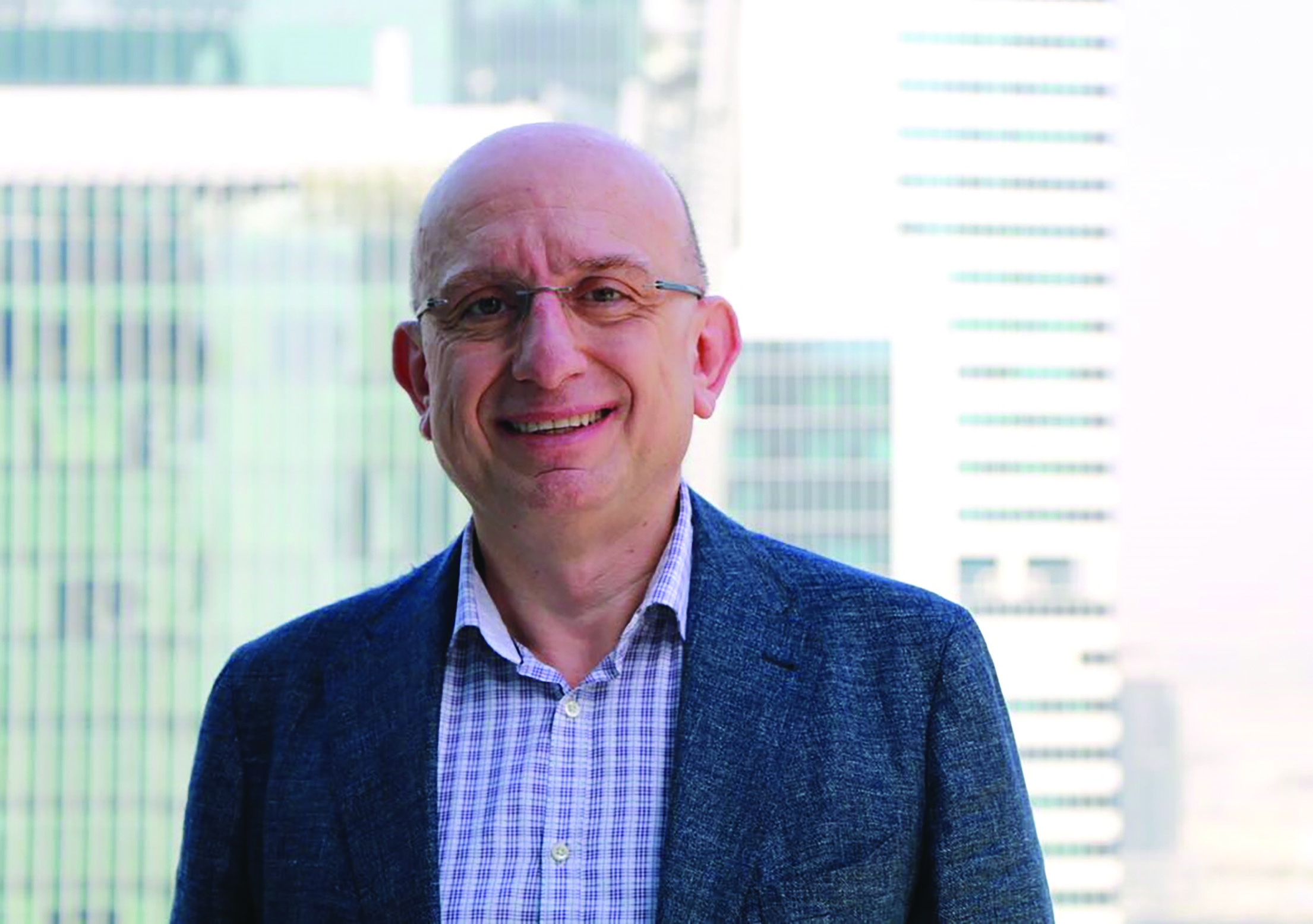
Joseph Saba
Author Bio:
Dr. Joseph Saba is Co-Founder and Chief Executive Officer of Axios International, a global healthcare access company with 25 years of specialized experience developing practical and sustainable solutions to patient access challenges in emerging markets and developing countries. Under his leadership, the company has launched many successful programs to increase access to care and treatment and improve patients’ medical outcomes in more than 100 countries.
Dr. Saba is a French Lebanese medical doctor specialized in infectious disease, health management and statistics. Throughout his career, he has led numerous discussions with pharmaceutical companies, governments and other key players across the healthcare community to drive access to innovative medications in low-to-middle income countries (LMICs). He is known internationally for establishing the first antiretroviral drug access program through the UNAIDS Drug Access Initiative, making it possible for critical medicines to reach patients in need during the peak of the HIV/AIDS epidemic and pioneering a new generation of treatment access solutions for LMICs.
In 1993, Dr. Saba joined the World Health Organization (WHO) as the WHO Focal Point for the National Plan for HIV Vaccine Development. From 1994-1995, he worked with the WHO Global Program on AIDS in Rwanda and later supported HIV vaccine research efforts in Geneva. Following his time at WHO, Dr. Saba collaborated with the Joint United Nations Program on HIV/AIDS in the Department of Policy, Strategy and Research, where he led an international working group focused on Prevention of Mother-to-Child Transmission (PMTCT) of HIV/AIDS, as well as the groundbreaking PETRA study, a multi-centre clinical trial on PMTCT treatment in Africa.
Dr. Saba completed his Infectious Diseases specialty, along with a certificate of Medical Statistics, at the University Paris VI (France). Dr. Saba completed his medical degree at St. Joseph University (Beirut, Lebanon) and holds a Master of Communications and Medical Management (MSc) from the Superior Business School (Paris, France). He is fluent in Arabic, French and English.
Dr. Saba has been featured in the Wall Street Journal, International Herald Tribune, Newsweek and Pharmaceutical Executive, among others, and has published widely in peer-reviewed scientific journals.
"
📚 Books by Joseph Saba
Transcript
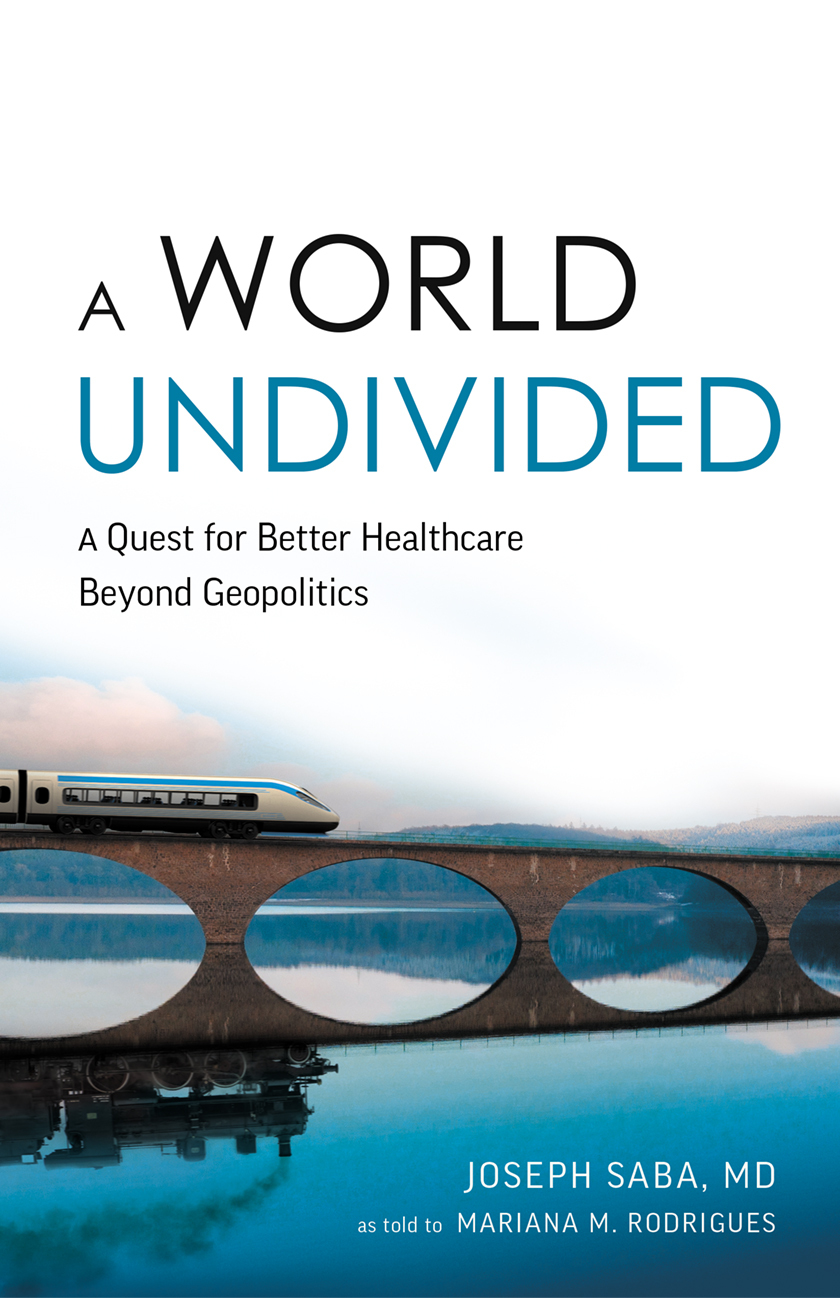
[0:00:37] HA: Are we ready for the next global health threat? COVID-19 opened the world’s eyes to the inefficiencies of our global healthcare system and it’s on us to change what happens next. Welcome back to the Author Hour Podcast. I’m your host Hussein Al-Baiaty and I’m joined by Dr. Joseph Saba, who is here today to talk about his new book titled, A World Undivided: A Quest for Better Healthcare Beyond Geopolitics. Let’s get into it. Hello everyone and welcome back to the show. I am here with my friend, Dr. Joseph Saba. I’m super excited because his new book is absolutely remarkable but even more so, the story in which the book came about, the story’s intense. Dr. Joseph, thank you so much for joining me. I’m also joined here with Mariana, who is, I believe like you know, we say ghostwriter at Scribe but they’re really the… I would call them, the spirit writers. The ones that really help our visions come to life and articulate our words in a way that engages the readers in a profound way that keeps them, you know, engaged in the reading and in the stories and so again, Mariana, thank you for joining me today as well. I’m really excited. Thank you, guys, for your time.
[0:01:52] Joseph Saba: Thank you.
[0:01:53] HA: Yeah. So Joseph, I’d like to give our listeners a little bit of a personal background just to kind of you know, set the stage if you will. I always like sharing past history of our authors when they come on the show but I kind of want to tell the people, without getting too into the weeds, just a little bit about your background, sort of where you were born, where you grew up and perhaps one or two people that inspired you on your path that you’re on today.
[0:02:21] Joseph Saba: Sure. I am a medical doctor by training. I a9m originally from Lebanon and that’s where I did my medical studies, then I went to France to specialize, stayed in France so I got also the French nationality. Then went to the World Health Organization, worked quite a bit on public health after being in infectious disease and practicing at the hospital, I started moving into the HIV world and this is where NW2, I work a quiet a bit on research related to HIV. And as this research started coming to fruition, I felt compelled to actually make sure that the people got this treatment of HIV that during the HIV from deadly disease to a chronic disease but people had to access these treatment and that is where my career and life related to access to medicine started.
[0:03:22] HA: Yeah. That’s really powerful. However, reading throughout your book, there’s an exponentially really powerful story that led you on this path. Can you tell us a little bit more about that personal story of growing up during the Lebanese civil war that shaped your perspective and healthcare in life? I think that is a profoundly story that you open the book up with that I just you know, immediately gravitated towards because you know, I felt like when I opened my eyes in Iraq, I found myself in you know, several different types of wars, really but having come out of that, I learned a lot but I want to know a little bit about that transition of your life, you know, in your teenage years there’s this civil war happening but it really shaped things out for you.
[0:04:06] Joseph Saba: Of course. I mean, the war has completely changed the way you know, you see life and when you’re like 14, just a teenager playing like everybody else and suddenly, you have to become an adult, you have to take care of many things that were not on your mind or on your radar before and as I did medicine, I started also taking care of patients but also taking care of wounded soldiers and wounded people and that also has shaped the way I look to life and figuring out how I can help these people.
[0:04:45] HA: Yeah, that’s so powerful. So how would you say the war affected the healthcare system in Lebanon and what challenges did you see in providing healthcare to the citizens during that war? Because I mean, let’s be honest, you’re again, you know, a teenager, you’re very untrained however you were doing things that you do what you could, right? Especially like in the case of you know, getting basically electrician training where you were just trying to connect homes back to being… having electricity. The simple things we take for granted in life, you know? And seeing the other side of that. Can you talk a little bit about, you know, how you started seeing yourself really wanting to go into the healthcare system further from that experience?
[0:05:26] Joseph Saba: Yes, I mean, you start as I said, these are things you don’t think about on the day-to-day. You don’t think about how you get electricity, how you get your water, what you do if you don’t have a fridge, how do you eat, actually when you don’t have fridge and these, when you’re 15, you have then, I had to deal with these aspects like go get water in the well, you know, like in the old civilizations I would say. You don’t have electricity, so you don’t have fridge. So how do you eat, how do you cook, how do you preserve your stuff and then you need to learn electricity so I could connect because we only had six hours of electricity, so I had to connect to another district with a long wire to make sure that we got maybe 12 hours because with six hours, you don’t have enough to run fridge, with 12 you could approximately do it. So all these, when you are a teenager, you don’t think about it and that makes you grow. Now, as I got into the healthcare system, the healthcare system in Lebanon was functioning pretty well but… and we had very good physicians, we have good hospitals but you know, when you receive 50 people because there was a huge explosion, 50 people in the emergency room, you look around and we’re three, physicians and we had some senior physicians who came and went to the operating rooms, you feel completely overwhelmed and helpless as much, you could help some people but how can I help 50 people at a time, you know? So these were all the experiences in life that makes you mature much earlier than your age actually.
[0:07:11] HA: Yes, I can certainly relate to that. I mean, I showed up at a refugee camp about five years old and by the time we left, I was about nine and you know, it was a desert refugee camp and again, you’re disconnected from everything. We had to walk miles for water, you know, so, for me, as I was reading and really indulging myself in your story, you know, I found pieces of me. I found pieces of my older brothers. I found pieces of my mother and father in your story and you know, I just got to commend you for continuing on that path to seeking ways to help people, and really looking at starting to pull back and looking at the healthcare system from you know, a higher perspective but I know like, you know, sharing our stories, especially in this depth, right? Because I understand that the Lebanese civil war went on for years. So that’s a huge impact, it’s very traumatizing. So how did you then, you know, you mentioned in your book that you had a glimpse of hope but when the country, you know, finally was able to elect a president democratically but then was sadly, you know, assassinated before he could take even office, right? So can you tell us a little bit about your thoughts on the role of politics and healthcare and how that affects the healthcare system in general?
[0:08:25] Joseph Saba: Well, I mean, it affected the whole system. From the beginning and you know, with all my story with the war, the fact that you mature, I always looked for solutions, you know? I wasn’t… I don’t get stuck with the problem, I find solutions and with the war, with that glimpse of hope that you talked about and then the assassination of the kid president-elect, you know, and all what happened after that, I felt that I can’t find solutions. I mean, this problem is going to last and I am here sitting helpless and that’s what took me to France, you know? To finish my specialty but I wanted to do more, I wanted to be able to find more solutions to the healthcare system. I mean, and that’s what really drove me to go to France, to stay in France and then to continue my career to go to the World Health Organization to improve their healthcare system because you know, I chose to be in healthcare.
[0:09:26] HA: Wow and what a profound move, right? Because here you are, working very sort of, very community oriented and you’re trying to do as much as you can but you realize that the problem is way bigger than even you can comprehend in that moment and in order to really sort of level up your thinking on how to better solve these issues is to level up not just thinking but your surroundings, right? So, you move, you study further, you joined the World Health Organization, which has I’m sure, an immense, probably an infinite amount of issues that they have to grapple with but your expertise leads you to a place where you can start to figure out ways where you can sort of geopolitically figure out ways where you can sort of geopolitically figure out this healthcare system in a way. But Mariana, I want to turn the conversation to you a little bit because here you are, you know, you’re meeting with Joseph and you’re hearing this immense story that I’m sure is profoundly impacting you but can you tell me a little bit about, you know, yourself and how you came to work with joseph? Oh wow. Payback. Right. That’s so powerful. I love that you know, this idea of when we share our experiences, you know, especially with stories around war and sadly, trauma and the things that we, the decisions we have to make in those times in moments, really like it’s one of those things where you think it only matters in that moment in time. However, those decisions really transcend time and impact who you become. Like for me, I become, especially in the last like, I would say, 10 years, even through college, I studied architecture but my goal was to figure out ways how we can create, you know, not just refugee camps but states and countries where people who become refugees, there is a safe haven for them already predestined that then goes and puts them into countries and places that are welcoming. You know, those like, I was thinking not just of like housing or tents. I was thinking of ways to globally impact this effect that sadly, when you become a byproduct of war and so but that obviously, that thinking is deeply embedded. I may not have known it then because don’t think I was you know, that much more aware. You know, you don’t realize how much of your decisions as you get older are really embedded in those times. Where you had to decide to put other people ahead of yourself, you had to put yourself in danger in order to save someone or help someone or bring them water or like you, Joseph, going up on a telephone pole at 15, 16 and connecting electricity and you barely know this stuff, which is just, again, these decisions that we make to serve our communities, which then lead to serving our global citizens in a very unique way. I just genuinely appreciate that. I just want to send that to you as a message but you suggested in your book that you know, you have a more of a human approach and that is what is needed to address this global health issues. Can you expand on this and give us examples of how this approach can be implemented in healthcare delivery today, Joseph?
[0:15:18] Joseph Saba: Absolutely and just to add to what you mentioned is that as you said, what happens, your experience and my experience in the world certainly shaped the way I think and who I am but this was buried very deep inside and actually, talking to Mariana about all these aspects was like a psycho analysis.
[0:15:39] HA: Yes.
[0:15:39] Joseph Saba: It’s like it brings it back to you and you feel how powerful it is and how it has really shaped your point and that human side related to healthcare is very focused on the patients. In the end, we are in healthcare there to find solutions for our patients. It’s not about the hospital organization of health or FDA or whatever. It is about finding solution to the patients and that has been my way forward because I was, I would say, trained and I lived in a situation where there was no infrastructure, where there was you know, no regulation, no government and then had to figure out a way to help people and that’s what I did actually, through my career in healthcare and focusing on the patients and some of these stories that also came back was very buried. Starting with Pascal story to whom I dedicated this book, who was my first patient with HIV who ended up unfortunately passing away after several years but who taught me also many things related to how the patient feel, how that doctor-patient relationship it could evolve and it was also powerful message that led also my career ever since. I always think when I think about system or think about program or how do we get medicines to people, first like, where are the people? How can I reach them, how can I get the treatment to them. I try to find the solution, I don’t hide behind like, the system or the regulation. I try to see what is the most effective way and that actually leads to what we call innovation but it’s basic consent, you know? It’s how you do, you get the treatment to the patient. It looks simple but we are not doing that to the extent that we can in healthcare today. Healthcare today is stuck in an antiquated system that doesn’t seem to be working. Medicine is very advanced but the healthcare system to deliver the medicine to the patient is stuck behind and it’s pretty antiquated and we saw that in the COVID pandemic and I am talking about it in the book as well.
[0:18:05] HA: Yeah, that’s so powerful. I think, you know, for me, I have this like mentality that creativity is not just you know, pulling two or three or four things together and not only just having powerful minds sitting around the table together but it is really thinking of ways that go against what we normally have established as a system, right? It’s like, “Well, if it’s been established this way, where can we actually not think like that anymore and think holistically, differently?” You know, we have so much new technology like for example I was just watching, I don’t know if it was a documentary or something that I just watched like maybe two weeks ago and it was about this company in Africa that delivers much needed medicine and blood and maybe you’ve heard of this already and heck, you maybe have implemented it in some way with drones and they have this beautiful system because of all these villages that were, you know, obviously hard to reach via cars and all those things. You know, just thinking like that is so powerful, you know? I think about wild fires and I’m like, “Why don’t we have drones take those things out and why don’t we?” you know? But it’s that kind of thinking that I really believe starts to shape what we are actually able to do instead of saying, “No, we can’t do that because oh, there’s a policy around that or there’s a law around that” and it’s like that’s fine. I get that but let’s develop this thing, introduce it in a way that can take that law or policy and shape shift it that can again, bring us into the new modern day because we can’t have all of these new technology and use it for warfare. We need to use this technology for healthcare, right? It just makes sense how you start to implement these things.
[0:19:57] Joseph Saba: Absolutely, you can’t hide behind like the policy or of the law. You just have to adapt to the changing patient’s needs and patient’s needs are changing, you know? We have growing population, we have patients with many new chronic diseases and we have digitally revolution on the other side and we’re not using it. I mean, to be able to deliver that and that has had a tremendous consequences in the COVID pandemic because we couldn’t reach these patients. We didn’t know how to reach them. We reach our patients because we put the system in place in our programs but that in the world that wasn’t like a common feature and inevitably, we had to look down. So there are many changes that are needed based on common sense as you mentioned that I don’t know the healthcare seems to be resisting.
[0:22:20] HA: Yeah, so powerful. Joseph, what inspired you to write this book specifically about this topic and who are you trying to reach specifically with your message? Because it is a really powerful and much needed message to the honest with you but who are you trying to reach specifically would you say?
[0:22:37] Joseph Saba: Well, this book is not a specialized book only for healthcare professional. It is a book that is meant for everybody and that people need to become conscious that everybody has to actually change the healthcare system. It’s not specialized matter as many pretend and I had the idea to write the book, I would say it was in 2019 when we spoke the first time about it but actually, it was in 2020 that we wrote it and that was really in the heart of the pandemic. When I saw how the world reacted to the pandemic and how antiquated the system was, which is what we knew but how, the consequences of that on the population whether it comes from lockdown, the inability to reach the people who are vulnerable to COVID, you know, we knew that people with chronic diseases, people who are diabetic, people who were obese were very vulnerable and the elderly of course, had the highest likelihood of mortality related to COVID yet we didn’t know where they are, you know? I mean, these are patients that go to the hospital, that go to doctors we can reach out to them and protect them, make sure that they get their medication. None of these happened, not even not in the US, not in France and many of these people didn’t get their medication and actually some people died from their chronic diseases rather than from COVID because of that situation. So that prompt me to actually look at the book as we need to globalize healthcare. I mean, this is not narrow focus so I need to come with this, show the solutions that we are proposing to make sure that this go there. So it moves from just talking about access to medicine to transforming the healthcare system because our quest for access to medicine help us see the gaps in the healthcare system and say, “Okay, well now, we need to fill it.” But this will not come from the healthcare professionals. People were afraid to intervene, they say, “No, we need to give it to the professionals” of course, there are professionals related to medicine, to relate to healthcare but in the end, asking a simple question, “Where are the patients, how can I reach them?” this could be everybody who can work on it, not only the healthcare professionals and that is the purpose of this book is to make sure that everybody is conscious about the limitations and that it’s not only the healthcare professional that can solve the problem, everybody can solve that problem.
[0:25:29] HA: Yeah, that is so powerful. I can’t agree with you more. I remember my dad always telling me and my mother as well like, you know, the most important thing in this world is Saha, which is you know health.
[0:25:41] Joseph Saba: Yes.
[0:25:41] HA: My dad said, if you have health you have a taj, taj means the crown. It’s like when you put your health first, you are wearing your crown. I always try to remember that as often as I can especially, you know, keeping up with my own physical health and my own mental health of course, which is a whole new world that we have finally really started tapping into with the information age in the last 10, 15 years. Which opened up so many doors and so many opportunities for people to start addressing mental health because mental health, let’s be honest, if you’re a mentally healthy person, you would not wage war on another country, right? Or anyone of any race or religious orientation or anything like that but the way you describe health and the way you know, you have – you are so inspired from such a young age to bring this idea of globalization of how we should approach and really give advice on how we should approach this world and how to actually reach our people and our patients is so big. I am so grateful that you took this journey of really again, right? Because the more we want to do, the more we got to work on our self, right? So you put yourself not only in danger but you also put yourself in positions to really grow that aspect of yourself, I just appreciate that. What was your favorite part of pulling your book together and what did you learn from all of this? This is for both of you, Joseph and Mariana.
[0:27:10] Joseph Saba: Yeah, I think we both may have good answers that are different actually but…
[0:27:16] HA: Yeah.
[0:27:16] Joseph Saba: I learned a lot because there were many things that were buried that maybe conditioned some of my behavior, some of my thoughts but they came to light and actually, I am even more passionate after writing this book than before, you know? It is about being convinced that improving or adapting the healthcare system and healthcare to the changing reality and the new reality is not a matter of professions, it’s everybody’s matter because as you said, it’s our health. It is what the most important things that we need and it is our problem but also, we can change the solution that healthcare is not only about the hospital and about the physicians and about the professional, it is about how to reach the patients, how to make them feel good about their diseases, how to make them make sure that they get their treatment and be able to continue connect with the patients. You know, the banking system and the book led me think and look at the banking system. Now, you do your banks on your mobile phone. You purchase on Amazon, trading is all interconnected, it’s globalized. Healthcare has not been globalized, it is way lagging behind and it is not working. We’re not connected to these patients and we can. Google knows where you are, we don’t know where our patients are when they leave the hospital.
[0:28:57] HA: Right.
[0:28:58] Joseph Saba: I mean, come on, it is 2023 and we have to do that and that was extremely detrimental in the COVID pandemic. If we are serious about responding and being ready for the next global threat, we have to globalize the response and globalize healthcare, you know? Global threat needs a global response, you can’t just go like close your boarders and say, “No, it’s a local matter.” I mean, it’s not even close the boarders, you have as many COVID policies as you had countries and even more because in the given country people say, “No, it’s a district responsibility” but it is a global threat. COVID killed people the same way everywhere in the world. Why don’t we have a common response the way we did it in HIV? I am illustrating through all these personal stories and personal experience how we responded to HIV as a global community in one voice versus fragmented inefficient response to COVID.
[0:30:06] HA: You truly define unity in your approach, which I love so much.
[0:30:11] Joseph Saba: So I am even more excited now than I was before writing the book but I am sure Mariana has also other perspectives.
[0:32:19] HA: Yeah, so powerful. I feel like you two were the perfect alignment of bringing this project forward because I just feel that the ideas behind, you know, when we talk about healthcare, you know it is something people like, “Oh” like dread. You know, it’s like doing taxes, right? It’s like they just don’t want to deal with it, you just want someone else to deal with it and it’s one of those things you’re absolutely right Joseph. You said this earlier like everything else has been more or less globalized like trading, the banking system, all these systems that we use on a regular basis but the one thing I don’t have an app for is my general health, my general access to – which is changing obviously. It is changing in a way. I’ve talked to several different people in your position in the healthcare world and they are driving that change and it’s ever slow of course because there is so much restrictive policy in the healthcare world. Because we all know that, you know, big pharma owns a lot of things even own how we see them, right? The perspective and so once we break these barriers down, these walls and these boundaries down and start to realize that we’re all humans living on this beautiful planet and that we need to maintain our self and maintain the planet and that all relates to health is such a big topic. I am grateful that you came together to bring it forward. Joseph, Mariana, thank you for sharing your stories and experiences with our audience today. As far as I’m concerned, I’m always learning and I am grateful that I got to speak with you today. The book is called, A World Undivided: A Quest for Better Healthcare beyond Geopolitics. Besides checking out the book, where can people find you Joseph and Mariana, whether it be LinkedIn or your website, where can people find you? Beautiful. Well, thanks again so much for coming on the show today. This is Author Hour, I appreciate you two so, so much. Have a wonderful day.
[0:34:22] Joseph Saba: Thank you. Thank you for having us.
[0:34:25] HA: Thanks for joining us for this episode of Author Hour. You can find, A World Undivided: A Quest for Better Healthcare beyond Geopolitics, right now on Amazon. For more Author Hour episodes, subscribe to this podcast on your favorite subscription service. Thanks for joining us, we’ll see you next time. Same place, different author.
Want to Write Your Own Book?
Scribe has helped over 2,000 authors turn their expertise into published books.
Schedule a Free Consult