Sean Mcdade: Listen or Die
Read the full transcript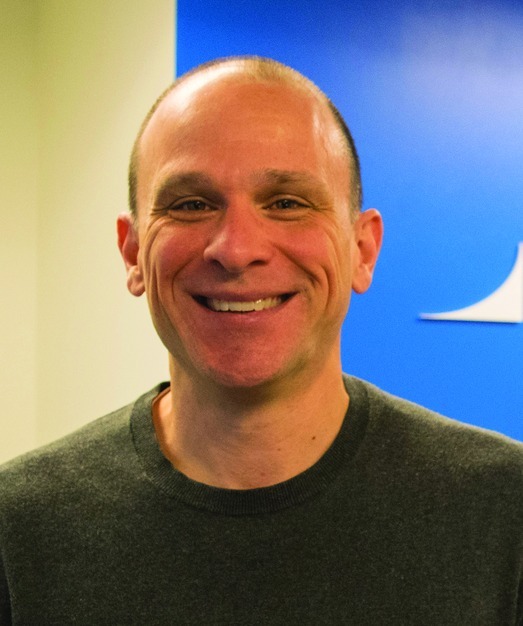
Sean Mcdade
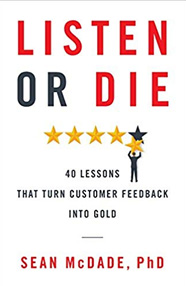
Sean McDade has been helping companies optimize customer experiences for over twenty years. An angel investor in the Philadelphia region, he is also the founder, CEO, and visionary of PeopleMetrics, a leading provider of experience management software and advisory services. Sean has worked with leading pharmaceutical and biotechnology companies including AstraZeneca, Sanofi, and Novartis. His first book, Listen or Die: 40 Lessons That Turn Customer Feedback into Gold, was an instant Amazon bestseller.
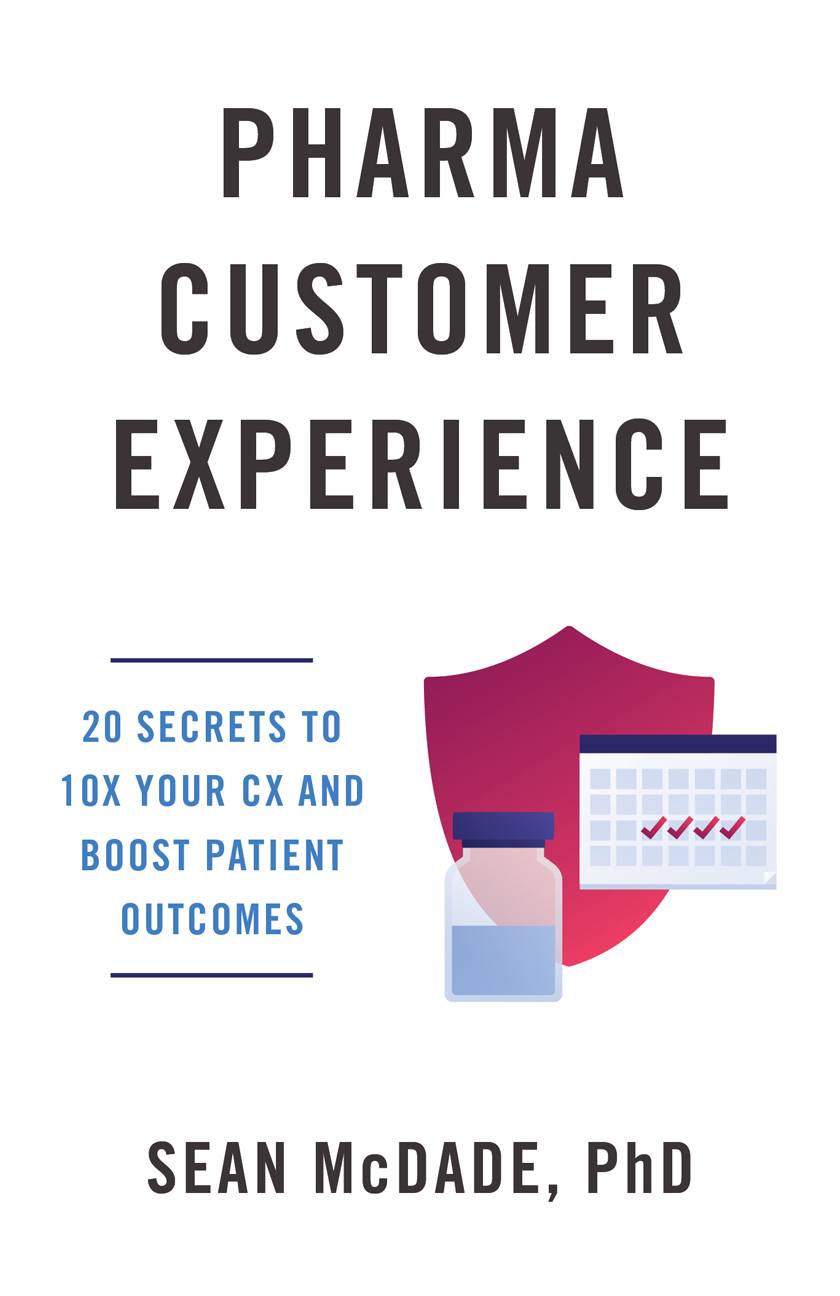
📚 Books by Sean Mcdade
Transcript
[0:00:46] Charlie Hoehn: You’re listening to Author Hour, enlightening conversations about books with the authors who wrote them. I’m Charlie Hoehn. Today’s episode is with Sean McDade, author of Listen or Die. If you don’t deliver an exceptional experience to your customer that make them want to shout your name from the rooftops, you might die. I mean this, companies are faced with the choice to either listen to their customers and thrive or eventually die. We’re in this world now, dominated by social media where our customer’s voices are broadcast louder and wider than ever before. No matter what industry you’re in, you need to listen. In this episode, I talk with Sean McDade a customer experience expert with more than 20 years of experience. You’ll get advice on every step of the process so you’ll know how to turn customer feedback into gold and actually deliver a clear ROI to your company. By the end of this episode, you’ll know how to develop a competitive edge just by managing your customer experience to drive real impactful business results. Now, here is our conversation with Sean McDade.
[0:02:23] Sean Mcdade: I’ve always been in the world of market research where we’re reaching out to customers to ask them questions and when I first started my company, there was a client who is doing that, you know, on a periodic basis, maybe once a year they would survey their customers and ask them what was going on, how they feel, but they are really struggling because they kept losing customers, right? Every year, they said, year over year, they kept losing more customers. You know, I would work with them and do our survey once a year but we weren’t really a bit able to help them more than say “Hey, you know what? Service isn’t great and you know, your call center has to get a little bit better and you know,” they would take these recommendations but they really struggled with putting them into place. What I realized is that companies like this needed more, they needed to listen a lot more regularly than once a year or ounce every two years. We started to work with them to identify where were they really falling down with their customers. It turned out when it was when they actually visited their – let’s call them their store location. It really broke down there and customers would not come back often after visiting their store. And what we did is we identified, we called that touch point and started to measure it regularly. Basically, after every customer visited their store, we would send out a survey, asking, you know, how was it, what did you like, was there a problem? The book really was born out of the lessons that came out of working with this customer and helping them really save their business and helping them not only reduce churn but turn it into net positive loyalty. Meaning, they have more customers year over year than they lose. I think that’s obviously the goal of every business is to not only reduce the customers they lose but gain more of them.
[0:04:20] Charlie Hoehn: That’s excellent. What were some of the insights that you had with the client that after you started serving more regularly, what became more apparent and how come it was much easier for them to make the changes necessary?
[0:04:37] Sean Mcdade: You know, it was like the big revelation and we talk about this in the book. It is when you’re listening to customers, it’s not good enough to just listen and tally up the results and figure out 25% of our customers are dissatisfied, what are we going to do? What we actually did is every time a customer had a poor experience and they were, say, dissatisfied or revealed a problem. We alerted that company, our client to that problem for that customer. We helped them create a process for they would follow up with that customer, we call it ‘close the loop’ but basically it’s make it right. What happened was, because they had hundreds of locations, this is a responsibility that went throughout the organizations. Every single one of these locations had a - we call them a general manager who got these alerts every day on specific problems, customers had the day before. They were responsible for following up and figuring out how to make it right. That changed the entire organization in terms of what we call being customer centric or customer focused. It dramatically changed their profile and future.
[0:05:53] Charlie Hoehn: Wow, how long ago was that by the way?
[0:05:56] Sean Mcdade: It was a while ago now, it’s about 10 years ago and that’s when you know, the world started to change Charlie, we have this in the book, market research became something that wasn’t – it just wasn’t enough to understand how to truly create a company that puts the customer first every day, across the entire organization. Meaning, the people who serve customers get the information from that customer on their experience. So they understand it and can react to it. Rather, market research, what happened was you would survey all the customers and then two people would read the results of this, of the study, right?
[0:06:40] Charlie Hoehn: Right. Basically, do nothing with it because it was overwhelming.
[0:06:45] Sean Mcdade: Correct. They frankly didn’t have the power to make many changes, they were just more, you know, gathering information and understanding where what we were doing with – what this has really turned into Charlie is software, the power of software to distribute this customer feedback across you know, every operator at an organization makes it really powerful. That’s what this book talks a lot about that companies are leaving money on the table because they’re not properly creating an organization to not only listen to customers but to act on their feedback and make change.
[0:07:25] Charlie Hoehn: Right, your book, Listen or Die, the subtitle is 40 Lessons That Turn Customer Feedback Into Gold. You’ve been helping companies make their customer experiences better for over 20 years. So I’m curious, if you had to impart one big idea on the audience and maybe we’ve already touched upon it but what would that be, what would you pick?
[0:07:53] Sean Mcdade: Yeah, I mean, I think it’s what I just said but I can have a second one, I think it’s the first one is, if you’re not regularly listening to customers and then giving that – and providing that feedback to your people who are interacting with customers every day then you're not really a customer focused or customer centric organization. You know, a lot of people talk about, “Well, we’re definitely customer centric,” and I make the point in the book that who says they’re not customer centric? What organization is saying, “You know what? I don’t care about customers and you know, we’re just going to do what we want,” and whatever, right? How many companies are really walking the talk on that?
[0:08:34] Charlie Hoehn: Yeah, what does it really mean? What does it mean to be customer centric, what does it look like?
[0:08:40] Sean Mcdade: In my opinion, it begins with listening to customers at key touch points where if the experience went wrong a that point in time, you would lose that customer or that customer would go on to social media and share their poor experience with millions of people and create huge risk to your organization. One point of advice I can give everybody, every organization has customers and every organization has what we call touch points with the customer and a touch point is simply – how do you interact with a customer? Do you have a website, well that’s a touch point? Do you have a store, well that’s an in-person touch point, do you have a contact center or a call center? That’s another touch point. You have all of these touch points. What is the touch point and specific area within that experience that if you get it wrong, you will lose that customer. And I can give you some examples from our clients. We have clients with field service organizations. Meaning, organizations that go on to the home, to either install something or repair something. You can think of telecommunications companies, cable companies, you know, security, alarm companies, they all do that, right?
[0:09:53] Charlie Hoehn: Yeah, these companies are notorious, often, for having bad service, right? Because well, not all of them of course but generally speaking, like a cable company will be like, “Yeah, we’ll be there between the hours of nine and three.” It’s like, already, I’m annoyed.
[0:10:12] Sean Mcdade: Correct. If that is the – for those companies, we’re finding is the repair touch point is even the most - install is important but repair is even more important. If you’re not getting that repair experience correct, you’re probably going to have a problem with that customer. That’s the one that you should measure every time and if it’s not right, make sure you have a process to follow up with those people, those customers who had a problem to make sure that they feel good about the experience. Here’s the thing Charlie, customers know that companies aren’t perfect, they know that they mess up at times but what they can’t forgive is when a company messes up, asks them for their feedback about it and then does nothing about that. But, if you have a great chance to recover customers, if you do follow up with them and say, “Listen, we understand it wasn’t a great experience for you, let me understand what happened to make sure we’re clear on the same page and this is what we’re going to do about it.” That’s extremely powerful, just creating what we call a closed loop process to follow up on individual customer experiences based on their feedback, to make them feel special and valued, that’s a huge number one piece of advice I can give, every company, big or small.
[0:11:31] Charlie Hoehn: Yeah, I just wrote that down. You know, I actually surveyed my email list two days ago and I realized, I haven’t followed up with all of them so creating that close loop is huge, just acknowledging that you heard them and that something is going to be done. That’s really good. Were you going to say something else?
[0:11:50] Sean Mcdade: There is a second part to this that is even more powerful that I want to share. When you have people following up with these customers and making it right, one of the things that I can highly recommend is when you’re having that conversation with a customer, identify what the root cause of that problem was or that poor experience was. In our repair example and you’ve already brought this up Charlie, right? You said, there’s sometimes there’s these huge windows to even have the appointment and so the one root cause could be inconvenience of appointment. Second could be that the technician was demeanor was rude or they weren’t knowledgeable. The third one could be the repair basically wasn’t effective. The fourth one could be, they tracked dirt up and down my – you know, they just weren’t clean and neat and tidy, right? What happens is you create these big categories that you start hearing from customers again and again and each one of these, what we call alerts that gets generated when there’s a poor experience, you can have your people tag one of the root cause of that alert and then you can start looking and thinking, okay, what’s really wrong with our process? Then you fix that and why would you do that? Well, you can prevent a lot of poor experiences in the future if you can identify that one deep root cause that’s creating a lot of poor experiences. That’s when you really have leverage. You know, always follow up on every individual poor experience, no doubt, that will give you huge benefits. Identifying why those experiences are happening again and again. Then you’re really striking gold.
[0:13:38] Charlie Hoehn: You have a section in your book that says, B to B and B to C are completely different. How are they completely different?
[0:13:46] Sean Mcdade: Yeah, we have clients that both go from B to C, meaning, business to consumers, our clients are companies that serve consumers and the tend to be a lot more of them, right? If you have a hotel chain for instance, you’re dealing with hundreds of thousands if not millions of customers a year, right? They’re coming through over and over again. Where if you have a B to B business. Let’s say your account sending firm, you know, you might have a thousand clients, right? That’s all you need or all you have, right? The fact is, when you have a B to C situation, you might not be able to follow up, Charlie, with every single poor experience, right? It’s almost impossible if you have that kind of volume. You have to start to choose and understand what poor experiences you're even going to follow up to begin with. We have something called customer lifetime value that we introduce in the book and you know, this simple example on this is airlines who have different loyalty levels, they do that because they figured out that flyers that fly with them a lot tend to do so over many years so they treat them a lot better. If you’re an airline, you would want to follow up on a poor experience from your top grade flyers, right? American has Executive Platinum I guess, right? Those would be the first ones and then you would go down to platinum and then gold and then finally, those who aren’t flying you as often as a prioritization on when to follow up. Whereas a B to B situation that I just talked about, any one of your clients are probably paying you, you know, very high levels so you would want to follow up with all of them because you first of all, you can, second of all, it makes a lot of sense. Yeah, they’re just very different animals but the experience of their customer and client are still really important.
[0:15:44] Charlie Hoehn: You know, with a good idea like this of following up with the people that you serve, serving them and closing the loop when they have issues, it’s tempting to want to just dive right in and just say, hey, we got to start doing this. I take it that’s probably not the best place to start. How do we begin this process?
[0:16:05] Sean Mcdade: Yeah, I think it all depends on where you are and I wrote this as a chapter in the book. If you’ve never reached out to customers at all, right? You’re just like starting out, we highly recommend you start with what we call a relationship survey and that’s just simply going out to every single customer that you currently have that’s active. And asking them a few things, one being that promoter score which is something a lot of companies use these days to evaluate their relationship with customers and it’s simply a question that asks, how likely are you to recommend the company to friends or family or a colleague. It’s on a zero to 10 scale. They have a nice little easy calculation so if you are a nine or a 10 on that scale Charlie, you’re a promoter, if you are a seven or eight year, considered a passive and if you’re a zero to six, you’re a detractor. What the net promoter score means is you simply subtract your detractors from promoters and you have a score that you can track and follow to see what the strength of your relationship is with your customers. You ignore the passives in that equation. You can get a sense very easily, very quickly on hey, what’s my promoter score with my customers, you can ask them, why it is that the score it is, you can get you know, unstructured, we call it feedback, you know, open ended type feedback on why their net promoter score is what it is and you can do some deep dives on certain areas of your company depending on what you are. If you’re a retail bank, you can ask about the in store experience, you can ask about the contact center when they call in, you can ask about ATMs, you can ask about you know, different services the bank provides like loans or anything like that and o just a really good deep dive on the overall experience and that’s always where we would start if you don’t have anything going on. That’s really valuable.
[0:18:01] Charlie Hoehn: Yeah, the beauty of the NPS is just by asking that question, you actually increase the odds that that person is going to recommend it, right? Because it plants the seed. It does and you know, if they wouldn’t recommend you, you start to understand why because every good NPS survey has a why right after it, right? You’re going to start to understand, what are the common themes that my detractors are talking about? You can start to understand sort of where your weak points are and where you know, your strengths are and this would ideally lend a path right to what we call a transactional voice of the customer program which is what I’ve been talking about in this podcast. Where you are saying, “Okay, we’re going to do this more than once a year or once in a while, we’re going to focus in on some touch point and as soon as that touch point ends, we’re going to be reaching out to our customer and asking them how it went,” right? That’s where you get, I think the real power of customer listening.
[0:19:04] Sean Mcdade: Are there any companies that it doesn’t make sense for them to survey?
[0:19:10] Charlie Hoehn: Yeah, you know, I guess if you have a monopoly, you might not care but you know, I think monopolies are being broken up all the time by markets fortunately, right? Even the cable companies are being encroached by the Netflix of the world and the cord cutter, right? I can’t really think of an industry where you shouldn’t listen to customers. I guess if you just have one customer or you’re very small and you don’t need to formally survey them but you still should listen to them, right? You still should have a process where you're understanding how they’re feeling about the experience they’re having and making sure that that’s an unbiased way to get the feedback. That’s the thing Charlie, the problem that a lot of smaller companies have and I have a lot of entrepreneurs that are friends that tell me, well I already know what my customers think. I’m like, well, you think you know because you’re talking to them but are they saying the same thing if an anonymous - like if a survey came out to them and they weren’t staring at you or one of your people, are you sure? Why wouldn’t you just do that just to make sure? Author Hour is sponsored by Book in a Box. For anyone who has a great idea for a book but doesn’t have the time or patience to sit down and type it out, Book in a Box has created a new way to help you painlessly publish your book. Instead of sitting at a computer and typing for a year, hoping everything works out, Book in a Box takes you through a structured interview process that gets your ideas out of your head and into a book in just a few months. To learn more, head over to bookinabox.com and fill out the form at the bottom of the page. Don’t let another year go by where you put off writing your book. So Sean, tell me about how we build a great survey then, because that anonymous point I think that you brought up is a good one which is for instance in surveys I’ve done, I have asked for their name, email and stuff, I don’t always make it required in case they want to be anonymous. So how do we build a great survey?
[0:21:18] Sean Mcdade: Yeah, so let me talk a little bit about that. Back in the day, the anonymity was really important with market research and in fact, it was a part of decree that you have to actually sign an oath when you become part of a market research to a global organization called CASRO that you would always respect the anonymity of the respondent, right? But that has really gone away in a lot of cases and I think it is because of social media. Like people are now telling everybody what they had for lunch and everything is shared and they make their opinions known and they know that if they don’t provide their information that there’s no follow up that’s possible. So customers understand that. Now they all should be able to have the right to opt out of anything and make it anonymous and the good providers, the good solution providers in this space of course allow them to do that. But I think my point before wasn’t maybe anonymous wasn’t the right word. It was a free way to provide feedback that isn’t uncomfortable for them, right? That is what I am really saying when entrepreneurs think that, “You know, I understand my customers because I am seeing them all the time”, they might not be comfortable even providing that kind of feedback to that entrepreneur or that leader and giving a survey is a safer place to do that, so yeah.
[0:22:32] Charlie Hoehn: So I am thinking now, if I am a business owner and I am catering to pretty high profile clients let’s say, wealthy clients I am thinking, “Gosh, I don’t want to survey them so much that that is - I mean the survey itself is a touch point and I don’t want to irritate my customers or put them off or come across as maybe even a little low status.” Like what do you say to those business owners?
[0:22:58] Sean Mcdade: Yeah, totally. We have worked with very high profile clients who deal with high end individuals and there is a couple of things I would say. One is you never want to over survey anyone. So we have what we call month rule typically in place and that is just a name of a process that we have to make sure that no one customer doesn’t get surveyed more than once say, usually it’s once a month. But you could have once a quarter, you could have once every six months, once every year right? So you could make it really selective the amounts of times you reach out. The other way you can do it is make it really an exclusive experience so we’ve had clients where we don’t email the survey to their email. We will send a very nice handwritten couriered package to them talking about how important their experience is and then providing a short URL to provide the feedback. So there’s ways that you can make it a higher end experience too but I think trying the surveys themselves, I think people are being socialized with them and I think even the highest end clients are appreciative of the opportunity to provide the feedback and as long as that survey isn’t too long –
[0:24:12] Charlie Hoehn: What’s too long?
[0:24:14] Sean Mcdade: For what we call it for a transactional survey it shouldn’t be more than two to three minutes at the most for one of those bigger relationship surveys that I mentioned earlier, they can be a little longer like five, 10 minutes because you are getting it to more deep dive issues.
[0:24:30] Charlie Hoehn: And I take it the platform matters in which you survey them too and in terms of user friendliness and good design and everything, so for instance I’ll give you a personal example. I found that when I divided a survey up into four pages rather than one long page and it took two minutes either way but I divided it up so that it would only show a little question on each page. I found that one divided into four pages performed much worse than the one that was one long page, which really surprised me. So what are some things to look out for in user friendliness to ensure people actually enjoy the process of filling out the survey?
[0:25:15] Sean Mcdade: Yeah, I have a lesson in the book around survey health and for someone who’s running one of these voice of customer programs for a company, if they survey health isn’t good that’s probably putting their job in jeopardy and I really believe that and there’s a few ways to make a survey a much more pleasant experience than it usually is for the customer or the responder. One is, always put the first question of your survey directly in the email itself. So that gets people going. It is like the analogy I used in the book is it’s like going to the gym, right? Nobody, very few people like that but once you get on the treadmill or whatever, you are not just going to leave typically after a minute. So what that does is it gives them say the net promote score question embedded into the email. They click on one of the buttons and it goes directly to the next question in the survey and it flows them through really quickly. The other thing that I would say based on your question is customers have to know how long this thing is going to take. So you have to have some sort of accurate gauge to show them how much progress they’re making throughout that survey and the reason why people like one page surveys is that they know when it ends. They don’t know when they’re going from page to page. So it is really important that you communicate in that email invitation that it is only going to take one to two minutes. And the reason why you do want to have multiple pages is on mobile, it is a much better experience too. So in general I would recommend that as long as you have a good kind of gauge on how long it’s taking and the customer understands that because on a mobile device, one long page is not a great experience.
[0:27:05] Charlie Hoehn: Got it, that’s brilliant by the way putting the question in the email. I love that. Now this podcast is called Author Hour, a lot of authors on the show. They care about Amazon reviews and you talk about social reviews in the book. In other words public surveys. So what do we need to know about those?
[0:27:25] Sean Mcdade: If your industry does include customers who do go online to provide reviews, it is your most important survey. It is a public survey essentially. Amazon reviews, Trip Advisor, Yelp, Google reviews, anywhere where somebody could put what we would call a structured online review meaning you’re giving somebody a number of stars and then you are providing some sort of explanation for your rating and if you have customers doing that especially on Trip Advisor and Yelp and Google reviews, you have to have an active ‘close the loop’ process for those surveys as well. In fact it’s more important, so when there is a poor experience and even a good experience and somebody sharing that online, I would definitely have someone dedicated to responding to those folks every day and in a timely manner. Most of those platforms allow you to do that. It is great PR and it is great listening, it’s a great listening habit for your organization and it’s absolutely vital to do that every single day.
[0:28:28] Charlie Hoehn: All right, so let’s talk about that part of ‘closing the loop’ basically and the response to this surveys. So this is section five in your book what do we need to do in order to be really good at closing the loop? What are the things we need to know about doing it right versus doing it wrong?
[0:28:48] Sean Mcdade: I think the first thing you need to decide is are you giving your operators or in other words, the people who were in charge of the experience to begin with, the responsibility for following up with that customer. So for example, if you have a hotel chain, do you want each one of your general managers of your hotel being responsible for following up with poor customer experiences that occurred at their location, at their hotel? Or are you going to centralize that activity and have a team within your company who are responsible for following up on alerts across the organization. And you know, Charlie, there is no right or wrong answer but you do have to choose and you can’t have a hybrid model, it doesn’t work. So you want to either give the responsibilities to the people on the ground or you want to give the responsibilities to some centralized team at corporate, if you are big enough. That is the first big decision. The second thing you have to do is once you decide who’s following up on them, you have to be able to track and follow the progress on those interactions. So you want to have some sort of software platform, voice to customer software platform that really easily shows how many poor experiences or alerts that we call them are outstanding? How many days have they been out there? What’s the progress on following up, what is the root cause of those alerts, those problems and then are they closed or open or not? And that should be fully transparent across the organization. It’s almost like a case management but we call it alert management process that the company goes through and continually goes through and it never ends. It is something that goes on forever.
[0:30:25] Charlie Hoehn: Right, what is your favorite example of a company that does this super well?
[0:30:30] Sean Mcdade: There is several that we work with that are incredibly good at it. One company has zero tolerance policy on any alert that is open more than one day. So their goal is within 24 hours after they’ve been identified that a customer had a problem that customer has been contacted, the root cause of that problem has been identified, there has been some sort of resolution with the customer and it’s been closed down into their system. And what happened to them is they’ve seen their churn go way down their social review numbers go way up and even their top line revenue has increased as a result of being really, really focused on this process.
[0:31:16] Charlie Hoehn: Yeah, it almost feels like I know the importance of what you are talking about and these ideas that you have are really solid and it almost feels like this needs to be a position in of itself at many companies of the person or the department even who closes these loops within 24 hours.
[0:31:40] Sean Mcdade: Yeah, I mean depending on how big the company is, there’s definitely departments that focus only on customer experience and usually there is an individual or individuals that do this but you know one of the interesting things is, Charlie, you can follow up on other parts of the experience even if it isn’t a problem and that’s where real gold gets struck. So kind of the baseline is when you make the customer unhappy you really should do something about it, right? That is the first level. The second level is what about when one of your employees delights the customer and they actually indicate that in their feedback, then what happens? Well some of our great clients are creating programs around what we call these recognition alerts from customers. They are creating programs on celebrating the heroes within their organization that are doing the most to create great customer experiences.
[0:32:33] Charlie Hoehn: Yeah and this makes a huge impact by the way. I believe it was NPR that did a special on a company that had a customer service department typical telephone answering operator type thing in which frankly at most companies, the customers don’t like interacting with but they changed their culture to celebrate the reviews of those customer service reps completely change the culture of the company and dramatically improved the reviews of the customers just because it created that nice feedback loop so in any case.
[0:33:17] Sean Mcdade: I have a lesson, it is don’t make this voice of the customer program just a beat down complaint management system. You have to be able to elevate it to a positive cultural change agent as well and we have one client where every day every one of their locations they have what they call a shift brief where they bring all the people together who served the customer the previous day and they look at the problem alerts. You know the ones that cause bad experiences and they go over them and then they celebrate literary by cheering for the people who got, what we call, the recognition alerts from someone who mentioned how great a job they did and they read those and when you do that every day, you are just simply focusing on the customer and you are becoming customer centric and things will change.
[0:34:04] Charlie Hoehn: So what have been the biggest changes that you’ve seen once you get people to use this as their focus in the company? What kind of changes have you seen?
[0:34:15] Sean Mcdade: Major outcome changes. So you tend to have more customer stick around, right? So churn gets reduced and loyalty increases.
[0:34:24] Charlie Hoehn: How dramatic have you seen in?
[0:34:26] Sean Mcdade: Yeah, I mean double digit. Like net double digit increases in loyalty. We’ve seen that. We’ve seen NPS scores go from - we’ve had clients where we started that it was negative meaning there are more customers that were detractors than promoters and now we’re in the 40s - 40% range which is dramatic. We are seeing like you mentioned before, social reviews will go up. If you are systematic in following up with poor experiences because what happens is people post negative social reviews usually after they have an experience and nobody does anything, a poor experience and nobody doesn’t do anything about it. So if you have a consistent process to follow up, you are going to reduce those negative reviews, increase your rating and then we are seeing top line revenue increasing. I mean one of the things that we include in our transactional surveys is we simply ask are there any additional products or services that you are interested in? It is just one question and it is easy to answer and when somebody indicates a product or service, they are interested and that goes right to the sales team and I think everybody knows it is easier to upsell current clients or customers than it is to find new ones and this is a way to do it. You can use this customer feedback program as a way to increase your lead flow and topline revenue which is really exciting. One of the other things I can say about that at the top line revenue is we had a client that followed up the sales team, followed up on every single survey that was a promoter and the net promoter score thanking them for their feedback and then asking them specifically if they have any recommendations for other people that might be interested in their products or services. I thought that was brilliant because A, you know they are a promoter to begin with, two you have relationship with the sales rep so it is great to have a contact with them and then it’s just a simple question. They were able to get half the people who they called to give them a referral name. I mean just think about that. A lot of companies are leaving a lot of money on the table Charlie with their customer feedback. They’re just not thinking of it we feel in the right way.
[0:36:37] Charlie Hoehn: I agree 110% so in the book, you have an entire section on the secret to getting your people to use this and I want to save that actually for the listeners who are interested in implementing this stuff. Get the book for that section so that you could get started. Now I want to start to wrap up a bit Sean with the future. What does the future look like when you have machine learning coming and AI, what does this look like?
[0:37:10] Sean Mcdade: Yeah, I think at a very high level, the future is customers are going to be talking about the experience they have with your company whether you listen to them or not okay? That is I think undeniable. If you are not soliciting their feedback through a survey they are going to go into other forums to provide that feedback and a lot of it is social reviews and social media and maybe your contact center and what’s going to happen is the really good companies are going to combine all of these data together. Those that you’re soliciting their feedback like through surveys, you’re going to be looking at the social reviews, you’re going to be examining when they call your call center, what are they saying, what are they complaining about, what do they need help on and they’re going to bring it all together in one place and we feel like machine learning and we’re working on this as a company is going to be able to pinpoint certain things that an operator can do today. Right now it will give them the largest improvement in say net promoter score or overall customer experience and it’s going to be a much more intelligent way to serve customers in the future. So let me just make this real. If you are a hotel general manager and you are responsible for a lot of stuff, it is not just listening to your customers although that is a big part of it, you need to figure out specific things you can improve. We went through and for one of our hotel customers who we provide results software services around the customer experience usually. We brought all of their data together and we had the machine just identify one thing that this one hotel could do to improve the customer experience. And out of all the data, they found this one area around safety, meaning that the guest did not feel safe this month compared to a quarter ago and their net promoter score was rapidly going down. And there’s no way a hotel manager would have been able to figure this out on their own by looking at a dashboard or looking at a spreadsheet or even reading through the open ended comments. The machine and the artificial intelligence is going to be able to pick and choose those items that are going to have the biggest impact right now on the customer experience and making it easier we think for operators to do their job rather than be a data analyst, right? Because operators have a lot in their plate and many of them are not going to dig into this spreadsheets and dashboards that we’re providing them today. We feel like they need a more prescriptive recommendation oriented approach to, “Hey Charlie, it is sunny today in Orlando. This is what you need to do today to improve the customer experience, you know? If there is anything else you need, let us know.” Like that is the kind of specific area that we think the AI will be able to deliver.
[0:40:11] Charlie Hoehn: Super exciting. Now let’s wrap with a challenge to the listener. They’ve listened to this whole podcast, what do you want them to try this week that will have a positive impact on their business and their customers?
[0:40:29] Sean Mcdade: Yeah, I am going to take this in two parts. If you are not listening to your customers formally, go out and do a relationship survey with them, immediately. Get your net promoter score, understand what it is, understand why it’s where it is. If you are listening to your customers right now, make sure that you have a full closed loop process where you are following up on every single poor experience so you can make that better. And be relentless about that and even if your people push back, it is really going to be worth it in the long run.
[0:41:01] Charlie Hoehn: Absolutely. Sean where can our listeners follow you, hear more about your work and potentially work with you and your company?
[0:41:11] Sean Mcdade: Our website is www.peoplemetrics.com. I am on Twitter @smcdade. We have an active blog on our People Metrics website which I encourage everybody to subscribe to and read and yeah, I mean those are the major ways.
[0:41:28] Charlie Hoehn: The book is Listen or Die: 40 Lessons That Turn Customer Feedback Into Gold. Sean McDade, thank you so much for being on the show.
[0:41:38] Sean Mcdade: Thanks Charlie it was my pleasure.
[0:41:42] Charlie Hoehn: Many thanks to Sean McDade for being on the show. You can buy his book, Listen or Die, on amazon.com. Thanks again for listening to Author Hour, enlightening conversations about book with the authors who wrote them. We’ll see you next time.
Want to Write Your Own Book?
Scribe has helped over 2,000 authors turn their expertise into published books.
Schedule a Free Consult