Sebastiaan Hooft: Episode 245
Read the full transcript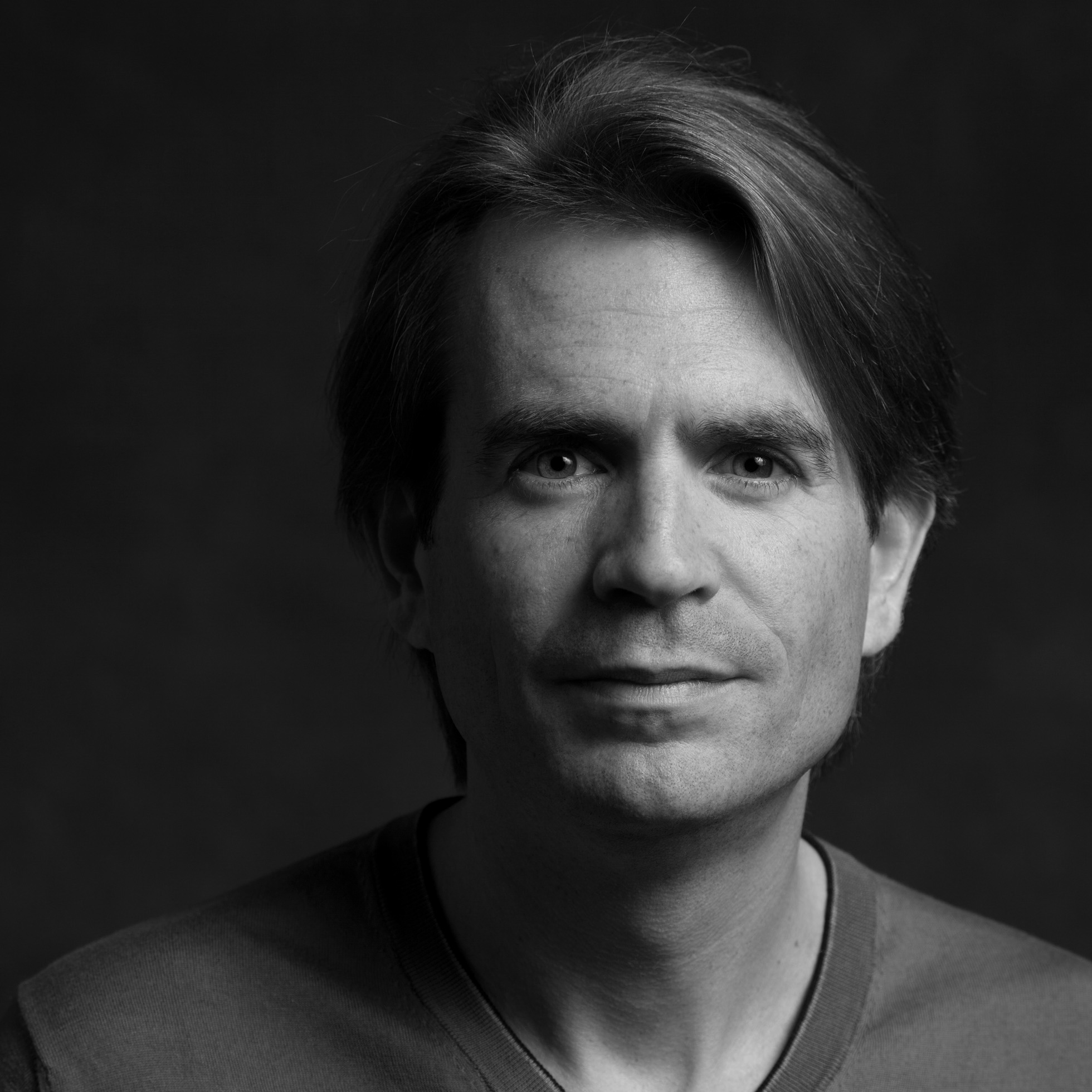
Sebastiaan Hooft
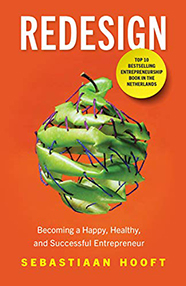
Sebastiaan Hooft is one of the Netherlands' best-known entrepreneurs, having founded twenty companies in fifteen years and earned a place among the country's one hundred most successful self-made entrepreneurs, as listed by the Dutch business magazine Quote. At the height of his success he nearly lost everything to a complete physical, mental, and emotional breakdown. After nine months of recovery, he made it his mission to help fellow entrepreneurs avoid the same fate. He also founded Redesign Records and lectures at business schools including Nyenrode Business University. His book Redesign, which draws on in-depth interviews with more than five hundred entrepreneurs from fifteen countries, became one of the top ten bestselling entrepreneurship books in the Netherlands.
📚 Books by Sebastiaan Hooft
Transcript
[0:00:26] CH: What’s up, everybody? It’s Charlie Hoehn, the host of Author Hour where I interview authors about their new books. Today’s episode is with Sebastiaan Hooft. He is the author of Redesign, which is actually one of the top 10 bestselling entrepreneurship books in the Netherlands. Sebastiaan is a seasoned entrepreneur. He has founded 20 companies in 15 years and he’s actually considered one of the Netherland’s top 10 tech entrepreneurs. But, his book is really about becoming a happy and healthy entrepreneur in addition to being successful. You see, Sebastian was actually the shining example of an entrepreneur who was working too much. It destroyed his health, he actually nearly lost everything to a complete physical, mental and emotional breakdown. In this episode, he’s going to share his story and what he’s learned that might just save your life. If you’re an entrepreneur who struggles with working too much and you know that it’s affecting your health, this is the episode for you. Now, here’s our conversation with Sebastian Hooft.
[0:01:52] Sebastiaan Hooft: The biggest struggle in my life has always been the balance between work and health. I’ve always been struggling with my weight, always been struggling with being tired, being a little bit sick, a little bit off and that always have been the biggest struggle in my life. I always thoughts that I was someone with kind of a weak stamina or you know, someone who just got a cold really easily but in the whole process of redesigning my life, I found out that that actually was not true. I just did not know anything about physical health, emotional health and financial health. The biggest challenge for me when I was redesigning my life, was to find out how to eat healthy, how to balance your emotions and also, how to find like a financial structure I felt happy with. That was like the biggest struggle in my life.
[0:02:56] CH: You even had a near death experience.
[0:03:00] Sebastiaan Hooft: What happened. I still remember it clearly, it was on a hot summer day in 2019 and I’ve been an entrepreneur for 15 years, founded around 20 companies, you know, people came to me for advice. Advice on how to start a company or how to grow a company, how to become a market leader in a couple of years and I felt like superman because everything was going great. We won all the awards we could win, I was listed on the Dutch rich list, everything was going great and I really thought I could do everything alone and on that summer day, in 2019 when I woke up in the hospital, I truly was on my own and everyone experiences that moment where that’s like, before, and an after and maybe some of the listeners already experienced that moment or you know, some of them still have to experience it. But I knew, that moment in the hospital, that was my moment. I was in the hospital for almost a year, you know, like a series burnout, I didn’t eat, I didn’t sleep, I didn’t drink, I was like, really to recover from a serious breakdown and when I started to redesign my life, I found out that actually when I was doing like really great, you know, as a business guy and entrepreneur, as an individual, I was doing really bad and I wish I would have had at least my book, my own book, you know, in those days but also a network of people around me that would have kept me kind of sane. Like a network of mentor, you know? That I would meetup regularly with and explain to them, what I was doing, why I was doing it and the results were, I never built such a network and I realized that the years after my recovery that I had to build such a network and still, you know, today, I have a network of mentors around me and I still grow as an individual every day. Using that mentor network.
[0:05:11] CH: Yeah, before we kind of dive in to where you are today and the changes that you made, I want to pause here to really dig into what your life was like as it sounds like you identified as a lone wolf entrepreneur, which is a very common dynamic around not just entrepreneurs but leaders at any company is they kind of become isolated a bit by their own success and the nature of their work. I’ll tell you on a personal level Sebastian, it sounds like you and I had a very similar experience, I wrote a book on overcoming burnout as well. This is something that I know how hard it can get, like how exhausted you can be. Can you kind of paint the picture of what your life looked like both right before you went into the hospital and during recovery.
[0:06:09] Sebastiaan Hooft: The experience after I felt like okay now, I’m running into you know, like kind of a burnout or you know, I can do it anymore to change my life, I always found somewhere the strength to go up, it happened to me like many times that I thought, okay, you know, this is the end, I cannot do it anymore. Somehow, the next morning, you know, I went into the shower, took a hot shower and then made it through the day.
[0:06:34] CH: Sorry to interrupt but you said you were actually suicidal during this time?
[0:06:38] Sebastiaan Hooft: I was killing myself, I wouldn’t say suicidal, it was unintended but in fact, I was destroying myself physically, emotionally, you know, I worked like seven days a week, you know, I got up at six AM in the morning, you know, I went to work, worked all day and around midnight, I would come home, get some sleep, then the next morning, to the shower, you know, do the whole thing again. Seven days a week, you don’t start off doing that, no one just opens the business, I’m going to work 24/7. It’s kind of addictive, you know? Especially when your business grows, you know, your reward with the people around you, your employees, your suppliers, your partners. Everyone’s like, man, “You’re doing great, your business is growing, you’re making money, you know, you buy a sports car” and go like, “man, you got a sports car, you’re doing amazing.” You kind of believe in your own success and they will say, it’s lonely at the top but I felt really happy being lonely at the top, that was great. I could take like very decision on my own and every decision I made turned out to be a success. I’ll just kind of self-fulfilling prophecy. What I did not see was that you know, from a business point of view, I was doing great but the people around me, my friends, my family, people that care for me in a personal level, you know, after a few years, they abandoned me because II was not fun to be with. Your friends don’t always want to hear about your business. Your family wants you around at Christmas time or in new year’s eve or in the weekends. Just did not do that anymore, on the holidays, I was really happy when my family went on a holiday, for two, three, four weeks because that gave me some more energy to go out and work because you know, I didn’t feel guilty not going home and then maybe you know, during those four, five weeks, you know, it come like two or three nights to the resort, spend a couple of hours, you know? Even when I took a holiday, I felt sick. When I book a couple of times, if you book like a holiday for like two weeks and on the plane, you know, my body started aching, I got like a serious infection in my tooth and you know, I was like, miserable for one or two weeks so I wouldn’t be in the sun, you know, I wouldn’t enjoy dinners, I wouldn’t enjoy the fun stuff you do when you’re on a holiday. I was just really happy to get back on the flight and to go back to work. It grows on you, that’s not the way you are like in the first day where you start a business, it just happens gradually over time. I always say that especially when you’re doing good, you need people around you that can keep you sane. You need a network of people that can assist you, staying mentally, physically, you know, in good shape.
[0:09:38] CH: Did you find that among your peer group, that your routine of working all the time was sort of the norm or were you the odd one who was working all the time?
[0:09:53] Sebastiaan Hooft: I made it the norm, that was the norm. It was only one individual in my life that was the norm and that was me, there was nothing else and at that time, I did not understand it, now, you know, looking back, I could see, that’s what happened, some time to reflect, you know, I had years of thinking about writing a book about what happened, I travel the world, spoke to over 500 entrepreneurs about this but when it actually happened, you know why I was doing that? I had no way of knowing that that was actually happening to me.
[0:10:31] CH: What do you think are some of the signs? Let’s say somebody listening right now is thinking, sounds like Sebastian and I might have a similar story or a similar routine. I wonder if I’m starting to break down? What are some symptoms that they ought to be aware of that they might be on that path?
[0:10:53] Sebastiaan Hooft: What I can say is that there are a couple of red flags and I can start with a funny one like if you don’t know the name of the teacher of your kids, you know, you’re in trouble. I talk to an entrepreneur today and he said well, his company was 10 times bigger than mine when he sold it and I told him too, “Well, I’m pretty ashamed. When I sold my business, I didn’t know the name of the teacher of my kids. “ He said, “Well, I can tell you that I didn’t know where the school of my kids was." The first time I sold my business, I wanted to pick up my kids from school and I was like, “Okay, you know? Where’s the school?” Those are pretty obvious red flags. But a red flag is like, if you wake up in the morning and you don’t feel like you’re not going to work, that’s a pretty big red flag. That’s a sign that something is wrong. When your family says, we’re going on a holiday without you, that’s a red flag, that’s a huge sign that something is wrong. When your clothes don’t fit and you’re overweight, you can’t close the zipper of your jeans, that’s a red flag. But red flags are really personal. You have to develop your own red flags and awareness on how to develop your own red flags, it takes years to find out what are my personal red flags. For me, personal red flag is that you know, I don’t set an alarm in the morning. I want to wake up whenever I want to wake up. When I wake up and I always do like a check like, how do I feel? If I don’t feel happy, that’s a red flag for me but maybe for someone else, you know? If you’re like an early bird and you want to set an alarm at six AM and you do stuff and you’re perfectly happy with it, you know, maybe getting up early and doing some stuff you don’t’ like to rework you, to go out and later do the stuff you do like might not be a red flag. Really personal.
[0:13:00] CH: Yeah, man, I’ll share a couple of red flags of my own, which were, am I dependent on using stimulants multiple times a day, am I drinking three to five cups of coffee every day, am I interacting with people almost exclusively through screens, that was a big red flag. Do I effectively work within an hour of waking up and within an hour of going to sleep.
[0:13:40] Sebastiaan Hooft: How do you measure that?
[0:13:41] CH: Take up all the –
[0:13:43] Sebastiaan Hooft: Do you have a tool like, how do you measure and that’s the most important, the red flags are there and if we talk to an entrepreneur, that’s like listening to this podcast, they all know the red flags, if they would be able to dial in, “Okay, give me your five reddest flags," they will all have red flags. Are you aware? Of how to measure that you’re in the danger zone? In the cross roads of life and everything happens at once, you know, your business is growing or either it’s not growing, your kids are going through a puberty like your parents are getting old and might need some help. Your relationship is not really stable, maybe of like a girlfriend on the side, which takes a lot of attention like everything happens at once, how do you measure that you’re in the danger zone? Even if you know what your red flags are, how do you keep measuring that you’re on track, that’s a big challenge. For everyone, the red flags are a bit different and for everyone, the way they want to measure is also a bit different. Like fitness apps, I hate them. I tried maybe 10 fitness apps, it doesn’t work for me. What works for me is to go to friends and say like “hey, how much do you work out?” I ask the same question. To me yeah, I go to the gym twice a week or three times a week. Two of my friends, they know that I expect from them to really ask me the hard questions. "How much do you weigh, are you still going to the gym? Feeling physically fit?” For me, a fitness app doesn’t work but talking to people that care about me, it does work. But for my girlfriend, it works the other way around, she doesn’t want to discuss with friends her weight, no, she has this app made by techno gym, she goes to the gym, she measures everything. These are almost per second how much she works out, the weights, you know, the length, the intensity, for her, the app works best.
[0:15:47] CH: Yeah, I mean, it varies per person. Before we get in to – there’s some sections in your book that sound super interesting that I want to get in to. I just want to emphasize again, because a lot of entrepreneurs listen to this show. Not taking care of yourself can literally put you in the hospital or in the cemetery at an earlier date, much earlier than you anticipated. Everything we’re about to discuss on how to start repairing that is essential to survival in a world where it’s really easy to get addicted to work like you’re talking about, Sebastiaan. Let’s talk about the entrepreneur’s pyramid. In the first part of your book, you talk about learning to rebalance, what is the entrepreneur’s pyramid.
[0:16:36] Sebastiaan Hooft: The entrepreneur’s pyramid in the book, I have an awareness that not everyone is a work star entrepreneur. If you keep comparing yourself with Bill Gates, Steve Jobs, Elon Musk. Maybe you would get like disappointed really fast because if you look at the pyramid of entrepreneurship, the bottom layer are the people that are the dreamers, those are the people that dream of entrepreneurship but they never ever really go out and start a business. That’s okay because it’s great to dream about entrepreneurship and it’s okay to keep thinking of ideas to do or you know, gathering people around you that are entrepreneurs who can could help you start an enterprise. It’s okay to do that and it’s also okay to never ever start a business. If you enjoy it, just keep on doing that. But the second group, the second layer, the starters, they need a lot of help. You know, they need all the books, podcast, YouTube, you know, videos take I get because they need to learn how to do this. They need a lot of knowledge on how to execute their dreams and then the third player, the experienced entrepreneurs, they’re the engine of our economy. It’s the SMB, those are the people that keep our economy running. They’re an important group because they have the experience and they can transfer knowledge to the starters and the dreamers. For me, they’re a really important group. Then the top layer, you know, the rock star entrepreneurs, the heroes, you know, the people that write books about you know, how successful they are and what you can learn from that. They are great to get inspiration from and I would read all the books, you know, written by rock star entrepreneurs, you can lay your hands on but don’t have the ambition to start the next Tesla or AirBnb or Unilever or Coca Cola because that’s really difficult.
[0:18:46] CH: It’s really hard to sacrifice a lot. I mean, I think about the quote from Elon Musk a lot where this young entrepreneur asked him, “What do you recommend? I want to start a business like yours, what do you recommend” and he just said totally, straight faced, “Starting a business is like swallowing glass and staring into the abyss. I wouldn’t wish it upon my enemy at times “and so, you’re absolutely right, it’s really hard and to hold yourself to the expectation that you’re like an Olympic athlete of business and Usain Bolt of business is, it’s unfair in a lot of ways to yourself.
[0:19:34] Sebastiaan Hooft: Don’t try to be Elon Musk. Don’t go swallowing glass, just make it a happy, healthy, successful part of your life. Don’t go swallow glass, don’t try to be like Elon Musk. Just be yourself and try to balance, you know, from the first day, try to balance and make it fun. Make sure that you do all the things that made you happy. If you want to be like Elon Musk, there’s only going to be a couple of you know, rock star entrepreneurs in the world. I always give an example, there are 600,000 professional DJ’s worldwide, across the globe, 600,000. Only a hundred are in the top hundred. The DJ of hundred only has a hundred DJ’s. The chance of you starting a DJ producer career and end up in the DJ mag top hundred are really small. It’s the average hourly fee of a magician in the US in $19. That’s what’s going to happen if you build a DJ producer career, you’re going to work your ass off, you’re going to produce music and play music for $20 per hour. That’s what’s going to happen to the most DJ producers. Don’t try to be that top hundred guy and swallow glass, be happy, healthy and successful, you know, making $20 an hour.
[0:21:12] CH: Yeah. Sound advice. Hard to listen to Sebastiaan but very good advice.
[0:21:17] Sebastiaan Hooft: When I’m on stage, I always like, there are two types of questions. Everyone’s like yeah, I want to be happy, healthy and successful and understand, you have to balance your life and there’s always a part of the audience that says, “Okay Sebastiaan but tell me your secret, how do I get rich, how do I get rich like you. You had the – You have the house on Ibiza, how do I get that?” For some people, that’s a huge reward, they become – they see the YouTube video of a rich entrepreneur, driving the Ferrari and they want that too. If you want the Ferrari, go for it, just work your ass off and go for it. If that makes you happy, you know, do it. But not all entrepreneurs have to become really rich. You can be perfectly happy running a coffee bar, you can be perfectly happy running a factory with 10 employees. You can be perfectly happy with being the biggest retailer in your area of your city. Not everyone is going to start Amazon. A couple of people who listen to this podcast, they will turn out to be this rock star entrepreneurs in five, 10, 15 years and I wish them all the best but most of the listeners, they will work for an average fee of $20 per hour per section management.
[0:22:44] CH: It sounds like one of the biggest lesson that you learned was almost the spiritual one of enough. What is enough? Is that fair to say Sebastiaan?
[0:22:58] Sebastiaan Hooft: You know I’ve had this sports car from it’s really easy to say yeah, it is not really important owning a sports car but if you have never owned a sports car, it can be really important. You really want one and you want to own one. I accept that but still, I want to give the message to everyone in my book, you know when you read the book, there are way more to life than the sports car and there’s way more in life than being the biggest retailer or the biggest whatever. So if you go out there and hunt for inspiration, you know follow Elon Musk, follow it, Richard Branson, you know follow Bill Gates but don’t be expectant to become rich and famous as they are.
[0:23:44] CH: Yeah, well I want to dedicate some time now to talking about the five facets of sustainable entrepreneurship. This is part two of your book, Redesign, which is now available on Amazon. I encourage everybody to grab a copy of if any of this is resonating for you. Part two, the five facets of sustainable entrepreneurship, what is this section really all about?
[0:24:09] Sebastiaan Hooft: So what happened is, when I got out of the hospital I knew my life was cut into before and then after and then we went to after, I wasn’t going to run a fast growing business anymore. So what I did was I sold all my businesses and gave the profit to charity and I wanted to redesign my life but how to do that. Basically, I have two questions. The first question was, how could I have been so amazingly successful in the first part of my entrepreneurship. And the second question was, how could I have destroyed myself in the last part. So I went out and traveled the world. I have visited 15 countries and I talked to about 500 entrepreneurs. Small entrepreneurs, mid-sized entrepreneurs, entrepreneurs running huge tech startups and I confronted them with these two questions I had and some of them gave me 15 minutes of their time and for some of them, I spent a couple of days with their family and their business. Talking about life and I started noticing all entrepreneurs, it doesn’t matter what kind of business they run or what kind of country they live or what kind of continent they are on, it goes through all branches, it goes through all company sizes, it goes through culture, every entrepreneur balances his or her time over the same five facets. So I started working on this model at the university in the Netherlands and I named them “The Five Facets of Sustainable Entrepreneurship”. And the first facet is the idea, that’s what someone does. The second facet is the team, it’s who you do it with. The third facet is the planning, your understanding of how to move your entrepreneurial life over timeline and the fourth facet are your resources. It’s your understanding of what you have that makes you successful but also your understanding of what you’re missing and where to get it. And the fifth facet, you can guess it, was my Achilles heel, health, how do you measure how well you are doing. So the five facets, idea, team, planning, resources and health. They are living their own life now at universities, startup schools, in my book, on the internet ought to become a model for entrepreneurs on measuring how well and how balanced am I living my entrepreneurial life. So every time I talk to an entrepreneur and I want to check how are they doing like what’s keeping them busy, I always ask them about their idea, the people they work with, the team, where do you come from. Where you can be at, where you’re going to, what are the things you are missing in your entrepreneurial life and if they tell me like, “Yeah, I am doing great” I always ask them, “How do you know? How do you know that you are doing great, are you doing better than yesterday or are you thinking that tomorrow, you’re going to do less?” you know, how do you measure where you are. So I say it’s become a model of discussing an entrepreneurial life with other people.
[0:27:27] CH: Wow, I love that. I am going to steal that from you when people say I am great, I am going to respond like you did.
[0:27:35] Sebastiaan Hooft: Oh most people are silence for a while and say, “Yeah, oh man I actually don’t know” yeah, how do you measure that and then they pull up their iPhone or android phone and show me their fitness app, “Yeah, listen this is mine. I had it happening today” so I said, “How do you know how well you are doing?” and he pulled up his fitness app and he’s over 50 and his fitness app said, “Well your physical age is 39” he said, “Well I am doing great, you know I am physically fit” yeah.
[0:28:08] CH: That is amazing, good for him.
[0:28:12] Sebastiaan Hooft: Yeah, so he was measuring. So he has something to measure and he was really strict like every time he went to the gym, he connected his app to the devices. He works out on and they give him feedback but from an emotional perspective, he really didn’t know. He’s the kind of entrepreneur that does want a coach or a mentor or a psychologist you know talking to him every week or month or quarter and from a financial perspective, he was doing great. So that was really not the issue, he sold his business and he doesn’t have to work anymore but at least he was measuring something but still, when I ask he is saying, “Good” but you know, what’s good? What do you describe good? Most people don’t know.
[0:29:01] CH: Yeah and it’s really true because if you are going by your feelings, first of all feelings are like weather. They change based on what all is going on around you. So if you don’t have something to measure by, yeah you are totally right.
[0:29:18] Sebastiaan Hooft: Yeah, it’s not objective and you don’t see the trends and sometimes you fool yourself and you want to feel great. If you don’t feel great, you want to feel great and I know a lot of entrepreneurs, the entrepreneur spirit is also like you know, you’re an entrepreneur you want to do stuff. So I don’t want to see that at home, nagging about stuff. You want to go out and be this successful entrepreneur. So it is kind of a self-fulfilling prophecy but sometimes you feel like, “Okay, you know I am kind of fooling myself” you know what’s wrong.
[0:29:50] CH: Yeah. So Sebastiaan, I am curious where are you today now? I mean you’ve written this book, you have spoken at universities, they have this concepts of yours integrated into their sustainable entrepreneurship programs like where are you personally. Is this still a daily practice for you? Is this something you still struggle with or has it become a lot better?
[0:30:14] Sebastiaan Hooft: I am a really a bad student of my own book. So I have to read my book every once in a while. The reason I could write this book is because I am really bad at it. Like everything in the book, everything, people can learn from my book, that is where I did wrong and still today, I make lots of mistakes. So sometimes, I read my own book or sometimes I talk to people that have read my book that way, “Listen Sebastiaan, I read your book that you need to measure your physical health but you know, when I look at you, you are overweight. What’s happened?” And so, it confronts me with my own book and I really love that because I think transparency is something I also advice the transparency key is your ticket to success. Being transparent, being open, sharing information is the golden ticket to successful entrepreneurship.
[0:31:09] CH: Could you explain that a bit more? I haven’t heard anybody say that before.
[0:31:14] Sebastiaan Hooft: So being transparent means that you share information. So let’s say I am on the podcast and I say, “Well I am a bad student of my own book,” maybe someone that’s listening to the podcasts says, “Well I am really great at helping people staying mentally fit.” Well they can send me an email and they can help me and say, “Well I know how to do this. You know I’ve got this app,” or methodology or whatever, “And Sebastiaan, I can learn you this and I am sure you will benefit from it.” So if I am transparent about my failures and where my weak spots are on this podcast, I am sure that listeners will try and help me but if I am this rock star entrepreneur and says, “No, no, no, you know I’ve built this model, I am really great at doing it because I design the model, I can also practice it” listeners will think, “Okay, you know this guy already knows what he’s doing. I would not contact him because he is already on top of everything, you know he knows best.” So being transparent about where I am, where I come from and where I am going to, what my struggles are, it really helped me a lot and also, it is in conflict with my ego. My ego wants to say, “No, no I am sustainable and successful entrepreneur. You know work with me and I will make you rich or read my book you will become happy because I am like a god. I am a rock star entrepreneur, I know better” my ego would love to say that but I know. I have learned that that is not really a sensible thing to do. It is better to be transparent and share information but sometimes, you will look weak and sometimes people will say, “Well that’s weird. This guy wrote a book on the five facets of sustainable entrepreneurship and he is not always practicing what he is preaching” but that’s my weakness and if people are really good by nature to balance their life over all of these five facets, you don’t have to buy the book. You already know but I know that 99% of the entrepreneurs I meet they are having somewhere at least two of the five facets are something they struggle with. You know most people I meet started with health, overweight, not knowing, financially incapable of saying where they are. Most entrepreneurs I know they really don’t know where they are from a financial perspective. If you would say, “How much money are you making? How much debt do you have? How much money are you going to be making next year? How much money have you made last year?” Kind of like, “When do you want to retire? How much money do you need to retire?” they don’t know. They really don’t know, so health is something I see that a lot of people struggle with. Also planning, like planning where do I come from, where am I currently, where am I going to, 50% of entrepreneurs I have interviewed don’t really have a solid planning and they know where they are. Of course they know where they came from. They don’t really have the awareness that it is important for people around them to understand this and they have no clue where they are going to. No clue, they just don’t do anything. No business planning, no life planning, no nothing. Every morning they get up and they just go to work and that’s what they do and team wise, a lot of entrepreneurs I have spoken with they have employees, they have business partners but they don’t have a team of networks. And most students I meet that want to start a business, they also don’t have a network of mentors. So that is where a team there’s like this specific weak spot. I see a lot is not having a team of mentors around you and mentors are people that you don’t pay for their knowledge mentors are people you attract who are being enthusiastic, asking them questions that remind them of their younger years. So let’s say you have a mentor that is really experienced in law. And he is a partner of a really successful law firm and he is 60 years old almost into retirement. If you approach them as a young entrepreneur at 20 years, you start asking all of these difficult questions, these questions about the online or whatever, questions that really trigger him to help you because the questions will remind him of where he was or she was when they started a career and for free because a mentor needs to work for free. For free, they will help you. Maybe not every day, maybe once per month, twice per year but for sure, if you ask the right questions they will help you. So a mentor is also not a consultant or a coach. You know you need them when something is wrong or you need to get something done, your mentor is there to assist you on a personal level.
[0:36:13] CH: Yeah, absolutely agree.
[0:36:15] Sebastiaan Hooft: We’ve gotten totally off track, right?
[0:36:19] CH: What’s that?
[0:36:19] Sebastiaan Hooft: We’ve gone totally off track, right? I love to talk about mentors.
[0:36:24] CH: No, I let you carve a path but you wanted to go down so that great.
[0:36:29] Sebastiaan Hooft: When I am doing a workshop or talking about the book, the most quick win for everyone in the audience always is start building a network of mentors on the day where in the workshop. I urge people already, during the workshop stop listening to me and start building a network of mentors. It is the best thing than they’re doing it.
[0:36:50] CH: Right.
[0:36:53] Sebastiaan Hooft: I hope, yeah. I always say during workshops and talks, you know grab your phones because somewhere in this talk or workshop, you want to go to LinkedIn and start finding mentors.
[0:37:04] CH: Well Sebastiaan, I really hope for people listening to this who are in the spot that you described at the beginning they really take heed in make some changes and if they need help, you can grab Sebastiaan’s book, Redesign on Amazon. I’ve got two more questions for you Sebastian. The first one is, what is the best way for our listeners to connect with you, to follow you, maybe even drop you a line and say, “Hey, thanks so much for sharing your story”?
[0:37:37] Sebastiaan Hooft: It depends on the preference of the listener. If you are really cool with Twitter, send a tweet. If you are cool with LinkedIn, connect with me. Facebook, Instagram, We Chat, WhatsApp, your preferred channel, you just reach out. You know follow my YouTube channel like everywhere. Your preferred channel and if I am missing a channel, send me a link and I will open it for you. We are everywhere and I always respond to every request.
[0:38:09] CH: Awesome.
[0:38:10] Sebastiaan Hooft: I am here to help you not fall into the pitfalls I’ve fallen in and if you want, please read the book, buy the book. If you have no money, I will send you a copy for free. I give them to everyone to learn about the five facets of sustainable entrepreneurship and I also want people to join me on the mission and share all the information that’s on my website. Share it with your friends, share it with other entrepreneurs. It should be a movement, if you connected to everything you want to do just connect with me and we’ll make it happen.
[0:38:44] CH: Awesome and my final question for you is to give our listeners a challenge. What is the one thing they can do from your book this week that will have a positive impact on their life?
[0:39:00] Sebastiaan Hooft: Just think of your weakest spot in entrepreneurship. It can be anything. It can be legal, finance, sales, marketing, whatever. Your weakest spot, go to a magazine that writes on this topic. So let us say your weakest spot is sales. Go to the best sales magazine you can find, find the most important name on the magazine, go to LinkedIn, type in this name and say you want to connect to this individual and ask them to be a mentor. Start asking them stimulating questions and then connect to me, talk to me about the journey you went through, all the things that worked and did not work and I will help you build this network of mentors but you have to go out and find this first weak spot. You know do something to find your first mentor and when we have done that, I will help you to build even a bigger, larger, more relevant network than you have today.
[0:40:07] CH: The book is Redesign on Amazon now. Again, Sebastiaan, thank you so much for being on the show.
[0:40:15] Sebastiaan Hooft: It’s great being here. Thank you.
[0:40:17] CH: Thanks so much again to Sebastiaan Hooft for being on the show. You can buy his book, Redesign, on amazon.com. Be sure to check out a full transcript and show notes from this episode at authorhour.co and leave us a review on iTunes. It makes my mom really happy. Thanks so much. We’ll see you next time. Thanks for tuning in to today’s show. If you liked what you heard, here is what I want you to do next: open up the podcast app on your phone or iTunes on your computer and search for “Author Hour with Charlie Hoehn” and then click “ratings and reviews”. Take 10 seconds to rate this show or leave a review. It is a small favor but it’s really the best way to show your support and give me feedback and if you know someone else who’d love Author Hour, take another three seconds to text them a link to this episode. We’ll see you next time.
Want to Write Your Own Book?
Scribe has helped over 2,000 authors turn their expertise into published books.
Schedule a Free Consult