Steve Thompson: Episode 310
Read the full transcript
Steve Thompson
Steve Thompson is Managing Partner at Value LifecycleTM, which helps companies position, negotiate, and close critical business deals. In the past twenty-plus years, he has worked on more than $17 billion in B2B deals (for sellers and buyers) in dozens of industries. He previously worked in senior operations, sales, and executive management at Westinghouse, Black & Decker, and DuPont. Steve also served as a nuclear submarine officer in the US Navy.
📚 Books by Steve Thompson
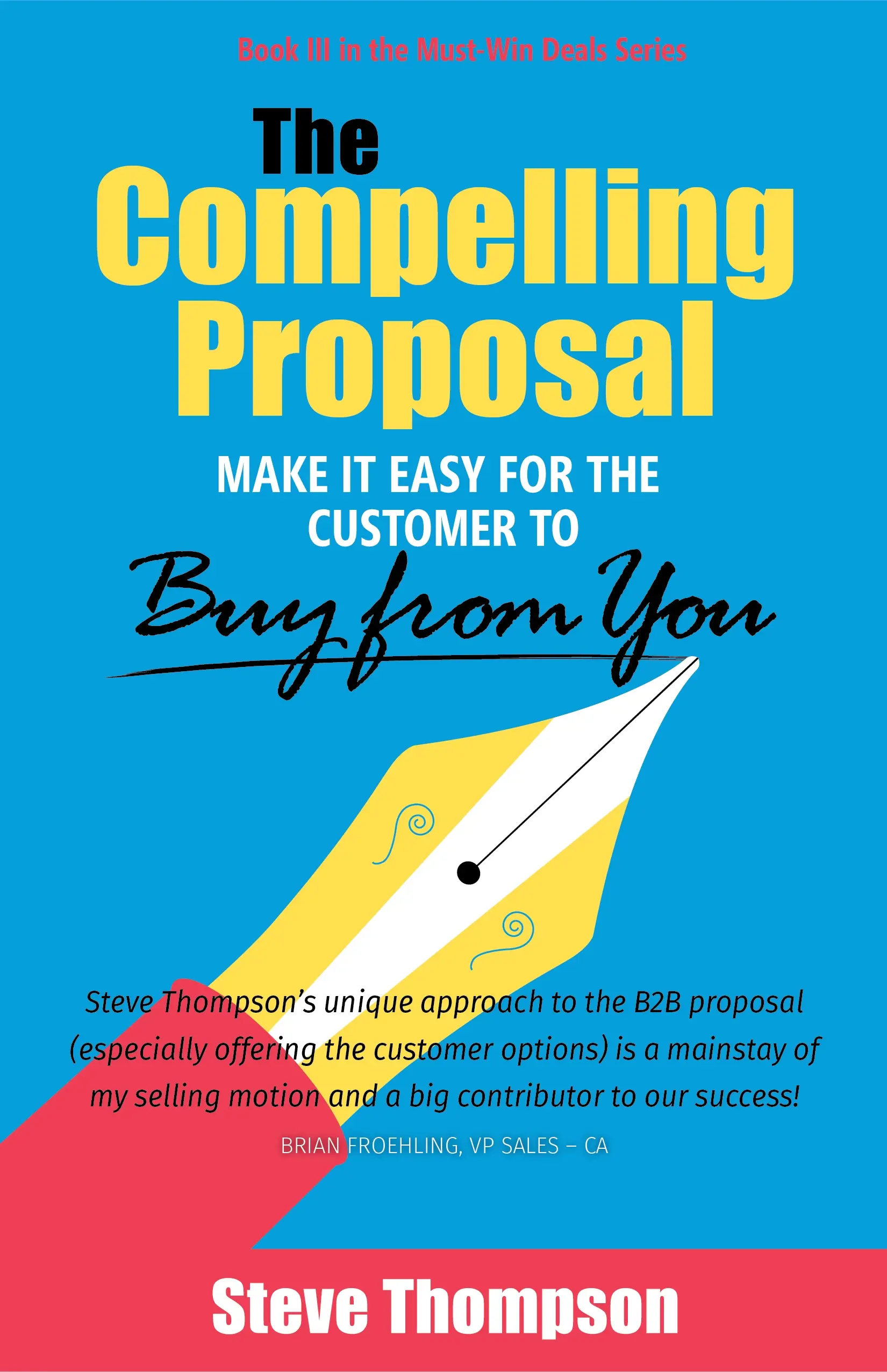
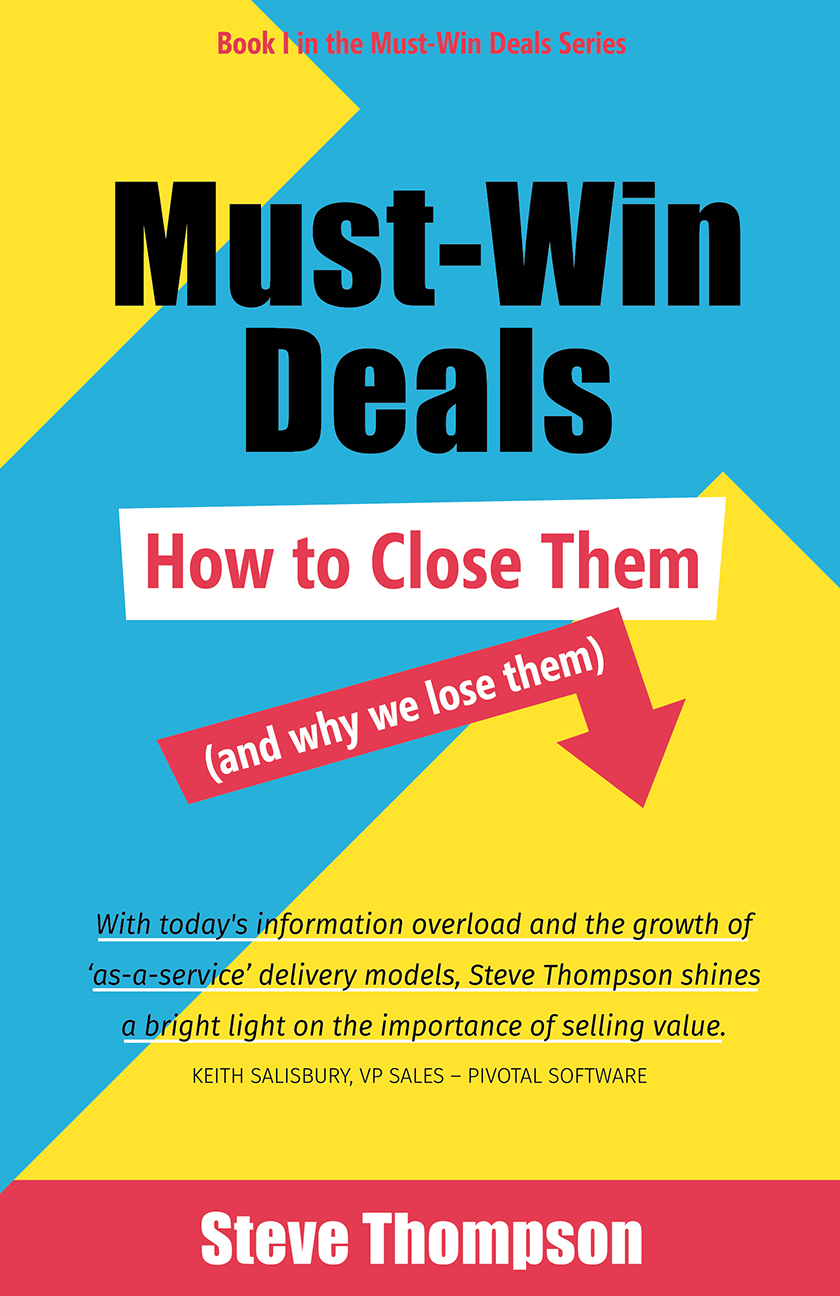

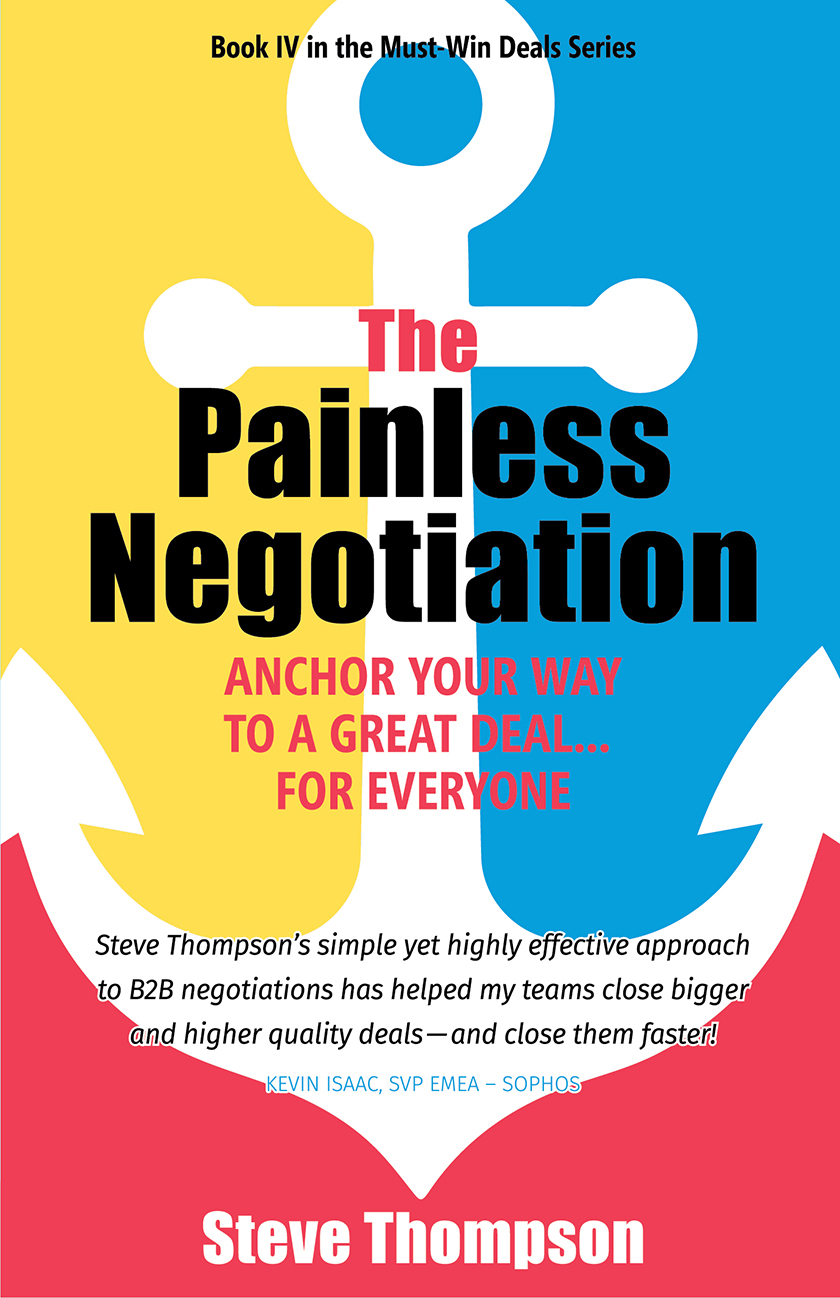
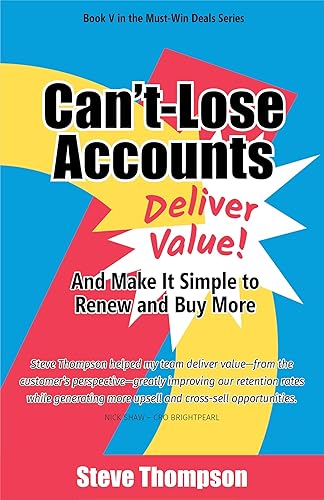
Transcript
[0:00:31] RW: Hi, everyone. It’s Rae Williams, host of Author Hour, where I interview authors about their new books. Our next guest is a threepeat. He is Steve Thompson and if you’ve been listening with us for a long time, you’ll recognize his name from his two other books. If not, no worries, you’re still in the right place because there is much, much, much to learn from this man. Today we’re talking proposals. Steve’s new book, The Compelling Proposal. Transforms the document that everyone loves to hate on both sides of the deal into a concise seven-page tool for bridging, selling and negotiation. Steve is here to tell us today how a compelling proposal with dramatically increase engagement. Here’s our conversation with Steve Thompson.
[0:01:17] Steve Thompson: A lot of the inspiration came from the time that I was spending about a half of my work was with buying organizations, who would bring me in to help them position, negotiate and close critical deals with what they considered key suppliers, which are the sellers. And working on that side of the fence if you will, I consistently kept running into the same frustrations that my clients had and that is that the sellers were not making it easy for the customer to make a decision and buy. And as a result, I kind of narrowed it down to four things which are the central themes of the five books. In book one, we introduce the four challenges and that is, we don’t give them a value proposition that makes them excited about buying. Number two, we don’t give them a proposal that makes it easy for them to choose us. Number three, we engage in a negotiation and as sellers, we’re not ready and prepared to negotiate and then the fourth big challenge is, the customers bought from us in the past and they don’t know the value they’ve gotten from previous purchases and therefore, they’re really not that excited about buying again or buying more. And specifically, as it pertains to this book, one of the tasks that my buying clients would ask me to do often was to help them review supplier proposals. I’d never really paid that much attention to the proposals when I worked on the selling side, but being on the buying side and being asked to review these proposals, I was shocked. Literally shocked at how poor the proposals were and in particular, how they really weren’t helping the customer make an informed buying decision, one that they felt comfortable with. And this was consistent across the board, the proposals were all about the supplier, their products, their services, the number of offices that they’ve got around the globe. Maybe awards they’ve been given, et cetera. But there was precious little and sometimes nothing in the proposal about this specific customer and what the customer’s trying to achieve. I will tell you that soon, I came to loathe being asked by my buying clients to review these proposals because I could already tell them what was going to be in there. Again, it was all going to be about the supplier, it was going to be about their products, their services and literally, I felt like I could just take one proposal, set it beside another one, just switched the logos on them if you will and maybe the acronyms, because every company’s got their own acronyms for their products. But they would read virtually the same. And they really weren’t helping the customer make a decision and that was kind of one of my big aha moments that you know something? I think we can take this thing, called a proposal and elevate it to a much more strategic status if you will and use it as a way to look very different from all the other suppliers out there. That was kind of the genesis on what got me going if you will, down this path of what can we do with proposals because right now, they’re pretty abysmal.
[0:05:01] RW: All right, as we get into the book, very early on, you have a chapter, I think it’s chapter two that’s called Managing Uncertainty the subtitle is so it doesn’t manage you. How does uncertainty come in to this specifically?
[0:05:16] Steve Thompson: Well, in fact, it is a major theme or driver if you will of the overall format of the compelling proposal because today, in B2B sales, some of the statistics I’ve read, they’re anywhere from maybe five to eight decision makers or key influencers on the buying side. And when you have that many people involved, you can rest assure that they’re probably all not aligned, they have different agendas and yet, as a seller, you know, we’re only trying to close one deal, we’re not closing one deal with one individual and another deal with another. We’re just doing one deal with this company and that adds a tremendous amount of uncertainty. Secondly, as a seller, all the information we’re getting from the customer, we’re getting it from people and people are imperfect. Yet we’re trying to position and close a deal based on information that’s coming from people who don’t have all the answers. In many cases, they have more questions than they do answers that aren’t all aligned and when you put all of that together, there’s a tremendous amount of uncertainty involved. And as I really started looking at and thinking about the uncertainty, I go, “you know, I don’t see how we’re managing this effectively as sellers and we have to. Because it’s the reality of selling today.” Therefore, that in and of itself was one of the primary drivers for coming up with a new way of presenting proposals.
[0:06:56] RW: All right. In the beginning, you kind of highlighted why this is important for businesses but specifically, what does the customer get on their end when your proposal is just squeaky clean if you will?
[0:07:11] Steve Thompson: Sure, in fact, this is all about how do we make it easier for the customer to buy versus us selling to them? This is really an important point; this is a lot more than just semantics if you will. When you think about your own life, how many people like to be sold to?
[0:07:31] RW: Not a whole lot.
[0:07:34] Steve Thompson: Basically, nobody does, right? I mean, you know, how many people enjoy getting that unsolicited phone call at dinner time? From somebody who wants to sell you insurance or burial plot or cleaning of the ducts in your house or god knows what else. Nobody does. However, if we’re in a situation where we need to make an informed buying decision, there’s something we need to buy, we need to solve a problem if you will in our own life. In that case, we do want to make an informed buying decision versus being sold to. And therefore, one of the critical themes of the book is, we want to allow the customer to buy versus us selling to them. But there’s another theme that goes throughout and that is, we want to make it easy for sellers on the B2B side. You know, they’ve bemoan that it’s becoming so much more complex and challenging to sell. What they don’t think about is, it’s actually becoming even more complicated to buy because of all the different people involved. There’s a tremendous amount of selling internally that happens behind the scenes, within the buying organization. One of the things that we want to do with this proposal and this particular format accomplishes is, it makes it very easy for your champions let’s say to go in and sell this deal internally. And that’s going to dramatically compress sales cycles. As a result, it usually, the output is a deal that’s much better, not only for the customer, but for us as sellers.
[0:09:23] RW: All right, what is that first step that we can take when we are trying to revamp our proposal. So we realize that our proposals are just not very customer friendly, not encouraging them to buy, instead, it’s us kind of selling to them, what do we do as our first step to rectify this?
[0:09:40] Steve Thompson: Well, the first thing is kind of switching our mindset from we’re selling to this customer and instead, put ourselves in their shoes and say, you know, what do we want this proposal to accomplish? And I lay out five basic objectives because it’s really interesting to me when I sit down with selling organizations and I ask them, “what’s the purpose of your proposal? What do you want it to do for you?” They really give me kind of a surprised look as if you know, “Steve, what do you mean? You know, we always submit a proposal when there’s a sales campaign. “ Therefore in the past, it’s been treated as a check box exercise. We get to that point; we dust off our favorite format if you will. We’ll make a few changes for this customer, we’ll do a search and replace, take an old customer’s name out, slap it together and send it to the customer, that’s been the practice up till now. And what I’m really pushing for is no, you need to step back and ask yourself, what do you want this proposal to accomplish? And I did a lot of work both on the selling side and the buying side, when this idea of changing the way we propose. I was getting feedback constantly from both sides and we kind of boiled it down to, there’s five things that we’d like this to do. Number one, we want it to reinforce trust. And customers trust you not because of what you know about your products, your services, your company. You know, that’s table stakes if you will in B2B sales. Rather, they trust you because of what you know about them. So, let’s reinforce that, okay? Right out of the gate. Secondly, you know, we need to establish credibility with a customer and many people kind of confuse trust and credibility, they’re very closely related, but they are distinct. Okay, people in this case, they’re going to trust you because of what you know about them. You’re going to be credible if you’ve been there and done that. Let’s say it’s an existing customer and they bought from us in the past. If we delivered the promise value then we have credibility with that customer. If this is a brand-new customer, we have never done business with, we could establish credibility with them by showing that we have solved similar problems or delivered similar outcomes to other customers. So, there’s the credibility aspect. Then there’s this uncertainty and we’ve talked about this just a moment ago. We need to manage the uncertainty and we are going to do that by putting options in front of the customer. And then the fourth objective is we want to make it easy for them to buy versus us selling to them and the way we do that is we invite the customer in. By giving them options, we are inviting them in and saying, “we don’t have all the answers. It is not our way or the high way if you will as a seller, but we have different ideas about how we might proceed from here.” And each of these ideas is going to target different outcomes. So therefore, what we want to do is we want to review these options with you and then you tell us which one of these is the best place to start from and once a customer selects from one of the options, we simply ask them, “all right, how can it be improved?” And just that simple question tells the customer that you know what? You are going to get to participate in building the right solution and the right deal for you at this point in time. And the net result is we want to accomplish this 5th objective and we want to make it the customer’s deal, not ours because when they participate in constructing the right deal for them, it is their deal now and you want to see sales cycles compress. They are going to dramatically compress when it is their deal. If we want them to more easily sell internally, it’s a lot easier for them to sell their deal internally versus something we are trying to foist upon them. And so, it is really starting with instead of an inside out view of the proposal, it is an outside in view. What do I want this to do for me when I am not in the room and how can help my customer not only buy but sell internally? And that is the mind shift change that I’d been looking for.
[0:14:44] RW: So, tell me a little bit about the people who have gotten the most value out of this or examples of how this has worked either with clients or with customers?
[0:14:54] Steve Thompson: Sure, and again, I am going to have to be a little bit circumspect on this because I am working on specific deals with clients whether they are on the buying or selling side and I signed lots of NDA’s, non-disclosure agreements, and so I can’t get into the real specifics of the deal. But let me tee it up and give you what are the basic responses I get back from my clients on the selling side when they use this approach and the first thing is and I probably shouldn’t say this as an author here of five books. But my clients tell me consistently of all the things that I work with them on the one thing that stands out is this proposal format and it is the one thing that they say is to maybe overuse the phrase, the killer app that changes the game dramatically for them and I will give you some of the basic responses here and that is they’re dealing with a situation with all of these uncertainty, but when they get the key decision makers in the room and they walk them through this format and this by the way is not designed to be a presentation. It is designed to generate the dialogue. And when they have the key decision makers in the room, they end up learning more in that hour or hour and a half if you will with those people than they learned the entire sales cycle just because of the way those people open up and you know discuss what it is they really want to do and what they are trying to do. That is one of the things that happens. Another one is that when we share with the customer, the buyer, the things that are important to us in a deal, this is another one of this moments where almost universally what my clients tell me is the customer sits up and says, “you know we’ve never had a supplier share with us what’s important to them in a deal.” And we spend a tremendous amount of time trying to figure out where’s this selling organization coming from and by sharing this with them, we are showing them that look, the deal needs to work for both parties. And these are going to be the things that are going to be important to us in a deal and then suddenly, it just becomes obvious to both sides where the right deal is, what needs to be on it to make it happen. The other observation is that by allowing the customer to get involved in shaping the right deal, which becomes their deal consistently, my client say several things happen. Number one, their win rates are going up tremendously. In other words, their conversion rates from opportunities to close deals go up dramatically. But the second thing that happens is that sales cycles compress because once it becomes the deal, they’re going to run with it and if they’ve been sharing internal hurdles and difficulties and challenges that it will take to get a deal closed, suddenly many of those things go away when it is their deal because it is so much easier for them to go sell something they are excited about internally, explain it because everything is being put in the customer’s language. You know those are kind of the consistent impacts if you will or feedback that I get from my clients when they use this approach.
[0:18:31] RW: All right, awesome and so if you had to actually give a challenge, so to business people, to either on the sale side or even the customer side too, what would your challenge to them be?
[0:18:45] Steve Thompson: Well, the first challenge I would give to those on the selling side is I’d like you to go read one of your proposals. And I’d like you to try to be the customer and say, “I need to make an informed decision that I feel is the right decision for me and I probably also need to convince other people in my company, which means that I’m going to sell internally.” And I’d like you to look at your proposal through that lens and then ask yourself, “are you really making it easy for them to buy?” And then the second part of that question I’d like you to ask yourself is, “are you looking different than your competitors?” And I think you’re going to be shocked because so many people really like I said, they treat it as a pro form event as oppose to something that could be truly a strategic tool when it comes to selling more effectively, closing more deals and closing them faster. And then for those on the buying side, so often they will go out in what I call formal procurement mode, where they will issue RFP’s and they will dictate that each of the potential suppliers will respond in a specific way and boy, especially on the government side, which is where I started my sales career I mean they are going to tell you that here’s how you have to label each section. It is going to be 10-point double space single sided recycled paper, you know on and on. And on and I go, when I work on the buying side I go, “guys our job here is to make the best decision for our company and if we get so prescriptive with supplier this is kind of analogous to you’re going in for surgery and you want to sit there and tell the surgeon exactly what he or she ought to be doing to you.” I go, “that’s crazy okay?” You know let us both agree on what the outcome is but you know, let’s let them bring their expertise to the table and so often what the buying organizations do is they almost tell the supplier how to do their own job. And they are now not bringing in the experience, the expertise, the different points of view that the supplier could bring to them that in many cases I find creates tremendous value and so my challenge there is, “hey, how about taking advantage of the things they know that we don’t know?” Because odds are it is going to help us not only make a better decision but, in the end, generate better outcomes and that is what we are all after.
[0:21:39] RW: All right, so how can people contact you if they want to learn more, get more information, improve their proposals, of course getting the book is step one but how can we get in touch with you?
[0:21:50] Steve Thompson: Sure, so there is a couple of different ways. One is my email, which is steve@valuelifecycle.com and the website is valuelifecycle.com, And I also have an online workshop that is a companion to the book. In fact, there is a code in the back of the book that gives you pretty substantial discount off the workshop and those can be found at mustwindeals.valuelifecycle.com and you could go online and you take the workshop and there is two versions of it. One of them is a self-serve but it goes through all of the concepts that are in the book but they are in a workshop format meaning that you are going to bring a live opportunity with you to the workshop and it is going to help you deconstruct it and start building your proposal and that’s the output of the workshop. Now that is one version. There is a second version that is identical in terms of content but the addition is that there is one on one coaching for me. That once you start building your proposal then we are going to get on the phone for an hour or several hours and go through your proposal and I am going to help you refine it, get you prepared to go present it to your customer and even follow up with you afterwards based on what occurred during that presentation.
[0:23:22] RW: All right, thank you so much Steve.
[0:23:24] Steve Thompson: Rae, I really appreciate your time and I appreciate the opportunity here to chat with you and everyone else.
[0:23:31] RW: All right, so we want to establish trust, build credibility and make it easy for the customer to buy from us. Check out The Compelling Proposal, out now on Amazon and while you’re there, treat yourself to the other two books so far in Steve’s five-part series. Thanks for listening. We’ll see you next time on Author Hour.
Want to Write Your Own Book?
Scribe has helped over 2,000 authors turn their expertise into published books.
Schedule a Free Consult