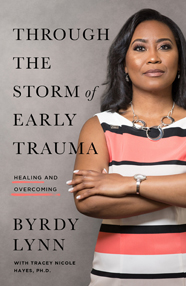
Byrdy Lynn: Through the Storm of Early Trauma: Healing and Overcoming
Read the full transcript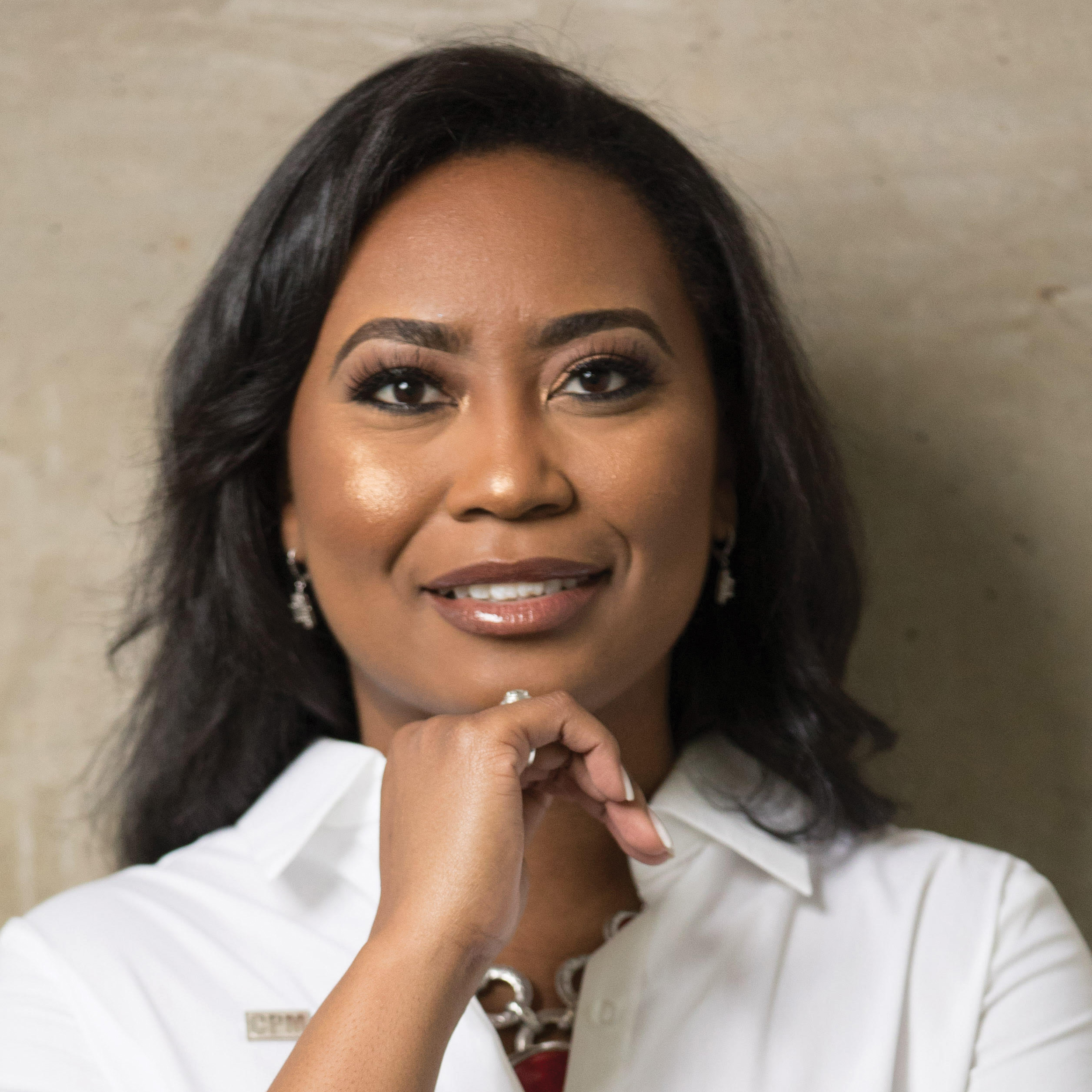
Byrdy Lynn
Byrdy Lynn is an author, entrepreneur, and advocate for survivors of childhood trauma. She endured a childhood marked by abuse, neglect, violence, isolation, and racism, and later struggled with PTSD and depression before finding her way toward healing. In her memoir, Through the Storm of Early Trauma: Healing and Overcoming, she tells her story from a place of hope, aiming to help others who have experienced trauma seek help and discover their own strength. She is the founder of the publishing company Byrdylynn and the mother of one son.
📚 Books by Byrdy Lynn
Transcript
[0:00:31] DA: The next chapter in your life is going to be the best chapter of your life because your breakthrough of empowerment begins now. These words begin the reader’s journey into the life and mind of Byrdy Lynn. From a profoundly troubled childhood home, unflinchingly honest stories of abuse, neglect, violence, isolation and blatant racism, a litany of events that left the author suffering from PTSD and suicidal depression. As in any life, there are moments of brightness, but these are far and few between. Nonetheless, her new book, Through the Storm of Early Trauma is not told from a place of anger or resentment, instead, it speaks with a voice of hope that others who have lived such stories and who are living those stories today will find their own inner strength, to seek the help they need and deserve. Hey listeners, my name is Drew Applebaum and I’m excited to be here today with Byrdy Lynn, author of Through the Storm of Early Trauma: Healing and Overcoming. Byrdy, thank you for joining, welcome to the Author Hour Podcast.
[0:01:33] Byrdy Lynn: Thank you for having me.
[0:01:35] DA: Byrdy, let’s kick this off. Can you tell us a little bit about yourself?
[0:01:40] Byrdy Lynn: Yeah, for sure. I am a single mother of one amazing son and he is in college and I’m just so proud of him. I am also in the real estate property management industry. I own three companies, so I’m a very busy girl.
[0:02:00] DA: That’s awesome, that’s amazing. But we’re to go right into your book. Usually, we have some questions first but I want to dive right in. You had a lot of tough, early childhood trauma. Sometimes people never let that go or they come to terms with it at different times in their lives. What changed for you to be able to face that trauma now in life?
[0:02:26] Byrdy Lynn: Well, that’s a great question and I’m going to say — I realized, at some point, it wasn’t everyone else, it was me when they would say, “You seem angry, you seem like something’s bothering you. You seem like you’re hurting, is everything okay?” I didn’t realize I was walking around with a mountain of pain and trauma on my shoulders that I hadn’t dealt with. I thought I was happy. I thought I was, you know, moving along in life like everyone else was. But I ignored the nightmares, I ignored the fear, I ignored the up and down emotional rollercoasters I was going on. And was trying to deal with that and hide it, push it. Out of sight, out of mind as much as possible, until I realized it was actually starting to consume my life and others were noticing just in my temperament. That was the change that initially brought me to a women’s bible study group that allowed me to share and that also helped me to start seeing a professional counselor and just kind of going from there.
[0:03:53] DA: You started there and I imagine you’re working through it. How did the decision come about to say, “Hey, I’m not even going to talk about this in private, I’m going to make the decision to tell my story in a memoir?”
[0:04:10] Byrdy Lynn: That’s a funny story, I actually — although I was dealing with it in private because I am a private person, I’d rather you see the results of my career life than see or have to talk about my past life just because of everything it entails. It is a very sad, traumatic roller coaster that I went on so I wanted to spare people’s details. Plus, I have — there’s a lot that I experience that putting that out there, I’ve always feared, you know, even to seek help at first, I’ve always feared I would be judged or I would be looked down upon. It wasn’t an easy decision. In fact, I ran from the decision for about a half a year, almost actually, a year and a half, I want to say that. Almost a year and a half. But I had a very persistent gentleman and friend by the name of Daryl who I shared my story with. Because I was always flying into the state he was in for this program called Feed the 5,000 with Alfred Street Baptist Church and they were amazed that I would fly in for this and I’m like, “It’s no big thing, I wasn’t broadcasting it” they were just – he was like, “Okay, what’s your story?” I shared it with him and then he was just like, “You’ve got to share it.” I’m like, “No way.” He was just like, “Yes way.” He literally just persisted to, “Hey, are you going to share your story yet? Hey.” Finally, he was like, “Hey, you know, I have someone who could help you, you know, write your story, who can get you through the process.” And I was just like, “Okay, he is not going to give up.” There has got to be a reason so I literally was like, “Fine”. Then, when I finally decided to talk to the editor that he introduced me to, she said, “Listen, you can write your story and we can get it all out.” She said, “And at the end, you can choose not to share it, you can just print it and it will be a book that you can keep with you forever. Or, you can choose to share it with others.” I was like, “Okay.” I, of course, if you know me by now from a lot of what I’ve already said, I’m like, “Okay, this will be in a book that I was just, you know, leave on for my son and he will just know my story, it’s not being printed in any way.” When we got towards the end, she kind of brought it up again and I was like, “You know, I think I want to publish this.” Because I remember in the women’s bible study and I started to go to different events and I would hear the pain and I would hear people’s traumatic stories, especially at church and those groups and I literally was like, “You know, I think that my story could help others if I shared it.” Because I realized a lot of people, and especially myself because I dealt with this. You feel that you’re all alone in your pain, you feel ashamed, you feel that no one else has experienced it even though clearly, there are several people who have. But that’s what shame, that’s what fear does to you regarding the experiences that I went through. I just felt like I’m going to be bold, I’m going to be courageous, and I’m going to publish this and even though it means, for me, and I’m still — I still seek professional counseling. I think it’s a good thing, it doesn’t mean anything is wrong with me or with anybody who seeks it. But I still have fear of releasing my story. But I’m still releasing it, knowing that to God be the glory, right? I have things in this memoir that are going to shock a lot of people and — but I’m hoping that it will also — they’ll also be able to relate and see that, “Wow, she was bold enough to actually mention this, then I know that I can do the same.”
[0:08:27] DA: Now, when you were searching through the early emotions and traumas of your childhood to write the book, were there any learnings or breakthroughs that you have? Did you dive deep into certain time periods or certain events and just discover more that might have happened there?
[0:08:48] Byrdy Lynn: I didn’t know where to start, there was just so much to talk about. I give credit to Tracy Nicole Hays, she’s my PHD and she actually was a counselor within the Navy and dealt with traumatic experiences in her line of work and she really kind of set the tone and organized my information and kind of asked the questions that kind of pulled the deeper experiences out of me. I think a lot of times, I was just going off of emotion from the event and she really pulled out the meaning behind the events that occurred. And asked me questions to kind of get a deeper understanding of where those emotions we’re pulling form.
[0:09:46] DA: You also say that the memories of these traumas will still visit you at random times? What do you do when they arrive and is it a physical reaction, is it something that you just can’t get your mind off of, what is it like?
[0:10:01] Byrdy Lynn: What I used to do before I sought professional help, what used to occur, I would wake up in night sweats. In the middle of the night, I would have these nightmares, I would feel as though there was someone trying to harm me and there were other times like if I’m just randomly at work and something triggers, that was the other thing, I didn’t know what the triggers were. But something triggers memory, maybe it’s the personality of a person or maybe it’s an event that is occurring in front of me that just kind of brings me to that place to immediately think of something that happened in my past and almost nine times out of 10, I would kind of disengage, I would kind of withdraw within myself and go to a different place to figure out how to get away from that emotion or that bot — that feeling. When that occurred, I could have been laughing and talking, I could have been in a place that — where I was engaging with someone in a conversation and it would hit me and then all of a sudden, things would change and they’d be like, “What happened, you were just this way?” Ii was kind of like this Dr. Jekyll, Mr. Hyde and I hear a lot of times, people are like, you know, they like to label the person as crazy or like, you know, they’ll say, “You’re bipolar.” A lot of people kind of self-diagnose or diagnose someone else. I take it as bullying but when they say, “You’re bipolar, how are you acting like this?” When essentially, it’s me kind of being attacked from within, from my own thoughts that I’ve tried to push to my unconscious area of my mind so I don’t have to think about it. I’ve compartmentalized a lot of these traumatic errors in a File 13 that says, “Never to be thought of again.” And they’re still there, because I haven’t dealt with them and they break out of that door sometimes. Then, you have to address and deal with it and then you’re sitting there or standing there, dealing with it. My way was to withdraw. It caused a lot of people to pause sometimes because they didn’t understand truly what I was dealing with.
[0:12:26] DA: You mentioned in the book that the millennial generation is changing the way we talk about our experiences and what life is really like within our families. And as someone who suffered from emotional and physical abuse in your family, can you talk about how things have changed with this new generation?
[0:12:49] Byrdy Lynn: I remember a story — and so this wouldn’t have been a millennial but it was a Gen-Xer and it was when I was growing up and I think I was in middle school. There was — I don’t know about any other culture but in my culture, for black families you get, we call them whoopings, you know, now, probably the term is spankings but we also call them beatings. “Mama going to beat you,” or, “You're going to get a whooping.” I think more or less, there was a difference between a whooping and a beating and so for me, this young man, I saw him when I was in middle school, I saw him on television, on the news and he was black. He was, I think we were like — he had to be in high school but it was said that his parents had beat him, they were — he sued them in court and he won. It was the first time that I had heard of someone who is black — because you just don’t do that in the black community. But who is black, who bucked the normal way of life for black people and said, “You know what? You can’t beat me anymore” and sued their own parents. It really spoke to me and I was like, “Wow, I wish I could you know, do that.” Because I think from my experiences, they were just unnecessary, the way that they would occur and why they would occur. That really brought me back to our generation for millennials, just noticing and realizing a lot of us are — and I say a lot of us. I don’t know many in my close circle of friends that would do exactly what I’m doing. But I do know that in my age group, I know Alicia Keys has come out with her story, Paris Hilton has come out with her story. And we’re within the same age group. And so when I look to women sharing their childhood stories and how trauma affected them and how they went through different things. Those are just two women that I thought of just right off the top. I believe they’re starting to be a movement with the millennial generation. And I am the first-generation millennial to really kind of set the tone and change how we move forward. I also say that is, because two, we’re waiting longer to have children. Why? Because we experienced such a generational change within how we were being raised that we wanted to kind of put that on pause, before we actually start a family and have children. You can just see that in the demographics and statistics for today.
[0:15:54] DA: Now, you suffered a lot of trauma and a lot of abuse at home. But it didn’t end there, you also were bullied in school and you changed high schools at one point and the bullying continued. But there was one moment in your new high school where you stood up for yourself and you read a poem and things briefly started to change for you. Can you tell us that story and what happened afterwards?
[0:16:25] Byrdy Lynn: Yeah, moved into a predominantly white neighborhood. Literally, I was the only African American female at my high school, literally. I wish I could say I was exaggerating but I’m not. There were two other black boys who attended as well. They’re in total, there were three of us. And I remember one, embraced me, he was on the basketball team, he was like one of the stars of the basketball team for the school. Then the other one was too, but he wasn’t as popular but he shunned me. I was experiencing black on black discrimination as well. So it was like, I didn’t have as much support but I remember from the other gentleman, I did. Kevin. I was experiencing culture shock. I remember before we moved, I would say, “Hey, we’re moving to Clackamas Oregon.” and the first response that I would get. There were two responses I would get. It would either be, “Who? What?” Or, “There are black people up there?” Then I’m like, “I don’t know” you know? I was just a kid and so, you know, I was being — already torn from my friends. We go up there and now, I’m experiencing the culture shock. And I’m experiencing being the only one who looks like me, literally. Trying to find a way to exist, to be relevant in some type of way. I think track was great because I still could keep that and so I was a part of the track club. But during school, it was super difficult. I had a teacher who read very racist things in class, I dealt with just kids being super mean and they were only doing this because of the color of my skin. I remember hearing with one of the black boys who was shunning me, he was the talk of the town and there was a white girl who was dating him, who, her dad didn’t know it and he found out and then she was in trouble. And I remember there being some type of like, altercation or argument in the hallway of their breakup. It was more or less, “Well, my daddy doesn’t allow me to date black boys” and I’m like, I’m just, “Am I really hearing this?” Being told to my face that things about black people. Like, you know, one of the things that always made me feel uncomfortable was some girl walking up, touching my hair and saying, that’s so — I remember this one girl, she was like, “That’s so cute, your hair grew overnight, how did you braid it?” I’m like “What?” I was angry. I was angry that I was there, I was angry at my father for not caring. And just kind of mowing it off like kind of, “You’ll get through this.” For not understanding and knowing that he probably went through something like this as well. Maybe he could give me some tips and some advice because it definitely wasn’t, “Pray about it.” Because I wasn’t — I was just a kid, you know? How’s God going to help me through this in high school, come on. I wasn’t very strong, I didn’t have a strong Christian faith. I was again, just a kid. I got angry and I was in drama class and they said we had to be a part of the talent school talent show. Well, I remember, I said, “This is my opportunity” I remember being so amazed by Oprah Winfrey performing the poem, at the Essence Awards on television. And I took that poem and I made it my own and my whole intent was, “I’m going to show them just who I am, I don’t care if they don’t like me because I’m black, I’m here.” I’m going to let you know I exist and I take up space, that was my whole attitude, I was angry and I wanted them to know. I performed this poem that you know, I look back on it today and I’m like, “Oh, that was a hit to Michael Jackson.” You know? I’m telling you, when it was my time to come out onto the stage. I came out, I was nervous but then I had a quick thought of, “No, you let them know who you are.” And I said that poem so angrily, like, and just pointed and “You’re going to hear me,” type-tone. And I wanted to walk up onto stage and know that I was heard. And I am telling you when I finished delivering that speech, I was heaving. I was just like deep breaths and then I was like, I started to walk off the stage because you could hear nothing. I saw — I literally think in the first row because the light is so bright it blocked everyone out. I kind of glanced really quickly and I someone with their mouth open. And then, you could definitely hear a pin drop. Like, seriously, like I think I heard one and it was just crazy. Then I heard somebody clap and then I heard another clap and then I heard another clap and then I heard a “woo-hoo” and then I heard just people started roaring, a standing ovation and I was walking off stage and I stopped. I turned around and I started, you know, to tear up. And I was just overwhelmed at that point because I couldn’t believe that, yeah they heard me and yeah, they embraced it. And so that was an amazing moment and it really taught me that no matter what it is I’m going through, if you stand up for yourself and do it in the best way, find your voice that not everybody is going to like you. But there’s going to be a lot of people that will respect you for your courage and your boldness.
[0:22:50] DA: Yeah, that was one of those moments in the book where, when readers will check it out, you might find yourself clapping. I know too, you said there’s a lot in this book and there are moments of brightness there and that was certainly one of those and where readers were rooting for you. But the happiness and success of that moment was short-lived and there’s a moment where your older sister came back to live with you and then was leaving one more time. You decided to leave with her and unfortunately, you ended up suffering more abuse at the end of that trip and you wanted to then leave when you went back to your hometown. What was the feeling like when where you moved to wasn’t great, where you went back to wasn’t great, when you felt like you really had almost nowhere to go and no one to talk to?
[0:23:51] Byrdy Lynn: I can almost pin that down to two moments, actually three. When I thought — and that’s not the saying the grass is not greener on the other side or the grass is always greener on the other side. I don’t know, glass half-full, you know, glass half-empty, like depending on how you look at the situation, right? I realized then that I actually left, even though I was dealing with the things I was dealing with back there. They weren’t near as bad as they were where I thought it would be a lot better. I learned something. And I just want to say before I go on, I do take accountability for my actions there because allowing your emotions, especially anger to drive your decisions, even when you feel validated is not the answer. You have to think about what you’re doing. And had I took a step back and thought about what I was doing before I got on that Greyhound bus, my life story would be different today. But because I didn’t we’re here and so I’ll answer your question. I can sum it down to three moments. I went back to find that one of my close friends and she was like a mentor to me in that age and someone who I truly respected was murdered, that changed. That kind of put a film. If you’re looking through a camera lens and it gets dirty, well that was the first layer of dirt, that kind of changed the lens that I look through. And then the second moment was realizing, right after that, or not realizing but being raped, not once, not twice but three times. And then realizing, you know, that was the second lens that kind of put a filter over that camera. And not much light left, right? In the situation. Then the third one that kind of just left a speck of an opening for me to peer through the dirt and see light was experiencing just a cruel, hard world. The way that people think, the way that they’re operating as adults. I didn’t put this in the book but I do want to share this story — I have so many. But I do want to share the story because this would be the third moment. I had missed the bus, this is just before I was raped. I had missed the bus, I was working at a Walmart and I missed my bus to get back home — — No, no I’m sorry, this was after I was raped because I had missed the bus to get back home to get to my aunts. I was walking. I was like, “Okay, well I miss, you know I am on track. I’ll walk and run” — whatever to get there before the sun sets. Or at least to get to the next bus stop. Well, I had an elderly white gentleman. He had to be in his 50s maybe early 60s that stopped. I mean I would have to consider him grandpa. He stops and you know, as he saw me walking he says, “Hey.” He said, “Hey hon, do you need a ride?” and I said — I looked at him and he looked, you know, innocent enough. Like, you know, weak, like I could take him if he tried to do something. So, I was like, “Uh.” So immediately in my head, I’m thinking I can just have him drive me to the next bus stop and I can wait for the bus that I just missed at that one and so I said, “Yeah, sure. Really quick, can you take me to this such and such street?” He’s like, “Yeah, sure. No problem, hop in.” So we are now — I mean I am now in his car and we are rounding the corner. I remember if you’re from Fort Worth, Texas you remember there’s the Walmart over there off of Eastchase and we were rounding the corner. We came up, I am in his car for not even two minutes and we were coming up to the light and I was giving him the next direction and he turns around because we’re sitting on a red light. He says, “So, I hear that black women are good in bed.” And I, again, everything that I had just experience, I turned around and looked at him and with my eyes wide and he went on to say something else that was very provocative that I don’t want to release on this show just because it’s family friendly. But I, at that point, I looked at the light and I just thought either he’s going to start driving and I am just going to jump out of this car and I’ll just drop and roll but I am getting out of this car. I just remember the split second I just went for the door and thank God he hadn’t put a child lock or anything on it. And I got out of there and I ran all the way back to Walmart because that’s where I felt safe at that point. And I was like, “I’ll wait for the next bus. I will call my aunt by payphone. I will tell her I am going to be late because I missed my bus.” Whatever the case, I don’t want to take an easy route. It was dealing with, gosh, this guy who I immediately respected because he was an older white man. And He looked as if he could be my grandpa but what came out of his mouth, I just didn’t understand. And so it just really painted a hard cruel picture of the world and what’s out there waiting for me. I literally still fought through that. It is why I am still here today, I fought through that but yeah that’s a great question. Thank you for asking.
[0:29:59] DA: You know, the book was so raw and so real and you talked about the decision of why you wrote the book but how hard was it to write the things in detail and not gloss over some of the tougher moments and choosing, you know, what stories you’re going to go in and what might be left on the cutting room floor, if you will?
[0:30:20] Byrdy Lynn: That comes a lot, for me that, came a lot with still not, like, knowing the truth but holding back the truth and not being able to — really still protecting, right? Being protective of the truth. Like my truth. Kind of making it PG, right? Instead of PG-13 but I could have went “rated R” but I wanted to reach — I wanted to, you know, the understanding is to tell my story in a way that not only inspires others who would get the idea. Once you’ve been through something and you can relate to the other person, you know, who’s been through the same type of trauma, you don’t need to share much details. Like, they get it. You’ve already triggered their memory and they are having to relieve it, especially when they’re reading about your story. For me, it took kind of like an “aha moment” to, at the end, kind of giving Tracy, the editor, just like, “Okay, here’s everything. I am not going to protect it. This is what it is.” Then she guided me after that to kind of, “Okay, you know,” and was there for me too. Just emotionally said, “Okay, so we can get through this. Let’s move forward from here.” But I just — I started to see stories coming out of, you know, COVID-19 lockdown. Now all of a sudden, children who were getting abused maybe or now molested maybe when they came home from school or what have you. Now they’re at home all the time. Having to go to school, now it increases, right? What do you do? I don’t want to hold back the truth from — I’m sorry, you trust, as a child. I trusted adults because that’s what you’re told to do. You’re told to be respectful, “Yes ma’am, no ma’am. No sir, yes sir.” You don’t think that people who you think actually love you would want to harm you in any way until they do. And I am getting emotional because the stories that I have heard of these kids. Who, thank God, their virtual teachers was able to see the sexual abuse. Or someone was able to capture something during the time. It is almost like the pandemic exposed these situations and my heart goes out to these kids who are so innocent and then taken advantage off by monsters. I couldn’t hold back anymore. I needed to tell the truth because I needed to tell the story. I need to tell my story, I need to share it and I want to personally visit every kid I can who has been through sexual abuse. I want them to see me. I want them to see that they can make it through those moments. One of the things that I realized as an adult that I didn’t understand as a child is I couldn’t reach out because of the major respect that my parents had for other adults and like if I were to go to another adult and tell them and they didn’t tell my parents or it was just a whole scary thing to actually say something, you know, would I be embarrassing my parents or will my parents be mad at me or all of these emotions and fear. Fear grips you as a child and you don’t say anything and you believe the monster that is in that person that is abusing you. And one of the things that I had to do that I realized now, as an adult, is I dealt with it and I became my own expert in my own way of learning to kind of navigate through that trauma. And adversely that was experiencing it and so we don’t give kids a lot of credit. We say we try to shield them from this and that and school is going up and saying, you know, they don’t need to know about this or sex that early in elementary school. But literally, those are the kids experiencing it the most when you’re in elementary school and you are being sexually abused and your school doesn’t want to talk to you about it, what’s right, what’s wrong, what’s not. There is a social and emotional cognitive experience going on there that they need to hear about it. That’s what led to me just ultimately spilling out the truth and not holding anything back and sharing my whole truth.
[0:35:40] DA: What would you say to others who are going through similar situations?
[0:35:48] Byrdy Lynn: I would say, if you’re a child, I would say I know it’s hard but tell a trusted adult. There are hotlines, there are different avenues that can get you out of the situation that you’re in. What I would say to the unfortunate situations, when another type of experience that’s out going on right now is that for kids who are in foster homes. And in foster care and going through that system, you literally need to speak to your counselor and keep raising the red flags. Whatever is happening to you, say it. People, don’t be afraid of anyone harming you because of it. If someone is hurting you or abusing you, you share it with your counselor. Don’t hold back so that you can be moved to a better situation. There’s a foster home care system that’s being — you know, there is someone abusing you. You report it and as an adult, if they’re experiencing trauma seek professional counseling and if you can’t afford it, seek the community resources that offer free counseling. Seek help, nobody should be abusing you. There are hotlines as well for adults who are experiencing any type of abuse or trauma and if you are healing or haven’t healed from your past trauma because that’s where I was. I was that. I am going to say move out of your own way. Be honest with yourself and know that just like we talked about unconscious bias, know that there are unconscious thoughts and experiences, traumatic experiences that are responding to triggers that you are unaware of. And that may emotionally be attacking you without you realizing it. There are a lot of people on depression medication and on all of these medications or they’re on drugs, they’re on alcohol because they’re not happy. To find your true source of happiness starts with you. Be honest — why aren’t you happy? Address your truth and tell someone that you trust, put it in writing. It felt so good to write everything and get that release. I feel like a whole mountain was lifted off of my shoulders and I felt free. Write it down even if you’re the only one that ever sees it. Write it down, share it with someone and you’ll start to be empowered and embolden to share more, so that’s what I’d say.
[0:38:40] DA: Now you mentioned this is part one of your memoire. What should we expect and what is the plan for part two?
[0:38:48] Byrdy Lynn: Wow, so part two I kind of broke it up because that was my childhood-teenage life and adult life got a little wild. I wanted to be able to kind of gear that towards more adults. And I deal with adults like real — I say this because I know children and teenagers are listening but just real world type things that adults deal with. And I mean, from just dating in the professional athlete realm to working for a strip club to — oh my gosh, what didn’t I do? To, you know, losing custody of my son. And I will say I want to say custody but it was full custody. And going through that system and dealing with that, being homeless three times, living out of my car. It’s — unfortunately for me, adulting did not get easy, easier. And trauma didn’t leave my life because I was very much still angry and so that’s what part two would be about like when anger drives you how to just power through and level up through that when you’re past trauma is following you.
[0:40:22] DA: Byrdy, writing a book especially like this one, which is so painful and so deep and so again, real and raw and it’s going to help so many people is no small feat. So, thank you and congratulations for writing, finishing and publishing the book.
[0:40:41] Byrdy Lynn: Thank you so much.
[0:40:43] DA: This has been a pleasure and I am excited for people to check out the book. Everyone, the book is called, Through the Storm of Early Trauma, and you can find it on Amazon. Byrdy, besides checking out the book, where can people connect with you?
[0:40:55] Byrdy Lynn: They can connect with me on byrdylynn.com. We’re on Facebook, Instagram, Twitter, YouTube, so they can find latest updates on the website or on any of those social media channels. Hopefully, as I start to connect with people on this topic, if they would like for me to speak to their group or book clubs or anything like that to answer questions, I’m more than happy to do so as well. So just reach out to my team at byrdylynn.com.
[0:41:32] DA: Well Byrdy, thank you again for writing this book and thank you for coming on the show today.
[0:41:37] Byrdy Lynn: Thank you, I really appreciate you and I’m very honored.
[0:41:43] DA: Thanks for joining us for this episode of Author Hour. You can get Byrdy Lynn’s new book, Through the Storm of Early Trauma, on Amazon. Also, you can also find a transcript of this episode and all of our other episodes on our website at authorhour.co. For more Author Hour, subscribe to this podcast on your favorite subscription service. Thank you for joining us, we’ll see you next time. Same place, different author.
Want to Write Your Own Book?
Scribe has helped over 2,000 authors turn their expertise into published books.
Schedule a Free Consult