Dr Tricia Groff: Episode 649
Read the full transcript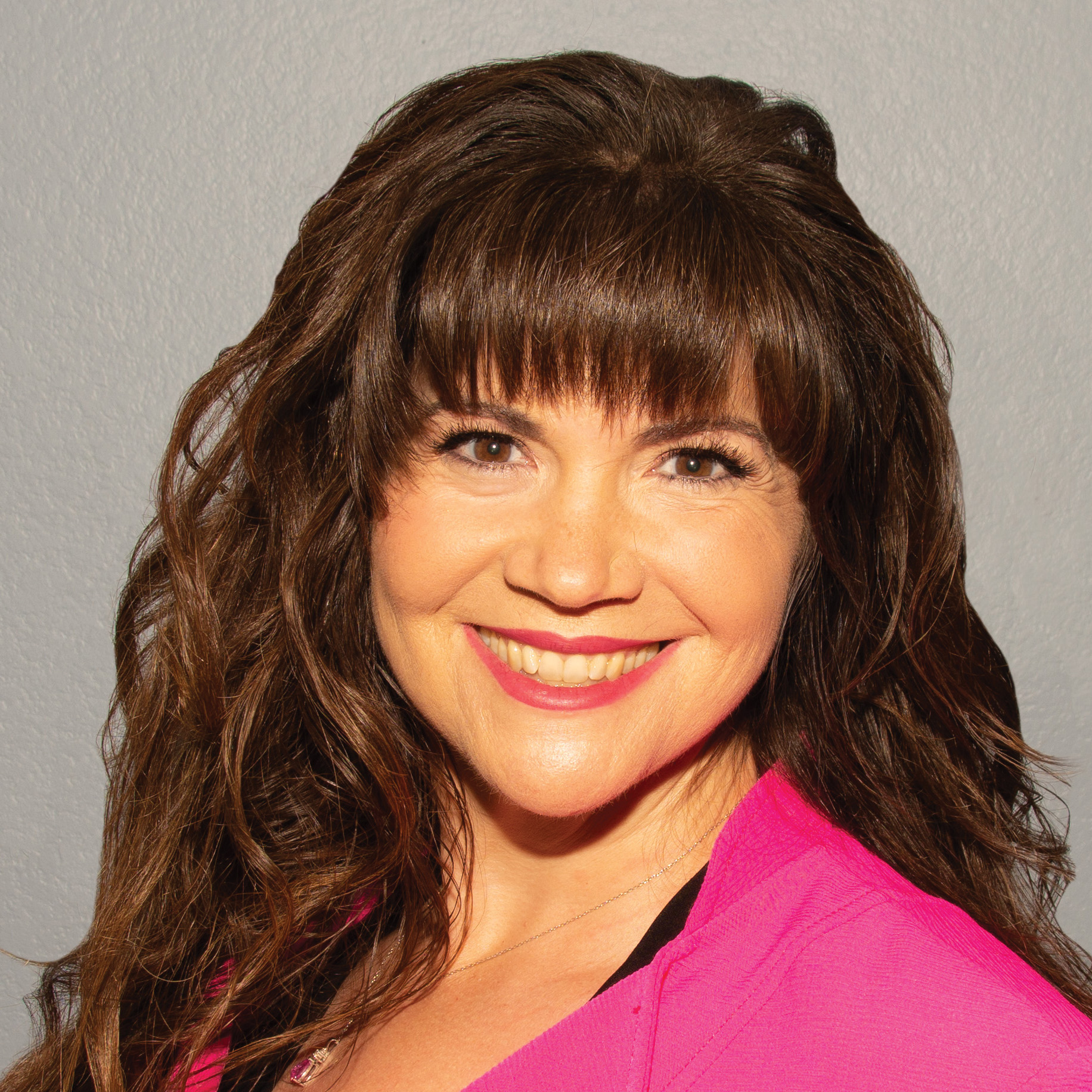
Dr Tricia Groff
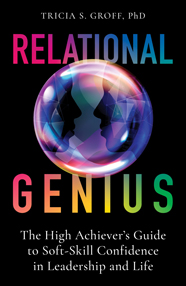
Dr. Tricia Groff is an executive coach and licensed psychologist who specializes in high achievers, with more than twenty years of experience translating academic concepts into practical strategies for leadership and life. Working at the intersection of psychology and business, she wrote Relational Genius to help driven professionals build soft-skill confidence in leadership and life.
📚 Books by Dr Tricia Groff
Transcript
[0:00:30] Jane Borden: In her work as an executive coach, Dr. Tricia Groff comes across a lot of people who have achieved incredible success in almost every area of their lives but who still struggle with interpersonal communication, emotional intelligence and what we generally call soft skills. And she helps them. Now, she has put together that impactful wisdom and advice and her new book, Relational Genius: The High Achiever’s Guide to Soft Skill Confidence in Leadership and Life. On Author Hour today, Tricia discusses the importance of understanding how we are perceived, how to gain true confidence, hint: it’s about reframing weaknesses, and how good communication all comes down to authenticity and trust. Hi, Author Hour listeners, I’m Jane Borden and I’m here today with Dr. Tricia Groff, author of Relational Genius: The High Achiever’s Guide to Soft Skill Confidence in Leadership and Life. Tricia, thank you so much for being with us today.
[0:01:30] TG: It’s a privilege to be here.
[0:01:31] Jane Borden: I’m really excited to discuss this book with you. First, I want to tell our listeners, you open the book with a scene from your work as an executive coach with a client who is really annoyed about you giving him advice he doesn’t want to hear. Tell our listeners, I guess, a little bit about what you do and who this book is for. People who don’t want to hear it presumably.
[0:01:51] TG: People that might not like this book. Okay, first of all, I just love him because he is so smart and that’s what this book is for. This book is for – to be honest, there’s a lot of things in it that is true for the general population. I sat down and I wrote about the things that keep me sane and really help me in life that I think I want everybody to know. There is a slant on it toward people who are high achievers. And their characteristics is that they have extremely high expectations of themselves and they’re very smart so they think that they should already know everything. What makes it hard then is that some of the things that feel just so human, you know, one of my clients said, “It feels like I should know this, I’m a human being so I should get it.” It often makes them feel a little bit inferior or because they want to get everything right, they want to make sure that they’re getting it right. The tactics that I give high achievers help them get it right but I often ask people to do things that may not be in their comfort zone.
[0:03:06] Jane Borden: For example?
[0:03:09] TG: I make people role play and they hate it and I hate it because it makes me feel ridiculous and it’s awkward and it’s “disingenuine”, which by the way my clients, “Oh my gosh, if something feels fake, it’s over.” I’m not sure if it’s me or them but they’re awesome. It’s people with high integrity, they’re great leaders and they’re straight shooters and so anything that feels “disingenuine” just makes them so upset. The thing is that actually I have a section in the book that I talk about high stakes situations. Whether that’s dealing with a toxic or a difficult person or, you know, a legal negotiation. There’s certain scenarios where what we think is in our head, we understand it conceptually, but having it come out of our mouths the right way with the right facial expressions is a completely different scene. If there’s something that I call high stakes, I think it’s obvious but just really important conversations, really important interviews, important, again, have helped some people through arbitration. In those situations, what I find is that making people role play their responses helps me to see the gap in them understanding the concept versus being able to implement the concept.
[0:04:30] Jane Borden: Right, interesting. Let’s back up for a second. Why are soft skills so important and why are they so challenging for many of us?
[0:04:39] TG: Well, they’re important because the fundamental aspect of business is people. You asked earlier, I didn’t quite answer the question who I work with, and I work with leaders and of organizations. If you strip what we do in life, everything, it comes down to our human relationships. I think that soft skills is just a fundamental building block of that. If we don’t have that, it makes everything else difficult. The reason that it’s difficult is because there’s not a roadmap. Even when I was writing this book, I tried to break things down and make them as concrete as possible. Not because my clients are dumb, as I’ve already said, it’s the opposite. It’s because people are like, “Okay, I get it but what do I do with that? What do I specifically say or what do I specifically do to get this right?” That’s a problem is that the human, we’re so complex, the situations are so complex and you and I and a lot of other people have lived and we have experiences and then we encounter somebody, where we’re like, “I have never had this happen in my life, I have no idea what to do.” I think that that’s hard because we want to get it right and it’s not like maybe, cooking is the first thing that comes to my mind and I want to apologize to all chefs. It’s not like acquiring a skill where you can practice and there’s a point where you have it right, where you can guarantee that you’re going to get it perfect pretty much every time. I think that’s hard for people that care about winning and always achieving their best.
[0:06:21] Jane Borden: Interesting, it’s not something that can necessarily be won but it can be improved. You write that one of the first steps is to understand how people see you. One of the first steps to gaining stronger soft skills, how can we do that, how can we understand how we’re seen?
[0:06:38] TG: I think that one of the best things that I did, and I’ll have this on my resource site that’s attached to the book, was to give an email, I mean, a survey to, I think I chose 10 people or 15 people maybe, that I really trust. You might not have 10 or 15 people and that’s okay. But the people that really have seen me in action and that I trust them enough to be able to say, “Oh dear Tricia, Tricia, Tricia, Tricia. Sometimes you’re high maintenance and sometimes you’re squirrely and sometimes you have idiosyncrasies but we love you.” Because I wanted that honest feedback from people that were allowed to hurt me, to tell me where I might come across in a way that’s confusing to other people. What they perceived as my strengths, it wasn’t all negative but I went to the negative first because it’s hard for people to give feedback that’s critical. Then what I did, and this is my research-y mind, I looked for themes in those answers. Okay, these people are very different, what are some of the themes in terms of what they’re saying about me? I think that for us to get feedback from somebody who we trust and we know that they have our back, that they can tell us how we come across to other people. I mean, on the flip side, there’s people that come across as extremely confident and they may struggle with insecurity or feeling vulnerable but nobody sees that because they don’t let people see that. I don’t know if there’s a right or wrong answer here in terms of what people should know about us but it’s having a better view from feedback in our circle, about how we can be perceived by those around us.
[0:08:31] Jane Borden: Taking that information and using it to make sure you're coming across not only how you want to be but also, I presume, more authentically. I mean, that’s part of the goal, right?
[0:08:44] TG: Yes, I’m so glad that you clarified that because a lot of times, people focus on trying to come across in a different way and there is room of course, for all of us to improve and go, “Ooh, I didn’t know that I was doing that”. I think it’s more important on the authenticity side and just being able to be ourselves that if we’re aware, we can explain it to other people. For example, I have occasionally – I’m passionate. Sometimes I think about everything and so sometimes I’m involved in conversations and I will suddenly get very intense. If a person doesn’t know me and if they don’t know where that’s coming from, then they might feel like I’m attacking or like, “I don’t know, what’s this going on?” And it’s not something bad about me or the other person. It’s that the other person may not be used to that type of intensity and they don’t know what it means. Because I know that about myself, I might be in one of those situations and I’ll dig in and I’ll get all passionate and I’ll say, “Wait a second, just to let you know, this is like – I’m just passionate about this, I’m not yelling at you, this is not coming at you.” There have been a few times where I’ve actually seen people’s shoulders relax because they understand, “This is what’s going on.” To me, if we know certain quirks about ourselves, then we can just explain it to other people in a really casual way and it prevents the miscommunication. It makes sure that our intentions are the way that other people are receiving us.
[0:10:13] Jane Borden: Soft skills to a certain degree is about effectively communicating intentions.
[0:10:18] TG: Yes, very definitely. I want to underline that about 10 different times because we think that we’re communicating and we assume that people know our intentions but they often don’t.
[0:10:31] Jane Borden: Yeah. Talk to us about emotional competence? What is it and why is it important?
[0:10:38] TG: One of the things that people get most frustrated by is their own emotions and it’s something that, writing that section of the book was so difficult for me because I knew that people might not want to read it and I still worry about that because a lot of high achievers are like, “I hate emotion, I don’t want to deal with it,” and it makes them feel sort of like weak and that there’s something that they’re doing wrong. Obviously, we’re not talking about joy and happiness and excitement, we’re talking about frustration and anger and disappointment and hurt and the stuff that makes us feel less than our best. The reason I think it’s really important to get a grasp on just being able to understand our own emotions is that without it, I’m going to go really productivity oriented here, we lose so much time and so it’s really, I’ve had several people say to me, especially leaders, when they’re rocking through the day: “I can’t lose a whole day if I get upset about something. Tricia, can you help me figure out how to get back on course and move through the day?” I will not promise people that understanding your emotions makes them go away, it doesn’t. There are times when I’m really upset and knowing that I’m upset, knowing why I’m not upset doesn’t exactly make me less upset. It helps me know what I can do about it so that it takes up maybe a smaller slice of my energy and my attention, instead of completely overwhelming me. I think that that’s what I want for people. I want people to be able to go, “Okay, these are the emotions, these suck,” but without feeling completely incompetent or overwhelmed by them.
[0:12:26] Jane Borden: Yeah, and the section of the book is really almost like an encyclopedia of emotional intelligence, you go in depth on helping people understand them and how to improve their experience with them and communication around them and all that good stuff. And then you also write a fair amount about the importance of confidence, arguably one of the most important things in life yet it’s so hard to have. I’m in my middle age and I struggle with it.
[0:12:53] TG: Yeah, everybody does.
[0:12:55] Jane Borden: What are your tips or what have your clients found most helpful in their conversations with you about confidence?
[0:13:02] TG: The phrase that I use the most often is, “It’s normal.” Talking about so many things because my high achievers think that they should be above, not above everybody else but they should already have figured out whatever problems they have. When they don’t, it lowers their confidence and they find it so helpful when I describe, and I do this with teams too if I’m working with organizations like, “Look, this is a normal process in an organizational growth.” This is a normal problem in a team. It doesn’t mean that you’re bad or that you’re wrong. I think for people to know that there is not a problem inside of themselves, that whatever they’re struggling with happens with a lot of people. I mean even with confidence. You know, you just said, “Wow, I still struggle with this.” I did mention this in the book, I had a few key people that I was checking in on the subtitle of the book and there are two clients that I have but any standard would be perceived as very successful, very put together and great leaders. Both of them were like, “You gotta keep confidence in.” Because no matter how holistically successful you are, there is a question Tricia of like, “Are we getting this right?” and I think for people to know that, first of all, that they’re normal in struggling with their confidence because sometimes in America, it’s perceived as if, or the message is translated like we shouldn’t care. We shouldn’t care what other people think or we shouldn’t be insecure or we should master confidence at some point. I think just knowing it’s a common struggle is helpful. And then the other critical element that I want people to do is get to the point where they can embrace their “weaknesses.” I want to use air quotes here. Or the things about them that aren’t perfect because a lot of us tried to achieve confidence by being perfect, by overcoming all of our stuff but as human beings we’re pretty swirly. We’ve got stuff going on and to be able to say, “I’ve got X, I’ve got Y, I’m in the learning curve. I feel over my head, I’m getting this wrong but I still believe in who I am as a person and I still have something to bring to the table.” I think that being able to mesh imperfection and being a person of value helps us, it grows our confidence and our ability to move more freely.
[0:15:35] Jane Borden: Interesting, that’s really helpful and it goes back to what we were discussing earlier about authenticity because everyone has weaknesses and to appear truly confident to other people means that you would be confident in spite of your weaknesses, which means you’d be admitting them.
[0:15:52] TG: Yes, I love that. That’s so well said because admitting your weaknesses, and I just have to say this, I’ve gotten to the point where I really struggle with the word weaknesses. I promise I will circle right around to confidence because I use this as the shadow side of strengths. It’s like what is a strength or weakness? Well, it depends on the situation. If I’m highly focused, okay that’s a strength, I can stay on task for hours. But on the other hand, if somebody needs me to pull off focus and tune into them emotionally and be present well, then it becomes a weakness if I can’t do that in that situation. What I’ve seen is that when people get really hung up on their strengths or weaknesses, they really should look at, “What are characteristics that I own and where does that really help me or like in which situations is that an asset and where is it a liability?” And the characteristic doesn’t change. It’s just like how it’s applied in certain situations, which also may be a point of confidence. But back to your point about admitting our weaknesses or shadow sides. I advise people to do that and I have to tell you that whenever I’ve done it, nobody has been shocked like, “Oh my gosh, we don’t like you now Tricia. You have a weakness,” like nobody goes away. In fact, if anything, what I find is that people open up. If I’m like, “Yeah, you know what? This isn’t so good.” I’m actually going to say this out loud. I, over the course of growing a business, sometimes had insecurities or have had difficulty raising prices and having financial discussions. I know intellectually what the right words are. I teach other people what the right words are, it’s still hard and I think one of the most freeing things that I did was that sometimes when I have those discussions and for whatever reason that’s raising up, I will say to whoever I’m talking to, “You know what? This is hard for me sometimes because I just really care and I want to make a difference and sometimes this discussion is hard.” It’s just incredible because they just always help and it’s just being two people together, trying to resolve a situation instead of me feeling like I have to pretend to be put together and confident in an area that is still hard.
[0:18:06] Jane Borden: Well Tricia, now that you said that to me, I trust you so much more and find you so confident. But it does seem that trust is the major element here, in soft skills. I mean, is that one of the goals of soft skills? To build trust and that kind of being the key that unlocks successful relationships?
[0:18:29] TG: Yeah, you know it’s so cool that you went there because I have a section in the book about how to know who to trust but I think that trust is through all of it. When you just said that, it’s something that I’ve been thinking way beyond the book. What I’ve been thinking about in the last month or two is what brings out the best in me and it’s hands down when I trust the people I’m around. It’s just very interesting the amount of mental energy that it saves and how I’m able to operate at my best and it sounds like such a “duh” factor but it is just been fascinating to watch my own reactions when I am in the circles with people I trust versus you know if I have question marks.
[0:19:15] Jane Borden: Yeah, I feel that for sure and now I’m thinking that if I were a leader in an organization, part of success for that organization is everyone who’s working underneath me feeling comfortable to do their best work, being in a trusting environment with me would lead to that.
[0:19:35] TG: Yes, you can’t have any – I’ll try to keep this brief. Something that I’ve watched sometimes, I’ve been in rooms where there’s team building exercises or, you know, there is a conversation, there is a problem solving conversation and you can feel it or you can watch people’s expressions or there’s conversation afterwards, which is, “That was really nice and those pointers were really good.” But here’s the problem. The problem is always that there’s a toxic person in the organization or there is something going on in the organization that’s broken trust and so we can put all of the icing on it and make it pretty and do great exercises but at the end of the day, it won’t take because, to me, trust is the fundamental piece that allows us to have all of the effective interactions and the risk-taking and the conversations that we need in order to grow and in order to help organizations grow.
[0:20:33] Jane Borden: Yeah, just quickly on the topic of leadership, throughout the book you have boxes titled “leadership application.” Tell us what you’re doing in these.
[0:20:43] TG: Yeah, there’s a lot of content in the book that I mentioned earlier I think is helpful to everybody but I really wrote for my clients who are high achievers and then within that, there’s specific applications that I want all leaders to know. I think it’s very helpful and one of the things is that, this is such a practical answer, I know that sometimes people don’t read books through and this book is meant to be a resource. You know, there’s different parts to it and I want people to flip to the sections that are most helpful. I have people that are, and I know this is typical for a lot, but the people in my sphere really struggling for time and so the practical aspect is that I wanted them to quickly be able to hit up the “leadership boxes” and say, “Okay, this is what I need to do,” or for that to jump out in their attention because I call my – like the people that this book is written for, they really care about implementation. Like, “Okay, I understand the concept but what am I supposed to do with that?” The “leadership boxes” are meant to give tips that people can go into their organization that day and do something different in a meeting or do something different in an interaction.
[0:21:54] Jane Borden: I imagine that even the lay reader would also find those helpful when they’re going into their PTA meeting?
[0:22:03] TG: I think so but I am totally biased because, I think so, because we could even have then a discussion about, “Are we leaders by title or by influence or how are we leaders?” But yeah, I would really hope that people can look and just find the things that apply for them and then just be able to use it in whatever setting makes sense and people will know that.
[0:22:29] Jane Borden: Well, I want to ask you one more question before we go here. It’s important to make sure readers know that you don’t advise us all to try so hard with everybody or just anybody. How can we recognize and avoid the people you call difficult?
[0:22:44] TG: I devoted a large section of this book to difficult people. There are categories, there are bullet points on how to recognize them and so when you said how to, I think your question was how to recognize them? First of all, this is where people should read the book. If I had to pull a section that I want everybody to read and be aware of, it’s difficult people because over and over and over again, I have heard people say, “Well, if I were in her shoes I wouldn’t do that.” Or “Well, I don’t understand, this person is being irrational,” or, “I can’t, what is going on?” And they are approaching it from being a very, “Okay, I am a person of respect and I have integrity and I try to operate with logic and rationale,” so that’s the way I am going to treat everybody else. But not everybody comes at it from that perspective and so for me one of the key pieces, and I always start with myself first because I try really hard to be congruent with whatever information I give to other people. What I’ve done for myself and with the people with whom I work is to recognize, “Who is it that I’m dealing with?” And then adjust my interactions accordingly. And that’s critical for all human relationships. I think it is really helpful to go, “Okay, not everybody is like me so how are they different and then how do I adjust my interactions accordingly?” But I’ve seen people with the best intentions stay in toxic relationships, toxic work environments for way too long. Anybody listening to this right now, you will know it because you feel it in your gut. You start getting headaches at night. You start thinking about this person over and over again. You replay conversations in your head and underneath all of that, there’s this doubt and you’re like, “Well, is it me? Should I try something different? Is it them? Something doesn’t feel right.” And you can hear my questions, there is so much mental swirl around that. So much confusion and frustration and that’s where I think it’s really necessary to say we want to believe the best of all people but people have different personalities that may or may not be helpful for our circle what we’re trying to achieve in our personal lives or in our organizations and we need to be able to recognize them and then decide what next steps to take in terms of how close they should be in our circle.
[0:25:09] Jane Borden: That sounded really familiar. I think I need to – I’m going to go back through that section of the book with a highlighter I think.
[0:25:16] TG: I think that everybody has experienced it. Everybody’s experienced that swirl of [inaudible 0:25:22] somebody but not knowing what to do about it.
[0:25:26] Jane Borden: There are so many other nuggets of wisdom in the book. Tricia, it's been such a pleasure speaking with you. Thank you for telling us about your work and this work, congratulations. Again listeners, the book is called Relational Genius: The High Achiever’s Guide to Soft Skill Confidence in Leadership and Life. Tricia, in addition to reading the book, where can people go to learn more about you and your work?
[0:25:47] TG: Go to www.relationalgenius.com and there will be resources there, some free, some paid that are associated with the book, and then also there will be a link to my professional website that would give more information about my services.
[0:26:03] Jane Borden: Great, thank you so much.
[0:26:05] TG: Thank you so much for having me.
[0:26:08] Jane Borden: Thanks for joining us for this episode of The Author Hour Podcast. You can get Dr. Tricia Groff’s book, Relational Genius: The High Achiever’s Guide to Soft Skill Confidence in Leadership and Life, on Amazon. You can also find a transcript of this episode as well as previous episodes on our website, authorhour.co. Make sure to subscribe to The Author Hour Podcast for more interviews and insights into life-changing books.
Want to Write Your Own Book?
Scribe has helped over 2,000 authors turn their expertise into published books.
Schedule a Free Consult