MyLinh Shattan on How West Point Shaped Two Generations
✨ Episode Summary
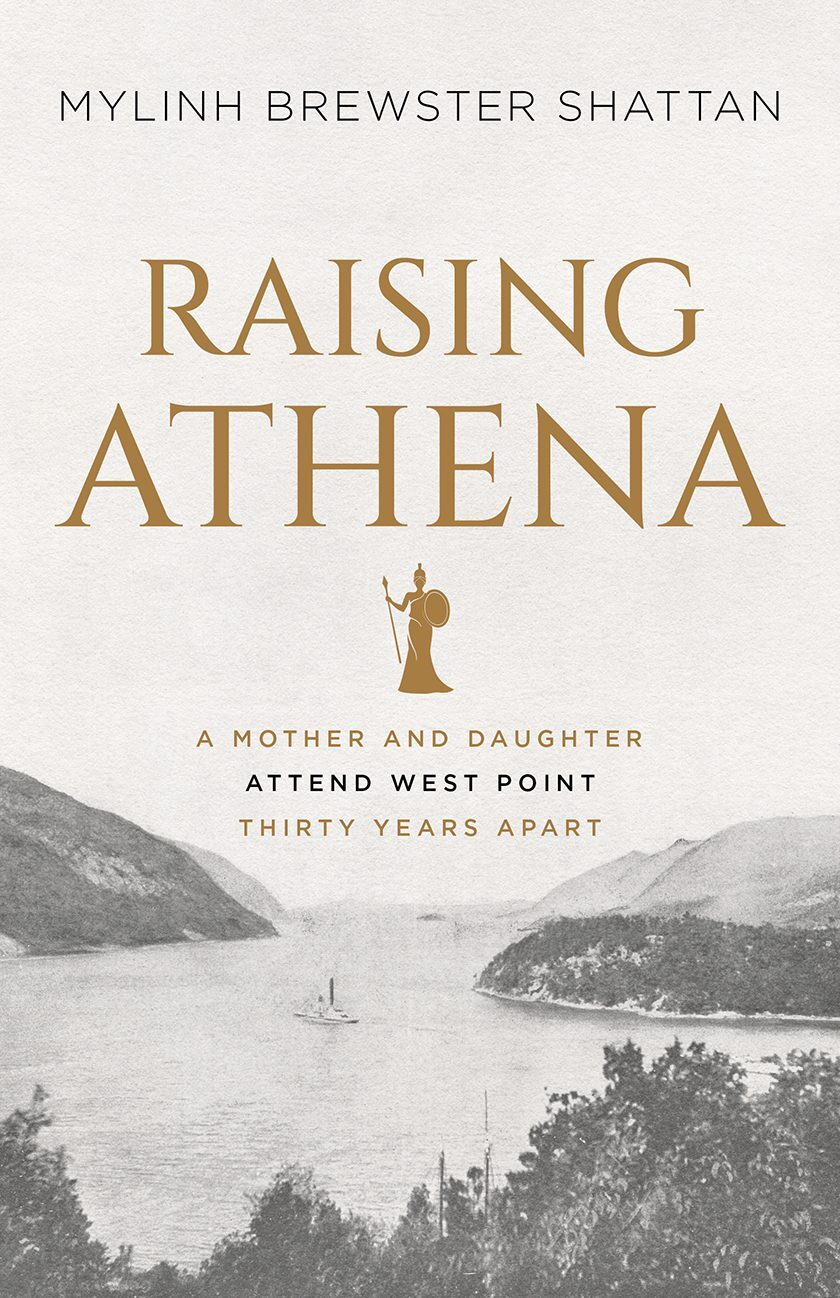
MyLinh Shattan is a West Point graduate from the 12th class of women, a former Army officer, and the author of Raising Athena, a memoir about watching her oldest daughter follow her into the military, written over eight to ten years across five full rewrites. Six literary agents (including a #1 nonfiction agent who loved it) couldn’t place the manuscript with traditional publishers ("if I’m not on your list, like what the frick is on your list?"), so Scribe published it instead, with the Scribe editor pushing the final rewrites that brought her daughter Kara to life on the page. The book launched at West Point on the 50th anniversary of women at the academy with 500 returning alumni in a signing line MyLinh couldn’t keep up with, and the audiobook releases July 7th, deliberately timed to the 50th anniversary of women at federal service academies and the 250th anniversary of the United States.
⭐ Top Moments
- 500-Person Signing Line at West Point Launch. "I launched it at West Point when the 50th year anniversary, the women, there were 500 people that came back for that… people just walked away because I couldn’t sign them, you know, and I couldn’t get them done. And I didn’t even know how to charge." What it looks like when a book lands at exactly the right audience at exactly the right moment.
- Trad Pub Said No, Scribe Said Yes. "I had six, I had agents, number one agent, nonfiction. And the interesting thing is, loved it. But the publishers, the traditional publishers, oh, it’s not on their list. I’m like, if I’m not on your list, like what the frick is on your list?" Followed by: "There’s a real silo in publishing for voices that aren’t heard that Scribe is allowing to be heard."
- Audiobook Timed to Historic National Anniversary. "50 year anniversary of women stepping into a federal service academy this July 7th. So my audio book is released from Scribe on that day, 250th year anniversary of the country. These are the people that made our country." A book release timed to two American anniversaries 250 years apart.
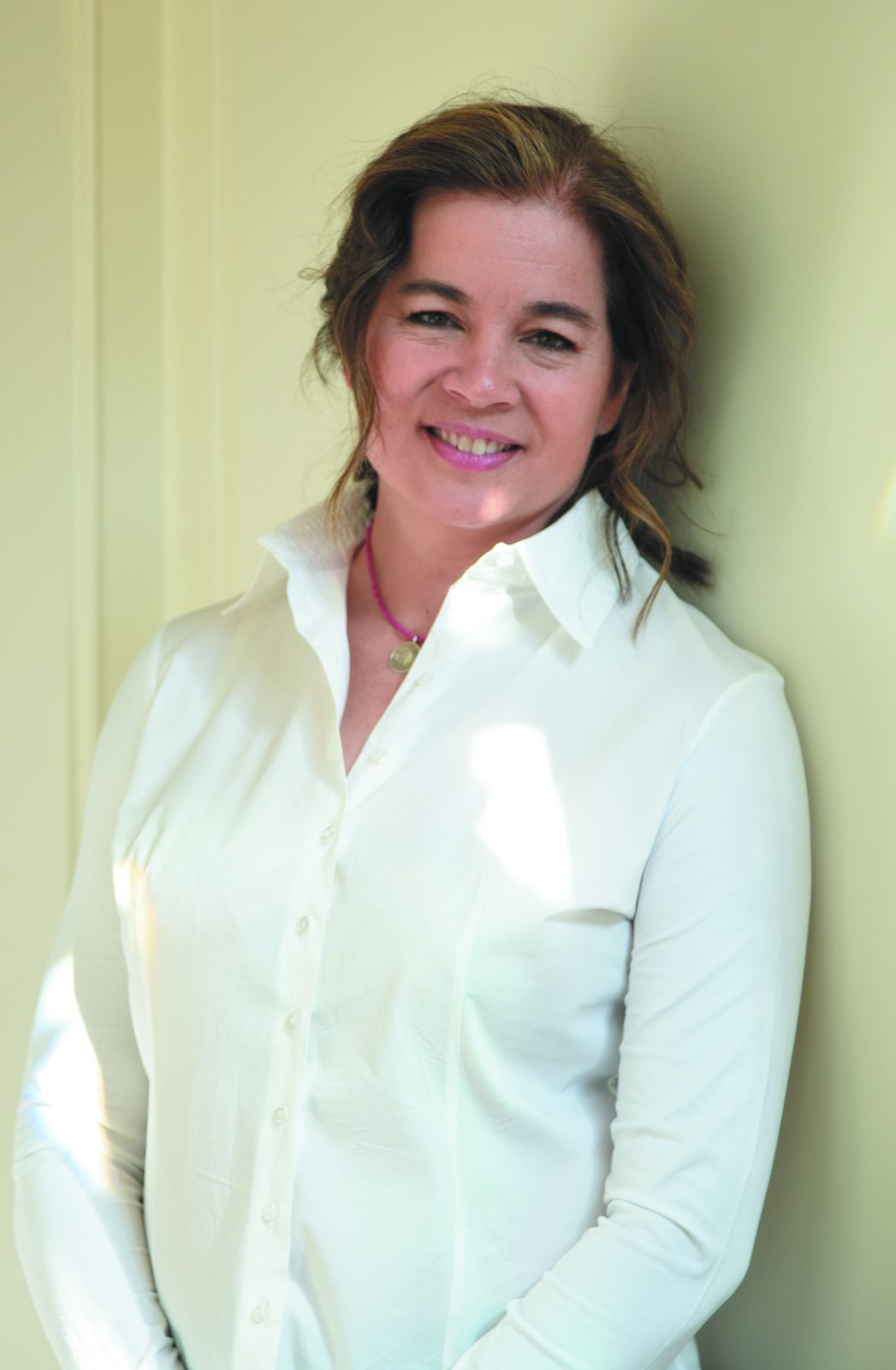
MyLinh Shattan
★ Scribe Case Study
MyLinh Shattan's Raising Athena Launched at West Point With 500 Returning Alumni and an Audiobook Timed to the 250th
MyLinh Shattan's memoir Raising Athena, rejected by traditional publishers and published by Scribe, launched at West Point's 50th anniversary of women with 500 returning …
📚 Books by MyLinh Shattan
Transcript
MyLinh Shattan: you're continually reading as a writer and you're always working on craft. So I'd say like, how did Eric do it? I'm looking at you as a business side, but you're also a writer, right? Something, how did you make it so people could digest it? And then I look at a lot of my books that I love, if I reread them like for structure, But you actually must sit your butt in the chair and write. Some people are like 350 a day, a thousand a day. You can read how they do it. Annie Dillard, you know, Stephen King and Lamont. But you got to generate the writing to have writing.
Eric Jorgenson: All right, Mila. And thank you so much for joining us.
MyLinh Shattan: I'm glad to be here.
Eric Jorgenson: Before we get into your, well, your book and your backstory are really the same. So I'd love to, you have a very fascinating story and I'd love to kind of pull your string on it.
MyLinh Shattan: No, thank you. It's interesting. I feel like I've been telling stories most of my life. My father's in an Irish American and my mother's a Vietnamese from central Vietnam. And they're both storytellers in their own language, you know, they could, they could spin a yarn for days, months, and you'd be waiting for the punch line, like wake up in the middle of the night, some other country and go, Oh, that's what it's about. But no, so it's like, it's been interesting telling people, you know, the background, especially with my name. My brother is a six foot one guy named Donald Brewster and he looks very Vietnamese. Whereas I can almost pass because I'm pretty tall, but then everybody stumbles on them. Is it my Lee? What's your name? You know, I like, yeah, it's Vietnamese. Right. So anyway, I've been telling stories for a long time, but I think the genesis of it for me was, you know, you have children and I don't know if you have children as well, but they make you reevaluate a lot of stuff. So when my oldest looked at what she was going to do and she decided like West Point was the only place for her, I was I was not ready for it, I guess. You know, like if you get out and do stuff yourself, I'd do anything. I'd look at like, well, there's Eric. I mean, he's doing it. I can do that. That was my way of thinking. I was a big person, you know, and I just wasn't ready for when my kid did that. And it's the weirdest thing. I mean, I could sleep on a dime, do everything, jump out of planes, rappel out of helicopters, but When she left, I just didn't sleep. It was the weirdest thing with what's going on. And so the fear you have for your child, and I'm sure you've seen it where you lost your kid for two minutes or something, you know, like. It's just like nothing, right? And so now I really am experiencing, you know, at late stage in my life, what the fear is like for a military parent. And that's when I just was like, I got to start writing this. No designs. No, I want to put this out there for the public. Really, for myself, let's get to the bottom of this. And to sustain a book, as you know, you have to have an intense level of passion. And so it was fear. I mean, honest to goodness, fear.
Eric Jorgenson: So you started writing this just as a way to process what you were going through. At what point did it turn into, oh, this is something that I want to kind of turn inside out and share with the world?
MyLinh Shattan: So I had been writing and I loved writing. So the irony is I've done so much was in the corporate world, was teaching as a professor, and then I wore the uniform. I was an army officer at the end of the Cold War. And I really wanted to major in English. And I had the parents that were like, what are you gonna do with that? You know, so I majored mathematics because naturally it's so close math and English.
Eric Jorgenson: But can you what are the available things to study for you at West Point? Are you are you sort of shuttled into a specific?
MyLinh Shattan: Yeah, no, that's a great question. People don't realize West Point is the nation's first engineering school. It continually ranks in the top two or three, mechanical and civil. I mean, whatever we do, we have to use. It's beyond theory, right? So it's pragmatic. But you have to have a bachelor's of science degree. So there are close to 40 majors. So I could be an English and philosophy major. I would still have a bachelor's of science degree with an engineering track. And you're taking a multivariable class, like 30, 35 core courses, because it is classical liberal arts. It's not enough that, you know, your mathematics, you don't got to know high level of mathematics and engineering, because you're going to be on the ground somewhere, you know, where they kind of put a bridge in place or set up, you know, potable water. No, so I could have majored in English for sure. I'd still be an engineer. I'd still have a bachelor's of science degree, but I'd also have an English major. But at some point, and I think like you, like, you know, teaching seminars or something, like you want to be a writer? You really, you really want to be a writer. Is there anything else in the world that you can do? Because you should do that. But you gotta love words, and it's like breathing right like I just have to write so I started writing like 20 some years ago I've got over 10,000 hours and I was a freelance person I did correspondence for the military did newspapers you remember them.
Eric Jorgenson: I miss newspapers.
MyLinh Shattan: Yeah, no, I just I want to contest like 800 people and they were bringing in columnists, you know, and then they love my writing and they're like, could you do the military feature and so I wrote features on our deployed soldiers and it used to be picked up by the early bird the Department of Defense and I loved it. You get paid nothing, right? So finally I just realized, all right, I got to start writing for myself. So when my daughter left, I said, I'm going to really work on craft. I think I was already competent as a journalist, but I'm like, I want to figure out how to write long form, which you've done. I don't know if you, you also studied by, so I went back for a master's in fine arts. And I just, I looked at all the writers I liked and I applied to those programs and there are two or three writers who just stood out for me. I love their work. And so I said, well, I'll go at least have exposure to commercial writers, professional writers, and see if it helps my writing. Cause there's so many theories on, no, don't go to the school house, right? It's going to mess you up. But yeah, so I had been writing for a long time and I said, this is it, my kids going, I'm going to, so I went abroad with a low residency program. And that's, I didn't set out to write it. I just started writing all these things that were bugging me. And like, I have to write this, this is really bothering me. And I found out that I was writing this story about the stuff she's going through. And that was kind of a foil. Like if you write about your kid, you probably don't want to say your name. So the very first draft, I didn't even use her name. She was a foil for really exploring my experience when women were just integrated. I was in the 12th class. The first class graduated in 80. I reported in 1987, 12 years after Saigon fell.
Eric Jorgenson: Yeah, so the content for people who are sort of who are putting the pieces together breadcrumb style, but like the the essence of the book is that you went through West Point as one of the first women, some of the very earliest classes of women to attend West Point and now 30 years later. your daughter is going through. And it is a very interesting mix of kind of like a memoir and reflection about your experience, her experience, feeling of, yeah, military parents and that mixture of kind of fear and courage and hope. Like I think it's, it's a really like cool and unique story. I think it's so, I'm so glad that you, I'm so glad you wrote it and I'm so glad that you shared it. So those are both independent decisions.
MyLinh Shattan: I think that it was an epiphany about 2018, a year after I had my first manuscript. I woke up or sometime that day and I said, this is raising Athena. How did I raise a child? Because when you see your child with weaponry in the combat uniform, man, you're like, that's not my kid. It is my kid, but what the heck? Yeah, really. And so then I realized I needed to, this is what I wrote. But when you start out, it's just a lot of, there's so much crap in there, right? We got to cut it out. You got to really figure out what your thesis is. And honestly, I don't know if you've read, I read so many books on writing. Eric, I read, I love Murakami, Haruki Murakami. And he wrote this thing, the novelist has a profession, which is a rare individual that makes money writing. Like Poe tried to, Edgar Allan Poe tried to do it too. And it's extraordinary. Like he does, he explains you because he plans to make his whole living is writing books. Like the rest of us are, you know, even Stephen King, right? Like he had a teaching English somewhere, like driving his book around, you know?
Eric Jorgenson: Yeah.
MyLinh Shattan: So I just began the process and I probably have at least five full rewrites. So I respect the reader's intelligence a lot. And it's like, to me, I love the Hemingway school which is take it all out, if you, if you don't think it adds, let the reader figure it out. But then I realized like Mark Kite who's fantastic your, your, your senior editor over there. It's just like, you know, you, he loved the philosophical things and the reflections that I don't have. I don't have a religion. I don't like have something to fall back on. And when she asked, my daughter asked me about filling out her dog tags. That's, that's about death, right? Like that's about when you die on the battlefield. How does Eric want his final rights? Right? Like it's, it's five lines. It hasn't changed for a hundred years and you've got to put your, your blood type on there and you've got to put your religious preference on there. So I'm Buddhist and Catholic. My husband's Jewish and Unitarian. Like, what are we, you know?
Eric Jorgenson: Those are your five lines right there.
MyLinh Shattan: Yeah, right. You know, like I put no preference and at the time they had mandatory chapel services. When people served, they served for God in country. Really a lot of people still do. And I was the only person like standing, you need to like, chapel services were voluntary. And I would just go back to my barracks and they're like, come on, Brewster, you got to go get the cookies or something like worried about my soul. Like you're screaming at me one minute, then you want me to go get some cookies. I mean, I went, but yeah, so I had to, I had to sort these things out. And then I, I really learned a lot as a writer too, just being in the school house with, you get workshopped. I don't know if you've been workshopped.
Eric Jorgenson: Tell me about it.
MyLinh Shattan: So you go in a workshop and it's called, it's really a workshop model. I went to Queens University in Charlotte. And, uh, I love that because you sit like on a stool, basically you're in the room and you don't talk. And we've read Eric's chapter on Elon or whatever, and we pass it around. And we take it home and we mark it all up. And then we just let you tell you what we think. And you just, you can't say anything. You go around the room and you get workshopped. And then at the end, you get the edits, the copy edits, however people do it. And you get it all to take back with you to decide how you want to use it. You know, you have five people telling you this is slow or this statement, you know, like, or you really have no scene development here or your dialogue's off. okay, you're probably off, right? And then you have to make the decision, you know, how you, if you're going to change it, right? And how it ultimately makes you better. But no, so I learned from the workshop model at Queens, it was very, very good. And I had great professional writers too, that I've worked with.
Eric Jorgenson: Interesting. So how did your book change between like your original vision for it and what ended up actually getting published finally?
MyLinh Shattan: Mm-hmm. It's, it's so extreme. So I am about the slowest writer on the planet. I'd say it was eight to nine to 10 years.
Eric Jorgenson: Perfection takes time. You know, craftsmanship has no deadline as I say.
MyLinh Shattan: We have other, our lives going on. I mean, there's a lot of stuff I'm involved with so much stuff, but I mean, it's just a fantastic question. So the first manuscript, it's like, who is it that says shitty first drafts? I want to say it's Anne Lamott. She wrote Bird by Bird. I've read them all. Like, you name it. It was arcane, like Chuck Peleynick. I've read all this stuff. It's shitty.
Eric Jorgenson: Do you have a favorite of those? Yeah. Does one stand out as like resonating with you the most?
MyLinh Shattan: Gosh, I love Ursula Le Guin's Steering the Craft. Like she has 10 exercises and like the last one is going gut it in half.
Eric Jorgenson: Yeah.
MyLinh Shattan: take it and cut it in half, and you distill the essence and what's most important for your reader. And you know what, it's probably better because a lot of it's just garbage. What are you really saying? So the short answer to that, I would say, is I just wrote what was on my mind and what I was wrestling with at that time in my life. And I realized I was dealing with the struggles of a military parent that were new to me. And I also realized there's not much in American history, in human history. Women have been fighting for a long time. They've been in combat, but they've usually had to go weird ways about it. Or cover their gender but we're really the first. Generation words mother and daughter right so for all the men they just go hey eric you'd ask your dad and bob would know where you ask your godfather or your uncle your grandparents there was not a model. for women. And so when I had these issues or whatever, they're really, and women were hard on women. Eric, they were just really tough. They're like, well, we did it, you know, only half of us survived and you got to be able to be tough to survive. And they're kind of lone wolves. So mentors as a word really didn't exist. And it didn't mean that I didn't have guys that were kind or people that wanted to help you. There were just no precedents. There weren't many.
Eric Jorgenson: There's a difference between a mentor and a model.
MyLinh Shattan: Yes, absolutely. Or even a friend or teammate, right? It's just different because they had no experience either. So I realized what I was doing. Historically, there was no precedent for it. And I didn't set out to be that way. So at the end of the first year, I wake up and I'm like, oh, it's about raising Athena. The words came to me like I'm trying to raise this warrior.
Eric Jorgenson: I didn't mean to sit out. I just looked a great title. So I love the title.
MyLinh Shattan: If you're familiar with the myth, she comes out fully formed in body armor, you know, with the lance and the shield and the palates. I mean, she comes out as Zeus's head, right? And look, there is, she has no mother, if you think about it, right? There's no mother. So I didn't have that. And so I was like, what do I tell my kid? And I didn't process a lot of the crazy stuff. So that's what I had at first. Going to the schoolhouse helped. It was a wake up to the weaknesses in my writing. Real professionals truly mentoring try to help you, right? Like you got to do this. And then probably the next few rewrites, I realized, okay, I need to really think about Kara as a character and not simply a foil without a name. So Mark Cahit, that scribe, you know, he just reads a gazillion books. He said, We're all dying. And it's like to know who this Kara is. So one of the last, probably the last two rewrites, I developed her character. And we had done a lot more interviews and realized your kid is 18. You don't like me. Like maybe you don't want to put her thoughts out there and her name and, but by the time she's 26 now. So, and we had so many interviews. And so I developed her. as fully and respectfully as I could without projecting my thoughts into her mind. So using her language, her quotes, her interviews, her stories, and then accurately fleshing her out, warts and all like, you know, like you might think that you're a great kid, but you're a pain in the ass sometimes, you know, like. Riley just fleshing her out as I fleshed myself out, which is.
Eric Jorgenson: And was she, what was her reaction to that? I mean, obviously, you know, you're interviewing here. You did this with her tacit, if not explicit permission, but I feel like a lot of people struggle with that. It's like, you know, it's a write a good memoir. You have to represent other people and it's very hard to do that in an unbiased way or in a like full and honest way. So how, how did you approach that conversation with her?
MyLinh Shattan: So by this time, you got to figure by she's in her early 20s, it seems like half her life or a third of her life, her mother's been trying. But I tried to create what I did is I tried to create the tension of discovery. and bring the reader in the narrative presence. So there's three temporal straw. It's really quite like intense. But trying to make it seamless for the reader, which is I'm doing my backstory in Saigon. I open up on the embassy because my father's rescued from the embassy with the ambassador, the very last chopper for the official mission personnel to get out of Saigon. My dad's on that. No phones. We don't know. Right. Like I got out a few weeks earlier. Then I open, I get to my daughter in the very beginning and I let her I use her essay so people can hear her voice. So, I include different forms of writing so you can see her college essay and it brings people to tears so I've had people requested say can I put it on my screen I'm like, sure put on your screensaver you know like it's pretty powerful. As I'm folding her in, I think the way you flesh her out is I framed the flashbacks. So each chapter I open with something that's going on with her. That's bothering me. I didn't have to box. Okay. So men, nosebleeds, it's notorious. Most concussions, I think across the United States in any sport is army boxing. Women didn't have to box. So my daughter's in the second class. She has to box. I don't know why it's freaking me out. I'm like, it was scary for men, their noses knocked out a joint, blood sitting on the floor. And I'm thinking my daughter's going to do that. Right? Like I still am not quite wrap figured out how to fall asleep. And I'm thinking, You know, you're scared. Imagine your kid, right? This is your kid. You're like, I don't care about myself. So I framed it with the stuff going down. She goes, Mom, I got boxing. I'm like, what does that mean you got boxing? Do you get your gloves? And so she's telling me actual what it's like, boxing, getting hit. in the face, like watching girls bleed and, you know, going up against people that actually boxed before. And she practices with guys. She tests as far as the graded bouts are with weight to weight, skill level, skill level, gender to gender. But you, it could be you and Eric, like, I'm your weight, I'm 160 on one side, I'm going to box the guy, my weight, like, no way, it's a pack of weight more behind this punch. But so I would frame each chapter the way you would structure your thing. And I realized Whatever was bothering about what she told me about. And then I would go back into my time because what was it like for me? I had to run fast. I had to be strong. I had to carry men's back. I had to prove myself double. Right. So I ended up being on the track team, but I was a slow ass runner. I was sorry. I was really slow. And I fell out of runs and some guys helped me finish and learn to finish. I got really fast. I went in the fast group. My mom was like an Olympic level runner in Vietnam, but then I ended up walking on the track team and in the track captain. So my, my peers told that story when they went through their units are like, let's tell you about this girl who was a fallout runner, couldn't even stay in the formation runs. 31 31 down the strip. And so you're, you're running down the strip left, right. And I'm like, You know, you get to the X mile park and I'm like, I'm going to pass out. And I didn't just fall out. But amazing thing happens when you're training every day and you're going through this tough stuff, like going through the gas chamber, you know, you can suffer it. It sucks. But you learn how to trust. that gas mask when you've you've just taken in CS gas right and all every orifice of your body is leaking fluids right like so I used her experience and I would go back and try to reconcile some of these serious things that happen and I was lucky like honestly Everybody had to suck. Everybody sucked in some way. You do not get through unscathed. It might look different for a woman and there are bad things that can happen. So I do talk about that. And I didn't, by the way. So, you know, one of the editors like, aren't you going to talk about sexual harassment? I'm like, okay, I guess I should. But that was one of the things that was bothering me. You know, like, is she going to have to put up with that shit? And yeah, everybody puts up with stuff. It's a little more professional. Women can have been there longer, but there's always, you know, bad individuals. There's bad actors.
Eric Jorgenson: I wonder what's, what are some of the biggest changes that you've, between your two experiences, between you and Kara's experience 30 years apart?
MyLinh Shattan: I mean, that's a big spoiler, but I like, Oh no, I don't know.
Eric Jorgenson: Spoilers.
MyLinh Shattan: No, but it is. It's where do you get to? What do I, I mean, I don't resolve things, right? Like, you know, my kid went to Korea. She went to Poland and she was in Wiesbaden fighting with the Ukrainian. So she's going to take command soon. My son wants to go into rangers, right? So I'm living scared a lot. I mean, I'm just tracking the news, but I did a lot of research on death. you know, 58,000 that died in Vietnam. And I'm looking at POWs, MIAs today, what happens with women. And I looked at every one of my classmates that died. And in the process of writing this book, I went to a few funerals and three of my good friends' kids died. I mean, it's just, so I don't resolve it, but I face it. I mean, I face it. And I think America, because we're an all volunteer force just doesn't know who we are anymore. So it's it's my story and my daughter's really gritty, really raw. It's really, I've been working in the field force for you at my U.S. Senator. I do the, you need a congressional nomination. I've worked with the admissions at West Point for nearly two decades. I see every essay. I'm on boards for scholarship for military units. You, these kids are amazing. In Vietnam, they protested. They didn't want to go, right? So across the country, we, we were all had stake, you know, all had a stake. World War II, just 100 years, I mean, World War I, every able-bodied male went. Right, so today, it's less than 1%. You watch the Maduro raid, you watch Epic Fury, you watch Hammer, I mean, you watch all these things. I have people write at me, like, can you pray for my son? Like, because now it's the parents' fear. Like, the kid is fearless. You're like, oh, mom, stop. But I'm like, we've lived longer. We've been to funerals. So what's happened, what's changed is I understand the problems and the numbers. They track military deaths very closely and suicide has outpaced all the rest. So we got a big problem with that. We still have an issue with sexual harassment. I looked at the stats. That really helped me and I just didn't want to look at those things. But I also went by name and looked at my classmates who died. I talked to my peers who lost a dozen soldiers, you know, like you're calling, hey, Eric, you're the one that's got to talk and write a letter to the family. Yeah. So I think 50 year anniversary of women stepping into a federal service Academy this July 7th. So my audio book is released from scribe on that day 250th year anniversary of the country. These are the people that made our country. And now we are fewer than 1%. It's insane. No one. Who are we? I be people who don't know anybody in the surface. Like, I'm telling you who we are. And I put a lot of other characters and by name, and people that have died and you know, like, this is who we are. And I'm worried because I don't think people have a stake in the game or spend time taking time to know who's going out and dying for them, you know?
Eric Jorgenson: Yeah, I come from a military family on both sides, actually. And it's, I mean, it's common where I grew up, but it's, I agree, like the more people I meet from the coast have no idea, don't know anybody, don't understand why anybody would enlist, don't understand. the mindset of somebody who, as you say, yeah, God and country and kind of the tradition and the honor that comes from that, which is a shame. And I'm glad that, you know, there's, there's a lot that's being like talked about and shared and more of the stories are coming out.
MyLinh Shattan: Yeah, no, and thank goodness you guys also share a lot of the stories. I had six, I mean, I had agents, number one agent in nonfiction. And the interesting thing is, I mean, loved it. Like, this is incredibly terrific. Learned what a book proposal was. But the publishers, the traditional publishers, oh, it's not on their list. It's not on the list. I'm like, if I'm not on your list, like what the frick is on your list? There's a silo. There's a real silo in publishing for like their voices that aren't heard, that scribe is allowing to be heard. It's like you're exposed to both parents. That's incredible in your family. So, you know, incredibly thankful for families like yours, but. We're, there's a, it's the widening civil military gap. And the irony is I didn't sit out that way. I wanted to be a great writer. I had to get this stuff down. And I just, I wanted to write it as well as I could and respect the reader, but it's an antidote. for that problem, which is you don't know us, read, read, read.
Eric Jorgenson: Yeah. It's a common thing. I think there's a paradox of like the more personal of your story, the more personally you approach your story, the more people it ends up reaching and the wider applicability it has. And, you know, to be really raw and real with your own story does inevitably get to this kind of like, yeah, this helps people understand the world that they're in more broadly because you come to really love the person that you're reading about. You know, if you, If you do your best as an author and your best as a reader, the reader sort of brings an open mind and open heart to you do some to come to really gain empathy for somebody that you a part of the world or perspective that you didn't have coming in.
MyLinh Shattan: No, no, that's me. I've been running book clubs for 20 years and all these books I wouldn't have read. I mean, I just like it's great. It exposes me to things that I didn't know at all about and probably wouldn't ever choose.
Eric Jorgenson: Oh man, did you get to bring your book to your book club?
MyLinh Shattan: So they're going to read it over the summer, you know. Yes.
Eric Jorgenson: Oh, that must be so special.
MyLinh Shattan: It is really special. And I launched it at West Point when the 50th year anniversary, the women, there were five hundred people that came back for that work. You know, and that's and I couldn't. People just walked away because I couldn't sign them, you know, and I couldn't get them done. And I didn't even know how to charge. I was like, how does this work? I've never done this.
Eric Jorgenson: That's so cool. I generally ask what is the, you know, an unexpected good thing that came as a result of your book, but it sounds like launching at West Point on the 50th anniversary might be.
MyLinh Shattan: Yeah, I think there's divine intervention because I really wanted to launch last year with you guys and I had Ellie Cole was working with her and My mother got sick and died. I'm like, this is a priority. She never got to see the book, but I am. They started to flag them the featured speaker. I'm going out to the air museum in California, by the way, your, your plate, your, your seminar was fantastic.
Eric Jorgenson: I, Oh, good.
MyLinh Shattan: couldn't get it all down. So the slides just came through, but like all these things and the Women's Memorial, they're all talking to me. And so they're just going out. I'm going down to my bookstore tomorrow. They ordered copies and they want me to sign them. I'm going to be talking on flag day and explaining what the flag means to me. They just like, can you just sign your book? I'm like, well, let's talk about the flag. But it's gratis. I think you said that. It's like the first year or six months, just go and do all these things, talk on podcasts. But as soon as the book came out, so I think it was Tony Orlando who sang Tie a Yellow Ribbon. He was last year's speaker. It's like thousands. They have 4,000 followers. I mean, they have a ton of people there. I'm thinking, Oh, man. Do I want to do that? And you're not going to get myself out there. And so it's so you do want to do it.
Eric Jorgenson: That's incredible.
MyLinh Shattan: I want to use your playbook and just go I want to knock it out the park because I'm I'm really believing in the reception from independent top Goodreads reviewers like very tough. like it's so good. So I'm getting valid. There's validation with like, okay, it's reaching people. They love it. They're reading it. I have pictures of them reading it. How do I reach the audience besides my little self?
Eric Jorgenson: That's, yeah. Yeah. This would be an amazing book club book. Yeah. So fantastic. My general closing question is what do you recommend? What is your, piece of advice for authors who are just aspiring, just on the cusp of sort of making a commitment to their book that are, you know, maybe in your case, eight or 10 years up the road.
MyLinh Shattan: That's such a great way to close. I think you got to love, really truly love it because it's tough. It's really, really tough. And I think really until I had quite a few thousand hours and there's something about it, but I hit enough hours And I read everything out there. You're continually reading. So I'm reading everything I read. I'm purging my house. I probably have thousands of books. I just purged 500 books. But you continue reading as a writer. And you're always working on craft. So I'd say like, how did Eric do it? Like, so I'm looking at you as a business side, but you're also a writer, write something, how did you make it so people could digest it? And then I look at a lot of my books that I love, if I reread them, like for structure, but you actually must sit your butt in the chair and write. You have to write the materials. There's generative periods of your life. Some people are like 350 a day, 1,000 a day. You can read how they do it. Annie Dillard, Stephen King, Anne Lamont. But your method, Eric, what is it that works? The kids are asleep, you sit down, you crank your 350. What is it? You got to generate the writing to have writing. And you got to keep rewriting too. Just because you got it out doesn't mean it's great. You're getting it out. I think everybody writes them like, Oh, you got to read it like you, but isn't any good. Like, why, why would I want to read it?
Eric Jorgenson: Yeah, the refining, the magic is in the refining. And I think the most underrated sentence in this whole podcast is like, you did five major revisions. This is a lot of refinement and work. And very few people walk up and hit the bullseye with their first throw. But the good news is swings are free. So you can just keep at it until you're happy with the product. And nobody has to know how many revisions it took and how many hours it took.
MyLinh Shattan: My friends got their PhD in less time.
Eric Jorgenson: Yeah. All right. Where would you send people to learn about you, follow along with your journey, pick up the book?
MyLinh Shattan: Yeah. So I've been running a blog for 12 years and I do have followers and I have a podcast and it's a treehouseletter.com. If you put in Raising Athena or Meal In Shat, my name's hard. So treehouseletter.com slash the book has lots of reviews, indie reviews, top rated reviewers, and it tells you how to get the book. I'm doing signed copies. And let me tell you, this is a humbling and educational process, Eric.
Eric Jorgenson: As is life. It's a microcosm of life.
MyLinh Shattan: Yeah.
Eric Jorgenson: Thank you so much, Milan, for taking the time. Thank you for your service. Thank you for the courage that it takes to let your daughter, not a lot, but, you know, watch your daughter and the rest of your family join the service. She's not the only one.
MyLinh Shattan: No, I have to say that Kara Davis and Nora, my daughter, my third daughter gets her commission. She's going to go with the 173rd Airborne. My son is fourth infantry division. All five of us served eight members on active duty right now in the family.
Eric Jorgenson: Incredible. Thank you all heroes.
MyLinh Shattan: Thanks, Eric.
Want to Write Your Own Book?
Scribe has helped over 2,000 authors turn their expertise into published books.
Schedule a Free Consult