The Billionaire of Living: Mike Woodmansee on Building a Life Money Can't Buy
✨ Episode Summary
Mike Woodmansee spent his career as a chief financial officer, surrounded by people worth tens or hundreds of millions of dollars who, he noticed, weren't especially happy or fulfilled. In his seventies he wrote The Billionaire of Living: Building a Life Money Can't Buy with Scribe Media, built on decades of what he calls life goals: a sub-2:50 marathon, qualifying for the Ironman in Kona, hiking every trail in Washington longer than 30 miles, leading a climb of Denali, and two months on Mount Everest.
In this episode of Author Hour, Mike explains what separates a goal from a life goal, why you have to risk “spectacular failure,” and why Everest, the one summit he never reached, is still the best experience of his life. When the book came out, more than a hundred of the people he had shared adventures with came to his local book signing, the oldest of them 90 years old.
“If you feel really good about your past and you're really excited about your future, I'd say you're in the right place. And money had absolutely nothing to do with any of it.”
⭐ Top Moments
- A hundred friends at the book signing. “And I had a book signing locally and more than a hundred of these people came. And the oldest person to show up was 90 years old. And it was a person I hadn't done anything with for 45 years.”
- You don't have to be elite. “A normal person can do what I did. It's only extraordinary in maybe the amount and duration, but not the things. They are doable.”
- The summit he missed, and kept. “And I guess what I didn't do is this. I didn't let the disappointment from not standing on top ruin everything else.”
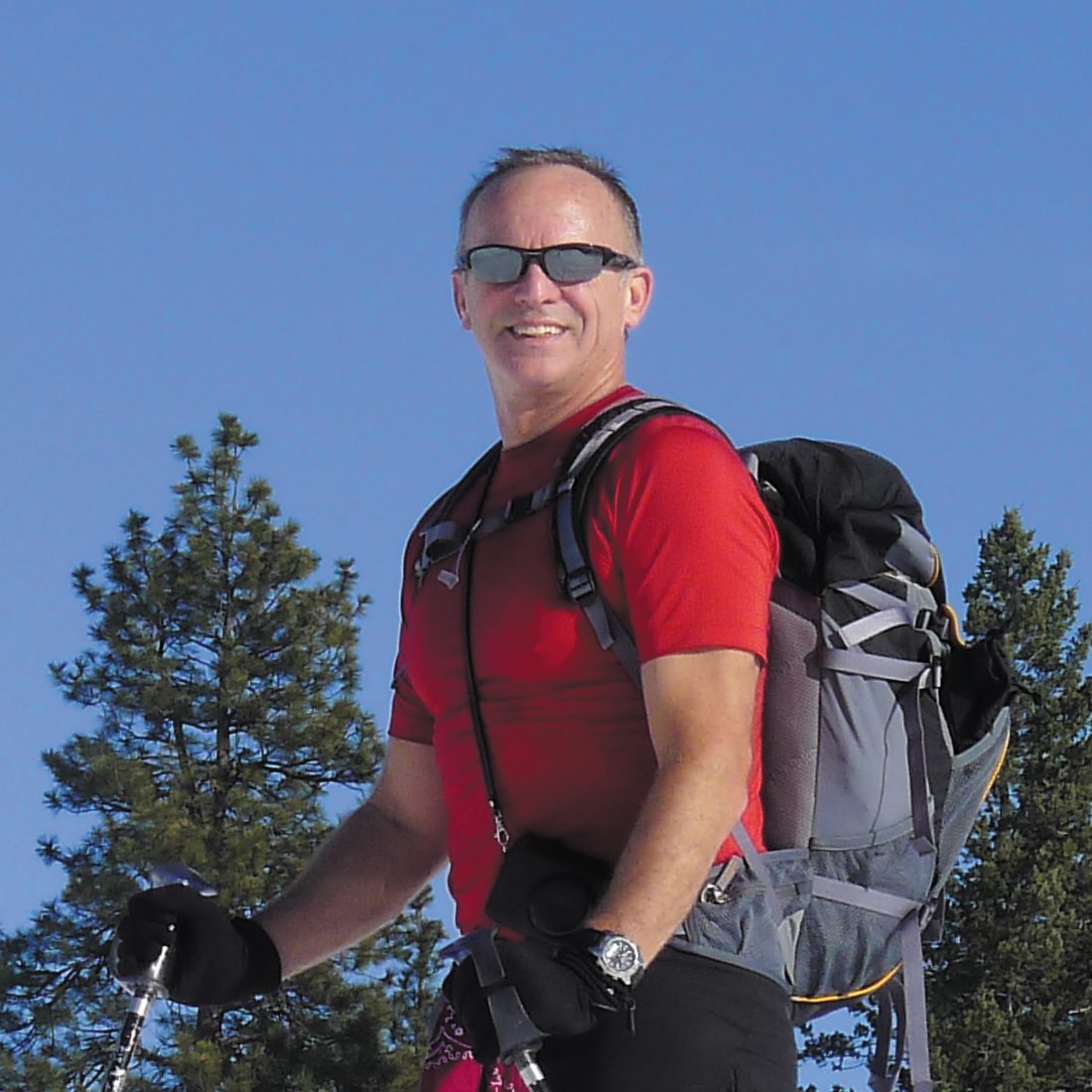
Mike Woodmansee
Born and raised in Mount Vernon, Washington, where he still lives, Mike Woodmansee was once described as “an entourage of one.” He has dedicated his life to adventure, physical challenge, developing himself as a person, and helping others as much as possible.
He has separately run, bicycled, and hiked more than 25,000 miles, enough to circumnavigate Earth several times.
Mike also helped create Best SELF, a summer enrichment program that served many thousands of children, including low-income and at-risk children, over seventeen years, something he considers his most significant accomplishment. A licensed CPA, he is an alumnus of the University of Washington.
★ Scribe Case Study
Mike Woodmansee's The Billionaire of Living Brought 100+ Adventure Partners to His Book Signing
Former CFO Mike Woodmansee wrote The Billionaire of Living with Scribe to show what a rich life looks like. More than a hundred adventure partners came to his signing.
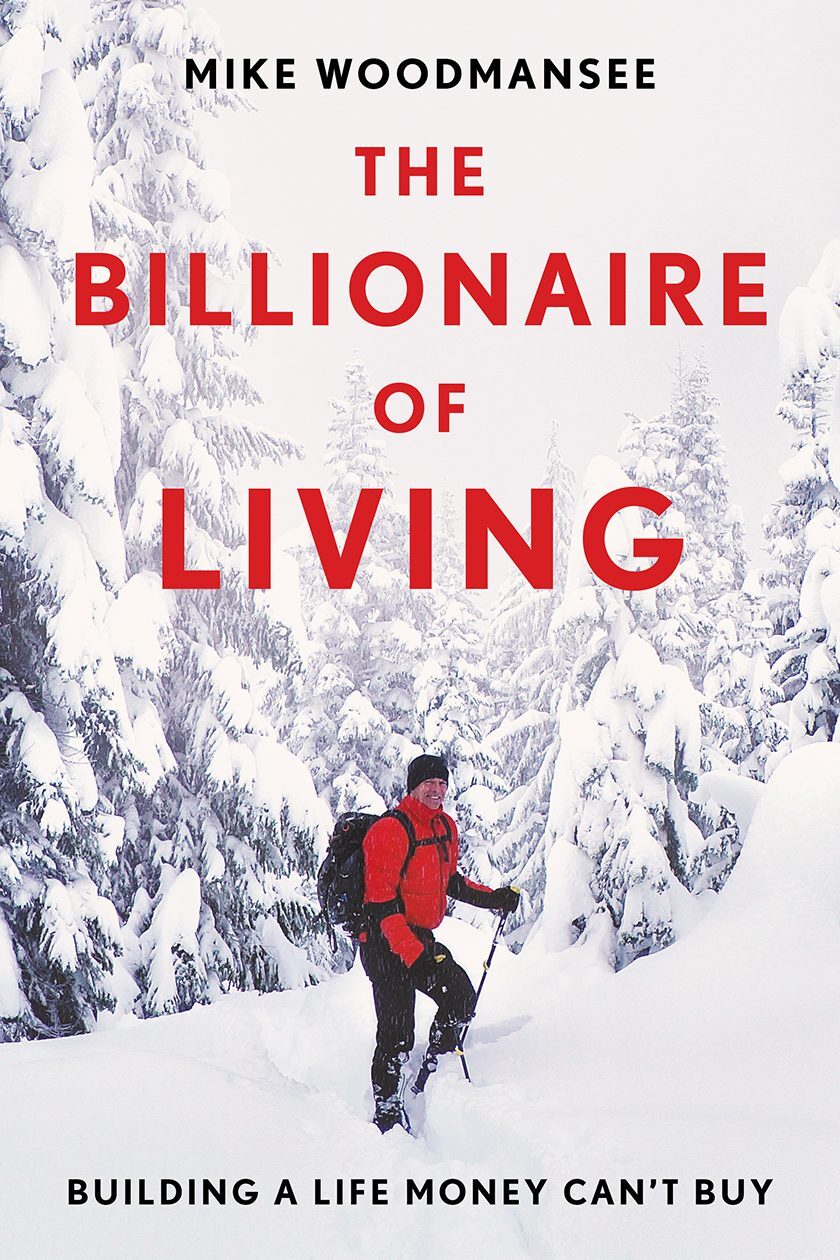
📚 Books by Mike Woodmansee
Transcript
Lex Statzer: Welcome to Author Hour. Today I am here with author Mike Woodmansee, who wrote The Billionaire of Living, Building a Life Money Can't Buy, which is out now. Mike, welcome to Author Hour.
Mike Woodmansee: Thank you, Lex. It's my pleasure to be here. It's very exciting for me to hopefully get a bit of word out about my book and explain as much as I can about, you know, what I went through and what I was thinking and why I thought it should be shared.
Lex Statzer: Perfect. That's exactly why I have you here. So I can't wait. So I want to begin with the beginning really. What made you want to write The Billionaire of Living and why write it now?
Mike Woodmansee: Well, I'm, I'm old, so I've lived, I've lived much of my life. So over those decades, I just out of interest, started pursuing some pretty challenging goals. And of course, since I'm old, we have to take the clock back to the 1970s and 80s and 90s, when I was young and had these, you know, began having these big ideas, which I still have big ideas. They're different. But in any case, I challenged myself physically, I challenged myself emotionally to get to where I could run a fast marathon to get to where I could climb mountains and not be terrified the whole time. And you made myself train as a cyclist and a swimmer in addition to a runner to, to not only finish an Ironman triathlon, but to qualify and get to go to Hawaii and experience that special place Kailua Kona, which is kind of like the epicenter of Ironman. It's, Kona isn't where it started. It moved there in 1982, I think from Honolulu, but it's considered the, the place on earth where you do an Ironman triathlon if you've met the grade. So those kinds of things, and just hundreds and hundreds of hiking adventures and sharing with friends, I knew that I'd accumulated a list of experiences that had made my life wonderful. Not every minute was wonderful, but the experiences were wonderful. And I'd shared it with hundreds of people. And now that I'm in my seventies, I could look back at what all that felt like and what it took. And so I had all of that personal challenge, personal fulfillment against the backdrop of my career, which was as a chief financial officer. So, you know, I'm surrounded by, I've done okay in my life. I've, you know, I pay all my bills and I've paid for every single adventure I've ever gone on. And I still am, but I was around people worth, you know, tens or hundreds of millions of dollars. And I interacted with these people a lot. I had dinner with them. I traveled with them for business. And what I realized is they weren't especially happy. They weren't especially organized. They weren't especially fulfilled. They weren't especially nice to other people, often quite the opposite. So when I finally retired and felt like I had the time to gather my experiences and present them as stories, but, you know, present them constructively, present them honestly, and share with as many people as care to read or listen, what really created a good life for me and the people around me that on a look back basis, I have near zero regrets and I want to keep going. And by keeping going, I'm taking my granddaughter and great niece to Portugal and Spain on their spring break, which I'm stretching a week to walk the Camino Porto and they're 10 and 12. And of course, mom and dads have to sign off. I have to get letters and, you know, since I'm taking them out of country and, but that's, that excites me. And when a few friends of mine are going to go, because they haven't done it and just creating adventures now for myself, for my granddaughter, for friends, continues to be, you know, as fulfilling as the first time I ever talked someone in going hiking with me, like when I was 17. Yeah. So it's been fun.
Lex Statzer: Oh, that's amazing. So it kind of sounds like you've always had this sense of adventure, but it also sounds like you've been able to take that sense of adventure and turn it into discipline and action. Do you have any advice for anybody else that also feels this call to do more and live bigger, but they're not sure the steps that they need to take to get themselves there?
Mike Woodmansee: Well, I think there's a lot of people. I think there are millions of people who want to live a life that's full of adventure, full of, you know, goal or dream setting and working towards it. But to your point, it's like, how do you start? People are nibbling at it. I go past trailheads in our mountains. There's, you know, in the beautiful fall days, it's, they call it large madness and there'll be 500 cars at a trailhead. You couldn't pay me to go up there, but there's all those people seeking. And, and I know so many more places they could go. But the point is there are a lot of people just trying to figure out how do I make something out of this thing we call life and how do I do that in a way that I feel very fulfilled. And when I look back, I'm glad I sacrificed. I'm glad I worked at it. And that's what I hope my book is to people, a description of how you go about it. Cause I describe how I went about, you know, training for marathons and how I went about, you know, training for an Ironman and what over-training felt like and what under-training felt like. And, and then being out in the mountains and a lot of times not climbing mountains. I rarely climbed mountains by myself, but I did a lot of hiking multi-day trips by myself and, and, you know, dealing with your own fears around heights and being alone in the mountains. And, and it's very, I explain kind of what that feels like. And the result of that is you, you learn to know yourself very well and it feels good. And like me, you will want to share it with others in your sphere. So take those steps. I'd say spend 30 bucks, buy my book. And, and if I didn't explain it well enough, my emails accessible, email me and say, I need, you didn't do a very good job at that, Mike. I need to know more. And I'll say, okay, here you go. And that would be fun for me. You heard it here first, send your follow-up questions to Mike. Yes. I share, I have friends reach out to me all the time. You know, I'm thinking about going here, you know, what can you tell me? And I'm happy to, it's never an imposition.
Lex Statzer: I want to get into the title a little bit. So it's called The Billionaire of Living. What does being rich mean to you? Because this title has that wealth element, that billionaire element. So, so what is being rich? What is being a billionaire?
Mike Woodmansee: So, of course, like I say, my, my work background was accounting, master's in business, chief financial officer. So the first thing I wanted to do is annoy the billionaires. I'm worth $50 billion. Who's this character over here? I'm worth 50 billion and I'm living. It must be me. No, you were $50 billion, but I would debate whether you're not, whether you're living or not, or living the life of a billionaire. You are a billionaire living a life. I don't know that that makes you the billionaire of living though. And that I wanted to make a monetary connection because it was eye-catching and then relate it to things that money doesn't matter very much in. And that is, you know, hiking, mountaineering, training for marathons. They're pretty inexpensive activities. Now traveling to go certain places can get a little pricey, but compared to yachts and third homes and, you know, backpacks, not much money. And so I wanted that billionaire of living because billion catches people's eyes in this day and age, but it's about living. It's not about money. And so back to the question you asked, what does rich mean to me? Living a life that meets your hopes and dreams. That's what, that's what it ended up meaning to me. I, you know, I, I had this goal of running a sub two 50 marathon, sub two hour and 50 minute marathon. My first marathon, I think took me like five hours and I stopped at a restaurant because I was freezing in the rain. I had two cups of hot chocolate right during the race. And I described that in the book. That's not exactly look at me moment, right? But I was shivering cold. I was down to running and walking. I was on the main street of a little town and there's a cafe and had two bucks in my pocket. And I went in and the guy gave me a cup of hot chocolate cause he felt sorry for me. But I said, I have the two bucks in my pocket. So I bought a second cup and then I finished, but I didn't let that, I saw I'd done a marathon. Hallelujah. Check that back. Well, Mike, you didn't quite do what you think you could do. And so I worked at it and it took 10 years for me to get to where I could run a marathon under two hours and 50 minutes, which puts me in the top one or 2% of marathoners. Now there's a big difference between the top one and 2% and the top one 10th of a percent. It's like 40 minutes.
Lex Statzer: Hey, that's okay.
Mike Woodmansee: Yeah. And that's the other point. I am not an elite athlete. I'm a decent athlete, but in high school I could run a mile in five minutes and 20 seconds, but the guys on the track team that really ran miles could do it in four minutes and 20 seconds, a minute faster. So yeah, if you lined the whole student body up, I would be up towards the front, but to the elites, I was a notch below. And so I've lived, I've had to work at everything and there's a lot of labor involved in all of this, right? But it's, even when it's pain and suffering, it's a labor that you're either enjoying in the moment or shortly thereafter, it's building you into something better. It's letting you aim higher with your goals and experiences. So that's what's rich to me. Like I said, when I look back, I feel really good about everything I've done, even the stuff that didn't go well. And in looking forward, I'm excited. So there you go. If you feel really good about your past and you're really excited about your future, I'd say you're in the right place. And money had absolutely nothing to do with any of it.
Lex Statzer: That five-hour marathon story, that is, I mean, it might not be your most triumphant moment, but one heck of a story. So you got something out of it.
Mike Woodmansee: I was out there muttering to myself, but I just kept going.
Lex Statzer: Sometimes experiences are for the story. And I think that's just as valid.
Mike Woodmansee: Yeah. It was four years before I did another one. It was four years before I did my third one, but by then I finally started to figure it out. And then I was doing multiple marathons a year, dropped my time down. Even then I'm pursuing three hours because two hours and 50 minutes was too much of a leap from where I was at, three hours, 10 minutes. So I was focused on three hours and conversation with a buddy. He asked me what my training level is. And I tell him, and he just says, you're not going to make it at that training level. You need to do these two things. And I did those two things. And my time went from three hours and 10 minutes to two hours and 55. I improved almost 15 minutes in one marathon. And that's what then set me up to get under 250.
Lex Statzer: What were those two things?
Mike Woodmansee: I had to run more miles in a week. I'd been running 40 or 45. And he says, it has to be over 50. And he says, what's your long run? 20 miles. He says, your long runs have to get to 24. So that's what I did. I bumped my mileage up over 50 miles per week and got my long runs. I usually train focus two months for a marathon. So 220 milers, 222 milers, 224 milers, and that dropped my time. It did it. Incredible. Incredible. But I took, a friend had to call me out and we're just having a casual conversation in the locker room at the YMCA because we'd swim that morning. He's all positive about my running. And then he just asked me those two questions and his face changed. He says, you're not going to make it at that level.
Lex Statzer: Sometimes you need a friend to call you out like that.
Mike Woodmansee: Yeah. And I was surrounded by friends who were happy to do that. So that was great. So I described that. It's not like I did well enough to qualify for the 100th Boston Marathon and I did well enough in the Ironman to qualify for, to go to Hawaii, which, you know, the numbers say that those are not easy things to do, but I got there, but I worked at it. Took me three Ironmans to qualify for Hawaii. So you're not out there for fun. I mean, you're out there for the experience, but that's different than being out there for fun. Because the experience is, you know, you're, you're pushing yourself to something near your limits, maybe not right to your limits. There are people who push themselves over their limits and collapse. And so that's not good, but you're working really hard for a long time, hours.
Lex Statzer: Yeah.
Mike Woodmansee: So it builds character, creates good memories.
Lex Statzer: Yeah. And that's what counts. That's what counts.
Mike Woodmansee: Yeah. At the end of the day, that's what you got, right?
Lex Statzer: Absolutely. I mean, the whole, the whole point of this is about experiences and memories and incredible.
Mike Woodmansee: You strip away everything else. That's what we have. Yeah. That's what we possess is our memories and experiences. Yep. And in my, my long hikes, I took on walking the length of, not walking the length of Washington, which I did. That was one of my things, but hike every trail in Washington, which is a mountainous hiking oriented state. One of the few in the United States that have 4,000 miles of trails in wilderness. And I picked out every trail that had over 30 miles of distance and I went and hiked them all. And I've done a bunch of them by myself. And the last one I, I did in late October. It was a lucky break. I had a little time where I could get away from work and the weather was good, which in Washington in October doesn't line up very often. And I did this four day trip, a hundred plus miles. And I finished the last day in the dark. I had to, I came out 10 miles from where I started. So I'd stashed a bike in the woods four days before. So I pulled my bike out of the woods, start pedaling down the road and it's almost dark and my flashlight's dead. And I, I'm wondering if I could even see my car when I get to where I think the lot is because it's so dark and I can see the shadow of my car. Scrounge around under the rear tire where I buried my keys in the leaves, pulled it out. And I think you just accomplished a life goal, Mike. You finished hiking every trail in Washington longer than 30 miles. And there's no one there. I've got a five hour drive home. I gotta go to work the next day. But I was thinking about all the things that those hikes meant as I did my five hour drive home. And I described that in my book, but, and I just described scenes I've seen. And I say in my book, no one, those are my experiences. And those scenes I got to see an elk herd moving through the, through the tall grass away from me after I woke them up, you know, all the beautiful scenes, they're mine. They belong to me and no one can ever take them. And they're still there in my brain. And I still smile about them. And people still ask me about them. So, so it's a total win. And that's, that's for people out there wondering, should I, should I try? Should I dedicate myself? Should I, you know, test a few of my fears, like me, fear of the dark. Do I want to go out and hike in the deep woods in the dark by myself? So I, I got to where I was comfortable, but the first times weren't comfortable. And, but I got there because what I've learned is you can't just stay freaked out forever. No, you can't, you can't walk for hours afraid of something that doesn't happen. You can start out afraid. Right. But pretty soon it's like, okay, nothing's happened to me. Probably nothing is going to happen to me. Maybe I can just relax and pay attention. Maybe that's enough. Instead of like being sweating and nervous. It's like, I'm just going to relax. If a bear walks around the corner, I'll deal with it. That happened to me. First time I ever saw a bear by myself out hiking. And you see, and honestly, I'd rather see a bear than some nasty stray dog. The bear is more apt to just run away. But you start hiking by yourself. Now, if you happen to bump into wild animals, which you do at times, it's going to be you and it. Yeah, yeah. And how's that going to go? And I'm walking down a valley in the Olympic National Park. And thankfully we were a distance apart, but I come around the corner and there for my first time in my life by myself, there's a bear walking towards me. And thank goodness we didn't meet on a corner. Like I said, I've got about a 50 yard straight stretch. So I see it. It doesn't see me. And it's like, well, okay, Mike, game on.
Lex Statzer: Now you're being tested for real.
Mike Woodmansee: Yes. And the funny thing is you don't react with fear. It's like, okay, I have to address this. And it's not like that's just the attitude. It's not a fear response. It's a, okay, I'm in a tough moment response. Which is good for people to experience, you know, to truly meet a fear head on. But the bear's still walking. I've stopped. So my first order of business is to let the bear know I'm there. So I holler and the bear stopped. Okay. So now we're both stopped, but it didn't turn around. It's not doing anything. It's kind of trying to figure it out too. And so I do note that about 30 feet away is a river and honest to God, if the bear, because I am a good swimmer, if the bear actually gets aggressive, I'm going to head for the water and take my chances. So I had that little conversation with myself. That was my plan if it went bad. But so I closed the distance and I yelled again. And then the bear turned around and starts walking away from me, but still on the trail. So now we're walking the same direction. That's an improvement, but it's not ultimate resolution. So gaining confidence because the bear is not reacting aggressively. I closed the distance to about 30 yards and hollered again, and then the bear scooted off the trail into the woods. And I continued walking. I did walk for about an hour before I took a break. It's like, I'm going to clear this area. I'm going to be a few miles away from here before I take my pack off and eat a snack.
Lex Statzer: Wow.
Mike Woodmansee: So you face fears and you grow and you gain a lot of knowledge about yourself. And you just, you know, you do that time after time, year after year, and it changes you, but in good ways. Still very aware, less fearful.
Lex Statzer: Yeah.
Mike Woodmansee: Aware, though.
Lex Statzer: Wow. What a story.
Mike Woodmansee: Oh, my God. Yeah, it's fun. Every trip has some goofy little adventure on it. I mean, you know, you climb the wrong mountain accidentally or something.
Lex Statzer: Yeah, it happens to all of us, climbing the wrong mountain, you know. That's just a Saturday.
Mike Woodmansee: Giving me a hard time about that. I said, yes, I did climb the wrong mountain, but I came down and went over and climbed the right one. And most people would have just gone home.
Lex Statzer: I would have probably absolutely just gone home. So you mentioned that hiking all of those trails in Washington was a life goal of yours, and kind of the engine of the whole book is something you call life goals. What makes something a life goal instead of just a goal?
Mike Woodmansee: Great, thoughtful question. And I now have to be thoughtful, too. I have hundreds of goals. Most of them are little goals. Don't forget, I call them goals or tasks. They're nice little things. Like, I got my MBA degree. That was a goal. But it wasn't a life goal. And life goals are either big enough or out of your comfort zone knowledge base enough that they're likely going to take multiple years to achieve. And you're going to have to focus on it. It's going to have to be really important because you're going to, like, in order for me to run a marathon in two hours and 50 minutes, that was 10 years after I ran my first one. That goal never went away. Lots of other, you know, there's lots of pieces in life. We don't just get to stop everything happening in our life while we pursue some big life goal. It has to fit into the rest of our life, and we have to prioritize more time towards it. But it still isn't all we're going to be doing. So a life goal is a big enough goal, probably multiple years in duration to get there. You're going to have to make some big changes to your life, how you use your time. When I say changes to your life, it's really changes to how you use your time, which will affect your life. Yes. Because there's things you've been using your time on that you're not going to be able to if you want that goal. So there's a prioritization that occurs. And that's what the multi-year time and the really having it be far enough out of reach that you're going to have to dedicate yourself to it to a meaningful extent, to me, makes it a life goal. And you're going to have to involve your family and friends. And you're going to have a little support group with you. And that's the group, in my mind, that you share your goals with, the details of what it takes. And those are the people who will help you stay prioritized. They'll understand the sacrifices you're making that may affect them. Like say you're married and you have kids, and yet you want to go achieve this physical goal, or you want to go back to school for three years and change your career. Well, everyone around you is going to be affected by that.
Lex Statzer: Yeah.
Mike Woodmansee: And they can either support you or actually they could work against you potentially. So you have to make sure you have the right people around you. And there may be people who start out around you and don't end up at the end around you because they were actually working against you.
Lex Statzer: Yeah.
Mike Woodmansee: I have heard, I heard a couple talking in the last year, people I knew well. And one of them wanted to get in better shape and lose weight, and the other didn't. And the person who was talking about these goals look right at their partner and says, are you going to sabotage me this time? It's like. That's rough. So that's what I mean about these life goals. You're changing your life, but your partner is not comfortable with you changing because what's that going to mean for them? And so there is that element of life goals, and it's real. And it's probably one of the things that holds most people back. They don't break through it or work through it.
Lex Statzer: Yeah.
Mike Woodmansee: And says the guy who's been divorced a few times. Because yeah, people change. You're changing, people around you are changing. So a life goal is big enough that it's going to change something about the direction of your life in the future. Whereas my remembering to take the recycling out to the curb today is just going to help me be less convenient tomorrow. So that's a goal and a life goal. Like my master's degree, I mentioned it. I was an accountant. I had many years of experience working in business. So an MBA degree would still be useful for me, but it's still subjects that are basically in a sphere that's pretty well known to me. And whereas say I was an architect and I was working my way up in an architectural firm, and I was getting close to the top where business becomes as important as architecture for a firm to be successful. Maybe as an architect who's never had an accounting class, never took marketing, never did any of that. Now I want to go get my MBA and work full time while I'm getting it, which means it's going to be at least a two-year process. Now that could be a life goal for that person because they're going to have to stretch, they're going to have to work. But for me, it was more, I had to put the time in, but on the grand scale of things, it wasn't very hard for me. So that's why I didn't count things like that. Then the other person might legitimately say, yeah, that's a life goal.
Lex Statzer: Yeah. Okay. It makes complete sense. Yeah. Just a personal journey. Yeah.
Mike Woodmansee: Yeah. And the wording I use, you have to put yourself out there enough to be exposed to what I call spectacular failure. And spectacular failure doesn't mean like everyone in the, anyone's going to write about it in the newspaper. This person failed here. Did everyone know this? Your friends and your family are going to know. You can't just keep it to yourself. Now I may have a goal to run a race in a certain time or climb a certain mountain, but I'm probably, it's not something that's huge. So if I hit my little goal or not, no one else is even going to know. And, but like I, way back in 1985, I led my first big mountain trip outside Washington to the highest peak in North America, Denali. That was a life goal. And that was risking spectacular failure. All my friends knew about it. I mean, our whole community knew about it. And so much so that we got on the airplane and one of my climbing buddies says, you know, if we don't make it, we can't go home. I don't want to explain to people for a year why I didn't make it.
Lex Statzer: High stakes, very high stakes.
Mike Woodmansee: So that's what I mean by spectacular failure. You can't just kind of mutter under your breath to yourself and go take a shower and have dinner and move on. It's, it's bigger than that. And my concern with people and the reason I don't do it is, you know, talking about your goals to everyone you see, you know, going to a party with 30 strangers and all you're doing is talking to them about your goals. It's, you can put yourself in a corner because you, you raise the stakes on yourself. You told everyone you're going to do this and you could have an injury. You could have a bad day. So you could be, end up doing things for the wrong reasons or not listening to yourself because you added pressure. You added external pressure by proclaiming far and wide what you were setting out to do. So it's a, it's a balance to me. What you don't want to do is a come off as a hopeless bore. Cause all you talk about is your goals and you don't listen to others. And secondly, you don't want yourself saying this doesn't feel right to me, but I told everyone I was going to do it. So I have to proceed. Yeah. That's the bigger risk. And, and in climbing mountains or doing some really hard physical things that can be a disaster. Pushing ahead when the conditions aren't right or you're not right is a recipe for tragedy. Yeah. So that's why I caution, you know, your, your family and friends and people are going to be involved with you and your undertaking. Absolutely. They have to be there. They're your peeps. There are people who are going to encourage you, keep you on task, all of that. But, but just strangers and just the general public, there's not a lot of value. There may be a little value in more awareness, but not at the expense of your changing your decision-making process because you feel like you have to.
Lex Statzer: Yeah. So you're talking a lot about your support system and in your book, you list nearly 700 people that you've shared adventures with in some way. What is their role in this book?
Mike Woodmansee: Well, they ultimately became that group of people who I did. Some, some of those people, I only did one or two or three or four things with, or there was a year we did a bunch and then everyone went their own way. But they were two things. A whole lot of those people were people I did a lot of climbing with. I did a lot of running with, a lot of bicycling, all of the activities. They were, they were people who for years I did things with. And then the other thing I mentioned in my book is sharing as much as you can with other people. And a whole lot of those people that weren't as involved in my life just made it known they'd love to do this certain hike, or they'd want to go do climb up this mountain. They didn't have the experience or the skills necessarily to do it, but they had the desire. And like we have a prominent volcano in Northwest Washington called Mount Baker, just under 11,000 feet high, it's glaciated, beautiful mountain. Well, I've climbed Mount Baker 35 times. And that was all mostly around taking beginners who I, you know, people I'd encounter in my work or at dinner and said, God, I'd love to climb Mount Baker. It's like... You're talking to the right guy.
Lex Statzer: Yeah, you are.
Mike Woodmansee: I tell people, be careful what you wish for. But no, for decades I would every year take a group of friends, friends of friends to like the top of Mount Baker, or we would go do some cool hike in the Cascades. And how that goes is this. There was a couple that I met through running. They were fun runners. They ran for help and to be around active, fun people. And they climbed Mount Baker with me. And then they climbed Mount Rainier with me. And those are the only two mountains they ever climbed. And they were a wealthy couple. And so they, they traveled and I didn't see them for years. And I bumped into them at a party a couple of years ago. And they said, Mike, we have traveled to 90 countries. We've done this and we've done that. And those two mountains we climbed with you are the most important thing we've ever done in our lives. So that's the part that they, it was sharing what sharing, it was sharing. I got to share with a bunch of people. And they'd never forgotten. And I've never forgotten. So they just add to that. They weren't necessarily my peers. They were my peers at some level, but they couldn't do those things that I could do, but I could share and I could take them there safely. And, and I did that a lot. And so that's who those people are. The people I encountered who said, yes, they wanted the experience and I could give it to them. It's fun for me to share. So I did that a lot. And I had a book signing locally and more than a hundred of these people came. And the oldest person to show up was 90 years old. And it was a person I hadn't done anything with for 45 years. But they showed up.
Lex Statzer: Yeah, so this is a book about, yeah, yeah, this book is about experiences, but it's also very much about relationships, which just feeds into those experiences. Yeah.
Mike Woodmansee: And in the foreword of my book, I use a little quote, or in the introduction to my book, I use a little quote from a woman named Kim Rollins. And she describes becoming a member of the Just Say Yes Club. You get asked, hey, you want to go do this? Just say yes. And that just say yes got her and her husband. This is a person who hadn't even conceived of climbing a mountain five years ago or going on a long hike. Her and her husband both climbed Mount Kilimanjaro with me in September. And they've climbed Mount Baker with me last year. And now we're planning a three-week trek in the Himalayas in 2028.
Lex Statzer: That's beautiful.
Mike Woodmansee: And these aren't kids. These are 60-year-old people who elevated their fitness to be able to do these things. And their comment is just say yes. Yeah, yeah. It'll be fine. Just say yes.
Lex Statzer: Okay, I do need to ask you about Everest. So Everest is the one you never summited, but you call it the best experience of your life. Can you help us understand that?
Mike Woodmansee: Yes, obviously. It was the best and most disappointing experience of my life, right? But I separate the two. Yeah. And I put the disappointment over here and the great experience I keep. And the reason I say that is I got to spend two months in Nepal. I got to meet some of the best climbers on Earth and actually get to know them, visit with them, climb with them some. I got to experience going through the Khumbu Icefall, which is a very dangerous initial challenge to climbing Mount Everest from the Nepal side You have to go through this very dangerous, beautiful icefall, crevasses and towers of ice that collapse. That's what makes it dangerous. I got to go through that five round trips. I made it up to the south call of Mount Everest two different times, spent three nights camp there, which nobody does, and still didn't get to the summit. So I got to experience so much intense living. I mean, you're in tents for weeks and it's almost always below freezing. You've got these risks, super cold at altitude and the air is thin. We did a lot without oxygen. I would like to do everything without oxygen, but we weren't set up for that. But we did a lot without oxygen, got very high without it. So we got all those experiences, but we didn't get the top.
Lex Statzer: Yeah.
Mike Woodmansee: So that's why I say it was the greatest experience of my life. A fraction of the people on Earth even know what the Khumbu Icefall looks like. Yeah. I got to go through it. You know, five up, five down. And you call that five round trips and people there will correct you and they'll say, no, that's 10 times through the icefall.
Lex Statzer: Yeah. Yeah. I mean, with something that dangerous, I feel like you have to have that mindset. Yeah.
Mike Woodmansee: Yeah. So it's 10 times. So to do all that was beyond amazing. And I guess what I didn't do is this. I didn't let the disappointment from not standing on top ruin everything else.
Lex Statzer: I think that's, I would argue that story is one of the things that make this book so beautiful is that you're able to share. I mean, you have so much success. You have so many triumphs. And now you have a story where you get to say, look, I didn't reach that finish line in the way I thought I was going to. And I still had the best time of my life because that's what experiences are about.
Mike Woodmansee: Yes. And I still, of course, and that was in 2000. So that was 26 years ago. I still feel that I feel very good about the whole experience.
Lex Statzer: Yeah.
Mike Woodmansee: A little. And the disappointment wanes. I've had so many good things, including standing on top of the sixth highest peak and looking over at Mount Everest 13 years ago. But the good feelings have not diminished. The disappointment doesn't even register with me anymore. It just doesn't even register. And if someone were to bring it up, in fact, friends will bring it up. Just recently, I was with a friend and this friend found out I'd summited Kilimanjaro, which is the highest point in Africa. So one of the seven summits. And this friend said, so how many of the seven summits have you done? And I said, three. And this person said, what about Everest? And I said, I still stand on top of it. And she said, four. Four.
Lex Statzer: Yes. Hey, Mike, I've done zero. So you know what?
Mike Woodmansee: Four.
Lex Statzer: Four sounds really good.
Mike Woodmansee: But I did three. I did three. But that's how your friends thought of it. You did 98% of it. And they're right to a point. But to a climber, it's got to be 100 or you're not counted. That's just how it is. But the disappointment is reduced to zero. The experience is still shining. I've been back to base camp one time since then. It was only two years ago. And my son went with me. We did two weeks of trekking. It was fantastic. My kids are glad I made it home safe and sound because they were young then. And I just went just last night as happenstance. I went and saw the documentary that's out on Jim Morrison skiing down the north face of Everest. It's called Everest the Other Side. And one aspect of it is his climbing partner, Hillary Nelson, died a few years ago skiing off one of the high peaks. And she left two teenage sons without their mother, clearly. And so you got to listen to people who got to listen to children talk about the tragedy of losing a parent. And you hear the survivor talk about losing their spouse. So just coming home healthy with an incredible array of experiences was the real goal.
Lex Statzer: Yes. Yeah, that's what counts.
Mike Woodmansee: I didn't get to check my life goal off there, but everything else was good.
Lex Statzer: But you got to continue your life.
Mike Woodmansee: And I got to continue. And that's huge.
Lex Statzer: Yeah.
Mike Woodmansee: Because, yes, I got to be around for all the experiences yet to come. And that has proven to be a very wise thing and a very good thing.
Lex Statzer: One of those experiences that were yet to come was writing this book, which was itself one of your goals. And you nearly quit it more than once. So what was that book creation process like for you?
Mike Woodmansee: Well, for a long time, people had said, you should write a book. You should do this. And way back in 2003, I did write and had a trekking guidebook published. But it was a guide to those long heights in Washington called Trekking Washington. So it was very detail focused. It wasn't about the experience. It was about the details of the hikes and where to camp and where the hills were and where the water was and what the prettiest spots were, etc. But over the accumulation of my life, I knew that there's a lot of people who are better adventurers than me in certain ways. But no one else had checked all the boxes I'd checked from running to triathlons to mountaineering to hiking and trekking. There's great climbers, but they didn't run marathons or do triathlons. And I had managed, because I wasn't good enough to be elite, I managed to have the breadth that they didn't.
Lex Statzer: Yes, your resume is beyond impressive.
Mike Woodmansee: And the thing is, there are things that a normal person can do. When I look at some of the top climbers today, they are utterly beyond belief what they can do. But you and I have no realistic expectation of being able to do what they did. A normal person can do what I did. It's only extraordinary in maybe the amount and duration, but not the things. They are doable. You could decide you wanted to climb Denali and you could spend a few years becoming a climber, and you could go climb Denali, those kinds of things. So I wanted to get out there to people that you don't have to be elite to have these grand experiences in the mountains, out running triathlons. You do have to be dedicated. But to an earlier point you brought up, there are millions of people probing around for how to create a life that they feel great about. And a lot of that, I see the physical side of that. I see how many people are running marathons. I had a first-time friend run, a first-time marathoner, a long-time friend, first-time marathoner, just run New York City last weekend.
Lex Statzer: Ooh, congratulations.
Mike Woodmansee: This is a mom, career woman mom, had never conceived of running a marathon, hadn't really even run a race. And decided she's going to do that New York City marathon, and she did it and finished. So there are those people out there. And New York had 60,000 of those people running in one event. But I see the hiking, I see the running, I see all that. And yes, people can go for it. They can do much more than they might imagine. But I also see the people striving. We talked a little bit about an MBA degree. And just this week, I guest lectured at a master's level class at the University of Washington. These students striving to get a master's in construction management. So I went and talked to them. And here's this group with that as a life goal. And that's a life goal for them. They're in this couple-year program to become proficient at managing construction projects. So there's a lot of people out there with ambition, with goals, dreams. And my goals happen to be mostly physical. This book wasn't, and my other book wasn't. But all those goals are good, and they all have a lasting effect. But the processes aren't that different. The processes are focused, line out a, here I am here today. Where is it I want to be? What is that goal that I'm going to get serious about? Why is it important to me? And you have that conversation with yourself. And you talk to people close to you, gauge their support. Yeah. And if there's people holding you back, then you got some tough decisions to make potentially. And I talk about this in my book. You're probably going to lose some friends and gain some friends. Because as you move from who you've been to who or where you want to be, not everyone's going to even want to come with you. And some people may actively not want you to go away from them. So I'd say that's probably one of the biggest things holding people back is, how do I start moving away from my current life to the life I want? And I talk about that in my book some, but email me. Describe the scenario. It's like, okay, yeah, you're going to have to potentially. My go-to was always to bring people with me. Even with that as an utter mindset, there's people that didn't want to. Yeah, yeah. And that's okay. You don't want someone coming along if it's forced, because that will reveal itself at some challenging point. But I tried to outline it in my book pretty clearly, but it's so situational. And yeah, I'd say, ask. If I find out what someone's goals are and what they think is holding them back, I could work with the person to create a strategy.
Lex Statzer: Yeah, I mean, you've been that mentor for so many that I feel like it's natural to you to be able to mentor somebody.
Mike Woodmansee: Yeah, I'm continually experimenting with myself.
Lex Statzer: Yeah, we're all in the experience of life.
Mike Woodmansee: I know how everything turns out.
Lex Statzer: Well, where can people find The Billionaire of Living now that it's out? And how should they go keep up with you?
Mike Woodmansee: So, The Billionaire of Living is on Amazon in three forms. There's a print book, and I'm an old guy. I like print books. I have never listened to an audio book, never in my life, not once. But I did the audio book. So, I can't say I haven't listened to one, because I had to listen to myself read for like six days.
Lex Statzer: That's a good first audio book to listen to is your own. I think that's an iconic start to listening to audio books.
Mike Woodmansee: And it was a great experience. But that was a challenging experience. It wasn't a life goal, but I tell you what, I had to work at it. But it was very fun. And I'm very glad I did it. So, it's available in the audio book. And then it's also an ebook. And there are local bookstores where I live that are carrying my book. But Amazon's certainly an easy place to go for it. And then I have a website, billionaireofliving.com. I have more pictures on it. And the book I have, you know, Scribe told me I could have 25 pictures. They let me push it to 35, which I appreciated. But I've got, you know, 20,000 pictures, decent pictures. But on my website, I went from 35 to 150, at least. And there is an email there. But I welcome contact with people. I didn't publish the book. I authored the book to enable people to have an example of how, you know, an average motivated person, what about creating a life that can measure up against anyone's. And it's just setting some goals and going after them. Not like frantically, but with purpose.
Lex Statzer: Yeah, yes.
Mike Woodmansee: So, yeah. And I welcome contact. And so, my email address is on my website. I don't, it may even be in the book at the back. Don't know. I could double check, but I'm not hidden in any way.
Lex Statzer: Perfect. Well, thank you so much for The Billionaire of Living. It is an incredible story, an incredible message. And thank you so much for coming on Author Hour today. It was so much fun to have you.
Mike Woodmansee: Well, I, no one had more fun than me. I appreciated it. And it was, you know, I came into it with, okay, Mike, you have never done this. You're either going to fall on your face or you're going to do decent. And it was wonderful.
Lex Statzer: And you did more than decent. Way, way better than decent. Thank you so much, Mike.
Mike Woodmansee: Thank you, Lex. It was a pleasure.
Want to Write Your Own Book?
Scribe has helped over 2,000 authors turn their expertise into published books.
Schedule a Free Consult