The Brooklyn Paramount Theatre: Michael Hittman on the Shrine Everyone Walked Past
✨ Episode Summary
Michael Hittman, PhD, is an anthropologist and a Long Island University professor of 46 years who, for most of that time, walked past and even played basketball inside the Brooklyn Paramount without grasping what it was: the first motion picture theater in the world built for talkies. "to me, the Brooklyn Paramount is a shrine."
When he finally dug into its history, he found that nearly every major jazz and rock figure had passed through, and he wrote The Brooklyn Paramount Theatre: An Intimate Portrait across the theatre's four faces: film, vaudeville, jazz, and rock and roll. Along the way he made his own discoveries, including a contrarian one about the birth of rock and roll. "he's the father of rock and roll, not Alan Freed."
He wrote it because the story was disappearing. "I just decided I wanted to do a book on the Brooklyn Paramount since it was so neglected."
⭐ Top Moments
- The shrine everyone walked past. Hittman spent decades inside the building without seeing its significance. "It's the first motion picture theater in the history of the world that had talkies." "to me, the Brooklyn Paramount is a shrine."
- A historian's contrarian discovery. Digging through the record, Hittman argues the credit for rock and roll at the Paramount belongs to Tommy Jive Smalls, who booked the acts before Alan Freed. "he's the father of rock and roll, not Alan Freed."
- Why the story had to be told. For Hittman, a place without its stories is a place lost, an idea he carried from his anthropology work. "If you don't know the stories attached to place, the Apache Indians say you lost."
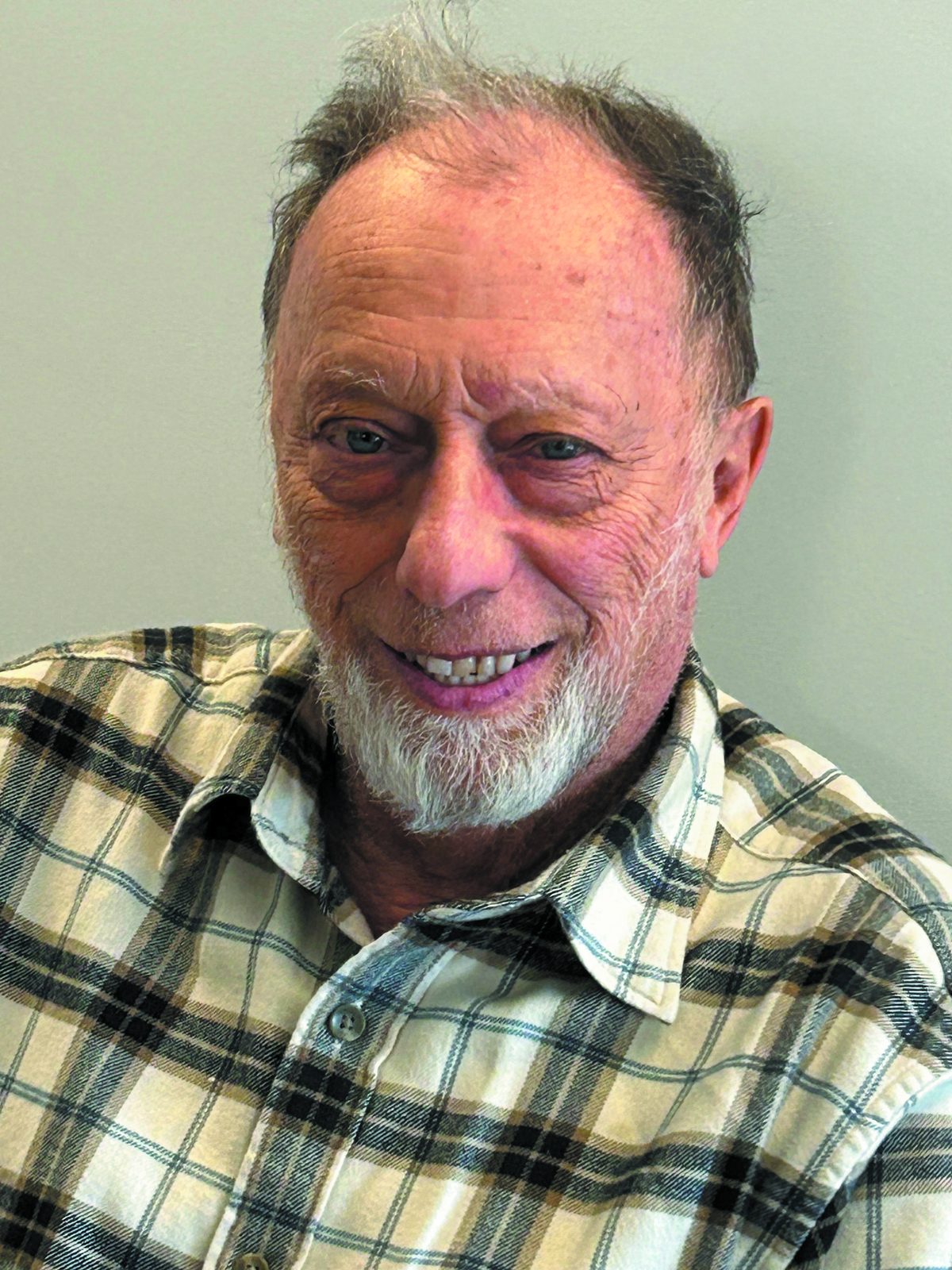
Michael Hittman
★ Scribe Case Study
The Shrine Hidden in Plain Sight: Dr. Michael Hittman’s The Brooklyn Paramount Theatre
An anthropologist who taught for 46 years beside the Brooklyn Paramount wrote its definitive history. Now the restored theatre uses his research to brand itself.
📚 Books by Michael Hittman
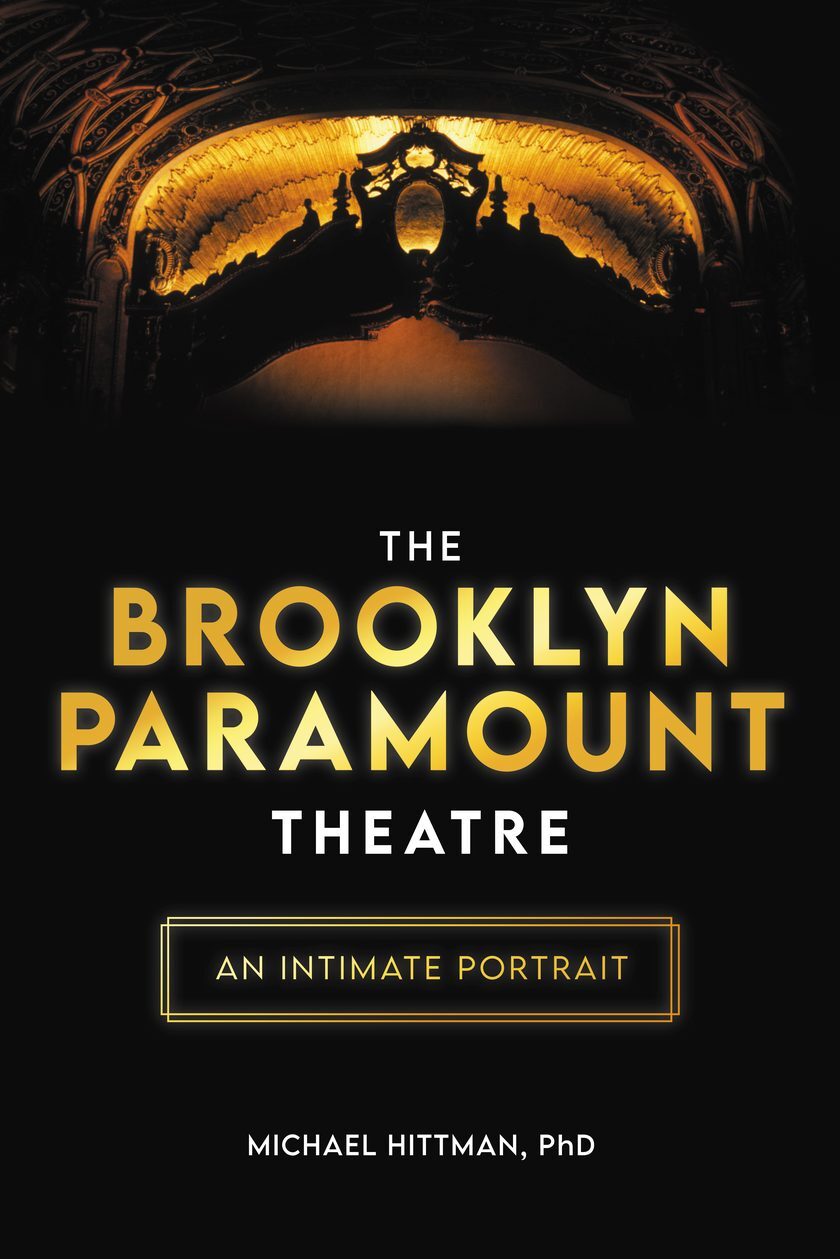
In this episode of Author Hour, Eric Jorgenson sits down with Michael Hittman, an anthropologist and longtime Long Island University professor whose book The Brooklyn Paramount Theatre: An Intimate Portrait tells the story of the theatre he walked past for decades. They talk about the shrine hidden in plain sight, the jazz and rock legends who played it, and the discoveries that made him rethink who really built rock and roll.
Transcript
[0:02] Eric Jorgenson: Thank you so much for joining me, Michael Hittman, the author of The Brooklyn Paramount Theater. Before we get into the story of the book itself, can we get a little bit of background about you, the man who became the author?
[0:16] Dr. Michael Hittman: I began as an anthropologist and I remain an anthropologist. I have a PhD in anthropology from the University of New Mexico and my field of expertise is Native American studies. I work with and for a tribe in Nevada, the Arrington Paiute tribe, and I've focused and my reputation is good and bad in terms of, I've written the definitive stuff about the 1870 and the 1890 ghost dance religions. The 1890 ghost dance religion led to the Wounded Knee Massacre, which is iconic in American history, December 29th, 1890, the massacre of 350 men, women, and children shot in the back, baby shot in the head by our vaunted American military. And unfortunately, what followed the bad news, unfortunately, worse news, unfortunately, was what followed was opium addiction. And it came upon me in a serendipitous way by interviewing my consultant, we used to call them informants, a wonderful man named Corbett Mack, and I'll translate this from French. So I was smoking a joint and interviewing him and Corbett said, what are you smoking, man? So I said, oh, Corbett, you wouldn't know anything about this. So he said, well, Mike, if you really want to get high, you should try opium. So I said, oh, wow. I mean, Chinese opium? And he said, oh yeah, everybody used that around here. And it was one of those things, I've read lots of books, I've read everything about the Great Basin, and not one person wrote about opium addiction, which was really peculiar because a very famous anthropologist wrote a very famous study about peyote. It has nothing to do with drugs and drug addiction. It's listed as a narcotic by our intelligent government. And Omer Stuart wrote and tried to explain why these Indians that I subsequently lived with rejected, ultimately rejected a Ben Lancaster who introduced this peyote cult. And it just didn't make any sense. His explanation, it didn't make any sense. And he left out opium addiction. And my counter argument, and what I'm known for also, is that it was an opium addiction and imprisonment and arrests for selling and for using and imprisonment. When they get out of jail, they didn't particularly want to use peyote and get arrested again. So that's the stuff that got me started. And then when we get to the Brooklyn Paramount, we'll talk about bridges in a couple of minutes. I was able to use, I think, what I learned from my wonderful families. Well, one particular, Rafael and Ida Mae Dick, who I lived with and kind of like an adopted son, my sister Linda. And I was able to use stuff that I learned about Native Americans and apply it to the Brooklyn Paramount, particularly the notion of sacred space and the attachment to the land that they have. And the way the land, of course, was ripped off from them and all of that. But nature and the power of that. And then when we get to the Brooklyn Paramount story, to me, the Brooklyn Paramount is a shrine. Believe it or not, it never was listed as an endowment. It's the first motion picture theater in the history of the world that had talkies. And for all its wisdom, Long Island University, which bought it in 1950 and still owns it, they never did anything with it. Despite a film program, they never. And I myself was a professor there for 46 years. I never paid attention to it. I played basketball in the auditorium, was converted to a gym for 50 years. And I say that because the Guinness Book of Records, somebody called me up and said, hey, Professor Hittman, has anybody played basketball for 50 years there? I said, well, let me think about it. I'll get back to you. And then, of course, I said, duh, me. And as a professor until the late 2010s, I played hoops there. So I called back and I said, me. And they said, who? Abbott and Costello, who's on first, remember? Me, him, who? So I said, no, actually, take it for what it's worth. But Professor Michael Hittman played hoops there for 50 years, not every day. And I still didn't pay attention to the Brooklyn Paramount as a place, as a sacred place. And then we can get to that story now.
[5:05] Eric Jorgenson: Yeah, so is that how you got interested in it in the first place? You were working at the university that owned it, playing basketball in it, not paying attention to it. What was the...
[5:13] Dr. Michael Hittman: Not paying attention at all. I was an undergraduate. I went to movies there. The LIU purchased it in 1950 from Paramount, from Adolph Zucker. And they decided to run movies. They made two decisions. One is they would lease the right to show movies from 1950 to 1962. And they made a tidy summer movie. So every day at three o'clock, the movie theater would open. So we were in classes next door. The buildings are attached, but with walls and whatnot. They're separated. So I knew there were movies there. I personalized it. I can't believe I never paid any attention to it until we started a radio program. LIU... I should finish the other sentence. The other part of it was they were freaked for basketball. So LIU used the movie theater and made considerable income from 1950 to 1962, when they shut it down completely. And also, by leasing it out to rock and roll promoters and jazz promoters, and wrestling people, and boxing, and you can name it, they used the stage and they used the theater for events. So Alan Freed did eight famous, iconic shows there. His Jubilees and any number of other... And then we'll get to jazz in one minute. My thing's been jazz. The bridge is a very powerful word. Now, I know this will sound loopy, but Sonny Rollins just died. And he was a very close friend of my brother's. My late brother was a very famous jazz musician. And Sonny loved Jeff and taught him and this and that. And Sonny asked me to write his biography. It never happened for a lot of reasons. But the Williamsburg Bridge will be renamed the Sonny Rollins Bridge now that he's dead. So that's in the works. Sonny Rollins' most famous, maybe, record album was The Bridge. And it was a quartet album. Sonny took a sabbatical because I think... I'm not allowed to say this. John Coltrane came on the scene and scared the shit out of him. And he was the man. And he was like 30, 31 years old. And there was nobody like Sonny Rollins. He was the prodigal son. And then from nowhere came his friend, John Coltrane, a rhythm and blues honker. And who developed this incredible, genius, brilliant style that I think really... And I know it really frightened. I don't know if that's the word. Kind of a competitive juice. Hemingway and Faulkner. And it's a creative but scary private thing. So anyway, long story short, we moved from the Lower East Side. My brother was studying the clarinet. And then he went to the saxophone. And he had a thing with his father, my father, our father. And he wasn't going to play Jewish music. The parents were worried. What are you going to do with anthropology? And what are you going to do with music? And this and that. So for Jeff, you'll play Jewish music. And you'll play bar mitzvahs. And you'll play weddings. And you'll make a lot of money. And you'll be very happy, okay? Well, Jeff had his revolt against my father, his father. And he said, I'm not going to play Jewish music. And he, quote, discovered Sonny Rollins. Before I have heard of Sonny Rollins, I was a rock and roll guy. Alec Freed, Saturday mornings and the evening. Oh, my God, rock and roll. We'll get to rock and roll and Alec Freed. And my brother discovered, in some intuitive way or whatever, Sonny Rollins. And he memorized all Sonny's solos, which was pretty amazing. He was pretty precocious. And then bingo, we moved to Grant Street. Sonny Rollins retired, took a sabbatical, lived in an apartment across the street from where we lived, and was practicing for a year on the Williamsburg Bridge. He could blow as loudly as he want. You know, black man was a saxophone. Nobody paid attention to him, except those who knew him, my brother, Charles, some people who used to practice with him. And the other part about this album, The Bridge, which he made when he came back out of that forced retirement, was Sonny actually asked me to audition for the Jim Hall part. So I was a guitar player. My brother played tenor saxophone and not a very good guitar player. But I smiled and I said, no, thanks, Sonny. He is Jim Hall. And subsequently, when my brother died, I began playing pretty seriously and wound up playing a lot of concerts. The scariest thing in my life. I taught for 46 years and lectured, I don't want to say all over the world, but all over this country. And I never was afraid. But plugging in and playing chords for Sam Newsome, the famous Sam Newsome, or Pete Yellen, the famous Pete Yellen, it just scared the shit out of me. But I did it. I did 12 concerts. I never made a mistake. Thank God I don't have to do it anymore. So Bridge, and then we'll get to the Brooklyn Paramount in a minute. My brother died a tragic way, the way of drugs. Sonny just had recovered, came back from Rikers Island. He was involved with a robbery, and he straightened his life out. Told my brother, Jeff, you want to be a jazz musician? See, we went to visit Sonny. And my uncle was a DJ, had a lot of balls, and went over. And when we told Uncle Elliot that Sonny lives across the street, man, Uncle Elliot Ashbery went over, rang the bell, said, hi, I'm Elliot Ashbery. I'm a DJ, station so-and-so. And my nephew would love to meet you. And Sonny said, come on over. We went over. We met him. And Sonny said to my brother, Jeffrey, are you going to use drugs? My brother didn't know about drugs. I didn't know. But he said, no, no, Mr. Rawls. And that had a very happy ending. But talk about the Bridge. The Brooklyn Paramount was built by Adolph Zucker, who owned and built Paramount Studio, which was obviously one of the major, look at it today, my God, one of the major studios. There's a famous book called The Six Jews Who Built Hollywood. And it's amazing, from a certain little area in Europe, these six guys, Adolph Zucker, Marcus Lowe, the Warner Brothers, they came from this little area near Hungary. And so Adolph Zucker, he was a furrier. He was a millionaire. But he became poverty stricken with a few dollars sewed in his pocket, like my grandmother came. And he was a furrier. He was a millionaire by age 30. And he discovered silent films. And for whatever reason, he said, this is what I want to do. We started making silent films. Remember, the silent film era occurs, obviously, before the talkies. The Brooklyn Paramount is the first motion picture theater built expressly, not exclusively, for the talkies. 1928, it opened on November 24, 1928. And it closed in April, whatever the date was, 1962. The first film was Manhattan Cocktail. The last film was Hotari, a great film with John Wayne. And so here we go, this bridge business. And Sonny came and actually did an honorary doctorate. We gave an honorary doctorate. And it was a wonderful day. So now let's get to the book. So here I am. And you want to say something? Or you want me to just, you know?
[12:53] Eric Jorgenson: No, no, the transition into the book is perfect.
[12:55] Dr. Michael Hittman: Okay. So I'm a professor of anthropology. And I know nothing about the Brooklyn Paramount. Nothing, man. I mean, it's just a theater. I used to go to movie theaters as a kid. I went to Radio City. I mean, the big blockbuster theaters. I never went to the Roxy, which is the biggest one of all. I went to the New York Paramount. Okay. I went to the New York Paramount to hear Patti Page sing, How much is that doggy in the window? Boom, boom. Okay. Adolph Zucker built 1,200 movie theaters or leased them. And they were Paramounts. So there's the New York Paramount, the Staten Island Paramount. They're all over the country. All right. And then he built, Brooklyn was hot, you know, in 1928. And the Brooklyn Fathers wanted to keep Brooklynites in Brooklyn. So they had a mutual understanding. He would build the Brooklyn Paramount in downtown Brooklyn, across from the Manhattan Bridge. So the three bridges that connect Manhattan, you know, and the Williamsburg, you know, Sonny Rollins, and then the Manhattan Bridge and the Brooklyn Bridge. So the Brooklyn Fathers wanted to keep Brooklynites in Brooklyn instead of these people going across the bridges to the New York Paramount. So Zucker was happy to expand this right before the depression. And he built a whole bunch of theaters, including the Kings. And then it was sold to Lowe's. Marcus Lowe was one of those six Jews. Marcus Lowe was one of his best friends. And it became, today it's the Lowe's Kings. And we're still the Brooklyn Paramount. So the Brooklyn Paramount opens. And, you know, and then all of a sudden, I make friends with a guy on campus, a fellow professor, serendipity. And his name is Stuart Fischelson. And I have to say something about him because I dedicated the book to him. And he was a professional photographer. And he was in the film program. He started a film program at LIU Brooklyn. At Long Island University was three schools. The first one was in Brooklyn. And the second one was at CW Post, which was in Brookville, Long Island. And the third one was in Southampton. And remember, Brooklyn, Queens, and Long Island are peninsulas, not an island and all that stuff. And so LIU, in its own expansionistic way, after World War II, they bought property in Brookville. And they opened what's called today CW Post. And they opened Southampton. So with the millennium, I mean, jazz is really hot. Ken Burns does, you know, his series. I mean, the amazing series. And jazz, which is, you know, always whorehouse music. I mean, that's what it was. It started in the honky tonks. And it was always associated with brothels and, you know, funky honky tonk. And it never had respectability, even in the 1950s. I mean, rock and roll practically drove it out of business. You know, like all of the famous jazz people that we know about played in Alan Freed's rock and roll bands. So they were happy to get work. Eddie Burt, you know, big Al Sears. And the point, you know, the point being is that Stewart started a film program and used to bring in and had Spike Lee, who did the dailies there, and John Cassavetes, and Jenna Rollins, and John Huston names. And they would take one look at the Brooklyn Paramount, the basketball court, and say, God, man, I mean, why doesn't your school do anything? And Stewart, you know, shrugged his shoulders. And then Stewart hired me, coincidentally and randomly, to do a jazz radio show, okay, an NPR program. So LIU bought a radio station in 2000. They hired some folks to run it out of Southampton. It was an NPR station. And they smell jazz. You know, people who know about money smell money. And those of us who don't, you know, we say it smells. So whatever that's about, they're from the station. They needed somebody to do some experimental shows. Stewart knew about my connection to Sonny Rollins because I brought him in for an honorary doctorate. So they asked me to run a jazz interview show. And I said, well, you know, I've interviewed a thousand hours of Native Americans. I know a lot of the musicians through my brother. I think I could do it. So I started doing it. Oh, Mike, we don't have any money to pay you. Mike said, well, all right, I'll be glad to do it on an experimental basis. And if you find the money, I'll take it. And if you don't, who knows? The station manager, Dr. Wiley Smith, kind of wise guy in a man was, you know, you're good. I said, I know what you're talking about, man. I did the shows. I was smart. I brought in Phil Schapp, the most famous person in jazz, producer, record producer, and all of that. I brought Phil in and I brought in a bunch of people. So I was a little bit shrewd. I wasn't planning anything, but it was fun to do. And then they said, Mike, why don't you keep doing it? So Mike said, yeah, respect. Let's do it. And then they paid me some money and then they didn't have money. And then they had some money and they didn't have money. I wound up doing 174 shows. They cost me about 400 a piece. And I got paid for probably 39 of them. Let it go. I'm a full-time professor. I was really happy to do it. And then I started getting involved in jazz. And then the next thing was the Brooklyn Paramount. I needed a hook. So I saw that everybody knows the marquee. John Driggs, famous photographer, had a photograph of the LIU Brooklyn. I'm sorry, the Brooklyn Paramount marquee. It said Duke Ellington. And then it said film Frederick March, Dr. Jekyll and Mr. Hyde. So everybody knew that Duke played there. And I knew that Duke came back before he died and played a concert in the Paramount Gym is what they were calling it. And I said, let me focus it on the Brooklyn Paramount. And once I decided to focus it on the Brooklyn Paramount, two things happened. All my radio guests, I would walk through the Paramount before I went to the radio station. And they said what Stewart heard, duh. Man, why doesn't the school do something, man? What's up with this? So I said, I can't explain it. And I'm a professor. I say, oh, come on, man, you have money. They have money. Yeah, right. Everybody knows what everybody else has. And it struck me. So I started going to the library, which is where I live, where I lived anyway. And I researched jazz at the Brooklyn Paramount. And it absolutely blew my mind because everybody except Billie Holiday, every major jazz musician, Billie Holiday, Louis Armstrong, Coleman Hawkins, three major figures, everybody except those three played there. It's like, whoa, I mean, give me a break. So I named the program that. And Stewart and I started talking. And we had these serendipity experiences. You know, what do you call those things? Freud called, I won't say it in German, but Freud wrote about that. So did Jung, you know, his disciple Jung. And Freud called these experiences coincidences or unhomely in German. It's like, it's not part of the household routine. Like, where does this stuff come from? So, for example, when Stewart and I started talking as friends, as colleagues, he said, you know, Mike, I went to Troy Donohue's engagement party, to Suzanne Plachette and Eugene Plachette, who was the manager of the Brooklyn Paramount, was there. So I said, wow. And then I had experiences with regard to the Brooklyn Paramount. I'll give you the last one. I'll skip over everything. The punchline is that we decided to do a book together. So I'll say that in a second. But I had experiences like, you know, when the Brooklyn Paramount opened in 1928, it wasn't called the first chapter because nobody knew it would close. There were a bunch of, there's about 12 theaters downtown. They all be the Fox. They all shut down. They all, you know, destroyed, you know, the lowest Metropolitan, the Strand. And Brooklyn was hot. And it's hot again. Man, is it hot down there in downtown Brooklyn. But in 1928, all these guys, they're speculators. They're capitalists, you know, God bless them. They're interested only in money. And they built all these theaters. And the Brooklyn Paramount was one of them. And it was like, today, it's called the first chapter, because as you know, or maybe you don't know, Long Island University, you know, owned it. And they leased it, you know, out. And then they leased it to Live Nation, which is, you know, I won't use the mother word, but they spent $66 million to restore it. So they're calling it the second chapter. And of course, supposedly in American history theater, there are no second chapters, wrong. You know, when they talk about the first and second chapters, supposedly the first time through is a tragedy. And the second time through is a comedy. The first time through is a tragedy, because none of the young kids who work there, I'll give you my serendipity experience, none of the kids who work there know anything and don't care anything about Rudy Valli, Fanny Bryce, Eddie Cantor, the Vaudevillians who were there, Milton Berle, Mr. TV. And by the same token, I know nothing and frankly care nothing about the music, the sellouts. They haven't had 200 sellouts. And apart from Bob Marley and Sting, Bob Marley's son, and Sting, and my favorite, one of my favorites, Nora Jones and Tom Jones. I don't know anything about those groups. You know, the Electra Amoeba, you know, the fried scumbags with names like that without exaggeration. So all they have is basically these white kids who come now and they put in seven bars to make money. Because as the manager told me, Mike, we have to make the money back for Live Nation. Seven bars, get these kids drunk. These kids just jump up and down and scream. And for music that frankly, either I'm ignorant or I don't care about or I'm not missing anything or the world's not missing anything. In any case, it's reopened, the second chapter. Okay, so that's really shocking. So Stuart and I, going back to the first chapter, Stuart and I planned the book. He would do the photographs. And I was gonna tell you about my serendipitous experience. With the second chapter, when it opened, I'll skip everything that came before it. I went in, Margaret Holmes was the first new theater manager. 2024, when it reopened, March 24th, 2024. And Margaret, one day I went in and I worked with her because I helped her rebrand the place. And she said, oh Mike, I had the weirdest experience. I came in and there was no one here. I opened the place and I'm imitating her breathiness with respect. And she said, I heard someone singing. And I ran around and I turned on all the lights and I couldn't find anybody. So I said, who do you think it was? She says, it was Julie Andrews singing. So I said to her, you know, Margaret, my daughter works for Julie Andrews at what she was working in publishing with HarperCollins. Wow. So I had a bunch of, you know, Stewie had a bunch, we're gonna do a book. Okay, he's gonna do the photographs. I'm gonna do the texts. He comes down with scleroderma, this horrible disease, which led to this crazy coincidence when they finally diagnosed it. Eventually he died. I dedicated the book to him. He was a great man. He was a great guy. You know, one of my dearest friends. He has scleroderma, no one can help him. Bingo. Stewart started the film program. Norman Steinberg, who's Mel Brooks' buddy. If you read Mel Brooks' biography, Norman is in the index, you know, a hundred times best man at his wedding. Norman wrote Blazing Saddles for Mel Brooks. So Norman starts the film program or continues it at the Brooklyn waterfront. And Norman also unfortunately died. And Norman's, one of his best friends is Bob Saget. So Bob Saget's sister died of scleroderma and was treated at Johns Hopkins. And Bob gave a lot of money to Johns Hopkins. We got Stewart into Johns Hopkins. Unfortunately, he didn't survive. And, you know, we wound up dying in a hospice. And Native Americans, I have two eagle feathers. This is a little corny, but I'll say it. I gave one to Stu, said goodbye to him. And I said, I'll see you on the other side. I'm holding on to one. So that's so much I dedicated the book to Stu. And let's talk about the book. Can we?
[26:03] Eric Jorgenson: All right. Yeah, let's talk about it. I'm curious, sort of when you made the decision to write the book, what was your vision for what it would accomplish for you?
[26:14] Dr. Michael Hittman: Well, I mean, I've written only one book for money. I won't tell you. The royalties are about like 17 cents a year. I made a big mistake in my life. I was asked to write a book. My foolish, my hubris took over very, very bad. And I shouldn't have done it. I did it. It took 10 years. All the other books I wanted to write. Nobody told me. Nobody put a gun to my head. I did, you know, what the F I want to do. And I still do what I want to do. I just decided I wanted to do a book on the Brooklyn Paramount since it was so neglected. The jazz story was neglected. During my radio interviews, I always brought up, you know, broadcasting from the Brooklyn Paramount, broadcasting from the home of Alan Freed, rock and roll, jazz, you know, like that. And I decided to do the book with Stu. Stu died and we couldn't, I couldn't do two books. We had a Turkish publisher and I combined the two and it was so fat that I had to do dramatic cuts both in the text and the photographs to do the book. And the book was conceived as The Four Faces. The original title was The Four Faces of the Brooklyn Paramount plus more. Now it's an intimate portrait of the Brooklyn Paramount. But the, what are the four faces of briefly films, vaudeville, jazz, and rock and roll plus more.
[27:40] Eric Jorgenson: Is that how the book is set up? The kind of the different eras that the theater goes through?
[27:45] Dr. Michael Hittman: Yes. It's set up that way with the, you know, opening stuff, the backstory, the Paramount, then the four faces, then plus more. And then, you know, sayonara, LIU comes in, takes over. And I focus on LIU and the Brooklyn Paramount. And then I had to completely change the book because the Live Nation wasn't there. And it was all like, you know, like an ode to this old theater. Well, of course it's reopened. And now that it's, I had to change everything. You know, it's like the old day, the first chapter, the second chapter. So be that as it may, you know, the first film was Manhattan Cocktail. Paramount did a thing that, you know, these people, people who make money know how to make money. And, you know, stuff that I admire. I mean, you admire that. I don't, I'm not a capitalist that way. I mean, Adolf Zucker was a freaking genius. So if he showed a movie, once he opened the Brooklyn Paramount, the deal was if he showed a movie in Manhattan, they showed it in Brooklyn. And the Brooklyn people wouldn't go to Manhattan. So Manhattan Cocktail, okay. Which actually was a silent movie. It's called a first talkie. Really, it had only two songs in it. So ironically, the first talkie was not a talkie. All right. And it's played in both places. And for a bunch of years, whatever showed in Manhattan showed in Brooklyn. So the two rival boroughs, we are still rival. The Dodgers and the Yankees and all that stuff. I'll get to that in a minute. And the last film was Hattari. Okay. So along the way, you know, Paramount is sued for monopoly because they have 1200 theaters. They make their movies and they show them in their own theaters and you can't do it. And then, you know, they lose out and then they broaden the whole thing. They make fewer movies and blah, blah, blah. And other Lowe's and MGM and Warner Brothers start showing movies in the Manhattan Paramount, the New York Paramount, the Brooklyn Paramount. Okay. And I mean, you know, 1928 to 1962, there was way over 2000 films. Films are shown with vaudeville. Now the second phase, okay. There'd be a 60, 70 minute film and then a 60 or 70 minute vaudeville show. And vaudeville was eight acts. It had a dog act. It had a bear act. It had a juggler act. It had the clown. It had a singer. And then, but along the way, I mean, Bing Crosby, Bing was there at the Brooklyn Paramount. Okay. Whoa. You know, and again, Bob Hope, you know, it's unbelievable who was there in vaudeville when they just was starting out. These people then became stars of radio and they became stars of TV and film and all of that stuff. And vaudeville was there with films until 1934, the depression cut out vaudeville. And then they went, what should we do? Because they start showing a second movie. Then it became two movies, no live acts. Okay. But there was still shrewd people who wanted to use the stage, okay, for live acts. Okay. I'll get to those in a minute. But the third thing was jazz. The third face was jazz. So, I mean, Duke was there. I mean, gee, Cap Calloway was there with his orchestra. Mildred Bailey, great singer married to Red Norvo. Red Norvo was there. And then in the fifties, there were amazing number of jazz shows there. I mean, and everyone again, except for those three, Miles Davis was there, John Coltrane was there. And at the same time, that's the fifties and the sixties. Nat King Cole was there. Sarah Vaughan was there. Ella Fitzgerald was there twice. And when we were branding or when they were branding, when they were using my information to brand the place, they wanted to name a famous black woman. And I said, what? To name the, like one of the green rooms. So they have the Ellis room now. They just chose her name. When I asked them why they said, because we were looking for a black woman. I said, I guess you found one. I said, Sarah Vaughan was there three times. Etta James was there. You know, so they randomly picked Ella Fitzgerald. And so that Ella's room was there. And it's a great lounge area. The place is gorgeous. You know, now it's just beautiful. Okay. So Ella was there and everybody was there. I mean, it's, I mean, there probably were at least 20 dedicated jazz concerts. Okay. In the 1950s and the 1960s. And then the last space is rock and roll. So here we go. Alan Freed, but not just Alan Freed, Clay Cole, Murray, the K Kaufman, Irving Feld was the first rock promoter. He eventually was with Ringling, Barnum & Bailey Circus and Feld. And he was this complicated, very complicated gay guy. And he was amazing. He had a radio show about rock before Alan Freed. He had a show there that was blockbuster. So there were blockbuster shows there from 1954. And I'm using that date for a reason. Because any book will tell you, Alan Freed invented rock and roll in 1955. Excuse me. Okay. He didn't, but he's famous for that. And then in addition to that, like I said, when vaudeville went out, they had, you know, managers, one slick guy said, wow, they had a rodeo there on stage. Tom Mix, famous Tom Mix was on the Beatles album. Amos & Andy was there. Racist Amos & Andy had the hottest radio show in the country. Amos & Andy were there on stage for a week while their radio program was playing downstairs in the basement in one of the lounges where they had radio promotions. They were selling radios. And radio was hot man in the 1920s, you know, vaudeville and radio before TV before. Okay. They had Latin music. Don Espiazu, Espiazu, the peanut grinder song. He was this, you know, famous Cuban, world famous. He was there for a week. Oh, Alexi Morales was there. Tito Puente was there for a week. Mambo, you know, had Mambo lessons in the basement. I mean, these are extra curricular things besides, you know, what's going on in the movies that are going. They had magic and puppet shows, extra curricular, they had fashion and beauty contests on stage. They had, they had things like, this is hilarious. The best spelled word contest, spelling contest. That's cool. But Paramount said, we're going to have the worst spelled word. So they had a contest inviting people to spell words, the worst spelled, you know, exile a phone or make up a word. What's up? You know, and they don't, you know, a lot of extra curricular things plus hoops. Now we get to come back to basketball. If you don't mind, which is my first love, you know, in sports, you could play it. Baseball's too hard. I was, I'm from the Lower East Side and no access to football, no equipment. And there was some baseball, but indoor sports, basketball. And I don't know, you know, college basketball was the game like St. John's before the pro game really took off. So I went to Madison Square Garden to see college teams, not to see the pro teams. Nobody was interested in the Knicks. They were losers. You know, George Mikan from the Minneapolis Lakers was, you know, iconic white tall guy. And, you know, if the Knicks played, it would be George, New York Knicks versus George Mikan because he won. He was 6'10". Nobody had 6'10 players. And all of that stuff. And then they had the Brooklyn Paramount managers. Once there was no more vaudeville, they said, let's have hoops on the stage. Well, it's not a regulation size, not 94 feet long. It was somewhat truncated, but there were professional leagues and the professional leagues played hoops like, you know, on a Friday night in addition to two movies. So they had this extra thing. And then the most famous, how can I say this? Non-white, black team in the history of the world, the Harlem Wrens, who represented the Harlem Renaissance Ballroom in Harlem. And they were the greatest. They beat every white team in the world, but they get the title World's Colored Champions. And John, Wonderboy Isaacs, who was one of the stars and I interviewed on my radio show, he said his mother got furious with him because when he got the jacket, they beat the best white college teams in the country. And then they got this, you know, but it said colored, he cut out colored. His mother was furious. And they had a lot of pride. They were all inducted. The five of them were inducted into Madison Square Garden Hall. They played on stage there. So it's like, what? Another one of these, what? You know, Richard Hughes, the critic, has the thing about the shock of the new. And, you know, shock art, you know, and all that stuff, sensationalism. How about the shock of the old? So either this is naivete, because when I told Cedar Walton, the great jazz pianist, who I tried to hire for something, hey, Cedar, man, did you know that Prez played at the Brooklyn Paramount? Cedar said, to quote him, he said, well, he said, I took the bus from Detroit to work as a nursery to see Prez Lester Young play. So people knew about these things. Yo didn't, Stewart didn't. And then, you know, that became the book. And when I found out that the Brooklyn, when you say Brooklyn Dodgers, you have to, you know, you have to worship. I mean, are you a sports fan, do you, Eric?
[37:48] Eric Jorgenson: A little bit, but I've never lived in New York. So I have no, we probably have no overlapping loyalties.
[37:53] Dr. Michael Hittman: So do you know anything? I don't mean it this way, like a question and answer. Do you know much?
[37:58] Eric Jorgenson: I don't know anything about anything. You can't insult me.
[38:00] Dr. Michael Hittman: The Dodgers were called the boys of summer. Brooklyn was always the loser, was always second to Manhattan. I mean, it was the fourth largest city in the world. It wasn't a loser, but the self-image was always second tier to Manhattan. Okay, the Brooklyn Paramount, oh, Manhattan. The New York Paramount was much more beautiful than the Brooklyn Paramount, but wild. They're both, okay, the Brooklyn Dodgers, the boys of summer. I mean, Ebbets Field, of course, was the place where Jackie Robinson broke in 1947, broke the color barrier. I went to see Jackie play in the early fifties and white racism prevailed. Basically, it was only whites who went to Ebbets Field. And then when Jackie came in, black African-Americans started going to see Jackie Robinson play. And then let's just say the decision was made to move them to Los Angeles because we didn't want whites sitting next to blacks. They didn't want that. So that's one, Lee Lohan Fisher wrote the book, Branch Rickey, Branch Rickey brought in Jackie in 1947. First black player in 1947. When the Yankees finally hire a black player, they were the Boston Red Sox. Boston, probably the most racist city in the world. Not anymore, but in the sixties, okay, we'll talk about Boston. But Boston hired Pumpsey Green, the last black player. When the Yankees hired Elston Howard, Hall of Fame player, Casey Stengel said, oh, they finally got me one and he can't even run. He was a big one. Elston Howard was a big lumbering catcher, great player. Okay, the Brooklyn Dodgers played basketball on stage. It's unbelievable. Don Newcomb, Ralph Branca, Roy Campanella, and they played exhibition games. And the Bobby Sox's who went for Frank Sinatra, okay, at the New York Paramount. The girls came to see Gil Hodges' legs in shorts in the front row and they were watching the Dodgers. And they played four times there, which is really kind of amazing. So the Dodgers, you know, the boys of summer. Remember, these are guys who played baseball and needed a second job. Campy had a liquor store. And when they asked Don Newcomb, why do you want to play basketball in the Brooklyn Paramount in your time off? He says, are you kidding me for $50? Five, oh. You know, the world, okay, the world changes. So what actually spurred the book was, I stood on the corner of Flatbush Avenue and decal many times. And I saw the tour buses come down, decal and take a right and go over the Manhattan Bridge. And the docent will be saying, oh, there's the Paramount. Well, it used to be the Paramount and Frank Sinatra played the Paramount. Not making fun of them, but the Paramount is a generalized phrase. There were 1,200 of them. But Frank Sinatra, as I found from my research, he never played the Brooklyn Paramount. So of course people argue, well, I read the book that, okay, I'm not being snotty or anything like that. Yeah, he played the New York Paramount, but he didn't play, fine. And then they would say Alan Freed, the docents, you know, on these tour buses, they would say, oh, I'm looking to the right. Oh, to the left is Junior's Cheesecake, the most famous, the best cheesecake in the world, maybe. And then to the right was the Paramount, Long Island University owns it. And Alan Freed invented rock and roll there. And I found out that Tommy Jive Smalls did rock and blue shows with all the people who became rock and roll artists before Freed. Okay, wow, Alan Freed was, Tommy Jive Smalls was called the black Alan Freed when I would say Alan Freed should be called the white Tommy. So that's one of the arguments in the book. And then this, no one knows this, but the question of who built the Brooklyn Paramount, every book will tell you Harold Whitman, the master builder of Brooklyn, a crook and more scandals than the Trump era with this guy, maybe the same number. And he didn't, I couldn't believe it. So that was like another discovery, which motivates, I have to say in the book that I don't apologize, you know, for theories, because the book, a lot of my anthropology, like the idea that wisdom sits in places. If you don't know the stories attached to place, the Apache Indians say you lost. Nobody knew the stories, none of the professors, nobody seemed to care. I didn't care, so I don't fall. Okay, the idea of sacred space, the idea of gossip and scandal are important, believe it or not, like concepts, gossiping, you know, oh my God, after vaudeville, is vaudeville coming back or no, it's not. Yes, it is, the newspapers were rife with that. It did come back then, it didn't come. And scandals, LIU and the Brooklyn Paramount are famous for the most, two of the most famous known scandals and the third one that I write about and discovery of the old. The first scandal was of course, the basketball scandal of 1951. Remember, LIU wanted to convert the Paramount into a basketball place, which it eventually did. They took out, I graduated from the Brooklyn Paramount Orchestra in 1963 and then in 64, they gutted it and they turned it into a basketball court. But LIU had the greatest player ever in basketball history. His name was Sherman White, he was 19 years old. It would have been Michael Jordan. He would have been all those people. He was 19 years old, the leading scorer in the country. And he and the other black guy on the team, he was racially mixed, basketball, yo, yay, respect man. And they took money to miss shots and then they were caught and it was a terrible scandal. It ruined Sherman White's, it ruined his life. He wouldn't talk to me. We invited him back for a conference. And then the other scandal was payola, Alan Freed. They took money, pay for play. You want your music played on his show, you want to appear in a concert? Well, you know, I'll take the money. And Alan Freed put his name, that creep, he put his name on songs like Sincerely by the Moonglow. Sincerely, it puts his name on, why? For royalties, man, you know, respect people who make money. Okay, so, and then it was a third scandal, how LIU got the Brooklyn Paramount, which my president, David Joel, the late David Joel Steinberg, who hired me and all of this stuff, he was after me before he died. Mike, don't put that chapter in. Mike, don't write about LIU and the Brooklyn Paramount. I said, I said, I'm putting that chapter in because the comparative method. Well, LIU didn't want the Brooklyn Paramount. They had more space and they only got it thanks to Robert Moses, the famous Robert Moses, okay, who declared seven and a half acres slum. They weren't a slum, there were 54 businesses there. And the LIU head of the trustees, who was his buddy, William Zeckendorf, another failed real estate guy, got it for a few bucks. They threw everybody out and they got seven and a half acres and the Paramount. And that's why the Brooklyn Paramount was taken over. So that was, you know, I was happy to write that, you know, and so here we go, last thing. This place is gorgeous today. I won't compare it to any other theater. I mean, it's stupid, you know, to, you know, how great is, you know, how great is, is Bob Dylan greater than Bruce Springs? I don't know, come on. Like Ernest Hemingway said, there's an island and, you know, few writers reach the island and that's the way it is, you know. Sonny Rollins once said, there's the great, the near great. And, you know, the also rants and that's the way it is. So however great the Brooklyn Paramount is in terms of what it looked like today in 1928, they had an art museum with $8 million worth of art that may I say disappeared. And I've been on that trail and I haven't had much success. I think I know who took it. And that's another story. There were two organs, one disappeared. It was sold for parts. There is a very famous organ there now. One of the world famous original organs. And we're waiting for LIU to give permission to my buddy, Joey Amato, NYPD detective narcotics, who's in charge of the organ, who plays the organ. And it's a $500,000 repair. And when Live Nation built the stage, they have a cutout for the organ. So there was clearly, and we can't find out why LIU won't give permission to Live Nation, and to Joey Amato with the Organ Society to restore it and it will be played. That's just another story. But it was called a wonder theater for good reason. It was also called a trans-pontine English word, across the river. Again, bridge across the river. It was a wonder theater. It had 51 innovations. I won't go through them. It had something called a clavilux, which could project color images on screen and 3D images and then record them like on a loop with music when it was recorded and stuff like that. And there were 51 innovations. And okay, I guess the last thing I wanna say is read the book if you're interested. Okay, I explain, for example, I'll give you a hint. I explain about, I told you about Tommy Jive Smalls. My theory is, or hypothesis is, he's the father of rock and roll, not Alan Freed. I'm not being contentious, but chronologically, he had the first rock and roll people at the Brooklyn Paramount before Alan Freed. And then it's crazy, but this guy, Harold Whitman, who I got very interested in, he was the master builder. His partner, I lived on the Lower East Side. There was a beautiful complex. I lived in the slums in a tenement till I was 20. I'm not bragging, I'm just saying it. And I didn't think I was poor. My family had a lot of pride. And when the projects went up, I was like, wow, they have elevators and they're clean. But there was the Egoloff Towers on Avenue A, which always fascinated me. It was, we didn't have money to move there, but we would have moved from Avenue G to Avenue A. Egoloff was Harold Whitman's business partner. I mean, this is just one of the stories, I'm leaking it. One of the stories, Egoloff, his daughter, his both daughters became communists, okay? And one of the daughters, her boyfriend was the guy who put the pick in Leon Trotsky's head in Mexico, okay? Egoloff's daughter was secretary for Trotsky in Mexico City. Her sister wants to come and visit with her new boyfriend, who was a double agent, and they're having a nice time. And well, it's an interesting story. These are discoveries, okay? I think, read the book and find out more. And the last thing I would say is, there's a very famous cartoon in the New Yorker, wonderful New Yorker magazine, and it's a little girl next to her mother in Radio City. And the little girl says to her mother in the caption, 1929, mama, does God live here? And I would say the same thing. If you walk into the Paramount today, please come visit. We'll go, we'll take a tour together, Eric, whenever you want. You have to say that. And in 1920, I don't know who's bigger than God. We need to elevate God, all right? Whoever's bigger than God. In 1928, that place was a blockbuster, okay? Again, New York Paramount was probably nicer. Radio City, maybe. The Roxy topped them all. You remember that, if you know that theater, the Roxy. Samuel Roxy was a famous people, famous person, and that's the end.
[50:15] Eric Jorgenson: Amazing. Just a hint of, I know there's so much more in the book, but this is like what Scribe lives to do, which is like help people who've gone deep, deep down rabbit holes that are passionate about things, get a book out into the world that maybe says things that other books haven't said or won't say or have reasons not to. And I hope that this is like an incredible asset to those who are interested in the history of art and the history of New York.
[50:44] Dr. Michael Hittman: Theaters, music. I mean, I'm not picking, but I'm just saying anybody. Like Theater Society of America. They have a thousand members. And a person said to me, oh man, Mike, tell us when it's coming out and can you get us the discount for $10? And I said, Mike said, yeah, man, okay, respect. Let's do it.
[51:02] Eric Jorgenson: You'll find Mike handing out copies of his book standing outside the Brooklyn Paramount Theater every night that Live Nation's having a show. We'll get the word out.
[51:11] Dr. Michael Hittman: No, I won't. I'll tell you why. You got a minute? If you go down Flatbush Avenue right now where the Brooklyn Paramount is reopened, okay? You will see a string of white kids. They look like homeless white kids sitting on cardboard without exaggeration at 11 o'clock in the morning. The theater opens at seven and they have tickets. I asked people, why are these kids here at 11 in the morning sitting on cardboard looking like homeless white kids in front of the theater at 11 in the morning? Well, first, the answer is, first of all, they're waiting for the cannabis trucks to show up at three o'clock, okay? Okay, okay, we'll have a little fun. And then they wanna get inside at seven to claim the first row or the first seats, places where they could jump up and down and scream. And then they're also close to the bars. There were seven bars, close to two of the bars. So the friend, and that's why they're there at 11 in the morning waiting for, also, I suppose, to hear artists that they consider artists and that they certainly love. Sellouts, 200 sellouts so far.
[52:18] Eric Jorgenson: Amazing. Well, thank you so much for taking the time, Michael, Dr. Hittman. And I appreciate you writing this book, sharing it with the world, and taking some time to talk about it with me today.
[52:29] Dr. Michael Hittman: Well, trust me, I can't thank you enough, not just to market the book or anything like that, but just to be able to talk about it with you, and also now to meet you, and hopefully we'll meet again and do something different than all of that.
[52:42] Eric Jorgenson: Yeah, I look forward to where the investigation into your art heist takes you. That sounds like a fun rabbit hole as well.
Want to Write Your Own Book?
Scribe has helped over 2,000 authors turn their expertise into published books.
Schedule a Free Consult