Caleb Pinegar and Trevor Hanson
Unsplode: Caleb Pinegar and Trevor Hanson on Why a Life Deferred Is a Life Gone
✨ Episode Summary
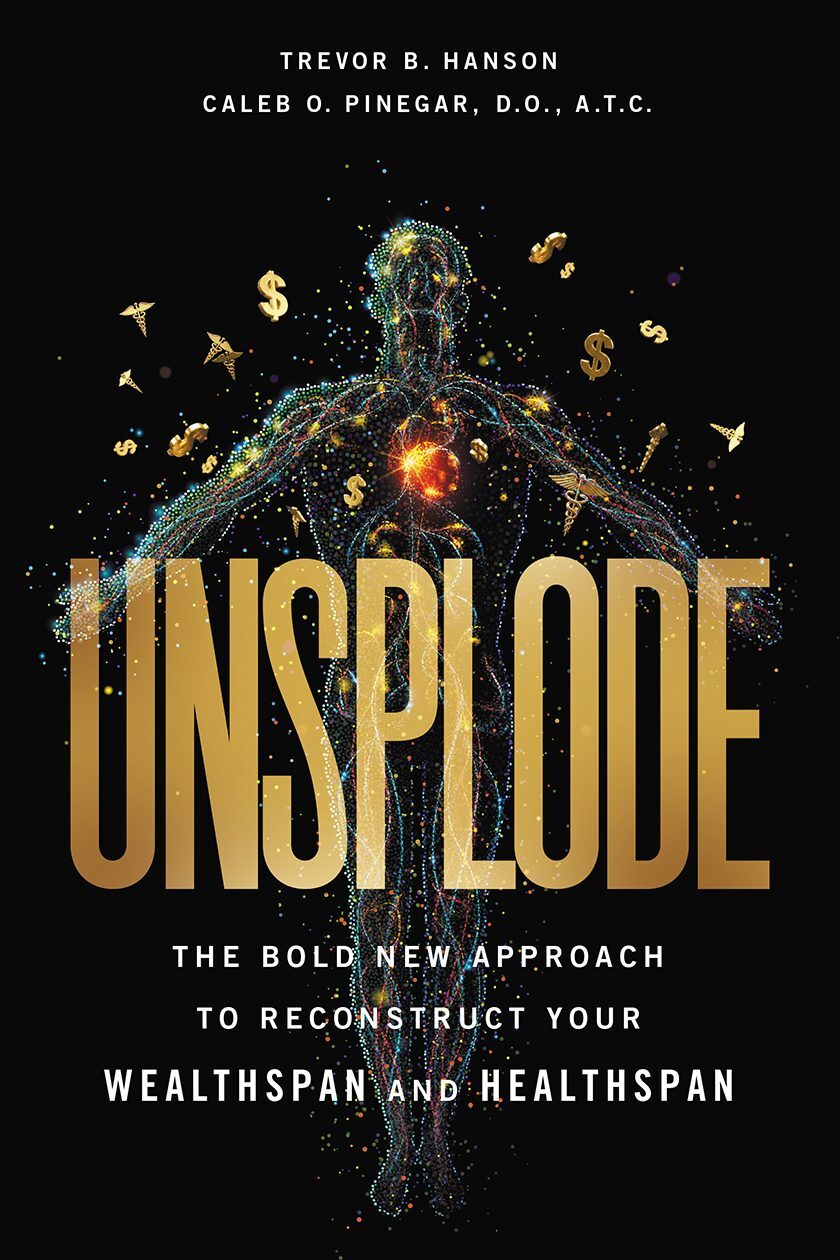
Trevor Hanson is a wealth manager. His cousin, Dr. Caleb Pinegar, is an orthopedic surgeon. For seven to ten years they talked about writing a book together, and Unsplode is the result: one book with a Wealthspan side and a Healthspan side, built around the same warning from both ends. Stop deferring your life.
In this episode of Author Hour, Trevor and Caleb talk about the made-up word from Caleb’s five-year-old that became the title, why they had to change their own careers before they could write it, the client whose retirement plan Trevor finished weeks before a terminal diagnosis, why a plan is not the same as a purpose, and how Scribe Media turned years of conversations into chapters.
“Life deferred is a life gone.”
⭐ Top Moments
- A roadmap for people with great ideas. Caleb on working with Scribe Media: “All we had to do was talk about something we’re passionate about and talk about something we love, which is easy for us.”
- Why they chose Scribe. Trevor did his research first. “The research I did was fantastic. You know, a lot of wealth advisors like myself have used you [Scribe] guys in the past.”
- A word from a five-year-old. Caleb’s son called a broken Lego “unsploded,” and it became the title. “Before your life does explode, why don’t you recreate it?”
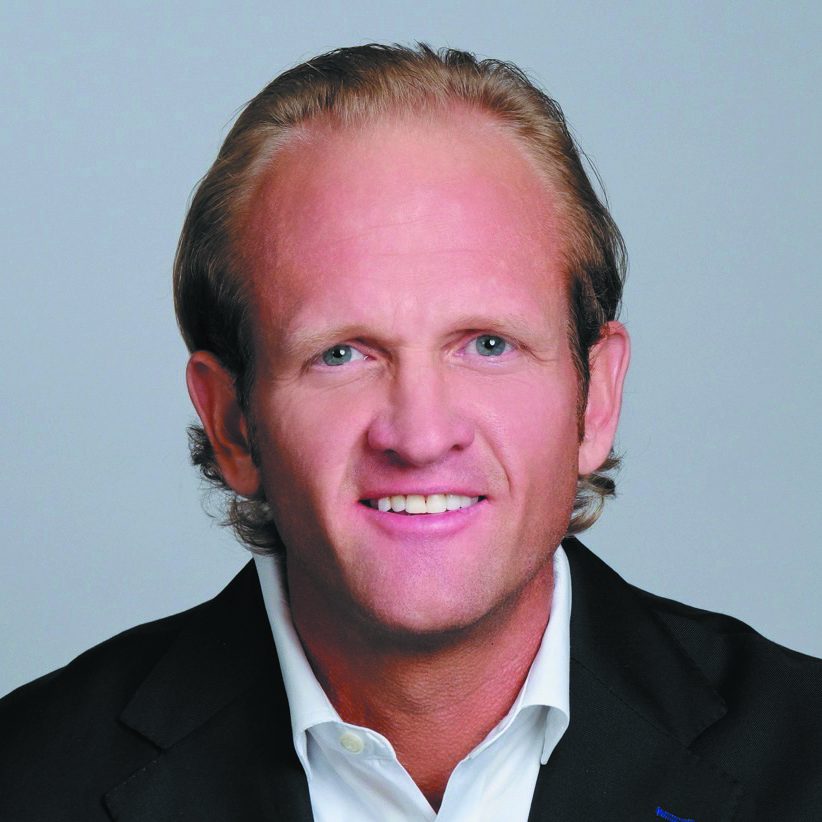
Caleb Pinegar and Trevor Hanson
Trevor Hanson, a wealth manager and financial planner with more than twenty years of experience who serves high net-worth individuals, families, and business owners, is the founder and president of ApexFlow Wealth Management and Paramount Private Wealth.
📚 Books by Caleb Pinegar and Trevor Hanson
Transcript
Lex Statzer: Welcome to Author Hour. Today we are sitting down with co-authors Caleb O. Pinnegar and Trevor B. Hansen, who wrote Unsplode, The Bold New Approach to Reconstruct Your Wealth Span and Health Span, which is out now. Caleb, Trevor, welcome to Author Hour.
Trevor Hanson: Thank you for having us, Lex.
Lex Statzer: So today, as I mentioned, we have co-authors joining us to talk about their book. The book is out now, and we've got both halves of the book in the same room. A wealth manager and an orthopedic surgeon who also happen to be cousins. We're going to get into what you built and how it came to be. So, not only are you cousins, but you're also lifelong friends. One of you spent a career managing money, the other repairing bodies. When did the conversations you were always having turn into, this actually has to be a book?
Trevor Hanson: I like Caleb's start because he's the actual guy that came up with the idea.
Caleb Pinegar: It's probably been seven to ten years. We argue a little bit back and forth about how long it's been in progress, but for so many years, we've personally just talked about our own limitations on even spending good quality time together that's had to do with our careers, our education, and just our busy lives. It spawned a lot of deep conversation of what is the best approach to balance?
Trevor Hanson: The idea came up about seven, eight years ago. That's when he brought it up, and I'm like, huh, I don't know. But every time we came together, he brought it back up, and then we started thinking about it. It's like, how do you bring health and wealth together? That was a tough thing to do. And I think it almost was meant to take seven to eight years to come to fruition because it took that long to kind of brainstorm it and come up with what the book could be, and also how to get our lives into a place that actually made sense to actually push this book out with us changing our own lives as well and finding balance.
Lex Statzer: The title itself has one of the best origin stories. One of your kids looked at a rebuilt Lego set and called it Unsploded. How did a made-up word from a child end up being exactly right for a book about health and wealth?
Caleb Pinegar: It was as we were title hunting for the book. I believe my son was five at the time, and as he just interacted, he always had funny quirks on words and things he would say that were a little bizarre but still cute. And of course, I would try very hard not to correct him because I wanted it to continue because they're only young for so long. But as we were diving into the meat of this book, talking about some of the tragedies that the story has, or that the book represents, and some of the kind of pivotal moments in the book that spawn the ideas and recommendations for people, we were noticing how many times people's lives explode because of tragedy or the way that poor preparation can destroy a family or destroy a career or destroy your health. And some of these tragedies that we were discussing just really had that weighing heavy on my mind. And when my son looked at a Lego that had fallen and broken, and he looked on the ground and he goes, It unsploded. And I looked at him and I was like, It did what? He goes, It unsploded. And then he used this word frequently to discuss when something broke apart into pieces. And I was like, It's almost exactly opposite of what we want to teach people. That word sounds so great if we could capture it and use it. And the intent was to say, Hey, before your life does explode, why don't you recreate it? Why don't you unsplode this system? So the use of this clever error of my son got brought up. And I came to our book meeting with this elaborate display of prefixes and nouns and trying to convince these guys. I'm like, You guys, this is a cool word. We need to use it. And these guys kind of looked at me like all this preparation. And at the same time, they were like, We love it. It was Trevor. Trevor could probably comment on his initial reaction. I bring a lot of weird discussion to these meetings. And I'm sure he could have some interesting feedback on that.
Trevor Hanson: No, he can't. You know, he does. He's like the creative side of this partnership we have, right? He has more of that left brain. I'm totally right brain. No creativity whatsoever. And so when he came up with the unsplode, I was just like, That's it. That's the one, you know. 99% of the ideas didn't make any sense. But that one was great. I love that.
Lex Statzer: You gotta leave it to a five-year-old sometimes to just have the perfect innovation for something like that. Like that is something only a five-year-old could really come up with.
Trevor Hanson: Yeah, right.
Caleb Pinegar: The beauty of a child's mind, just so innocent, so pure, so perfect. It just spilled out naturally. And I was like, dude, where did that come from?
Lex Statzer: That's amazing. So you didn't just co-write this book. From what I read, you almost raced each other through this kind of Spartan obstacle course the whole time you were writing it. What's the dynamic between you two? And how did that competitiveness shape the book?
Trevor Hanson: No, I'll kind of talk about that. You know, throughout all our history, you know, as kids, like, you know, he was older. He was about two, three years older than me. And I was always trying to keep up with him. Really, because I don't know why he was hanging out with a younger kid. But our families, we lived in Dubai in the Middle East, Muscat, Oman. And we would come back every summer. And I was always excited about hanging out with Caleb. But every time I came back to the U.S. in Orem, Utah, Caleb was really outgoing and liked dangerous activities. Let's say rock climbing, rope swings off, you know, off into the river or jumping off bridges or, you know, a lot of rollerblading off a ranch, you know. And inevitably, I would get hurt each time. So we were competitive. I always wanted to keep up with him. So, you know, in that sense, like it came, we had really busy careers. Caleb was doing surgeries right and left, you know. In that industry, they want you to do as many surgeries as possible, you know, so that way you can get as much volume as possible. And then in the investment business, you know, what I did was never enough. They always want me to produce more and more and more. And it just got overwhelming. You know, I was managing over a billion dollars for a large financial institution. And he was busy too. We never able to hang out with each other. Well, you know, he calls me up and tells me that he's leaving his practice to do something else and start his own business. And little did I know that my corporation came out with this agreement they wanted me to sign. And I couldn't do that because that would have locked me in with that career forever. I couldn't see myself being that busy for 30 more years. So, you know, at that point I left my career and started my own wealth management practice. And then I had a little time to be able to write this book with Caleb. So we tell people like, you know, how could we have wrote that book earlier when our lives were about to explode anyway? So we unspooled our lives, started our own businesses and our own practices, found balance in our life. And then we created this book after that. And we've done spartan races together. We talked to each other about health, about fitness and money. And it's just been a great experience. I mean, this took us about 18 months to write.
Caleb Pinegar: It did. It was a long time. And Trevor doesn't quite give credit. So as far as this competitiveness, like I am easily distracted. And I am constantly bouncing around between ideas. And Trevor is driven. And if you go on vacation with Trevor, there's no sleeping in. There's no missing five minutes. It is scheduled and we are going. And why are you still in bed? And it is like, so you go on vacation with Trevor and you need a couple of days to snooze when you get back because he is just so driven. And so it's a good partnership because I try to bring the levity to it. And I try to encourage him to screw around. And yes, I've gotten him hurt a lot of times. I've gotten his brother hurt. I've gotten everybody hurt. I was always doing something very stupid. But that's part of being fun. You know, sometimes you have to do something dumb in order to make it a memorable experience.
Lex Statzer: So sometimes people get hurt when you're having fun. Yeah.
Caleb Pinegar: And especially when you're kids. I mean, you got no idea. You think jumping off this bridge is safe. You don't know there's broken glass at the bottom of the water. Like it's there's all sorts of things that you just can't predict. But we've had some crazy adventures. But but it makes for a very fun and good dynamic because Trevor does push. And he he'd call me and be like, hey, you need to turn in your edits for the next next step. And hey, you need to get this done. And and he was great to keep pushing me and at the same time, patient with me being busy. And it's it's been a challenge with just the the complexity of writing a book and creating something and especially trying to create something where we want to be fresh and bold and new with what we're suggesting and the approach we want people to take just because of the tragedies we've seen when it does not doesn't happen and when people don't do it. And we've been able to keep a good, strong relationship, one that we still enjoy each other, even despite having to go through probably a harder task than we expected it to be. I think I thought it'd be real fun. It is a lot of work. Writing a book is a lot of work.
Lex Statzer: It is. It is. So let's talk about the actual shape of this book, because it's pretty unusual. So it's like a flip book, right? Trevor's Wealthspan side on one cover, Caleb's Healthspan side on the other, seven mirrored chapters and the two of you conversing with each other in the margins. So whose idea was it to do it this way? And what is reading it like that? Let a person understand that maybe a normal book wouldn't.
Trevor Hanson: No, it was it was it was interesting because, you know, we're trying to figure out a way to incorporate both subjects, you know, health and wealth. And we didn't think that it was going to it was going to work really well if we went from like wealth to, you know, chapter one to health, chapter two, and then just switch back and forth throughout the book. So we thought, what was the best way to separate the subjects and they'll commingle them at the same time? So that's where we have our inner interjections between each other. And we're adding commentary between each each side of the book. So we're part of both sides of the book. But also, I try to use analogies that make, you know, people understand wealth with different health terminologies. And he does the same thing on his side, vice versa. And I think we did a really good job of bridging the two subjects together.
Caleb Pinegar: It did. It made it a lot of fun. And we had a lot of, of course, I brought several very odd ideas to the table. We talked, we were joking about a pick a path book with like notations at the bottom, turn to chapter five, if you like this. And of course, I love those. Yeah, right. They were very fun as kids. But, you know, I got I got a little derailed thinking about how fun that would be. And there were a lot of times where these guys had to be like, look, that will not work. People will not buy that. We had to go back and forth with what actually can go mainstream and with what people are looking for, because my some of my creative ideas were way off the wall. But it was it was very fun to kind of orient ourselves. And it brought a lot of the understanding that here we have this wealth side with these chapters and here we have this health side with these chapters. And like, it was just interesting talking about like. The concept of high cholesterol being potentially. A concept that relates with finance and the concept of diabetes, what did that have to do or the concept of interest rates and the and the context of compounding interest and what does that relate to your health? It was kind of fun noticing that a lot of these terms that we don't frequently bridge between these two worlds have a lot of similar pathways.
Trevor Hanson: Yeah, and it's interesting. I think health has everything to do with your retirement or your your overall freedom. I mean, if you have all the money in the world and you have the you know, you'd be at the top point of your career, but if you don't have health, you can't enjoy any of that. You can't even perform at the level you want to perform if you don't have health. And the problem is, you know, a lot of the time, most people. You know, they're healthy as can be, but they have no money. It's you know, they're a slave to their job because of that. Yeah, you have all the money in the world, but you can't move. Like, what are you going to do? You can't climb a mountain. You can't really travel. It's like, so how do we balance life and health and wealth and make sure we have time freedom with money and with any business we own with, you know, you know, the health that we need to have to enjoy all those things.
Lex Statzer: Yeah, I mean, on that note, one of the hearts of this book is to stop deferring your life to retirement. And Trevor, your side opens with Eric and Sarah, a couple who saved $8 million to travel but received a terminal diagnosis weeks after the planning meeting and never ended up taking a single trip. Why open there?
Trevor Hanson: Well, that one, that one hit me hard. I mean, that's the one that probably changed my life the most.
Lex Statzer: Yeah.
Trevor Hanson: Like you save all this money, you don't do anything, you know, with your family's first travel or, you know, anything on your bucket list that you had as far as, you know, hobbies and things like that. They essentially put everything into saving every penny they could and spending as little as possible. And I can tell you, I've seen these stories many times, but that one particularly, you know, was hard for me because I did their financial plan before the diagnosis was out. And they had all these plans, this big bucket list. We're going to travel to each continent, you know, we're going to take our family on cruises. We're going to do all these things that we weren't able to do because they pushed everything out until retirement. And to see, you know, to have a client or a client that you put that type of plan together, because it's, it's a lot of information and a lot of work that I put into these plans to make sure that they don't run out of money and they can do the things they want to do. You know, I create a plan with purpose. And then for them not to answer my phone call for a while after we finished that plan, and then eventually having them call me and let me know that, you know, he had that brain cancer, you know, it hit me hard. And it's like, Hey, the doctor said he has three, four months to live. And it's like, are you kidding me? You know, you, you spent your whole life saving all this money over time. You deferred, you deferred your life. You wished your working career away, you know, with all the things that you wanted to do. And the minute you chose to do those things, you know, you're, you're, you're throwing this curve ball and it's like, why, why are people waiting? I don't want to see this anymore. It's like, you have plenty of money. How much money is enough? You need to start doing the things you want to do. And it's like, even if you don't have a ton of money, you know, in different States, there's national parks, there's camping, you know, there there's a dry, you know, things are a drive away. And if you can't afford the Europe vacation, you can afford a trip maybe to Thailand. It's a lot cheaper than that. There's so many things you can do before you actually retire. And I see people so many times say, Hey, it's Monday. I can't wait till Friday. And it's like, so you're going to wish your whole week away for the weekend. That doesn't make any sense to me. It's like, why don't you try to make the most of every day and enjoy every single day? And more people need to do that. Most people don't do that. You know, they, they, you know, they just try to get to the next weekend or to the next vacation or to retirement. It's like your life's gone by then. I, and I just, I want to be able to be more of a coach, not just a planner for people. I want to be a coach as well. And the health aspect of it's so big because you never know when your last day is going to happen. That could be tomorrow. And it's like, you have all these things you want to do. Do them now. You know, you don't need to save every penny. You just need to save enough to be able to retire and not run out of money. And that's where I, I help people.
Lex Statzer: Caleb, on your side, you define health span as the gap between what a person thinks they can do and what they can actually do. Why is that the thing to measure?
Caleb Pinegar: It's so common in my career and my practice that I have people come in and they're limited by knee pain and they, they state that they can't walk and they, they really feel like if I get this procedure done, I'll finally be able to enjoy my life. I'll finally be able to get out and take a walk. And the, the true answer is, is before we want to do a procedure on that person, we want them to increase their flexibility, increase their strength. We want them to prepare for the surgery by getting out and doing the very thing that they claim they don't think they can do right now. And so a lot of times we're trying to educate people that like one of the best ways you can improve your current pain in your shoulder or in your knee is get out and start moving it. Go to, and we send a lot of people to a physical therapist or they will work with their own private coach or, or whoever it might be. But the very thing that they think they're coming in to try to get fixed is usually more in their own power than they know. And step one is erase that mindset that you have to, you have to have some sort of destination before you can get going. But instead start going right now. Like I love Bert's analogy when he's talking about vacations and we, we talked about that while we were authoring the book. We, we are, we, we understand that not everybody's financial situation is the same. This, this might be, you know, buy a couple of air mattresses from the local grocery store and just take the kids to a, you know, to the middle of nowhere and read them campfire stories and set up a tent and do something that's just a memory that you build with these people because you have a short span with them and then they're gone. And if, and if all you did was talk about how you were broke and you wish you could do this and you wish you could do that, like you lose it. Same story. There's a lot of people that really bank on the idea that they have to somehow wait until some health tier is reached before they get going. And the truth of it is, is you're, you're a lot more powerful than you think you are. So just get going.
Lex Statzer: Yeah. I mean, you guys really just showcased the whole, the whole center of this book where I asked two completely different questions and we ended up at that same finish line, right? Like I asked about health, I asked about wealth, and the answer to both was really the same thing. It's do what you can do now. I love that because that's exactly how health span and wealth span come together, right? So I did want to ask as well, Caleb, a huge chunk of your half is about treating your body like an investment account, a health portfolio of muscle mass, sleep, gut health, so on. How does a surgeon end up thinking about the body in the same language that Trevor uses for money?
Caleb Pinegar: It took a lot of, a lot of these discussions to, to realize how much, how much those vocabularies can mingle because it didn't necessarily come naturally, but the concept as, as we brainstormed, we were like, oh my gosh, these are so coordinated. Like this, and, and the, I've, I've had the, the, the teaching and the, the kind of education that like we need to invest in our health, but I, I didn't look at that invest word as a financial word as much as I did until Trevor and I really started talking and it just clicked. It made so much sense that this is your, this is your retirement account. This is like your body is your vehicle. And just the same way that your money is your vehicle so that you can go out and pay for some things, your body's your vehicle so that you can actually get there. And it's so important that we, that we use those, the investments and the withdrawals and the deposits and the interest and the, you know, the health of the market. Like so much of that has everything to do with the function of our bodies and, and it's true from a surgeon standpoint, a lot of it's outside of specifically what makes me the most money as a practitioner. I make better money if I am in the operating room with a person asleep and I'm somehow fixing something inside them. But I spend a lot of time in clinic talking to my patients and I love those conversations and I love those interactions. And at the same time, I want to educate them so that they're better prepared and better ready to do a, to do more with their life and just fix this current situation.
Lex Statzer: Trevor, for the person listening who thinks they've already done the planning, just like Eric and Sarah, the will, the 401k, the advisor, in your experience, what is the gap that they're probably missing here?
Trevor Hanson: You know, really it is, you know, we, we, we call it define your why, find your purpose. You know, it's the carrot and the stick. What, what's going to motivate you to save or stay on plan while you're saving? And what's your purpose? Your purpose could be, I want to be able to have enough money to not run out of money. I mean, everybody wants that. But let's add to the top of that, you know, as far as the icing on the cake, it's like, hey, I want to be able to do this hobby. I want to be able to spend more time with my family. I want to do more charitable giving. I want to go on more vacations or I want to pass more money on when I pass away. It's, and how do we accomplish that? What is your purpose? So everyone says they have a plan, but they don't have a purpose. And I would tell you a majority of the time when I meet with people, they're like, I go, do you have a financial plan? And they go, yeah, you know, I, I have a plan and it's usually, it's usually that, I don't know if you've ever looked at that pie on a statement where it has all the different colors. So yeah, my little pie with all the different colors of all the assets I own, that's my financial plan. Well, that has nothing really to do with a financial plan other than what your assets are, right. But you know, for your net worth and it's interesting, you start going through their purpose, you start going through, you know, their income expenses, what their guaranteed income is going to be during retirement. Then you start looking at their net worth, start doing inventory of everything they have. As well as the liabilities, you know, like debts that they have. And then you start going through these things on the date that they want to retire and the goals that they have, you know, and that's when you come to, you know, you start planning with purpose and you actually look at, Hey, this is how much money you need to be able to do the things you want to do, but also do the things you want to do now before you retire. And that's a whole different conversation than you have the whole industry. Everybody else just talks about, Hey, we're going to put an investment portfolio together for you, or we're just going to make sure that we think you have enough money. It's like, that's not the retirement I dreamed of, you know, my retirement I dreamed of is say, I want to travel. I want to have good health. I want to, you know, I want to have excess money to do the hobbies I want to do as well as be able to spend, have more time freedom with, you know, my children or grandchildren. And so that, that's the difference when people talk about financial plans and it drives me crazy. But I, I use this analogy. It's, it's someone says, Hey, this, there's this pretty lot. I want to build a house on, you know, and, and to just build a portfolio is almost like walking in the middle of the lot and just start building your house without any architecture or engineering done before you actually build the building. It blows my mind. I would say majority of retirees have no financial plan and, and even more people have no plan with purpose. And that's what we're trying to teach.
Lex Statzer: Yeah, I mean, the thing you both keep circling and circle in the book as well is the same question from different sides. What is all of this for? When a reader closes this book, what's the one thing that you each hope has shifted in them?
Caleb Pinegar: I think the ability to feel empowered, to take some self-control, to, to be able to create what you dream of, I think is the, is the big thing that, that I want. I want people to see that from their, their health side, that there are options for what you want to do and that you don't have to be pigeonholed into this lane. And it's only this way or no other way. I want, I want people to have the freedom to really take the reins back on their mission, their drive, so that they can build the health that they want and dream of. So that their, so their body can be the instrument and tool that they need to do what they want.
Trevor Hanson: I would just say, you know, we're, we're, you know, we're built or we're in a society that's a hustle society, right? And you know, people have a hard time waiting five minutes for a hamburger. So we're, we're very reactive. We're very reactive. Not, not many people are proactive and that's kind of the society we created, created. And what I want them to get out of this book is, hey, I need to start changing the way I think. I need to change the way I think compared to everyone else. And I need to start surrounding myself with people that think like that. You know, some people, it's hard for them to individually think like that or change the way they think. But if you surround yourself with people that actually think that way, then you'll naturally start trending in the way that they think about health and wealth and all those types of things. If you're going to hang out with all your broke friends all the time, you're probably going to be broke. If you're probably going to hang out with all these unhealthy friends all the time as well as you're probably going to be unhealthy. Start surrounding yourself with the right people. And then, you know, change the way you're thinking, you know, every day, make the most out of every day. Don't wish a week away. Don't wish your whole, you know, working for a way. Do the things that you need to do to get, you know, your bucket list taken care of. I will tell you when you pass away, you know, those memories are going to be the biggest things that you leave. You know, the trips you took, the hobbies that you had, the friends that you had, the family that you spent time with. You're not going to really care much about your career at that time. And you're not going to care about how much you saved. I mean, it's important to have enough money. We're not saying spend all your money to do all the things on your bucket list. We're saying to save enough that you're comfortable and you have, you know, you have a little bit of a cushion. But other than that, you know, there, you do have a life you need to live. It does cost money to live that life. And you need to spend some money now and later during the retirement to do the things that you want to do. And if you have retirement and you've saved a ton of money and you have no health, then you're not going to enjoy retirement. I've seen it right and left. And, you know, I've seen people that have $60 million and they're measurable because they don't ever do anything because they're afraid to spend any money. And I've seen people with no money. They spend every penny and they're measurable because they have no time freedom and they're working during retirement. You got to find balance with everything. So live your life now, but do it in a responsible manner and deal with proper financial planning and then also proper health planning. And that's essentially what we did with this book is trying to give people a roadmap on how to do that.
Lex Statzer: So as you both mentioned, this has been a conversation between the two of you writing this book. I mean, for the better part of a decade, really, how did you find Scribe and what made you trust us with something you'd been carrying so long?
Trevor Hanson: I did my research. You know, I'm a numbers guy. I'm not a big guy that knows how to write a lot of words. Just not good at that. But I have all these ideas in my head. Caleb does too. And commingling all these ideas that we have or had were, you know, that's quite a mess. And we needed like a coach to help us organize all that and write that out for us. And so that's what we did. And we needed someone that would actually help us stay on course and get things done. So, you know, a guy named Nick helped us and he did such a great job of just making sure that we did our homework all the time to make sure that this got done. And I would just say you guys have a good reputation. The research I did was fantastic. You know, a lot of wealth advisors like myself have used you guys in the past. And so compliance is a big thing in my industry as well as, you know, the health industry is pretty regulated as well. And so we wanted some people to have some experience with that. So we, you know, we didn't get ourselves in a lot of trouble and that we were making sure we were doing all the compliant things that we needed to do to roll out with something like this. Yeah, you know, Scribe has been just fantastic to work with and we're glad we did.
Lex Statzer: Good. Good. I love to hear that.
Caleb Pinegar: I've read stories of authors like silencing their phone and sitting in a room for eight hours and creating a schedule for themselves. And I don't think that was the type of construct that Trevor and I could do or handle or be able to be successful with. As we worked with Scribe and got to know their system, one of the things I liked the most, and it was just awesome to watch this process evolve as they, as we chose to work with Nick, and I don't know if it matters if we bring up his name, we can say that his pretend name is Nick and that no one would know.
Lex Statzer: No, I'm sure he'd love the name drop. Don't worry about it.
Caleb Pinegar: But the steps that, I mean, the system is methodical and so helpful for people with good ideas. Trevor and I had these great ideas and we have a wealth of experience and we, as you can tell, we don't have any trouble talking. And so like you ask us a question and we are very quickly derailed about something that's on our brain as opposed to maybe answering the exact question. But we got to work with Nick who first created very general ideas and then he then used that to create the next step and then he used that to build into the next step. And watching this flow of ideas coordinate and how it then became individual chapters and then it became individual ideas within chapters and how we could coordinate the finance and the health side and how we intentionally overlapped them and used the same concepts and vocabulary between the two. To me, it was awesome to watch and I wouldn't have expected it. It's like nothing I'd ever done. But the way that your company has this, has that like roadmap and situation and steps set up for people with great ideas. It was awesome because all we had to do was talk about something we're passionate about and talk about something we love, which is easy for us. And in the end, it was coordinated and navigated by a professional who knew what they were doing so that we didn't have to veer way outside of our talent and outside of our lane. And this beautiful product came out of it. It was awesome. Nick did a fantastic job. When we interviewed people, he just stood out and he was great.
Lex Statzer: Good, good. I love to hear that. I'm sure Nick would love to hear that as well. For the person out there sitting on an idea they've talked about for years, just like you two did, but haven't started and don't really know how to start, what would you tell them about putting their ideas onto the page?
Trevor Hanson: You know, as far as working with Scribe.
Lex Statzer: Or just getting a book out of their brain.
Trevor Hanson: You know, I come back to that because it did take, you know, seven, eight years to do this. And, you know, it's interesting because I felt like it was supposed to take that long to be able to do that. I would just say, you know, the first place to start is start jotting down ideas and trying to outline it on what you're trying to create and then continue to add to those ideas and have conversations about those with professionals like Scribe to see if it's right at that moment. But the biggest thing for us, we deferred it, you know, and I can't say this is the right thing for everyone because we really needed to unsplit our own lives to be able to come up with it. But those other individuals are probably in a different situation. You know, I would say get with professionals, have them outline a step and schedule for you and just get started. Just start rolling with it.
Lex Statzer: So the two of you turned eight years, seven to ten, I think, is the timeline that was presented to me somewhere in there.
Trevor Hanson: We don't really know. We know it was a long time.
Lex Statzer: So many years, you turned many years of conversation into a finished book. So what now? How do you see Unsplode shaping your future?
Trevor Hanson: Well, obviously, we're living by those things. And I think even when we went through this process, we could identify things for ourselves that we can do better. Right. But now we got to get out there and start, you know, getting in front of people. And Scribe has helped a little bit with that. We're going to have to start doing these types of podcasts and other things and start, you know, telling more people about the book.
Lex Statzer: Yeah, getting it out there. Absolutely.
Caleb Pinegar: I think that's exactly right. I mean, step one. And as we did this, you know, putting the ideas onto paper really gives you a lot of clarity of what you are and are not good at. And I spent some time thinking about like, man, I'm preaching a message that I also need to hear. And so and that that sometimes I was like, I don't I don't want to stand in front of people and then be like, look at this guy. He's talking about what he's good at and he's preaching this. But look at what he did. Like, you know, I've I'll call Trevor. I'll be like, Trevor, I think I need to buy this. And he's like, you're an idiot. But but at the same time, like, you know, because because I get excited about something. But but the the concepts that we wrote, step one are so awesome to make sure that we're in alignment. What we know is right. Like so the book, the book can help us align ourselves. I think that has happened. And then just in talking to friends, family and hearing like the stories we hear when we have interactions with people are the stories that are already in the book. Like there's there's so many ways the same story can be told. But it's just great to be able to tell a person when you talk to him, be like, yeah, that is addressed. Like the the concept you're talking about, the thing you struggle with. The odds are pretty decent that we've got a story in this book that kind of correlates with what that person's going through. And that's why we wrote it to say, look, like we get what you're talking about. We've dealt with it. We've got decades of experience in our individual careers. And you've got a person who's committed to your financial happiness, not just like a financial plan so that you can be rich in the future. Like Trevor's a guy who he wants you to be financially happy. And and that's our goal to take take this message to people and say, hey, we get it. People are going to tell you, save, save, save. I got out of residency. They're like, continue living like a resident, save, save, save. And I'm like, yo, residency thing here broke my capacity to survive being this budgeted. Like I've got to do a little more. But it was, you know, people were harassing you. Like, oh, people are exactly as poor as you've been. You've paid off your loans. And I'm like, maybe that'll work. But for me to be financially happy, that didn't work. And and Trevor's the advisor that will be like, right, you're not paying this back. Let's work on your plan. Let's find out how it works for you. And on the same token, like not everybody can be a gym rat. Not everybody can run triathlons. But what is it that you're going to want to do? Like, make it individual. Let's let's find your way to be happy with your health. Let's find a way to be happy with your. So that's that's our goal. We're trying to try to do as far as the next steps. It's it's podcasts like this. It's our own podcast. It's hopefully some opportunities to speak and educate and get the book in people's hands. And we hope that we hope that we can just encourage people to find what drives them so that their plan is individual and set up for.
Lex Statzer: Well said. You're really walking the talk, aligning yourselves, as you said. This one might be a little bit tough, but one idea from Unsplode goes up on a billboard. What does it say?
Trevor Hanson: Oh, you know, I guess my whole vision for the book is, you know, a big Unsplode, you know, how to approach your well-spent health span. How to live your life now and how do you live your life later? I think that's the biggest approach I would like to take with it, because that's the main synopsis of the book is a balanced life. But, you know, life deferred is a life gone. And, you know, a healthy, balanced life is one where you find true happiness.
Lex Statzer: Yeah. A life deferred is a life gone. That's a good billboard. That sounds like it would go on a billboard. I like that.
Trevor Hanson: Thank you.
Caleb Pinegar: Crap. Trevor did really good. The big repetitive thing you'll see, and I think that if there was if you could put on, like, I think of Las Vegas. That's where I that's where I live and practice in. So there'd be three billboards. They'd be back to back. So that you'd catch the first one and it would say purpose. Plan is the second one with another question mark. And then the next billboard says unsplode now. Because because in my in my mind, the the biggest thing and I love how Trevor has worded it and he's really created this concept with his financial with his financial plan is creating a purposeful plan. We we need to have the tools available to know the know the steps we can take. But step one is like. Be in alignment with your goals, like at least know what they are and then go get them. And so so we've got to we've got to first be be creating the creating our idea of the road towards our destination so that we can then use the tools properly to get us along that way.
Lex Statzer: I like it. Purpose plan unsplode now. So unsplode is out now. Where should people go grab a copy and how should they keep up with both of you?
Trevor Hanson: Right. So we actually have a website link. It's unsplode.com. So you can go in there. You can actually take quizzes and you can kind of tell you where you need balance. You need more wealth balance or more health balance. And then it'll let you read a chapter or two for free. And then it'll show you all the links of where you can buy a book. Most people are going to Amazon to do that. But we're on all the different big book websites.
Lex Statzer: Perfect. Any social medias you'd like to plug?
Trevor Hanson: No, we have we have unsplode on LinkedIn. We have unsplode on Facebook. We have unsplode on Instagram as well. We're on all three. Perfect. So we're just we're just getting started. We started filming our podcast two, three weeks ago. So we'll start rolling out with those online. So you'll you'll you'll have those on YouTube as well. But we're going to have unsplode all over the place. It's a new word. And so, you know, everyone's going to have to learn how to spell it. And once people start using that word, they're going to probably add it to the dictionary because it's so awesome.
Lex Statzer: I like it. Yeah. Does the podcast have an official name or are we still working on that?
Trevor Hanson: It's unsplode.
Lex Statzer: Unsplode. Nice. Keeping it keeping it simple for people to find. I like it.
Trevor Hanson: It's the same title and subtitle as the book.
Lex Statzer: Perfect. Well, thank you both.
Trevor Hanson: Trying to keep it consistent.
Lex Statzer: Caleb, Trevor. On behalf of the entire Scribe team and a lot of readers who need exactly this kind of message, we cannot wait for more people to get their hands on unsplode. Thank you for coming on.
Want to Write Your Own Book?
Scribe has helped over 2,000 authors turn their expertise into published books.
Schedule a Free Consult