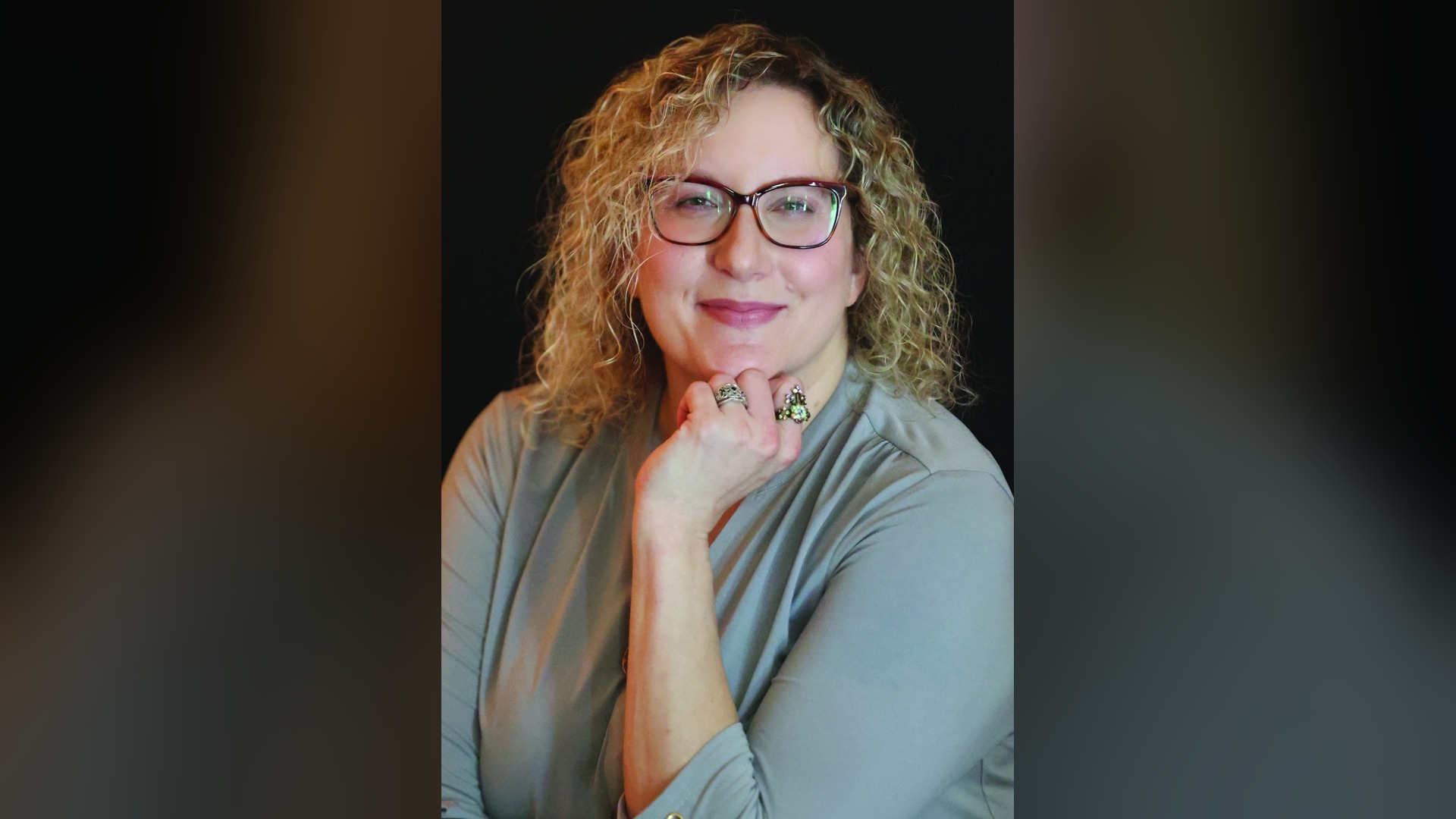
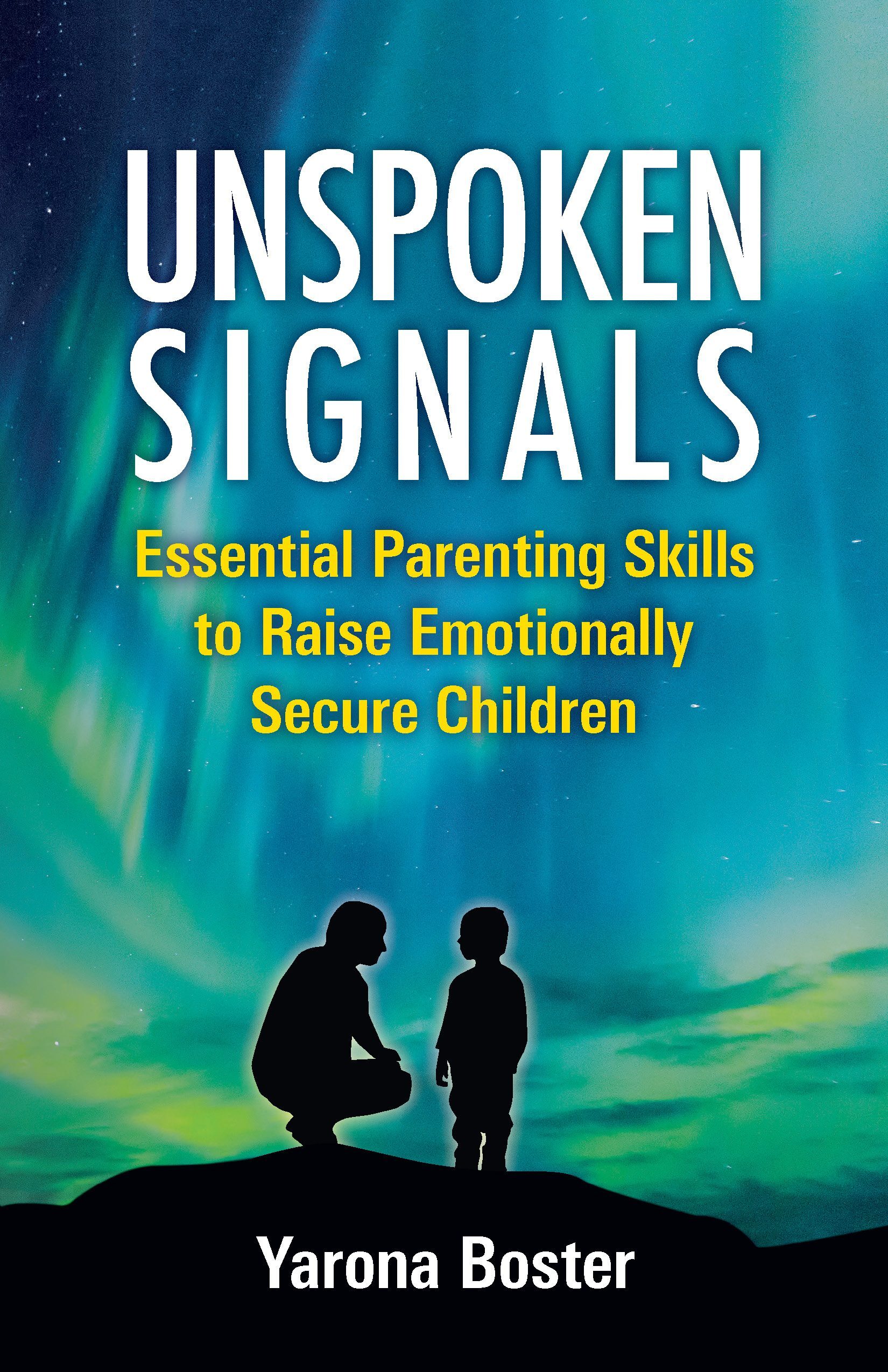
How Yarona Boster Finished Unspoken Signals After Hitting a Block at Chapter Six
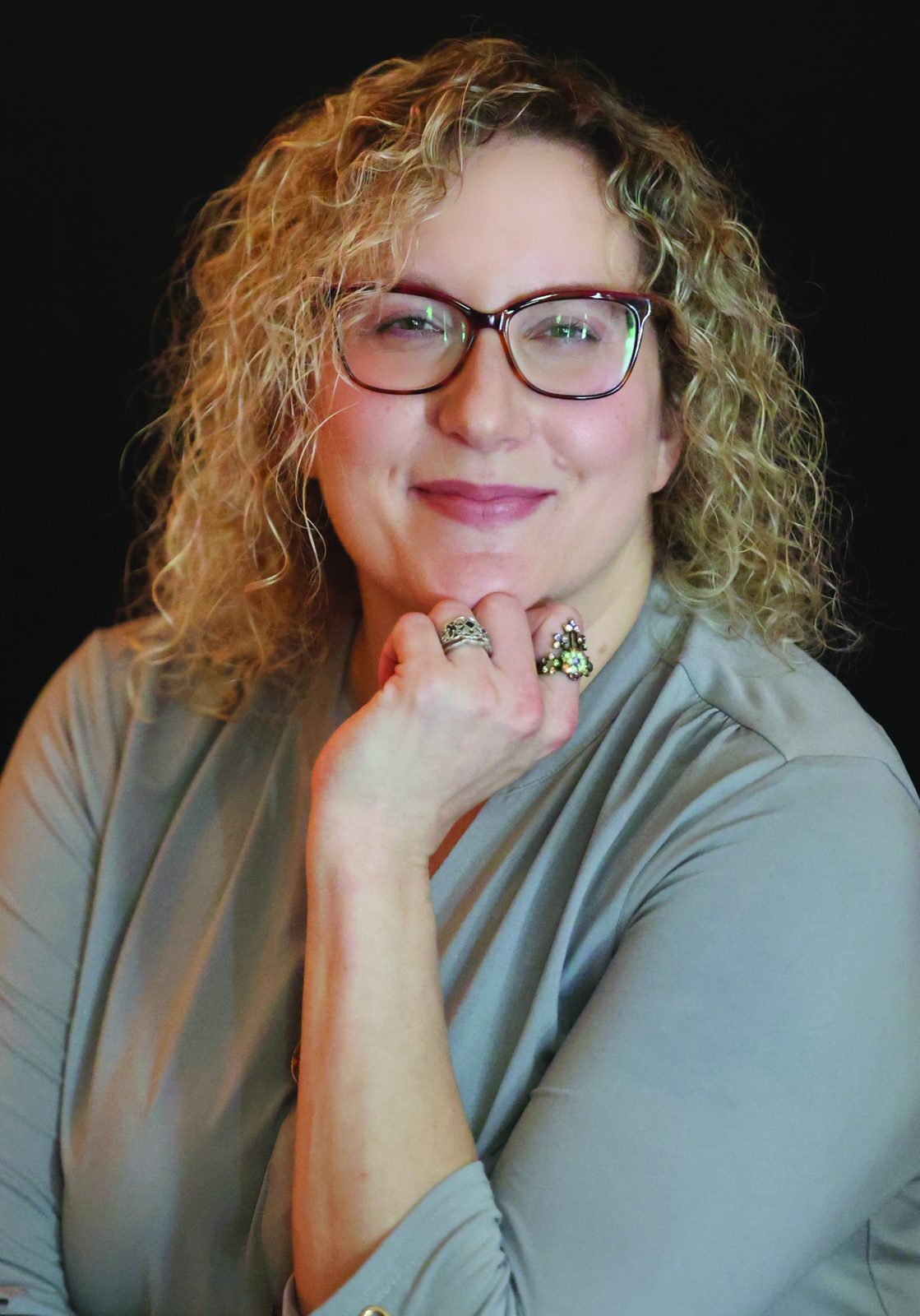
"Your job isn't to protect them at all costs. It's to give them the tools they can learn to protect themselves because you will not be here forever for them."
, Yarona Boster · Unspoken Signals
Out of the gate
Yarona Boster spent nearly two decades in early childhood, human development, psychology, and lifespan coaching before she sat down to write her first solo book. Unspoken Signals translates her connection, autonomy, and competency framework into a practical parenting playbook for raising children who can thrive without you.
A framework forged in loss
Yarona did not start in publishing or self-help. She started in early childhood, the birth-to-three end of human development, working in the public health arena before stepping into the entrepreneurial world. By the time she sat down to write the book, she had nearly twenty years across psychology, lifespan development, and coaching, and a clear sense that the audience she wanted to reach was not going to find her one client at a time.
"And in everything that I have been creating since I jumped from the traditional world of the public health arena into the entrepreneurial world, I realized there are a lot of mechanisms," she says. "And writing a book is one of those really superb mechanisms."
The thesis came from somewhere darker. She was, in her words, on a repeated road of confronting life and death, taking care of her loved ones into their deaths while she was coaching parents who told her over and over that they felt lost and overwhelmed. The two streams collided into a realization that became the spine of Unspoken Signals.
"You could be a multi-billionaire. You could earn the most money on this earth, but there is one thing you cannot protect your children from, and that is the death of you, the loss of you."
— Yarona Boster, Author, Unspoken Signals
Connection, autonomy, competency
The structural core of the book is self-determination theory, the psychology framework that says every human needs three things to function: connection, autonomy, and competency. Yarona's contribution is to translate it back to the youngest end of life, the years when most parenting advice is about feeding schedules and sleep training and the deeper architecture goes unspoken.
"At a young age, at the youngest age, we need connection as much as possible," she says. "Connection, connection, connection. Why? Because we're creating secure attachments. Once you create that secure attachment place, you can then leave the nest and you'll always feel like you have a secure grounding."
The framework shows up in small daily decisions long before it shows up in a crisis. When her son Connor was almost four, their family cat died. A few days later he was insisting Yarona put his shoes on for him. She told him, "Connor, remember mommy and daddy will not always be here to put your shoes on for you. You have to do it for yourself." Then, more honestly than most adults can manage, they sat with what that sentence actually meant.
A couple of months later Connor turned to her on his own and said, "I'll be okay. You'll always live here in my heart." That, Yarona explains, is what secure attachment looks like in a four-year-old.
"Secure attachment means that wherever you go, you still get to hold on to somebody right here. Whether or not that person stays in your life for a period of time or whether they're gone forever, I still get to stay here."
— Yarona Boster, Author, Unspoken Signals
The block at chapter six
The book did not write itself. Around chapter five or six Yarona hit a wall, and the reason was not what she expected.
"I had so many people giving me their opinions and I didn't know what to go with," she says. The voices were not bad, they were just many, and many of them wanted to be prescriptive. One in particular stood out. Yarona took a twenty-minute call with a well-known marketing figure who immediately told her the book cover was wrong. Not asked, told. Yarona's read on it was instant.
"The red flags that are coming out from you are really large. Like you want to control this creation that I'm making."
— Yarona Boster on filtering authorial advice
She did not return the next call. The book cover stayed.
The resolution to the block was the same shape as the resolution to the cover question. Fewer voices, better voices. Yarona brought in one book coach who understood the difference between giving direction and lighting a path, and she committed to Scribe Media for the work of getting the manuscript across the finish line.
"When I was able to then finally get quiet and I jumped in with a book coach, one singular book coach who understood what it took to guide me on my own path, not tell me what to do… that was the difference."
— Yarona Boster, Author, Unspoken Signals
What early readers are saying
The interview was recorded the same day Yarona's audiobook released, two months after the book hit the world. She has a couple of book awards in early. What has surprised her more than the awards is who the book is finding.
Some readers are reading it as a leadership book. Some grandparents are reading it as a "one-removed" guide that lets them see their own parenting from a generational distance. One reader, who happens not to be a parent at all, told her it is "a humanities book." And then there is the comment that caught her off guard.
"I had somebody who told me, okay, I don't know if I can write this in the review itself, but this book is as important as the Bible."
— A reader, relayed by Yarona Boster
"That was unexpected to hear," Yarona says. "I've gotten a couple of book awards and that's been beautiful and validating. But what's been the most validating is just what people have experienced from it, how much it's widened their lens on themselves."
What she tells aspiring authors
Eric closed the interview with the question Author Hour always closes on: what would you say to someone considering setting foot on this path? Yarona's answer is the closest thing the episode has to a thesis statement on the writing process itself.
"You only get this one life. You only get this time, and you don't even know what you're gonna get tomorrow. So don't wait until the pretend perfect time. There is no perfect time. Jump into the mess. It's gonna be a mess. If you have the right support structure, allow yourself to jump into that mess."
— Yarona Boster, Author, Unspoken Signals
The book is in readers' hands. The audiobook is in their ears, narrated by Yarona over twenty-one hours of studio time she chose to do herself because the discomfort, she says, is where growth happens. And the next thousand readers, the ones who will find Unspoken Signals next year and the year after, will discover what some of the earliest readers already have: this is a book that started as a parenting guide and ends up being a guide to being a human.
Ready to Write Your Success Story?
Join 1,600+ authors who have published with Scribe Media and transformed their careers.
Schedule a Consult
Course
Write and Publish Your Best Possible Book
Six modules. 28 lessons. Everything Scribe has learned helping 2,000+ authors, organized into the same process we use with our professional clients.
A Wall Street Journal Bestseller
The Scribe Method
No catch, just everything you need to write, publish, and own your book.