Steve Sims: Episode 1017
Read the full transcript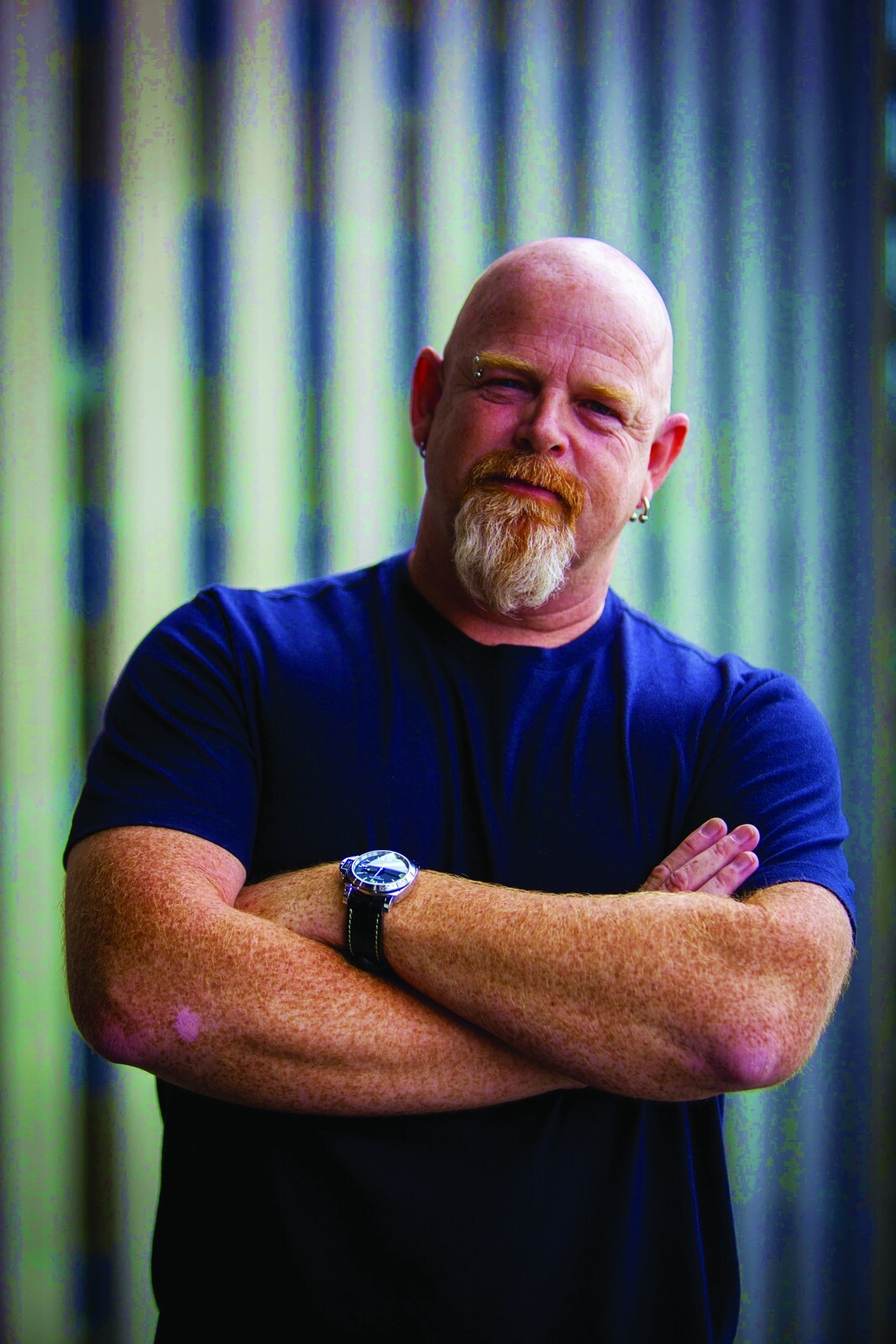
Steve Sims
In loving memory of Steve Sims (1966–2025). (RIP)
From Google Books:
Steve Sims has been running his luxury travel and lifestyle concierge firm, Bluefish, for more than twenty years. With his unique talent for connecting with people’s passions, opening doors, and making things happen, Sims has developed an exclusive reputation and impressive client list of the world’s rich and famous. Bluefish has offices around the world and has been featured in Forbes, The New York Times, Entrepreneur, Variety, Worth, CNBC, and many other media outlets. Sims is also a keynote speaker at venues including Harvard and the Pentagon, and has spoken at many top entrepreneurial groups, including Mastermind Talks, Genius Networking Events, and Entrepreneur Society of SF. He lives in Los Angeles with his wife, kids, dogs, and a lot of motorcycles.
Please also check out the plethora of information on his website bio:
📚 Books by Steve Sims
Transcript
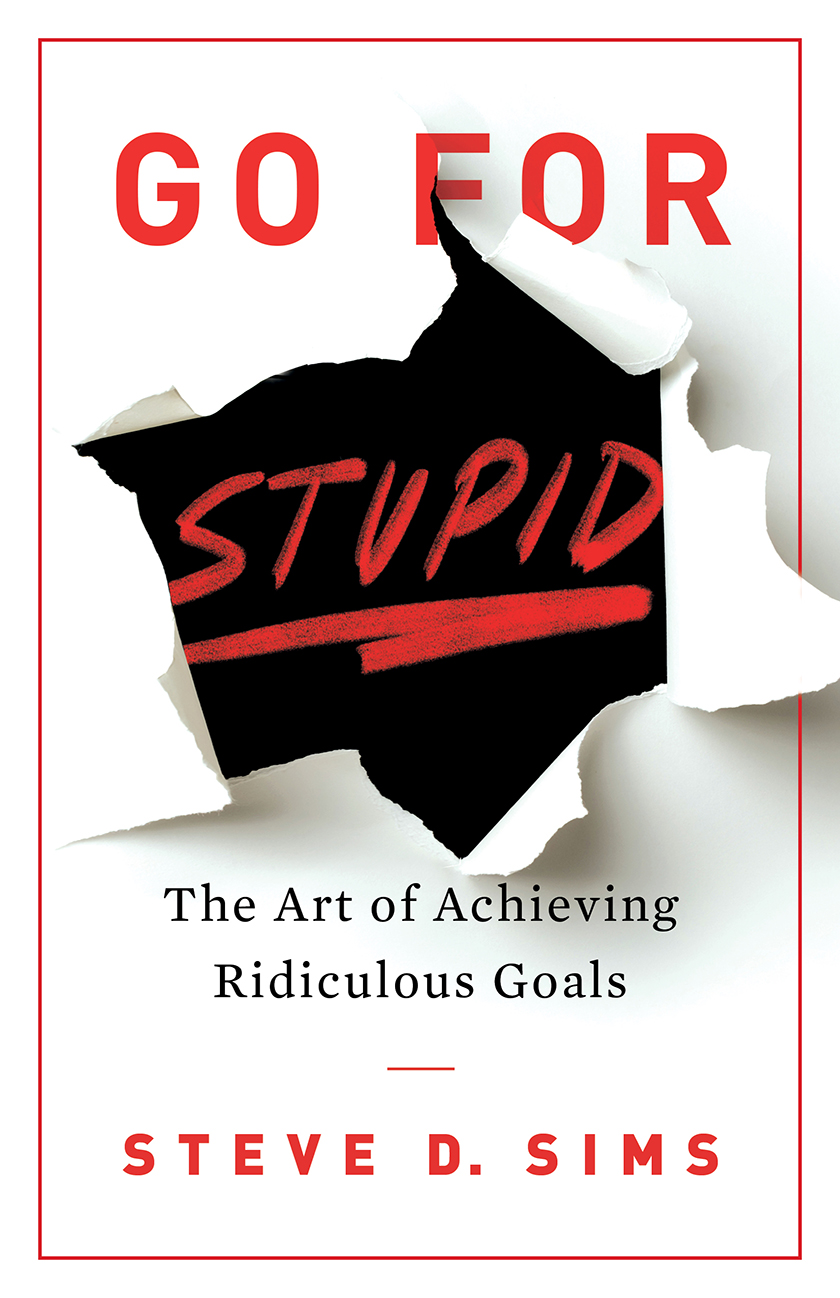
[0:00:30] GR: Hey everybody, welcome back to another episode of the Author Hour Podcast. As always, I’m your host Gunner Rogers and today on the podcast, I have the insightful, Steve Sims, author of the new book, Go For Stupid: The Art of Achieving Ridiculous Goals. It’s available now on Amazon, you can go pickup a copy of the Kindle version for 99 cents for this week only. Make sure you go check that out but first, here’s my conversation with the impeccable, Steve Sims. All right everybody, as I mentioned, I am super honored to be joined today by the one and only Steve Sims, whose second book, Go For Stupid: The Art of Achieving Ridiculous Goals Is available now and I’m super excited to dive into it on the Author Hour Podcast. Steve, thanks so much for joining us today.
[0:01:21] Steve Sims: It’s a pleasure to be here, thanks for having me.
[0:01:23] GR: The pleasure is definitely on this end of the microphone for sure, and so I dove into the book and I’ve dove into a lot of your content, and something that stuck out to me was this idea of thinking how far can I take this, when you were doing your concierge service, when you’re dreaming up big goals and things that you want ed to achieve, when was the first time you personally asked yourself “How far can I take this?”
[0:01:48] Steve Sims: You know, I didn’t. I think the problem is, when you start looking at it like this, you start giving yourself a parameter on a glass ceiling, and the downside is a lot of people today, they want to do more with their life but they go with what they feel they can achieve. The good thing about my life was I was very ignorant to what was possible also, what was not possible. So for me, I literally just for the childlike mentality, and my wife has always said that I’m a 55-year-old five-year-old. I’ve just always gone with, “Hey, I wonder what I could do here that would be crazy” and it was always that lust and zest for life that got me through things. Now, when I did pull off things, whether it would be with the Vatican or Elton John, Guns N Roses, Florence Museums, there were many, many times when I would sit there and go, “Holy hell, how the hell did I pull that off?” So I’ve had a few of those moments but I never recognized it until I’ve been doing it for quite some years.
[0:02:50] GR: Totally and what was the catalyst in making you recognize it as something that’s very different to most people?
[0:02:56] Steve Sims: Again, I’m going to sound like a terrible guest, I didn’t recognize what I was doing because I was focused on why I was doing something. Now, here’s a weird thing. I grew up as a brick layer with no money. So I knew what it was like to be poor, you know? So why hang around with poor people? It stinks, nobody likes it. There’s no adrenaline to get going. So as a young lad with no money, I wanted to surround myself with people that had money. So the stuff that I used to get up to was quite simply just a trojan horse. If I could get you a drum lesson with Guns N Roses, if I could, you know, close down a museum in Florence so you could have a private dinner party at the feet of Michelangelo’s David. If I could do all these amazing wonderful things, then a couple of days later, I could have lunch with you and I’d be like, “Hey, Barry, how did you get involved in real estate? How did you launch a foundation? How did you, you know, make your first million?” If I could do something over here then I have your attention over here. So the funny thing was, I was always focused, even when I was planning this stuff for my clients, I was focused on, “Okay, make him happy.” Now, hey, I charged well because I’m a great believer if they don’t pay, they don’t pay attention. So I would charge them well but if I could surpass that dreams and aspirations by going for something ridiculous and stupid, then I had that attention two days later. When quite simply, I’d be doing like, a lot of podcast with him to find out how come they were successful and then I would take that information. So that’s what I was looking at, I was never looking at miraculous things I was doing until I suddenly turned around and went, “Hang on a minute, I’m doing things here” and that was a kind of a weird feeling.
[0:04:37] GR: Yeah and I’m curious, who was the one client that you had lunch with that you were more excited about than anyone else?
[0:04:44] Steve Sims: I’ve always believed that if I released a book naming my clients, I probably wouldn’t last until cocktail hour. So I’ve had those conversations with some of the most famous people in the world, you know, there’s documentation and photographs of me with Richard Branson, Elton John, Elon Musk. So I’ve had those conversations but I’ve also had conversations with people you’ve never heard of that owned things like countries. And it’s just been some – I’ve had – let’s just say I’ve had some very colorful characters in my rolodex of clients that I’ve been able to have conversations with that I will never mention their names.
[0:05:19] GR: God, man, well, we’ll definitely make a note of that. Back to what you were doing with clients or even just outside of clients, just goals in general for Steve Sims, what is the one stupid goal that you pulled off but truly, as you were trying to, didn’t think you’d be able to?
[0:05:37] Steve Sims: And again, the second that you think you can’t, there’s that doubt and as the old saying that if you think you can’t, you’re right. So let’s turn it around a little bit, you know? A lot of people that are listening to this, including me, do you have kids?
[0:05:52] GR: I do not yet but it’s on the docket for down the road.
[0:05:55] Steve Sims: All right, well, then maybe this will be a good lesson to listen to but as parents, we have kids and like, you know, there are three year old, five year old, six year old and they’re running around the house with a pillow case tied around their neck pretending as though they’re super heroes and we say to them, “What the…” – “Hey, I’m super woman, I’m Super Girl, I’m Thor, I’m fire bolt, I’m thunder man” you know and they come out with all these names and as parents, we feed it. We go, “Yes you are, you can do anything, you can be great.” Now, when they’re 18 years old and they’re running around with a pillow case around their neck, we tell them, “Grow up” you know? “Start acting your age, get a job” and we start killing that curiosity. Now, if you look at all of the people in the planet that are very successful, Larry Page, John Paul DaJoria, Elon Musk, Richard Branson, they still had that curiosity of being a superhero. They still had that curiosity of, “Oh, I’m going to go to space. Now, how do I make it happen?” and they worked in reverse. So for me, I never ever thought, “Oh, I’d really love to do it but I can’t.” It was a case of, “I want that” like the kid with the chocolate before dinner time, you know? The parents say, “No-no-no, dinner time” but they still want that little sweet. I was that bouchée, passionate, “I really want that museum in Florence, who have I got to speak to and make that happen?” and there was an ignorance to it going any other way than the way that I envisioned. Now, as I then stepped back and started having these conversations and I’d be like, “So, what made you want to go into space?” “Well, I wanted to.” “So then, what was the next steps?” “Well, I had to work out how to make my dream come true” and we can even go as far back as people like, Walt Disney who saw the vision of what he wanted to create and then stepped back until it went down to just, you know, breaking the soil to make the first foundation. If you don’t have these visionaries that have the ability to dream stupid, imaginative goals, then if you can’t see it, you can’t hit it and that was really my kind of philosophy as I was growing up.
[0:08:07] GR: I love that. And so we’ve dug into it a little bit. I want to dig into it a little bit more. Why do you believe so many people are horrified of pursuing, much less achieving, what they perceive as ridiculous goals?
[0:08:22] Steve Sims: That is a beautiful and sadly scary question today. You see, they’re not scared of going for the goals, they’re not scared of failing. If you want to make million dollars, go for 10 and fail at five, you know? They’re not scared of trying, they’re not scared of failing but in today’s “gotcha” cancel society, they’re scared of other people seeing you try, and that’s where it gets terrifying. That’s actually, was the catalyst of this book. In the beginning of COVID, I know it’s how people were kind of trying to use all of that pent up aggression by being stuck indoors to pull other people down and I hated it. More people more on social, more people with… Look at all the actors and actresses and musicians and artists that got canceled and annihilated? You know, because people had nothing better to do than sit on a computer and go, “Hang on a minute, in 1981, you said this. Why? Well, you should never be allowed to work again, you don’t know anything” and what happened was, subjects were being brought up that were really bubbling with a lot of tension. We had Me Too, Asian hate, Black Lives Matter, even politics and they were evoking passion and conversations but here’s the dumb thing, during that period, rather than evoking the conversation that we should have had, people avoided them like the plague. People heard it but “Oh my God, I’m not going to mention that.” They wouldn’t even mention the lineup I just did. I’m sure there’s people out there triggered going, “Oh my God, what’s this guy going to say?” But in a point in time where we couldn’t communicate with people, conversations were coming up that we should had but rather than have those conversations, those tough conversations, we avoided them and the toughest conversation in the planet is always going to be, with yourself. What do I want? What do I want to gain, what do I want to provide for my family and kids? Right, well, now I know what a vision is, now I’m going to go, “To hell with my neighbor down at the pub that’s going to laugh at me for going for it. I’m going to go for it” but is this far in the moment that’s usually, that cancel in it. They’re scared of looking silly in front of people and here’s the dumb thing, they’re frightened of looking silly in front of people that aren’t even trying.
[0:10:46] GR: That really don’t matter, right?
[0:10:48] Steve Sims: It doesn’t make any sense, does it? If you’ve got someone that can’t do anything, won’t do anything, will never try anything, why are you listening to him?
[0:10:56] GR: Exactly and that makes me curious about, you have kids, correct?
[0:11:00] Steve Sims: I do, three.
[0:11:01] GR: What is it like to see them potentially fear going for stupid?
[0:11:07] Steve Sims: Well again, you know, it’s worse for them because I’m 55 years old. So I grew up in a society where I didn’t have Instagram to prove how inadequate my life was but for them, most of them have grown up all social, you know, this is what a girl looks like. So, my daughter’s now impaired with, if you don’t’ look like that, then, you’re not really, you know? So we’ve got all of these forced perspection on what you should look like, what you should you sound like. Look at it now, if you're successful, what’s the first thing you do? You lean up against a car. So there’s all these people out there, leaning up against cars that they don’t own, trying to sell you a course on how to be successful, and we are grading things with our eyes, rather than digging for the substance of credibility and equality. So it’s very hard for me to be teaching and any parent now that are going, “Hey, no one’s got a picture” and I don’t want you to do this but “No one’s got a picture of themselves on the toilet but hey, we all knew you went to the toilet today” you know? “Because if you didn’t, something’s wrong” So we all know these things but we are judging and approving by our eyes and so, as I grow with my kids, we’ve got to take them out of the school. We’ve got to get them into grips. If you’re an entrepreneur, even your business, the old kind of like, take a kid to business day, do that. I used to do business meetings in the car when I take the kids too school and I used to put it on speaker and I’d let the kids listen to the conversation and at the end of the call, I’d be like, “Well kids, how did daddy do?” You know, would make kid, “I think he likes you dad. Oh, that’s great” but I would get them used to how the tonality is important in a conversation and how the position and how the, you know, potentially the control of the conversations, is it a good thing or a bad thing? So I would try to do as much education as I could with my kids. Now, kids are going to make their own ways but you’ve to to get involved with them to help them be the people that you need them to be to be able to create the world that you want to leave.
[0:13:17] GR: I love that, and so with your kids in mind and with your clients, with just, really, the general population in mind, what kind of world do you believe we would live in if more people went for stupid?
[0:13:32] Steve Sims: A beautiful one. You know, let me give you an example. Do you have a truck?
[0:13:38] GR: I’m a West Texas ranch kid through and through. So yes, I have a truck.
[0:13:40] Steve Sims: You have a truck, okay. Do you remember when Elon Musk produced or released his Cyber Truck?
[0:13:47] GR: I think we all do.
[0:13:49] Steve Sims: Now, the funny thing is, I’ve asked and I did a podcast with someone in Korea the other day and this woman said that she said, “I’ve got to bicycle” she said, “I could never afford a truck here in Korea. But yes, I watched it.” So the bottom line of it is, you’re right. Pretty much everyone in the planet knew he released that cyber truck, okay? Whether you are in the trucks or not, he release the truck that the components, the composites were different even the way the thing would move was completely different to anything else on the road. In fact, I heard someone say that the only similarity between that and anything else on the road was the fact that it was used in regularly purchased rubber tires. Other than that, everything else he had designed himself. Now, the following day, he had sold out every single one of his allowed pre-orders in that two hour unveil, you know? So he hadn’t even gone into production and he was sold out. How many of us as entrepreneurs would like to be able to sell out of our product before we’ve even started it?
[0:14:51] GR: Pretty much everybody.
[0:14:53] Steve Sims: But what was the headlines the following day? Can you remember?
[0:14:58] GR: Pretty much Elon Musk breaks windshield.
[0:15:00] Steve Sims: That was it. It wasn’t, “Hey, he sells out everything before he even started” it wasn’t like he reinvented the wheel recently by reinventing the truck. It wasn’t any of that. It was “Ha-ha, his bulletproof glass broke.” Now after that, he even showed videos of different projectiles going at this glass and it not breaking but no one looked at that. No one cared, why? Because we like to scoff. An entire society, rather than rejoicing because someone had the audacity to reinvent something, we found it much more pleasurable as an entire nation to ridicule. Now, I am just imagining, well, two things. One, he don’t care. He sold out all of his products. He is still in high demand. It was still the most widely viewed stream on the planet, even if you loved trucks or not but you see, if you could have that kind of audacity where you would go for something that you believed in regardless of the people chirping bad comments at you, just imagine what you can achieve? Rather than going, “Hey, you know what would you do today if you couldn’t fail?” and that’s stupid. Failure is the education of which we need to become experienced, to become credible, to be able to invoice people, you know? It is that whole process. You can’t become educated unless you fail. So it is not a case of, “Hey, what would you do today if you knew you couldn’t fail?” What would you do today if you didn’t care about someone laughing at you?
[0:16:34] GR: I love that and that is a great segue actually to my next question. You have achieved a lot, you have learned a lot, you have lived an incredible life that many people will benefit from emulating as far as this radical self-belief and just getting doubt out of the window and getting fear out of the window. Along the way though, what has been the harshest rejection or failure that you’ve had to confront as you have been going for stupid?
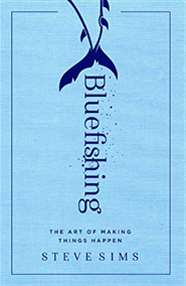
[0:17:03] Steve Sims: So the failures were wonderful educations for me, okay? So I was the kind of guy that when it went wrong, I would always lean into it and go, “Oh, I wonder what this means and how can I get somebody out of this and how I can learn?” it was all those kind of things, so that was good for me. I’ve always looked at failure as like, “Oh great, you know I’ve just learned something” but you added the word rejection and that was a very, very, very powerful twist to that question. The greatest rejection I felt and it hurt was me and I was dealing with and I actually wrote about them in a different book, Bluefishing, but I actually got that self-doubt and every entrepreneur at one point in their life they get that imposter syndrome. They’re you know, “I don’t fit in.” Well, entrepreneurs were never supposed to fit in but we still get that kind of like, “Oh my god, I don’t look the way, I don’t sound the way” so what do we do? We build up a website that makes us look more prolific, more articulate, you know, slimmer, whatever, you know? We do that. I remember working at Formula 1 in Monaco.
[0:18:11] GR: What?
[0:18:13] Steve Sims: Yep and being so concerned about what I looked there. Now bear in mind, since birth, I’ve been a boy on a motorcycle with a black t-shirt and today, I am an older fella with motorbikes and black t-shirts but in 1997 with Ferrari Formula 1 Monaco, that doubt got into me and I changed. Overnight I changed, I bought watches, I bought tailor made suits, I actually bought a Ferrari. I was so concerned about your perception of me and how that mattered to me that I sold out myself and that was the worst period of my life. I quickly got over it. I went to a bad dock period, where I am thankful that my family and my beautiful wife, Clare, actually supported me with it and got me out of it and got me to be the person that I actually am. It got me back to me. You know, if your judging what I can do based on what I look like then we’re back to the first problem of you doing approval by your eyes rather than my credibility. So you know, I really think what we got to do today is focus on us. Don’t allow other people to direct us, and hopefully you will save out on that imposter syndrome that I had, but that was my worst moment.
[0:19:31] GR: Thank you for sharing that because I am so sure that myself and everyone listening has had those moments especially in their career or as they’re pursuing a big goal, where they’re truly the black t-shirt motorcycle person and they convince themselves they need to go buy the watch and buy the Ferrari. So thank you for sharing that and then –
[0:19:54] Steve Sims: They conform. They conform and why should we conform on you, you know? There is no one like you out there, anyone listening to this, there is nobody like you. You are a unicorn, you are completely different to anybody else in the planet and isn’t that what we want in business, to stand out? So to stand out, the first thing you got to do is stand up.
[0:20:16] GR: Totally agree and so that’s looking backward. Now looking forward, I mean the book is out and it’s great. Everyone should go check it out. It is available on Amazon, we’re discounting it 99 cents, the Kindle version for this week but for you personally, what is a stupid goal that you haven’t pursued yet but you want to?
[0:20:37] Steve Sims: Well, it’s stupid and I am, I am hoping that this book is going to create more of a planet that I want to live in. I want people to stop pulling people down and start offering their hands up to support each other, because when great people do great things, everyone wins. So my stupid goal is literally to change the mentality so that when you hear someone go, “Oh that’s silly” someone next to them is going to go, “Oh, wait a minute, why don’t we look at the good in that statement?” Why don’t we look at the benefit in what is being tried here? Why do we cheer rather than jeer? If I can ever see someone have that conversation with someone that’s negative, because they say that grimmers attract grimmers, negativity attracts negativity. Have you ever been in a room when someone is telling a joke and everyone around them is laughing so much and everyone leans in and wants to a part of that?
[0:21:34] GR: Oh, it’s the best room ever.
[0:21:36] Steve Sims: 100%, there is nothing greater than positivity grabbing positivity. So why don’t we try to be that positivity?
[0:21:44] GR: I love that, and then just one thing I wanted to dive into from the book specifically, you discuss a couple of different principles that everyone can benefit from implementing in their life, implementing in their pursuits, you talk about avoiding Amazonification. Can you tell us more about that and explain what that means and what you mean by avoiding Amazonification?
[0:22:07] Steve Sims: Yeah, today we’re in a transactional society and we’ve got very, very used to people just barking orders. You know, I said to my son the other day, you know, put the air conditioning on and rather than just walking over to the air conditioning unit, you know, the nest which was like three feet away from him, he picks up his phone and he’s like, “Hey Siri, put the air conditioning on.” Alexa, Siri, Amazon, we’re used to going, “I need this” push the button and it turns up. When that is translated over into our world and now with AI, how many chat bots do you have conversations with online that are computers, you know? We’re losing the ability to have a conversation. Now here’s the thing, if someone comes to you and this is where I go for stupid really matters, if someone comes to you with a question, I don’t care if it is repairing that toilet, baking them a cake or sending them on an amazing experience around the planet, but if you give them what they asked for, you’ve just completed a transaction and if you complete on the request, Amazon is working out an algorithm at this moment to put you out of business. So what you’ve got to focus on, if someone comes to you and go, “Hey, I want a yellow cake” that’s fantastic. Yellow cakes are brilliant. “Can I ask why yellow?” “Well, I like this.” “Well, why don’t we do the yellow cake and we do a bunch of yellow cupcakes around it? Why don’t we do that?” When you dare to challenge the question, the benefits the individual is asking, you’ve added extra layers to it. There will be no need for loyalty points, which let’s be serious, a legalized bribery, if you can just take the person and ask them this question, this scary, scary question “why” you know, “Why do you want the yellow cakes?” “Oh, your toilet is broken, why did you wait this long?” you know? You got bad plumage, we repair it so that you don’t have this issue again or do you want just a band aid to get over today? You know if you dare to challenge the question, people understand them and respect the fact that you care. Now, you will then form from there the scary thing called a relationship and if you are sitting there thinking, “Well, I have a relationship with Amazon” do yourself a favor. Phone up Amazon this afternoon and go, “Hey, I am thinking of changing my toilet bowl, which one should I get?” Who are you going to phone, who are you going to speak to and you know for a while you won’t get an answer. Amazon does a fantastic job of completing on a transaction but us as human beings, we’re not transactional, okay? We’re communicative and we got to start focusing on that because we are getting really bad at it.
[0:24:50] GR: Very true, and your book and your principles are going to help us get better at it and move us towards a brighter future for sure. As I mentioned, the book is out now. Once people go purchase a copy and read it Steve, what is the best next step they can take?
[0:25:05] Steve Sims: So there is a little secret QR code in the front part of the book, so that when you got it, you’ll be able to scan that and there is a little video that they have – it is going to tell you exactly what you need to do but I don’t want people to buy and read the book. I want people to enter into the third part of that. I want them to buy, read and action. I want them to actually see what they can do. Now, you know I am not the sharpest tool in the shed. I am brick lad from East London. See, you’re already out of excuses. I want people to read and go, “Well, hang on a minute, that’s so simple. Why don’t I just try that?” actually gauge and see and measure the change it has in your relationships, in your connection with your clients and in your goals. Now, the goal setting of who you’re with, where your business should go, the relationships you’ve got, it is going to rise your standards and I swear that. It’s going to get people to go, “Hey, I am not willing to accept mediocre anymore because I am not” and that’s what I want people to get out of it. Look, if you are searching for permission to go for great, this will be it if you allow it to be it because it is going to give you the techniques and tactics that’s going to showcase you very easily that you could do this and it ain’t hard. You just got to start.
[0:26:26] GR: You just got to do it and so once people start, once people take those next steps, lastly, where can people engage with you? Where can we follow you? How can people engage with more of your content so they can continue building on what they’re learning through your new book?
[0:26:41] Steve Sims: I like that because I am there to help you grow. I’m at Steve D. Sims and that’s D for Dashing, Sims, only got one M in Sims, anywhere. I’m at stevedsims.com or anywhere you can see me on media, Twitter, Instagram, LinkedIn, Facebook, Steve D. Sims on the exact same everywhere and why wouldn’t I be?
[0:27:01] GR: I love that. Steve, thank you so much for your time today and more than that, thank you for sharing all these parts of your story and all of these things that you’ve learned through setting and achieving your ridiculous goals, so that we can benefit from it and this world can truly become a better, kinder, just more wonderful place. Once again everybody, the book is called, Go For Stupid: The Art of Achieving Ridiculous Goals, author Steve Sims, but more than that, just incredible person. Steve, thank you so much for your time today sir.
[0:27:32] Steve Sims: It’s been a pleasure. Thanks for having me.
[0:27:35] GR: All right everybody, once again, Steve’s book is titled, Go For Stupid: The Art of Achieving Ridiculous Goals. You can go pick up a copy of that today, get the Kindle version for 99 cents as it’s discounted to that for the next and the next week only. So make you go capitalize on that discount. You can also find more podcasts and more transcripts of this this episode and all other Author Hour episodes at authorhour.co. For more Author Hour, subscribe to this podcast on your favorite subscription service. Thanks for joining us and we’ll see you next time, same place, different author.
Want to Write Your Own Book?
Scribe has helped over 2,000 authors turn their expertise into published books.
Schedule a Free Consult