Diva Nagula: Episode 394
Read the full transcript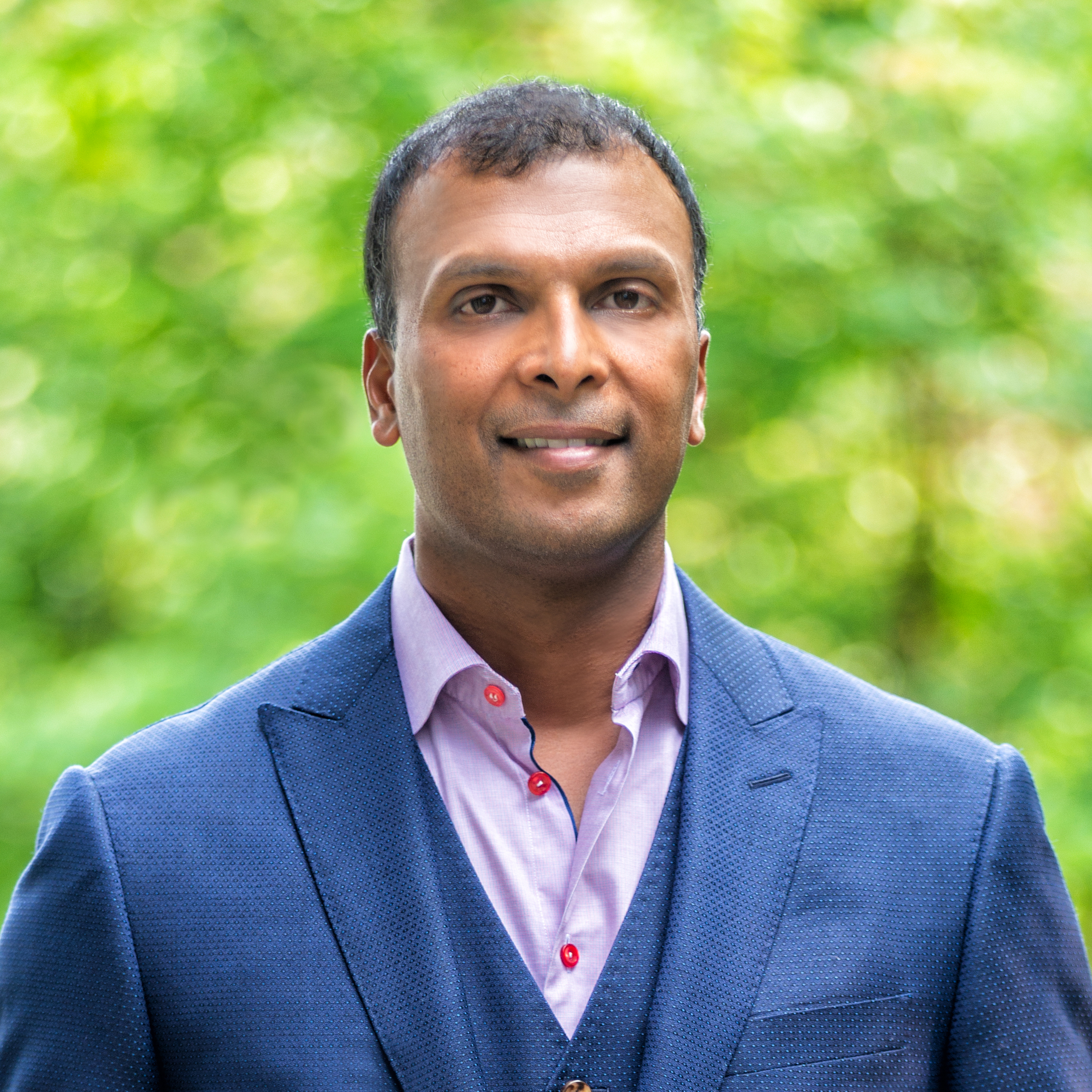
Diva Nagula
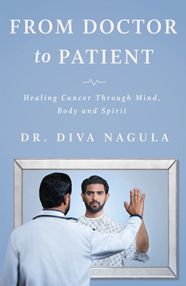
Dr. Diva Nagula has been a physician for more than twenty years and is a board-certified osteopathic doctor trained in integrative and functional medicine. He graduated from the Lake Erie College of Osteopathic Medicine, completed a residency in physical medicine and rehabilitation and a fellowship in interventional pain medicine, and built a surgical practice in South Georgia. After being diagnosed with stage 4 non-Hodgkin's lymphoma in 2014, he pursued integrative medicine training at the University of Arizona under Dr. Andrew Weil and combined conventional and holistic approaches on his path to remission. He shares that journey in his book From Doctor to Patient: Healing Cancer through Mind, Body and Spirit, and continues the conversation on his From Doctor to Patient podcast.
📚 Books by Diva Nagula
Transcript
[0:00:26] NVN: When Dr. Diva Nagula was diagnosed with stage four non-Hodgkin’s lymphoma, he was confused and caught off guard. As a doctor himself, he went into research mode, trying to figure out how this could have happened and what he could do to heal himself. This was the beginning of Dr. Nagula’s journey to transforming his life and with that, beating his cancer. Both in this podcast and in his new book, From Doctor to Patient, Dr. Nagula talks about his journey openly and honestly. He explains how it ultimately led him toward living and advocating for path of holistic wellness, that includes body, mind and spirit. To not only heal but prevent disease.
[0:01:07] Diva Nagula: As a physician, we’re exposed to a multitude of disciplines and one of those disciplines is the hematology and oncology realm. My practice, I actually went into the field of interventional pain management, so I did a specialty in physical medicine rehabilitation and then I did a sub specialty which was a fellowship in the field of interventional pain management. We treat people with acute and chronic conditions, people who are in pain. And that was my forte, I always specialized really in people who had pain that was stemmed from spinal pain, specifically like ruptured disk or arthritis in the spine. I treated everything in terms of pain but that was my focus was really spine-related pain. I was really adept at treating and diagnosing conditions. So for me, when I was diagnosed with cancer, I was a patient and as a doctor, I felt completely out of sorts because I don’t remember much about learning oncology and hematology when I was in school. It was just a month rotation that I took when I was in medical school and you get some information but it wasn’t my primary focus. So I had no idea I was going in with a blind slate when I walked in and walked out of that oncologist office that day.
[0:02:27] NVN: Tell me about both your diagnosis, what it technically was and also, what your reaction to it was?
[0:02:36] Diva Nagula: Right. My diagnosis was non-Hodgkin’s lymphoma. The interesting thing with that was I knew a little bit about lymphoma just from my own knowledge studying it in medical school and through clinical rotations, of course, setting for the boards, you have to know a little bit about everything. It was more of a shock to me when the oncologist told me it was stage four. I was like wow, because you know it’s stage four, everyone knows what stage four is if you have a cancer in the medical field or not, you just know what stage four is not good. That really was kind of shocking and I was in my mind thinking, wow, 40 years old and I’m diagnosed with stage four cancer, now what? That was my first impression, I was just shocked and then everything else the doctor had said in terms of my treatment plan, it was all just at that point, it was blank, I understand what you're saying, all I could think in the back of my mind was, "Wow, stage four cancer," and I was listening to my wife at the time, just the tears. I couldn’t focus on anything what the doctor was saying.
[0:03:40] NVN: This is a very remedial question but can you explain what exactly lymphoma is to me? Is that in the lymph nodes?
[0:03:47] Diva Nagula: Yeah, it’s basically – it’s a blood cancer so it’s a cancer of the lymph nodes where the lymph nodes are essentially enlarged and they become tumorous-like, we have lymph nodes all over our body from our head and neck and all the way down to our abdomen and to our pelvic area. The disease specifically involved a lymphatic system and the lymphatic system is typically a drainage system that just kind of fleshes out the toxins of your body and then that just functions a filter of the circulatory system. For me, it was when they diagnosed it, they diagnosed it through a series of scans specifically, cat scans and they noticed that my lymph nodes which are really tiny, you know, talking about one in three millimeters and then they were like enlarged to the point where they’re like one in two centimeters. You just imagine, that small of a specific lymph node, how it grew to a size where it was visible on an MRI scan or a CAT scan. The fact that it popped up everywhere was more longing. Typically, lymph nodes are enlarged when there’s like an inflammatory stage, inflammatory state or an infectious state. I didn’t feel bad, I was kind of shocked at okay, I don’t feel bad, it can’t be cancer, let’s look into it more, maybe it’s an inflammatory condition or maybe I’m just fighting some chronic viral infection. That’s what my primary care thought because all my blood work at the time was relatively normal, I felt great. But then when the oncologist did all of the digging and did more research and did more test that been able to diagnose that I had lymphoma.
[0:05:27] NVN: I can’t even imagine what that moment would feel like, it seems like, it seems like it would just have to kind of knock your legs out from under you emotionally.
[0:05:37] Diva Nagula: Yeah, I mean, it truly was, the doctor becoming the patient.
[0:05:42] NVN: I’m curious what your response to that was and since you’re both a doctor and a human, did you stay in both sides of your brain or did you find yourself veering more strongly toward one of your identities?
[0:05:55] Diva Nagula: I definitely was the doctor, even going in as a patient to my oncologist office. I was determined to get to the bottom of this and to figure out ways of first learning about the disease, learning about the cancer, learning the causes behind the cancer and then trying to take action to see if I could run it my own without having to go through aggressive cancer. That’s the first thing I do when I got home after my diagnosis, I just dived into books and dived into peer review journals and I was – whatever I could find on the Internet and through my own repository of journal articles that I have at home. I just kept reading and it just didn’t make any sense. Because the lymphoma that I was diagnosed with, it’s typically not a genetic disease, you know? It’s not something that you inherit from your family or your lineage. It’s basically a lifestyle type of disease and so that made me even more concerned and more curious about what the cause of it was and as I learned more and more about the diagnosis of non-Hodgkin’s lymphoma, I realized that it was the lifestyle that I had chosen a path that I had chosen that led me to that diagnosis and that’s when I was like, "Okay, that’s the case, maybe there’s a possibility of reversing it," and try to see if I can change my lifestyle and see if it couldn’t regress the cancer so to speak.
[0:07:18] NVN: First of all, I’m curious what it was specifically about your lifestyle. Second of all, before this all happened and you stop to evaluate, did you feel that you were living a healthy lifestyle?
[0:07:30] Diva Nagula: No, I was not living a lifestyle that was healthy. And then, the funny thing is that I’m a physician and you know, you would think I had known better but we don’t learn anything about nutrition or diet in medical school and that’s one of the flaws of our system is that you know, why would you not learn anything about nutrition so that you could better educate your patients and obviously yourself. No, my lifestyle was horrible. I mean, the worst part of it, it was a multitude of things that got me sick but one of the d rivers of it was my stress. I was in a thriving practice for many years and I had started as an entrepreneur. Entrepreneurs are just very driven individuals and they are very tunnel vision and they just see a goal and then they try to obtain it and then they just push and push the envelope until their goal is reached or they get sick, like in my case. As I got into my research, I realized that you know, that was just one factor. The other factor that, really drove the cancer with my exposure to foods. I was eating horrible foods, you know, I thought of eating a healthy meal was let’s go to a Subway and get a sandwich. No, instead of like going to McDonalds. That was my choice of you know, in my mind, I was legitimizing choosing Subway because it reportedly seemed to be healthier than going to McDonalds. And we all know that that’s not healthy either. Yeah, I just decided that, you know, I needed to eat healthier and you know, what I was eating was devoid of nutrients and I was recalling when the last time before my diagnosis that I had eaten anything green and it was literally, when I was at my mom’s house in high school, eating home cooked meals that my mom made. I never ate anything other than maybe a scrap of lettuce that was on my burger. My diet was just horrible and it was full of toxins. I didn’t eat organic. I didn’t know about organic or anything about GMO foods. I was just exposed to constant environmental toxins, it was a full storm of just different factors that contributed to my diagnosis.
[0:09:31] NVN: What’s interesting here, correct me if I was interpreting this wrong before but despite all of this, it sounds like you felt okay before getting the diagnosis and were surprised to hear that you were sick, let alone that sick, is that correct?
[0:09:46] Diva Nagula: When I was diagnosed, it was a year after exiting my practice. I had left all that s tress behind me and I figured, you know, I was feeling really good right now, why was this something that just crept up on me and I learned it’s accumulative effect over many, many, many years that slowly transforms your body and slowly causes the cells to mutate and then that’s when, you know, when it mutates enough, it grows then unfortunately the situation of — diagnosis as cancer can ensue.
[0:10:18] NVN: I’m curious about what you thought was best for you. After you had armed yourself with this information versus what your medical team was telling you was best for you. Did those two line up?
[0:10:32] Diva Nagula: Well, I kind of had a role in my own treatment so I went and sought different opinions, it was a private practitioner in Jacksonville, Florida that diagnosed me. Initially wanted me to go to an aggressive chemotherapy stage — treatment rather. Through my research, I was like no, there is other options, there’s less potent chemo that would be effective but not as harmful to my body as what this doctor was telling me that he wanted me to put on and then I was researching from specifically for me, for this cancer that you can do what’s called a watch your weight period. Essentially, what that means is that you can watch the cancer and see if it goes aggressively or it regresses and the influential factor is basically lifestyle changes. I was like, "Okay," I was determined to change my lifestyle aggressively since to see if we can regress the cancer. And I found some doctors who agree with me. I went to [inaudible], I went to Mayo Clinic. Mayo clinic in Florida was the physician I ended up choosing to be my main cancer doctor and he agreed with me so let’s just watch your weight. "You’re feeling fine, that’s the main thing we’re going by." You don’t necessarily have to treat the numbers, you treat the patient as well. Since I was fine physically, I wasn’t losing weight, I wasn’t at a state where your body just eating away because it’s mostly wasting and it’s just consuming your body and you burn so many calories because cancer is the catabolic scenario, it wasn’t manifesting that at all. We agreed and he said, "Let’s just come back in three or four months," obviously if anything changes aggressively or if I have any discomfort then I’ll go in sooner.
[0:12:14] NVN: I think this is probably where you were leading but I was going to ask you what those lifestyle changes look like.
[0:12:20] Diva Nagula: Right, the first thing I did was I stopped eating processed food. That was the first thing that I eliminated. I didn't understand what that meant and so I researched and okay, anything that’s in packages, anything that you did a fast food restaurant, I mean, those are the things that I used to do just to satiate my appetite and just to get some food in me. I had to rethink about my whole process of dieting and eating and so I ate all sorts of different foods, I would strictly eat organic, I would strictly eat things that were non-GMO, the biggest thing that I had to do which is I had to be really diligent about was cut out sugar. Any cancer feeds off of sugar and so if you just had sugar to the diet while a person has cancer, you have no chance of feeding it. It’s just adding fuel to the fire. That was the first thing that I had to do is cut of the sugar. It was a really big change because you go from eating at Subway or eating at whatever restaurant that you want to eat to really being strict. That was disheartening because I loved eating food, I was a big foodie. But I had to survive and I had to fight, that was the biggest thing that I changed first.
[0:13:35] NVN: I’m fascinated, I mean, first of all, truly getting sugar out of your diet is no joke because it is in so many places, even when you think you’re making healthy choices, if you really look. You said so adamantly that any cancer feeds off of sugar which I don’t think I’ve ever heard anyone say before. Can you talk to me a little bit about that?
[0:13:56] Diva Nagula: They’ve done some studies and they determined that cancers can metabolize it very effectively and they just replicate quickly when sugar is their main source of fuel in some cancer, some cancers are different, there’s two sources of fuel. One is the sugar for cancer and the second source of fuel is an amino acid called glutamine. Not all cancers feed off of glutamine but my cancer had a tendency to be strict with sugar and there were some glutamine that I had to eliminate. Glutamine is an amino acid you can find in proteins. Animal fat, cheeses, things like that are heavy in glutamine. I had to really eliminate all that. Yeah, it was very hard to do. I mean, you had to pick your poison because fruits and vegetables have a certain amount of sugar but there is such immense amounts of nutrients in those types of foods that you couldn’t eliminate them wholly. The idea was to pick and choose and then in order to eliminate the excess sugar in my body after a meal, I would need to do some kind of physical activity to burn off that sugar that I just consumed. That would hopefully help the cancer cells slowly die and not grow aggressively.
[0:15:05] NVN: Talk to me about what it was like moving forward as you were having this chemo treatment but you chose a less invasive intent, whatever the right word is, form of chemo and were waiting and watching with the lifestyle changes. How did things move forward from there?
[0:15:23] Diva Nagula: For me, the watching weight method was what I chose and it wasn’t a method that I just made up for my specific cancer, that was an option. In some other cancers, watching your weight is an option. Obviously it’s not meant for every person who has cancer because sometimes the cancer is so deep and it has metathesized that you need to act right away. For me, I had that opportunity and I was like thinking, "Okay, this is a sign that I need to change because I have an option here." I eliminated stress, the diet was a big thing, I started to meditate a little bit more to be more mindful, the whole idea for me was just to really reduce the stress because I just wanted to reduce any risk factor that could potentially be a source of fueling my cancer. Unfortunately, it was – I think it was four or five months after I finished the watch and wait, I started to have this intense pain in my flank area and my back. I had diagnosed so many times on patients and it felt like a kidney stone and I never had one before but that’s what it felt like for people’s instructions. It happened to be like a week before I was supposed to get a repeat series of scans to see how the cancer went during this watch and wait period. I called my oncologist, he said, "Let’s just get some scans, we’re going to get it a week anyway so let’s go ahead and see what happens for the scans." We did the scans and unfortunately for me, despite my diligence in trying to change my lifestyle and reduce my diet, the cancer had grown aggressively, it grew to the point where the one centimeter growth that was present on the initial cat scan like multiplied by three or four, it was really these big tumors in fact all over my body, specifically in my abdomen. What was happening is was that these tumors were encroaching on my kidney which was causing me the discomfort. That was when they said, "Yeah, we’re not doing the watching and waiting anymore, we have to go full forward with chemo.
[0:17:18] NVN: Moving into chemo, what had that looked like for you?
[0:17:23] Diva Nagula: Yeah, my regimen was two days every month for six months. I would go in there one day for an eight-hour infusion of the chemo and then the next day, they would give me another medication which was the amunotherapy medication and so it’s a four-hour infusion the second day. The first infusion was fine, I didn’t feel any issues but after the second and the third, I can just start seeing my body deteriorate like I had no energy, I remember specifically like someone asked me, what do you mean? Well, the way I can describe it to you is that from my door to my house where I lived, to my mail box is maybe 50 feet. By the time I got there to get the mail and come back I was literally so short of breath that I had to take a break of walking. It was an effect that chemo that took a toll on my body after a few months.
[0:18:13] NVN: How did you – like mentally, how did you deal with that? That seemed depressing on top of everything else when you talk about it.
[0:18:21] Diva Nagula: Yeah, I mean, for me, you know, when I had the watch and wait period, I had a lot of hope, I was like all right, let me fight. My whole life, I had fought and I knew in my mind if I fought enough and I work really hard for something that I would achieve my goal. That was my history before all this occurred. I was like, I was confident that I was going to make a change. As soon as I had realized that I didn’t put a dent in it, that I felt like a failure. I felt like I had lost the battle. From that point on, I went into this depression because I was like, everything that was about to happen to me was out of my control. I lost all hope because there was so much unknown ahead of me and I had no idea what to expect from one day to the next whether I was going to be alive after six months or a year or whether this chemotherapy regimen was even going to touch the cancer. It was a really dark period of my life.
[0:19:15] NVN: It is hard for me to put myself in your shoes, being 42 myself and just imagining that everything was going along and then all of a sudden just being literally being confronted with my mortality one day. I mean it seems like that just has to be a head job in it of itself.
[0:19:34] Diva Nagula: No doubt, I mean that is what it did to me. I mean the diagnosis, when I was first diagnosed at the doctor’s office you know it hit me but then I was like okay, I had an opportunity to change my lifestyle and to see if that will affect the cancer in a positive way and not maybe progressive but it was devastating because I just gotten married. We were trying to have kids and I was ready to move forward in the second phase of my life and have a family and then all of it was just cut for me.
[0:20:00] NVN: How did you get through that period of the exhaustion of the chemo and just dealing with all of this mental and emotional stuff?
[0:20:10] Diva Nagula: For me specifically that’s unique and I can’t say that my process is worst or better than anybody else because everyone is different but for me specifically, my wife, Tai and I were not getting along and she ended up leaving me while I had more treatment slots. So I was alone and my family was up north and they couldn’t help out as much as they liked. So I didn’t have a whole lot of connections in terms of people I could lean on where I was living because I was working my butt off. And I didn’t have a whole lot of social network. So it was really hard for me because I was alone and I had to go drive myself to AO to get my chemo. It was before Uber and Lyft were popular. Yeah it was hard. That is what made it harder. It was bleak and it was lonely and then the only thing that I could do to get myself from one day to the next was be angry and the anger was my fuel. It gave me energy to get to through the day. So I was just angry at the world. I shut everybody out. I was just mad at the universe, mad at God. I didn’t even like to acknowledge that there was anyone in heaven because I felt I was cheated. I was just angry at anybody and then that became a really dark time for me.
[0:21:19] NVN: It does not sound like a time in life where all things were going your way.
[0:21:23] Diva Nagula: No, I wasn’t thinking that, for sure.
[0:21:25] NVN: Life seems to be like that. I mean you get dealt these big blows and then all of these other peripheral things happened too and it just feels like it is enough already from that one thing. So you are still here and you are in remission now. How did that turning point come? How did you pull out of there? What changed?
[0:21:47] Diva Nagula: I kind of wrote that in my book. It was a personal trainer that I used to train with before I had gotten sick. I ran into him one day after my chemotherapy was finished, after I was declared of remission. It was interesting at that point because I didn’t have anything to be mad anymore but I was still angry and even though I was sick, I didn’t have the cancer to be mad at anymore because the cancer was gone. So it was like, “What now?” I was in the state where I was at an unknown period of my life, I didn’t have an identity, I don’t know who I was anymore. So I ran into my trainer at a grocery store parking lot and he was checking to see how I was doing and I was like, “You know do you want to start working out again?” And we agreed that I was okay to start working out and that really uplifted my spirits because I felt number one, a connection with a human being again. And then I started to have a little bit of an outlook and a plan in my life of something to do because my body had deteriorated so bad I just lost so much weight, I lost so much body mass, I look terrible. I felt fatigue. So I was like, “Okay,” I remember how I felt when I was working out and I was thinking to myself, "Let’s start doing that again maybe that will get me feeling good again," and lo and behold, every workout that we had week by week, I would feel better. I would feel optimism. I have a goal set for me. I had the endorphins that were running through my veins because of working out and then not to mention I was socializing again with my trainer. He is a good friend of mine before we quit working out when I was getting sick and got chemo and it felt good to socialize again and I realize how important — social isolation is a contributing factor to poor health.
[0:23:28] NVN: I feel like that’s something that it’s become so easy for us to forget because it can feel like we are socializing when we have social media and our phones are always going off with text messages and stuff, you forget that that actual human interaction — you sometimes don’t even notice that it is not there for a while.
[0:23:46] Diva Nagula: And that’s so sad. I mean the generation now, I mean you and I remember when we were younger and we were talking on the phone with people to maintain relationships. Now you’re just texting people and then not to mention now we’re devoid of just human contact because we are sitting there glued to social media and it is awful and it is these bonds that are so important. We as human beings are not meant to be alone. We are meant to be with other people and through my research of my book, it is interesting. I’ve learned that there are many risk factors that increase mortality like smoking and alcohol consumption are one of the risk factors. But social isolation or lack of social relationships is actually as much if not more of a risk factor for mortality.
[0:24:33] NVN: Wow.
[0:24:34] Diva Nagula: So when I read that I was like, “Oh my gosh,” I mean that was another factor for me that led me to being sick. I didn’t have any outlets. I just worked and worked and worked and I realize now that being social and having bonds with people is so important.
[0:24:49] NVN: Yeah, absolutely. So what is your life look like today? What things changed for you during that time that if carried over and are now a part of your lifestyle?
[0:25:00] Diva Nagula: Yeah, so my book is called, From Doctor to Patient: Healing Cancer through Mind, Body and Spirit and so I was mistaken by thinking that healing myself through physical improvements would eliminate the possibility of me getting sick again. What I did was I eat really well, I would eat organic and I would eat non-GMO and I would eat no sugar and I was strict and I limited my alcohol consumption and I thought that that was enough. And as I started doing my research for my book, I’m like "Oh my gosh, you know, I am only healing one aspect of myself and there is my mind and there is my spirit that needs to be healed." So as I was doing my research, I realized, "Oh my gosh," all this time I was so angry at the universe, I was angry at God. It’s like that part of me needed healing and not to mention I still was an isolation. I was in isolation because after I got sick, I never really — except for my trainer and a few other people, I put a guard against people. I felt they were out against me. I couldn’t really relate to people anymore and so I became an isolationist and I didn’t even realized that that was hindering the potential of me for achieving part of wellbeing. It was only through writing this book that I realized that I need to heal myself, I need to heal my soul and my spirit.
[0:26:19] NVN: That’s amazing that that came to you through the process of documenting this.
[0:26:24] Diva Nagula: I mean I changed my title too. So I realized that there is a balance and if you don’t have a balance of your mind body and spirit then it doesn’t attain wellbeing and I realized that personally and now I am thankful that I realized it and I am really working towards achieving a balance and trying to improve my overall wellbeing.
[0:26:43] NVN: I mean I would imagine that this idea of mind-body-spirit balance and that kind of holistic health is going to look different for everybody. But what are some things that have helped you and that you think other people can think about as they begin to incorporate that into their own lives?
[0:27:02] Diva Nagula: So for me specifically what has helped me over the last year and a half is just really doing spiritual work and obviously I am still eating healthy and I am still really judicious in terms of what I put into my body. I truly believe that that’s important. I try to eliminate all the toxins that I possibly can, all the foods that we eat, there is so much toxins like glyphosate. Glyphosate is found in the chemical round up. It is all over us, you know it is in the foods that we eat. It is around us in the environment. So it is really playing the game as to try to eliminate these toxins and oh, by the way you know I forgot to mention that glyphosate has been correlated with cancer and specifically, one of the cancers that glyphosate does induce is lymphoma, non-Hodgkin’s lymphoma. So it was me, I was more in tuned with that as the years passed as I was in remission. Even now, I am not fully healed. So as long as I live the path of balancing my mind, body and spirit and optimizing these three and I think I am going to be fine and I don’t think I will get sick again.
[0:28:05] NVN: How do you feel today?
[0:28:06] Diva Nagula: I feel good. I know that I have a lot of work left to do but I know that the path is there and if the path is so illuminated for me now. I know exactly what I need to do to continue on this path of wellbeing. So I am very optimistic that I will continue and I will achieve it. But also helping me fuel this optimism is that not only can I help myself but with the knowledge and the tools that I have used to help attain and continue to attain wellbeing, I will be able to help many people.
[0:28:37] NVN: Which is pretty cool. You know cancer is one of those things where we hear about it so much and I know there is not a cure for it but I think it feels like we’re further along in a lot of ways to understand it and being able to affectively treat it then we really are and obviously I am far from a medical professional but it does seem like some of that missing link probably really does have to do with holistic health and really thinking about not just the body but mind and spirit also and stress levels.
[0:29:12] Diva Nagula: A hundred percent. There is no doubt, I mean if you can eliminate your stress right there and if you eliminate stress and you start changing your diet, I mean you are really reducing your levels and your risk factors for chronic disease and obviously cancer.
[0:29:27] NVN: And what I think is really beautiful about your story is if I am not mistaken this actually impacted your professional path too. You went on to do training in integrative medicine, is that correct?
[0:29:39] Diva Nagula: Yeah, well actually while I was sick, when I was doing my research I discovered this discipline of integrative medicine and I applied for a fellowship. And then as I was coming out of my cancer, I had to start school. So this was another thing that got me going because I was going to learn all of these tools that I could help heal myself and also help heal other people. So yeah, absolutely.
[0:30:01] NVN: And let’s break down just exactly what integrative medicine is.
[0:30:05] Diva Nagula: So integrative medicine is a discipline where they integrate elements of eastern philosophy and western medicine. So what I was taught was lifestyle changes like proper eating and how diet is a source of treatment for disease and in addition, you learn other things like on the mind-body connection, learn about mindfulness, meditation, things that calm you down and calm your stress levels down and then also we were introduced to things like traditional Chinese medicine. Supplements that we got into pretty heavy and the supplements are a big part of my life now. They help me boost my immune system and maintain my immunity. So all of the stuff that I have utilized now are tools that I have learned from my research but a lot of them were because of my two years of fellowship through integrative medicine.
[0:30:51] NVN: This is so fascinating to me that it sounds like you originally came up in the medical field through a very traditional western approach to medicine. So how have your view points on medicine changed now that you are incorporating all of these different modalities?
[0:31:07] Diva Nagula: It’s changed dramatically you know. Don’t get me wrong, I don’t want to put down western medicine at all but I think western medicine has a focus on medications and pills way too much. And I think they don’t address natural healing modalities such us food and diet and our body is naturally meant to heal. We just have to give it the tools to allow it to heal and reducing inflammation, you know our bodies always constantly is in a state of inflammation from the pollutions and toxins that we are exposed to. Whether it is diet from our environment, stress levels and that knowledge of knowing that and we all know that these things contribute to inflammation and we all know that inflammation is the ultimate culprit in disease process. So instead of taking a pill and let us get to the root problem of the issue and not prescribe the pill as a bandit and it is really a style of preventative care and I think if we have preventative care at a very young age, you’re going to see elimination of dollars spent on health care wastefully and you will see a lot of people that are going to be healthy for a longer period of time. On the flip side, I still want to say that western medicine is phenomenal in disease processes and in injuries and trauma. I mean it is unbelievable how we can have a person who goes through a trauma in a motor vehicle accident and can come out of it and be repaired surgically and be okay. And these things are amazing and that’s the beauty of our western medicine but that is why I am a big proponent of integrative medicine or naturopathic medicine or functional medicine because it really espouses the two disciplines together.
[0:32:48] NVN: Since you have sort of an inside vantage point on this, do you think that we are generally moving in the right direction where we are moving toward a more integrative approach generally speaking?
[0:32:59] Diva Nagula: I don’t see that. I think integrative medicine, functional medicine and naturopathic medicine are definitely making a dent these days and there are more people that are seeking that out. I mean I think there is a stat that I read somewhere that 40 to 50% of people seek alternative medicine before they go into the primary care office. They are seeking acupuncture. They are seeking chiropractic treatment, they are seeking massage. So people are in tune with that but I don’t think our medical system is set up to allow it citizens to do alternative medicine on a regular basis because insurance don’t pay for it. They do pay for some but they really take care of the medicines and the pills and the primary care and the western side of medicine. I just wish there was more leeway and more attention given to the other side, the alternative medicine side.
[0:33:54] NVN: So I certainly don’t want to put words in your mouth but what it sounds like to me, that listeners can take away from this perhaps is this idea that there are other approaches to certainly look at western medicine but to also be aware of other alternatives out there also and to look at from a more big picture viewpoint.
[0:34:15] Diva Nagula: Exactly and that is why I wrote the book. It is an awareness. It is not meant for specifically a person who is suffering from cancer or a person who has a loved one that is suffering from cancer. It is meant for anybody because it talks about everything and how we should approach life from a preventative perspective and it points to different aspects of what we should be paying attention to, stress reduction, get ourselves into a situation where we are moving our bodies more and exercising. These are all things that anybody, anyone of us can have.
[0:34:45] NVN: How has this changed your practice? How do you deal with patients differently now than you might have before?
[0:34:52] Diva Nagula: I used to practice interventional pain management and the stress of that really got to me to the point where you know I wasn’t sure I was going to go back into the field of medicine anymore. And so after I finished my training in integrative medicine and I didn’t go back into seeing patients on a one on one basis. I opened up an IV hydration business about two years ago and we just helped patients or people across the board who need hydration. Whether they are getting sick from food poisoning, the flu or just need wellness care. So I haven’t done the one on one like I did. Now what I want to do is speak to the masses in terms of the tenants of the book and make more people aware of this and I think that having a one on one interaction is great but to have the bigger effect you want to reach more people and the masses and that’s what my new goal of what I want to do now after my book is launched that is my focus.
[0:35:48] NVN: You know what I really love about how you talk about this is I think you are still talking honestly about how you are still feeling and about how this is a journey and a process and that to me is so much more powerful and resonant than hearing about a quick fix with something like this. It just sounds like a transformation.
[0:36:07] Diva Nagula: And that is the idea. It is like we are so used to it as a society for quick fixes. It is like we want that pill to make it go away. We want immediate gratification and that’s not — if you really want to live a healthy life then you need to do the work. Whether it is putting the time in the day to do 20 minutes of meditation, whether it is to cook a home-cooked meal instead of ordering, it is going to require work. I mean that is somehow in our society, we got to fix, immediate gratification is the thing and it is really not. You know it can be a source of evil and I think that is why I can’t say right now that I am fully healed because I have a lot of work that I still need to do.
[0:36:43] NVN: I think we all do, especially when it comes to this stuff. I mean it is all – the world has changed so quickly. I feel like there’s still so much that we have to figure out with all of this you, know? And to figure out how to find balance.
[0:36:57] Diva Nagula: Yeah and that is the key, finding balance. Balance between the mind, body and spirit.
[0:37:01] NVN: So you know what I would like to leave listeners with is this idea of hope. You have brought that up a couple of times as you have told your story and the message of hope is in the book too. What do you have to say about that?
[0:37:15] Diva Nagula: I would never give up hope. I think there is always a way in anything. I am not talking about cancer, you know never let yourself down. Always keep fighting and push until you can get out of the hole. I have lived my life in a way where I hit the bottom so many times and I have come out of it and I am sure I will hit bottom again somehow and then I will get out of it. So you know I am very resilient and I think everybody can take on that theme of resilience. We have it in us, we just need to have the tools and read books and I hope my book is some source of inspiration and a source of hope for people who are suffering from cancer or disease or anything that is why I wrote it. I wrote it as a source of hope for people.
[0:37:55] NVN: All right, the book is From Doctor to Patient: Healing Cancer Through Mind Body and Spirit and Dr. Nagula where else can listeners find you in addition to this book?
[0:38:05] Diva Nagula: Well, I will be launching my podcast series, From Doctor to Patient, and shortly in a matter of a few weeks before launch date I am going to also put up a website, From Doctor to Patient and that will contain information on how to get a hold of me and you will be able to listen to my podcast and also be able to read blogs that I will be putting up on a weekly basis.
[0:38:26] NVN: Excellent, lots of stuff coming up. Thanks for joining us.
[0:38:30] Diva Nagula: Yes, thank you very much.
[0:38:31] NVN: Thanks for joining us for this episode of Author Hour. You can find From Doctor to Patient, on Amazon. For more Author Hour, hit the subscribe button on your favorite podcast service. Thanks for joining us, we’ll see you next time, same place, different author.
Want to Write Your Own Book?
Scribe has helped over 2,000 authors turn their expertise into published books.
Schedule a Free Consult