Daniel Pearse: Breaking the Cycle of Silence
Read the full transcript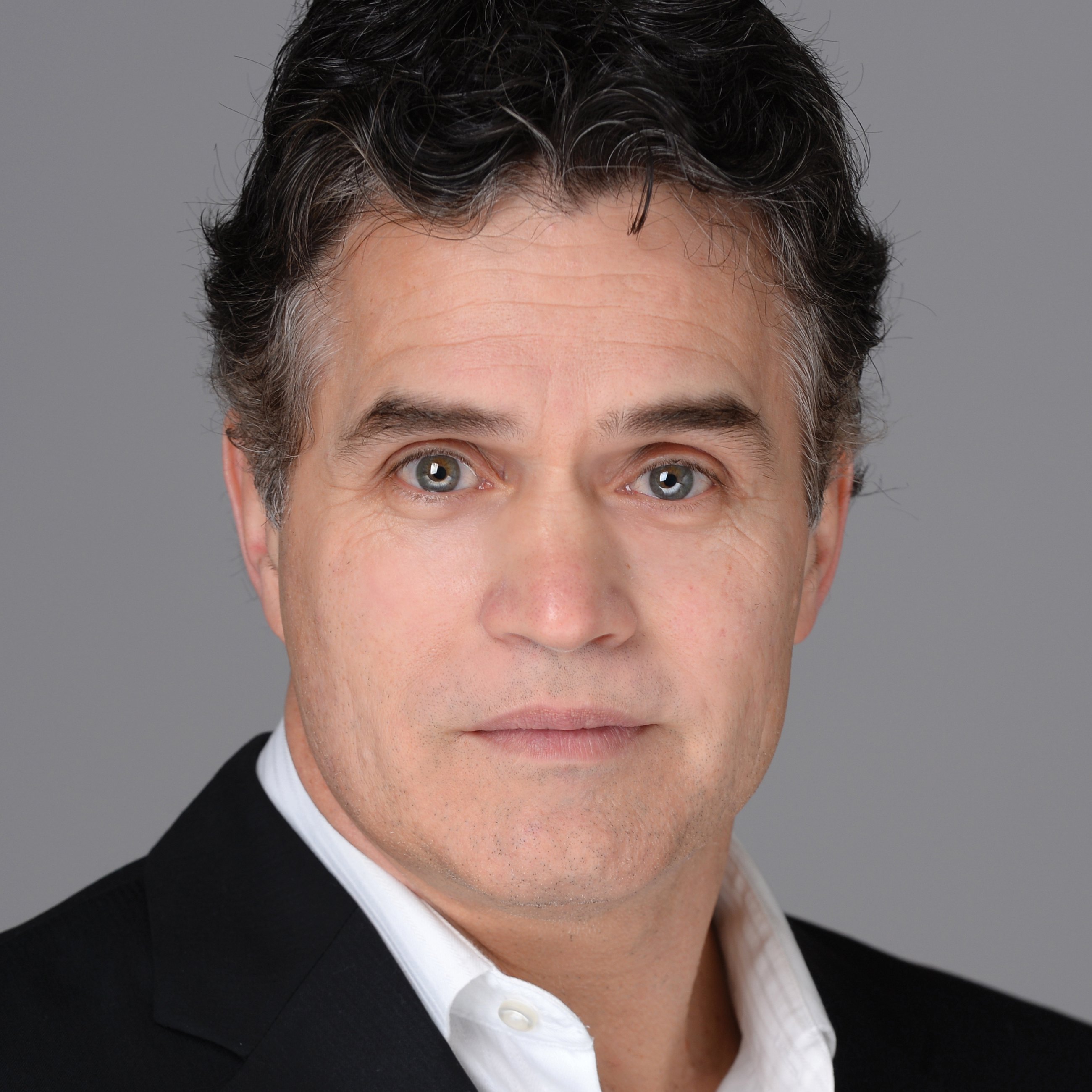
Daniel Pearse
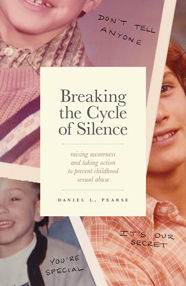
Daniel Pearse is a survivor of childhood sexual abuse and an advocate for its prevention. The abuse he endured for nine years in a foster home affected his life for decades, resurfacing when he was forty-five and prompting him to confront its impact. In his book Breaking the Cycle of Silence: Raising Awareness and Taking Action to Prevent Childhood Sexual Abuse, he shares his story, examines the role of institutions, legal systems, and communities, and calls for age-appropriate prevention education that teaches children what is appropriate, helps adults recognize the signs of abuse, and points survivors toward support. He continues to petition Canadian lawmakers to adopt Daniel's Law.
📚 Books by Daniel Pearse
Transcript
[0:00:29] DA: The latest statistics tell us that one of three girls and one out of six boys will be sexually abused before the age of 18. Destroying their lives in ways we can’t even imagine. We also know that 90% of the time, victims know their abuser. Daniel Pierce is living proof of both of these statistics. Like many abused children, Daniel then suffered in silence for decades as an adult. Now, he’s committed to stopping the cycle of abuse that causes so much pain. His new book, Breaking the Cycle of Silence proposes age appropriate sexual abuse training and education in schools. It teaches children what is appropriate, shows adults the signs of abuse to look for and offers sources of support for victims. With this training and education, we can identify and stop abusers, preventing them from claiming victim after victim for years. Hey listeners, my name is Drew Applebaum. I’m excited to be here today with Daniel Pearse, author of Breaking the Cycle of Silence. Daniel, I’m so thankful you’re here, welcome to the Author Hour podcast.
[0:01:32] Daniel Pearse: Thank you Drew.
[0:01:34] DA: Daniel, can you tell us a little bit about your background?
[0:01:37] Daniel Pearse: I was adopted at four years old, myself and my twin. We lived on basically a hobby farm for most of our years growing up then I’ve been working as a longshoreman for 36 years. I’ve got two grown daughters, I got three grandchildren and pretty much consider myself a family man, a hard-working family man that basically is a normal, everyday person.
[0:02:05] DA: Now, you start off this book, talking about a night 10 years ago when some repressed feelings started haunting you. Can you talk about that night and the revelations that came from it?
[0:02:16] Daniel Pearse: Yeah, I guess these kinds of things, you can put them in the back of your mind as much as you want but they somehow surface so I buried my experiences as a child as far back as I could. I didn’t want to think about it, I almost think it happened to someone else and not me. Nine, 10 years ago, what happened was I didn’t expect it but I kept waking up early every single day before work like an hour or two before I had to go to work and I was angry, I was very angry and a couple of days in a row, I thought you know, I didn’t really know why but in the end I did know why, I had a lot of questions I had to answer. Those questions were – why did this happen to me as a child, what happened to my mother, why was I allowed to be adopted by these people and all sorts of questions like that – why did my mother die and that type of thing. These things came back to haunt me, even though I thought they were gone. I didn’t realize that they were there all the time.
[0:03:13] DA: Can you talk about the process from that day to today? Some of the emotional journey you went through in writing this book?
[0:03:23] Daniel Pearse: See, some of the questions I had, I had to start answering them in some sort of order so I started off with what did my mother die from and then move on from there. I tried to contact the hospitals where she may have been in to see if they had any records of that and I was able to get a hold of one and they sent me a bunch of records so most of the records at that time had been purged because it was so long ago but from what I can tell, she passed away from cervical cancer and lupus so she’s in a lot of pain for many years. She did a great job of trying to raise us kids, she did the best she could and then from there, I went on a journey to try and get my adoption file because I just wanted to know how a family with five kids at home was able to adopt us so I wanted to know what happened there. I did actually get it after a couple of years, it took me a couple of years to get it but I did get my adoption file and then I had to look into the abuse so I thought, you know, the best place to start with that is to try and understand it is to visit a child center. I did that and the alarming thing that came away from that visit was, there’s no one working on prevention of child sex abuse, there is no one. The centers deal with children and families after the fact, after it’s already happened and they do a great job and the police, they can only deal with reported cases. Really, there was no one dealing with preventing it from happening the first place. That put me on a journey to write Daniel’s Law and Daniel’s Law basically, the premise of that is putting age appropriate child sex abuse education and public and hopefully private schools so that kinds has something to go as, they have some reference, they have some guidance because in a perfect world, this kind of stuff should be taught by parents and I agree with that 100%. But unfortunately, we don’t live in a perfect world. For those loving parents and guardians that want to educate their children and protect them as much as they can, that’s great but in the same respect, we don’t’ live in a perfect world and if kids can get taught some things in school about protecting themselves, that would go a long way. It’s not teaching kids about child sex abuse, it’s teaching about personal safety and that’s really important.
[0:05:45] DA: Were there any other big surprises you found out, maybe something about yourself, maybe some repressed memories that came up along the way as well?
[0:05:53] Daniel Pearse: Well, just the fact that this kind of stuff doesn’t leave you. I’ve always lived my life watching other people and seeing how other people deal with things and I’ve done the opposite. These kind s of things can affect you in several ways and I didn’t let that happen. You know, sometimes people get depressed and they have anxiety and they have drug and alcohol problems and feeling of guilt and shame and self-blame and a lot of cases, suicide. I could see all these from happening to other people and I didn’t let that happen to myself but even though I didn’t let that happen, it’s still building up inside, it’s still affected me. That was a surprising effect there is that it was affecting me and I didn’t even realize it.
[0:06:37] DA: Now, you mentioned it before and while it could be uncomfortable, speaking openly with children about sexual development and sexual abuse is one of the keys to preventing the abuse. You mention that phrasing it correctly is also the way to go. What questions should people ask their children?
[0:06:58] Daniel Pearse: Well, first of all, it’s age appropriate information for the children so you start off when they’re small, when they’re young, and it’s just mainly about personal safety and you build up as I get older. Then you sort of ramp it up, you make them aware that this thing happens so they’re aware of it and as well, you have to let them know that there’s safe people to talk to and let them know who those people are. Because a lot of times, even though the child, if they suspect something, they may not know who to go to, in the public school system or private school system, there has to be someone to go to someone that they can trust, someone who they can talk to and know that they won’t’ be judged, that’s very important for children.
[0:07:39] DA: Now, you also break the narrative of stranger danger in the book when it comes to sexual abuse. Why is that?
[0:07:49] Daniel Pearse: Well, because 90% of victims know their abuser, that’s going to be a parent, a guardian, a grandparent, an aunt or uncle, it could be a coach or someone who is working in a child-minding organization, it could be a teacher. 90% of the people who are abusing children, wanted some way to get close to them and gain their trust so it’s very important for people to understand that yes, you have to watch out for strangers but on the other hand, you got to watch out for everyone else as well, someone who is close to your child and that’s why educating your child is so important.
[0:08:29] DA: We know there is a sort of stigma out there and that men don’t like to come out about stuff like this happening in their life. How would you combat the stigma for men or they can come and talk about this activity from their past?
[0:08:45] Daniel Pearse: Yeah, there is a huge stigma but it’s a stigma for everyone, not just men but there is a huge stigma there. But especially for men, the facts in Canada say that there’s one in three girls and one in six boys will be affected by child sex abuse by the time they’re 18. Now, that figure, if you can believe this, over 95% of all cases aren’t reported so that’s a very devastating fact, these young kids, there’s men and women suffering in silence every single day and that’s very devastating. This has to be brought into the forefront of conversation, people have to talk about it so that these victims, these survivors aren’t hiding in shame and they can come forward and get some release, some help. Once they start talking to someone, you know, it could be anyone, just one step at a time, they’ll feel a lot better. There’s no need to hide in silence and feel ashamed because it’s not their fault. There’s people out there that care and I think it’s very important for them to know that that there is people that care and people who will listen and they can begin their healing journey.
[0:09:55] DA: What are some ways that you found that maybe people can take any blame or guilt off of themselves and find a better perspective?
[0:10:03] Daniel Pearse: Just by talking about it and knowing that it happens to other people as well. It’s not their fault, it happens to other people. I sent a copy of the book to one of the characters in the book called Jack. Jack tried to commit suicide. He read the book and he said, he told me, he said, “You know I couldn’t stop crying.” He couldn’t help crying and he said that the book is going to help him heal. It is helping him heal on his journey. So that is very, very important for people to know that you are not the only one out there. There are people that care, it is safe to talk about it and it is going to help you start your healing. That is really important and you know, I didn’t realize it but when I wrote the book and put information about my own experiences in there that is basically touching base a little bit on all of my abuser’s victims because there is something similar in all of it. So really there is some release in there for them as well. So I am really, really proud about that. I didn’t even realize that was going to happen but once I heard it from Jack, it’s great. I can’t be happier about that.
[0:11:05] DA: We know there’s this lack of resources out there that people know about and towards the end of your book, you have a ton of resources that are available to folks in Canada on numerous topics or they could find whoever they need to talk to there. Can you tell us about a few of the resources that you’ve listed and where people can find them?
[0:11:29] Daniel Pearse: Yeah, that is a section I am most proud of actually, the recommended resources section and the book wasn’t just about telling something about me. I mean I had to justify the rest of my opinions in the book by giving people some background on my experiences but the recommended resources part is what I am most proud of. There is five organizations in the book that allowed me to reprint some of their educational information for readers. That will help them begin their journey on educating themselves and their children and I am very, very proud of that and they are not all from Canada or I guess one is from Canada. So we have Little Warriors, we have RAINN, we have Darkness to Light, Stop it Now and Early, Open, Often and all of those organizations, I handpicked information from each of their websites. I was able to get their permission to put into the book so that my readers could get an introduction in education. And I have touched base on several different topics in there. So I am very, very happy about that like Little Warriors, they have Canada stats. So the overall prevalence and the also alarming stat from DC is offenders abuse more than 70 children before any victims come forward. That’s an alarming stat that is terrible.
[0:12:52] DA: Yeah, there are a lot of eye opening stats in that section of your book.
[0:12:57] Daniel Pearse: Yeah, it is amazing and then RAINN, they have their children and teens stats for the United States. They talk about how to talk to your child about sexual assault. Darkness to Light has five steps for protecting your children. Stop It Now, there’s a tip sheet there and warning signs of possible social abuse in a child’s behavior and possible physical warning signs. Little Warriors again, there’s disclosing and reporting. Early, Open, Often, there is healing after reporting. So there is lots of information and lots more. So all it is an introduction into education and so that the kids can go to those sites and more on the internet and start getting educated on the subject. So in their community, in their neighborhood, there is places where they can go and get educated. I think it is very important for parents to get educated and then educate their children on their personal safety.
[0:13:50] DA: Can you go into a little bit more detail about what you mentioned earlier, which is Daniel’s Law, which is something you proposed for the Canadian government to enact? We know that education is one of the best defenses against sexual assault and that is on both sides for parents and children. So can you talk a little bit about what Daniel’s Law is and the letters you wrote to congress and maybe what step it’s at now?
[0:14:19] Daniel Pearse: Yeah, so what I did was I wrote a letter called Daniel’s Law and to summarize, all it is, is putting child sexual abuse education or I should say age appropriate sexual abuse education in all public and hopefully private schools. I wrote that letter and I sent it off to every MLE in Canada that is a member of a legislative assembly because those are the people that dictate the laws in a local manner. I also wrote the letter – that was in BC. So I sent that off two years ago and I had less than a great result with that. So recently, last June what I did was send that letter to every MLE in Canada and I sent it to every Member of Parliament in Canada. So all I want to do is enact change. I want people to know that this is an issue out there. That is not going away unless someone does something about it. So what they have to do to change the law is that someone have to put a private members bill to the legislature and then they’d have to vote on that. So far, no one has taken up my plight but from the recent letters I have sent out, I had to have some responses back saying that they are putting things forward like some provinces are putting measures forward to educate children in school. So I am really proud about that. As well as what I did is I have obligated myself to send every single MLE and MP in Canada a free copy of my book because I want them to read and see how dire the situation is and I want them to understand that this doesn’t just affect people they don’t know. This may affect that – maybe their grandchildren, maybe their next door neighbor, maybe someone they know, they could be hiding in silence, ashamed to say anything and they need to help. So I think these law makers need to understand that this is for every citizen in Canada and every citizen in the world I imagine.
[0:16:16] DA: You briefly touch on and you compare the laws in Canada, that are on the books for sexual abuse to the speed limit where as long as you don’t go above speed limit, you are not going to get pulled over. Can you explain more about how you feel the Canadian laws aren’t doing enough?
[0:16:32] Daniel Pearse: You’re exactly right. I felt why give these pedophiles that opportunity? I mean there is always been laws in place but children are still being abused. So the next best thing to do is educate the children. Educate adults and educate children, that’s the best thing to do. Just because there’s laws in place doesn’t mean kids aren’t going to be abused, they still are. Why give the pedophiles that opportunity? Let’s educate our children. I mean pedophiles won’t approach a child that they know they’re going to tell someone, they won’t do that. So if we educate our children, we’re going to cut down on these terrible, terrible acts.
[0:17:10] DA: Do you have any advice for someone going through what you went through right now that maybe hasn’t spoken to anybody yet?
[0:17:18] Daniel Pearse: Well, I hope my book will give people the strength to do that. All it starts off is this one step at a time. I recently heard from Jack that one of the other boys that grew up from my house, I guess I knew him for a few years, he’s committed suicide recently. You know people have to understand that these things will last with you forever. They stay with you forever. First time I talked about it, I talked about it with Darcie, a character in the book and the feeling was surreal. It was amazing, the release of pressure on myself. So I think the more people talk about it, the more they can start to heal and it is so important. Just talk to someone, start a little bit of a time, one step at a time, talk to someone. It is not your fault. That is the best you can do just talk about it and maybe work on making sure that this happen to anyone else. I think that is very, very important. We have a role to play and that is making sure it doesn’t happen to any other kids. We have to give the kids a better future than what we had.
[0:18:19] DA: Daniel, writing a book especially one like this, which is powerful and an emotional journey is an incredible feat. So first of all congratulations on writing this book.
[0:18:29] Daniel Pearse: Thank you very much.
[0:18:30] DA: If readers could takeaway one thing from the book, what would it be?
[0:18:35] Daniel Pearse: I’ve heard this saying that if you do something out of your comfort zone amazing things can happen. So I’ve been a longshoreman for 36 years and writing a book is nowhere in my forte. So I think I want to help make a change in people’s lives. I want to make things better for them. You know if people understand that all it takes is one step at a time, it just takes working out of your comfort zone sometimes and they can make a change. They can make a difference in other people’s lives, why else are we here? That’s very important right there.
[0:19:07] DA: Dan, this has been a pleasure and I am excited for people to check out the book. Everyone, the book is called, Breaking the Cycle of Silence, and you could find it on Amazon. Daniel, besides checking out the book, can people find you elsewhere?
[0:19:20] Daniel Pearse: Yes, they can find me on all social media sites as Dan Pearce Author. That is one thing that I put in the back of the book is I like people to let me know what they are doing to help prevent child sexual abuse or maybe let me know about their journey of healing and they can go to those sights. They can go to Twitter or they can go to Instagram or they can go to my Facebook page and let me know what they are doing. Let me know how they’re doing. Together we can make a difference in this world.
[0:19:48] DA: Well Daniel, thank you so much for coming on the podcast today.
[0:19:51] Daniel Pearse: Thank you Drew, I appreciate it.
[0:19:54] DA: Thanks for joining us for this episode of Author Hour. You can get Daniel Pearse’s new book, Breaking the Cycle of Silence, on Amazon. Also, you can also find a transcript of this episode and all of our other episodes on our website at authorhour.co. For more Author Hour, subscribe to this podcast on your favorite subscription service. Thank you for joining us, we’ll see you next time. Same place, different author.
Want to Write Your Own Book?
Scribe has helped over 2,000 authors turn their expertise into published books.
Schedule a Free Consult