Doug Cartwright: Episode 732
Read the full transcript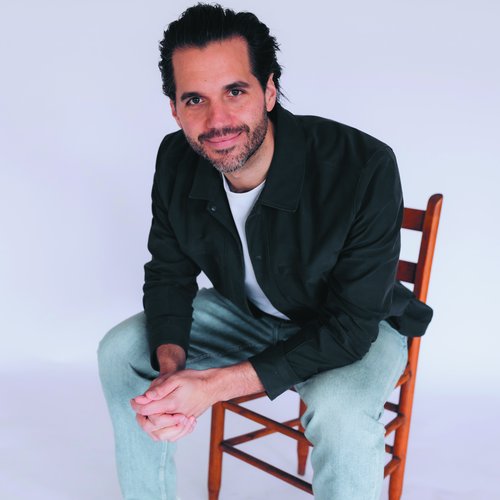
Doug Cartwright
Doug Cartwright is a speaker, author, and the CEO and Founder of The Daily Shifts, an online company dedicated to inspiring lasting transformation of the mind, body, and soul. The Daily Shifts was born from Doug’s personal journey of introspection and healing. Now an app, a master class, and blog, The Daily Shifts has appeared on ABC News, Spectrum TV, and in Psychology Today, among others. Visit Doug’s Instagram page, doug\_cartwright, with questions or comments.
📚 Books by Doug Cartwright
Transcript
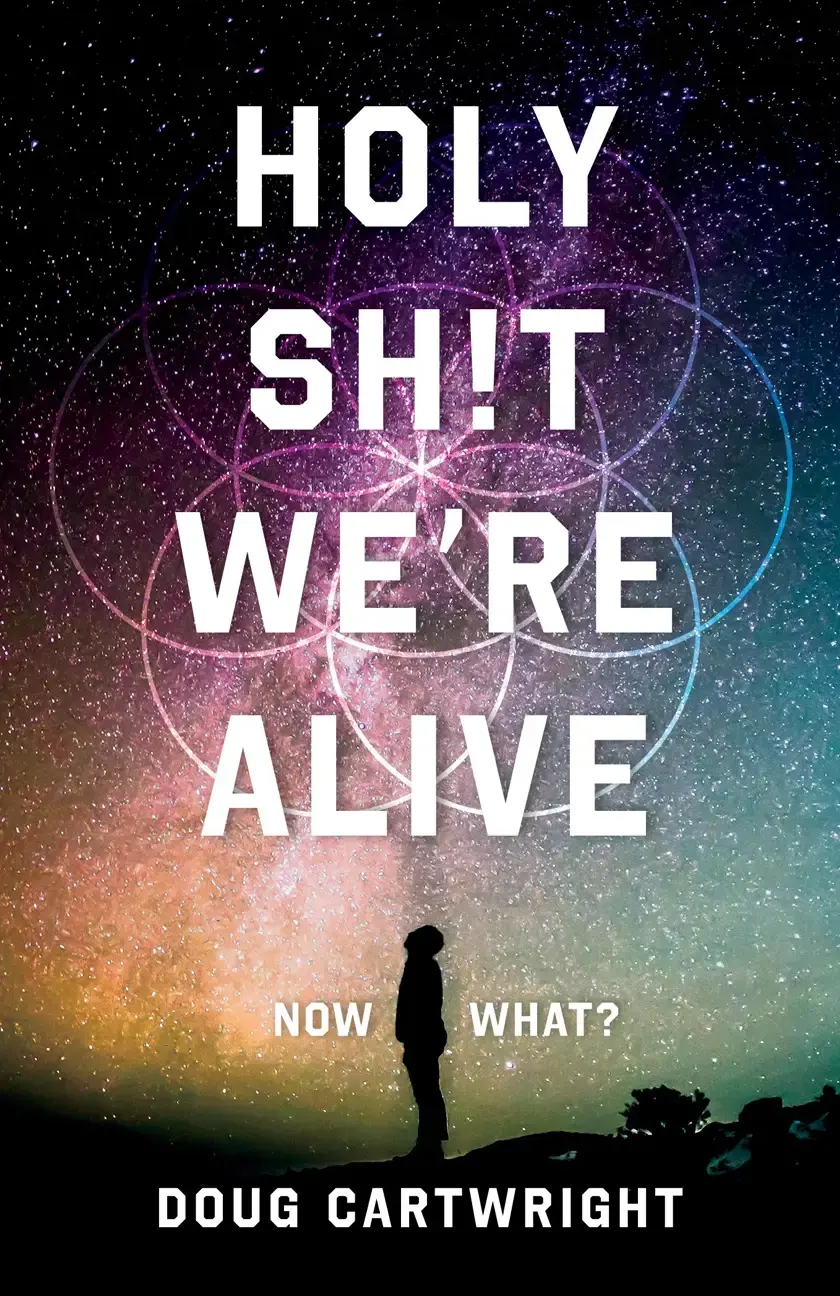
[0:00:22] DA: Participating in psychedelic ceremonies with shamans from the Amazon, diving headfirst into rituals at Burning Man, flying across the world to work with spiritual gurus in Bali. These were never on Doug Cartwright’s radar as “must-have experiences” but when you’re a 20-something, ex-Mormon, ex-millionaire living a deeply unfulfilled life, after doing everything you were supposed to, you start searching for a normal reality far from your original version. In his new book, Holy Sh!t We’re AliveI, Doug shows you how to live with intention, how to trust yourself and how to show up everyday for a meaningful life. You’ll learn mind-blowing facts and important clues to understand your existence and unique contributions. Self-love can be your superpower. No matter who you are or where you’ve been, his book gives you permission and motivation to do the work and throw out the garbage holding you back, so you too can maximize your human experience. Hey, listeners. My name is Drew Applebaum and I’m excited to be here today with Doug Cartwright, author of Holy Sh!t We’re Alive: Now What? Doug, thank you for joining, welcome to The Author Hour Podcast.
[0:01:29] Doug Cartwright: It’s so exciting to be here, thanks for having me, Drew.
[0:01:32] DA: Let’s kick this off, can you give us a brief rundown of just your background whether it’s personal or professional.
[0:01:38] Doug Cartwright: Yeah, I grew up here in – I’m currently in Salt Lake City Utah, I’ve lived all across the country but I’m kind of back home for now during post-COVID life. I grew up here in Salt Lake City, in a middle-upper class Christian home. I grew up Mormon, as you’ll see in my book, those that read along but I grew up as a latter-day saint. Dealt with a lot of that stigma that comes with it. I felt like I was kind of raised in a bubble. Most of the people in where I grew up in eastern part of Salt Lake City are white Christian conservatives. That was kind of my life growing up and then eventually as I got older, I did go on a Mormon service mission. I don’t know if you’re familiar with those but have you seen like the play, the book of Mormon?
[0:02:23] DA: I have not.
[0:02:24] Doug Cartwright: Yeah, anyways, it’s this big, popular Broadway, it’s actually a comedy, it’s a spin-off of it but I went and served with my two-year Mormon mission or was intended to set a two-year Mormon mission and I actually got kicked off of my Mormon mission and so that was kind of like the start and spiral of me kind of questioning that I didn’t really fit into my community anymore and that maybe “that God was mad at me.” That was kind of the first major factor in my life that started – I started to question my beliefs, my patterns, my upbringings. That was kind of the pivotal moment where I started to maybe explore other avenues.
[0:03:02] DA: Now, why was now the time to share these stories in the book? Did you have an “aha moment?” Was there something inspiring out there for you or did enough people come up to you and say, “Hey Doug, you really need to write this down, you need to tell people your stories?”
[0:03:16] Doug Cartwright: Yeah, after kind of that ‘I’m questioning religion’ piece, I kind of noticed a lot of my other friends and other people in my community, were in a similar boat and there really wasn’t like a roadmap, for a sense. And so I started to mask my insecurities or I guess, my overwhelming existential crisis where I then went and dove headfirst into work to distract myself. I actually became really, really successful salesman/entrepreneur in my early 20s. I started to fill like this void of existential crisis with money and right when I started doing that as well as I was focusing on kind of my entrepreneur life, my dad passed away as well. As a man, growing up in kind of a masculine culture, we weren’t ever taught how to express our feelings. I had a lot of pent-up trauma and sadness and grief that I didn’t know how to express or didn’t know how to cope with. I shoved it all down and I thought that maybe if I make a million dollars by the time I’m 24, that would solve all of my problems and so I started really just suppressing a lot of my emotions and I created this big, almost like this tea kettle that was about to explode and then eventually, in my later 20s, it did explode.
[0:04:33] DA: Now, when you said, “Okay, I’m going to write this book, I’m going to tell my story” you had the idea of the book in your head, maybe you had an outline going but sometimes when you, you know, do that reflection or sometimes you do some research. You’ll come to some major breakthroughs and learnings. Did you have any of these major breakthroughs or learnings during your writing journey?
[0:04:53] Doug Cartwright: It was more of like – there was a couple of times. I kind of had this like blow up in my 20s, my life got really weird and I felt like I was in a movie. I kept having this really weird synchronistic moments where there was like, I literally thought I was in the Truman Show and I’m like, “This would be like, the most entertaining book to read” because it sounds like a fiction. It sounds like a fiction book because my life was getting so weird and I really dove into it and leaned into this kind of this weird awakening experience I had and I was learning a lot of really deep wisdom along the way and I would share it with my friends and share it with family and those close to me and people would just tell me like, “Hey dude, you should write a book about your story.” I’m like, “I don’t even know how to even – I’m a terrible writer, I don’t even know where to start.” I’m not the type to write a book but after really kind of going through my healing journey and my awakening, it was like, I had so much incredible insight and people were asking me to be on podcast to tell my story and after a lot of these podcast, people are always like, “Dude, you need to have a book, it would be so transformative.” Finally, I listened to the clues from the universe and dove in and started working with Scribe here.
[0:06:03] DA: When you started, in your mind, who were you writing this book for? Was it for people in your same boat or people trying to find themselves, people who are looking for their first psychedelic journey?
[0:06:15] Doug Cartwright: Yeah, it’s a good question. I think the biggest problem I was seeing is not necessarily religious or a psychedelic book but I was seeing there’s a lot of people that have done everything that they were supposed to do. Meaning, they went to college and got the internship and then got the job and then married the spouse and bought the house with a white picket fence and got the job and it kind of got stuck on this – it’s a very common terminology but the rat race of life. Then they kind of were like, at this moment of like, “Now what? I’ve done everything I was supposed to do, everything the world told me, everything in society told me I was supposed to do. It’s like I still feel like this emptiness and this void of my life” and so this book is for anyone that’s kind of like, feels stuck or in a rut. The subtitle of the book where it says, “Now What?” that’s what it’s meaning. It’s like, you’re at this point in your life and it’s like, “Now, what do I do? I have the three kids and the white picket fence and the cool car and the hot partner and a lucrative job and I still feel this void.” Anyone who has ever felt that or felt like they’ve lacked purpose or meaning, this book is for you.
[0:07:25] DA: Do readers need to prepare themselves to start the book or is there anything that a reader can do to make sure they’re getting the most out of the book?
[0:07:33] Doug Cartwright: To get the most out of the book and this isn’t, I don’t like to say it’s a self-help book. I’m not here to tell you how to think. I think the best way to come into this book is with an open mind, right? The mindset that I’ve really cultivated is like, constantly ask myself, what beliefs do I hold true that may be wrong. “Is it possible that I’m wrong with my beliefs?” I’m always questioning myself and so, if you can go into this book with an open mind and just be open to any new idea, I’m not here to – I’m not saying my word is truth, it’s basically just kind of my story. If you can come into it with an open mind and with an idea that, “Hey, maybe some of the beliefs I do have might be wrong or might be different” that’s how I think you can kind of get the most out of the book for sure.
[0:08:20] DA: Right, this is your story.
[0:08:21] Doug Cartwright: Yeah, it’s my story, it’s not your story. Really, the intention of the book is to ignite and inspire a reader to kind of go on their own healing journey and kind of really figure out for themselves what their purpose is on life and kind of why they’re on this planet.
[0:08:39] DA: Let’s dig into that because a lot of people say, “We’re going to take a 30,000-foot view of life and you should step back” and you take the 30,000 light year view and go all the way back to the beginning. What happened where you said, “Okay, I need to start from literally the beginning of all life, of all matter and that’s where the story begins.”
[0:09:02] Doug Cartwright: Yeah, when I had my transition out of the Mormon faith, a big issue that I wasn’t prepared to face was, especially in religion, we’re taught like, “Okay, this is where we were before we were born and this is the purpose of life and this is what happens when we die.” It’s so imprinted in our subconscious that when we do leave church religion, at least in my experience, I then caught myself months later being like, “Wait, why are we on this rock? How did we get to this planet? What in the hell is going on?” It was actually really scary for me. I had a really deep existential crisis. I started off thinking I’m like, “Okay, I’m on this planet, how did this planet get here?” Where did the planet come from? I looked at a science books, I looked at science and said, “Okay, what have we discovered and what have we uncovered on – how did this experience get here at all?” Leaving kind of the spiritual God piece out of it and just played it backwards. I would just learned mind-bending facts about what is literally happening right now. It really blew me away and there was so many times I’d be just walking through my neighborhood or through the park by my house and just thinking like, “We’re on a rock, orbiting a star, hurtling through infinity and no one knows what the hell is going on. Why aren’t people freaking out?” It was really this deep like, “Holy shit, we’re alive” moment. After kind of looking at the science books and really getting this zooming way to allow, it made my every day life actually a little bit easier because I no longer was getting frustrated that there was a five-minute line at Starbucks because it’s like, we are on this planet and the fact that we even have cars and cellphones and a Starbucks is absolutely insane, given how the universe unfolded.
[0:10:56] DA: Now, your story and you call it this sort of yourself, as psychedelically sparked spiritual journey. Can you unravel that and what part in these deeper thoughts and these higher views do you think came from trying out psychedelics and the effects that they have on yourself?
[0:11:15] Doug Cartwright: Yeah, like I said, growing up in a Christian conservative part of the country. We’re taught that all drugs are basically meth and if you do them one time, you’ll get addicted and you’ll become homeless and then you’ll die, you know? That’s just kind of what we’re taught and in my exploration of kind of going through my awakening and questioning my purpose in life before I have done any psychedelics, I came across a couple of studies about psychedelic medicine that were really eye-opening and I remember reading the quote from Steve Jobs that said, “Doing LSD was one of the most profound experiences of my life” and that really caught me because I was like, “Wow, here is someone who literally changed the world for the better” and he is talking about the positive effects of psychedelic substances. I remember that really stuck with me and so my job was basically on the floor as I dove deeper into a lot of these positive scientific papers about the benefits of Psilocybin in regards to anxiety and depression and shortly after I kind of dove into my studies, an opportunity for me to experiment with one of these compounds came across my path and I just remember feeling it like deep inside my soul that I am like, “I have to try this.” On June 10th, 2017, for those who will be reading the book, I go into much, much more crazy detail but I had a psychedelic experience that literally blew my constructs of reality in a confetti and I was experiencing – I remember, I kind of like I took this in this compound of this party and felt like I blew off into another dimension and I remember one of my first thoughts was like, “Oh my gosh, the hippies were right.” It’s all about energy and connection and that experience was so profound to me that night and so eye-opening and I felt like my mind had expanded to a level that I didn’t know was possible. It had left me so curious that I continued my path down the spiritual rabbit hole that eventually led me to working with more intense compounds such as 5-MeO-DMT and Ayahuasca, which really helped me heal a lot of past trauma.
[0:13:24] DA: Yeah, you talk about in the book how psychedelics helped you realized some of the mistakes you’ve made along the way and what were those mistakes that you only would have discovered through these substances and then how did you go about forgiving yourself and moving forward?
[0:13:39] Doug Cartwright: Yeah, the biggest thing really that it’s interesting because before I did any psychedelic medicine work, I remember sitting with a therapist I’m like, “Okay, I’m going trial therapy” it was right before I started working with medicine and my therapist was like, “All right Doug, hey, nice to meet you” you know, with candor, “So, what’s your major trauma?” and I look at her and I’m like, “Trauma? I don’t have any trauma. I had an amazing childhood and great friends and yeah, I had no trauma whatsoever” kind of this masculine bro kind of guy. She just laughs at me and kind of sit there on the table and then I go work with these medicines and it was like a punch in the face and I was like, “Oh, I have so much trauma” but kind of the biggest takeaways, you know there is really the specifics moments that were really painful that I was able to relieve but the overall message was I really just didn’t love myself. I felt like something was wrong with me and that because something was wrong with me, I didn’t deserve love. Because I didn’t deserve love, I have to go out and express myself in the world and gain validation and overcompensate in other areas of life to prove to others why I’m valuable and why I should be loved and that really showed up in my early 20s when I started making a lot of money, I had then an asset that the world thought was an asset, so I then went out and bought fancy cars and took girls on extravagant days and travelled around the world trying to show everyone why I should be worthy of love, when really, the love I was really seeking was my own.
[0:15:07] DA: In the book itself, you actually make a lot of references to sci-fi and fantasy. You have Alice and Wonderland, Star Wars references, why is that and what happens that these fictional works that have to do with really discovering life’s purpose?
[0:15:22] Doug Cartwright: I threw in a lot of those quotes, you know, World War Z, Star Wars, The Matrix because A, I think they’re all movies that we all enjoy and we think about it and it made impressions on us and then we can relate to and I remember kind of going after that, kind of going through my psychedelic adventure and kind of re-watching some of these movies and just understanding them at a different depth and understanding what the directors and the writers were really trying to get at. It was so profound and I think we all learn through stories and so if I could connect the reader with a quote from a movie that they may have seen and that they may have loved, it could create a deeper impact on their emotional state in regards to the topic I’m trying to get across.
[0:16:05] DA: Would you say the goal of the book is for someone to meet their higher self and when you say higher self, what exactly does that mean?
[0:16:16] Doug Cartwright: The higher self I think is basically the truest most authentic version of you. We all know that we have potential and we all have capabilities to become better versions of ourselves. When I say our higher self, it’s like you and all of your fully expressed higher being of you accomplishing your utmost potential and so when I talk about your higher self, that’s what I mean. The intention of the book really is there is a lot but most, I want you to, the reader, to maybe start seeing the world at a different lens. Really start to learn that there is probably parts of their past that are unhealed and that need to go, that need to be revisited and to move past to learn to love yourself and you know, one of my favorite quotes in the book is when I say for you to become who you truly are, you have to let go of the person you thought you were supposed to be and that was so true in my case is going up through my life, I was rushing around trying to be this version of Doug that I thought society wanted me to be. There is a version of my mom wanted to be and my friends and my mentors and my bosses and so I was never being true to my authentic self. When I was able to find that and lean into that, the deepness and richness of my life enhanced dramatically and I felt so much more love and light in my life and I would hope that the reader find that path for themselves as well.
[0:17:47] DA: You also talk about maximizing human experience. What suggestions do you have on how folks can maximize their human experience?
[0:17:55] Doug Cartwright: Yeah, you know, that quote maximize your human experience really came from as I was doing this deep science dive into what the actual hell is really going on right now in a scientific level. I was like, “Wow” there were humans on the planet before I was here. There is going to be humans after I die, I’m really only here for a very short time. The earth itself is about 4.5 billion years old and my life is going to last for about statistically about 80 of those. I get 80 years on this planet and then I’m gone and then it’s over, so how can I fully maximize my life as Doug? My human body is going to get older, it is going to deteriorate and it is going to die. As I have this short window, I’m going to start living for me and my life and not other people’s expectations and so really, I want to maximize my Doug-ness and I want to encourage the reader to do the same.
[0:18:52] DA: I want to hang out with peak Doug, it sounds like the best Doug to hang with.
[0:18:55] Doug Cartwright: Yeah, same.
[0:18:56] DA: After reading the book, what impact do you really hope it will have on a reader and what steps do you hope they’ll take in their own life?
[0:19:03] Doug Cartwright: Yeah, I think just the biggest impact is I would like readers to question their own life path, you know? Maybe hopefully, for some people that read that book it will be a fun story for them but they’re probably on a really great beautiful path already and that would be amazing, right? I know that there is a lot of people that aren’t where they want to be in life and I hope that my story will inspire others to maybe explore different ideas and different past that might be more in alignment to their highest self, to their true version of themselves. Simple ideas and tasks to take out of that book is really incorporating a daily mindfulness practice. That has completely changed my life and I was very type-A go-getter sales guy. I didn’t have any mindfulness practices in my life at all and I burned out because of it and so just even if it’s a simple daily meditation or yoga or movement practice, so that is a very simple place to start to start moving in the right direction to uncover a truer version of yourself.
[0:20:05] DA: Now, for the folks who decide to find the truer version of themselves via psychedelics themselves, what do you recommend and is there a set in setting or other tips and tricks that you can suggest?
[0:20:18] Doug Cartwright: Yeah, so I consider myself extremely lucky. The resources I had when I started exploring psychedelics, I had people to help integrate the experience. I had mentors to talk to about, I had experience facilitators to administer psychedelics to me in a safe set and a safe setting because there are risks to doing these medicines and then I do feel very passionate and expressing the concern and the caution in regards to these medicines because I’ve had three close friends of mine ended up taking their lives after being in the psychedelic space. It wasn’t that they took their life because they took psychedelics, there was other factors such as schizophrenia and bipolar disorder but there is a strict protocol that you should take before taking these medicines and these three friends, if they were to take the correct protocol before would have never been recommended to do psychedelics in the first place. The psychedelics didn’t take their lives but you know, a correct protocol would have helped. It is really important to seek professional help before doing this and making sure you don’t have any schizophrenia or any bipolar disorder in your family and then after that, getting the okay on that that doing it in the right place with someone you really trust, where you can express yourself is really important as well.
[0:21:36] DA: Doug, you know we just touched on the surface of the book here but I want to say that just writing this book where you are really vulnerable about your life and how you’re just trying to educate folks on how to live better is no small feat, so congratulations on having your book published.
[0:21:50] Doug Cartwright: Thank you so much.
[0:21:51] DA: I do have one question left, it’s the hot seat question. If readers could takeaway only one single thing from the book, what would you want it to be?
[0:21:59] Doug Cartwright: That loving yourself is an absolute superpower and when you can truly learn to love yourself, it gives you the permission and freedom to express yourself in the world and your authentic manner. If any takeaways at all, I really hope that people will learn to love themselves at a deeper level.
[0:22:16] DA: Doug, it’s been a pleasure and I’m excited for people to check out the book. Everyone, the book is called, Holy Sh!t We're Alive, and you could find it on Amazon. Doug, besides checking out the book, where else can people connect with you?
[0:22:26] Doug Cartwright: Yeah, you can connect with me on Instagram @doug_cartwright. I do my very best to answer every single DM. If you have any questions or insights or need any direction, please do not hesitate to reach out. I love to chat with you.
[0:22:38] DA: Doug, thank you so much for giving us some of your time today and best of luck with your new book.
[0:22:42] Doug Cartwright: Thank you Drew.
[0:22:45] DA: Thanks for joining us for this episode of Author Hour. You can get Doug Cartwright’s new book, Holy Sh!t We’re Alive, on Amazon. Also, you can also find a transcript of this episode and all of our other episodes on our website at authorhour.co. For more Author Hour, subscribe to this podcast on your favorite subscription service. Thank you for joining us, we’ll see you next time. Same place, different author.
Want to Write Your Own Book?
Scribe has helped over 2,000 authors turn their expertise into published books.
Schedule a Free Consult