From Hopeless to Purpose: Army Veteran Devin Fish on Answering the Hard Questions
✨ Episode Summary
Devin Fish wrote Answering the Hard Questions during his final Army deployment to Kuwait, turning childhood poverty, both parents’ battles with addiction, and his own 2019 hospitalization for suicidal ideation into a brutally honest memoir built on more than 150 questions only the reader can answer. Before the book was even finished he presented its opening chapter to a room of 200 to 300 deployed troops he assumed would shame him, and instead found it was a story people wanted to hear. As he puts it, “the book didn’t just change […] people who read it, the book ended up changing me.”
⭐ Top Moments
- He tried the traditional route first, and it almost cost him the book. Devin sent his manuscript to a traditional publisher and waited. “It took them like five months for them to respond to the book and they said no.” By the time the rejection arrived, Scribe Media had already published him. His verdict: “Scribe Media was definitely the right pick.”
- His Scribe editor made it the book it is. Devin first wrote a self-help book with none of his own story in it. The chief editor at Scribe pushed back and told him he’d left himself out. Devin went home and wrote a hundred pages of memoir in a single week before the manuscript locked, and later said, “the book ended up changing me.”
- The mission behind the book. “The biggest goal of the book was like to give hope back to the reader… I’m going to walk so that someday someone might be able to run with it.”
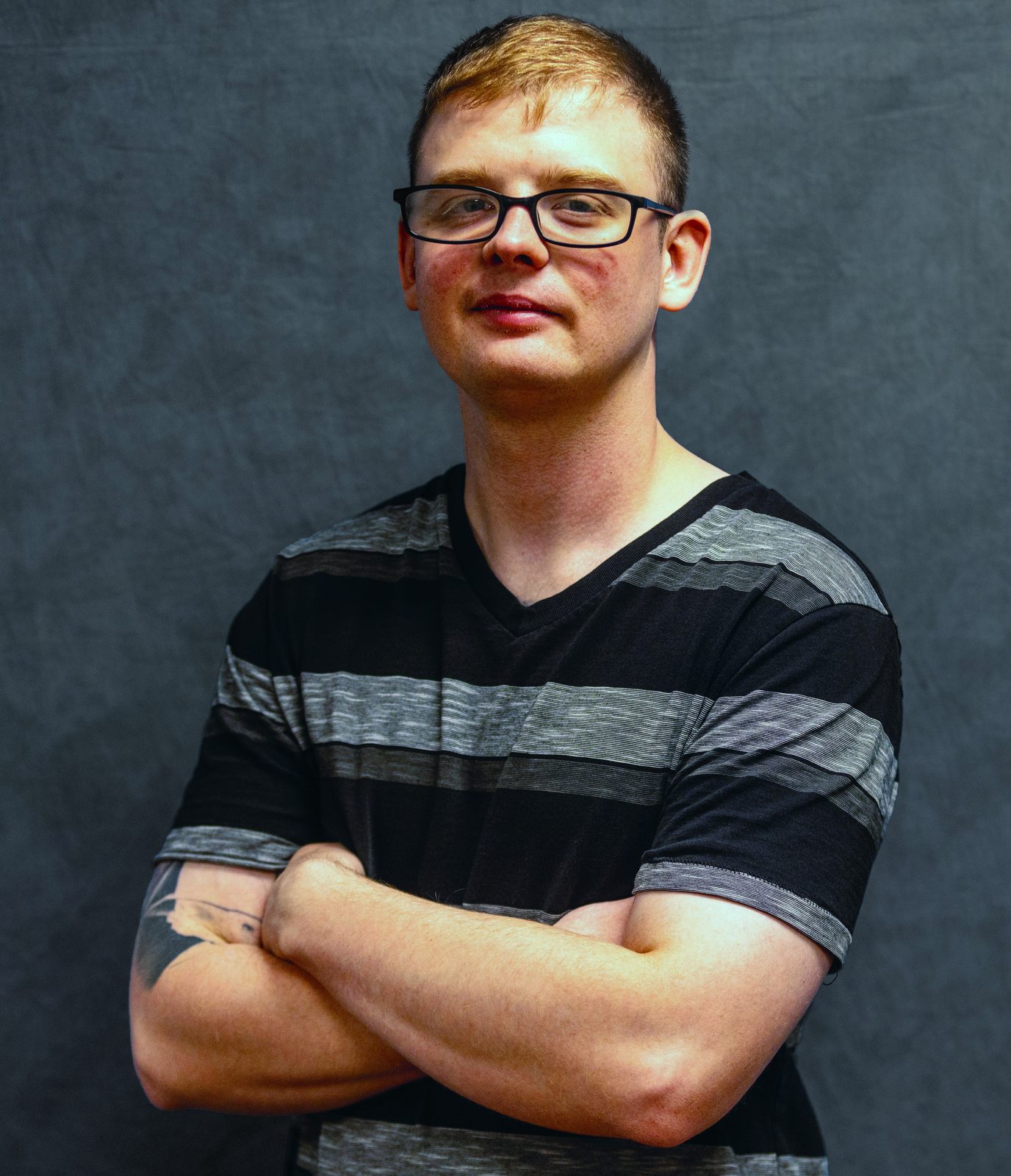
Devin Fish
★ Scribe Case Study
Army Veteran Devin Fish’s Answering the Hard Questions
Army veteran Devin Fish wrote his memoir Answering the Hard Questions in a war zone, turning poverty, addiction, and his own darkest moment into a book of more than 150 q…
📚 Books by Devin Fish
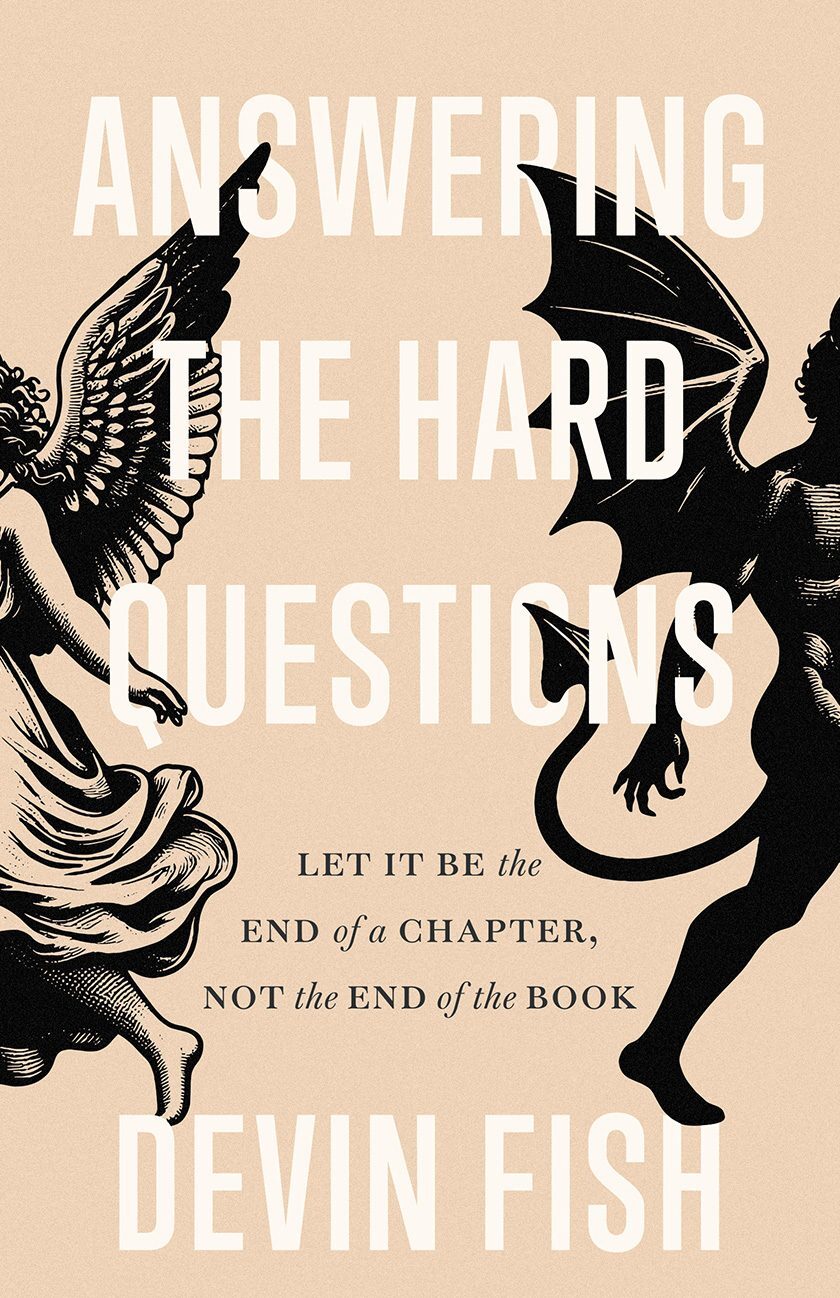
In this episode of Author Hour, Eric Jorgenson sits down with Devin Fish, author of Answering the Hard Questions, a ten-year Army veteran who wrote his memoir during his final deployment to Kuwait.
Devin grew up in Rockford, Illinois, moved sixteen times before he was eighteen, watched both parents battle addiction, and in 2019 checked himself into a hospital for suicidal ideation. He rebuilt his life as an Army career counselor, and then turned the whole story into a brutally honest book built on more than 150 questions only the reader can answer. He talks with Eric about writing in a war zone, why he almost left his own story out of the book, and finding his faith between the first draft and the final one.
Devin Fish: I guess the biggest goal of the book was like to give hope back to the reader. And you know, I'm going to continue writing, I'm going to continue changing. But essentially, I'm leaving like a trail behind for other people. They're like, maybe they're going through these exact same situations, they can take a look at some of these steps. And let's say, you know, five, 10 years down the road, let's say I continue to write. And let's say I produce, you know, three to five more books. Well, now you don't have to, you know, just get stuck with this first book. Now you can look at the second book like, okay, what he messed up in the first book, and let me look at the second book. And so everything that I mess up now you can read, I'm going to walk so that someday someone might be able to run with it.
Eric Jorgenson: Devin, thank you so much for joining us.
Devin Fish: Thank you for having me.
Eric Jorgenson: I want to spend the bulk of the time on the book, but set us up tell us enough of your life story to frame this book in terms of like, who are you as an author? Why does it Why was this the book that you wanted to write?
Devin Fish: Gotcha. Yeah. So one of the big things I wanted to write the book is that I knew I kind of had a story, the moment I kind of turned my life around, which was around 2022. But to give like a brief background, so I came from poverty, I come from like a city called Rockford, Illinois. So on the crime scale, it's right about five out of 100, meaning 95% of the United States is safer than Rockford, Illinois. I had a pretty, not the greatest upbringing, I moved 16 times before the age of 18. I went to seven different schools, I was isolated, I was bullied, both my parents went through drug and alcohol addictions. So I kind of had to witness that as I was growing up. And then that's kind of where the book actually kicks off in chapter one, where I kind of hit the audience with all these like major themes that are going on in my life. And so I want to be upfront with the story, I want the reader to know exactly what they're going to get into, you know, before getting into the rest of the book. And so you know, I start with the story. So at 18, I saw my father in the hospital, I then went to basic training for a year straight, which was a very long time. Most people only have to do it for about a month or two. Unfortunately, I was stubborn and didn't always pay attention, wasn't the greatest. So I got to do it for a full year, got the full experience. And then from there, I got out of basic training, headed in my first unit. Unfortunately, my mother passed away on nowhere. You know, fast forward two years, I was 21. I got into a bunch of scenarios to where I was getting myself blackmailed because I was in a desperate chain of self-hatred to where I didn't love myself. So I started looking for other people, didn't find any good people. I just found the people, you know, who want to take advantage of me. And then I ended up submitting myself to the hospital for suicidal ideations in 2019. When I got out of that hospital, I kind of made the goal to become a career counselor, which kind of helped me change my life and turn it around. 2022, I became a career counselor. And then, you know, fast forward to when I wrote the book, it was I was about nine years into my career, I was going on my second or third year as a career counselor. And I kind of look back and I'm like, I turned my life around. Maybe I have a story to tell. And lo and behold, I started writing it on my last deployment before I left the army.
Eric Jorgenson: That's awesome. So you were a career counselor while you were serving?
Devin Fish: Yes. So I was at 19 Delta for about the first five years of my career. I then became a career counselor, did that for three years. And when I was a career counselor is when I wrote the book.
Eric Jorgenson: Awesome. Thank you for your service.
Devin Fish: Yep. Thank you for the support.
Eric Jorgenson: I feel like that's a, did I, in your author bio, you were in the cavalry, right?
Devin Fish: Yes. So that is initially where I started. And then, so I started as a cavalry scout and then I became a career counselor. And so the bio was like the beating of it. And then as I wrote the book, I was somewhere different.
Eric Jorgenson: How many cavalry we got? I feel like most people think we probably don't have cavalry units these days.
Devin Fish: So it's not the typical cavalry we're thinking. It's more of traditional to where they were actually calvary, but now it's more of mechanized to where it's like, I was in a heavy unit, for example. So we were using like up armor zombies, we're using tanks, we're using Bradleys. So it's all, it's all like pretty mechanized right now. However, there are different types of cavalry out there and there's different types of scouts. Well, recently they just, I think they just reclassed a bunch of them. So there's not too many of them left anymore, but there used to be light tutorials, kind of like infantry. There used to be medium tours, like Humvees. And I can't remember the other vehicle off the top of my head because I was never in a medium unit. And then they had the heavy unit to where it was like all the Bradleys and stuff like that.
Eric Jorgenson: And which were you?
Devin Fish: I was in the heavy unit. So I was, mainly I was in the up armor and Humvees. There's a occasionally where I was a dismount and stuff like that.
Eric Jorgenson: Wow. Was this, do you think this was like one big shift as you look back on it or was it like a whole series of kind of small epiphanies that you had?
Devin Fish: I would say it was a bunch of small epiphanies that kind of just align in each other. And it was kind of one of those things I kind of noticed in the book is that the more I look back, I'm like, okay, this wasn't just one change. It was a day by day change every year. And then I try to remember all the details so that I can put it together for someone to read.
Eric Jorgenson: Yeah. Where did the first, where did the idea first smack you that a book would be, was it was like how to express this to the world?
Devin Fish: Yeah. So initially it was in 2022 when I first got the idea, that was when I officially became a career counselor as a one-year goal, just like my life ended up being a three-year goal because of delays and some setbacks. And when I kind of made it as a career counselor and I graduated from the course, I'm like, I just changed my life and maybe I have a story to tell. Now I didn't write anything down until around 2025. And I initially put it down into a PowerPoint. The PowerPoint ended up getting rejected because it wasn't quite what they were looking for. And then, but I really wanted to present that story. And so I pretty much told myself, okay, I'm going to go present this story. I'm going to go write a book. I'm going to prove the person wrong at the point. And then I ended up doing that, wrote it on deployment. I ended up redoing that PowerPoint. I ended up presenting it to about two to 300 people when I was deployed. And this was before the book was finished. And it was a summary of pretty much of chapter one of the book. And I actually wrote about that, I think it was around chapter eight or nine in the book to where I was still writing it, the book as I was experiencing it in real life. And then when I got back from the deployment, and this was after we locked the manuscript in, I actually gave the PowerPoint to the people who originally rejected it. They ended up loving the PowerPoint and I ended up presenting it to them. So we did like a full 360 with them.
Eric Jorgenson: That's awesome. Good persistence. I feel like this is like, yeah, just take that note, do another tour. It's just like doing basic over again, you know, like I'm just going to keep at it. I like this.
Devin Fish: Yeah. You know, failed, failed the first time, made it the second time, you know, failed out of my initial army training and then got to go to basic training for the third time. So I got to graduate basic training twice.
Eric Jorgenson: You became a true expert in basic training.
Devin Fish: Yeah. You know, I was able to recognize all the dumb stuff by cycle three. I was able to blend in until they noticed my name one day because they're like, who are you? I'm like, I'm in your platoon, Drill Sergeant and Eric. Okay. Game on.
Eric Jorgenson: How did this book, what changed between, I mean, you've got these different versions of the, you know, the PowerPoint, the, you wrote the manuscript for a while and you must've written it quickly because we're recording this in 2026. You said you'd only started writing in 2025. You're a faster writer than me.
Devin Fish: Yeah. So I, I wrote a majority of the book within the first six months of writing it. It was kind of like something I was doing on like my off time because when I was in Kuwait, there's really nothing you can do besides, you know, you can go out to eat. You have like bingo outside, which is like a hundred degrees. That was actually kind of fun. And a lot of the troops enjoy it. They also did some other events, but I mainly kind of made it a goal at the beginning of that deployment. I'm like, Hey, I'm going to go write this book. And then I'm going to use this. And I had nothing against the career counselor field at the time I was writing this book, but I kind of, I was 10 pages in the book. I'm like, I'm going to write this book and then I'm going to leave the army. I'm going to go pursue this book. So I wrote a majority of it in six months. I found a editor. His name was Andy Woodard. I believe he's worked with a scribe or a previous version of scribe before. And then I also worked with another person who was doing the cover image. And then, so that took about a month or two. And then I ended up getting ahold of scribe media. I was looking at a couple of different things and that was kind of when we went over everything with Mark, the chief editor. And when Mark got ahold of it, he's like, Hey, you know, there's some good stuff here. He's like, but you wrote a self-help book without, you know, telling your version of the story. So when he did that, I'm like, cool. I already had some ideas in the back of my head that I didn't write down yet because I kind of wanted to speak more about them rather than putting in the book so far. And then, so he kind of refined it and then I'm like, okay, give me like another month and I'll come back with a hundred pages. I ended up doing it in a week, right before we came back from the deployment. I'm like, all right, I'm ready to lock it in. And then, you know, on the transition with David, I gave him the manuscript. And then once I got back from the deployment, that's when we locked everything in with like finishing touches.
Eric Jorgenson: Amazing. Yeah. I mean, that must've just poured out of you. It was, did it feel good to write?
Devin Fish: Yeah. Especially when I did that a hundred pages, because that was, I think that was the best part of the book. And so if I kept that out of it, I don't, it would not be the same book. It would just be another self-help guy without a story and writing that portion. I enjoyed it a lot because I was writing about 10 pages a day. So I was literally dissecting my, my entire life within like 10 days. And I'm like, okay, how do I make this story real for the audience? And I got extremely vulnerable. And to this day, I, every time someone reads it, they're like, it's a brutally honest book that will make you uncomfortable. I'm like, that was the goal of the book.
Eric Jorgenson: Yeah. That's, I mean, what's the Hemingway quote, like open a vein and bleed on the page. Like it, it is, uh, I feel like the thing that people respond to most is when authors are like shockingly vulnerable. And that's when people see like the things that they're afraid to express about themselves, that someone else has the courage to say publicly and share with the world, not knowing who's going to read it. And people really respond to that. I'm sure you've seen some of that already.
Devin Fish: Yeah. So I actually had someone read it yesterday because I was doing a podcast yesterday and he's like, this is a diary. And it's like, most people would never expose their diary to this extent to like people, let alone write an entire book about it and let the world see it. And I was like, yep, that was the point. And I was like, cause I think I made the remarks in my own book. I was like, when I, when I started presenting it in Kuwait for my presentation, I thought everyone was going to kind of like shame and I was going to get backlash. Someone was going to come after me and threaten me. And what it ended up being and what I discovered about my own process was that I was never alone. It was just, it's a story people want to hear, but no one wants to be the first one to actually sit down and write that kind of information down and expose themselves and the one to be willing to be vulnerable with everyone.
Eric Jorgenson: Yeah. Were there books or authors or people who sort of set that example for you?
Devin Fish: So the big one that I referenced in the book was actually David guidance. I felt that I had a lot in common with his story and it was like, it was the first like audio book that I sat down and fully listened to. And this is when I was still, I was still doing bodybuilding for like the first six months I was at Kuwait. So I was writing a book, I was doing bodybuilding. And then when I really got into writing, I ended up stopping bodybuilding just to focus on the writing and finish it up. But yeah, David Goggins was a big one because he, he also will go into explicit details about some of the things that happened with like his entries. And I'm like, okay, how can I write, you know, a can't hurt me book, but make it my own essentially. And because originally I was going to write it as a biography and then it ended up later being turned into answering the hard questions was, was a subsection of the book. And then Mark's like, Hey, you got to add your story back into this. I'm like, all right, gotcha.
Eric Jorgenson: So the answering the hard questions ended up becoming the title of the book, which I think is a great, is a great title. And it's a beautiful cover. I've really, I think it's a powerful combination, which is it should be for the material that it has. What are, what are the hard questions?
Devin Fish: So the hard question, and I absolutely love the cover of the book. That was one of the things that I was very excited for when they showed me that cover. Cause when they showed me the seven designs, I'm like, that's the one. Cause that's kind of what I wanted them to do with it. I wanted the book cover to represent what they were about to read. And so the first thing you see on this cover is like a demon and an angel. And then you flip over the back part of the book and you read the first question, which is, do you want to die? I was like, and I came to the conclusion, I would like to live before I died when I looked back on my life. And so with that cover and with the back of the book, I'm like, okay, this is exactly, the audience knows what they're going to be reading about before they even opened this book. And you know, that's what answering the hard questions was all about. It's like looking at life's most vulnerable moments and then dissecting it. And hopefully it, you know, helps someone make the right decisions.
Eric Jorgenson: So is this a process that you went through yourself? Were you constructing it as you went? Like what's the interplay between like sort of what's in the book and the actual journey that you went on?
Devin Fish: So the actual book, I would say the only two questions that I actually wrote down in real life were, and that I contemplated were, do you want to die? And the other one was when I got out of the hospital was what could I do to make myself happy again? And you know, I make, and that's how I made the goal of the career counselor. So when I was writing this book and you know, I was constructing, answering the hard questions, I wrote down everything that I thought, any like memorable line or anything. And then once I had, you know, about a hundred subsections of the book, I then reconstructed it into acts. And then I reconstructed those acts into chapters. And then later on those chapters, I added the memoir too. I'm like, okay, what memoir story would fit here? And that's kind of how it was created. So it wasn't everything all at once. It was me, you know, looking back in my life, creating the subsections and then creating the memoir. So I didn't, I didn't write it from start to finish. It was literally, I had a hundred pieces and then I assembled a puzzle once I had everything done.
Eric Jorgenson: Yeah. I like that metaphor is like, yeah, I feel like writing a book is like doing a jigsaw puzzle and it's actually a lot easier to do that than to feel like you're like painting on a blank canvas. There's just a lot more like orientation to it because you're just trying to figure out how to get the things in the right order. You can generate a mess and then you can organize a mess. And it's way easier than trying to like organize something or generate something that's organized from the very beginning. What are you, what were you hoping that this book would, would do for you? I mean, you said you were leaving your, you're leaving the service and leaving your, your post as a career counselor and sort of going all in on the book. What does that, what does that look like for you?
Devin Fish: Yeah. So when I kind of made that goal and, you know, I was treated my word because I was like, okay, I wrote this in the book. I kind of got to stick to it. There is, there's a couple of times where I hinted towards that I wanted to stay. And, you know, if there was the right reasons or the right opportunities, absolutely. I would have stayed because I, I love the field minus, you know, some of the things that are currently going on in it, but I ended up sticking to my word. I'm like, okay, I'm going to leave. I'm going to kind of do my own thing. And that's what I'm doing right now is that just, you know, got done with 10 years of service. I ended up separating about last month on May 5th. Yeah. It was my final ETS date. So I've been out for about a month now. And then when I'm working on now is that I still continue to write each day. And I'm about a hundred pages into the next book, which continues right off where the last one left, which was, you know, when the book was coming out and everything like that. So pretty much while I was waiting for this book to being published, I was still writing and journaling every day of like some of the things I was going through and what this next one is called. And I even have the title for already is answering the call continuation of faith and questioning. So when I was writing, answering the hard questions, I started to contemplate Christianity. And then by the end of book, I convinced myself that was real. And so that's kind of what the next book is going to entail. And I'm also going to be, well, I'm about to leave my apartment soon. I'm going to be hitting the road and experiencing the faith, you know, going out to different locations and places and continuing to write that book. So I'm quite, quite literally letting life, you know, take me where it wants to go.
Eric Jorgenson: Jesus taking the wheel. Yes.
Devin Fish: Yes. Quite literally.
Eric Jorgenson: Well, I was going to ask, I mean, next and then the question still stands, like what unexpected good thing has happened as a result of your book? I feel like that might be the first answer.
Devin Fish: Yeah. So the, the book didn't just change, you know, people or people who read it, the book ended up changing me and, you know, I absolutely think Mark and I even emailed him, you know, before the book came out, I'm like, Hey, thank you for saying I didn't include my story because I, when I wrote that story down, one of the things that I, again, I started contemplating Christianity and that's where the cover of the book actually came from. And that's, you know, without that cover, I don't think it would be the same book either. And there was from a section called going to war with God, which was my early struggle at the church. I was very atheist. I was arguably anti-Christ and anti-religious at the time. And then, but then when I started to read my book, I felt like it was almost inevitable that I couldn't talk about luck and it couldn't be coincidence anymore, but it had to be God in some form. And so I started to contemplate that idea. So the book ended up changing me as I wrote it. And then when I got back into Christianity, I started reading the Bible again, and this was like a little blooper. So right before I locked the book in, I, one of the paragraphs said, I haven't read the Bible. I still don't go to church. Maybe that'll bite me one day. And I had just found my faith to where I, I rephrase that paragraph right before I gave it to David to lock in. And now it says, I reopened the Bible and that was kind of the hint of what the next book would be. So I kind of left like a trail for the readers to find.
Eric Jorgenson: Pete Yeah. Right at the last minute, right as the door's coming down, you're like, I'm going to, I'm going to change this up. That's a very interesting, I mean, your, your, your life and your, your picture of it is evolving so quickly that I feel like, you know, you're doing this brave thing of like writing your diary in public and journaling as you go and making this incredible transition, you know, from, from where you've been through where you are and into where you're going. So I suppose it's inevitable that you're going to look back, you know, the, the, the version of you that's continuing to like mature and grow is going to look back at what you've written previously and be like, I recognize that person, but I no longer would write the things that that person wrote. And it's really hard, actually. I think a lot of people struggle knowing that to still publish it. And so like, I also give you a lot of credit, not just for the courage to write it and publish it, but to publish it, knowing that your future self is going to probably disagree with it, but it's an honest reflection of where you are now.
Devin Fish: Jay So that actually came true because right before we locked it out, I thought about taking certain sections of the book out based on my faith and like some of the convictions I was having. I'm like, hold up. Again, my, my story is about not erasing the story, but like reliving those moments, reflecting on who I used to be and then looking at who I am now. And absolutely. So there's a couple of things in the book. I'm like, I actually wrote that. I'm like, and you know, some of the, some of the, the perspectives are like already like a 180. And then one of the things I found unique about when I was going to the faith and you know, while I was waiting for this book to be published, I had started to like redo my entire system again to where I'm like, I'm, I was ready to write a new book and ready to give it new thoughts and ideas. And it was when I got those 50 copies from scribe media into my mailbox, I actually had to sit down and reread my book because I'm like, what did I sit down and write again? And so I had to like look at my story because I was also about to get into podcasting with a PR team. And so I had to, I had to like, okay, what did I write? Let me, let me make sure I'm not going on these pagas and forgetting my own book. And so I still occasionally do that. And I, I saved one of the copies for myself so that I can always hold onto it and like look back on it.
Eric Jorgenson: Yeah. Yeah. And it's just going to be a beautiful time capsule, I think, as you, as you continue to evolve, how did you decide, like, let's go to this moment where you were kind of, you were writing, you had a manuscript. I had a moment as an author where it was like, I had a, what I thought was a manuscript and I just didn't know what to do with it. And that's when I kind of started researching and talking to people. Like, that was how I found my way to scribe. But what was your, what was your path? Did you have a moment where you were like, I've been writing, but I didn't have a plan for how to get this out into the world?
Devin Fish: So like what led me to scribe or like some of the processes that I was kind of like I was writing.
Eric Jorgenson: As you were writing, like, did you, how did you, did you have a vision for publishing as you wrote or did you write and then figure it out as you, as you went?
Devin Fish: So I ended up writing the book. And then when I kind of got to the point where I'm like, okay, this is a product. Then I started doing the research on publication and stuff like that. And I think I would encourage everyone to do that because if one, because you, you start putting in all the energy and effort, but if you look at, you know, how much book costs to make, if you go, you know, the self-publishing route, you might look at that money and like, oh man, that's a really big risk. But if you've already rolling the material, there's like no going back. And so like when I went to scribe media, I was like, all right, I was doing all the math in my head. I'm like, oh my, this is a lot of money. This is pretty much, I'm buying an entire car right now and I'm going to be leaving my army career behind. But I almost locked it in immediately because I'm like, yeah, this is the team I want to work with. And how I ended up doing that is when I started looking at the publishing, I went to the read see, I first got it edited. And then I was like, okay, do I want to self-publish or do I want to go traditional? So originally I sent the manuscript to a traditional company. I can't remember what they were. I gave them a couple of weeks. They didn't respond. So I'm like, okay, I'm going to take the initiation. I'm going to go self-publish. And then what I ended up looking back onto was, I'm like, I wonder who David Goggins went through. And so, because I read can't hurt me. So I'm like, okay, what was the process he went through? And that's how I found scribe media.
Eric Jorgenson: Amazing. Yeah. I was hearing echoes of Goggins in your story and I wasn't surprised to hear he was the one that influenced you. And it makes sense that yeah, you would look up the publisher that he used and that's how you found your way to us. Yeah. I agree exactly. And I remember having that feeling of like, when I wrote my first book with scribe, I was like, this is the biggest check I've ever written in my life. This is, yeah, this is more than my car. This is more like I just was renting my whole life up to then. So I know it's not like I bought a house or anything. I was like, this is big. But I had the same feeling also of like, the most important thing is this book being high quality. It is going to represent me to thousands and thousands of people who will never even meet me. And I want it to be the very best of myself.
Devin Fish: Yeah. I was also going to say scribe media was definitely the right pick. So like right before the book came back published, I ended up getting a message back. It was, it took them like five months for them to respond to the book and they said no. So I was like, well, too late.
Eric Jorgenson: I already did it anyways. Thank God I didn't wait five months for that. Yeah. Yeah. Yeah. It's, it's the traditional path is, is very tough. It's slow. You don't get a lot of feedback. It's not, you know, you end up like pitching agents in order to pitch publishers and it's a whole, it's a whole thing, which of course more people are just like, no, I'm just going to, I like what you said, take the initiative. What advice do you have? There, there was one buried in there that I really liked, which was like, don't, don't overthink every step. Just like start writing. If you have energy and like ideas, just start putting, putting words on paper. Do you have other advice for aspiring authors who are where you were a few years ago? Just kind of like considering this as a, as a possibility.
Devin Fish: So I would say, don't look at maybe like your shortcomings or, and don't get fixed on specific outcomes of the book. That's kind of what I've been like learning as the books came out and stuff like that. But like, don't focus on like what you, what you're not very good at. So for example, like my worst subject is grammar. You know, thankfully I found scribe media and like anytime they had to go and edit the book, I'm like, well, good luck. Cause every time they marked it up, it was like a hundred, a hundred different comments and a hundred punctuation marks. I was like, yep, I knew that was coming. Cause I was like, so I just, I just focused on writing my story. I knew that I was good at that. And then I'm like, okay, some editor who's, you know, gone to college, looks at all the grammar and does all this for a living. You know, they, they can, they can help me out with that part. And so I just focused on creating the story.
Eric Jorgenson: A hundred percent. I agree. This is the biggest change between my first book and my second book. It was like, I sweated, I tried to get all the commas and stuff, right. And do my own grammar checks. It was a total waste of time because the professionals can do it all so fast and they're going to fix everything anyway. So yeah, just get your own words down on the page. Your honesty, your emotion, like get it out there and let, let the team kind of clear it up for you and clean it up as you go.
Devin Fish: Yeah. And then Grammarly is the one I use so that I could just focus on my ideas and then, you know, AI can correct my grammar of how I speak.
Eric Jorgenson: Yeah. I agree with that. The Grammarly has gotten a lot better over the last couple of years for sure. So it's just a lot more helpful than distracting a couple of years ago. Okay. Any other, what are you, what are you hoping, you know, in, in five, 10 years that like your, your books have done for, for you and for others?
Devin Fish: So the, I guess the biggest goal of the book was like to give hope back to the reader. And, you know, I'm going to continue writing, I'm going to continue changing, but essentially I'm leaving like a trail behind for other people. They're like, maybe they're going through these exact same situations. They can take a look at some of these steps and let's say, you know, five, 10 years down the road, let's say I continue to write. And let's say I produce, you know, three to five more books. Well, now you don't have to, you know, just get stuck with this first book. Now you can look at the second book. Like, okay, what do you messed up in the first book? And let me look at the second book. And so everything that I mess up now you can read and learn. And, you know, so I'm going to walk so that someday someone might be able to run with it.
Eric Jorgenson: Yeah. That's awesome. And I, you know, I think helping people out of that really tough spot that you're in, like where you were, you were in a tough spawn point and it took some work to like get out of that. And you took a lot of bumps and bruises and, you know, doing all this work and invest in an effort to help people get some shortcuts and get out of there with a few less, less bumps and bruises is noble work. And I'm glad you're doing it.
Devin Fish: Yeah. You know, instead of, you know, then figure it out in like six or seven years, maybe get one or two. Yeah.
Eric Jorgenson: Stay out of the hospital, stay out of the blackmail, just more direct path to, uh, to where you want to be and, you know, giving back and helping people out. Devin, where should people follow you along with, with you read your read? Do you have email? Do you have social media? Where should they pick up the book for people that want to, want to learn more about you?
Devin Fish: Yeah. So if they want to pick up on the book, I I've seen it in plenty of the online stores and like the online bookstores, but they can also put, pick it up on ebook, paperback. I could also get a hard cover. I've seen on Amazon. That's been in Barnes and Noble. It's been on Kendo Kodobo. I think ebook's been the most popular format I've seen for it. Sale wise. If they want to get ahold of me, they can look at my name on Facebook. My name is Devin Fish. There's not too many of me. Um, it also has like a background cover of like the actual book. So hopefully you guys can find me. I don't look too different. Well, I actually, I do now because I'm starting to grow the beard and my hair back out again. I still had the military haircut. Other than that, I started a YouTube channel a couple of weeks ago called answering the hard questions. I discovered no one had taken the name yet. So I was like, all right, cool. I get to keep my own book title. And pretty much what that is, it's kind of like living every day, just like how I wrote answering the hard questions. But now it's with the focus of like my next phase, which is answering the call, reflecting on faith more than, you know, being, I guess, obsessed with like the self-help and self-idolization was some of the issues that I found like in the first book. So now it's a focused, you know, less on me and there's still some of my story and there's still a lot of my personal experiences and it's still going to have like that brutal honesty, just like the first book. But if someone wants to follow along, they can start looking me up on YouTube and go from there.
Eric Jorgenson: Love it. Yeah. I was, I was thinking one could get on. That's a great channel name. Frankly, I can't believe it wasn't taken. But the other is like this book and this, the title and the whole like aesthetic lends itself so perfectly to a YouTube, a podcast, like talking to other people about these questions who've gone through similar things or who are trying to go through similar things and achieve them. So I'm glad to hear you're, you're making more content. I hope everybody that this resonates with follows along. Book is answering the hard questions by Devin Fish. Thank you so much for, for publishing with us, for writing this, for putting yourself on the page and for giving back through the, through the art of publishing.
Devin Fish: Yeah. Thank you for having me on. And, you know, thank you to all the team, you know, everyone from like David to like Rachel, who did the cover art to like Mark, who helped me transform the book. You know, it wouldn't be the same book without, without the steam. And I can honestly say that. And a lot of them, you know, helped me change my, my story. I almost ended my book too soon, which is like the subtitle of the actual book. Um, so it's very ironic. And I, I added that at the very end of the book. It's like, I almost ended my story too soon. So I thank Mark for that.
Eric Jorgenson: That's awesome. Well, we're glad to play a part and contribute to this and to your career as an author. This has been great fun. Thank you again.
Devin Fish: Yep. Thank you.
Want to Write Your Own Book?
Scribe has helped over 2,000 authors turn their expertise into published books.
Schedule a Free Consult