Happy, Healthy Founders Build Bigger Companies: Mark MacLeod on Limitless
✨ Episode Summary
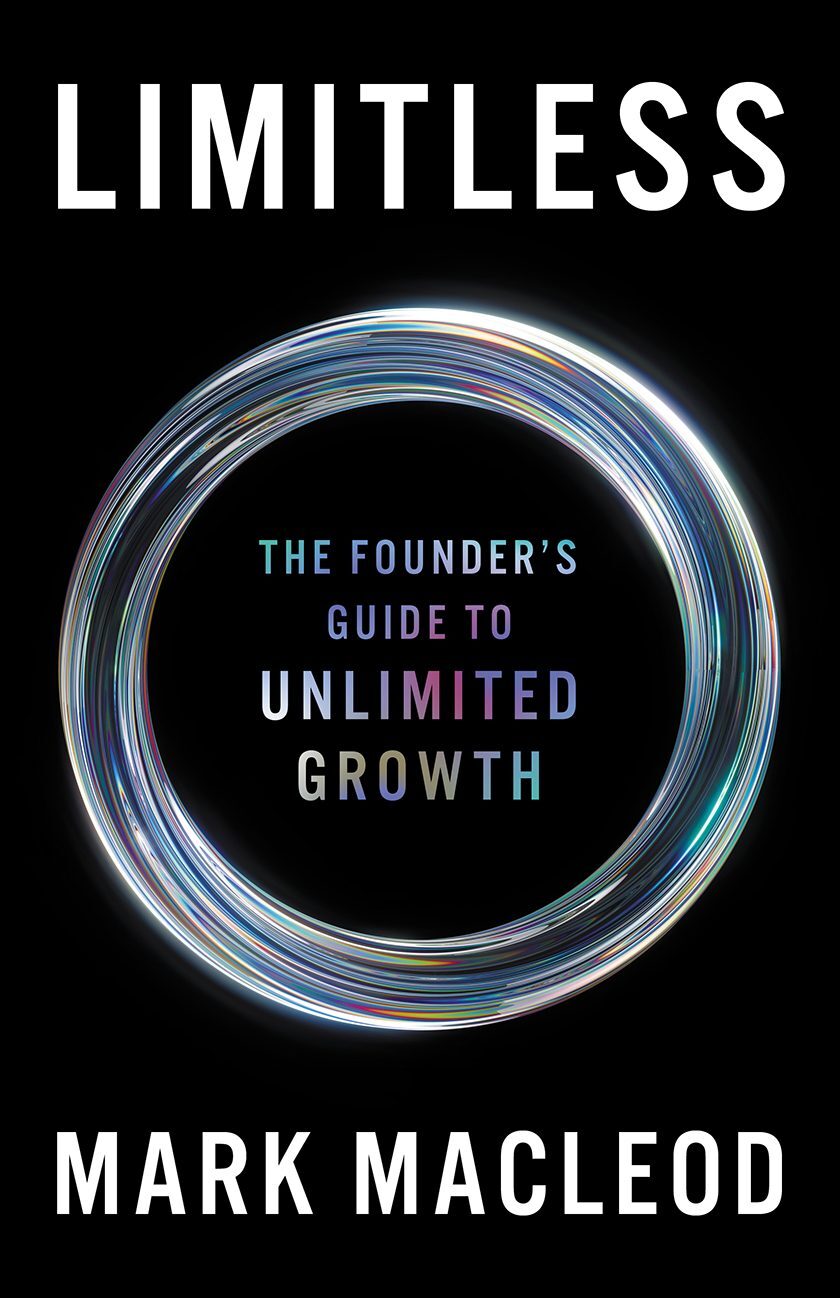
Mark MacLeod has spent almost three decades in the tech startup world at the right hand of founders, and has personally sold over a billion dollars worth of companies. The number one reason founders came to him looking to sell was that they were burnt out. His book with Scribe Media, Limitless: The Founder's Guide to Unlimited Growth, is his answer: design your role, your company, and your life around energy.
In this episode of Author Hour, Mark explains why a founder is a mental athlete, why sleep is the first thing to protect, how he ran an investment bank selling six companies at a time with no meetings before noon, and why joy cannot wait for the exit. He also shares why he chose a book to carry the message, and why he wanted complete control over its timing and content.
“I deeply believe and I've seen many times over that happy, healthy humans build bigger, better companies.”
⭐ Top Moments
- A book to fuel a movement. “So I want to make hustle culture like smoking. Right. So I need a book. I need a book to help kind of fuel the movement.”
- A billion dollars in exits, and the one reason founders sell. “I've personally sold over a billion dollars worth of companies over the years. And the number one reason why founders came to me looking to sell is just that they were burnt out.”
- Writing is how his best relationships start. “All of my most important professional relationships have come from people reading my writing.”
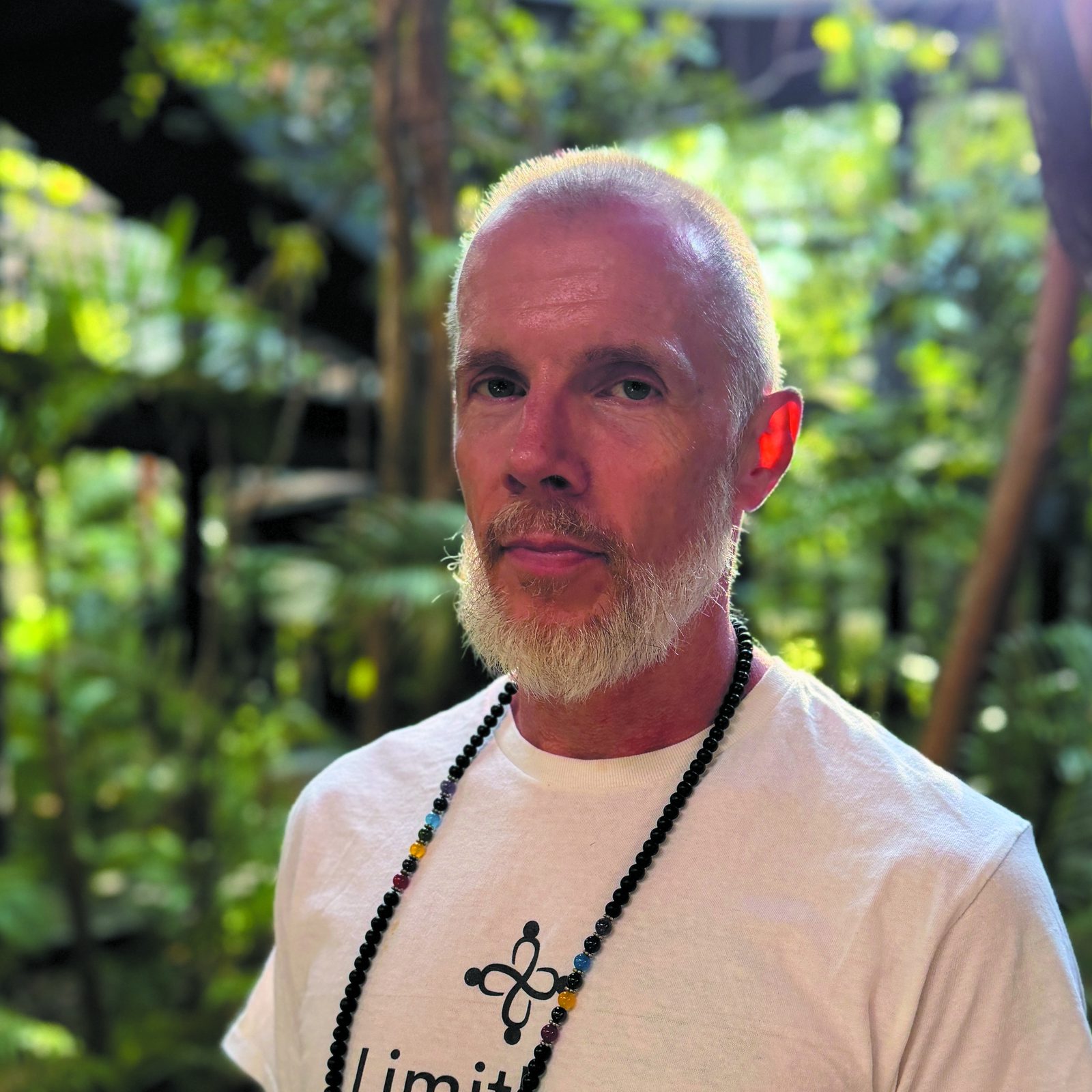
Mark MacLeod
Mark MacLeod has been funding, growing, and exiting high-growth software companies since 1999 as an investment banker, CFO, VC, and CEO coach. As CFO of Shopify and FreshBooks, Mark helped scale two of Canada’s most successful software companies. He was a general partner at Real Ventures, Canada’s largest seed-stage venture fund, and he founded SurePath Capital Partners, the leading investment bank focused on SMB software companies. Throughout his career, Mark has raised over $1 billion and closed over $1 billion in exits. He is a Kundalini yoga teacher and has almost two decades of experience in yoga and meditation.
★ Scribe Case Study
Mark MacLeod Wrote Limitless With Scribe Media to Fuel a Movement Against Hustle Culture
After almost three decades beside tech founders, Mark MacLeod wrote Limitless with Scribe Media to fuel a movement against hustle culture, with full control of timing and…
📚 Books by Mark MacLeod
Transcript
Lex Statzer: Hello, welcome to Author Hour. Today, I am sitting here with author Mark MacLeod, who wrote Limitless, the Founder's Guide to Unlimited Growth, which is coming out November 17th. Mark, welcome to Author Hour.
Mark MacLeod: Thanks, Lex. I've never been referred to as an author before, so that's pretty cool.
Lex Statzer: Yeah, it's exciting. We're coming up on your launch, so it'll be a whole new title that you have for the rest of your life. Pretty, pretty cool. Yeah. So today, we're going to kind of walk through Limitless a bit like an open house and let you show us where you actually live in this book. So let's start at the front door. The book opens on a specific moment before any of the framework actually shows up. So where does Limitless begin, and why did you want people to walk in there?
Mark MacLeod: Yeah, you know, I live in Canada, and Canada is a hard place to live in in the winter, so I spent winters in Tulum. And it was a couple of winters ago, I was walking with a founder friend who's now a member of my Limitless community, and I just shared this really simple observation with them, which is like, on days where my energy is high, I have a good day. And on days where my energy is low, I have a bad day. And then realized, like, man, it's all about energy. First of all, you are energy, right? If you take an atom and you put it under the most powerful microscope, you'll see it's mostly empty space with these different subatomic particles vibrating at different frequencies that give the illusion of solid, like so everything is energy, right? And then you think about the context of where I live, where I live in, which is the tech startup world, right, where we are creating something out of nothing, usually very rapidly. And it just takes massive energy to do that to go from nothing to 10 million in revenue to 100 million, right, to create these market leading companies takes huge amounts of energy. And I've been in that startup world for almost three decades, and I'm at the right hand of founders. And the observation I've seen over that time is actually the founders use and abuse their energy. And in my experience, it's actually the number one reason why these startups fail. And so I made it my mission to figure out how to help founders design their role, company and lives around energy, so that they can truly turn their visions into reality and build these amazing companies without killing themselves. And so that turned into this book and also a community of tech founders across the globe that I run now called MelvinAtlas.co. Amazing.
Lex Statzer: So the foundation really of the book is about that energy piece. And it's that a company can't outgrow the person running it, especially if that person is misusing that energy, like you said. So what does that actually mean for the founder listening who really relates to what you're saying here?
Mark MacLeod: Yeah, so like in the tech world specifically, right, you'll notice a common pattern, which is the biggest outcomes are led by the founder, like Shopify, Meta, Stripe, like I could go on and on, right. And what that means is that the challenge and opportunity for the founder is to keep growing faster than his or her business year after year. So if the business is doubling, then they have to double as a leader. Otherwise, they fall behind. Right. And so the metaphor that I use with my limit members of my limitless community is like, you are a mental athlete, right? We're really familiar with an athlete, an athlete is like the best of the best, they have elite skills, whatever support they need to have around them in order to be the best of the best, they get it. And then of course, they prioritize rest and recovery. Now look at this kind of tech startup world, right? So many of my my companies have raised hundreds of millions of dollars. And so I remind those CEOs like you've met you have the same expectations on your shoulder as a professional athlete, you need to be the best of the best, you need to have elite skills, what that means is designing your role around your superpower, the kind of work that doesn't feel like work, the work that gives you energy. And then what is left is filled by members of your leadership team, right? So together, you are complete, that's kind of like a team, right? A team is assembled of people who have different specialized skills, you need whatever support you need around you need to get. And then, of course, you have to prioritize rest and recovery. So to your question, specifically, what that means for founders, like the default culture in the tech startup world is like hustle, like sleep when I die, we celebrate busyness, you catch up with someone you haven't seen in a while, all you do is talk about how busy you are. And we celebrate this persona of the founder who grinds and sacrifice sleep and just pounds coffee and works through the night. But the so we're like a physical, like a sports athlete has physical skills, right? As a CEO, a founder of a high growth company is a mental athlete. And what they need to do is make decisions. Right? That's, that's actually the unit of progress for a CEO, every day, you're making decisions, some big, some small, some bet the company. And what you need to make the best decisions, of course, is maximum mental clarity, right? You need to train. And so what that means is you need to have a body that is healthy and vibrant, and we can unpack each of these elements. And then you need to train your mind, like be intentional about the information that you consume. So that when you, it's time to make a decision, your mind is healthy and vibrant and focused and present, and you can make the best possible decision. And then you need to create space, both in your mind, and in your schedule, to tap into intuition and flow. And this is where a lot of founders struggle, right? They feel like I need to be productive every minute of every day. Like literally, I'm in the toilet, and I'm picking up the phone, right? I'm doing scrolling, right? And all that is doing is training your mind to not be present to not be able to focus because you're never focused. And then with space specifically, like literally having unstructured space in your schedule, that's the only way that you can invite in intuition and flow. And so most founders never tap into that. And I'm sure you've experienced those moments of flow or intuition, and it's effortless, right? Like a problem that you might have been grinding on just is instantly solved. And so no one, you can't decide, yeah, I'm going to be intuitive now. Now I'm going to be in the flow. Like all you can do is create the conditions and hope that it shows up. And most founders actually close the door. They can never tap into it because they're grinding. So really, the invitation in this book, and this is something I've been practicing with my CEOs for years, is to design, like I say, design your role, your company, and your life around energy, and then direct all of that increased focus, energy, mental clarity into unlocking the revenue growth in your companies. And revenue growth is its own form of energy, like momentum, right? It's kind of like a rocket going up, like a rocket spends most of its energy getting off the launch pad. Once it's up in the sky, and of course, when it's in space, everything's easier, right? And so with a startup, right, getting your first customer is really hard. Getting your thousandth customer is really easy, right? So it's all about generating that momentum.
Lex Statzer: Okay, I do. I really want to get into the body, the mind, the training there, and then the space. But first, I want to touch on something really interesting that you talk about now. And in the book, you talk about defining energy as your capacity to create, not necessarily stamina. And that's probably a misconception that a lot of founders, they'll hear you talking even right now they'll be like, okay, so I just need to push harder. Energy is about pushing harder, right? And you push back on that. So what is the distinction there?
Mark MacLeod: So again, it's like, you think about a startup founder, right? They are literally creating, they're taking an idea, they're turning it into a product, they're building a company around that product, and hopefully they'll build a category like a market leader. That just takes a massive amount of energy, right? Like a seed becomes a plant or a tree through massive energy, like a baby becomes an adult through massive energy, right? So recognizing that is a thing. And then also recognizing it's a creative exercise, right? And the best products are disruptive. And it takes massive amount of creativity to come up with something that is disruptive in this world where there's already so much choice when it comes to technology, right? You have to rise above the noise. And with AI, anyone can build anything now, right? So solving for creativity and coming up with something that just blows the market away is far more powerful than just linearly grinding. And let me just figure out how to get 60 hours a week, or 70 hours a week, or 80 hours a week, like it's very hard to create when you're stressed. And most founders live in chronic stress, right? In fight or flight, they're just because they are always on. And so they're just making it harder for themselves, right? Like the more your base level of stress goes up, the less space you have in your schedule, you just have lower creativity, you never tap into intuition or flow. It's just diminishing marginal returns, and eventually you fail, right? Naval Ravikant, who's kind of like a god in our space, says it best, right? Which is startups die when founders run out of energy. And I've personally sold over a billion dollars worth of companies over the years. And the number one reason why founders came to me looking to sell is just that they were burnt out. They just couldn't go on it.
Lex Statzer: Yeah. I heard a psychologist recently talk about this idea that the opposite of anxiety isn't peace. The opposite of anxiety is creativity. And that was so interesting to me that really speaks to what you're saying of reaching that flow state and having this mental freedom to explore and create can only come when you've calmed your mind down enough to actually allow that to take place. And that's exactly right.
Mark MacLeod: 100%. I talk about this in the book, but Steve Jobs, the original co-founder and CEO of Apple, practiced Eastern spirituality practices and specifically Kriya Yoga, which is the kind of yoga that I teach, and had followed Zen Buddhism. And it is not a coincidence that he was one of the most creative leaders out there. The iPhone, when it first came out, wasn't just a better BlackBerry. You're probably too young for this, but BlackBerry was the default smartphone at the time with this big keypad. And he didn't just come up with a better version. He completely disrupted it. And the iPhone was a thing that nobody knew they needed until they saw it. And then BlackBerry doesn't sell those devices anymore. So just completely disrupted the market. And so he wasn't solving for how do I grind harder? It's like, no, how do I be the most creative, inspired version of myself?
Lex Statzer: I do want to dig into this athlete analogy. I'm really interested in how you're thinking of founders as elite athletes. So you mentioned the first piece of this is that mental training. So break down what that...
Mark MacLeod: Actually, the first piece is physical.
Lex Statzer: Oh, physical is first. Okay. So for the physical training, what does that entail?
Mark MacLeod: It's pretty basic. I don't think I'll say anything that people haven't heard before. But the first is to sleep. There are about 5% of humans who can get by on five hours of sleep a night. Elon Musk is one of them. Although he admits his schedule does take a toll on him. But most of us need seven to eight hours of sleep a night. If you think about this, humans are not alone in this need for sleep. It's sort of universal for mammals to different levels. But we're fine sleeping in our nice, safe homes. But animals sleep out in the wild, and they're vulnerable. If sleep wasn't 100% necessary, evolution would have gotten rid of it. That's when our body repairs. That's when the mind kind of clears the cache of the mind and processes everything that happens and gets you ready for the next day. And sleep is usually the first thing that ambitious founders sacrifice in order to try and create more room to do more work. Every living thing in nature seeks balance and homeostasis, except for humans, especially ambitious ones. We think we're above it. We think we're above nature, but we are nature. This is the basic one. Sleep is the number one health hack, although it is anything but a hack. From there, you need to move your body if you're over 40, which many founders are. We have this stereotype that the founder is a 22-year-old hoodie person in Y Combinator, and that's some of them. But founders come in all shapes and sizes. If you're over 40 years old, you need to lift weights at least three times a week. We lose a certain amount of muscle mass and bone density every year if we don't do that. You need to eat real, whole foods, foods that exist in nature, and honor your body. My Kundalini teacher always tells us that the issues are in the tissues. Your body tells you when something's wrong, and most of us just ignore that message. But then eventually, the body just speaks louder and louder, and that's when you break down. Physical is the foundation. Now, I do use this term mental athlete. I don't need you to be an elite physical shape, but I just need you to not abuse yourself.
Lex Statzer: The basics.
Mark MacLeod: Sleep well, move your body, eat real food, and take little breaks here and there.
Lex Statzer: Okay. Okay. Makes total sense. A message I can absolutely get behind. So what about the mental training? What does that look like?
Mark MacLeod: Yeah, this is a hard one for most people, right? Because, again, in society, these devices, these smartphones, I have a love-hate relationship with it.
Lex Statzer: Yeah, I relate to that.
Mark MacLeod: There's only so much room in here, in your head. If anyone was listening, I'm pointing to my head. Most of us just fill it with useless junk. First of all, worry. I've seen a stat, about 85% of the things that we worry about never happen. And in the startup world, we engage in comparison. Why did that company raise a big, large funding round, and I did it? It seems like they're going faster than me, right? We're comparing the 100% we know about ourselves to the best 5% that our competitors and peers share online, and we feel bad about ourselves. So there's that. And then doom scrolling, and just constant information. Your brain wasn't designed to figure out everything that's wrong with the world by 8am, but we know it. We know everything. And there's a lot that's wrong with the world, right? It's just too much. And then AI has kind of made this worse. So before AI, if I was leading a company, I needed some kind of dashboard or reports and KPIs, and that's how I figured out what was going on. Now with AI, I can literally measure everything. I can see every single sales call, every activity. I can write code myself. It's all too much. And so what this means is we need to create boundaries. In a world with no boundaries, I can listen to any song that I can think of, I can listen to it 10 seconds from now on Spotify. Anything I want to watch, I can find it on YouTube. Any piece of information, it's a click away. There are no boundaries. We have to create intentional boundaries. And that means I encourage my CEOs to not pick up the device first thing in the morning. Ease into your day. Have a bit of a morning routine. Your mind is freshest and most creative. This is a good time for journaling, for reflection, for setting your intentions for the day. This is obviously a great time to exercise, great time to meditate. Meditation is most powerful when done either when the sun is rising or when the sun is setting. Yeah, just sort of energetically in terms of the frequency of the earth. This is getting a bit woo-woo now. But anyway, that's- No, I love it.
Lex Statzer: I love it.
Mark MacLeod: But I really do strongly encourage meditation for, first of all, for everyone. First of all, the Dalai Lama says if everyone on the planet meditated, then within a generation, there'd be no war. So that's a thing I believe in. But more practically for the ambitious founder, meditation helps you, does a couple of things. One, trains you to be comfortable in stillness with quiet. And it's only there. Our rational mind is 10% of our potential. Our subconscious is the rest. But it needs space to speak up. And so you tap into your limitless powers when you are able to access the silence within you. And there's also just an inner knowing. Again, there's these decisions you have to make every day. When you're able to tap into your subconscious, to your intuition, you access an inner knowing that already knows the answer. And that massively reduces anxiety. So the only way to tap into that, like I say, is to not unconsciously consume information every second that you're awake. You have to take breaks. So it's kind of like, and intentionally avoid information sources or uses of your brain that don't serve you. And so this is a restriction. I don't know, social media is an addiction. How many people liked my post? What's going on in the world? Oh, let me just distract myself. It all feels good in the moment, these short-term dopamine hits. But it comes at a big long-term cost. So it's really about being intentional with the information that we consume, meditating, even if it's three minutes. But the key is, you don't need to be a Zen monk, but it's about the daily habit. Because that's really what creates the comfort with quiet. And it's in that quiet, in that stillness, that the insights just show up.
Lex Statzer: Yeah. What's so beautiful about the book and this message in general is that, yes, super applicable for founders and ambitious people and people in the startup world, people that are out there grinding in a very corporate or career sense. But it's also so applicable to anyone. I mean, information overload on social media or online is pretty universal. Yeah. Everyone knows exactly what you're saying as soon as you talk about not picking up your phone as soon as you wake up. And so I think that's what makes it so amazing is that this is such a good message for founders, but also just such a good reminder to anyone. But I do want to get into the third part about space. What does that look like?
Mark MacLeod: There's a few layers to it. One is actual space. So unstructured space, like actual empty blocks in your calendar that can feel very uncomfortable for many people who feel, no, I'm a robot and I need to fill every second. I could tell you, I used to run an investment bank and investment banking is super intense. Time is the enemy of all deals. You're trying to sell a company. Maybe the company you want to sell it to has a bad quarter and their stock price drops. So you want to sell it before that happens. So there could be this temptation to just grind and work all the time. But I was deeply aware of the power of space and being able to tap into intuition and flow. So the way I saw for that, I mean, our peak, we were selling six companies at a time, but I had no meetings in the mornings. So the way I optimize myself to be able to tap into that intuition and flow and what I call spiritual energy, just to weird people out, is first of all, like I said, I prioritize sleep, even though I was an intense investment banker. I was doing CrossFit at the time. I would do CrossFit four or five days a week and then no meetings until noon. And that was my time to really do deep work, to think, reflect, think about deal strategy. So that's kind of what worked for me. It was like very big, structured, deep work blocks at a time where my mind was freshest. I'm a morning person. I will say that also the biggest creative unlocks probably don't come when you're in front of your computer or in a boardroom. So sometimes if I really needed to think stuff through, I'd go on a hike, take one of my dogs, go out, go on a hike. Right. So that really works for people as well. So it's just recognizing, again, the thing that most founders are solving for input. How do I send more emails, more Slack messages? How do I fit in more meetings? How do I work more hours? The limitless founder is solving for output, right? How do I make my company go faster? And that comes through creative insights, through inspiration. Inspiration is an interesting word. As my teacher says, it's in spirit. I have tapped into the infinite potential of spirit.
Lex Statzer: Wow.
Mark MacLeod: And that's when we get these just instantaneous downloads, right? And so most of us never, ever access that, right? So it's about realizing I'm not solving for inputs, I'm solving for outputs, and I'm a creator. No artist says, well, I'm going to paint for 10 hours today. No, they paint when they're feeling inspired and then they stop when they're not, right? Because they're solving for creative output, right? They're trying to create a masterpiece. And I would argue in the tech world, we're trying to do the same thing.
Lex Statzer: Yeah. To continue the athlete analogy, I imagine that the idea of burnout could be compared to an injury in sport, right? So what does that look like? Somebody hears this message of yours too late. They're already on the edge of burnout. They feel themselves reaching that tipping point. What happens then? What are you seeing from these founders? And how are you advising them to move forward if they've already reached that point?
Mark MacLeod: Yeah. First of all, I would argue the vast majority of founders are what I call functionally burnt out. Meaning they're still getting things done, but at an ever-increasing personal cost. Just like their mental clarity, their brains just getting a bit foggier. They are less and less optimistic, less and less resilient. Maybe it's harder to get out of bed. Maybe they give up hobbies that they have. Maybe they are less present at home with their family and loved ones. Their level of joy in their life just goes down to the point where they just give up, right? So it's like this burnout. It's not the same for every person. An injury... I don't know. I'm an NFL player. I understand. I don't watch the NFL. It's too violent. I've heard that the probability of injury for an NFL player is 100%. You will absolutely be injured. An injury is instant, right? Now I'm injured. Burnout is gradual. It's just like a slowly sucking the life energy out of you. And then at a certain point, you just can't go on anymore.
Lex Statzer: So if they are reaching that point, what would you recommend be the first thing in this framework you've built for them to employ? What is the first step on this long journey of creating better energy?
Mark MacLeod: Yeah. Physical energy is the foundation. Sleep is, like I said, it's the number one performance hack. Our body repairs itself in sleep. Sleep is the thing that enables us to reduce that chronic stress, lower the cortisol levels. Prioritizing sleep is absolutely number one. But even before specific tactics, it's really about recognizing altruism, right? So like I said before, all the biggest outcomes in tech are founder-led. The founder's state determines the company's state. The founder has to realize and prioritize, like, I need to be the best version of myself in order to make my company the best version of itself. And so what that means in the case of burnout is like, I can't just treat this as, yeah, yeah, I'll get to it. I have to treat this as like, no, this is a crisis. This is my number one priority is to heal myself, right? And in deep crisis, it's all in. I don't know, someone had like an addiction, they wouldn't just treat it a little bit at a time and go on with their addiction. No, they check themselves into a rehab center, whatever, like their life would stop so they could go figure this out. So in the extreme, in the extreme burnout, like, you need to take a sabbatical, right? You need to heal yourself, right? So it's treating this with the appropriate level of importance because it's massively important. And then from there, it's the steps, the starting with sleep, moving your body when you can, maybe you can't for a little bit. You know, there's a huge mental toll that entrepreneurship takes, right? As a founder, again, I'm talking, I've been talking before about the physical toll, but like, mentally, it's tough because you have to be simultaneously the most optimistic person and just championing your vision all the time, at the exact same time being the most pessimistic person anticipating everything that can go wrong, all at the same time. And that makes you crazy. And then, you know, the bigger your company gets, the more lonely you are. CEOs, when they come to me tell me like they they're telling me things that they haven't even told their spouse or their co founders. And yes, you have a leadership team. But the difference between you and your team is you can fire them and they can't fire you. So you're kind of alone. And so this is another huge part is like you have to relieve yourself of this mental burden. You know, journal, get a coach, get a therapist, like, you know, you can't like most of us just bottle up our stress, we just eat it. And again, this goes back to what I was saying earlier for my teacher, right? The issues are in the If you ever watch this, like, I don't know, it's like African safari documentaries, right? Let's just say like a, I don't know, lions chasing a zebra. If the zebra escapes, you'll see them literally like shake their entire body. What they're doing is shedding stress.
Lex Statzer: Interesting.
Mark MacLeod: And we just eat stress.
Lex Statzer: Right? Yeah.
Mark MacLeod: And then and then we blow up. Yeah. So yeah, I could go on and on. But yeah, it's really about treating it as the most important thing in your life because it is like, again, I tell my CEOs all the time, like, a healthy person has 100 priorities. A sick person has one priority, which is to be healthy.
Lex Statzer: I'm imagining some founders hearing this or reading the book, and they have built their entire life around this identity of ambition and hustle. And they might hear things like meditation and sleep prioritization and, you know, taking a sabbatical and think that is just too soft. That is too soft for what I need to accomplish. What would you say to them?
Mark MacLeod: Yeah, it's funny. I was listening to a podcast with Joe Hudson, who's a coach to Sam Altman. Okay, I see you. And he had an interesting observation, which I completely agree with, right? Like, there's no startup that failed because the founders didn't grind hard enough. Like if grinding and effort and sacrifice was the key to success, then every startup would work. It's not the case, right?
Lex Statzer: Yeah.
Mark MacLeod: The fact is, it's yes, there are a lot of factors, market timing, of course, but like, it's really about creating something that is totally different and then making inspired decisions that are better than your competitors so that you win. And of course, moving with speed. I'll come back to speed in a second because there's a trade off and the importance of speed is something that actually causes most entrepreneurs to grind. And then that's what sets them on this path. I'll come back to that in a second. But it's really recognizing just look at the evidence, right? Like if grinding and effort and hustle was the path, then everyone would succeed because it's what everyone does.
Lex Statzer: Yeah.
Mark MacLeod: So let's come back to speed for a second. In the tech world, kind of all else being equal, getting to the same place faster than your competitor makes you more valuable. The rate of revenue growth. So how fast your revenue grows from one year to the other is the single largest driver of valuation of your company. And the rate of that growth is a magnet that attracts everything you want. That's what makes venture capitalists want to invest. It's what makes ambitious talent want to join. It makes you the safe choice, like the market leaders or customers come towards you. And then eventually, it scares the shit out of strategic buyers. And so they come in and buy you. So it's a magnet. In the quest for speed, most founders grind and just sacrifice sleep and hustle. And that's why we have this default hustle culture. And so it works until it doesn't. If you are solving for the short term, yes, of course, grind, sacrifice, sleep, you'll get more done. But Shopify is in its 23rd year. I have a friend, Mike Murchison, running a company called Ada that he just sold yesterday for $600 million. It took him 12 years. He would have never got there through grinding. I know him. He's a healthy, balanced, fit, calm founder. And it was that foundation that enabled him to go to 12 years. So if you're solving for the long run, you need these habits.
Lex Statzer: Something I find also really interesting about the book is that you have a whole chapter centered on joy, which we haven't really gotten into yet. So you argue that joy is fuel, not a reward that's waiting at the end of the hustle.
Mark MacLeod: Yes.
Lex Statzer: Make the case there. Yeah.
Mark MacLeod: Well, I have been blessed to have a lot of success in my life. I come from a tiny island. It's actually behind me, this topographical map of it. It's three hours into the Atlantic Ocean in Scotland. I worked hard to get rid of my accent when we came to Canada, but we come from nothing. And I've had a stupid amount of success that I could have never imagined when I was a kid in Scotland. But when I look back, none of that has brought me lasting joy.
Lex Statzer: Right.
Mark MacLeod: Like no possession, no external achievement, no net worth exit. Like it's like money is not this. Yes. Okay. We need a certain amount of money to live. I accept that. But beyond that, it's just not a thing like I'm sure you've gotten pay raises or bonuses and it feels good in the moment, but then you just get on with the rest of your life. Right. And so joy, like true happiness, where you're just this vibrating human, it's an internal state. And it's a thing that most founders postpone thinking, well, it'll be worth it when I exit. Yeah. So first of all, 90 percent of startups fail. The default outcome, even for venture funded startups, is failure. And often it's just outright failure. But many times the exits that we see in TechCrunch and other publications are ones where the founder's shares are worthless because they've raised too much capital relative to the traction they achieve for their company. And the venture capitalists, they have these things called preferred shares and they actually get their money out first. So the default outcome is to grind and sacrifice for nothing. Right. And it's not worth it. Now, going back to these different levels of energy, right, like the physical energy, the mental clarity, creating space so you can tap into intuition and flow. And we get there by designing our roles around our superpowers. So the kind of work that doesn't feel like work, but that results in is just like every day is great. Like every day I'm doing work that feels like play. Right. So many founders think, well, I should do this, like I should do that because this is what a CEO should do, even though it sucks the life out of it. And so the example I bring up often because I know him and I was involved a long, long time ago is Toby at Shopify. Right. So Toby's a really introverted, highly technical CEO. He runs a public company. He should be the person to do the quarterly CNBC squawk box, you know, all the investor relations stuff. But he hates it. It drains his energy. He's never done it. He hired this guy, Harley Finkelstein, who's just a complete matter of force of nature, like born to be in front of a camera. And he does it. And so Toby spends all of his time on work that for him feels like play, which is working with new technology and building product. Right. So like you when you do this, you work doesn't feel like work, right? You've built a reality that gives you energy. And then. So that's a thing, because now you're in this self-reinforcing, limitless state. But then from there, tapping into gratitude. And so most this is a thing that most founders really defer because they have this. Here's where I am today. And I have this vision and it's far away. How could I be grateful? But then what that does is just create it makes today unsatisfactory. Right. Today could have been fine. But because I am so focused on this vision that's out in the future now, today is deficient. And all that you're now focused on is the gap.
Lex Statzer: Yeah.
Mark MacLeod: Whereas there's so much to be grateful for every single day. And so the thing to focus on without becoming soft, you can still have your vision, but recognize the progress that you make every single day. And even on the hardest days, there's something to be grateful for. Maybe you just did that 20 percent layoff and it sucked. You can be grateful for like, I made it through today. Tomorrow is going to be easier. I am stronger now as a result of doing this. Like every day, there's something to be grateful for. And, you know, I started a daily gratitude practice in 2019. And it's not an exaggeration to say that it changed my life. And at the beginning, it was the same thing. So I'm grateful for my my kids and my health and my business. But over time, it was more and more granular things like I'm grateful for that first sip of chai in the morning or like seeing the sun come up over the forest. And anyway, the it's a muscle. And the more you. You define it, refine it, and the more you are grateful for, the more you get to be grateful for it's actually a virtuous cycle.
Lex Statzer: Yeah.
Mark MacLeod: And this is what brings you into the state where you're just like vibrant and full of life and attracting everything that you want. Like, you know, like if someone's just like living their best life, you want to be around them. It's like that founder is going to attract customers and investors and talent because they're a magnet. Right. So and most founders just never tap into that.
Lex Statzer: Yeah.
Mark MacLeod: They're like dull, depleted, stressed out, you know?
Lex Statzer: Yeah. Yeah. No, there's there's so much evidence that your mindset really does shape your reality. And that taps into what you're saying of choosing joy, choosing gratitude, choosing creativity and inspiration, because as the heart of the company, as the founder, it's it's really easy to let the weight fall on you, I feel like. And when the weight falls on you in that way, joy feels out of reach.
Mark MacLeod: That's right. And that's just making everything harder. Yeah. It's self-fulfilling.
Lex Statzer: Exactly. Like it just kind of all combusts. It all falls down on you. And I really enjoy the way that that you're able to work and talk with these very successful, very ambitious people. And your whole message is is restrict, pull back, slow down. And I think it's a message that in today's culture is not something that they hear often. Like you said, it's all about hustle. Hustle culture is all the rage right now. And so you've obviously spent a lot of time as a coach with the founder community. You have a podcast. You've talked at length about this expertise. So I want to know why was a book specifically the right vehicle for this message now? Why choose a book?
Mark MacLeod: Yeah, I've written for most of my adult life. Again, you can't tell that I'm Scottish, but I am. And I grew up on a heavy dose of the classics in British grammar school. But more specifically, all of my most important professional relationships have come from people reading my writing. So I started blogging in 2007. I was curious about it. I also found that the process of blogging clarified my thinking. I learned through that process. And then I shared that and then people reached out and then they ended up joining the companies or investing in them or whatever. So writing has served me well. It's the number one way that people find out about me and the Limitless.CEO community today. So this was just the next logical extension. And then yeah, everything that I'm talking about is completely counter to the default hustle culture that we live in. And my goal is to build a movement of founders who are prioritizing themselves and building amazing companies without sacrificing their health or mental clarity. I deeply believe and I've seen many times over that happy, healthy humans build bigger, better companies. So I want to make hustle culture like smoking. Right. So I need a book. I need a book to help kind of fuel the movement.
Lex Statzer: And Limitless is designed to not only be read, but also worked through with assessments and exercises.
Mark MacLeod: Correct.
Lex Statzer: So what was it like, the book creation process? What was it like making it with Scribe and what ended up being the hardest thing to put on the page?
Mark MacLeod: Yeah, first of all, it was a joy to work with Scribe. I have a good friend who's a Limitless member, Adrian Salomanovich, who did a book with Scribe and Cameron Harold was his co-author, VPR. And so it was Adrian who turned me on to Scribe. And then I'd seen, I read the Naval Almanac every year, Eric's book. So I was a fan and I wanted, I just don't believe in the value of traditional publishing. I think there's diminished value there. And I, again, this is a vehicle for me to create a movement. And so I wanted to have complete control over timing and content and all of that stuff. So yeah, a true joy working with Scribe. Before I got in touch with Scribe, I will say that I got a writing coach, Rachel Jepsen, who was absolutely amazing. And she was referred to me through another coach who wrote a book and I couldn't have written it without her. I did write a third of the book and throw it out and start from scratch.
Lex Statzer: So that's more common than you think. I'm sure.
Mark MacLeod: Yeah, that sucked. That was a painful day when I hit delete on that file. But just, yeah, just wasn't. Again, I'm talking about inspiration a lot. And it was, it just wasn't inspired. Whereas like this book, like I just finished recording the audiobook this week. And yeah, thanks. That was, that was, that was a task. But I'll tell you, you know, it's interesting to see how my voice changed. Like I think in the early chapters, I'm still sort of finding my way. And I really felt like the later chapters were pure flow. And that came across when I was delivering the audio experience as well. It's just like, honestly, when I was recording the last two chapters, I feel like we did it in one take. It was just a meditation. It's just like, yeah, off we go. It was so good.
Lex Statzer: That's kind of amazing that you get to relive that journey and watch yourself evolve as you went through the book. That's a really cool kind of self-reflection.
Mark MacLeod: Yeah. Yeah.
Lex Statzer: Okay. So final question for you, Mark, where can people go to find the book once it's out and how should they keep up with you?
Mark MacLeod: Yeah, book is going to be available on Amazon or wherever you buy your books. November 17th. Place to find me is at our website, limitless.co. Limitless.co slash book is a place where we're promoting everything to do with a book. Yeah, that's the place.
Lex Statzer: Perfect. Well, you heard it here first. Join the movement. Slow down. Prioritize your health. Be better for your company because of it. So thank you so much, Mark, for joining me on author hour. It has been an absolute pleasure to have you.
Mark MacLeod: Thank you for having me.
Want to Write Your Own Book?
Scribe has helped over 2,000 authors turn their expertise into published books.
Schedule a Free Consult