Rick Scadden on Redemption, Purpose, and Getting His Book Behind Bars
✨ Episode Summary
Rick Scadden grew up on welfare with a father who was in and out of prison, dropped out of high school, and served five and a half years in prison himself. Today he is a pastor in Loveland, Colorado, and his book, Four Time Felon: Finding Hope in the Ashes, is going into prisons, county jails, and halfway houses. On launch night two guests handed him checks for over $4,000, so he and his wife started Hope Beyond Bars, a nonprofit that buys the book for people behind bars. He has now given away more copies than he has sold.
In this episode of Author Hour, Rick tells host Eric Jorgenson how a dyslexic 10th grade dropout got past the fear of writing a book, why he fought to keep “full-time pastor” off the cover, and how he sent 24 copies to 24 inmates serving life sentences at Tomoka Correctional Facility in Florida. He also shares the day a worker delivering chairs to his church recognized the building from the book.
“For me, it’s about the impact. It’s about the purpose of it changing people’s lives.”
⭐ Top Moments
- Launch night became a nonprofit. Two guests at the launch funded the book’s mission on the spot: “On the launch night, I had two people come up to me and hand me checks for over $4,000. And they said, we just want to donate towards that vision of you launching the book into these places to help these people.”
- 24 copies for 24 lifers. A program director in Florida found him through his mentor: “I sent 24 books to 24 life sentence inmates in Tomoka Correctional Facility in Florida, hand wrote them a thank you, told them I was praying for them and the book is impacting their lives and they’re never getting out of prison.”
- A 10th grade dropout writes a book. Rick on working with Scribe Media: “[Scribe] coming up alongside of me to help me write the book, dude, it took a big weight off my shoulders.”
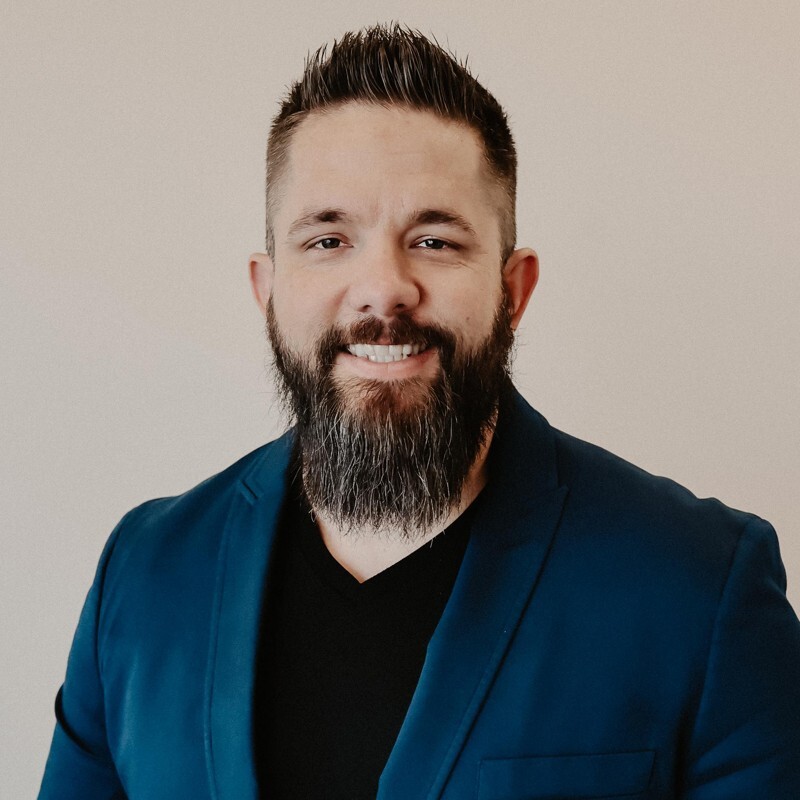
Rick Scadden
Rick Scadden is a pastor at City Point Church in Loveland, Colorado, and the author of Four Time Felon: Finding Hope in the Ashes. He grew up on food stamps and welfare with young parents who struggled with addiction and a father who was in and out of prison. A high school dropout, he served five and a half years in prison after a car accident that changed his life, and he turned his life around while he was there. After the book launched in January 2026, Rick and his wife started Hope Beyond Bars, a nonprofit that puts copies of the book into prisons, county jails, and halfway houses. He has now given away more copies of the book than he has sold.
★ Scribe Case Study
Rick Scadden's Four Time Felon Launched a Nonprofit That Puts His Book Behind Bars
Rick Scadden served five and a half years in prison. On launch night for Four Time Felon, guests handed him over $4,000, and the book became a nonprofit that sends it beh…
Transcript
Eric Jorgenson: Rick Scadden, at long last, excited to have you here. Yeah, man. Thanks for having me on the podcast. This has been a long time coming, mostly because I feel like I've gotten to see your story unfold over like the last few years and see this book, you know, get conceived and written and published and see everything it's done for you in the aftermath. So I'm excited to kind of get the inside scoop on this. Before we get into like where we are now, can you give us like the backstory that just led you to becoming an author in the first place?
Rick Scadden: Yeah, so massive backstory. Grew up kind of poor, you know, food stamps, welfare. Parents were very young when they had us kids, drug addict parents, you know, we just really kind of grew up in that realm. And so dad was in and out of prison my whole life, found the wrong friend group in school, you know, got into drugs, got into alcohol and all this stuff. And so this is kind of, you know, the demographic of how I grew up. And it all accumulated to me getting into this horrific car accident, man, that completely changed my life and, you know, went to prison, was in prison for five and a half years, picked up all my felonies from this one case, changed my life while I was in prison, you know, got out of prison, lived my life, you know, completely and fully for the Lord. And God has just brought me on this journey, man, of just redemption, healing. And it wasn't until, you know, two years ago that, you know, my good buddy, Matt, shout out to Matt Shoup, you know, he's one of my business mentors and was just hounding me about writing this book. And I was just like, man, it's not time. It's not time. It's not time. And then towards the end of 2024, I'm a pastor at a church. And so I'm preaching a message on the platform and right in the middle of the message, I heard God say, when are you going to write your book? And I'm like, oh, okay, it's time to write the book. Yeah. And so Matt has a podcast. And I called Matt. I said, hey, bro, I'm ready to write my book. I'd love to sign the contract on your podcast. And so that's what we did. And then, you know, all of last year, kind of dedicated the whole year to writing the book. And then here we are, man. And so the book right now, you know, it's making a massive impact in, you know, the prison and the prison realm, the rehabilitation realm. I mean, I'm hearing stories from all over the country right now of the book just making its way into these precarious places and people reaching out to me via social media, internet, email. And they're just saying, man, I thank you so much for writing the book. It's making this massive impact. And so, yeah, that's the short version. The long version is in the book. So you have to buy the book to get the long version. But yeah, so that's why and that's and we're here today. That's a perfect, perfect setup.
Eric Jorgenson: What do you think changed in you or in the moment? Like, you know, when you heard God's voice telling you to write a book, like, what do you think you were waiting for to hear that? What was there a precipitating factor? Was there a fear that that got resolved? Like, tell me more about that, that time, that epiphany, that moment.
Rick Scadden: I think all of it, man. You know, a large part of me knew that the story wasn't finished yet, you know. And so when you have a story like mine, you're always looking for the redemption side of it. Right. And so for me, the redemption piece wasn't complete. You know, I could start a book and end it for where I was at, but it didn't have that redemption element to it. And it wasn't until, you know, again, 2024, 2025, that my life really came full circle back to, wow, your life is redeemed and you're living the life that you dreamed of and prayed for in all these things. And so I think that was one element. The other element was the fear, you know, as a 10th grade dropout, right? High school dropout who failed out of English class and all those things, right? Like there was always that fear element of going, I don't know how to write a book. You know, I don't know how to, you know, I don't know how to spell words. I say things backwards. I have dyslexia. I have all these, these issues. Right. And so those were the two factors, but you know, it was just coming to that point at the end of 2024 to just go, you know what? No, I'm going to make, I'm going to make the hard decision. I'm going to step outside of my comfort zone. And, you know, with, with scribe media, I mean, you guys really made it easy for me as well. You know, with somebody, like I said, my background of, of not having good schooling, not having supportive parents that supported me in school. And so, you know, coming, you, you guys coming up alongside of me to help me write the book dude, just, it took a big weight off my shoulders. So yeah, man, it was those two things, but once the redemption element was in place, that makes the story more impactful, you know? Yeah. Yeah. That makes sense. That makes sense.
Eric Jorgenson: And I think you're, you've laid it out incredibly well there. One of the things that our team takes particular pride in is sort of unlocking books from people that aren't necessarily writers, right? That is the, the thing that I think we are uniquely good at, right? Lots of people can publish books, but not everybody can pull a book out of somebody who isn't a writer themselves or doesn't necessarily have the time or the headspace or the, the courage, frankly. Like it's really hard to write, especially a book like this by yourself. And just like, imagine that someone really is excited about reading it. But when you have that creative partner, who's like asking you all these questions and like eagerly pulling out the stories and helping you organize it and helping you like fill in those gaps, um, that seems, and it's been my experience that it's just so much easier, so much more exciting. It's so much more fun. Like every step of the process.
Rick Scadden: Yeah. That piece right there, what you just said really took some weight off my shoulders because it was like, again, I don't know how to organize a book. I don't even know where to start, you know? And so having, having somebody come up alongside to say, okay, let's, let's help you organize your thoughts. Let's help you organize your chapters. Let's help you organize, you know, the direction this book is going to go, who's your target audience and all those types of things. It really took the weight off. And so it just left, you know, in my plate, it was just up to me to do the hard work of getting the story out. And, and then, and then you guys taking that and doing what you did with it, it just, it helped out tremendously, man. And so, yeah.
Eric Jorgenson: So tell me about your original vision for the book, like as you were sort of thinking about it, it was taking shape, like was it, was that a difficult creative process or did you have a really clear kind of picture of what you were working towards?
Rick Scadden: So I did back in, I want to say 2008, I was actually locked up in a prison down in Colorado Springs, Colorado. And I was writing a message because I was like the, the inmate pastor rep in this prison. It was, it's wild, man. All this is in the, in the, in the book, but I, again, I heard God say like, you're going to be coming back into the prisons. And so I always tuck that in. I was like, okay, I don't know what that means. I don't know if I'm going to come back from ministry, you know, Lord knows, man, hopefully I don't commit another crime and I'm back in prison that way, you know? And so I kind of tucked that away. Well, the day that I signed the contract with, with the book, I heard God say again, like this is how you're going to get back into the prisons. And so purpose for the book was automatically right away. And so I've been on this journey right now with the book to integrate it into prisons, into halfway houses, sober living homes, and those types of things, which I think is, is helping me along the way because having a purpose for the book other than to just make money, right? It's like, you know, you're going to make money, but it's not about that. For me, it's about the impact. It's about the, the purpose of it changing people's lives. And so, yeah, like I said, when I signed the contract, it was like, oh, this is where the book is going in this, you know, God's going to do this. And what was really cool was on the launch night in January of this year, on the launch night, I had two people come up to me and hand me checks for over $4,000. And they said, we just want to donate towards that vision of you launching the book into, into these places to help these people. And so that was, that blew my mind. And then I said, okay, well, I have to start a nonprofit. So my wife and I started this nonprofit from this book called Hope Beyond Bars, which now the nonprofit goes towards purchasing these books to hand out to these people. So I've, I've given away more books than I've actually sold, which I think is just awesome. It's so awesome. It's awesome. They're paid for, but just in a different aspect, you know?
Eric Jorgenson: Yeah. Yeah. I mean, this is a whole new version. One of the things I feel like I say the most often is the highest compliment a book can receive is being gifted. Yes. You know, when you're gifted a book, it really means something, it means something from the person who gave it. It means it bestows like a level of importance and meaning on the book itself. The person who's receiving it is kind of like, man, this is like this really distilled thing that I should take extra seriously because there's this person's, you know, beautiful intent attached to it. And you're doing that at like an unbelievable scale through this nonprofit. Who were some of the, who were the people who were writing those checks who were donating? How did you, how did you know them?
Rick Scadden: How did they find out about you? Their friends, family, people in my life. So like I said, I'm a, I'm a pastor at a church here in Colorado. And so I have a pretty large platform already of people who know me, who know my story. They've been hearing this story for the past 10 years, you know, via sermons and messages and podcasts and stuff. And so I have that platform already. And so, you know, people that I, you know, invited to the book launch, people that have known me for years and have heard the vision, they just, they want to sow in it because they see the transformation that has happened in my life. And what's really cool is when I get a, when I get a Facebook message from somebody from another state that says, Hey, I actually just read your book and it changed my life. That to me is worth more than selling a thousand copies to, you know, through Amazon or something like that, because it really is the impact, you know? So fortunately I've already, I already had a large platform following, you know, whereas, and again, timing of the book, right? It's like, man, not time, not time, not time. Now's the time. And I believe the platform had a lot to do with that as well.
Eric Jorgenson: Yeah. It certainly gives you more, more confidence, more courage, more excitement. It's really nice to take a book out feeling like you're, you've got people excited to receive it and amplify it. Like getting those first, you know, couple hundred, couple thousand copies out and yes, having those people help get it into the hands of the people that you really want to reach. Right. Like, tell me about this. I'm always interested. Like, it sounds like you have a really specific sort of profile, like a target reader, right? Like you've got a really clear vision of who that is. Is that like a younger version of you? It sounds like, you know, exactly where they are.
Rick Scadden: Yeah. So what I think is really cool is, you know, when, when we first started writing the book, my number one target market was not Christian. So I was like, I don't want the book, I'm not writing the book for Christians, although Christians can read it and they can learn from it, but this is for the person who may not ever pick up a Bible. You know, the, I'm, I'm looking at the inmate that's sitting behind bars who lived a lifestyle of gangs and drugs and grew up like I did welfare, no father, all those types of things. And he's just at his lowest of lows. She's just at her lowest of lows. And they see this book come across their path where right away the cover speaks to them, the title speaks to them. And this is what I've heard from people, you know, where they pick it up and they read it and it's changing their lives. I mean, I think I only have one scripture in the entire book and that's purposeful because again, I don't, I'm not catering to the Christian audience. I'm reaching those that, that could be unreachable, you know? And so that helped me to write the book. I had to fight a little bit with, with, with a few people to be like, no, I don't want to put, you know, cause originally it was four time felon to full-time pastor on the title. And I just, I just think that is so cheesy, man. I'm like, no, I, I don't want people to know I'm a full-time pastor until they read and finish the book. You know, I want them to be able to look at it, pick it up and say, oh, I can read this. And I mean, even people who have never read a book in their life are saying, I picked your book up. I've never touched a book in my life. I read the first chapter and I was hooked and I couldn't, I couldn't stop reading it. It was that good. And so these are the comments that I'm getting. And so I do feel like the target market shifts a little bit too, as the book is released and you're like, oh, you know, some of the people I thought I was writing for, I'm now writing, you know, the book is actually catering towards this person. What I have found was that the majority of people who would read it, whether Christian or not Christian, whatever demographic you are a part of, there's something in there for everybody. And this is the feedback that I've been getting from, you know, people who grew up in the church their whole life, have never struggled with really anything, drugs or alcohol, but they, they reminisced with the fact that their dad wasn't around or, you know, they, they went through a trauma like I did when I was young or something. Right. And so people are finding something in the book for themselves. And I just think that's incredible.
Eric Jorgenson: Yeah. Yeah. That, that nuance on the title I think was incredibly smart. And I think there's a lot in that you, you might've made this decision a thousand times throughout the book, but to me it's the difference between like a memoir of look what I did, you know, four time fell into full time pastor is really like, look, I did it, but just four time fell in finding hope in the ashes is the subtitle. And that really leaves the, the ending, the redemption, open ended, whatever kind of redemption, you know, the reader is hoping for, they get a chance to kind of fill that in and all you're showing them is like, look, you can make it up and out of where you are here. I did, here's what happened and this was the path that you chose, but that doesn't have to be the one that you know, that the reader necessarily chooses. And it was a huge difference is really, I don't know, did you, did you have a hard time making that decision or did it just seem obvious to you? And then that came from like the desire to just serve the reader.
Rick Scadden: I think as I started writing and as you know, we were, we were working through, you know, the different chapters and stuff like that. I think it was, it was probably June of last year when we really landed on the title. I remember I was in Cancun, my wife and I were on our anniversary date and my manager was like, Hey, we need the title. And so I, I shut the laptop and I looked at my wife and I said, I don't think it's four time felon to full time pastor. I just don't think it is, you know, and, and, and then I just, it was like, no, four time felon, like that is the title of the book. And like you said, it leaves it open ended and it draws people in and it's curious, right? It's like, Oh, four time felon. What, what is this about? You know? And I remember actually when I was in prison and I was at the lowest of lows of lows in my life. And so part of, part of the subtitle finding hope in the ashes was really that moment in my life where I found myself in the ashes of this burnt down building of a life that I had, you know, that I burnt down myself and, you know, being able to rise from those ashes and being able to come back and make yourself some somebody in this world, regardless of circumstance, regardless of your past, regardless of the mistakes was one point that I wanted to really get across in the book. And so that's kind of how we came up with the title. Funny, funny story, Matt, I know he's going to be watching this. So, you know, a little poke at Matt, he was so adamant about four time felon to full time pastor. I mean, we, we kind of got into it on the phone and I said, I'm sorry, Matt, like I'm just not going to do it, bro. Like I, this is how I think it's supposed to be this, you know? And now that it's done, he's like, okay, I see how, how, how it should have been this.
Eric Jorgenson: So yeah. And good for you for trusting your gut. I mean, it can sometimes be really hard when you are talking to somebody with conviction, especially somebody that you respect a lot with high conviction and you're like, you can see it both ways and you don't have a, you can't like articulate exactly why you, you feel like this, but you just have to kind of go with it. I found that over and over again in like the author journey that you just have to be willing to kind of make a decision on your intuition, even in the face of high conviction and then just trust that it'll work out.
Rick Scadden: Well, and even in the book too, like when, when I start talking about the redemption side of my story and I get into like, you know, the change and all that stuff, I do a little disclaimer in the book and said, Hey, you know, if you followed us on this journey for this long, just know we're about to start talking about some faith stuff, but I don't want you to check out, please stay with me. You know? So I'm encouraging the reader to just stay with me because again, sometimes faith can just, it can check people out, you know? So yeah, especially if they've been burnt by the church or they've been hurt by somebody, it just, it checks people out, you know? And so I really encourage the reader to stick on the journey, stay with me till the end. You're not going to, um, you're not, you're not going to want to miss what you're about to read.
Eric Jorgenson: Yeah. Like you, I can tell you about this without, you know, I'm not trying to convert you. I'm not trying to buy, it's not a hard sell, like just, I'm just telling you my story and yeah, absolutely. You know, you can, you can kind of make up your own mind. I'm curious if you can get into any detail on like how you're going about getting this book into prisons and rehabs and sober houses and things like that. This is, is a really good example I think of like knowing exactly who needs to read your book and then being like really proactive about getting it in front of them in the places that you know they're going to be. What does that playbook look like for you? How did you, how did you sort of learn it? How do you execute it?
Rick Scadden: Yeah. So right at the beginning when I launched the book in January, I just launched the vision of what I wanted to do with the book. And even in that, I mean, I had people calling me, we have several people in the church who go into prisons right now and into County jails in Colorado and they minister to people. And so that was all automatically an in for me right then and there. It was like, oh yeah, we're, we're all about getting the book in there and stuff like that. And so that helped out getting the book out on Facebook, starting a business page, starting some Facebook ads. That's helped out tremendously as well with people reaching out and calling. And you know, I've, I've been a pastor here at the church for 10 years and you know, so I have a lot of connections around the community, a lot of connections, you know, cross state lines and stuff like that. So via that way as well. And then there's been some random things like we had a, a program director from Tomoka Correctional Facility in, in, in Florida of all places reached out to Matt via a video she saw of him in 2013 and Matt's like, I don't do that anymore, but I know a guy who does something in prisons. And so he connected me with this lady. I sent 24 books to 24 life sentence inmates in Tomoka Correctional Facility in Florida, hand wrote them a thank you, told them I was praying for them and the book is impacting their lives and they're never getting out of prison. Like they're, they're life sentences. And so now we're trying to connect with them via zoom to do, uh, you know, some, some personal one-on-one sessions with these guys. And so it's just stuff like that, you know, that are just coming across my plate and I'm just, my hands are open and just allowing this thing to grow and mature the way it's growing organically I think is, is, has been, has been what has contributed to the success.
Eric Jorgenson: That's awesome. What was your vision for success? Like going into writing this book, what were you hoping it would do for you, for readers, for your, your church, for your, your personal brand you're following? Like I can imagine a lot of different angles, a lot of different benefits that would come from this. So I'm just curious if you think back to like when you were, we were going through the hard work, you know, what did you, what did you expect the payoff to be and how does it compare to where you're at, what you're seeing now?
Rick Scadden: Yeah, I had a few different mentors that were helping me along the journey and they said, you know, it's going to, unless you write a New York times bestseller, you know, and it sells 5,000 copies in the first few, like you're not going to make your money back right away. And so I knew that going into this. So for me, the, the purpose has always been about the impact that it's making on people's lives. And so that's how I've been measuring success is by how many lives it's touching and how many books I can give away. And I, I just know that if I can do that and do that well, then the other is going to come, the money's going to come. It's going to come eventually, like, I mean, between, you know, between the, you know, the donations and, and, and the book sells, I mean, I'm, I'm, I'm close to accumulating what I've, what I've spent and put in the book. And so that's all coming. Right. But for me, from the beginning, it's always been about the impact. And I think if I can just keep that at the forefront of my mind, it makes, it makes low sell months that much easier, you know, because I may have sold, you know, 15, 20 copies on Amazon that month, but I gave away 50 or 60, you know, and so I count the giveaways as, you know, a copy purchased.
Eric Jorgenson: Yeah, absolutely. Yeah. As, as you should. And for context, like that's, those are amazing numbers considering you published this in January this year. So like, it's not even been out a year and we're talking about, you know, high hundreds, thousands, thousands of copies. And the fact that you're getting, you know, a question I always ask is like, what, what is the, the biggest moment of celebration you've had? What's the, what's the highest point? And I'm sure there's been a lot. And I mean, you, you brought up a few times already, like getting that Facebook message, getting that email, like from somebody who has maybe never read a book before and it's their lives or touch them or open them up to something that they, you know, a redemption that they hadn't even been considering possible. Like that's, you know, these are, these are like immeasurably beautiful things.
Rick Scadden: Absolutely. I just, I just had one this week, actually this last week we had an event here at the church and we use this event company here in, in Loveland and they were delivering chairs. And so this is an event company that we hired a vendor delivering chairs. One of their workers recognized the church from my book and he goes, Hey, is Rick here? Like I recognize the church from his book. So the team came back and got me. I was back in my office and I went out there. It turns out the guys in the halfway house here in Colorado, somebody in the halfway house had a copy of my book and they said, you need to read this. He read it. He said it changed his life. And I got to pray with him right there on the sidewalk in front of the church. And, and then he came this last Sunday to church and brought a friend all because of that, you know? So that right there for me is like highlight of highlights, you know? I mean, I would take that every day over than selling a thousand copies. Like it was just so cool to know that my story is changing somebody's life, you know? And again, going back to that's really what the book is about.
Eric Jorgenson: Yeah. I mean, I love that you have these experiences where like the world feels really small. Even though the book has traveled this kind of like really long loop. And that's one that like, you know, you, that guy could have been anywhere in the country, but he happened to be in your backyard, show up, happen to recognize it.
Rick Scadden: That's just a, yeah, those are just unbelievable, beautiful things. Well, I was going to say, and you don't get to hear that very often. And so as a minister, sometimes you don't know the impact you're having on people's lives. And so to hear, have a boomerang one come back, it's insane. I sent 22 copies of the book into Los Angeles County jail. This was a mid year sometime around June from, I think on the women's side, there was like, I think 20 women that I sent it to. And then on the men's side, there was two guys. I may not ever hear back from those people, you know, but to have one come back and just randomly show up, you just happened to work for the company that we're hired to bring chairs in, you know, like that to me, that it's just, it's just, it's amazing.
Eric Jorgenson: Yeah. And a few things I like, I hope that that, you know, you remember to like mentally multiply that by, you know, for every one that you get to experience, there's a hundred, a thousand that are like never gonna send that email or that Facebook message or whatever, but that represents so much, so much change, so much impact. Yeah. And just allowing yourself to carry on that for a really long time, right. To keep donating those books, to keep getting your message out because you're right, the feedback loops are slow and sometimes people are apathetic or they love it, but they don't tell you that they love it, which is like reads as apathy, even though it's, you know, you might've had this incredible impact. So, you know, just letting that fill your sales and continue on is just, it helps you have that resilience and that long-term mindset to just keep, keep investing, keep pushing out, keep making that impact. And as you say, like inventory, every, every impact, not worry about this month's sales.
Rick Scadden: Correct. Yeah. And you know, in the back of your mind, cause you know, there's a business side of me as well, right? It's like, you know, you want to, you had a goal to sell X amount this year and you know, I want to see that come in, you know, on, on both Amazon and my website. And so when, when those numbers don't hit going back to, well, you know what, but I gave away 40 copies this month. Like that, that, that's what kind of keeps you going, you know?
Eric Jorgenson: Yeah. Yeah. Getting it into hands is like kind of the way I, the way I've thought about it. And I mean, let's also say your reviews are unbelievable to have, you know, 70, yeah, almost a hundred reviews and be at 4.9 stars still 4.6 on Goodreads. Like Goodreads is harsh, man. Like these are, these are really, really good reviews.
Rick Scadden: I had one gal on Goodreads. I think she gave me a, I think she gave me a two or three, but she was very harsh in her, her criticizing of the book. And then at the end she said, but I'm really glad I read it. And I'm like, why are you saying all that? If you're really glad to read the book. Yeah.
Eric Jorgenson: You think you're, you're a literary, you know, critic. Yes. Yeah. You get all kinds of weird reviews for, for weird, bad reasons and stuff, you know, I got, but the fact that you're at, you know, 4.9, even with that many people is a huge, huge testament to the quality of the book and the writing and the story and the pacing, as you said, like, you know, it's not many, especially if you've never, if you're not much of a reader, it's not many books that people describe as like, couldn't put it down after the first chapter.
Rick Scadden: Yeah.
Eric Jorgenson: Yeah. So did you struggle at all? Like this book seems to me so it's so personal and it's so brave and it's so like, it is a very classic, you gotta just bleed on the page in order to have the message land and to have credibility with your reader and to have it be very obviously in impeachably authentic. Did you struggle with, with that? Like how honest to be? Did you, did you catch yourself holding back and have to fight through it? Like, tell me about some of those kind of the messy middle of that creative process.
Rick Scadden: Yeah, I think it's fair to say too, man, that that was probably one of the things that held me back from writing as well, you know, was to just dig up all of these old wounds, you know, all the old past, all the old stuff. I mean, I had to interview my mom in the first, I mean, the very first chapter of the very first two pages of the book in that hook there. Like I interviewed my mom for that hook and she couldn't believe that I remembered that part of my story, my life. And so we're crying together. She's telling me all this stuff. And so, you know, just digging up childhood stuff, man, and all that stuff, it was tough. And there were, there were times when I had to stop and put it away and I'm crying and my wife's in there, she's praying over me. And then I'm like, Nope, I got to keep doing this. And, you know, staying on that schedule and, you know, pushing past all that stuff. And, and then it was like, every time I had to read it to look for edits and make sure everything's good and I'm digging it back up again. And then I did the audio version and so I'm sitting there reading it and I'm trying to hold back tears while I'm reading it. And so, yes, that was a very painful, painful process, but also good and healing at the same time. You know, whereas in my memory, you know, writing stories about how my dad wasn't there and, you know, he was in and out of prison and all these things, all of a sudden I undug a good memory in that moment. And I'm like, Oh, I forgot about that. Or, you know, so it was very, again, painful, but also healing at the same time and necessary though for me to tell all in order to get, to get, to get all this, all the crap out. So that way people can go, Oh, like I'm not the only one with crap, you know, and I can learn from, I can learn from someone else's stuff and apply it to my life. So yeah, man, it was, it was painful. It was painful. Yeah. Painful, but with a payoff.
Eric Jorgenson: Absolutely. Did you have somebody who, who had modeled that for you? Did you have like, you know, we talk about hero books sometimes. Did you, was there somebody who set that example for you before?
Rick Scadden: So I had a pastor, his name was Rick. I think he wrote, he wrote one of my, uh, one of my things at the front of the book, Rick Olmsted. And he told me this quote one time, he said, never trust a leader without a lip. And I've always taken that to go, Oh, you know, so leaders can lead with their pain. They can lead with their stuff. They don't have to hide behind, you know, being this perfect leader, this perfect pastor, this perfect person. It's like, be vulnerable, be open, be honest, be raw. And so that's how I, that's how I lead. That's how I preach on the, on the pulpit. Like I'm an open book. But what I have found is that vulnerability actually gives someone else permission to open themselves up as well. And it gives people, you know, the, the, the permission to heal from their trauma. And so that's how I've always led. But it was that one quote right there that really opened up that door for me to go, Oh, I can be actually real vulnerable with my story, not have to hide behind it. I mean, there was some shame attached to it for a little while, but then going back to Matt, you know, Matt, Matt and I had a conversation in a Chick-fil-A here in 2014. And he was telling me like, dude, why don't you tell your story? And I was like, I just, you know, I just, I'm scared. I, you know, I, I don't want to dig that stuff up. And he actually told me to stop being a little, a little sissy, man. Like he used some other vulgar language, you know? But that spoke right to me, man. It like slapped me across the face. Cause it was like, you know what? No, like I have a story. And if I don't share this story, I'm, I'm robbing someone else of a blessing or robbing someone else of, of overcoming what they're going through. And so it's been a journey, but you know, I found that if I can lead with vulnerability, it, it, it just, it, it helps the story. It helps people change that much more.
Eric Jorgenson: Yeah. And I, as I'm listening to that, I'm reminded how often like the world sort of reflects back what you, what you put. Like if you, if you go first, if you go with, with vulnerability or you go with kindness or you go with generosity, like that will come back to you. And, but it is, it does take that courage to sort of open your heart first or say the awkward thing first, or, you know, try to change the, the tone of the room, the culture of the conversation and, and not just like, I'll, I'll try to be a little like kind to you because I've seen a lot of authors in the same place. And like, it's not always just shame or fear for the, you know, you yourself, it's also like a concern for all the other people in your life. You know, there, there's also like, how is this going to make your mom feel to put this story out? How's it going to make your dad feel to put this story out? Like that overcoming how it makes other people who you love, who are you're close to in life. When you put your business out, you also put some of their business out and that can be a hard thing to, to overcome as well. Did you, I mean, you said, you said you interviewed your mom, obviously your wife was, was supportive of the book. Like, was that a challenge or you, you, I mean, by this point you also had such a reputation and, you know, you'd been leading with this story for a while. So maybe it wasn't, it wasn't a new conversation for you.
Rick Scadden: There was some fear there. You know, I, I interviewed my mom. I kind of told her what I was going to talk about, but it, it really didn't hit her until she read it, you know, and we had the conversation where she was like, you know, I feel like you threw our whole family under the bus. And I said, mom, that's not what it is at all. I said, this is, this is purpose. This is destiny. This is calling. This is helping other people get better. And it wasn't until people started coming up to her saying, thank you so much. Your story changed me hearing about your story of being the mom that you were and all this stuff. It actually helped me in my story. Then that's when she really started to go, oh, like it's, it's okay. You know, my dad has passed away. He passed away in 20, uh, towards the end of 2018. And so, you know, he really didn't have a say in all this, you know, but for me, it's my story and how I viewed the world and how I grew up, you know, and so nobody can take that away from me. I was real careful, like, you know, not to use proper names and stuff like that in the book, you know, but yeah, that's, that's a risk that I took to, you know, I mean, there's some family probably out East that, you know, disagreed with that, but at the end of the day, it's about the impact and I'm, I'm in it for reaching multiple people. And if that, if that takes sharing some of the family biz, then, you know, I'll share some family biz.
Eric Jorgenson: Yeah. I think it's probably indisputable at this point already that it's done, you know, so much good that it's hard to argue with. And it's, it's awesome that your mom got to sort of come along on experiencing the upside in, in the benefit on the other side of some of that, um, that bravery as well. Like that's really awesome. I'm sorry about your father.
Rick Scadden: Yeah. She got to, she got to sign, somebody wanted her to sign the book. So I think that made her feel so special, man, just autograph in the book. It just, yeah. So, and that's in the story. Yeah. My, my dad passing away was a huge part of the story of, of just closing out my childhood. And, you know, I, I go in detail about his death in the book, but, you know, part of him passing away and us restoring our relationship on his deathbed and all that stuff was very much a huge part of my childhood closure. If that makes sense, you know, and, and being able to have that moment with my dad before he passed away and stuff. I mean, that, it set me up for success. And again, that was part of the story, you know, like it's not finished yet, man. I, there's still more pieces to the book.
Eric Jorgenson: Yeah, absolutely. Well, where would you, where would you send people to learn more about you, about your book here? Some of your sermon is if you got anything that's public on that side of things.
Rick Scadden: Yeah. So I have a website, it's a rickscadden.com. So you can go there. It's, it's still in the works, you know, there's, there's a lot of like trial and error stuff for the website. So we're still working out kinks and stuff like that. You can find me on Facebook. You can find me at Rick Scadden. You can find me on Instagram at Big Rick Scadden. And then City Point Church is where I work here in Loveland, Colorado. So you can go on YouTube. You can look at previous messages that I've spoken. Pastor Aaron, my pastor, our lead pastor here does a lot of messages from him as well. And so, yeah, it won't be hard to find me if you, if you go to those three or four places, you'll definitely be able to find me. And that four time felon as well. So on Facebook, my business page is four time felon. And so you can look at, look up that as well. And then on Tik Tok, it's also four time felon. So multiple places to find me multiple outlets. And then you can also purchase a copy of my book on my website as well. And then you can go to amazon.com or Barnes and Noble to grab a copy.
Eric Jorgenson: Grab a copy, leave a review, gift it to somebody to your, your nonprofit and wrinkle gifts and books on your behalf to people who need them, whose lives they can change. I love that as a path too. Okay. Closing question here. What advice do you have for people that are maybe where you were three or four years ago, kind of waiting on that voice from voice from above to say, like, now's your time to write a book? I'm sure you've started having a bunch of these conversations now. So what's your message back down the road?
Rick Scadden: Yeah, I would say timing is impeccable and making sure that timing is right when you do sit down to write. However, if you wait too long, you can miss the moment, you know, and so it's, it's really capturing that time, right? In that moment. And then when you know, it's time jump over the chicken wire and just do it. Force yourself to do it. Like I said, I told Matt, I said, dude, I want to sign a contract on your podcast. That's going to force me to do this book. And so that now I've, I've opened myself up to this massive audience to go with him. So people are waiting. They're like, Hey, you signed the contract and you got to do it, you know? So holding yourself accountable, having people in your life, mentors in your life to say, Hey, you know, when are you going to do that? I'm going to hold you accountable. Inviting accountability in, I think is huge, but timing is impeccable and you definitely want to make sure it's the right time, the right season, the right hour. But when it is go, don't hold back and just let yourself loose.
Eric Jorgenson: I love it. Thank you so much, Rick, for, for writing the book, for taking the time, for sharing your story. You're, you're an inspiration, man.
Rick Scadden: We're really glad to have played a part in getting your story out there. Yeah. Well, I appreciate, and everybody's already at, they're already asking when is book number two coming out? So we'll see, man. Again, timing's everything. So praying for that and we'll see what happens. Love it. Looking forward to it.
Want to Write Your Own Book?
Scribe has helped over 2,000 authors turn their expertise into published books.
Schedule a Free Consult