A Document Is Not a Plan: Why Special Needs Planning Matters

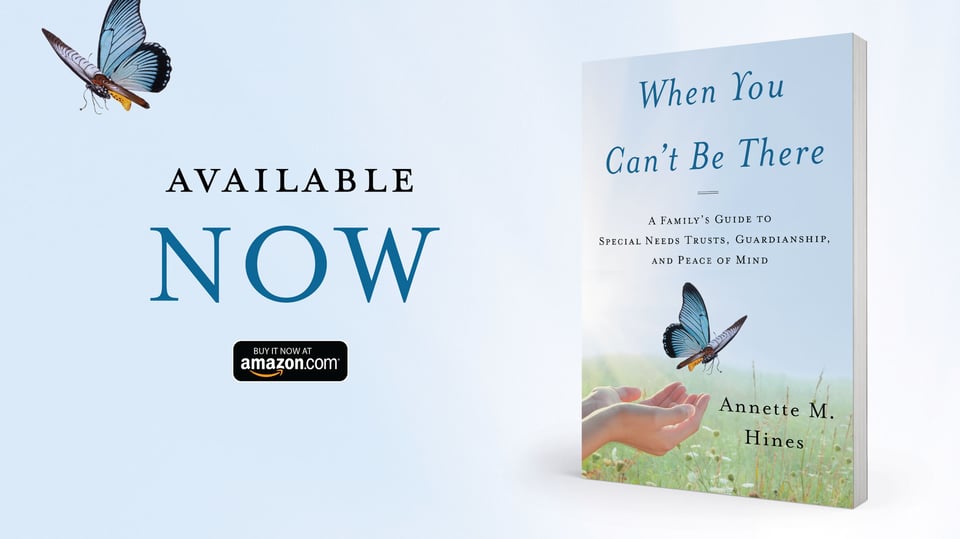
The following is adapted from When You Can’t Be There by Annette M. Hines.
Before touching any paperwork, I ask every new client one question: “Tell me what you want to accomplish. Not what documents you think you need. What do you actually want for your child, your family, and yourselves?”
When I asked John and Alice, Alice admitted she didn’t know where to start for their daughter, Megan. John worried that Megan was vulnerable and wanted her protected when he could no longer watch out for her. And Alice worried about their son, Connor, who had grown up in the middle of it all and would be stuck carrying everything if something happened to them.
Without realizing it, they had named the three most important areas of planning.
The Real Answer to “Why Plan?”
Most families walk through my door thinking they need a Special Needs Trust. They do. But a trust is only one piece of a much larger picture.
Here is the direct answer: if you don’t take control and plan, the critical decisions about your child’s life won’t be made by you, your child, or the people you trust. They will be made by judges, doctors, hospital administrators, and government agencies.
In more than twenty years of practicing law, I’ve seen these professionals try to do right, but they work with limited resources, limited time, and very limited information about your child and your wishes. A comprehensive life plan puts the decisions that matter most into the hands of the people who love your child.
Alice’s own family proved the point. Her parents had a trust for her brother, yet she was still overwhelmed. Her father was gone, her mother had advanced dementia, and she had inherited a role she was never prepared for. The document existed, but nobody had the conversation. Having a document is not the same as having a plan.
What Happens When You Don’t Plan
Consider Abby. Her mother left everything to Abby and two of her siblings, and nothing to their sister Arlene, who had significant special needs. Mom trusted the others to care for Arlene. I call this a “Shadow Trust,” an informal, unenforceable arrangement I see constantly.
The family wasn’t rotten. There was just no structure. Because Mom gave away a Cape Cod cottage during her life, the kids lost a stepped-up tax basis and paid nearly $100,000 in avoidable taxes. When one sister died, joint accounts passed to the surviving siblings and cut her teenagers out entirely. When a brother divorced and went bankrupt, his ex-wife walked away with family money. Arlene was left with far less than she needed.
None of it was what their mother wanted.
The Three Pillars
Every special needs plan rests on three pillars: People (who’s in charge and who’s in your Circle of Care), Financial (assets, trusts, and public benefits), and Programs and Supports (housing, work, medical, and social needs). Together, they form a complete framework, not just a stack of papers.
…
For more advice on protecting a loved one with special needs, you can find When You Can’t Be There on Amazon.
Annette Hines is an attorney, author, advocate, global TEDx speaker, and host of Parenting Impossible, the special-needs survival podcast. A special-needs mom, she understands, firsthand, the complexity of legal systems and processes for parents of children with disabilities. Amid the grief of losing Elizabeth, her beloved daughter, Annette felt that she was given a second chance to use her extensive legal expertise to help families who are experiencing the same challenges she faced. She authored the story of her and Elizabeth’s powerful journey of hope in her memoir, Butterflies and Second Chances.

Lex Statzer
Lex Statzer, Publishing and Marketing Lead at Scribe Media
Ready to Write Your Book?
Scribe has helped 2,000+ authors turn their ideas into published books. Schedule a free consult to get started.
Schedule a Consult