Will the book sound like me? Here is how your voice survives.
The honest answer is yes, on one condition: you have to show up for the interviews and read the pages. This page walks through every gate where you hear your own voice before the book goes further, and names what a ghostwriter cannot do.
Yes, if you do the interviews and the reviews: the book is built from your recorded words, and you approve the voice at two gates.
Four things decide whether a ghostwritten book sounds like its author, and each one is a step you can see and stop.
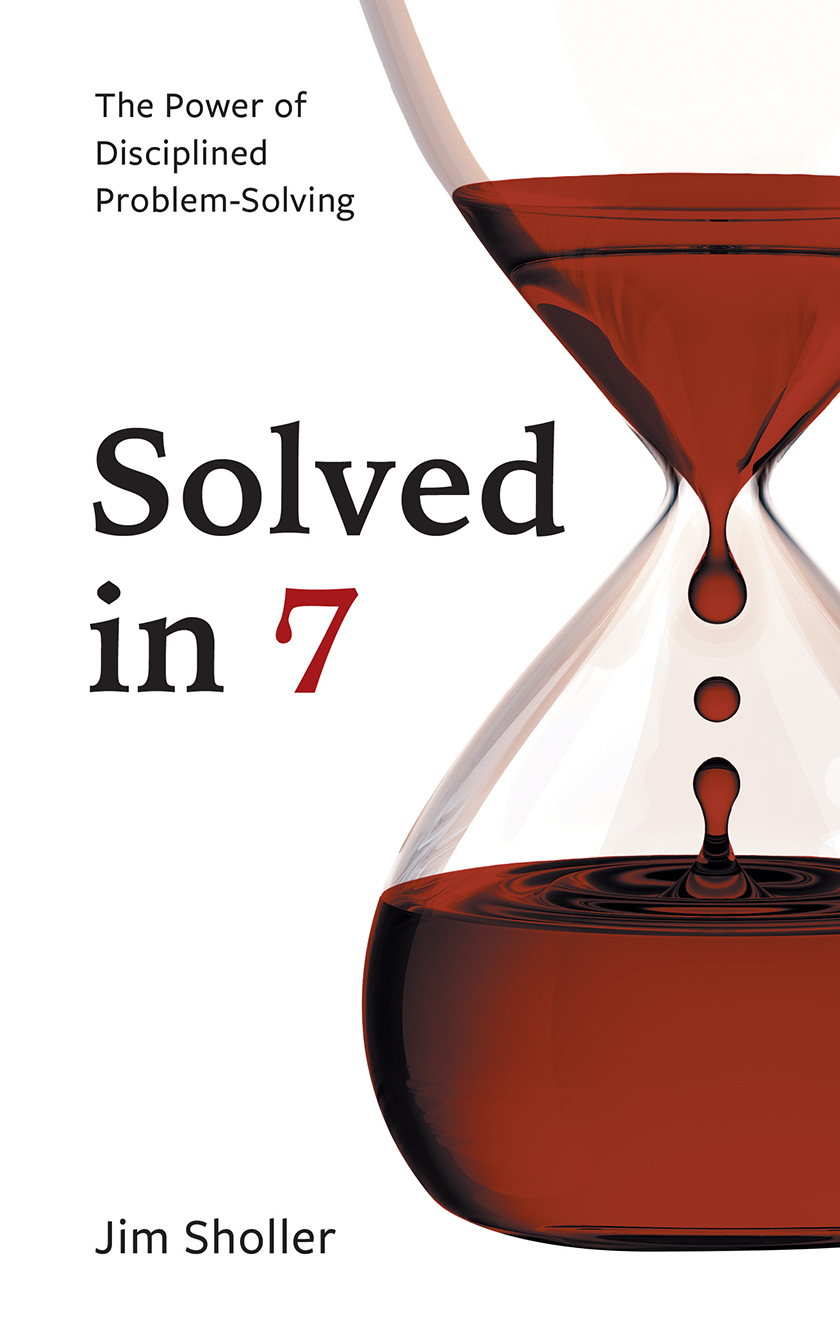
You choose the writer. Pairing starts with questions about how you talk and work. Three senior Scribe writers are hand-selected, you interview all three and pick one. Gui Costin has written two books with Scribe and says a ghostwriter who kept him honest and on point is what got the first one across the finish line. If the fit is wrong, we re-pair you.
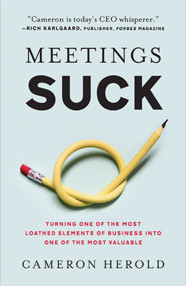
The book comes out of your mouth first. Four roadmapping sessions set subject, reader, structure and tone. Then ten recorded two-hour interviews your writer drafts from. Cameron Herold read an early submission of Meetings Suck, said it did not sound like him, and asked for a rewrite in his voice. The next version did. His speaking fee after his Scribe books rose to $30,000 from $15,000, by his account.
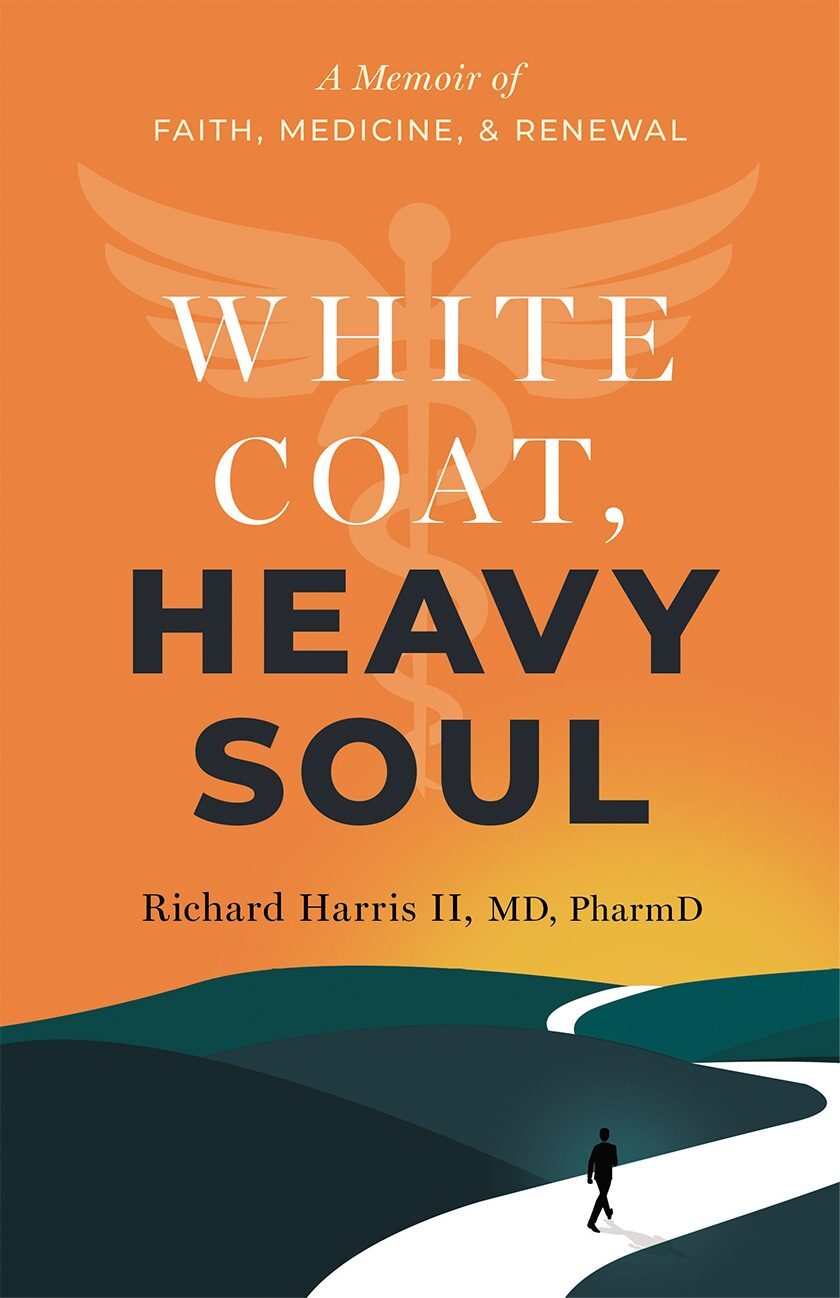
You hear the voice before the book exists. Preview pages come after the first interviews, and a second voice check at the midpoint. The draft then returns in four sections, revised line by line until every line is approved. Dr. Richard Harris says the first edited draft hit him hard, until he saw the editor was making his work better. His verdict: five-star, and he would do it again.
When it will not sound like you. If you skip the interviews and the reviews, it will not; the voice comes from the roughly 50 hours you put in. If you want to write every word yourself, you need an editor, not a ghostwriter; Scribe Publishing is built for that. And with no business, practice or platform to feed the book into, a $56,000 book is the wrong purchase.
Why do some ghostwritten books sound like the author and others do not?
Adam Skolnick, a journalist and ghostwriter of about twenty years, describes the job as being an open channel so the author's voice comes through first. He chose Scribe to publish his own novel, American Tiger.
Tod Stillson says his Scribe editor treated the work like a coach, not a cheerleader, asking hard questions and pushing him to rebuild the story. He says the result was more readable than anything he would have shipped alone.
Gui Costin admits he blew off meetings and skipped chapter reviews on his first Scribe book, and it felt like walking through mud. His second went more smoothly because the interviews and structure were set up immediately.
Michael Erath on re-recording his own audiobook after hearing a voice actor read his story.
What happened when the voice held
Every number below comes from a published success story on scribemedia.com, and each one links to the page it came from.
These are the best documented results among authors who told us. Every one of them had a business or a stage the book could feed. Most authors do not track a number, and a book without a business behind it should not be bought for a financial return.
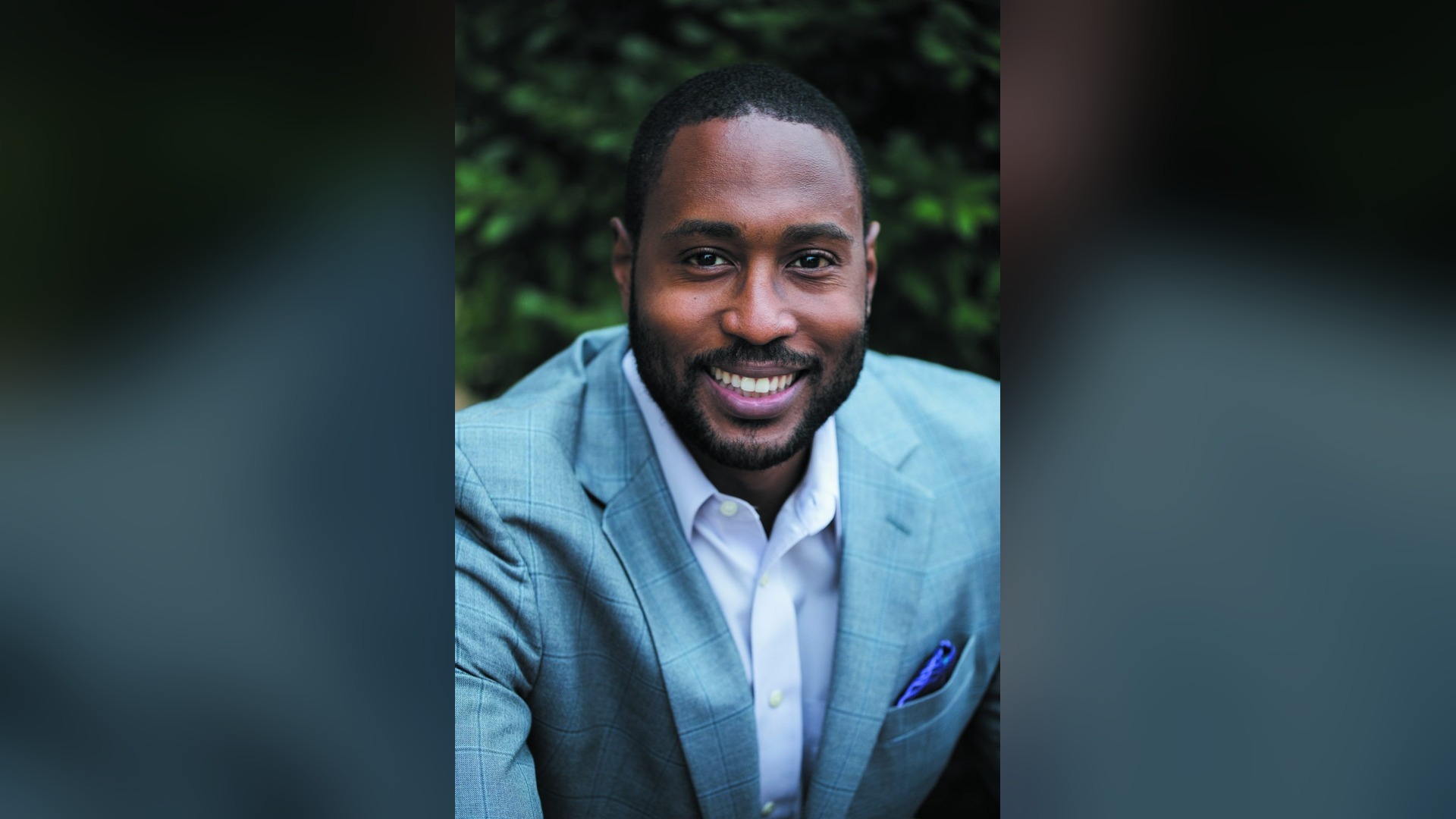
Dr. Richard Harris, a physician who had watched a hospital system strip his autonomy, would not hand over control of his book. He brought eight years of talks and his own draft to Scribe. The first edited draft hit him hard, until he saw the editor was making his work better. His verdict: five-star, and would do it again.
He wrote a thousand words a day for seven months. One Scribe editor's note, recap every chapter, made it better and it stayed his.
Read the story →A ghostwriter interviewed him about fifteen years of lessons and kept him honest and on point. He says he could not have done it alone.
Read the story →An early submission did not sound like him. He asked for it rewritten in his voice, and the next version read like him.
Read the story →He and his coauthor told Scribe they were not trying to sell copies. The editors taught them the real title is the subtitle.
Read the story →He arrived with ideas and scribbled notes everywhere. Scribe, in his words, helped him write the book that was inside of him.
Read the story →You would be in good company
From first-time authors to number-one bestsellers, these are books our teams helped create.
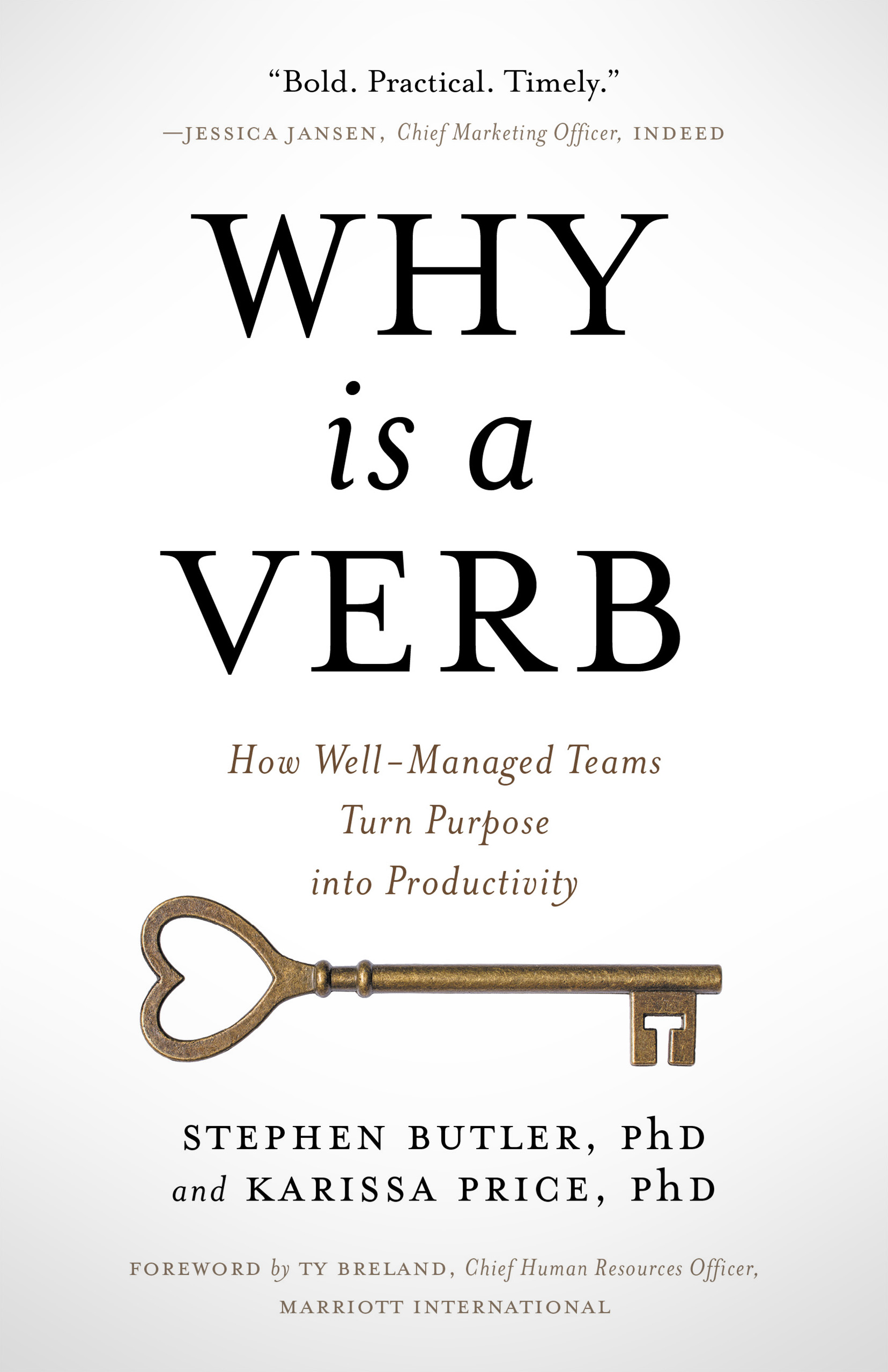
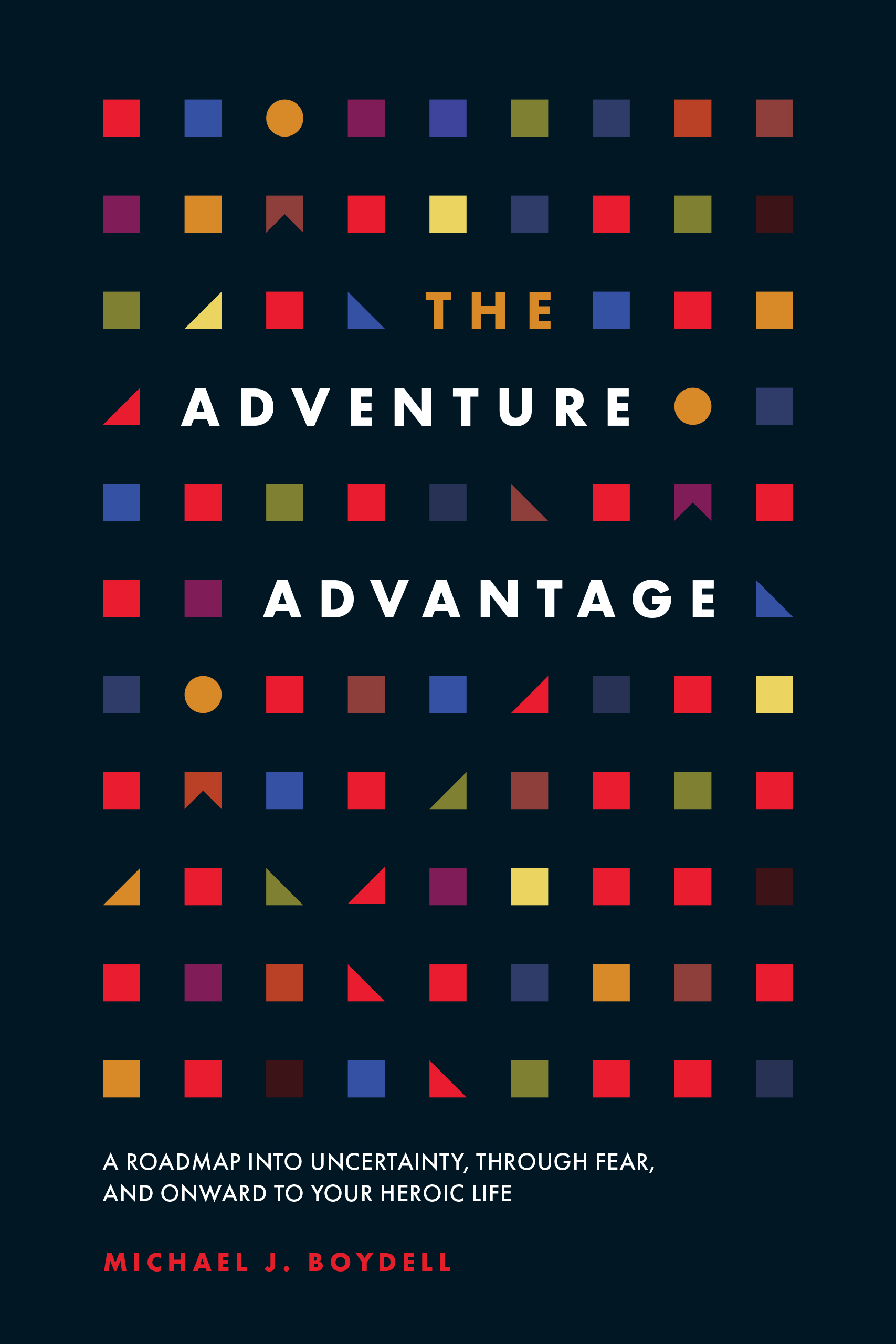

The questions people ask next
By building the book out of your own recorded words. 10 interviews of 2 hours each are recorded, and your writer drafts from them, so the stories, the phrasing and the opinions start as yours. Then you check the voice twice before the full draft, on preview pages after the first interviews and again at the midpoint, and you revise the draft line by line until every line is approved. Cameron Herold sent one section back for exactly that reason, and the next version read like him.
Yes, and you should. After you answer pairing questions about how you talk and how you like to work, 3 senior Scribe writers are hand-selected for your project. You interview all three and choose. Many senior writers have been with Scribe 5 to 10 years, and many have traditional publishing credits and MFAs. If the fit turns out to be wrong once the work starts, we will re-pair you.
Then it gets rewritten, and nothing proceeds until you approve. That is what the two voice checks are for: preview pages after the first interviews and a second check at the midpoint. After the full draft, revision runs in 4 sections, line by line, until every line is approved. Gui Costin has written two books with Scribe this way and says a ghostwriter who kept him honest and on point is what got the first one across the finish line.
No. The three writers you interview are senior Scribe writers; many have 5 to 10 years with Scribe, traditional publishing credits and MFAs. Every project also has a publishing manager from day one, an executive editor and quality assurance. Dr. Richard Harris says the first edited draft hit him hard, until he saw the editor was making his work better rather than taking it over. His verdict on the whole experience: five-star, and he would do it again.
About 50 hours in total over nine to twelve months, one to two hours a week. Roughly 20 of those hours are the recorded interviews. The rest are the four roadmapping sessions, the two voice checks and the line-by-line revisions. Writing and publishing a book alone runs 300 hours or more. The hours you spend reviewing are the hours that keep the book yours, which is why skipping them is the one sure way to end up with a book that does not sound like you.
Scribe Professional, where a writer builds the book from your interviews, is $4,667 a month for twelve months, $56,000 total, with a $1,000 deposit at signing that comes off the first payment. If you have written the manuscript yourself you do not need a ghostwriter: Scribe Publishing edits, designs, records the audiobook and distributes it for $4,833 a month over six months, $29,000 total. You keep 100% of the rights and royalties either way.
When Scribe is the wrong choice
We would rather say this here than on a call.
- You want to sell copies as the business. A book that has to earn its keep on royalties is a different project, and this is not it.
- You cannot give the book one to two hours a week for nine to twelve months. Without the interviews and the page reviews it will not sound like you, whoever writes it.
- There is no business, practice or platform to feed the book into and this is personal money. A $56,000 book should not be bought for a financial return.
The real numbers, before you talk to anyone
Every package is one price, paid monthly, with a $1,000 deposit at signing that comes off the first payment. You own every right and every dollar of royalties. The monthly figure and the total are both here, before any call.
You have written the manuscript. Editing, cover, interior, audiobook and global distribution are handled for you.
You talk, a Scribe writer turns about twenty hours of interviews into your book (about 50 hours of your time in total), and it is published under your name.
A premier ghostwriter and a dedicated team, built to the standard of a major-house book: twenty in-depth interviews, research, ten revision calls, and a $25,000 launch budget.
Five coaching calls over four to six weeks produce your North Star, table of contents and chapter roadmap. You keep all of it. If you continue into Professional or Elite, the entire $5,000 comes off your book.
Ask to see sample pages
This is a 15-minute sales conversation. We tell you the price, $4,667 a month for twelve months ($56,000 total) for Professional, and whether you fit, and we will say so if you do not. Bring your question about voice and we will walk you through how the writer pairing and the two voice checks would run for your book. We reply during business hours, usually the same day.
A book sounds like its author when the author stays in the room
The fear behind this question is reasonable. You have spent years learning to say things a certain way, and a book that says them some other way is worse than no book, because people who know you will notice. Cameron Herold, who had spoken hundreds of times, said exactly that before he started: if someone who had heard him speak picked up the book and it did not sound like him, the whole thing would flop. The question is not whether that risk exists. It is whether the process puts you in a position to catch it early and fix it while it is still a few pages.
That is what the gates are for. You pick your writer from three. Four roadmapping sessions settle the subject, the reader, the structure and the tone before a sentence is drafted. Ten recorded interviews put your stories and your phrasing on tape. Preview pages come back after the first interviews, and a second voice check comes at the midpoint, so a drift is caught in pages rather than in a finished manuscript. Then the draft returns in four sections and you approve it line by line. Herold caught his drift at an early submission, asked for a rewrite in his voice, and got it.
There is one thing no ghostwriter can do: sound like an author who is not there. If you skip interviews or wave through pages you have not read, the book will sound like a stranger with your name on the cover. Roughly 50 hours over nine to twelve months is the price of a book that reads like you. If you would rather write every word yourself, Scribe Publishing is built for a finished manuscript. The next step is a 15-minute call where we tell you the price and whether you fit, and we will say so if you do not. Ask to see sample pages.