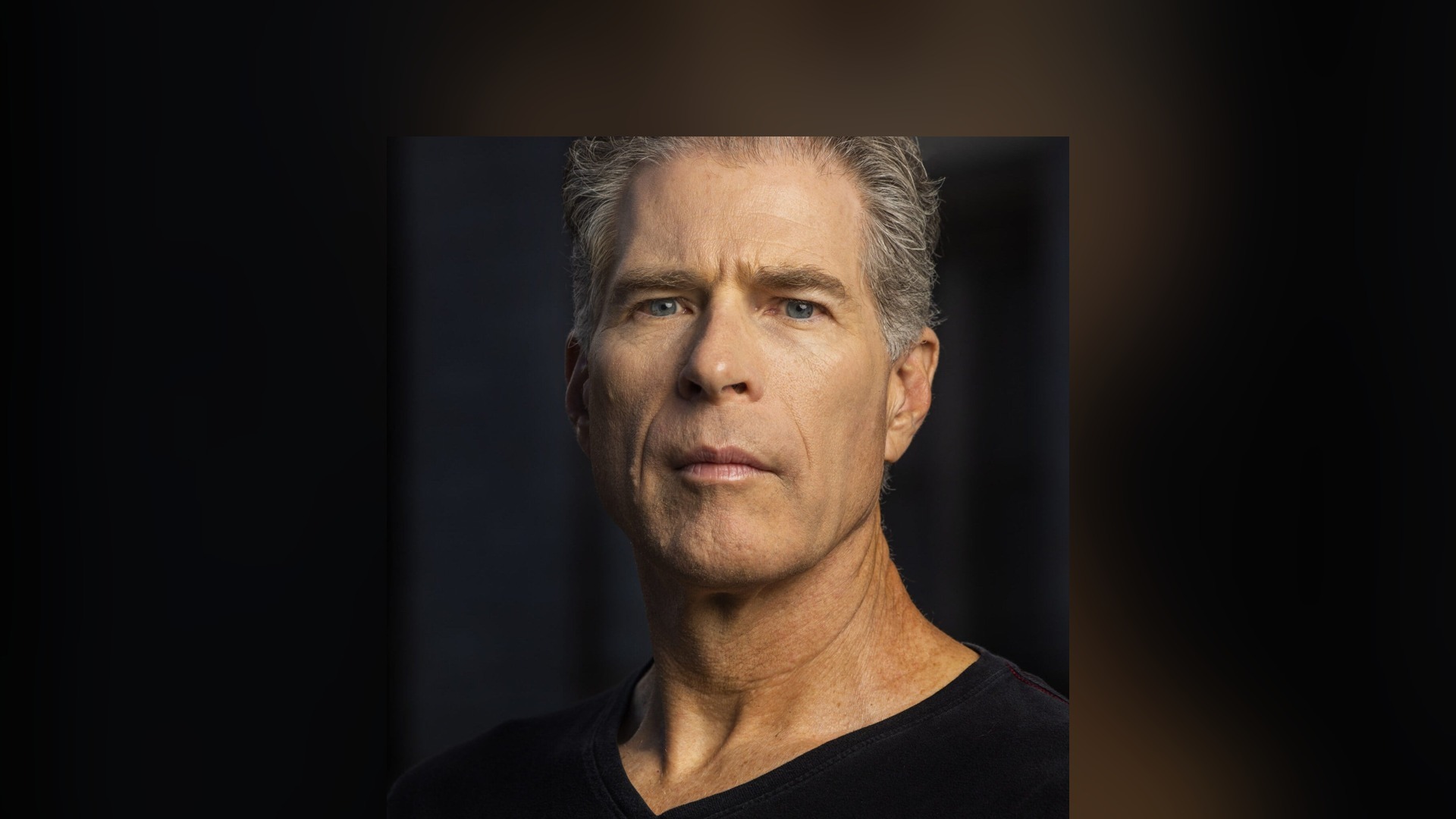
Paul Zak's Immersion Booked More Paid Corporate Talks Than the Book Cost in Its First Month

“I think there’s nothing better than a book from a branding perspective.”
Paul Zak, author of Immersion
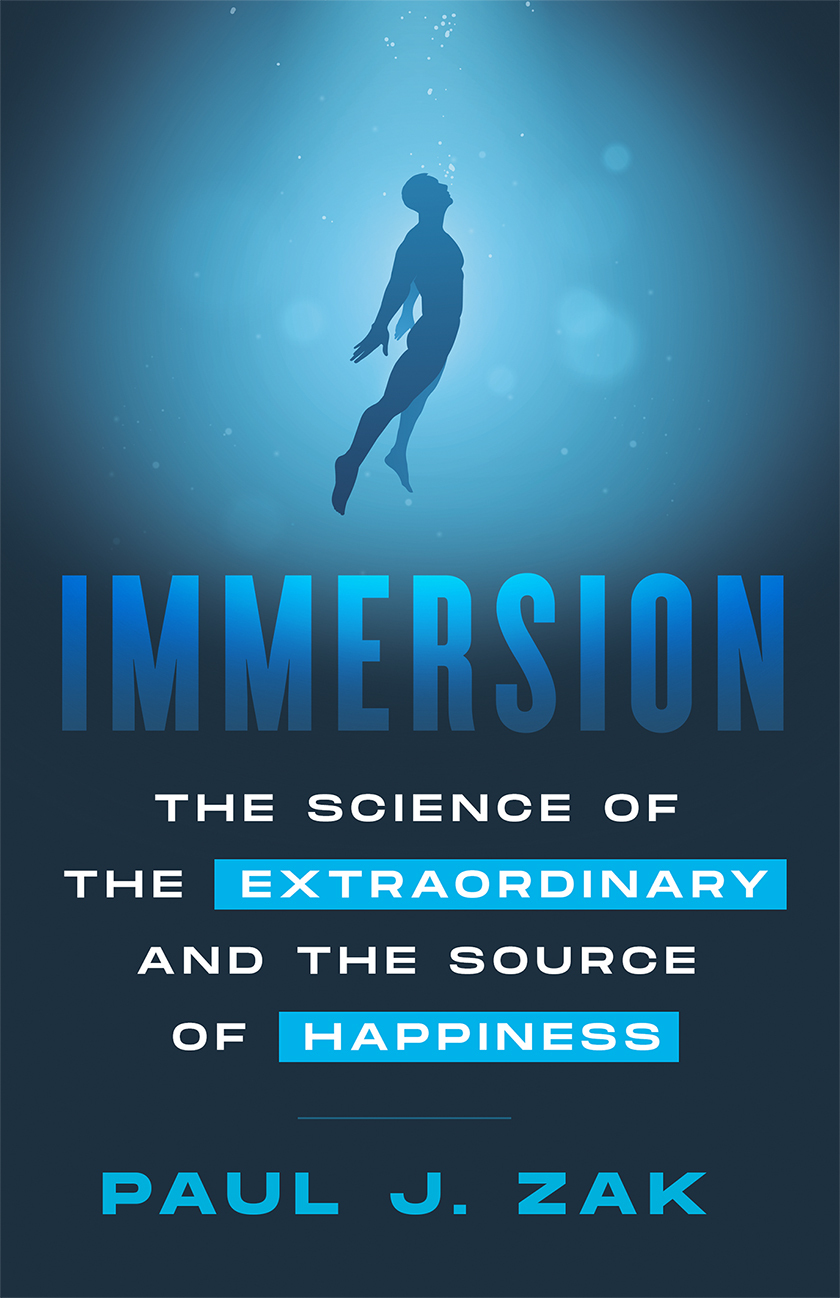
Paul Zak is a professor at Claremont Graduate University, where his behavioral neuroscience lab has had more than 100 PhD students, and the founder of Immersion, a company built to measure what the brain values in an experience. Within the first month of Immersion’s release, he booked more paid corporate talks than the book cost.
Ten years of research, packaged as one book
Clip · Paul Zak on turning a research program into a book · 38s
Paul’s lab runs 15 to 20 projects a year. The ones that work become research programs that last eight to ten years, and by the end there is a portfolio of findings about what causes a behavior and what inhibits it. That is where a book comes in.
“No one wants to read 12 or 13 or 14 scientific papers, but if you can package it in a book, you can again share this with a larger audience.”
Paul Zak
His first book, The Moral Molecule, came out of his early research on oxytocin. Immersion closed out the next program, and it started with a story Paul says he could not have made up: an intelligence operator, just back from interviewing terrorists in Afghanistan, wanted to know how to use oxytocin to get more intelligence from people. That question led to experiments that identified a network in the brain Paul named immersion, and then to a company to commercialize it.
Narrative first, science light
Clip · Paul Zak on testing a movie trailer with Sony · 24s
Paul’s rule for his books is narrative first and science light. Because his technology is used on six continents, by movie studios, theaters and educators, his lab keeps getting pulled into situations most researchers never see. One of the stories in the book: Sony brought him to its studios in Culver City, California, to help improve the trailer for the Transformers movie Bumblebee.
“I think every good story starts with, in my case, I met a dude.”
Paul Zak
Each chapter of Immersion ends with five things a reader can do. Some authors think a clear book should not need a summary. Paul disagrees.
“Your brain is a very lazy organ because it’s so expensive to run at full speed. So let’s make it easy for you.”
Paul Zak
The book paid for itself in the first month
Clip · Paul Zak on what Immersion produced · 34s
Paul describes the book as a triple win. It put a ten-year research program to bed. It promoted his company, also called Immersion. And it filled his speaking calendar.
“I remember when that book came out, which is 2022, within the first month of the book being released, because you guys [at Scribe] are so smart on marketing, helping us market our books, I booked more paid corporate talks than the cost of the book in the first month.”
Paul Zak
He is candid about where the money in a book comes from.
“Most people are not going to make money from the book itself. I think that’s fair to say. There’s some exceptions [...] but you can make money by promoting your business, by promoting your ability to speak and communicate, and that gets you on podcasts.”
Paul Zak
After 20 years on the road giving talks, Paul also wanted something new to talk about. His oxytocin research is still his greatest hit, but he believes authors have to keep recreating themselves, and he now writes a book every two to three years.
Why he chose Scribe Media after a traditional publisher
Clip · Paul Zak on Scribe Media versus traditional publishing · 30s
Paul’s first book was with Random House, which asked him to record the audiobook himself. He had to find voice people he knew in Hollywood to train him. For his last two books he worked with Scribe Media, and he points to two things: an outside editor, and control.
“I think the Scribe Media à la carte model is so valuable, which is you need an outside person, an editor who will go through and go, you got to cut this thing down.”
Paul Zak
And the final call is his.
“I’ve published with traditional publishers who kind of dictate to you. I like having the control to say, no, actually I really need this chapter in there. I need these four pages. As opposed to having to fight with someone who goes, well, we own your freaking IP, so we’re going to do whatever we want with it.”
Paul Zak
The same goes for audio. Paul does all of his books in audio, and with Scribe Media he chose his narrator: the same voice actor read his last two books.
Every book is a sitcom
Clip · Paul Zak on structure and why every book is a sitcom · 42s
Paul’s advice for anyone considering a book starts small. Take one customer story or odd anecdote, turn it into an 800-word blog post, and share it. That is how he found his own voice. Most of his Psychology Today posts got about a thousand reads, but one about getting conned out of a hundred dollars at a gas station as a kid reached a quarter million, and showed him how to be both the narrator and a character.
Then comes structure.
“The key to writing a book is structure. Once you have structured what the pieces are going to go in, then it just plug and play.”
Paul Zak
A friend who writes full time once told him that writing a book is like writing a sitcom: you need a hook at the end of every chapter, and at every section change. Paul thinks of it as weaving a rug, leaving threads open and closing them chapters later.
“You’re writing a sitcom, every book’s a sitcom. It’s got to have interesting characters. They had to have a crisis and then you got to close the loop. It’s got to be a couple of laugh lines in there.”
Paul Zak
He is now working on book number five, an idea he has already tested on stage, and he plans to talk with Scribe Media about it. His last word for anyone on the fence:
“I do think everyone probably has a book in them and having different options on how to bring that out.”
Paul Zak
Ready to Write Your Success Story?
Join 1,600+ authors who have published with Scribe Media and transformed their careers.
Schedule a Consult
Course
Write and Publish Your Best Possible Book
Six modules. 28 lessons. Everything Scribe has learned helping 2,000+ authors, organized into the same process we use with our professional clients.
A Wall Street Journal Bestseller
The Scribe Method
No catch, just everything you need to write, publish, and own your book.