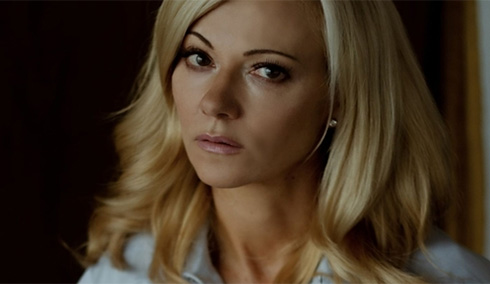
Why Sarma Melngailis Turned Down Traditional Publishing to Control Her Own Story
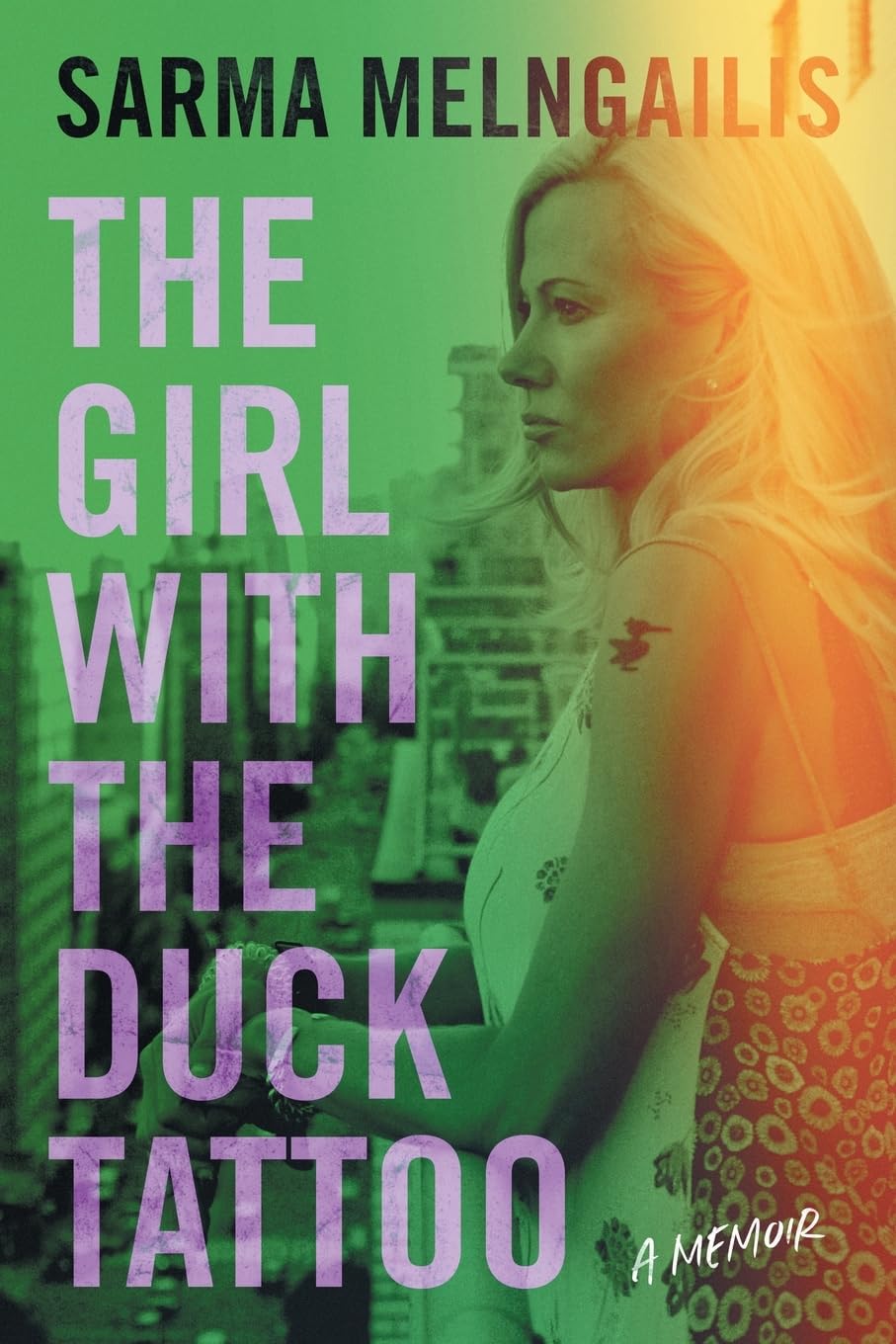
Fun surprises since the book
“I felt really strongly about wanting to have control over my story.”
— Sarma Melngailis, Author of The Girl with the Duck Tattoo
Sarma Melngailis had already watched other people edit her life into whatever story they wanted to tell. So when it came time to put her own account into the world, she refused to hand over control again. She turned down traditional publishing, chose to go independent with Scribe, and wrote every word herself.
From Celebrity Hotspot to Rikers
Sarma is the founder of the New York restaurant Pure Food and Wine and the brand One Lucky Duck. Before everything fell apart, her place was a "celebrity hotspot" with a loyal following and constant press. She had worked in private equity, built a beloved restaurant, and already published two cookbooks with a major publisher.
Then one man entered her life, and what she later called a "cult of one" destroyed her business, her reputation, and eventually led to criminal charges and four months at Rikers. She knew almost immediately: she would write the story.
When "Documentary" Didn't Mean Truth
Clip · Sarma Melngailis on the Bad Vegan documentary · 29s
Sarma began her memoir right after getting out of jail and spent about eight years on it, with long breaks. Midway through that process, she agreed to participate in a docuseries that was later sold to Netflix: Bad Vegan. She believed "documentary" meant truth.
What she got instead was two marathon interview days, one around 12 hours, with no editorial control. Recorded phone calls with the man who harmed her, done at the filmmakers' request. Editing that moved her words around and made cooperative recordings look like "hot mic" moments. A story cut so viewers could walk away thinking completely different things about her. The filmmakers were paid; she wasn't. She was left with the same debt and a new flood of judgment and confusion.
"I had to go online and explain what they left out and how misleading it was. I have all the receipts, but I had to be on the defensive."
Sarma Melngailis
When Bad Vegan came out, she already had a rough draft of the book written. That's when the project changed. The memoir went from personal to imperative. She needed her real story, in her own words, in the world.
Why She Rejected Traditional Publishing
Clip · Sarma Melngailis on keeping control of her story · 29s
Agents and publishers came calling. She listened. On paper, a big deal would have helped, and she openly says she could have really used the money from an advance. But every conversation set off alarm bells: a big publisher could tell her what she could or couldn't include, force cuts for length, decide what was "too much" or "can't be said," and put the timing on their schedule, not hers.
After seeing what happened with the docuseries, she refused to hand over control again.
"I knew I didn't want to be subject to anybody else telling me what I can and can't put in there, or how long it has to be, or 'you can't say that, take this out.' I felt really strongly about wanting control over my story."
Sarma Melngailis
She chose to go independent.
Why She Chose Scribe
Clip · Sarma Melngailis on why she chose Scribe · 48s
Sarma first heard about Scribe from a podcast with David Goggins. She had already read his first book. When she learned he had almost signed a traditional deal, pulled back, and then chose to go independent with Scribe, it validated her instinct.
"When I found out that he did that, it made me feel so much better. If Goggins did it, I felt even more validated that this is the way I want to go. That's kind of how I came to Scribe."
Sarma Melngailis
What mattered to her was keeping creative and editorial control, having a partner to help her refine, not reshape, her voice, and owning the decisions about length, content, and how the book would look, with flexibility on timing and formats like hardcover, paperback, and audiobook later. Looking back on the full process, she said:
"I can say with 100% honesty that it was great every step of the way. If it was just you and me, not on a podcast, and you said, 'Just tell me what we could have done better,' I'd say: I don't know. I can't think of anything."
Sarma Melngailis
Turning an Enormous Draft Into a Page-Turner
Clip · Sarma Melngailis on the Scribe experience · 39s
By the time she came through editing, her first draft was about 300,000 words and the final book is about 200,000 words. The printed book runs roughly 650 pages. It's long on purpose.
She recovered and included a huge amount of real digital communication with the man who controlled her: messages, emails, and more. Some of his language is repetitive and relentless, exactly as it was in her life.
"If I cut much more, I'd lose that element of taking the reader along the ride with me. That 'oh my God, again' feeling is what it was actually like."
Sarma Melngailis
The result is a book that reads, in her words and her editor's, like "memoir, true crime, and psychological thriller."
A Book That's Already Changing Lives
Clip · Sarma Melngailis on readers who feel less alone · 44s
Since the book came out, Sarma hears three things over and over: "I couldn't put it down." "It's the first book I've finished in years." "I finally understand how something like this can happen." Readers who have been through manipulation say the book makes them feel less alone and less "stupid." Families are using it to better understand loved ones. And at least one person she knows has left a harmful relationship after recognizing their own situation in her story.
She's now continuing podcast and media appearances to share the story, working on a new docuseries that both tells what really happened and explains the psychology behind it, planning a follow-up book that includes her time at Rikers and more analysis she cut from this memoir, and working toward restarting her business, with a large group of people rooting for her to rebuild.
Through all of it, the central thread is the same. After having her life edited by others, she chose a path where she owns every word.
Ready to Write Your Success Story?
Join 1,600+ authors who have published with Scribe Media and transformed their careers.
Schedule a Consult
Course
Write and Publish Your Best Possible Book
Six modules. 28 lessons. Everything Scribe has learned helping 2,000+ authors, organized into the same process we use with our professional clients.
A Wall Street Journal Bestseller
The Scribe Method
No catch, just everything you need to write, publish, and own your book.