Ron Thurston on the Human Pride Launch Playbook and a Sponsored Airstream Book Tour
✨ Episode Summary
Ron Thurston spent his career in retail leadership before he wrote Retail Pride, and his speaking and podcasting went on to become a sponsored book tour across the country in an Airstream. Fresh off the launch of his second book, Human Pride, he came on Author Hour to share the playbook he used, from a six-month teaser campaign to a hundred pre-readers and a Goodreads giveaway.
The sponsorship opened doors he says he could not have opened alone. Guest number four on his Retail in America podcast was Sarah Jessica Parker, filmed with a full crew in front of a live audience of female entrepreneurs.
His closing message to authors: “It’s not too late to say, Wow, I have a lot of life experience. It’s time to share that with the world.”
⭐ Top Moments
- It is not too late to write the book. Ron wrote his first book at 55, and he told Eric that experience is the reason to start now. “It’s not too late to say, Wow, I have a lot of life experience. It’s time to share that with the world.”
- A sponsored Airstream book tour. Ron traveled the country in an Airstream with sponsors including Spotify, and he built the tour around what each sponsor needed. “It became a book tour, a sponsored book tour from several brands, traveled across the country in an Airstream, hosted events.”
- A sponsor opened the door to Sarah Jessica Parker. She was guest number four on Retail in America, filmed in front of a live audience of female entrepreneurs. “That would never have happened without the sponsorship, because I can’t just call her people and say, hey, does she want to be on the show?”
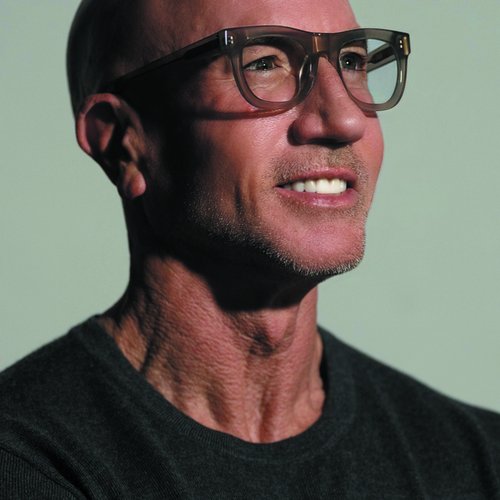
Ron Thurston
Ron Thurston is a retail leader, keynote speaker, and podcast host with more than thirty years of executive experience leading teams for iconic brands including Apple, Gap, West Elm, Bonobos, Tory Burch, and Saint Laurent. Rising from a part-time sales associate to a vice president of stores, he is a passionate advocate for the people who make retail thrive. He is the author of Retail Pride: The Guide to Celebrating Your Accidental Career. In 2021, he traveled across the country in an Airstream to meet and interview hundreds of retail employees, store managers, and brand leaders.
★ Scribe Case Study
Ron Thurston’s Two Scribe Media Books Became a Speaking Career and a Sponsored Airstream Book Tour
Ron Thurston led retail teams for more than thirty years, then wrote Retail Pride and Human Pride with Scribe Media. Today he keynotes for brands like Boot Barn and has t…
📚 Books by Ron Thurston
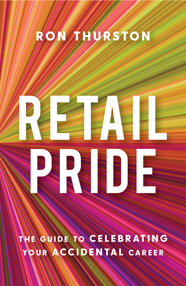

In this episode of Author Hour, Eric Jorgenson sits down with Ron Thurston, the retail leader and author of Retail Pride and Human Pride. They talk about how a second book grew out of the questions Ron kept hearing, how he launched it with pre-readers and a Goodreads giveaway, and how his speaking and podcasting grew into a sponsored Airstream book tour.
Transcript
[0:00] Eric Jorgenson: Well, it's a very huge pleasure to talk to you, Ron, the author fresh off your second book launch, Human Pride, expanding from your first book, Retail Pride. And I want to, you know, I usually start by asking people how they decided to write their book, but in your case, the question must be, how did you decide to write your second book?
[0:19] Ron Thurston: You know, Eric, it was, um, maybe longer than I expected. It's been almost five years. And to the idea here of like, let's keep, let's keep the momentum, but Retail Pride had such is still today, such a strong following and, and had such momentum. I didn't really feel the need to do it again, but what I felt was in the, the conversations about retail, which is my. my entire career also apply more and more to what's happening in the world, which is about human connection and spaces that we create in job search and in leadership and all of it doesn't just apply to retail. So it's some of the same ideas of how do you show up with pride? How do you build human connection? But in a more broad sense of really optimizing your human potential, versus Retail Pride was about celebrating accidental careers. It's a shift in the conversation to optimizing who you are and how you lead and how you build the life around you.
[1:31] Eric Jorgenson: I really like that phrase accidental career. I think that's an under appreciated thing. I think most careers are accidental to a huge degree. Is that your story?
[1:41] Ron Thurston: You know, in retail, it's really common because there's no, and when I reference retail, you can perceive retail as econ businesses and wholesale businesses. I think of it as stores and there's no real education that would say I'm going to be great at running stores. The job is very much like you learn it on the job. You have hopefully great leaders around you. You work for great brands that provide learning and development. So it's very like on the job and one out of six people in the U S their first job is in retail. And it, and it turns into one out of four people in the U S work in retail. And so it is this almost accidental, like I started in college or I had a part-time job or somebody knew somebody else. And then all of a sudden it's become this. wow, this is really great. I run a multimillion dollar business. I'm an entrepreneur. I'm an HR manager. I'm a visual merchant. I'm in charge of service. There's this love that builds and commitment around the success of this industry that is pretty unmatched. Then again, we don't ask that anyone comes with any particular college education. And in fact, it skews often under, under skilled or under educated that way.
And that's a plus like that. We look for that of like energy and drive and, um, and like just a let's go attitude.
[3:13] Eric Jorgenson: I love that okay so that is the sort of ethos of Retail Pride your book your first book from five years ago and Human Pride the subtitles optimizing potential in a digital job market you couldn't have picked a better moment to publish that book I mean. That is very much the conversation that I feel like is happening in every business and every dinner table, like right now around the world.
[3:36] Ron Thurston: Everywhere, everywhere. And part of it was, you know, I have the pleasure now because of Retail Pride, that I get to be on stage and go to a lot of conferences and speak about the importance of human connection. What I continued to see the last, I'd say 18 months, it really ramped up. Everyone on stage talking about AI becomes almost a joke of how often can you say AI in a 30-minute keynote. But we're not talking about people. We love the shiny object. We love the idea of what AI can do for us, support us, create efficiencies. We love all of that. But the impact on people is becoming more and more clear of, and not necessarily in a positive way. until leadership today is really leaning even more heavily into human connection. Don't just ramp up the forms that you need to do or the kind of statistics that you need to build because you can do them faster. Actually create content more quickly and then give yourself more time to spend more time with your team. And open up just kind of your, your calendar in order to create more space to have human conversations. And I don't hear enough of that on stage. I don't hear enough about how we can support people entering the workforce, how.
career paths are not as linear as they were, how there are new jobs, and as well as the decline of other jobs. It's a reality that's happening, and we have to pay attention to that.
[5:30] Eric Jorgenson: How did this idea grow from seed to book over the past, it's usually a couple year journey. What did that look like for you?
[5:41] Ron Thurston: So one of the things I've done in addition to kind of growing the speaking business and other parts of being a great author, which is a huge reason and why I'm such a proponent of doing it through Scribe is I built a retail recruiting company. So part of what's also broken in the industry is how people find work. And that is, again, it's leaning very AI heavy. A lot of first job interviews are AI based questions that just pop up on a screen. There are major brands that have now shifted entirely to first interviews via AI. And so while you're building a recruiting company, particularly in retail, it is about the personality and connection and warmth and energy and dry. You look for all those things and that often can't be found through ATS, keyword searches, you know, all of the, the technology that almost blocks you from getting in. So I saw this massive opportunity to help the job seeker and at the same time help the leader. So the book is really, it's two parts, plus an extra chapter on optimizing yourself, but half of it's for the job seeker, half of it's for a leader.
That was not my goal to be honest initially, but I saw the need and the questions that I continued to get about, Hey, how do I make a name for myself? How do I continue to? lean into what a new career could look like. How has my team, my team is different now. Maybe you've been a leader for 20 years. Today, you've got four generations of people working in the same place. You have this idea of how do I stand out in a world of AI. How do I lead differently? All of that continued to just surface. For me, I kept writing about it, and that's what it became, is this kind of half and half depending on where you are in your life.
[7:43] Eric Jorgenson: I really love that sort of organic growth, right? You get these questions, you start writing posts, you start answering questions, you adapt your keynote, and then suddenly, suddenly after years of organically answering questions and accumulating knowledge, you see these patterns and you're like, this is how it clicks together into, this is where the boundaries of that book are that start to reveal themselves.
[8:09] Ron Thurston: It's true. There was actually a whole other part about what other industries could learn from retail because I'm so deep in it. I understand its value and I've been able to speak at conferences of this is how we, that are non-retail, of hey, this is how we do it here. And they're in love with the idea, whether it's coaching, feedback in the moment, creating entrepreneurs, like building business, understanding your P&L, customer experience, like all of that in one idea for any industry is real, but the reality is the parts about leadership and job search became more relevant than the lessons from retail. So I'll take those, you know, 10,000 words and do something else with them. Uh, cause it's good work.
[9:00] Eric Jorgenson: Nothing's wasted.
[9:01] Ron Thurston: Yeah. Nothing's wasted. You just say, Hey, you know, I appreciate the feedback and let's, let's shift it. And you know, that's what having a good editor as part of your book journey is for.
[9:10] Eric Jorgenson: Yeah, it gets so much easier to prune what needs to be pruned when you realize you can just sort of repot it in a new pot rather than you just throw it away forever. I find that to be really helpful. So talk to me a little bit about, you know, I think a lot of people aspire to sort of build what you've built the combination of like, your business as an author, your business as a speaker, and this sort of recruiting in retail business. Talk about the interactions between all of those and the sequence that you see and rhythm that you have as a person trying to push all these balls forward at once. Yeah.
[9:47] Ron Thurston: I will tell you, I think some of the timing of releasing a book the end of 2020 here worked to my advantage. And I will share, it doesn't mean that it couldn't work today, but most of the conferences became Zoom meetings. And so all of a sudden it's pretty easy to become like an inexperienced keynote speaker on zoom. It's a really good way to practice. And by the way, none of it, you know, you don't get paid for a while. It's the other reality. You don't just become, you know, a high ticket speaker overnight. It takes taking me several years to get here and. So I was quickly, because everyone was looking for new ideas online, trying to recreate, like, how do we do this? How do we share interesting messages from new voices? And so it was also a time when you think about frontline work and essential work, and a lot of retail was essential work. So there was this message of like appreciation and support and pride. And so my timing on Retail Pride, not unlike Human Pride, felt really good. And so I was able to then speak often. I was on a lot of podcasts. and was able to start to build a business.
And then it became a book tour, a sponsored book tour from several brands, traveled across the country in an Airstream, hosted events. And so it was also this ability to ask for money, which is hard to do for people. In order for me to do this, Who do I need to ask? How do I build a business around sponsorship? How do you get sponsorship for a podcast? How do you do it to buy an RV and, and travel? And so I was able to do that. And, and that ended now two years ago, which is when Human Pride started. So as soon as that tour ended. And I said, okay, now, now it's time for a new idea. Uh, and the, the speaking then just continued to build podcasting. I hosted two of my own shows and, and, but it takes time. It's taken five years to do that. And that's not to scare people, but it doesn't happen overnight when you go from. an executive that never really did that on your own, because that's not what you do, to being an entrepreneur and building a business. It definitely took me time. But I'm proud of the work now and now it's just fun.
[12:24] Eric Jorgenson: Yeah, that's a great place to be. You hit that through the J-curve and you're out the other side and now it feels fun and you got the wind at your back. I'm fascinated by this, uh, this book tour, the sponsorship, this Airstream. This feels like a, like a rom-com motif. Give me some more detail about like how you go from, you know, from lockdowns and zoom meetings to a sponsored book tour RV. Like this is the dream.
[12:52] Ron Thurston: It really was, although there was so much unknown to it. And I was still working full-time. So it was a joint decision between myself and my husband. We lived in New York City. We both had jobs where we needed to be in New York City, both executives. And we both said after living in New York through COVID, and I've continued to see the success of Retail Pride, We both just said, like, could we, like, could we sell everything we own and just go on the road? Like, is this a reality? Could we do this? And we both were like, heck yeah. Like, we could do this, but how? If you think back to 2021, it was really hard to get an RV. All of a sudden, RV life became so cool. Took a year to get an Airstream. So we were at the dealership in New Jersey. We went to see them for the first time and spent $100,000 and bought one. Yet, they have to build them. You know, all of a sudden the fact, because they're all made in the U S a hundred year old brand made in the U S all of a sudden the factory got COVID and it was three months delayed. And like, there's just this kind of the obstacles were, were real. Um, but during that time. So, okay, great. We know it's, it's going to happen.
Here's the approximate time. Now it's time to start pitching and you make, when you do that, you make commitments on timing going to say, well, Uh, if the one of them was, you know, uh, a POS register system, you know, called KWI. So where, what events do we want to have in your brand? So the brands that use your technology, let me, um, do some events in there. Let's do some of your, the podcast guests. that are customers of yours. So there was this really collaborative effort to, how can I help you while you help me? Trade shows, like I do book signings, I trade shows in their booths. How do I drive traffic for them? So it was always, you know, I'm not just taking a check. I'm saying, well, how can I help you? What do you need? And how can we make sure you're getting as much out of this as I am? And so kind of booked out events for an entire year with that, along with podcast guests. And I did all the interviews live in the Airstream, which was also really cool. Great content. It was so much fun. Really fun.
[15:23] Eric Jorgenson: Super unique. How many sponsorships does it take, you know, sort of those kind of high level, you know, imagine those obligations sort of add up quickly. How did that come together?
[15:34] Ron Thurston: I had three. Four was kind of the optimal for me because, same, if you're announcing this podcast is sponsored by, a list of 10 is not that interesting. Three, that all three, so one of them was Spotify, and to be able to then say, this is a Spotify-sponsored podcast, the highest level of content and equipment and to do all of that really well. Um, and then YOOBIC, which is an employee, um, centered like store communication platform that's expanding globally. So the three of them were very different, um, and equally, equally relevant to the conversations.
[16:19] Eric Jorgenson: Yeah, it's really cool. I mean, having them all connected, like those sponsorships help you get into a place to sign and sell books and grow your brand as an author and a speaker. It gets you access maybe to guests that otherwise might be difficult because you've got this sort of connection through a sponsor. And of course you've got this guaranteed revenue, so you're not having to scramble to sell ads or a certain minimum number of books or anything like that.
[16:43] Ron Thurston: Yeah, you're exactly right. Speaking of, one of guest number four on the Retail in America podcast was Sarah Jessica Parker. That was taken because her shoe brand was a customer of one of the sponsors. There was this deal behind the scenes of, hey, could we do, so we've actually filmed it with a full crew in front of a live audience of female entrepreneurs, that was her request. Incredible. There's a video of it and that particular episode was really about retail. It was her love of New York City and her love of retail and having a shoe brand and what that has meant to her and how to build all of this. That would never have happened without the sponsorship because I can't just call her people and say, hey, does she want to be on the show?
[17:40] Eric Jorgenson: Would never have happened. Episode four of your brand new podcast. They're like, who are you and why are you calling me?
[17:42] Ron Thurston: But to be able to sit there and have a stack of Retail Pride in her store with a full audience was really special and terrifying at the same time. But that put a lot of it on the map of say, oh, you're right. The level of guest inherently changes. So I'm just a big advocate of like, go, go big ask, ask for what you think you need. How can this continue to build a brand for you? And so much of it is timing. We are considering doing it all over again. I love RV life now. As much as I love Miami, living on the road in campgrounds all summer sounds like a dream. There will be another Human Pride, your greatest potential tour coming up soon, hopefully next year.
[18:42] Eric Jorgenson: Very cool. So you're probably seeking sponsors for that and putting together the piece? Seeking sponsors, correct. Awesome. How does the book fit in as an author with this kind of ecosystem around you? Are you selling books through these trade shows? Are you selling it through as part of your speaking appearance? Do you just trust that when you're on a stage, some percentage of people are going to buy that book? How does that all relate?
[19:05] Ron Thurston: Yeah, great question. So I never sell them. I've never sold them in person at a show. What I ask is that whoever is putting on the event buys X number of books. So they just order them through the process that Scribe sets up. And because me selling them one at a time, you know, with the Stripe link for me is too much work. I'd rather like you just buy 100 copies. I'll show up and we'll all sign and take pictures until they're gone. Uh, whatever you need and speaking engagements almost always put it into the contract for X number of books, preferably everyone in the audience for retail brands with my first book, that was an easy sell. And I said like, give them to them three weeks before I'm going to be there, get them to read it. Then when I'm there, you know, then they're like, oh my God, this guy like wrote this book and he knows my business, you know, and speaks my language. And so they're wanting to get signatures and pictures is a lot of fun. They're really great. And I think this book, as I start to book out speaking engagements, similarly, again, not a retail audience, but we'll ask that they buy books for everyone attending in advance.
[20:23] Eric Jorgenson: When you're approaching a brand with that sort of offer, who is the person that you reach out to? Is this a head of marketing? Is this an internal events person? Is it around an annual event that somebody's having?
[20:40] Ron Thurston: It could be all three or more. It could be through a speaker bureau. It could be through connections that you make. This book is so people-centric heavy, it could be ahead of HR. There's no right answer of who's doing it or they'll say, oh, we want someone different this year who's got kind of a relevant message. And so that's often why I use platforms like LinkedIn so much, because there are thousands of people who I don't know who may see this content and say, that's interesting. We were just talking about having a meeting or an offsite, even a small, I do small executive team weekend offsite sometimes, and use ideas from either one of these books for these. Jess did one here in Miami, so it could come from anywhere. But as I say with anyone that's writing a book, once the book launches, you're just getting started. The work still, and I have fun with it, but I know for many people it's also terrifying. Either putting yourself on social platforms, putting your book out, but it requires daily work. It really does. Or you are quickly forgotten among many other books that come out every single day.
[22:08] Eric Jorgenson: Yeah, it's one of those productive delusions that like there's a finish line when you publish your book and you do have to sort of come to terms as you're approaching that finish line with the fact that you are just starting another race, which is continuing to promote the book and keep it relevant and use it and display it and get it into the places and advocate for it. So yeah, it's, it's really, there's three marathons in there. So that was, that was a wonderful segue, uh, because I get a lot of authors who sort of ask like, Ron seems to have this all figured out. What is he doing? How can I do it? What advice does he have? So, you know, that was a good piece of just stay active on your book and sort of buckle up for the long haul. But do you have any other pieces of advice that you'd give to authors who are sort of approaching or have their first book out already?
[22:56] Ron Thurston: Yeah, I would say test and learn new ideas. And so you may be surprised where people gravitate toward the concepts that you write about. So sometimes it is pure blogging or writing articles, which are very easy to post on LinkedIn or having a sub stack. Sometimes that's where your audience gravitates. Sometimes it is about quotes or inspirational messages or something that works for me, that works really well. I can pull a sentence from either book, put it on a, on a, on a post and put it out and it gets a lot of attention, you know, but it's also. people see, make sure they see you. It's the face. It's the person behind the book. Uh, and again, that's uncomfortable for people of you're recording yourself, speaking on video, posting pictures of yourself. You know, I have a lot of peers, especially, you know, by my age being older, like I would never put a picture of myself on LinkedIn. And I'm like, I literally do it three days a week. So like, you just got to get over yourself a little bit of like, oh, and then people know who you are and people recognize you and like, oh, Retail Pride or Human Pride. Like they really, they get it. So it's, I would say test, learn.
There are things I've done that get no response. I'm like, that's interesting. Like they didn't really like that. Practice time of day, practice day of week. Pretend you are a marketing agency yourself, unless you hired one, which I never did. Scribe helped me initially several years ago, but I know the drills, but practice. Practice ideas. Don't post on Saturday at five o'clock. No one will see it. You post on Tuesday at nine AM when people are at work and they're looking at LinkedIn and you have built a nice Instagram following for the same reason. They need to know who you are and get out of your comfort zone a little bit.
[25:01] Eric Jorgenson: Yeah. Well, remembering that swings are free. You're the only one who knows that your post has no views. Nobody else saw it.
[25:08] Ron Thurston: No one saw it, so you can take it down. But don't let it get in your head about it. I think that doesn't work. You know what? That didn't work. So try something different. Um, and same of like, I can record quick, like 60 seconds saying something about the book that can get a lot of attention. Um, but it same, like you're, you're, everyone's your own worst critic always. And so practice just practice.
[25:35] Eric Jorgenson: Love it. And that's, you know, it sounds like the things that are working for you are relatively simple things. Take a sentence out of your book, highlight it, take a photo, share it. Doesn't have to be fancy. Doesn't require a huge investment in a marketing agency. Just be disciplined about staying present.
[25:52] Ron Thurston: Right. Exactly right. And the long-term payout, again, you may not see anything, but I get messages, DMs on LinkedIn or other platforms, and they'll say, I saw this several months ago, or are you still doing this? So there's a long tail from content that you might be surprised someone saves it and say, well, that guy's interesting. It's going to save this when we're ready to bring in a speaker or to speak to the team. Um, that that's happened quite a bit. So there's not always an immediate gratification from, from your marketing efforts.
[26:32] Eric Jorgenson: Yeah. Going viral, it may not necessarily be the goal. You just want to be, be known, be steady. And, and know what's right for you.
[26:37] Ron Thurston: I'm not on TikTok and that's just a choice. You know, I'm a two channel Instagram, LinkedIn, but it's actually mostly LinkedIn. The following is double. on LinkedIn, I think it's like 28,000. And so I think that that's, and that's very built, that's not bought. And so you have to know the channel that works for you. And I do see people panicking and trying to put out on six different platforms. I don't have that kind of time. I don't think-
[27:06] Eric Jorgenson: Spread themselves too thin, yeah.
[27:07] Ron Thurston: Too thin of like, what works for you? Don't let the peer pressure of someone telling you that you have to be on TikTok change your strategy. It just doesn't work for me.
[27:19] Eric Jorgenson: Well, I think it's hopefully inspirational for people to see that you can build a really thriving business on a five-figure following. If all you see is people with millions and millions of followers, it might seem like a huge golf, but you can get a few thousand, a few tens of thousand That's a very, you know, if it's, if it's well targeted, it's well honed. If it's sort of organically built and authentically aligned, then that's a, that's a wonderful audience.
[27:44] Ron Thurston: I think so too. Yeah. And it's, so when I was even preparing for Human Pride, you know, part of the success of books, as you well know is reviews and pre-readers. So I even like. Put that out on, I put it out on LinkedIn of a ham looking for people that want to pre read Human Pride with a responsibility to write a review. And I got several hundred requests. And so I've narrowed that down, did some homework. So I ended up with about a hundred pre readers. Um, which came into like 20 pretty early reviews on day one, which always helps. And the, and so, but it kind of, I sourced the audience versus sending it to my friends and family. I, I'm not even sure they've finished the book yet. Most of these people are like. I was having this conversation with my best friend yesterday was asking me questions that I said, clearly you haven't finished reading my book because it's all in there. But other people that are fans of you of like, I'd love to, like, what can I do to help you Ron? Like, so you, your audience helps you.
And when you need help to, or you put surveys out that there are things that I think become this reciprocal, well-meaning intention to social media that is, um, I think misunderstood a little bit.
[29:06] Eric Jorgenson: Well, how fun is it if somebody you follow gives you a chance to see their book early and get to give feedback? I've got a few of those requests over the years and it's always exciting and rewarding. It feels like a peek behind the curtain. You do genuinely want to be helpful. It's a great playbook for getting a really solid set of early reviews, authentic, thorough early reviews because you're exactly right. Those first couple dozen reviews on your launch day or launch week matter a ton for anybody else who ever looks at it to see that there's, you know, credibility here. Um, but, and you were, I mean, I wanted to ask sort of what you, um, what you changed between your first and your second book launches. Cause you were everywhere for like the two weeks. I mean, we're still only like a few weeks from your book launch, but, um, I feel he was everywhere on LinkedIn, tons of energy, tons of excitement. What did you, what did you do as a sort of sophomore author that, uh, you didn't know to do the first time around.
[30:04] Ron Thurston: I think it was even more of a build up, building more content in advance of it. Like here are quotes from the book, here are things that I'm doing, here's the message that it is. So there was a lot, I did a lot of build up to it. And used, I think what the beauty of books and book covers is you're building a brand also for the book around it. And so it is, it's imagery, it's color, it's language, it's tone. There's consistency to it. I get a lot of that feedback of like, it's very clear what your brand is. And that means a lot. And again, you can do it all pretty easily on much of the, the software that's out there and said low effort, um, low dollar spent high return. It's it's commitment and consistency is doing it. So I was, you're right, Eric more. uh, more aggressive a little earlier on, didn't know that I needed that the first time and then continued afterward, continued the momentum and I'll, I'll, you know, it will slow down some, but I will be consistent with it, you know, for the next year, probably.
[31:19] Eric Jorgenson: Can we, one, one more level of sort of, uh, detail here. What is, what is early? Is it three months before? Is it six months before nine months? Um, and what are some of the tools that you use specifically? Sure.
[31:32] Ron Thurston: So yeah, so I would say at least six months teasing it, even like when I started it, or I, I, in order to finish the book, one of the things I had to do was go dark on social. You know, so as much as I'm a proponent of it, I also understand its distraction and the time it takes. So I posted of like, I'm going, I think it was August, July and August last year said, I'm going dark. And so people, and I'm like, I'm, because I'm working on this book, like. and did that, deleted the apps, and was dark as when I was writing. I can't do it any other way. That almost created this excitement of when I came back, it's like, how did it go? What did you do? That was August, September, October, November. By the end of 2024, I was pretty much done. I turned it in the end of the year for first draft. Um, so that I would say teasing it at six becoming more intentional at three and then month out, you know, it's building a subscriber list. So we're sending out like every two, three weeks, an email, not all the time. A couple of few thousand people subscribe. Like that's more and more just continue to build some momentum so that they were ready.
So tools wise, I use Canva and you can drop in all of your assets, drop in things from your book cover, help build some art around it. And then Canva just helps you build more and more. And it can be simple as photography, quotes, art. I've posted some clips from reviews since then, just using Canva, simple, inexpensive, ready to go.
[33:22] Eric Jorgenson: I love that. Yeah, there's one author that we published earlier this year, Aaron Stupel, who's got a habit. He will clip every one star review from his Amazon page and write like an extremely thoughtful response to the one star reviews. And he has a whole thread of them. I thought that was just such a good, such a great way to sort of turn lemons into lemonade.
[33:44] Ron Thurston: Or appreciate the feedback so much too, that it didn't break through. I also, one other thing I forgot to say, part of the Goodreads, I didn't really understand Goodreads, I think the first time around, and the giveaways and the Kind of optimizing that. So I was posting about Goodreads and make sure you enter the, you know, a hundred free copies on, on lunch day. I think there were close to 500 people that entered for the 100 books. And so like that feels good. Like you're building momentum and I don't know who got those hundred books, but I'm hoping that some of those show up as reviews.
[34:26] Eric Jorgenson: Yeah, yeah, that's the hope. Some of it is just try to get your book as much surface area as you can. You know, we see if you could get that first couple hundred or couple thousand copies out there, that starts the word of mouth sort of snowball going and gives you those first couple dozen reviews so that when somebody else lands on your Amazon page, it does look like there's real action, there's real excitement, there's people reading and loving this book and that snowball keeps rolling. But you gotta do a little work to get some mass on it first so that it has momentum.
[34:58] Ron Thurston: You really do. And again, I would just say practice, test, learn, try. There's nothing that's going to say this hits exactly right for every person. And I'm such a LinkedIn advocate in general when I speak to students, college students, Like you have a million, a billion users globally. You have access to people that I certainly didn't have when I was in college or starting my career. Like you have all the answers to the test. And if you're not building your network early, then you've wasted the opportunity. Again, high return, low cost resource here. Um, I think there's probably a missed opportunity for many people of not capitalizing on the opportunities on LinkedIn.
[35:45] Eric Jorgenson: Yeah, I love that. I mean, it's, yeah, it doesn't cost much to post and just throw your hat in the ring and see, see who, uh, see what the universe perks up at. It's true. Um, it might be early for Human Pride, but, um, but maybe not, uh, has anything interesting or unexpected happened as a result of having this book out in the world?
[36:07] Ron Thurston: The first that's come through quickly is that the recommendation that this book become more like for high school kids, high school students and or like early college, because in today's idea as people are entering the workforce, I do think there's a lot of fear. There's a lot of unknown. How do I compete? How do I know what's going to be launched tomorrow from a new AI platform? None of us know. None of us can predict how this is going to evolve, but what we know is... Being able to tell your story early in life helps you then get the internship, get the first jobs, maybe get into college. And so a lot of what's in Human Pride is how to tell your story. And when I'm in college, so when I'm speaking to college students, I'll ask them, a few from the audience, like, tell me how you introduce yourself. How do you start with your story? And they really struggle with this. And I said, well, then let's, let's practice. Where are you from? Why did you choose to go to school here? What do you expect to learn? Who are some of your inspirations? So start to like put the pieces of that puzzle together early.
And so the fact that already it's coming back as saying, I think this is for students. Um, has been unexpected for sure. And I'm going to lean into that and, and to see can this be a book for in college libraries or in different classes. So we'll see, but that's a new one. And I think a fun one.
[37:45] Eric Jorgenson: Yeah, I love that. I mean, it's such a good example of, you know, even the artists sometimes can't predict how their work will be interpreted, used, or who will find it helpful. But once you kind of take that leap and put something out into the world, people start adapting it for their own purposes. And that's so, that can be so rewarding in itself.
[38:06] Ron Thurston: It is. The reviews have been, again, I think as an artist, one of the best practices which I fully agree with from you and Scribe is don't share this with everyone you know on your writing journey. Too many ideas in your head, too much feedback, and I take that to be very true. Literally, no one had read this book. There is this sense of What are people going to say? Like you are an artist at a show saying, will people buy this? Will they like this? And the fact that the reviews, I think that there's a quality and a length, like it's not just like great book, exclamation point, five stars. Like they're writing paragraphs in there. That, that says a lot to me. Yeah.
[38:57] Eric Jorgenson: And there's nothing better than getting, you know, some of those DMs or emails or reviews that is like, not just exactly like you said, not just great book, but here's how I applied the ideas in this book and changed my life as a result. And that's incredible. It's a great feeling. It's good on the reader for picking up a gem and putting it to work.
[39:18] Ron Thurston: Yeah. Yeah. I hope so. Thank you.
[39:21] Eric Jorgenson: That's very cool. Let's project and dream a little bit. Two or three years out, what does it look like if Human Pride absolutely sort of Finds its mark and this book sort of evolves and the pieces all fall into place for you as in your ideal state over the next couple of years.
[39:41] Ron Thurston: So number one would be continue to build a speaking business and I'm launching some of the other tools. I just had my. Like professional reel done website about to launch the whole, all of those pieces. So building that to be an even more important, um, speaker across industries. So for the other piece of this would be, this is not just a retail book. This is for every industry that, that has leaders and people and job search, which is everyone. And so that. The, the fear that I know is existing in people's mind right now about the future of work. This, this is very much a calming message. So that, that, that it, to answer your question, that it translates across the industry and that I have the opportunity to share that. And then the last one would be another, another Airstream book tour. That would be, yeah, that would be the thing that makes it even bigger and better this time. You know, RV life is a little bit of saying that like you kind of learn it on the job. No, there's only so many YouTube videos you can watch of like, shit, I had no idea that this was so hard or, you know, it's not a, I would say it's.
It's a test of every relationship in your life to live in 180 square feet and that every four days is a new city. And you're trying to figure out how to set up life and grocery shop and work and podcast all at the same time. It's not easy, but boy, is it fun.
[41:21] Eric Jorgenson: Yeah, that's, uh, what an adventure. And I imagine we can follow this, uh, all happening unfolding live on your, your Instagram.
[41:29] Ron Thurston: It's true. Instagram and probably LinkedIn and probably both. Yeah. LinkedIn or I'm sorry. Um, Instagram is, um, at Retail Pride. Yeah. So you can't miss it.
[41:40] Eric Jorgenson: This would be a very fun thing to follow. I imagine you'll set a trend in Airstream book event journeys. I hope so. What a cool thing. Well, thank you so much for sharing all of your hard-won wisdom. you're forging down a path that a lot of people are, um, eager to follow and, uh, have a lot to learn from sort of what you've, what you figured out in the example you set here. Um, it's a huge pleasure to talk. And, um, is there anywhere so that Retail Pride Ron Thurston on LinkedIn, um, anywhere else you'd send people to sort of follow along and see the playbook that you've got in action?
[42:19] Ron Thurston: Sure. Um, it'll be at RonThurston.com surely. So those three Instagram or Retail Pride, LinkedIn and RonThurston.com.
[42:27] Eric Jorgenson: Awesome. Um, thank you so much for, for taking the time and sharing everything you've earned.
[42:29] Ron Thurston: Thank you, Eric. And thank you for Scribe and all the work that you do and helping people realize their dreams at any point in their life. I think it's powerful to say, you know, I wrote my first book at 55. I'm about to turn 61. Like it's, it's not too late to say, wow, like I have a lot of life experience. It's time to. share that with the world. So no matter where you are in life, it's the right time.
[42:57] Eric Jorgenson: That's fantastic. I will be quoting you often with that. It's a huge pleasure to play a role in facilitating that function for people. It's so important to teach what you know. And if we can help more people do it by just removing the friction, that's enormously rewarding. So thank you for being such a model, a model author for us and being willing to share the good word. Pleasure. Thank you Eric.
Want to Write Your Own Book?
Scribe has helped over 2,000 authors turn their expertise into published books.
Schedule a Free Consult