Ron Thurston: Retail Pride
Read the full transcript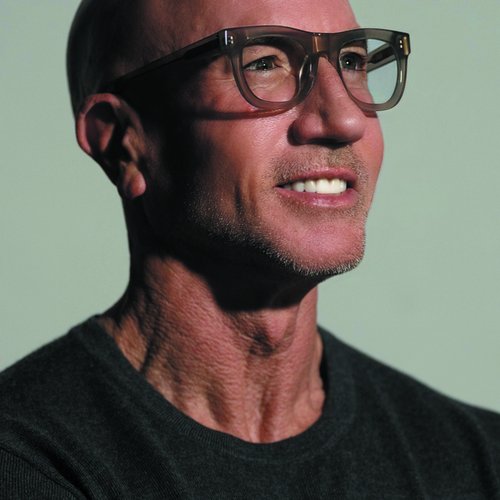
Ron Thurston
Ron Thurston is a retail leader, keynote speaker, and podcast host with more than thirty years of executive experience leading teams for iconic brands including Apple, Gap, West Elm, Bonobos, Tory Burch, and Saint Laurent. Rising from a part-time sales associate to a vice president of stores, he is a passionate advocate for the people who make retail thrive. He is the author of Retail Pride: The Guide to Celebrating Your Accidental Career. In 2021, he traveled across the country in an Airstream to meet and interview hundreds of retail employees, store managers, and brand leaders.
★ Scribe Case Study
Ron Thurston’s Two Scribe Media Books Became a Speaking Career and a Sponsored Airstream Book Tour
Ron Thurston led retail teams for more than thirty years, then wrote Retail Pride and Human Pride with Scribe Media. Today he keynotes for brands like Boot Barn and has t…
📚 Books by Ron Thurston

Transcript
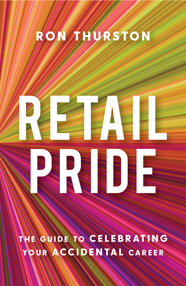
[0:00:28] DA: The retail industry employs millions. Yet most people don't end up there by design, that’s why Ron Thurston wrote Retail Pride. An indispensable guide for every retail employee, manager and multi storey leader, looking to accelerate their potential and grow their career. It’s filled with straight forward, practical tips for developing your talents, connecting with customers, and building your relationship skills. Based on more than 25 years of Ron’s retail leadership experience, you’ll discover a sense of belonging in the words of someone who has been a champion for the industry and who shares your journey. Hey listeners, my name is Drew Applebaum, I’m excited to be here today with Ron Thurston, author of Retail Pride. Ron, I’m excited you're here, welcome to the Author Hour podcast.
[0:01:09] Ron Thurston: Thank you Drew, I appreciate that.
[0:01:11] DA: Tell us a little bit about your professional background?
[0:01:15] Ron Thurston: Thank you, I’ve been in retail leadership roles for some of the most incredible, well known American brands for over 25 years. For many people that work in the industry, it was similar to me, it was an accident. And you often discover, through retail leadership, that this is something that you thoroughly enjoy. You dig in hard, you find great companies to work for and your career continues to blossom. For me, that actually started early on as a department — store kind of trainee, moving in to working for 10 years for The Gap. I’m in the early 90s which, at the time, was really part of their hay day. And they really dug deep into my personal development, which is something that I’ve worked hard to instill in others around — “What training opportunities do you need? Where do you want to invest time? How can we get you to next? Where can we support you?” And that continued my growth from sales into assistant managers to store managers, district manager. I worked in corporate visual merchandising, I had a really incredible career that then grew into some of the other brands in the industry like Tory Burch, Saint Laurent, like Apple. Today I’m the Vice President of Storage for Intermix which is also a division within The Gap. I’m happy to be back here.
[0:02:46] DA: What was your inspiration for the book and what happened that you decided now is the time I want to write it?
[0:02:54] Ron Thurston: I started a blog called Retail Fitness, about five years ago, because the messaging in the industry was really about, kind of the retail apocalypse. And I really took, kind of, personal offense to that terminology of said, this is not an apocalypse. Things are changing but this industry is incredibly powerful and larger than most people believe it is and needs to be celebrated. I started this blog to just really understand how other people were thinking and feeling about what was happening. The response was incredibly positive. I took a lot of that content, I wrote the blog, understood reactions, and then took it down and said, “You know, I’m going to hold this, I’m running a large company today.” And writing a blog every week was more than I could handle. The summer of last year, a few things happened. One, I joined, was nominated to the board of directors for Goodwill in New York and New Jersey. At that point, I really said to myself, I actually have a skillset now that translates across, really any industry within retail. I have a message that resonates, I have a kind of celebratory idea that works really well across — whether it’s in Goodwill, whether it’s in luxury, whether it’s in pharmacy, grocery, it’s all retail. I kind of settled into that idea. And then I did some other kind of personal men’s group work last summer that I discovered and I had a couple of health issues. And I said, “You know what? Right now, it’s the time to take all of this knowledge, all of its unique messaging that I have and put it into a book. And contacted Scribe and last October, I went through the guided author workshop and here we are a year later.
[0:04:47] DA: Awesome. Now, let’s get into the book and let’s rewind all the way to the beginning. You’re coming out of high school and you have the opportunity to go work for a family company, a successful family company and you chose to pivot and go your own way. A lot due to the influence of your grandfather in your life. Can you talk about that early decision and a little bit about your grandfather?
[0:05:16] Ron Thurston: Yeah, I’d love to. The book is dedicated to him because he was someone who built a large organization, a large construction company that built most of the Safeway stores on the west coast. And the idea of kind of watching him lead an organization in a way that, to me, felt very much about human connection and about pride and your work and about building culture within a company. In high school, I traveled with him, often to construction sites, and watched him just in action as a CEO and how he greeted the team, what he spoke about, how he celebrated their work. How he was eternally grateful, he always had a positive attitude. Those were really leadership qualities that I admired so greatly in him but construction just was not my passion. I dreamed of, kind of, spending every day with him but working in construction, he and I just had this conversation around, this is just not my love. My love is probably in fashion and design and something at the time and I didn’t actually know what it was but I knew it was going to be retail. He fully supported me in that journey to kind of study something different to completely kind of walk away from a family business. But at the same time, continued to mentor me, continued to ask questions, figure out how I was leading. What I was doing, give me feedback, I’m really grateful for that influence that I had from a family member that you can really see in action. It was an important influence and even how we lead today.
[0:07:06] DA: Tell us about your start in the retail world and why you have so much passion for it, where does it come from?
[0:07:14] Ron Thurston: The passion comes from having spent so many years in this industry, hiring hundreds of people, opening hundreds of stores over the last two decades, spending time sitting, listening to store teams in my travels. Watching, just the evolution and particularly what’s happening today, which I’m sure we’ll touch on. But the passion comes from the fact that retail is an enormous industry, it’s one of the biggest employers in this country. It is kind of reported and you know, things this year have shaken this up a bit but one in four people work in retail, it’s a — 42 million people work in retail. The size and scale of it is I think, under-spoken about. Under-celebrated. And the hard work that goes into being a great retail employee in general, take title out of it; stock sales, leadership, buying, planning, merchandising, loss prevention, human resources, store design — there are an enormous amount of components that go into great retail. My passion really came from the fact that I continued to meet people who have fallen into this by accident, often. Who love what they do, who just, their own drive for this business keeps them going and that really drives my passion and I wrote the book to speak to them. I’m not writing a book about how — what the future of retail looks like. I didn’t write a book about how they can change their company culture. I wrote a book for everyone that actually works in stores that doesn’t have a voice, that doesn’t have someone to celebrate them, thank them for their hard work, maybe give them some helpful insights and be that person that can drive the concept of celebratory career advancement. That, every day, excites me.
[0:09:19] DA: Now, you mentioned in the book that early on, you cringe a little bit when people asked what you did. And I think there’s an overall feeling that some retail workers are a little ashamed of what they’re doing or they don’t feel like it’s this great job that they want to talk about and tell their friends about. Why do people feel this way especially when so many people are involved in the retail sector?
[0:09:41] Ron Thurston: It’s exactly where I continue to see it today. I think part of it is driven from the fact that this is not an industry that requires one specific kind of educational path or degree. It’s something that you often learn along the way. That kind of is versus, kind of, a title of doctor, lawyer, you know that there is an accredited degree that goes behind that scale or that title. If I say, “I work in retail,” people are like, “That’s nice, you work in the mall? Gosh, that must be really hard.” That’s how I grew up, people saying that to me. My response was “No, actually I love it. I love running a store, I love running a multimillion dollar business and the complexities that go into it.” and I would just kind of brush it off of like, they just don’t really get it because they’ve not worked in retail. Here we are, 20 years later, from people asking me that question and it’s still the question I get of what do you do? “I run stores.” — “Okay, well that’s nice.” Because it’s not, there’s no path that says this is what success looks like, this is who you should follow, this is what you should do, it’s very much self-taught, it’s very much about creating your own path. That for, I think, some people creates that being of a bit of ashamed of it. Because you’ve created it on your own and maybe have not been as successful as you wanted it to be. But I take the opposite approach of, “You can own this; you can move from it being accidental to intentional. You can choose great companies to work for and great leaders to have around you.” For me, the message is, it’s kind of time for it to stop, for us to stop saying that this is accidental. And that you’ve chosen an intentional career. Now, let’s create the path that you want to take.
[0:11:38] DA: Now, for a lot of retail workers, you work long shifts, you work on your feet and you’re dealing with people, the customers and it’s not the easiest. How do retail workers remain positive during all of this?
[0:11:53] Ron Thurston: The end of the day, it’s really the leadership around you that creates that positivity. And so, to give you an example, often the store manager, general manager, store director, whatever title you want to use sets the tone for that particular store. For me, that person is often kind of the top of the pyramid because everything that happens from a customer experience, employee experience, often the business, starts with a great store manager. And where brands often fall down is, if it’s — you can have great multi-store leadership, district managers, regional managers, heads of stores. But store managers drive that culture. That positivity and momentum and energy and drive often starts with great store managers who hire great people, who build it from there. And I see it every day on LinkedIn. And that it’s part of the reason why I’m also so active on there is because I see pictures every day of store teams, even today, wearing masks, smiling behind their mask and having so much fun. That drive really sets, I think, this industry apart of what they do every day, even when it’s really tough like it is right now.
[0:13:17] DA: Now, you mentioned company culture and you go into that in the book and when you become a retail — a leader at a retail store, you can create your own culture. But how much is that actually your individual culture that you could bring and what does the balance look like between that and the corporate culture that you have coming from above?
[0:13:35] Ron Thurston: I personally believe that we all can influence the culture of your team, your store, your company, your industry, we all influence culture. And it is about making the decision of not just following but leading. Of not just sitting back and letting it happen to you but to be that voice. Be active in what you want your culture to be in whatever capacity you own today in this industry. That can mean a variety of different things. It could be how we are recognized, how we are compensated, how we commit to the customer experience, what do we need to do for merchandising but culture can come from any direction. And great company culture starts in the store in retail and that again, I go back to the store managers. Great store managers can change the entire company culture by the decisions and the success that they have and bring that forward and companies continue to evolve and thrive and learn about what’s working in the store from the voice in the store coming through the voice of the customer but everyone plays a part in that and I think where also some of that lack of pride has come from is that when we are not intentionally owning your career, you are also more likely to just sit back. And let this culture happen to you instead of saying, “You know what? I really love what I’m doing. I am going to step forward and say, “You know what? If we did this, this would be even better” I am going to play an active role in changing this company regardless of your role. I speak about that often that culture doesn’t just start with those of us in senior leadership roles. It starts in the store.
[0:15:27] DA: Let’s say you want to further your career in retail, what are the areas that you should focus on and try to gain expertise in?
[0:15:35] Ron Thurston: I write about three specific colors that, for me, translate across every role in the store. And so the first one is empathy, and we thought really how important empathy was a year ago, and that being a great salesperson, being a great retailer was about putting yourself in the shoes of the customer. It’s like, “Where can I add value?” I think today that conversation on empathy is bigger than ever and you hear it spoken about it often now because everyone is in a really unique place in how they are experiencing retail. So I’d put number one empathy. Number two, curiosity that great retail starts with being curious. Asking great questions of each other, asking questions of the customer, asking questions of your company and continuing to be curious. That curiosity feeds culture and so if I constantly think, “I am going to be very empathetic today. I am going to be highly curious so that everything that’s happening — why is it happening? What are we doing? How can I serve you better?” And then third, the third pillar is really focus. And I say focus because the retail environment can feel like chaos. And great retail starts with the focus of this is what I want to accomplish today, “This is who I need to get that done.” Usually goals we want to set and let us create the action around it. And you can sense sometimes in retail not executed well that they’re not focused their time and energy where they need to be. It’s like, I do kind of put empathy, curiosity, and focus as the pillars. If you did those three things really well, in any role in this industry, that builds success.
[0:17:31] DA: You mentioned building up to retail leadership and you also say your book differs from the traditional leadership book. How is it different?
[0:17:40] Ron Thurston: So it’s written in the voice of my voice, that’s someone who has done the work and understands the challenges, understands the pride that comes with this industry. Understands what the language is that’s commonly used. And as I thought about the journey of this book and writing a book for retail, when I was really doing my research and thought, “What books did I go back and look at?” Some of them come from some of the best leadership authors. Some of them — things like One Minute Manager have been around now for decades. And they’re always these go-to, but I, even myself, have hosted conferences. And tried to take some of these leadership books and recreate them for retail. So my goal here was to say, “Let’s create.” — I wanted to create something that was written in a way that anyone that works in the store would pick this up and see all of these quotes, see all of this kind of language of like, “I get it, he gets it. I understand that, that makes sense to me.” The book is full of — the layout is chunky with quotes pulled out. It’s an easy read but that’s intentional. It is meant to not be so serious. It is meant to be something you could pick up, have a moment, say, “You know what that I appreciate that sentiment.” I am going to take that to my team today. I feel strongly that there isn’t anything out there today that speaks in a language that’s specifically for store teams.
[0:19:15] DA: Now, if you jump into retail, you decide this is their career for you, what are some ways to get ahead and, let’s say you jump in and you decide it’s not the career for you but you’ll stay for a while. What kind of skills are you going to learn that could translate elsewhere?
[0:19:32] Ron Thurston: God, I mean the list goes on. So if I just use an example off the top of my head; I come in, I have a general kind of — sent two or three jobs in, maybe I am currently going to college. I come in, I’m hired as a sales person. We’ll just start there, part-time sales person. So immediately what you are going to learn is how to work with your team, how to engage with each other. So starting from all the elements of the store environment, how do I engage with each other. How do I create a team, what is the culture of this store, what’s my influence in that and what does the general team dynamic look like? From there I am learning how to engage with the customer. How am I developing skills around empathy? Learning how to be curious, learning how to be focused with the customer. I am learning, like, these human interaction skills. I am likely learning some business acumen, goals for the day, how to set my own goals. What are store goals for the day? How do we achieve them? How do we work together as a team to achieve these goals? I am learning just the metrics of the business. I am learning whatever the product is that you’re selling. You are learning product knowledge, whether you’re working in a drugstore, whether you are working in Whole Foods today, whether you are working in luxury. Any of these brands, there’s a level of product knowledge. It needs to happen so there is continued education that happens from there. And then, visual merchandising is an important part of every retail business. So you learn what does great visual merchandising look like? How do I do things that appeal to the customer? How do I replenish the floor? All of the components of a great visual experience and we are also taught typically to everyone that works in that building. So there are a variety of things, those are just a handful but even six months on a job on retail like that, you have already learned all of this human behavior, all of this customer interaction skills, customer engagement and a good part of how a multimillion dollar business just operates.
[0:21:52] DA: Now you hinted at this before, you knew this question was coming. Talk to us about some of the changes to the industry that might come due to everything going on in 2020.
[0:22:04] Ron Thurston: It’s a bit of an unknown but here’s what I feel confident about — that we knew that e-commerce was going to continue to tick up in overall percent of total commerce in the world. We knew that this was going to continue to evolve this way. We knew that many brands overbuilt the amount of retail malls and overbuilt what was going on. And what COVID has done has really taken that idea of what was going to happen and put it on fast forward. So here we are today, that there are brands that have too many retail locations that need to close a significant number of stores. There is a intensity on store performance, there is a level of a customer experience that needs to be better than ever because we really are re-engaging with the audience. But where I think, again, the news is pushing this in a direction that is a bit confusing to the general public is that even as the growth and e-commerce continues to happen. And this year it is estimated to grow at 30 to 40% rate that is on a base that was about — 11% of total commerce in this company was done digitally. 89% of retail last year was done in brick and mortar stores. And so this year that trend up, that 30% growth has created about a 14.5% of total commerce done through digital, and which still leaves 85% of the industry at brick and mortar on a decline against last year. So e-commerce growing, brick and mortar on a slight decline. But still generating 85% of the commerce in this country and then it is estimated that it is going to continue. E-commerce will continue to tick up about one percentage point each year. So by 2024, it’s estimated to be about 18% done on e-commerce. 82% brick and mortar. And so that the news does push this in the direction of the retail apocalypse and I keep bringing this back and saying, “This is not an apocalypse. This is a shift in how we operate.” This is a shift in the relevance of retail. This is reconnecting with brands. This is about our relevance to the everyday customer and getting them back in the door in a safe and healthy way, getting our teams back. It’s certainly not been easy for, I’ll just say, anyone outside of some Target and Whole Foods. And there have been some brands that did well. But the rest of us are on a climb back. But our importance in the world, our importance to how we connect in communities all over the country, for me, has never been more important.
[0:25:11] DA: Ron, writing a book is no joke, it’s no small feat. So first of all congratulations on finishing and publishing your book.
[0:25:18] Ron Thurston: Thank you.
[0:25:19] DA: Now, if readers could take away one thing from your book, what would it be?
[0:25:24] Ron Thurston: One of the biggest industries in this country is filled with millions of people who are really proud of what they do. And to take the opportunity for those people that you know that work in retail, that have worked in retail, that have worked hard and on weekends and nights and really thank them. Thank them for their hard work and their dedication and help them celebrate their career. Because they love their career and they don’t always get the recognition from everyone around them of what goes into running a multimillion dollar business. So I want readers to take away one thing of, like, “This is an incredible choice that you’ve made and be really grateful for the contributions that you make in the world.”
[0:26:17] DA: Awesome. Ron, this has been such a pleasure and I am excited for people to check out the book. Everyone, the book is called, Retail Pride, and you could find it on Amazon and Ron, besides checking out the book, where can people find you?
[0:26:28] Ron Thurston: So go to retailpride.com or you can find me on LinkedIn. I am pretty active there.
[0:26:34] DA: Awesome. Ron, thank you so much for coming on the show today.
[0:26:36] Ron Thurston: Thanks Drew.
[0:26:38] DA: Thanks for joining us for this episode of Author Hour. You can get Ron Thruston’s new book, Retail Pride, on Amazon. Also, you can also find a transcript of this episode, and all of our other episodes on our website at authorhour.co. For more Author Hour, subscribe to this podcast on your favorite subscription service. Thank you for joining us, we’ll see you next time. Same place, different author.
Want to Write Your Own Book?
Scribe has helped over 2,000 authors turn their expertise into published books.
Schedule a Free Consult