Ron Thurston’s Playbook for Turning a Book Into a Speaking Business
✨ Episode Summary
Ron Thurston published Retail Pride with Scribe in October 2020 and Human Pride in May 2025, and he now keynotes for brands like Boot Barn, where seven hundred people held up copies of Retail Pride.
On his third Author Hour appearance he laid out the playbook he uses to get booked and to keep a book working: ask about the budget first, ask organizers to buy copies of the book, pitch the whole experience instead of only the hour on stage, and spend thirty minutes a day on LinkedIn.
He says readers have bought Retail Pride for families who never believed they had a real job: “That is power. That’s really, really special.”
⭐ Top Moments
- A book can change a conversation. Ron says Retail Pride still sells on Amazon around the world six years after launch. “It’s really interesting when you think about how books can change a conversation as much as they can change hearts and minds.”
- Seven hundred store managers held up the book. Ron gave the keynote at a Boot Barn conference for 700 store managers, and Boot Barn bought copies of Retail Pride for everyone attending. “You shift their [store managers’] mind a bit about how to talk about their career. And when I get to do that, when I have those incredible opportunities, and seven hundred people are holding up a copy of Retail Pride, it’s pretty impactful.”
- Pitch the experience, not the speech. His advice to authors who want to speak, after he learned to negotiate his rates and ask for books. “My advice is you’re actually pitching yourself and your ability to create an experience more than you’re pitching yourself as a speaker.”
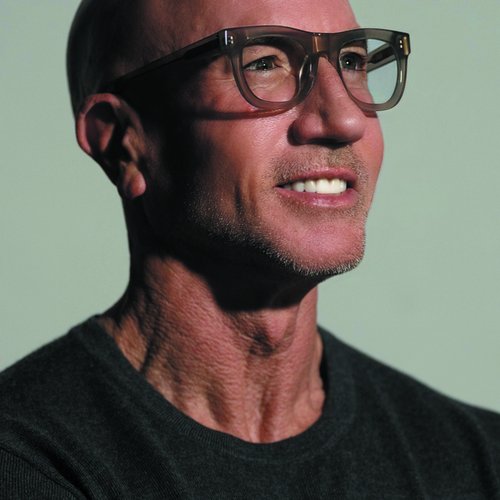
Ron Thurston
Ron Thurston is a retail leader, keynote speaker, and podcast host with more than thirty years of executive experience leading teams for iconic brands including Apple, Gap, West Elm, Bonobos, Tory Burch, and Saint Laurent. Rising from a part-time sales associate to a vice president of stores, he is a passionate advocate for the people who make retail thrive. He is the author of Retail Pride: The Guide to Celebrating Your Accidental Career. In 2021, he traveled across the country in an Airstream to meet and interview hundreds of retail employees, store managers, and brand leaders.
★ Scribe Case Study
Ron Thurston’s Two Scribe Media Books Became a Speaking Career and a Sponsored Airstream Book Tour
Ron Thurston led retail teams for more than thirty years, then wrote Retail Pride and Human Pride with Scribe Media. Today he keynotes for brands like Boot Barn and has t…
📚 Books by Ron Thurston
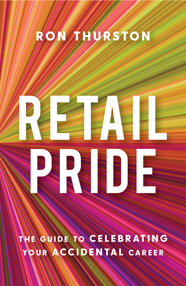

In this episode of Author Hour, Travis Stoliker sits down with Ron Thurston, the retail leader and author of Retail Pride and Human Pride, on his third Author Hour appearance. They talk about how he gets booked for keynotes, how he asks for money and books, what he does on LinkedIn every day, and what readers tell him.
Transcript
[0:01] Travis Stoliker: I'm honored to be joined by Ron Thurston. Ron is a legend around Scribe. You published your first book in Scribe 1.0, second book in Scribe 2.0. so you saw both iterations of the company. And it's just such a pleasure. Everyone within the company speaks so highly of you, and you've referred some of my favorite authors too. So Ron, thanks for joining me. And can you please introduce yourself and
[0:10] Ron Thurston: Yeah. That's nice. Yeah.
[0:29] Travis Stoliker: Tell them about your books and a little bit about yourself.
[0:32] Ron Thurston: Sure. Thanks, Travis. I'm real really happy to be to be back on on the show. I I am a massive Scribe advocate for for many reasons that I'll I can share. So I in 2019, mid-2019, after 30 plus years as a retail leader, executive, head of stores for some of America's biggest brands, I just decided one day I want to write a book. That's it. I'm like I know that there's a there's an audience. I think this is important when people are thinking about writing books. I knew that there was a massive untapped audience of 55 million people who work in retail in this country. One out of four people work in retail in the US that no one had ever written a book for. No one speaks to these people. No one had produced content or had. Podcasts, you know, there's a lot of leadership podcasts. There's a lot of leadership books, endless amounts of leadership books, but nothing specifically about retail. And I knew that because I had put on conferences, I had bought books for my teams, I had tried everything. And you're always piecing and putting parts together to try to make it relevant for a retail audience. And so I said, I'm gonna write, I'm gonna write a book. And so by October of 2019, I had signed with Scribe because through all of my research, like this is the best place I can do this as someone who knows nothing about how to do this. And I met the most incredible group of people. It was kind of when when you would put all the all the authors together in a room for three days and like hammer out all the details. And I met this incredible group of people, many of whom I am very close friends with today, that were on this. magical mission of creating a book. And through all of their experiences and we had gold gold medal Olympic athlete and entrepreneurs and doctors and really successful people that had nothing in common other than the fact that they wanted to write a book. And I was, I was mesmerized by this group. And we have still today a a WhatsApp group in seven years later of these people that were around that table. So I feel like my my book experience got off to a really good start. And then so re Retail Pride, which is the and the subtitle is The Guide to Celebrating Your Accidental Career, was published in October of 2020. And we know what happened in 2020, and it certainly had a massive impact on retail as an industry. And it felt like this was exactly the right time to celebrate the people who work on the front lines of retail after what had happened that year and what has happened since. that that that book really changed the conversation of I'd like to say globally, because I I do this book does sell Amazon around the world still six years later. So it it is it's really interesting when you think about how books can change a conversation as much as they can change like hearts and minds. I do think Retail Pride is a is a language is a kind of a a language training tool for people that are trying to describe what they do, who often say, Well, when are you going to get a real job? When are you going to stop working in the mall? So it's a really common question. And I love to say I'm going to teach you what to say. And I'm going to do that through a book and and through speaking. so that's a long answer to. To the intro, but and and then Human Pride, yeah, Human Pride came out in May of 2025, which just takes it one step further. It takes it from being just as a as a retail leader, and the subtitle of that book is Optimizing Your Human Potential in a Digital Job Market, because that's very much the conversation today. How do we optimize our human potential? And I knew that because I go to a lot of conferences and I
[4:30] Travis Stoliker: That's amazing.
[4:56] Ron Thurston: see the people on stage. And those cup 2024, even 2023, we started talking aggressively about AI. And we started to really like it integrated itself into every conversation and every keynote and every speaker. And we stopped talking about people. And I said, I need to make sure, particularly in retail, we always bring this conversation back to people because retail is a human business at its core. 86% of every sale ha in retail happens in a store still, even post-COVID, which surprises people. and about half of that 14% that's left is done on Amazon, which leaves about seven percent of all commerce done in this country is done on a website. Seven percent. It's eighty-six percent stores, seven percent everybody else, and seven percent Amazon. It's a like this idea of this is still a human business, this leadership is still a human game. And that's what Human Pride is all about.
[6:01] Travis Stoliker: And that when you said that about the pride of working in retail, I mean, I absolutely felt that. especially it reminds me of I had after we sold a company, I ended up getting into the restaurant space. And the reason why was because one of my best friends at that time, he had worked in restaurants and he kept encountering that similar thing where people would be like,
[6:18] Ron Thurston: Mm.
[6:30] Travis Stoliker: You know, when are you gonna get your real job? And he just decided, no, I am, I am a restaurant person. I am a hospitality person. And that's when he decided he he drove down south, he got a barbecue smoker, he that's what he invested his money in and he started a business. He just leaned right into it. It really reminds me of that of this. We do put pressure on people to somehow like justify their career, like it's not good enough, especially around like, you know, family tables and I'm so glad that you wrote that book to give people the tools to be able to defend themselves and take pride in the craft that they've chosen to pursue.
[7:08] Ron Thurston: Yeah, thank thank you. And and and I knew that similar to your friend, I knew that because I had worked in the industry. Mine I never did anything else except work in retail. And it's just this sometimes odd. It's often like hospitality. Like it there's really no degree that prepares you for this. There's no reason why you will be successful or not, other than you have great people around you who likely work for great brands. But I always say choose your leader. before you choose the company. And you know, this idea of kind of self a self-taught career. And there's so you know, I link that often to the word pride. Like the reason we're proud to work in this business is because we taught ourselves how to do it. And that millions of people, like no one prepared us. You have to do the hard work. And when when you give that, when you say that to someone who spent
[7:56] Travis Stoliker: Mm-hmm.
[8:06] Ron Thurston: 20 plus years as a store manager, district manager, and you say that to them, it almost makes them cry. It's like, you know what? I've I've never thought of that. I've never put words to the fact that I taught myself how to be a multimillion dollar business leader. and so I last week I spoke, I was the keynote at a conference for a company called Boot Barn, which many people know because it's really big in this country, 700 store managers and the
[8:24] Travis Stoliker: Yeah.
[8:36] Ron Thurston: My first question is, what do you do? And you know, kind of make them, I give them some examples, and because the often the response when you're at a any kind of event and someone asks you, What do you do? Your response is, I just work in retail. That it's usually the first thing they say. And I I just I yeah, I just, you know.
[8:57] Travis Stoliker: The I just the I just part.
[9:02] Ron Thurston: And I said, you don't just anything. You run a multimillion dollar business that employs dozens of people in just in your location alone, who serves your local community and contributes. Boot Barn has incredible ways that they contribute to local communities and fund things like local rodeos and all kinds of work that they do. I so you you start to you shift their mind a bit about how to talk about their career. And when I get to do that, when I have those incredible opportunities, and and seven hundred people are holding up a copy of Retail Pride, it's pretty it's it's pretty impactful. Like it really makes you stop. Yeah. Thank you.
[9:42] Travis Stoliker: Hmm. That's amazing. My my sister in law and my brother still work in retail because they love it. And they actually they met working at Lowe's and they my my brother actually he he does it after his full time job because he just likes being around the the team and also since he doesn't really need it, they don't mess with his schedule. He gets to kinda he gets to kind of set his own hours, which you know is w at least when I worked in retail was only One of the struggles with retail was you're working the hours when people want to shop, which are difficult hours sometimes. but yeah, exactly. you mentioned speaking and you've you've had a terrific speaking career. And obviously, our audience is mostly authors that are looking to propel themselves into a new category or into a new career. A lot of times speaking is one of their goals.
[10:15] Ron Thurston: That's true. Nights and weekends.
[10:41] Travis Stoliker: Would you give somebody a playbook or some tips on how do you go from, you know, that great career in retail for you or, you know, the great career in being a physician for for a lot of our authors? How do you make that transition? How would you recommend somebody do that? What what is the playbook to do that?
[10:53] Ron Thurston: Yeah. Yeah, it's such a good question, Travis. And it it it it's so much about trial and error. And I would say, as much as you all want to build it like financially, there's also very much a path of I need to just get myself out there. I just said the word just again. I need to get myself out there and and practice and build an audience. And and part of it is also through your book journey, you're building your your following primarily on LinkedIn and other social channels. Maybe you're building an email list, you're building newsletters, you're building content. And there's a lot to be said around having a message that's bigger than just your book of like who you are, what you say, what you could contribute to an audience, what's your specialty, and why are you the expert in that? And I did. I did a lot of webinars. I did a lot of like book giveaways to get on stage, just practicing. I I really just tried to ask as many people as I could, like, if if I had this opportunity, would you allow me? And it it took, you know, a few years. It wasn't until I would say the last two where now I I've reached this place now where you know, I I can negotiate rates and I I am represented now and I I can b build a a proper speaking business. But it it definitely took some time and it it's finding your your niche of like really like how does it relate likely to your book, but how does it relate to the audience? What do they want to learn? And I've also discovered, I think that there's some misnomers about like you build a keynote, you build 60 minutes of some great content and you're expert at it, and then you just repeat it. That has not been my experience, to be honest. Every every single event that I have delivered, keynotes or workshops have been fully customized. And I think that that's important in today's world, you know, that you you can connect with an audience. On that particular day, on that particular topic that's relevant today, that may not be relevant in six months. And that that's a different mindset than any speaker that I've spoken to. Like you you yeah, you've got to move, you've got to move with the news. You've got to move with the energy of what's happening inside that company or at that conference that makes you relevant today.
[13:33] Travis Stoliker: That's really good point.
[13:46] Ron Thurston: And I've I've seen people who like kind of watch and repeat their keynote and I just think content doesn't last that long today. You know, we're on like three day news cycles. You got you just gotta move and you gotta rewrite and you've gotta customize and you've gotta keep building and staying on top of it.
[13:57] Travis Stoliker: Right. How do you so you have retail in America, your podcast too? And how do you how how do you thread that needle too? Like, because I imagine for you, you're repeating a lot of the same things. So like how how do you make sure that you're repeating the core themes? But I I'm assuming when you go to a lot of these events, some of those people are already have already read your book, have already listened to your podcast. How do you how do you how do you just make that decision there of what to choose, what to exclude?
[14:08] Ron Thurston: Yes. Yeah, it's a really interesting plot. So I'll give you I'll give you the the Boot Barn example. So I interviewed the chief retail officer on on the show and said, Let me get inside your head about this. They have this retail rodeo every year. So I interviewed the an executive. They they bought copies of the book for everyone that was attending, did several calls. I did store visits with them l in local like stores so I could spend time in store, like learn about their culture, learn what was important, what did they want to learn, and then delivered content they had never heard before. but but it was so customized for them. Like what I did, I will never do again. And it was months of preparation. But but the unique part is that they felt like Ron really listened. Ron knew exactly what to deliver to these people that they needed to hear today. And And I just think that that's a that makes a speaking business both challenging because you're always customizing, and for me, exciting because you know that you did the right thing for that audience versus like a copy paste, you're right, of something that someone may have already heard or clips, because we all then get clipped on social, people hear us. And it's like you can't just keep repeating the same content over and over.
[15:46] Travis Stoliker: Right. That's that's really smart to do that homework so that you really are customizing it exactly to what they're looking for. And then that's gonna be seems like that's gonna be way more impactful. Well something I've always been curious, because I've I've never done this. You know, if if I get asked to speak, I'm just excited that I got somebody cared enough to ask me to speak. You know, usually it's something local here at a, you know, a school or something like that. How do you make that transition? And it's something that we get asked from our authors all the time. How do you make that transition of, no, I I you actually have to pay for my travel and it's gonna be you you also have to pay for a thousand copies of my book? Or how do you, how do you make that transition into the ask?
[16:34] Ron Thurston: Yeah. Mm-hmm. So it it's it I would say the the reality and the execution can feel very different. And so I it is a bold statement to say, I would love to be part of of your events. Sounds fantastic. Tell me more about your before you even talk about money, I always say, tell me about your budget for the show or or the conference. Tell me tell me what your budget is. Because they're the first thing they're going to ask you is like what's your fee? And
[17:07] Travis Stoliker: Smart.
[17:15] Ron Thurston: And so there are times it'd say, you know what, we have we have no sp budget for a speaker, but we will pay for your travel. And I will come back and say, I understand that. would it be possible for you to purchase a hundred copies of of one of my books to give to maybe a hundred people at a raffle? Or is there a way to insert content into the audience? Because the goal is then, can you? build future business from certain audiences where you're not getting paid. And there are also times of like, tell me about the audience, tell me how many people will be there, who will be there. Does it make sense for me to do this for free or just for travel? And is it okay to say no? Because I I I very much have said no to this point. And early on I was very much I would say yes to everything, just to practice. But now I say no. And to it definitely takes time, it takes support to like learn how to negotiate that. And I think the no helps them the year after say w what we really want to draw on. And the and what will happen, I'll you what, I've gotten a hundred grand for the whole thing. Let me between travel for everyone coming in and and the venue, can can we have a cut of that instead? So you're you're working with event producers and leaders to say, I let me be part of the experience. And so you're doing more. You're doing more than on stage for an hour. You are part of the experience of the event. And so I'll say that of like, if if you here's what I can do for you. I will come, I'll do 60, 90 minutes for you, but I'll stay for the day and I will sign books. If you're having a gala that night, I will help you present awards.
[18:55] Travis Stoliker: Mm.
[19:10] Ron Thurston: I will toss in like doing a panel, leading a panel of your executive team on stage, because I'm a podcast host, so I can do that. Like there are things that I'll throw in that since I'm already in the building, let me help you make this event better. And there isn't an event organizer that doesn't say, you know what, that would be great. That would be really helpful. And then the money you ask for feels much more valuable to them.
[19:31] Travis Stoliker: Yeah. you're solving a real problem that they have. You're making their event actually much, much better.
[19:44] Ron Thurston: Much better and and consistent too. Because the same if you've got book if the audience has books and they've heard you speak and they've engaged with you, you know, throughout the day and maybe had copies signed, like it's it's a for me it's a whole every event is a three sixty package of how can I help you deliver the best possible experience for the attendees. And Travis, sometimes it's like no, we just want you to come in, do your thing and leave. And I'm like
[19:47] Travis Stoliker: Yeah.
[20:14] Ron Thurston: Okay, I can do that too. But but I'm a retailer at my heart and I want to meet people. So you know that that one's hard for me. I would much rather stay and engage and take pictures and have fun, but that's not true of everyone. So it's a long answer to your question, but my advice is you're you're actually pitching yourself and your ability to create an experience more than you're pitching yourself as a speaker.
[20:43] Travis Stoliker: Ron, it it first of all, thank you so much for that. It wasn't a long answer because not many people talk about this. And it's something that we've really been searching for. And authors asked us ask us about it all the time. You know, how do I get these speaking opportunities? How do I actually transition to asking for money? So thanks so much for being so generous and giving that playbook because I know a lot of people are gonna get a lot of value out of that.
[21:09] Ron Thurston: You're well you're welcome. The other thing I would just add is you have to spend you have to spend some money to have the the content. So whether that is, you know, you're spending money at Scribe to have your book done, you're spending money to have some video content created, marketing assets, websites. And and every step of the way, yeah, it's a it's a significant investment. But if this is what you want to do. Then and this is your business, then it does require investment to do it well. I think it's the same thing when it comes to books. And I do have f self-published friends, and I you know it's not, it's not hard to do. But my answer to them is always, but it how significant of an impact do you want to make? Do you do you just want this to be like, I'm done, I published, I hit, I hit the button and I've self-published and I have a book? Or is this how people will perceive you as a best selling author that went through great channels, that produced quality content is what do you ultimately want to do with this book? Like what is your goal? And and are there other do you want a podcast? Do you want to speak? Do you want to consult? Like what do you want to do with this? And this is ultimately where I lead them back to you. I'm like, but if you're gonna do this, then you need to do this well. This is not something that you just like pieces and parts and fingers crossed. That is not how this works. It's not how business works. And I I'm just such an an advocate of put put the effort and the time and the money in because the return on that will very much return itself if you're willing to put in the work.
[23:01] Travis Stoliker: Yeah. Man, so you had mentioned your friends and you've been so generous to introduce us to so many great authors. So one of those, Rachel A. Williamson, who just released, you know, within the last year or so and had a just a great podcast episode with Eric recently. I was just telling you before we started recording, it was one of my favorites. Just the way she thinks about retail and how she packages her book and it sends them out herself with. usually a handwritten note and all of the colors match and the pen that matches and the box that's just beautiful. How did y'all meet? And thank you again for introducing us. And I would I would love for just to give us some color on that friendship.
[23:30] Ron Thurston: Yeah. Of course. so she she actually funny enough had a podcast in twenty nineteen, twenty twenty when Retail Pride first came out. And so I had known of her podcast. I'm trying to remember the name of it, and I had seen her on LinkedIn and during that time I was starting to like I who else is in this space? Who else do I need to meet? That's in this space. And Rachel was one of those people. And so we scheduled a time to meet when we were both at the big National Federation, National Retail Federation conference in New York in every January. We scheduled a time to meet. And it we've just been friends ever since. And we've we've helped each other like just navigate the challenges of speaking and consulting. She does more consulting than I do. and at kind of what this what our impact could be. Because the reality of the size of retail, you, your family, people we all know is that one person can't reach the entire audience. That everyone connects to different authors, different voices, different ideas. And it takes many of us to create the impact that we want. I would tell you there have been many books there was another one that can came through you. Brian Brian LeBrock that came through, also came through Scribe. And this idea of like he has a very again unique point of view about the about the industry. It's like the the continued growth of voices is a is a really important. So that's how I met Rachel among many other people. And I'm like, I w I need to build my own community here of people that are starting to do unique things.
[25:45] Travis Stoliker: You're a connector in the Malcolm Gladwell sense of the word. So I since I have a retail expert, what is, you know, I love how you put the context into things that you know, I I think most people, if you ask them off the street, they would think, yeah, Amazon is everything. And you know, you I love how you point out, no, it's a small fraction of the total retail space.
[25:49] Ron Thurston: I try.
[26:15] Travis Stoliker: and how important those retail experiences still are. Who is who is doing it amazing right now that you look at and it's like you admire, you know, maybe their unique aspect or something creative or new. Who is like, who's just killing it right now? Or who who do you admire?
[26:30] Ron Thurston: Yeah. Yeah, I and I look at that Travis kind of by by category. So if you look at like grocery pharmacy, like there are really interesting things happening, like an Aldi, sometimes Whole Foods, you know, where they they take these models or like Erwan on the high end, you take something that serves a very specific audience. That you don't try to be everything to everyone. And the best part of retail is I know exactly who who you're serving, why you're here, w how and what the experience is I'm going to have, that it's really clear. You think in sports categories and you think, you know, Aloe, which has exploded, and like to all to have that kind of impact on running these brands that like have a very clear point of view about who they are. And then they build stores accordingly, they create experiences, they hire accordingly. Like the every part of the business is a brand. And you think, you know, I started my career at The Gap, late 80s, early nineties, through all of I was there through all of the nineties. And to watch them now have this moment of, you know, be right in the middle of the conversation around music, around collaborations with other designers, around events like Coachella, you know, e everything that they're doing under new leadership, it like puts them in the heart of the conversation. And that's what great retail is. You take these moments and you say it's kind of what I referenced earlier of like what's important today? What are people thinking about? How can we serve them? What do they need? and how can we build something that is relevant? And this the speed, part of the challenges of the last 20 years of brands is that they didn't recognize that that they that they have to evolve with. How the customer changes and how generationally people are shopping different. Another statistic that surprises people of like currently Gen Z, like 18 to 24, is the highest penetration of in-store shopping of any generation prior. They spend you would never thought that exactly. So they love the store. Statistically, they're spending 60 to 70% of their of their dollars.
[28:48] Travis Stoliker: I would have never thought that at all. I would have thought the exact opposite.
[29:00] Ron Thurston: In a store, which is higher than anybody else. And because they they're building content. So the other piece that's so interesting is retail now is about content. So like what's happening in the fitting room, the out the average time spent in a store by someone 18 to 24 is 40 minutes. Like retailers dream that someone would spend 40 minutes in the store, but they're not shopping, they're creating content. And so this idea of like micro influencer.
[29:20] Travis Stoliker: Wow.
[29:29] Ron Thurston: Brands like Pac Sun, you know, that are of hundreds of stores have leaned into this of like thirteen, fourteen, fifteen year old kids who maybe have a thousand followers, but then they build in this like business model where they can make money on content. Starbucks now has opened up the con the content field to every employee in Starbucks can post through an affiliate model and make money. Because they've realized like the most important channel that and the most relevant channel are the people who work in our stores. And Gap just announced the same thing. Gap just announced like an affiliate model where employees can make money on posting content. And of course that there are guidelines, but who's better to say how much you love the brand than I work here? And this is how it fits. And let me show you some things that have just come in. And it's like this idea of,
[30:06] Travis Stoliker: Wow. That's brilliant.
[30:26] Ron Thurston: the how the worlds collide. And it's not now like it's a marketing department and it's a brick and mortar store and it's a website and it's a social channel. It's actually all merged together. And the the future is very much this of like of experience and in person and can like can put you putting your phone down and connecting with people.
[30:50] Travis Stoliker: Related to that like influencer model, have you experimented with that at all on your books? Like one of our fiction authors, Nat Eliason, who was also our author in residence for a while, he found great success on like the book talk, you know, the TikTok book clubs and the social influencers. Have you had any success in that with your books?
[31:12] Ron Thurston: Yeah, I I haven't. I and to be honest, I haven't explored it, but and maybe I should, of like what what else could I do on on social.
[31:21] Travis Stoliker: We haven't had that with many of our nonfiction authors, but Nat just I mean, he's also just a social media expert too. And but yeah, he was having great success in like the book talk, I guess they call it. I guess I'm dating myself, not knowing much about TikTok.
[31:34] Ron Thurston: Okay. Not on TikTok either, but I you know, I I understand like the value of it. And it's again, that's so much of like the audiences are in unique places. And so when I think about the the best version of retail, they are immersed immersed in in their communities. The like there are places where people want to go. They are serving something more than just selling you something. Like they they are of they are They have a mission and a voice and they're doing something that's important. And, you know, everyone chooses what's important to them. You know, there's conversations on sustainability and conversations on kind of future use of whatever it is you're selling. but this I I just think the opportunities are endless for like cool new ideas.
[32:28] Travis Stoliker: How do you think of like it seems like the easy way to get attention nowadays is to be very controversial? And it seems like we have a lot of examples of retailers that have maybe obviously like in in my day, it was like American apparel that kind of bush brushed up against those lines. And and yeah, obviously, even back in the gap days, I mean that was me growing up, like those those ads were so different because it was.
[32:47] Ron Thurston: Yeah, I remember that.
[32:57] Travis Stoliker: it wasn't even showing the, you know, the clothes in a lot of cases. It was that that was a minor part of it. And it was a totally different advertising paradigm. You know, now we have, you know, the the controversy around Sydney Sweeney and the got great jeans or how do you think of that for retailers? Like how do you have a point of view potentially be a bit edgy, but it can go it can go very wrong. Like how do you think of that as a retailer?
[33:28] Ron Thurston: Yeah. So I I think of it I c I can appreciate big marketing moments to drive attention to a brand. And that your Sydney Sweeney example is is one of them and there are many. But where where I push back on them often of if you're going to spend that much money, you're gonna spend millions of dollars on a marketing campaign to drive brand awareness and potentially traffic to your website and stores, what happens then when they walk in a store?
[33:59] Travis Stoliker: Mm.
[33:59] Ron Thurston: Are they prepared for that? Are you then thinking in advance? Well, the this drops on this date. We're likely going to see a 30, 50% increase in traffic on that day. Are we prepared? Do we have product? Do we have the infrastructure built for when these moments happen? Because the worst part of retail is you've built anticipation. You want product, you want to have an experience, you want the sneaker drop you want the new color at aloe like you you've built up all this brand equity and then you walk into the store and they don't have it and or there's not enough people working. And so everything that you wanted, you know, it's is then unavailable to you. And then you've lost you've lost the moment. And you know Apple's Apple's so good at these things too. You know, if I put that on the list of people who do it well, they build anticipation, they create.
[34:46] Travis Stoliker: Right. Right.
[34:57] Ron Thurston: A lot of content. Of course, they have beautiful stores, but they're highly staffed. They're always fully staffed. Lots of people to help you ask questions, teach, experience, practice. Like that's the goal of, and I I did run Apple stores for several years. So like it's it's it's inside of me. But like the goal is not to sell you anything. The goal is to help you enhance your life through technology. So whatever that looks like in an Apple store, the same time, but they are so good about building hype and delivering. I can't say that about everybody. They just brands that deliver a lot of hype and like no meat here. And and what that does is it frustrates store teams that the brand is spending all of this money on marketing and no money on the store and no money on the team. And then everyone comes in and's like, do you have this gene? Do you have this gene? Do you have this? Do you have that? And they've sold out on the website in a couple of hours. Store's gone. And then all they do is is deal with with angry customers all day. That is not a fun job. So I think there's a there's a balance of like what's gonna happen beyond the hype here? And do I get a and do I get a second shot or not?
[35:53] Travis Stoliker: Mm. Right. That makes total sense. Right. In a lot of cases you're probably not getting a second shot. Yeah. And it just sours that consumer on that brand probably for a while.
[36:23] Ron Thurston: You're not. You're not. Right. For a while. You know, and and they may try again. You know, they may go back on the site. They may, you know, sign up to get your emails. They may follow you on social. They may do all that work, but you only get so many chances. And the reality is like there's endless options. We all have endless options for everything that we want. And like so you you've got to when the moment is right, it's kind of what I think about in books and speaking when When you've hit a moment, you have to be clear and intentional about hit the moment. And then you gotta move on. You g like but you've got to s you've gotta stay close to the moments.
[37:11] Travis Stoliker: Hmm. So pivoting back to books, since I've got an expert here. so the I think the biggest fear that we hear, besides for just, you know, it's a big investment, it's gonna take a long time to gr to create a great book. There's so many decisions. It's the now I have the great book. Now what do I do? Now how do I do the marketing? What what advice would you give to somebody that
[37:14] Ron Thurston: Yeah. Mm-hmm.
[37:39] Travis Stoliker: know, doesn't have the audience that you do now, you know, is back to, you know, your when you were starting days, which as I recall, you you set a goal for yourself to sell a thousand books and you accomplish that goal, then some, what how do how do authors that are in if you were able to speak to yourself back then, what playbook would you give them? Like you were so generous with the speaking playbook, what playbook would you give them for what things to do in two in 2026? to market a book and have a great launch and beyond.
[38:10] Ron Thurston: Yeah. And beyond, because it it you can have a great launch and it and again the moment fades pretty quickly. Okay, now what? Now what do I do? I would it's a very common response when I speak to new authors. I'm sure it's the same for you, Travis. They'll say, I don't understand social media. I don't under like I don't have any social media presence. And my answer or I hate it. I'm like okay, fine fine.
[38:33] Travis Stoliker: Or I hate it. Or I hate so
[38:39] Ron Thurston: But then start with LinkedIn. If you don't want to become an Instagram person or TikTok, no problem. And I don't really sell books on Insta I have a big following there, but I don't sell books on Instagram. I sell books on LinkedIn. And so you say, then I'm going to build the biggest audience I can on LinkedIn. It's business professionals. And and you're going to then post I post on LinkedIn every day. Sometimes today, actually like three times today. Like I'm on LinkedIn. all the time and I get followers every day. And like so then like, but I'm also then gonna build an email subscriber list, which is what I did very early on. I'm gonna start capturing emails, 100, 200, you know, now it's several thousand. And I've still used that list every week today and between podcasting and books. So like just put yourself out there. You're gonna get two likes on a post. So what? Post again tomorrow. Post again tomorrow. Like follow people. engage with the content, comment on things. Like you and it doesn't mean you're in it all day, but I would very much recommend you block half an hour to an hour a day just dedicated to to marketing. And that sounds like a lot, but it won't grow without your engagement in it. And posting, you know, I I do I talk to people and they're like, okay, I'm getting ready to post. I'm like, that's great today, but what are you going to do tomorrow? Like you like you've gotta be in the game or this this the again the news cycle moves too fast. If you s if you decide to take a step a couple of months out, you're gonna lose the momentum. The momentum, like the game never stops. And that sounds scary, but then just block time and say, half an hour today, I'm gonna scroll LinkedIn, I'm gonna comment, I'm gonna like, I'm gonna follow, I'm gonna engage, I'm gonna read, and then close it. Like don't this is not an all-day job. And tomorrow, do the same thing. It's seven days a week. If you spend 30 minutes a day, seven days a week on LinkedIn, it will change the game for you.
[40:47] Travis Stoliker: And you do it authentically. Like you are you're you can tell it's your writing, you can tell that when you get a comment from Ron, it's a legit comment. You can tell that you're not phoning it in, especially now it seems like everything is in automation or somebody else managing it. And it I think a lot of times you can really you can really tell the difference.
[41:13] Ron Thurston: You c you very much can. And that thank you for saying that because it's it's important to me that I've I've never I've never delegated that. I don't have an AI assistant. I've it's important to engage because you can't write books about human connection and then outsource human connection. Like you've like it has to be you. Has to be you. There's no other way to do it. And here's the other thing I'd say, which most people don't do.
[41:33] Travis Stoliker: Good point.
[41:40] Ron Thurston: Is you need to respond to every comment and you need to respond to every in in mail message you receive. And I get this a lot of like, I'm really surprised you replied, because most people don't. I'm like, but if you if you put the time and energy to say, Hey, I just read Retail Pride or Human Pride and I loved this book. This is I love that you said this, you will get a hundred percent response rate from me. And it takes time, but it doesn't matter. Because that person will say, my God, Ron replied to me on LinkedIn and they will tell friends and those friends will buy books and then they take that book to work and they take pictures of it and they post it on LinkedIn. Like this is the game.
[42:24] Travis Stoliker: Do you have that? You mentioned the person that reaches out and says they loved your book. The favorite question that Eric used to ask, well, it still does on the Author Hour was what was your favorite unexpected great thing that came from your book? And I just love that question. But I wondered if it for you a more personal, because you've had so many amazing things come from it. Have there been any readers that have come up to you and just said something that, you know, just touched your heart more than your wallet? Like,
[42:39] Ron Thurston: And my name.
[42:54] Travis Stoliker: That something that really sticks with you today.
[42:59] Ron Thurston: I I would say it's really related to to Retail Pride. When someone tells me that they bought their book for their family, bought Retail Pride for their family, because their family didn't believe that they had a real job. Like I bought this for my parents and then that changed my relationship with my family. When like someone said that it it has happened multiple times to me. Like that that's power. Because I already they were already.
[43:26] Travis Stoliker: There's nothing like that.
[43:28] Ron Thurston: They were already proud of their retail career, but nobody believed them. And so you're just like, they're actually this is a real job. This is a real career. And here's a guy that worked in retail and wrote a book about it. I'm gonna give you this so you can understand. Like that, that is power. That's really, really special. And I mean, I'm just maybe because it's fresh in my mind. I received so many messages from people who worked at Boot Barn that said, I'd never heard anyone talk about retail like you. in all decades of of a career in the business. I've never heard anybody say those things. Like when when you can link your messaging to an emotion like that, that's I and again, I don't I don't teach leadership skills. I don't I don't do training. I don't do any of I I'm going for your heart. And you can choose to do with that whatever you want. And it may change your mind, it may change your heart about something, but I'm not here to teach you a leadership skill about pride. I'm here to teach you about how to manage your own personal expectations of this. And then it's your choice what you want to do with that.
[44:43] Travis Stoliker: That's just beautiful. Ron, in closing, I'm gonna ask for a shameless plug. Would you recommend anybody work with Scribe?
[44:53] Ron Thurston: I would highly recommend it. And having gone through the experience twice with just these like incredibly talented, committed team members at every step of my journey on both sides. And you can probably people listening can get I have a very high expectation of myself and of people around me. And like I I would expect responses and emails. I expect people to move at my pace, and they did. And I think that that says a lot because I will I will if someone can't keep up, they will get left behind. And both both times of like going through the journey of of my book and Human Pride did take much longer to write, because it's it's just a more complex book than re Retail Pride is. But every step of the journey they kept up and pushed me and stayed true to my deadlines and and helped me produce two really Exceptional books.
[45:56] Travis Stoliker: Well, I hope everyone will go out and get Retail Pride, Human Pride, and go and listen to your podcast, Retail in America. And Ron, thank you so much for your third time on Author Hour. We always learn something. And also thanks so much for all of the authors seriously that this is going to help with how to get speaking engagements, how to market their book. They're the two most common questions that we get. So really appreciate you, Ron, and thanks so much.
[46:20] Ron Thurston: Pleasure. And anyone can reach out anytime to me on on LinkedIn, as we talked about. Be happy, happy to chat. Thank you.
[46:27] Travis Stoliker: Perfect. Thank you, Ron.
Want to Write Your Own Book?
Scribe has helped over 2,000 authors turn their expertise into published books.
Schedule a Free Consult