Adam Castillo on Finding Your Voice
✨ Episode Summary
Adam Castillo is a Marine Corps veteran of Afghanistan, the founder of an American security company in Yangon, Myanmar, and the President of AmCham Myanmar since April 2023. His Scribe-published memoir Finding Our Voice collects 12 speeches he gave to the American business community in Myanmar between 2020 and 2024, as the country faced a pandemic, a coup d'etat, the longest-running civil war in modern history since 1948, a typhoon, and one of the biggest natural disasters in the country's history. As Adam puts it, the speeches were "an agenda to reunite belief, not just in their country again, but really themselves."
⭐ Top Moments
- The Book Was Forged in Crisis, Not in an Ivory Tower. "I didn't write this book in the safety of ivory towers, but from within the chaos itself. The insights I share in these pages were forged in darkness, amid blackouts and bomb blasts, through economic collapse and tragedies wrought by both human cruelty and nature's wrath. This is not a history you'll find in books. It is a history I endured, and now write about, not as a historian, but as one who survived it." A memoir written from inside the storm, not the aftermath.
- From Unemployed Veteran to Self-Imposed Exile to Pioneer in Myanmar. "I took a leap of faith. I left America, kind of self-exiled myself from a country that just a year ago I was willing to die for. And that's kind of a larger conversation with what veterans are going through, even still today." Adam went from an officer in Afghanistan to unemployed in America to a security-company founder in Yangon in the span of months. The book is downstream of that single leap.
- The Speeches Were Built to Rebuild Belief. "[The book is] really this collection of speeches I gave to my community to really kind of bring them back from being a lost, forgotten, and even broken people that stopped really believing in themselves... all of that was just an agenda to reunite belief, not just in their country again, but really themselves." A leader speaking through coup, civil war, typhoon, and earthquake, collected as one book.
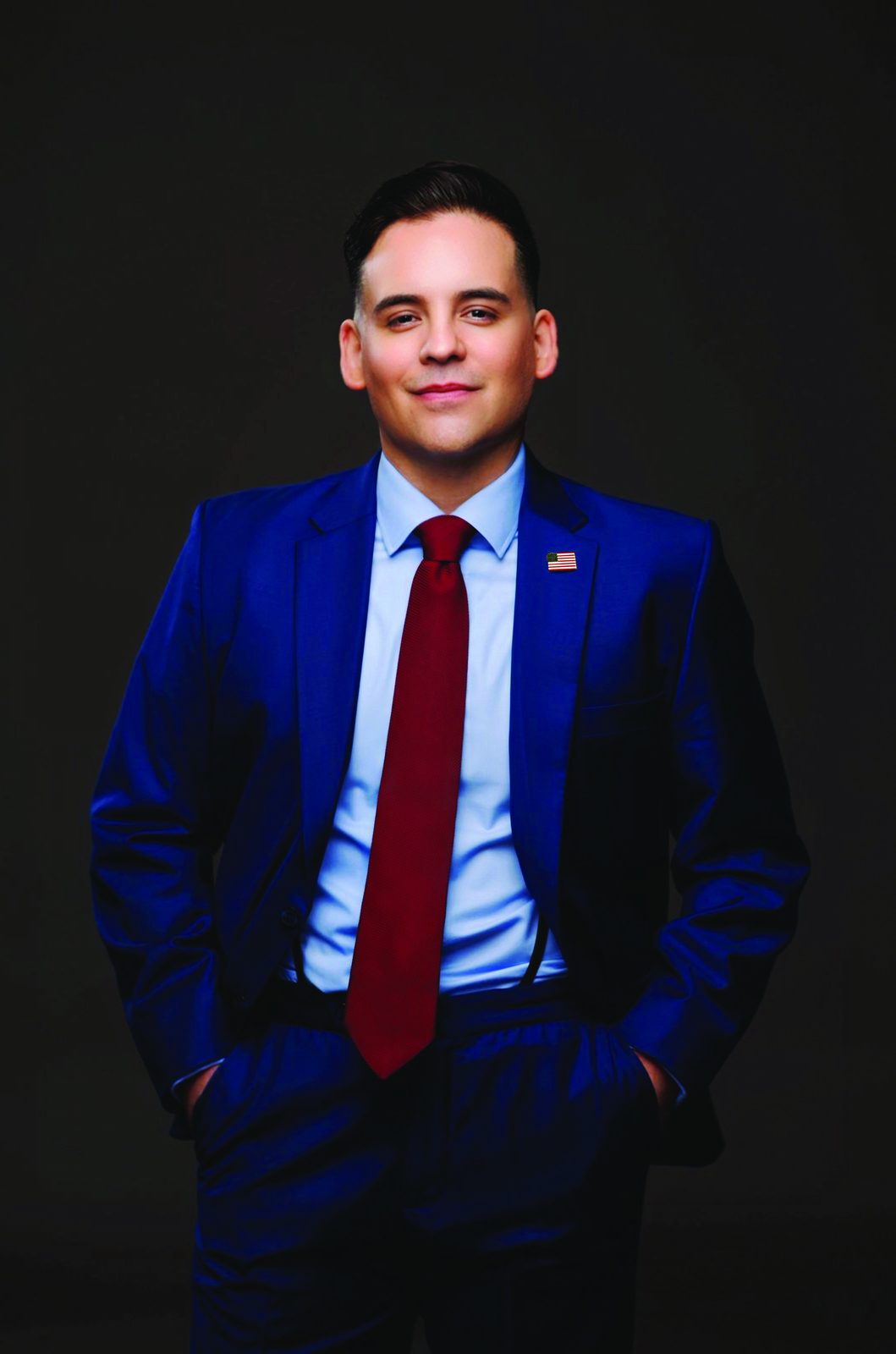
Adam Castillo
Adam Castillo believes in one guiding truth: the American spirit is unbreakable. Wherever he goes, in whatever capacity, as a Marine officer, entrepreneur, or the face of American commerce in Myanmar, he carries that belief with him. He founded AGS Myanmar, the country's leading security risk management company, and served as president of the American Business Community during the post-coup collapse. He has received the APAC Rising Star of the Year Award, was named one of White Page International's 100 Inspirational Leaders of Asia, and was included in AsiaOne Magazine's Top 40 Most Influential Young Leaders in Asia.
★ Scribe Case Study
Adam Castillo's Finding Our Voice Collects 12 Speeches He Gave Leading the American Business Community in Myanmar Through Coup, Civil War, and Disaster
Adam Castillo's Scribe Media-published memoir Finding Our Voice collects 12 speeches he gave leading the American business community in Myanmar through coup, civil war, t…
📚 Books by Adam Castillo
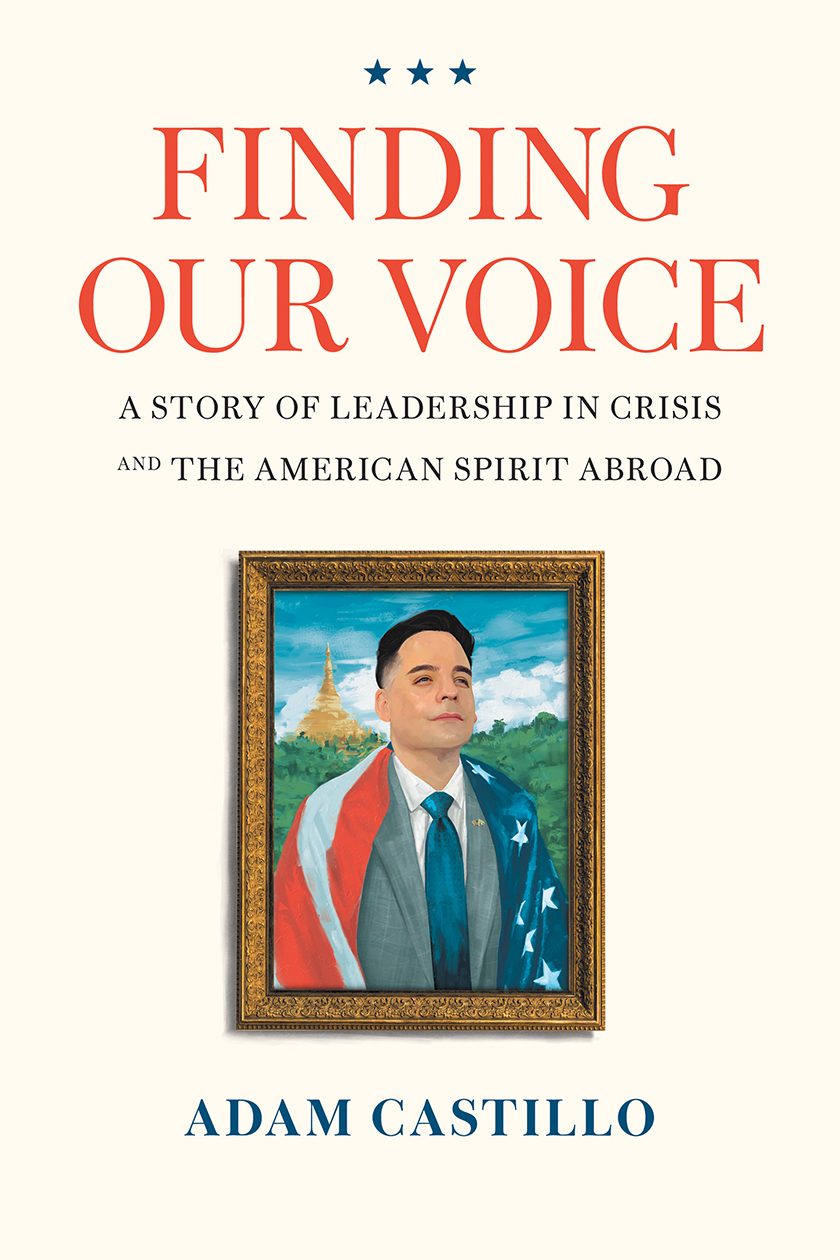
Adam Castillo is a Marine Corps veteran who deployed to Afghanistan, built a security company in Myanmar, and spent 12+ years leading the American business community through a coup, civil war, typhoon, and earthquake. His book Finding Our Voice, published March 24, 2026, chronicles the speeches he gave to a broken community to help them believe in themselves again.
Transcript
Eric Jorgenson: Adam, I appreciate you being here, taking the time. Thank you, Eric. Thank you. Long time. Adam, if you wouldn't mind just like giving us a little bit of your background life context as the canvas for this conversation, because you've got a very interesting story.
Adam Castillo: Yeah, so, you know, out of college, I went into an officer program to be an officer in the United States Marine Corps, completed that, deployed to Afghanistan. Came home from Afghanistan and really couldn't get a job. Became one of these unemployed veterans that sadly at that time couldn't find his way, right? And what ended up happening was a very dark period in my life, a very angry period in my life. But what I did was I engaged my network that I had developed when I was younger. I had studied abroad in Thailand when I was in my fourth year of college. And my friend had stayed out there and essentially gotten a job, built a career. And he said, hey, you should come out to Southeast Asia. There's so much opportunity for people our age. And so that's what I did. I walked into my commanding officer's office. First female CEO I ever had. Commanding officer. Which is different from Afghanistan where, you know, my commanding officer in Afghanistan was this recon, right? Typical, you know, recon-jari. You know, very much a high operator, right? But this was a different kind of ask. I went into that office and had to sell her. I want to leave early, right? I'll drill out at that time. I was in the reserves. I'll drill out. By the way, here's my replacements. By the way, here's everything I've already done, but I'm gone in six months, whether you like it or not. Right. But just let me go now and let me figure out what I'm doing with my life because this reserve thing, getting another job. I can't find another job while I'm doing this. And so I took a leap of faith. I left America, kind of self-exiled myself from a country that just a year ago I was willing to die for. Right. And that's kind of a larger kind of conversation with what veterans are going through, even still today. But I left to find an opportunity and I went back to a place called Bangkok, Thailand, where I had studied abroad when I was younger. And then through my own network there, I met my former business partner and he convinced me to come to a place called Yangon, Myanmar, which had just opened. Right. That was around the time of the. quasi-democratization, they were opening up the country to new investment, et cetera, et cetera. So he convinced me to go there to start a security company, an unarmed security company, mall cops, like you see in America. And that's essentially the route I took. And long story short, I moved there officially January 5th, 2014, after being there for about a month or so, traveling back and forth between Bangkok and Yangon. And I've been there ever since for 12 plus years. And during that time, there were some good times, specifically in 2014. But ultimately, the country has been ravaged by tragedy after tragedy, starting, you know, with the pandemic, then the coup d'état on February 1st, 2021, then the escalated civil war that has now become the longest running civil war in modern history since 1948. Then came the typhoon in September of 2024, and then came the earthquake just over a year ago that was one of the biggest natural disasters in the country's history. And during that time, I was leading the American business community in the form of a nonprofit called the American Chamber of Commerce Nearmar. And I was elected to the board right when COVID started. I became president in 2023. And really, that's the journey that is the book. It's really this collection of speeches I gave to my community to really kind of bring them back from being a lost, forgotten, and even broken people that stopped really believing in themselves. And how could I recapture that belief? So obviously there's a lot of commentary on foreign policy, political meditations, et cetera, et cetera. But all of that was just an agenda to reunite belief, not just in their country again, but really themselves. And that's what finding our voices.
Eric Jorgenson: Wow. So tell me a little bit about this role, the American Chamber of Commerce in Myanmar. So you're building a business and sort of sitting as president of this organization. And that's the context that's got you sort of trying to lead a community in Myanmar and make it legible and accessible to Americans.
Adam Castillo: Well, the business was already built at that point, right? So I was one of the founding members of the American Chamber of Commerce, Miramar, when it first entered around 2012, 2013. And I was just a regular member. I didn't actually volunteer to serve on the board, which is an elected group of people or members until 2020, which is really when the pandemic hit. And what happened after the coup and what's important to understand is a lot of businesses simply went dark. They went underground. They tried to keep a low profile. You know, businessmen, workers, they didn't want to be associated with the country. If countries divested, that was the broader end of the spectrum. If they didn't do that, they essentially basically hid. They took their name off or they took the name Miramar off their operating locations on their websites. And that trickle down to the workers and the people that represented those companies, even multinationals who represents them, local national workers, people from Myanmar. And so really what you had was a huge collapse in confidence and belief. Right. A common phrase that was used during that time and still even today amongst workers in Miramar is because of my country's situation, because of my country's situation. That became the preamble to every excuse that was why their life was this way. And it is a country that has been ravaged by tragedy after tragedy and been forgotten largely by the world. And that's been in no part by foreign policies as well that have only kind of dumped fire or gasoline on a fire. So how do I, when I step up, take a step back from my business and let's be frank, right? I'm working, you know, seven days a week on my business. I have to work another 15, 25 hours to volunteer my time as president of the American Chamber because it's a volunteer position. I don't get paid to do this. Right so my business actually suffered in a sense that i wasn't hands on every single day so you know when you're when you're stepping up to leave these nonprofits community level organizations it is a sacrifice right you're not getting paid to do this and some people look at it as a way of giving back to their community. Others look at it as kind of especially abroad as an unofficial knighthood in terms of okay, you know, I work for a large multinational or American Western multinational. I get to be a public figure in my business community. So it's kind of like an unofficial knighthood in the expatriate community or the foreign worker community in like Singapore, Thailand, Australia, et cetera, et cetera. But in Miramar, it became something different because nobody wanted to be associated publicly with the country. So to stick your head in the spotlight meant social shaming, meant being targeted by activists, meant being targeted by both sides of this or all sides, I should say, of the civil war. And it was not a fun place to be in. But I was the one person that said, you know what, I'm going to step up and do what I want to do and speak for people that can't speak for themselves. And that's essentially where the story begins.
Eric Jorgenson: That's a good man and good on you. And that, so that's the, I think we transitioned kind of into the story of the book here, but this is the, the context in which you gave this series of speeches that led to the book, right? Tell me about the speeches.
Adam Castillo: Yeah, so how do you lead when the people don't want to come above ground? When everybody's afraid to come above surface level, come above water, because they're afraid of the social shaming, because they're afraid of really the adversity they will face. And in order to do that, I look back at what brings people together. Right. And this goes back to the dawn of man or tribal by nature. And if there's one thing about Miramar that I think really exemplifies humanity is it shows the longest running civil war is actually about tribalism. This is my group of people and I'm willing to protect that. This should be our territory. This should be what we're fighting over. But in order to gather a group of people, you need to gather them typically in some sort of town hall around the campfire where you can basically gather everybody else and tell them this is where we are and this is where we need to go. Here is the problem and here is the proposed solution. This is how we move forward with our lives. And the problem is because everybody was keeping a low profile, nobody in the business community, American Chamber, Euro Chamber, et cetera, was doing this. Everybody was just hiding. So I came out and basically said, we're going to do something different. I'm going to get up there and on every event because the Chamber of Commerce or any nonprofit organization, how they drive membership is through events, right? And some of it is social networking, just getting drunk, exchanging business cards. But really what those events are, they're town halls. They're the tribe gathering around the campfire looking for direction. And that's essentially what I recognize them on. They were vehicles for me to speak to my community, to gather them, to make them believe in themselves again. And how did I do that? Through speeches. That when you came to an event that was hosted by the American Chamber of Commerce, that an American business community event that had their name on it, that had my name on it, we were going to have a talk. And that came in the form of a speech. Here's where we are. Here's where we need to go. Right. And whether it was directly that message or passively, That's what those speeches embodied. This is how you communicate and lead people.
Eric Jorgenson: I love it. At what point did you start thinking that maybe these speeches belonged in a book?
Adam Castillo: Yeah. I stopped being president because my term was up and May 30th, 2025 was my last basically event, my last speech, my farewell address. I wrote my first word, finger to keyboard of my manuscript, June 14th, 2025. It released March 24th, 2026 on my 40th birthday. Thank you for stealing my launch date, Eric, by the way. Anyways, the point of that aside, right, I during those two weeks, I was looking at all these speeches that really, if you want my honest opinion, the speeches were harder for me from a creative standpoint and a writing standpoint to write than my actual manuscript, Eric. We can talk about that later, but I was reading a book that I picked up from the Reagan Library in 2024. It was a book by Ronald Reagan called Speaking My Mind. And it was a collection of his speeches that he felt best defined him as a person, not just him as a president, but him as a person. So like none of his state of the union dresses were in there. It was everything from one of his first speeches he gave as the president of Screen Actor Guild, right? When he was an actor to his farewell address. Right. And how the book actually structured was it was an intro of him intro in the speech, very Reaganesque, right. Telling jokes, et cetera. And then it was the speech transcript. So that inspired me actually to do something similar with my book and the 12 speeches that I did. What if I did something like that and almost gave context to what the speeches were and then just had the transcription of the speech? Because really, I didn't want this sort of moment in time that we created in terms of me and my people to just fade into nothing. You know, we could talk about everything I tried to do for the country. There's there's a lot of praise, accolades, even controversy around what I did last year in terms of my advocacy for U.S. Burma policy or unquote Burma in Washington, D.C. But at the end of the day, where I've come to pieces, this country is no longer for mine to save, right? It's for the people, not for me, not for the United States, not for anybody. But the example I leave behind, I hope could inspire people to try to want the better future. And so that's why I want to to chronicle lies, not just the speeches, because I put a lot of work into creating those. But really, it was a dedication to my people that I led. And that's why the book is essentially dedicated to my people on the dedication page, because that's who I originally wrote the book for was for them. So it started as being inspired by a book from Ronald Reagan that I picked up two years prior in the Reagan Library. to what is now in, but to be frank, Eric, it kind of took on a life of its own because it's more than just 12 chapters and 12 speeches. It's quite more than that now.
Eric Jorgenson: Yeah, there's a lot to love in that answer. I mean, I think it's always helpful to find, you know, a hero book, you sometimes call them, or a peer book, like something to inspire a structure. And I think that's part of the magic of books is exactly what you said, preserving for the long run, something that would have otherwise sort of faded, whether that's a speech or letters or just books are a longest term medium. And when you really want to build a legacy and etch something in stone for for history. That's really what the book is for. I am curious because I know every book goes through, you have a picture in your mind or at least a starting place of where you go into this. They all change through the creative process. What were those big crossroads for you?
Adam Castillo: Yeah, so I think I don't know if you've gotten feedback from your team yet in terms of my process, right? But I'm chaos. You know, I need to I need to write and work till I'm dead pretty much. You know, when I get something in my mind, we need to finish this now. Like sleep be damned. Everything else be damned. We're finishing this. And Let me put it in context, right? First word to keyboard, June 14th, 2025. I finished the manuscript by mid-September that year.
Eric Jorgenson: For people that have not written a book yet, that is cooking. That is fast. Yeah. And keep in mind- This is how Marines write books.
Adam Castillo: And keep in mind, right, that manuscript, the original manuscript was almost 90,000 words. Right? That the book itself is just under $85,000. And we could talk about the editing process later, but that also included a trip to Washington, D.C., where I only wrote two chapters because I was gone for a month. But when I was back home in Yangon every night, like I just wanted to write. Every night I was by my laptop just writing. I would write till five in the morning, Eric, and then pass out and then wake up. What do I need to do to keep my business alive today? If there's nothing, staff, leave me alone. I don't care about you today, right? I'm writing, right? And it became almost like, you know, I'm a long time gamer, Eric. You know, when you go on gaming binges and you just can't get enough of it, like this is what I felt like when I was writing. You know, when my first, this is when I knew Me and Scribe were meant for each other. I was dealing till September with an eye twitch, an eyelid twitch. And for the life of me, I couldn't figure out why. And then my introductory call, With one of your one of your staff. So that's that's writers I you basically been writing too much and looking at your laptop screen. You know we recommend that you know our writers just you know start transcribing things on a trend transcribing you know software whatnot so they don't keep typing and it gets worse I'm like. Well, I wish I would have known that before I finished the transcript, right? So but that's essentially what happened. It was like I was writing so much by my laptop. My my eyelid just kept twitching nonstop. Luckily, it went away. But yeah, so it just became so obsessive. And during that obsessive process, You know, I'm a man that you would never believe, but in undergrad I studied film. And through undergrad and high school, I've always had a flirtation with theater. And I always believed in this sort of journey, this great tale of people's lives. And almost told through almost like a Greek tragedy or Shakespearean play, or it's told through acts, right? That there's a prologue, there's interludes, and then there's an epilogue. And then I started thinking, how do I tell this story without telling my story, just like I talked about in the first question? How do I tell this story of my people, of the species, without telling how I came to this faraway land that most Americans never even heard of? to begin with. And that's where the idea came of the prologue. And that's why originally and still the final book, the prologue is so long, is because that originally was like 30% of the book, right? We managed to cut it down and speed it up. But yeah, so I wanted to tell the story of how I arrived in the country and also teach people what an American Chamber of Commerce was, what we were going through. You couldn't do that immediately on speech one. Right? And then came to my idea. Okay, if there's gonna be a prologue, there needs to be an epilogue. Right. What happened after the speeches? Because a lot happened after those speeches. If you just Google my name, Washington, D.C., critical minerals, White House, you'll see, you'll essentially see me lagged on a countless number of articles. Right. So there needs to be an epilogue of what happened afterwards with my D.C. story, because the D.C. advocacy of trying to change U.S. Burma policy is such a huge part of the book. And really kind of where my future goes. So that became another part. But if we're going to have a prologue in the epilogue, what about interludes? Because there's certain things that need to be told in this story, this great tale. And that's when I thought, okay, what if we were to have an interlude to break the reader away from the speeches? You know, one of them is going to be on US foreign policy towards the country, which has been a huge thing. And it's, it's the who and the why behind the story, which, and we could talk about why I, I did not go through traditional publishing or even attempted to it. And this was one of the main reasons was I fought for that chapter to stay in there. Right. You can't tell this story without telling the why behind it and the who. Then I was just like, OK, well, if I'm going to do that interlude, there needs to be other interludes that kind of break the weeder away and give them context. Give them a break from the speeches. But instead of going to the concession stand, they're getting another kind of side quest story. of how I became, how these speeches evolved. And then that's when the next chapter came or the interlude chapter about the miracles of belief, the miracles that I believe God saved me. He literally reached down and saved me. And that came from me being a believer in my own faith. And then the last interlude, I felt was really something I had to do because There's nothing written about it, and that was the devastating earthquake on March 28, 2025. One of the most absolutely disastrous national disasters, not just in that country's history, but in the world's history in terms of an earthquake that just shattered, that just broke a country. And there's nothing written about it. And so I felt you could not end my story, especially of those speeches without telling about what happened really in that last month or so of my presidency, where this huge national disaster happened and how I responded, how we responded as a community, as a people. And so that's really where. the creative process took me, and that happened away from Scribe. That happened away from even talking to a publisher yet, right? And so I suppose that leads us into the next question, is why I chose Scribe and not traditional publishing, because I came in here with a very clear idea. And let me say one more thing, Eric. I don't read. I'm not an avid reader. I have to write thousands of words a week with my conflict reporting, what I do for my clients. how I basically analyze the conflict, the politics of the country, the economics of comas. I'm reading constantly in terms of news, in terms of data, in terms of intelligence, then having to write. You know, I've written millions of words on basically the crisis in Miramar since it started in 2021. I don't have time to go on Goodreads. I don't even know what Goodreads was or NetGallery or any of these things were, right? I don't read books, you know, like for fun. I don't have time for that. So. I basically went in there with my own idea like this is what i'm going to do and i don't care what people have to say i don't care about all this genre of of novels needs to be this way or non-fiction i didn't care right so yeah there it is i love you
Eric Jorgenson: Did that follow your own vision without losing sight of what the reader needed though? That's what I love. As you're talking about, it's not just speeches. I had to add the context. I had to add the interludes. I wanted to close the loop on the context of the speech and the outcome that it had and show the path that this community is on. I think that's remarkably intuitive and a lot of authors, I think, need to be reminded that they're not just They're not just speaking to people who are by default there. You need to get in the head of the reader and understand the amount of context that they actually need to go on the journey with you that you want them to go on. When you have all the context that you have, it's hard to remember that. It's hard to put yourself in that beginner's frame of mind and really start the story from the beginning. The fact that you did that on your own as a first-time author I think is remarkable.
Adam Castillo: Yeah, I mean, I think where I was very shocked is how much between my beta readers, between a firm. So I hired a firm, Publish Authors, you know, the great Joffrey Cain, name out of dickens. Right he basically said hey man i could i could do an evaluation of your manuscript we could do a market survey everything you're gonna need to pitch traditional publishers will give you the breakdown everything. And he came back to me and said hey you have a page turner here man this is amazing. But he basically in i credit him with basically why i went to scribe. He gave me a market survey and he gave me a huge basically report on the reality of traditional publishing. Like Adam, take your shot, but this is what you're going to face. They are not going to let you publish this book. They're going to make you split this book up into like a series, you know, because they right now look at, will look at this as a leadership memoir genre. And I think of it like almost I relate it to almost how like Marvel now looks at films or even big studio productions look at films, right? It has to be an IP with the set formula and you cannot deviate from that or they're not investing in it or it's going to go to Netflix or something, right? And that's how he was basically explained to me how traditional publishing work it's. Unless you're going to go to them with a million dollar production team of ghost writers, of publicity, you know, like somebody like, you know, Kamala Harris's mama, right? She came with millions of dollars behind her. I just need your imprint. And then we go. Right. And that's what traditional publishers want, which is why they're probably a dying industry. And then I kind of took that and started. And so, like, literally within a month, probably from the end of September to end of October. I was trying to figure out, okay, how do I contact traditional publishers? I was able to contact a few outlets and I didn't like the feedback I was getting. And then there's this weird 1999 AOL MS DOS website where they make you all go to get a literary agent. This scam of a literary agent, a middleman that does nothing but takes a piece of your book in order to get to traditional publishers. So when I saw all of this, and again, I give thanks to Joffrey Cain for giving me kind of the rundown and opening my eyes to this before I experienced this, I had zero patience for this. Zero error. And on top of this, you know, one thing I would say, you know, you guys get a lot of business books. You know, people that are writing books about business. Well, at the end of the day, my book might not be a business book, but I'm still a businessman. I'm still an entrepreneur that's built a business. These deals that they're offering people. Oh, here is half a million dollars, but it's not for you. It's for your book. Oh, by the way, we're going to take this amount of your royalties. Then your literary agent takes another piece. Then you have to pay that back before you even see the royalties. You know, it just reminded me of being back home. These are ghetto loans. These are payday loans. Right. But only you can pay back and get your equity back. Right. So I'm just like, why would I make this business deal, especially when I have the means to not do it? Right. I could see if I was like the next great author, like a J.K. Rowling, who has this unbelievable book that's going to change the world and starving. And maybe that worked for her, but there's another side to that coin. In today's traditional publishing environment, Eric, would JK even get published? Would they even take a risk on JK? You know what I'm saying? So yeah, that's why I essentially said, no, this isn't for me.
Eric Jorgenson: Yeah. It's a really tough thing to navigate. They don't want to take risk anymore and they don't have to. Enough people are willing to take that bad loan because they just think it's prestigious. Sadly, most of them don't realize what you did, which is that you're giving up your, it's not just a bad economic deal, but you're giving up your creative freedom. They're going to make your book into what they think is going to work through the channel, what people are trained to expect in that genre, not the message that you want to get out. I think you hinted at this before and I want to focus on it now. It sounds like you had something that was a little politically sensitive that you were not sure was going to make it through the traditional channels. Is that
Adam Castillo: The right characterization?
Eric Jorgenson: No. When you said there's a foreign policy sort of.
Adam Castillo: Oh, no. So it wasn't political. It was more or less my commentary on foreign policy. They basically, you know, Joffrey Flagg and other people I talked to when I was kind of outreaching to the traditional publishing route, the literary agents, that traditional publishers were not going to have time for a chapter dedicated to foreign policy. It just wasn't going to apply. And funny enough, exactly. Right. But how do you tell that without like, it's one and the same. You know, I'm not writing a book here for kids. Right. People need to understand basic concepts in order to understand the story of my community, the story of my people and the story of everything I did in D.C. Right. So my whole standpoint was, like you said, I wasn't going to give up creative control of the book. And more importantly, I wasn't going to let somebody tell me I can't release it when I thought it was going to be ready to be released. Right. And they're like, OK, we can maybe release it in a year or two. I'm a year or two. Like, why? You know, so. Along comes this report from this, from Joffrey Kane, good friend. And in his market evaluations or surveys or whatever, one of the, one of the comparisons he made was, was Can't Hurt Me by David Goggins. And I was just like, well, and he says like, listen, you're very different from a sense that your story begins when you leave the military, doesn't end in the military, right? And so I've never really read David, to be frank, I don't really follow his work, but then I started researching his publishing journey. And the first thing that came up was Scribe. And so I immediately reached out to Scribe and set up a call. And then immediately, obviously, the eye twitching thing kind of caught me. And then your team was just like bringing in everybody to talk to me. It was almost like a family gathering, right? It was like, this guy's jumping on the call. This person's jumping on the call, right? And it just seemed like a natural fit. Like, listen, I'm here to get something done. And I need somebody that is really willing to work with me. And that's basically all it took was basically that one phone call and them hearing my story and kind of reviewing a bit about my manuscript and seeing what I what I had to offer. And then and then I think within really the week of Veterans Day, when actually I was in D.C. in this very hotel room and this very hotel where I signed my deal and then had my introductory call with my publishing manager, Meg.
Eric Jorgenson: Nice. I love it. Yeah. We were so excited when we get to work with an author who's like as eager to just move and publish and has a clear vision, which is exactly what you had. This is a really, as we record this, we're pretty fresh off of your launch date. I mean, two weeks maybe. So I'm sure the answer to this will be different in a year, but I always like to ask even early on what sort of unexpected good thing has come as a result of this book being out and complete for you so far?
Adam Castillo: Nothing in the traditional sense like speaking deals or what not I mean you know we talked about this before the call is like you know this week I just been spending time catch or this past week I just spent time catching up from this very. Very fast and chaotic, but yet beautiful launch week I had where I where everything came together. I had multiple events in D.C. You know, I was getting books signed. You know, I signed books for congressman. I got, you know, this great photo shoot on the hill. I was on my Newsmax. I had my first television appearance. Meanwhile, everybody's sending me all these things to do and whatnot. So I had to spend like last week after my New York trip just cashing up, you know, and I'm still kind of am and still trying to plan for the next thing. Meanwhile, you know, there's things as an author. that you don't realize you have especially if you're not an avid reader you have no idea what you're doing like amazon ktb is is is its own beast and left liat scribe you've been able to put me towards people that know what they're doing and i think a lot of that is you know trusting these people now like listen i'm paying you to do a job go do it. And because I have no idea what you're talking about when you when you come to me about like Amazon ads and whatnot, I was like, I have no idea what you're talking about. This is just do it right. So for me, it's been it's been more chaotic to just catch up with the work without really kind of realizing what's going on in my life with publicity, et cetera, et cetera. So it's hard for me to answer that. But if there's one thing I can say from more of a broader standpoint, from me as a person changing what the book has changed for me in and from a spiritual sense is is peace of mind. I have clarity of purpose now, Eric, that and I write about this at the end of my at the end of my book, you know, I'm aiming to take a shot at an Act III in my life, another chance at me redefining my life. And whether it happens or not, you know, I don't care. But I have such a clear mind now and such a full heart that everything I did was put into that book. And now that chapter is closed in my life. And you know what? If I take my shot and I fail, you know, to do what I want to do coming back home to America, You know, the exiled son finally returned. Then you know what? Then I go back to Asia and live there the rest of my life. And that doesn't sound like a bad life, Eric, to be honest, you know? So what I would say is being able to have this this this out of my body. And it feels like it's in the book now, this sort of not burden, but just sort of this sort of emotional thing that I essentially put everything into it and laid it all out there. Now, again, my mind is clear, my eyes are clear, my heart is full and I have peace. And so that's probably the best thing that came from this book is knowing what I need to do next in my life and having no regrets. Zero. That's it.
Eric Jorgenson: I love that. Adam, that was a perfect and a perfect bow on a very interesting conversation. I appreciate you taking the time to share. Where would you send people to learn more about you, the book, and what you're up to?
Adam Castillo: Yeah, I mean, just check out my book, Finding Our Voice. It's on Amazon. Finding Our Voice by Adam Castillo. It's on Amazon. It's on Apple Books. It's on Goodreads. It's on Barnes and Noble. If you want to check out my website, adammcastillo.com, you'll find all my social media handles, et cetera. But please, yeah, buy my book.
Eric Jorgenson: Thank you so much for your service. Thank you for writing this. Thank you for using Scribe and thank you for taking the time to share with other authors and aspiring authors. We appreciate you.
Adam Castillo: Thanks, Eric.
Want to Write Your Own Book?
Scribe has helped over 2,000 authors turn their expertise into published books.
Schedule a Free Consult