Dr Sam Slattery: Episode 1004
Read the full transcript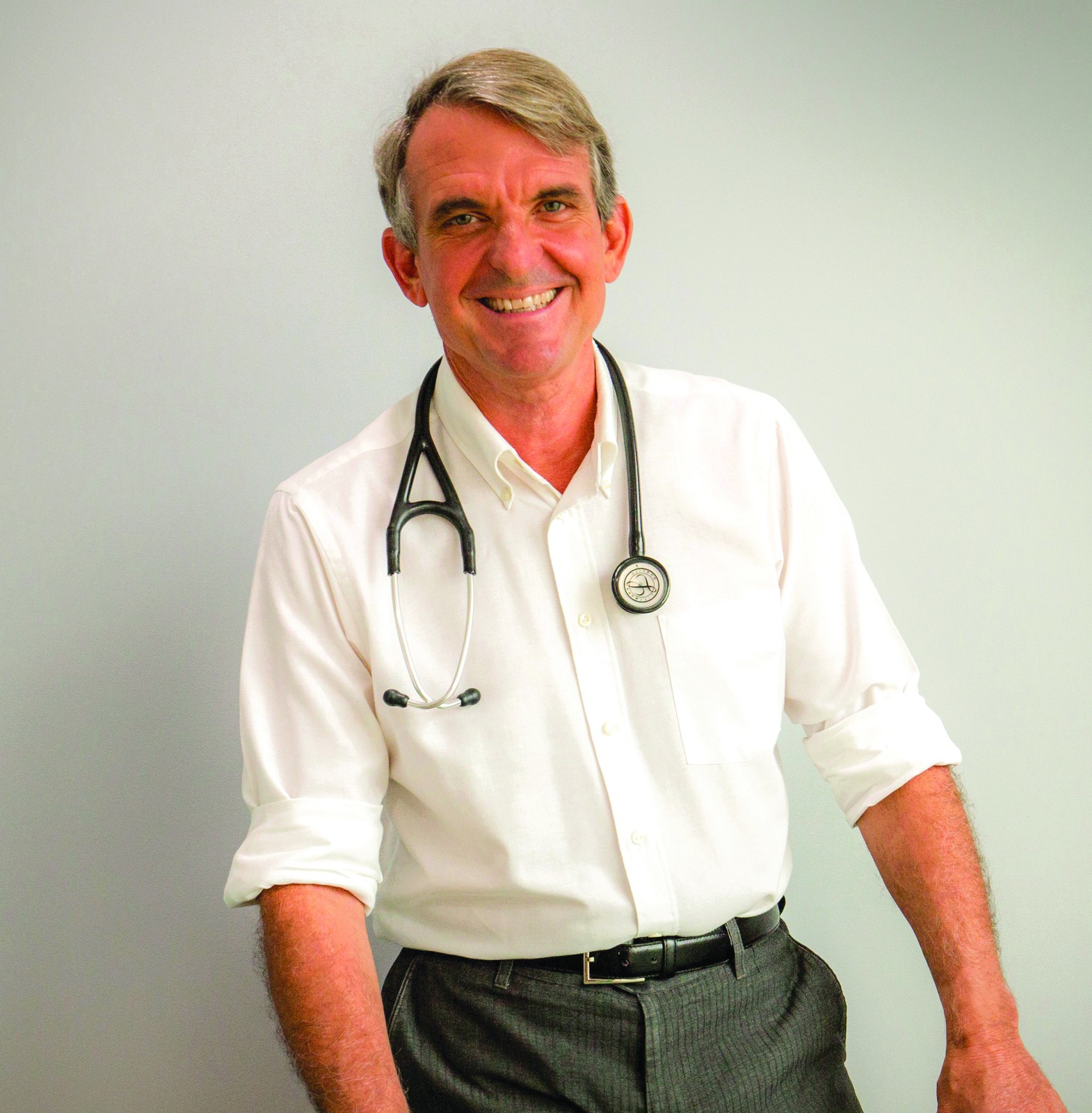
Dr Sam Slattery
Dr. Sam Slattery is a highly respected and trusted physician with over forty years of experience on the front line of medical care. A practical and pragmatic physician, he is recognized for translating his extensive knowledge into a caring and empathetic approach to helping individuals achieve their best health.
As the founder of Grace Bay Medical Centre, the Caribbean’s first truly integrative healthcare facility, he advises some of the world’s most famous individuals and the people who take care of them. Learn more at
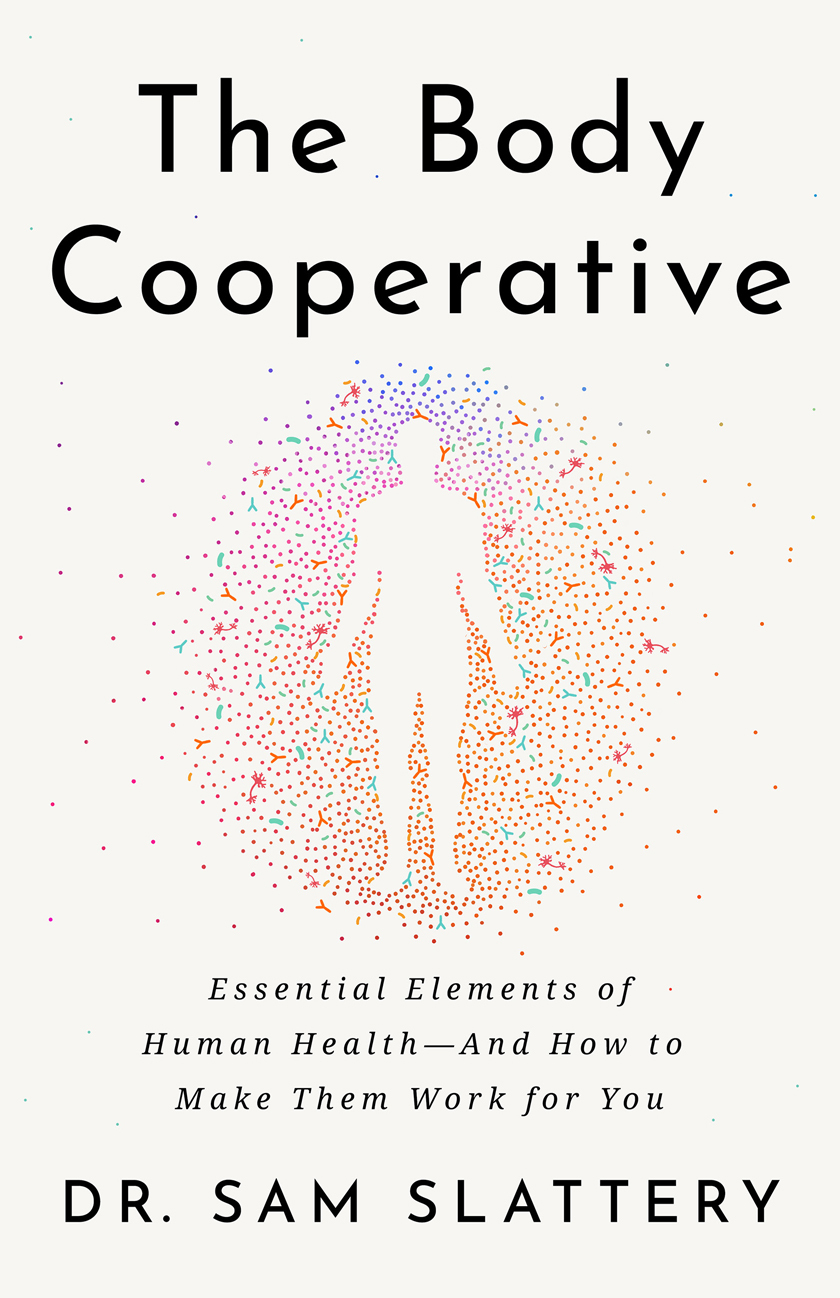
📚 Books by Dr Sam Slattery
Transcript
[0:00:30] BB: Are you tired of being treated like you’re just another number in the expensive conveyor belt healthcare industry, while you struggle with less-than-ideal health? Are you frustrated with endless onslaught of contradictory health information, advice, and fad fixes? Having personally experienced that pain as a patient, Dr. Sam Slattery set out to discover a better path to health. What he found was one simple truth that would change everything. The human body, he writes, is an ecosystem and successful ecosystems like successful societies and businesses are based on cooperation and cooperative behavior. Comprehensive yet easy to read, The Body Cooperative provides a compassionate, honest, common-sense approach to understanding how your body really works and how to be well again. Based in part on the author’s own life’s story and supported by experience gained from over 130,000 patient interactions and thousands of hours of research, this unique book explains the true how and why of creating a better life. Here’s my conversation with Dr. Sam Slattery. Welcome into the Author Hour Podcast, I’m your host Benji Block and today, I’m honored to be joined by Dr. Sam Slattery. He’s just authored a new book titled The Body Cooperative: Essential Elements of Human Health and How to Make Them Work for You. Dr. Sam, welcome to Author Hour.
[0:02:06] SS: Thanks, thanks Benji. It’s a pleasure to be here, looking forward to our chat.
[0:02:09] BB: Yes and I want to start with the first line of your book. You say, “I am a doctor and I am here to tell you not to go to doctors for health advice.” Usually I don’t start with a quote but I had to start us there. So man, right from the outset, just tell listeners the work that you do and the genesis of this book because I thought that first line was a fantastic start.
[0:02:30] SS: Thank you. It’s a good first line because it’s factual first line and I would stand by my statement and the reason I stand by is very straight forward. I trained as a traditional doctor in a very famous medical school in London and I spent basically seven years of my life learning how to deal with sickness and ill people and nobody taught me anything about health or how to be healthy and that’s been pretty much true of the first half of my career. Then I got sick myself so we can talk about that later but the one thing absolutely for sure, most doctors know absolutely nothing or certainly have very rudimentary knowledge about how to be healthy. So I’ll stand by my statement.
[0:03:17] BB: And let’s talk about your wakeup call here too because I think that’s such an important thing for people to realize, right? Here upfront before we get into the actual content. So you were 45 years old, you get sick and there was basically no doctor that could help. Talk about that wakeup call and what it led to?
[0:03:35] SS: Yeah. So I basically developed irritable bowel syndrome at the worst possible time. So I sort of spent several years of my life chronically fatigued with abdominal pain and I had sort of brain fog, joint pain and met with the cardiologist because I started to get palpitations and run to what we call lateral fibrillation and really, you know, I started to look like somebody who was 40 years old than I actually was and that would be 40 years old, imagine it was somebody who was not in good health even at the age of 85. I was still trying to work and run a busy practice and that’s relevant and hold it all together, raise a family and all of the things that happen too you at that point in your life was sort of a crowding in on me and I really just fell to pieces literally and nobody else seemed to be able to figure out what was going on and all the usual platitudes and the diagnostic test were all essentially normal and eventually, you know, you’re just sort of labeled as being sort of neurotic and slightly sort of go away, nothing we can do for you and then, that started me on a journey to where I am today. The first part of the journey was, I had to fix myself, which actually, a patient helped me do that and discovered that I was wheat intolerant and then that lead me and in those days, that was just quackery, you know? It was just the latest fad —
[0:05:04] BB: Yeah, now it’s everywhere, right? Now it’s mainstream.
[0:05:06] SS: Yeah, because yeah, well, now I’ve done that a few times in my career actually where I sort of hit upon an idea and thought, “This is going to change medicine.” Microbiota and the gut would be one of them. I sort of was interested in leaky gut even before I became ill, I was interested and of course, in those days, you were quack if you talked about leaky gut. It was a sort of – it was the world of the alternative healers and whackers, frankly. Now of course, I’m actually a trained gastroenterologist and that’s my specialty against the background of general medicine for many years and if you can’t talk eloquently about leaky gut or a hyper permeable gut, you’re a quack. So in 15 to 20 years, we’ve gone from me being the quack talking about it to anybody who can’t talk about it being the quack but that’s the nature of medicine.
[0:06:00] BB: Yeah, the table’s turned.
[0:06:02] SS: Well, it just, you know, when you come up with new ideas and thoughts, you sort of get ridiculed in the beginning and people actually attack you and then eventually everybody’s like, “Oh well, it was really obvious. We knew that all along.” I was really unwell but this patient persuaded me to give up wheat, which I did and I almost immediately got better. I mean, within a few weeks, I was really back to being a normal human being, which was a remarkable recovery. I thought, “Well, hang on a sec” having an inquiring mind, which I do I was like, “Okay, I want to know how this works because this clearly is not just, you know, this isn’t just made-up fringe medicine.” I mean, I’ve just experienced it and so I essentially went back to school and did a master’s degree in gastroenterology and nutrition in London and I did that online initially and then I actually went to London and took some time off from my daytime job and the people that trained me were neuro gastroenterologist. I’ve never even heard of them and most doctors have never heard of neuro gastroenterologist as well as everybody else. So these are doctors that specialize in the nervous system of the gut and then I realized that you know, the gut’s got more nerves in it than the spinal column and it’s your second brain and it really is your second brain and it controls much what goes in the rest of your body, including in your so called first brain and then, at the same time, the whole microbiome bacterial colony in your gut was beginning to be talked about as well. I’ve always had an interest in immunology and ultimately, if we go back to earlier in my career, I really was an ecologist at heart. So I was interested in how biological systems work together and so here I was, suddenly in my 40s, ill, but getting better and studying the ecosystem of the human body and that’s sort of evolved into another area that I was always interested me, which is psychology which is really, I mean, psychology is applied neurology. I’ve never understood why neurologists and psychiatrists and psychologists have don’t understand that but anyway, of course, your thoughts and feelings, emotions, the way you interact with the rest of the world comes from your nervous system. Now, it turns out it comes from your neuro immune system, so your nervous system and your immune system working hand in hand as a single system, really, and that’s sort of where I ended up. Then I got bored of explaining this to patients over and over again. The same speech to every patient because I started to collect lots of people with so called functional problems and made up symptoms, the IBS patients of the world but there are lots of other functional diseases. Fibromyalgia and other things where people have suffered horribly but my colleagues can’t figure out why. So I started putting all these together and I thought, “Well okay, well, maybe I should just write it down a book because you know, I can only tell one person at a time” and might be even more health if I could tell a few hundred people at the time and there we go, the body caught.
[0:09:01] BB: That’s a great way of explaining the road to here. So for you, when you're thinking and you’re writing this down, are you writing it essentially with past patients I mind and thinking about the future patients who are going to benefit form it or is it more even broad than that going, anybody who is interested essentially in health and essential elements of human health should pick this up and read it?
[0:09:23] SS: Yeah, it’s interesting because when you start writing, people always say, “Whatever you do, don’t write a book for everybody.” You know, be very specific and have a very narrow audience and so I promptly wrote a book for everybody. You know, because that’s my nature and I’m well recognized maverick, which is fine because I’m a respectful maverick but I am a maverick, my father was a maverick before me. So, the idea is that you sort of create dialogue and sort of start conversations and debates about ideas that are perhaps not mainstream. Anyway, so the book is absolutely for everybody and my beta readers when I was producing the first draft range from, I think the youngest was 24 and the oldest is 86 and feedback was posted from all of these people. So no, it’s a book for everybody. It’s not specifically about functional health. I think if I do another one, which I hope to that that will be very specific addressing the issues of IBS and a lot of these so called functional illnesses that people have in a more directed manner but this book’s for everybody. It’s how to be healthy and then it contains a sort of roadmap and there’s nothing clever about it. I mean, I just deal with the five main key areas that you need to address in your life. The first is, everybody needs to take some exercise. The second is that everybody needs to have a healthy diet and stop eating tons of junk food and sugar and frankly, rubbish because that’s probably the single biggest thing that’s killing everybody these days. The third is that, that we understand the importance of sleep now and I do some work in Africa and things where people do actually get appropriate amounts of sleep because they live in in darkens half the day and they’re healthier for it. But the science behind sleep is much more robust over the last 10 years and it’s really important. Me time, I talk about sort of self-reflection. So checking in with yourself that knows, the gas gauge in the car basically and nobody says that on the car without knowing if petrol’s in it or gasoline and then lastly, there’s a whole section on stress management, which is what kills all of us and then sort of barriers to change because we all know this stuff. There’s nothing – I’m not writing about anything that nobody knows that you should take some exercise and eat proper food. It’s just why do we all struggle to do it? There is a whole section in the back about that, the psychology of change and barriers to change, why we aren’t successful. So yeah, that’s pretty much the book.
[0:11:57] BB: Yeah, I like that you broke it up the way you did because it’s those five elements with sort of the make a plan phase before that and then the, executing the plan after you go through each of the five and you’re right. None of it is necessarily something that – like, people would be able to tell you, “Okay, I should be thinking about what I’m eating, I should be exercising, getting more sleep” it’s all the things that we’ve been told but then, you’re going more detail there. So let’s go into some of the five elements just for a couple of minutes and you said, this is quoting you, “If you gain nothing else from this book, I hope you’ll give up processed and junk foods including breads, pastries, cakes and cookies for 30 to 60 days, find out what it feels like to eat the way we and our gut bacterial colony evolved to eat.” Talk to me a little bit about that and why that is such a focal point for what you want readers to get from this.
[0:12:45] SS: Yeah. So the important thing about this is it’s just step back one, sort of a little bit and deal with the science just quickly. As I mentioned, the gut is our second brain as many of us would argue, it’s our first brain. Lots of nerve tissue in there, unbelievably complicated but what a lot of people don’t know is it’s also the home to your immune system. Like, 80 to 85% of all immune cells in your body live in the wall of the gut. That includes the liver, for the purists and it’s also the home of this big bacterial colony called the microbiota or some people may call it the microbiome, there’s some sort of some semantics in there but don’t worry about it, massive colony and these three elements come together to run the human body. They influence everything including whether you sleep properly, your memory, inflammatory levels throughout the body, which is what ages you. So you have to sort of start with this first if you want group of three because it’s the center of the human universe. Everything that I write about in the book actually influences the neuro immune system of the gut and therefore, as the neuro immune system of the gut influences every other part of your body. Clearly, it’s important thing in modifying and balancing out the system. So diets probably the most influential element in altering the way that system works and partly because diet influences the structure of the bacterial colony in the gut and you can very quickly change the sort of balance of your bacterial colony and this then produces some very significant change in the neuro immune system balance and then that sort of feeds to into the rest of the body and the rest of the nervous system most importantly, including your brain. So the biggest poison to the bacterial colony and the neuro immune system in the gut wall is our modern diet. The evidence is clear, there’s no questioning it and I actually and I say this in the book, I’m just amazed that we spend billions of dollars every year doing research into proving something that frankly is obvious as the, you know, the sun coming up in the east every morning.
[0:15:05] BB: That’s fascinating because it’s like we know it but we’ve done a lot of work to make it more complicated.
[0:15:12] SS: Oh, I mean it’s comedic. I look at people doing basic research into sugar. There is still a debate about whether sugar causes diabetes and obesity. I mean, it’s comical. I mean, a five year old child in kindergarten can tell you the answer to the question yet we still spend billions of dollars every year trying to show that that’s the case.
[0:15:34] BB: Let’s go back to kindergarten for a second because one of the things I liked that you did was you also went, okay, clearly we know there’s things we should stay away from or not eat, but there’s also like just a really simple way. You know, in a world of fad diets and all of these here today, gone tomorrow type systems that people want to tell you to jump onto — I liked the way you did by just giving some simple guard rails for the way you think about food and I’d love to hear what even for you Dr. Sam, what your daily diet is like now.
[0:16:06] SS: Okay, so firstly, I do everything in my power to stay away from junk food. So I would less that less than, I don’t know, maybe less than two percent, I mean maybe 5% of my diet would be classified as junk food. So in other words, everything I eat and put in my mouth has been prepared from something that is recognizably a food source. So whether that be meat to vegetables or whatever and I cook it. I sort of balance out, I do believe that fundamentally, we do better on a high vegetable diet. That would be most of us but having said that, we are omnivorous and we’re flexivorous and by that, I mean we can eat anything and we can eat and the flexivorous bit comes in so we can eat what is around us. So that’s how we have managed to survive all over the planet and all sorts of very different habitats but so back to me. I tend to be around about 80% and so that’s why I write in the book that my diet is vegetable based but I do eat meats and animal products despite the fact that I am essentially a Buddhist by philosophy, that’s a whole different area of discussion but there’s no question that animal products do have a high nutrient value and I think if they are handled and processed in a humane and ethical fashion and that can be done — that they are a good source of nutrients for us. There are some practical reasons for stating that as well, most of the world will not support large scale club based agriculture contrary to popular beliefs. So a lot of marginal land and actually certain animals are very adapted to using that area and producing high quality food to feed us. So another debate, it could be had there but so 80% essentially of my diet is vegetable based, about 10% is animal based. Then I try to stay away from grains because most of them is starchy, so the rices and the flour based products, hence the bread and the cakes and cookies that I mentioned there. Starch is just sugar in another form and that is one of the big pushes in the book is that I think people just don’t tend to stand that. They don’t understand that when they eat a healthy choice baked potato, they’re effectively eating 15 cubes of sugar. When I point that out to people, they stop eating so many potatoes and not surprisingly, lose weight and feel better but it’s the same with bread and pastas, all these things that we are told are healthy, they are not good for you unless you’re doing a lot of physical work and that’s a different discussion. So essentially in summary, lots of vegetables, modest amounts of fruits, always have nuts in my diet, I am bit of a nut addict. That is the bulk, about 10% animal products. I like fish a lot and I am lucky enough to be in a place where I can access it. Eggs, totally underrated food source, everybody should eat an egg, as fas as I’m concerned, every day. I’ve had lots and lots of raisins, lots of micronutrients in there and vitamins and then I try and limit grain intake to control my weight. So that’s very depends entirely on how much activity I am doing. If I am doing a lot of physical exercise and physical work out, I will put some starches back into my diet and some grains, being that sort of relatively sedentary, I take them out. It just feel – that makes sense?
[0:19:18] BB: It does. I think it is helpful too to just get a picture or a snapshot there. I wonder, let’s say you were advising someone who is in more of a space where they were not super active and let’s say their diet is unhealthy, do you see food as the first step to then getting the energy needed to your second step in the book, which is exercise. Would you get someone moving and then you would change their diet? Is there a route you advise?
[0:19:43] SS: Yeah but the route I advise is actually that you have to tackle all five of the elements to some degree. So I know people, who you know, they think that if they go to the gym they can eat whatever they want and equally, I’ve got people who think if they fast and stuff, I am a big fan of fasting, intermittent fasting. It’s actually just the normal way of eating as far as I am concerned, then you know, fasting isn’t going to fix you unless you actually move. It takes some exercise and so that’s why the five elements is so important and that is one of the things I really push in the book that you have to tackle all of them.
[0:20:20] BB: I think that is important and it can also seem slightly daunting, which is where the plan kind of comes in, right?
[0:20:26] SS: Yes, one of the things about the plan that I write is that you know, if you want to walk across the room, it is 15 steps but as long as you are all heading towards the door, you’re going in the right direction. So each little step is a tiny event, isn’t it? I think that’s really one of the big messages for me in the book is I think what people do is they, you know, this is the fad diet. It’s the New Year’s resolution. We’re sort of a bit prone to being sort of dramatic when we do things and actually the secret to life is to be subtle and take small steps but just trying to make sure that they’re all going in the same direction and then surprisingly enough, you end up at the door without really thinking about it, you know what I mean? But if that makes sense, you know, you always worry about, “Well, can I make it to the door?” Well, yeah of course, just take 20 steps. They’re all tiny, they’re all tiny little efforts but that is the same, you know, if you want to change your diet, you know, don’t just wake up one morning and go, my advice to people, most people anyways, you don’t have to wake up and suddenly go to Wholefoods or somebody and change your entire shopping basket overnight. How about making some subtle changes? How about we’re just going to stop buying donuts covered in sugar every day with my morning coffee or you know? It is a bit kind of like the exercise, you know? Okay, you don’t have to walk up three flights of stairs every day to your office rather than the elevator but how about once a week? Then you think, “Well actually, that wasn’t so painful, maybe I will do that twice a week” and you know, it is the same with sleep. You know, nobody sleeps enough sometimes including myself but it doesn’t mean you suddenly have to go, “Oh, I am going to sleep for eight hours and change my entire life.” Hey, I mean, how about 15 minutes extra sleep three nights out of the week or half an hour or don’t watch the late night show or you know, it’s just the little things and then they all start adding up and then the whole point of me time, which the chapter is about. So the self-reflection is sort of just checking in and going, “Well, that’s interesting. I didn’t drink much alcohol last week and there’s no doubt I feel better. So maybe I’ll maybe not drink so much alcohol this week and see if it is the same way” and then you know, next week I’ll drink, end up drinking a lot of alcohol because you do, it’s somebody’s birthday party and you don’t feel so well and then because you are now practicing me time, a little bit of self-reflection daily like, “Okay, the weeks that I drink more alcohol, I clearly don’t feel as well as the weeks that I don’t.” So then you start to go, “Well, do I really want that extra beer and stuff?” It is all very subtle. It doesn’t have to be dramatic, I think that is the point.
[0:22:57] BB: Yep, I love that you focus in on that. It’s all about the me time, you need the self-reflection in order to see some of your own patterns and it can be hard when you are just used to living your life and your routines to pick up on the patterns and so that me time becomes so necessary. I wanted to start to wrap up our conversation today with you, actually, pretty early on in the book before you ever get to the five elements, you just talk about some myths. I thought it was interesting, once you would actually read through the five elements to go, “Okay, how now that I have read this, does it expel the myth in my head or do I continue to kind of live with it without realizing?” and so I was glad you spoke to these things. I wanted to highlight three and just have you get rid of the myth in our minds and the three were aging means you become ill, being healthy is expensive and being healthy means no fun. I want to leave this episode giving you chance to talk about each of those three. So let us go through them, we can kind of rapid fire and we’ll hit that first one. What do you mean by aging means you become ill and why is that a myth?
[0:24:03] SS: Okay, so we live in a culture now where it is just sort of accepted that somewhere in middle age, which is sort of seems to be loosely defined in your 40s, bits of you start to fall off and fall apart and you’re just, you know, you’re supposed to get middle age spread and then you just expect it to start on medication, have high blood pressure, and that is just absolutely not how biology works. I suggest to people to just look at your pet if you have one that you look after, properly, that is, they live a very healthy and well and very capable and mobile usually until the last 5% or perhaps even less of their life and then they sort of crumble quite quickly and then they leave us but we have sort of gotten into this slow sort of dribble of increasingly ill health starting somewhere and people’s what used to be their 40s. But now, it’s drifting into their 30s and now even their 20s and even some teenagers. I mean, it’s just completely self-induced but through lifestyle and the way society thinks that we should live.
[0:25:08] BB: It is the way we talk to, I think I am so glad that you spoke to this one because it is, it is just like in our vocabulary, it is built into the way we think that that’s going to happen and it is not true.
[0:25:17] SS: No, it is bizarre. I’m in my 60s, early 60s and I am still climbing mountains and doing whatever I want to do and I am cognitively clear. Well, that is probably why I wrote though. Somebody said to me, “Why did you write the book?” because you actually do all of this stuff and I have this website, Sam’s Lifestyle, it is not to show off that I live a nice life. It is actually that, “Look, okay, I am 61 still climbing mountains and flying airplanes and swimming a kilometer” and there is no restriction. My body currently, knock on wood, does not restrict me from doing anything that I want to do and I am a pretty active person. I am not exceptional, that’s because I follow the roadmap in the book and that’s a yes.
[0:25:59] BB: Yep, all right the next myth that I wanted to have you touch on briefly is being healthy is expensive.
[0:26:06] SS: Yes, absolutely. This is a big one for me. So going for a walk, there is no gym membership involved in going for a walk. There is some walking shoes that if you look after them it will last you a couple of years and actually in terms of exercise, that’s all anybody has to do. Eating healthy food and the reason that I can’t afford vegetables and all of these other things it is expensive, and my answer is actually you can but you need to eat about 30% less than you consume right now. You’ll be surprise to find that you lose weight and you’ll feel better. So spend your budget in a different way, spend your money on healthy food and eat a great deal less of it and you’ll be surprised at what happens to you, you’ll just feel better. So yeah, being healthy is not expensive.
[0:26:46] BB: All right and then the last one and I think this one is the one that I have come across the most in my health journey is far from yours but it has definitely, I really care about health and have been on a journey and the one that I get confronted with the most is people saying being healthy means no fun. They look at all the things they’re going to be excluded from, so what would you say to that person Dr. Sam?
[0:27:08] SS: Well, this speaks to most bigger subject that we didn’t touch on in this interview but it is in the book, which is that essentially, we create a story in our head about how life should be and so if you decide that your life would be miserable if you can’t have a sugar coated donut and a cup of coffee every day or if you can’t do whatever it is that you think is fun like drink a bottle of wine every night, if that’s the story you create in your head then for sure — Then getting rid of all of those things, which are killing you honestly, is going to be a miserable experience but if you change the dialogue in your head to, “Wow, this is nice waking up in the morning without a hangover and being clear headed and boy, it is nice to be ten pounds lighter and be able to walk up the stairs without being puffed or play with my kids or my grandkids or my friends, I actually like this feeling. This is great” then that supports having fun and living a better life. We create our own reality and I address that in the book and people can read about how that works from the site and that is just psychology. So you change the dialogue, you decide, you know? If going without three beers on the weekend and watch your football game and putting on an extra pound that will soon round your tummy is going to be a miserable experience, then probably don’t. I wouldn’t read the book. But you know in the other hand, if you sort of fancy playing with the kids or your grandkids or actually going out and playing football with yourself, then you might want to read it because it will help you get there.
[0:28:39] BB: Love it. Great way to wrap up here. Again, the book is called, The Body Cooperative: Essential Elements of Human Health and How to Make Them Work for You. Dr. Sam Slattery, thank you so much for taking time and being with me on Author Hour today. It’s been a pleasure.
[0:28:55] SS: Likewise, really, it’s been a pleasure as well and thank you very much for inviting me and I hope a lot of people will get some benefit from the book. So far so good, lots of positive feedback. Thank you Benji.
[0:29:05] BB: Absolutely, yes, go get the book on Amazon. It’s going to be a great resource and thanks again for being here Dr. Sam.
[0:29:12] SS: My pleasure, thank you. Have a great day, be blessed.
[0:29:16] BB: Thanks for joining us for this episode of Author Hour. You can find, The Body Cooperative: Essential Elements of Human Health and How to Make Them Work for You, on Amazon. A transcript of this episode as well as all of our previous episodes is available at authorhour.co. For more Author Hour, follow the podcast on your favorite podcast platform. Thanks for joining us, we’ll see you next time. Same place, different author.
Want to Write Your Own Book?
Scribe has helped over 2,000 authors turn their expertise into published books.
Schedule a Free Consult