Alex Rivlin: Episode 1080
Read the full transcript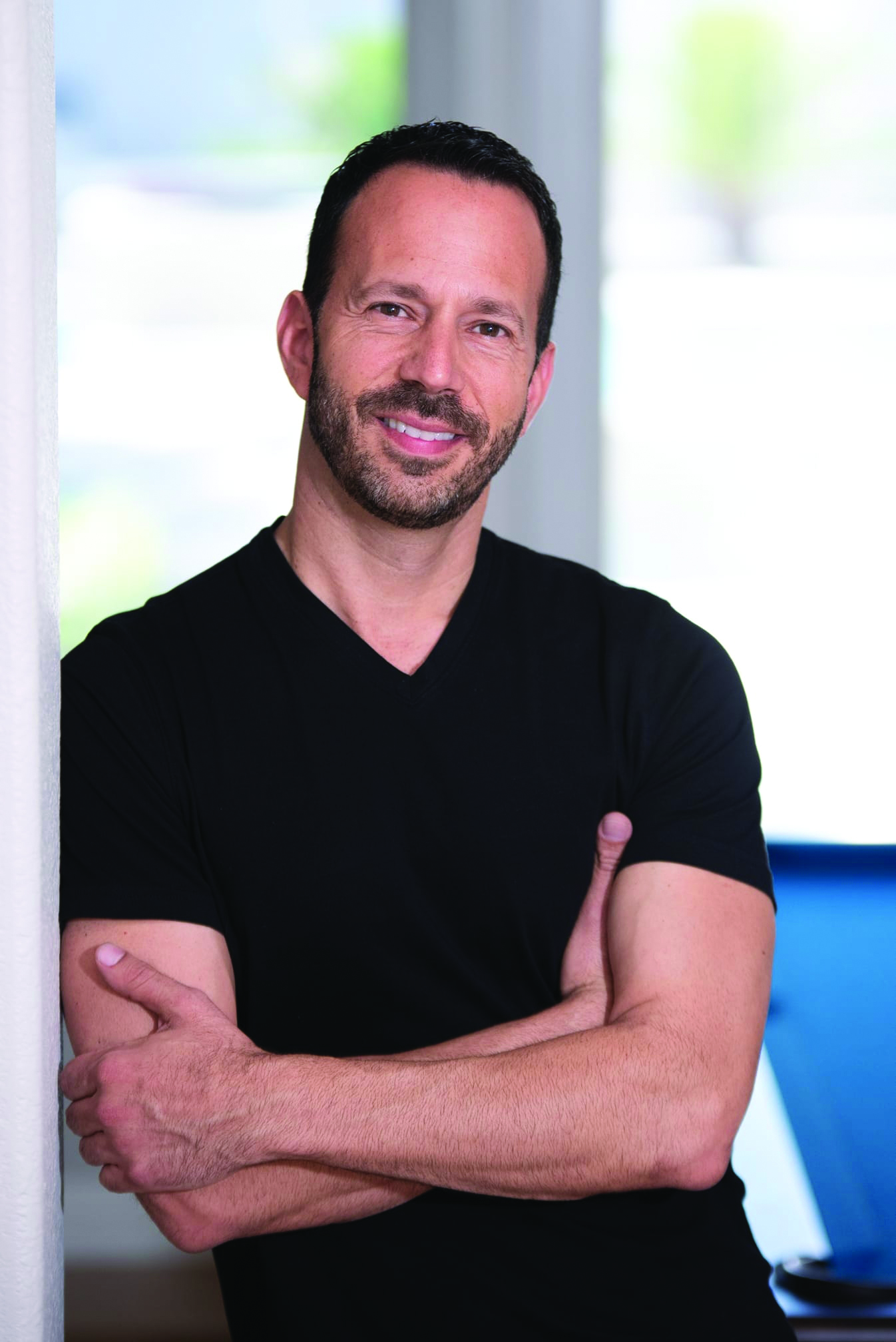
Alex Rivlin
Alex Rivlin is a father, self-proclaimed adrenaline junkie, eternal optimist, and entrepreneur. Born just outside New York City, he utilized his ambition from a young age to pursue lofty goals, a trend he has continued throughout his life. Before pursuing his passion for writing, Alex launched several successful businesses and currently operates four companies. He lives in Las Vegas and is always looking for a new adventure.
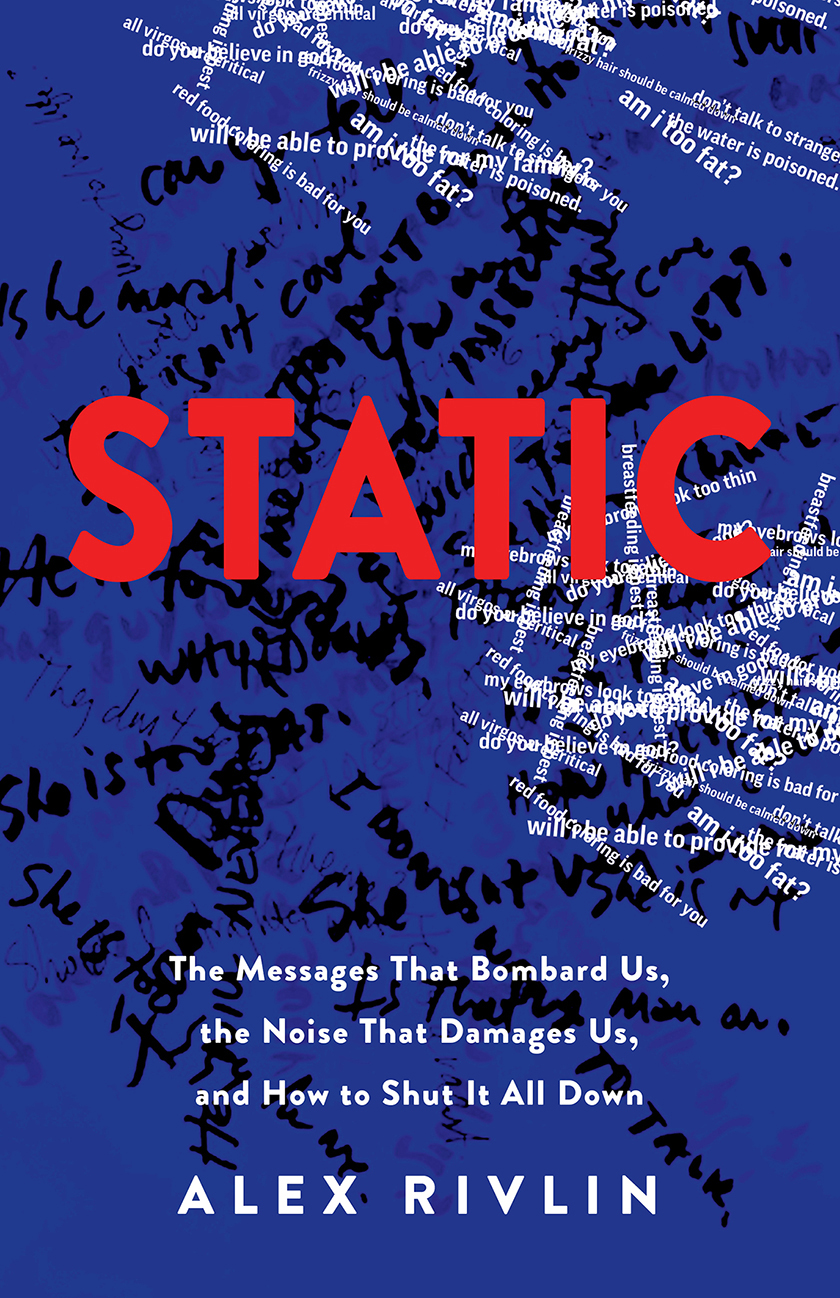
📚 Books by Alex Rivlin
Transcript
[0:00:31] HA: Life is noisy. From mass media to social media, family input to friends’ opinions, we’re inundated with messaging that leaves little room for objective thought for individual perspective. How do we cut through the static and make space for our own ideas? Can we learn to fulfill our true potential and worry less about impressing others? Welcomed back to the Author Hour Podcast. I’m your host Hussein Al-Baiaty and my next guest, Alex Rivlin is here to talk with us about his newest book, Static. Let’s dive in. Hello everyone, I’m here with my friend Alex today to talk about his new book Static. I’m really excited, Alex. Thank you for your time today.
[0:01:17] Alex Rivlin: Thank you for having me.
[0:01:18] HA: Yeah man. So you know, I was perusing through your book the last like, 24 hours or so and there were some exciting concepts in there man, and I feel like we can really dive in and I’m excited to do that. However, before we get started, I’d love to have you introduce yourself. Maybe give a little bit of your background, your history to share with our audience and yeah, how you got into this work and what got you thinking about this idea of the mind and the static that goes around it.
[0:01:46] Alex Rivlin: Sure. Well, so to start off, again, as you mentioned, my name is Alex Rivlin. Born and raised in New York just outside of the city, I was actually born in the Bronx and then raised in the suburbs about 20 miles north. So all my formative years were there all the way through high school. Saw some opportunity after high school and made a move across the country to Las Vegas where I met some great friends, got married and divorced but with a great outcome of two absolutely amazing children that are currently 17 and 15 and just so awesome seeing them grow up and my life is culminated mainly from an entrepreneurial background. At 18 when I moved out to Las Vegas, I started my first business in auto repair and I had multiple shops and then I transitioned out of that, that business is an interesting business and it makes you get old quick and I didn’t want to. Now, I still feel like I’m a 48-year-old, 17-year-old in a lot of ways. So I moved into the insurance field and ran that until I had this real entrepreneurial spark of an idea and went into another business in the technology space within insurance and grew the company from basically just an idea I had, I brought a cofounder in right away and then an additional cofounder several months later and we grew it to 165 employees in a matter of about three years and then I transitioned out of that into what my main business is now of real estate and speaking and now, authoring a book.
[0:03:20] HA: That’s fantastic man. What a transition and what a journey. It’s kind of cool how one path leads us to another. However, you talk about all these things very vividly but I want to know sort of, who were you thinking about when you’re sitting down to write this book? Who was that target person that you’re like, “Man, I want somebody like this to walk away with this book and this information” who were you thinking about?
[0:03:43] Alex Rivlin: From that standpoint, I think all of us struggle to some degree with the concept but more than anything, you know, a lot of millennials and Gen Z even the younger side of Gen X will really understand where I’m coming from with this book in regards to what is your identity, who are you? In that, there’s a lot of people that question that and those that have self-doubt and don’t have certainty and it’s interesting, there’s a word of confidence and I use that in certain aspects and in most aspects, I use certainty and the example and this was brought to me by a guy by the name of [Sitema Nali 0:04:23.5] and Sitema said, “Are you confident you have a left hand or are you certain you have a left hand?” and there’s a difference there. So being certain with who you are as opposed to confident in who you are, there’s a difference there and you know, those that aren’t certain and again, experience those insecurities and those self-doubts, my belief is there’s a reason and it’s a programmatic reason. It’s how we were programmed. So through that, it’s mainly going to be that group of people. So again, a little bit of Gen X, millennials, Gen Z and especially the ones that are really open-minded to the idea that, “I don’t know who I am, I don’t know exactly what I stand for. I’ve lost sight of my beliefs and I want to get back on that right path.”
[0:05:11] HA: That’s beautiful, man. I mean, what do you think got you to start thinking about, you know, this idea of, you know, how do we formulate our ideas? Where they come from, where does, “Who I am” actually come from as supposed to what it really is? There’s a unique distinction I feel like at a young age, like you said, you know, and throughout your messaging in your book, we are constantly bombarded with messages from everything and everyone and in some way, shape or form trying to influence us or get us to buy or get us to think a certain way or get us to wear a certain thing. Whether that be honestly, let’s be real, whether it be your parents, your siblings and you really break it down, that’s you know, I love how you broke down the book. You laid it out in a way that gets me to understand myself fully and what I am impacted by but how did you get into thinking about this stuff? What made you want to write this specific book? Is this something you struggled with or you see other people struggle with as you kind of shifting through different businesses?
[0:06:14] Alex Rivlin: Absolutely. It was an internal thing for me. So I have a story that I could certainly share if it helps. So it was back on September morning and I was starting the fifth grade and I was on the school bus heading in for the day and you know, just like you normally see on a bus, kids are hooting and hollering, you know, throwing paper, all that kind of fun stuff and we pulled up to the next stop and there was this girl there and I’d never seen her before. She was a new girl and to me, all the screaming just shut off, it turned to silence and I was just mesmerized. She was just, oh, she was dreamy, right? And in that moment, I immediately kind of froze and thought, “I wonder what kind of guy she likes? Am I that type of guy? Can I be that type of guy?” and then it dawned on me that I didn’t even really know who I was and I thought through like, all of the groups of people in school, right? You know, I’m not a jock, I’m not the cool kid, not really a geek. So I didn’t know who I was and I was kind of expecting her to know who I was and notice me or better yet, like me. So I really became small and I hid, I didn’t even know if she knew I existed and that’s where everything kind of began for me. So like many of the people that I’ll be speaking to, I had feelings of self-doubt, feelings like I needed to fit in. How would I be accepted, loved or cool and how can I stop thinking about that and living in the moment? Because I just thinking about that and that was worry. That was about the future that I didn’t even know. So this is a sad part is 30 years later is when I realized I’ve been living a lie. I was 39 years old and I actually still felt just like that 10-year-old boy. I was being who I thought everyone else who the world wanted or expected me to be. The noise from people’s advice to mass media, marketing, social media and society was influencing all of my decisions and detouring me from revealing my true self. So in wanting to find an answer, it took about five years and went through some really deep soul-searching. I read literally thousands of books on my journey and I hired some great coaches. I spent a lot of money along the way and I ultimately peeled back the layers to return to my core and find my own identity and I fell in love with it and I fell in love with myself. It was kind of a crazy journey because before that, I didn’t know who I was and now I know exactly who I am and I truly do live to my core. Now, do I still struggle with it? By the way, this is an important distinction Hussein, I do, right? I still hear all the noise. I’m just better about being pragmatic in the decision and pragmatic doesn’t mean slow. I’m an impulsive decision maker but I ask myself a couple of questions before I make most decisions and that’s, “Am I doing it for somebody else or am I doing it for myself? Am I doing it for myself so that others see me in a particular way and then technically, I’m not really doing it for myself and you know, will this hurt me or hurt others in the long run?” And you know through that decision-making process, I know that I’m sticking much more true to my core. Do I make missteps? Absolutely but am I happy and fulfilled and feel like I’m living my core purpose? I truly do.
[0:09:43] HA: I love that man. You know, I think that some of the best work we can all align with at any point in life, right? It’s never too late, never too early is that self-actualization, you know? And it’s hard work. I mean, you got to really be intentional about it, you got to be you know, focused within it to really try to peel back all those layers and you’re right. I mean, in today’s world, we are bombarded, man. I mean, it’s that much harder to get to know your true self but when that realization dawns, you know, for whatever reason and however it does, it really does wake you up and it’s your time to make the choice then from that perspective and it’s what you decided to do and I just appreciate that I wanted to make sure that we brought that up because it’s the perfect segue into, you know, you kind of vividly describe this phenomenon if you will in your introduction talking about just being surrounded. You know, this idea of the brain, the mind, where it all starts, what is it, how does it actually function and receive signals. Can you share a little bit about that first chapter, you really sort of encapsulate this idea very well, can you share more about that a little bit?
[0:10:54] Alex Rivlin: Sure. So you know, it’s pretty well known now by science but not necessarily by the public that how our brain operates a lot like a computer and on a computer, we always have to install an operating system, right? You know, whether it’s MacOS or it’s Windows 11, we are ultimately installing operating an operating system and for humans, our operating system is installed in the first seven years that we’re born. Now, I think, “Wow, my computer doesn’t take that long.” Well, it’s seven years that our brains are in a state called theta state, which is very low waves, very calm. People can get into theta status in adult through several different ways, you know, typically meditation, there’s other extracurriculars that people do to get there as well. However, you know, getting in theta state is not the norm for us. We’re always in a much more fast-paced mind. So that theta state is when we get to absorb and learn everything and build our belief system. So people that lived in a, just absolute perfect white picket fence community have a different operating system and a different belief system than those that, let’s say, lived in a community where it was high crime and you know, and they heard commotion all the time. Country living versus city living and then within societies, right? Everything from a western society to a more eastern society to smaller societies like the Amish, I mentioned in the book because you could see how when somebody gets to adulthood, what their beliefs are is so different from one another, right? You know, you take the typical westerner and then take somebody that was in the Amish community and they both look at each other like, “How could you live like that?” However, that’s not what our core is, that’s not what our purpose is. That is just what the societal learnings and belief systems have brought into our head and I’m by no means saying disposed of those, right? Live the life that you're comfortable with but what is your core? So I’d argue, take somebody like Elon Musk. If Elon Musk was born 500 years prior to when he was born, well, billions weren’t a thing then but maybe he would even be a millionaire, right? Because the stars didn’t align and everything didn’t just culminate for him in the way that it did now. However, I’d argue very hard that he’d still be a visionary and where would that vision lead him? Would it lead him to making global changes? Maybe not, maybe it would just make changes within the community he lives in but there’s people like him, like Gandhi. Would Gandhi have not been a peacemaker if he grew up under different circumstances? And I’d argue no, that’s part of his innate core. That’s who he is as a person. Now, that’s those personality traits. So it’s a matter of following that core and making sure that you don’t go, “Hey, I’m more of a peacemaker like Gandhi but this girl that I like, I think she wants me to be a badass and start fights.” Now you are literally going against your core in order to do something for somebody else to get noticed because we all crave acceptance, love and being noticed even if we’re introverts.
[0:14:23] HA: Right, it doesn’t matter, it’s a human thing. So with that, you know, as you grow up, right? You know, you talk about these formative years especially the first seven or eight or so and how that much, you know, the brain waves and how they’re receptive to basically just learning and applying and if you’re obviously surrounded in a chaotic environment or a peaceful environment or a lot of these, it’s so touchy if you will. It’s so sensitive to all of these things and how you’re able to kind of navigate through that, which is really interesting but as we get older, that stuff starts to change, right? The world gets a hold of us and it starts to, you know, want to sway us one way or another and you know, this lifestyle, that lifestyle, all these kinds of things but then especially in today’s world, you know, you talk about this really powerful chapter in your book called “The Mind Over Marketing”. That stuff is really powerful. Can you share on that a little bit more?
[0:15:17] Alex Rivlin: Sure, yeah. So marketing, you know, has a tremendous amount of data on us, more data than we could actually know about ourselves and if any of the audience watched the documentary called, The Great Hack, where they talked about the Cambridge Analytica scandal and they talked about the 5,000 points of data that they had on us and there were people that were interviewed and they were shown a particular ad or picture and were asked, “Would this appeal to you or how would you react to this?” and so many people said, “I wouldn’t, I wouldn’t react to that, that wouldn’t do anything to me.” Meanwhile, it’s proven that it did and it’s proven because they commented or liked or angered as a reaction or they slowed their scroll speed or their vote changed from the first poll to the last poll that they had taken, different elements in regards to what they do. So now what happens is, Hussein, I can take those 5,000 elements of data on you. I put it into a machine, into a computer, a supercomputer, so to speak and it runs it against many different people. And it then takes that profile of a person and matches it to a certain percentage and when it matches it to that certain percentage, you now fall into this bucket with however many other hundreds or thousands or tens of thousands of people and if enough of those people, let’s say, bought a particular product. Well, that product is now going to be marketed to you because you are so similar to them that they know that your ultimately going to end up buying that product even if it’s not something that you wanted or needed but it’s something you believe you should have because they know, everybody else felt that they should have it and then those advertisements are also built specifically to appeal to you. The colors you like…
[0:17:16] HA: Nothing is random, right, yeah.
[0:17:17] Alex Rivlin: Yeah, it’s not one ad fits all. You know, if you go back into the 1950s and 60s, you know, mad men Don Draper kind of days, you know, you would talk about these particular cigarettes and that they’re cool and yes, it would still appeal to a lot of people and go, “Oh wow, yeah, I want to be cool. So I should smoke these particular cigarettes.” However, it wasn’t pinpointed at a specific person and they weren’t coloring the cigarette boxes and the packaging differently from one person to the next and now, they’re able to do that. They’re able to change things on the fly through AI and machine learning as a result of how much data they have on you and when they can do that, it really influences us to sometimes to a point of manipulation. There are good things out there where they do this for good, so I don’t want to make it sound like its all evil. Sometimes we get in our own way of making that next move or making that next step. You know we have fear, which I have heard in the past is false emotions appearing real as an acronym and will get in our own way and it is nice when we have somebody that you know, somebody or something or some organization that can talk us through it. However there are times that it can definitely be used to persuade us in a way that we shouldn’t necessarily be going.
[0:18:37] HA: Very powerful and that is where the mind over marketing happens, right? It’s just that you got to understand that there is something larger at play that wants your attention to do X, Y or Z with it. Again, it could be positive, it could be negative, you got to know that at first and then you can really from your core by understanding yourself, developing yourself, understanding yourself truly then you can decide if that is persuading you in a positive or negative direction, right? Because it’s not like you are going to go out and it is very difficult right now to go out and remove those influences from our lives especially social media and all of those kinds of things but it everywhere really. It is everywhere, it is not just social media. It’s people, people you come across that you interact with on a daily basis, they too are influence and I noticed this idea that just because I removed social media off my phone, it doesn’t mean my friends did, right? So now, there is a different vibe in the arena of hanging out, right? So it’s – I am probably going to be oblivious to memes like the pop culture aspect of things, right? Or a trailer that may have come out or whatever and so I told myself like yes, I am going to miss out on a few things but they’re not going to influence me in the ways that I don’t want to be influenced or be taught certain things or to be manipulated in a way that to start thinking in a certain way that isn’t really core to me. So I love that aspect. I love that so much because it kind of reminds me of the mind over matter and today, marketing is matter and that’s what you kind of got to think through as to how you want to grow, right? Thinking for yourself, from yourself.
[0:20:13] Alex Rivlin: Yeah, at the moment companies hire psychologists and data scientists together to help the marketing department build the campaigns and there is something to that. Now, with that said I’ll put it out there, I am a capitalist at heart. I call myself a capitalist with a caveat. I believe that everybody should be able to do their work and make as much money as humanly possible with the caveat of it’s not harming your constituency. It’s not harming the people that you actually provide your services or products for. So if you are selling ten, then just selling more and it doesn’t matter how many people you put into, you know, awful credit card debt or into bankruptcy, then you know there is an element where that capitalism has that evil side to it. Again, I am a capitalist and if you are doing everything that you can to do it right, to not use the manipulative tactics that can go on and that could influence the mind, you know, then I am all for it when you get into that other side. Now that said, there is one really key element to that. We could be mad at the companies but we also need to have personal responsibility. If we don’t want to be prey to that, then we need to be pragmatic to it and we need to ask ourselves the questions that I mentioned earlier on and that’s where that static comes in, right? You have the ability to remove the static, we just can’t jump into this with the idea of, “Oh, that was so appealing, I now need to do this because if I do this, I’ll have more friends” or a prettier girl or a cooler guy or a better job or these things are going to bring us there, right? When you return to your core, you attract all the people and all of the things in life that you really need because you’re being your true self and you know, there is an overused word that I try not to use too much, which is authentic and authenticity. I think the word has deep meaning, I just think it’s been overused so it becomes a little more homogenous. I use true self and when you are your true self, it is really interesting. When you’ve got those insecurities or that self-doubt about who you are, you start, you do things in a manner that is either completely fake or at least you know, at least it is coded with some fakeness and then you may attract somebody and maybe to the wrong person or you may attract somebody that is the right person, that is the right vibe and the right, you know, on the same wavelength as you and then when you realized that those things were a fail and they weren’t real, well, you now detract that. They now go away from you because of finding that stuff out. So if you are true to yourself, then that’s where you are going to be in just a much better situation throughout your life.
[0:23:15] HA: Yeah, it’s very powerful man. I mean, I think those steps inwards are some of the most powerful stuff we can take and indulge in and so you know, as we kind of wrap up here, I kind of want to know perhaps maybe some tips or some ways to think about how we can sort of start unveiling what’s right in front of us and really start to think about going inwards and thinking about how we can find some of that core, right? I think you even said this in your book that it is something that you don’t find. It is already there, it is just the removal, right? It is the excavation of what has been compounding over the years. So where can one start? Any age really especially perhaps the younger generation, where can we start to get them to understand how to you know, start that journey for themselves?
[0:24:04] Alex Rivlin: Yeah, that’s a great question and I’ll start off with saying the first thing to do is to really be able to think about it at an extremely deep level. So to that point, in the book I have referenced it. There is probably eight or ten references to a quote by a guy by the name of Charles Cooley, who is an American sociologist back in 1903, not just in that year, this is when he said the quote. But his quote was, “I am not who I think I am. I am not who you think I am. I am who I think you think I am.” Now, I’ve said that to a few people and they’re like, “Huh?” and they have to take a moment to think about it but it is basically to say that the way I picture myself is the way I believe you picture me. However, it is not even how you picture me. It’s just how I believe you picture me. So I think, I don’t know whose saying doesn’t think that I am really all that. He thinks that I am a fly-by-night rider, so you know –
[0:25:10] HA: These are exact thoughts by the way.
[0:25:11] Alex Rivlin: Yeah. So now I feel less about myself and I need to build myself up or maybe I just feel bad about myself and maybe I should just scrap this whole book idea and you know, tell Amazon to pull it down from pole, you know like and I start going through all of these things. So I am thinking that because I believe that’s what you think because the first step is disconnecting from the thought of what other people think of you and just do you, right? We’ve heard this for years, I don’t know where the phrase came from, if it came out of a movie or a meme or where else but you do you, right? But truly living to the “you do you” which basically means don’t worry about what other people think. Don’t spend a moment on it and the easiest way is not spend a moment on what other people think is to truly live in the present. So we could bring in somebody like an Eckhart Tolle, who wrote The Power of Now and living in the moment. If you are living in the moment, there’s no such thing as worry or concern because worry or concern is always about the future. It’s what will happen, what will they think, what will my life be like and it is always about the future, right? Anger and upset is always about the past, something that happened. You know, I got pulled over this morning on the way in and got a speeding ticket. So now, I am angry. It doesn’t pay for me to be angry because it didn’t undo the ticket, it didn’t take it away, it didn’t make the ticket cheaper, it didn’t lower my insurance rates. The ticket already happened, so the only thing I could do to make my day better is to make this present moment as effective as possible, as powerful and as positive as possible. So if I’ve entered that negativity into this current moment, all I’m doing is killing this current moment and I am probably killing it for all the people around me if I am in an office or with friends or anything else like that. Because they could see that I’m tense and therefore, they become tense around me. We have heard the term walking on eggshells and you tend to do that when you see that somebody is angry around you. You know, you don’t want to bring up something you know? Like, “Oh hey, by the way, did you pick up the dry cleaning today?” “Oh” now you are going to get on me about that or you know like, so you don’t even say it, right? So my belief is disconnect from the thought of what other people think of you because ultimately the ones that love you will love you and the ones that don’t won’t and that’s okay. You don’t vibe with everybody. I get along with almost everybody, however, there is still not almost everybody, even if that’s only 1%, that’s still you know, hundreds of thousands of people, if you take a million people on the planet. So there are people out there that are certainly don’t like me and frankly that I don’t like either and maybe it is not the same person, maybe there is a person that I do like and doesn’t like me and people that like me that I don’t like and then there is some that are the same. It is a mutual dislike, I just don’t worry about it anymore because I know that if I am not worrying about it, I am living true to myself, I will attract that. The other big thing in what you are asking there is being okay with all the elements of you. So I mentioned self-doubt and I mentioned, you know, the concept of competence or certainty. This is a big paradigm shift for me. In my head, there is a lot of – if people know what NLP or neuro-linguistic programming is or even a deeper level of neuroscience, right? It is the words we use, what we say to others but also what we say to ourselves. We have heard of limiting beliefs, things of that nature before and where it really stems from is not being okay with something that you are not good at, right? So I spoke to somebody that is very, very involved in neuroscience and I said something in front of her and it was that I am terrible with that and her immediate reaction was, “No-no-no, those are not the great words to use. You want to say that’s an area of improvement or that’s an area for improvement for me.” I said, “You know what? I get that and I respect that and I think that’s amazing except where I am okay with being terrible with something” right? You just have to own it. It’s that personal responsibility and that’s what takes you from self-doubt to leapfrog confidence into certainty. So I will give you an example of that, I am terrible at basketball. Now, if you are out here and we’re out in the park and people are saying, “Hey, we need a couple more guys for a pickup game” you and I can jump right in there and I’ll play but I am absolutely terrible. Now, if you tell me, “Don’t say that. You know, say that that’s an area that I can improve.” The reason that I don’t agree with that is because I don’t care to improve it. I am terrible and I own that I am terrible at it. So the moment that you actually embrace those elements about yourself, the good, the bad, the ugly and it’s just what it is. Now, you are not self-conscious about it anymore, right? You are not self-conscious that, “Oh, is my nose too big” or “My hair is thinning” or “You know, I am not the most handsome” or “I am not the prettiest” or you know, “I am a little out of shape” if you just embrace it, that’s where it is. Now, if you want to improve that’s a different story, right? But then embrace the fact that you are certain on improvement but if you are certain of all of these things, I am certain I am terrible at this and I don’t care. It doesn’t matter to me, I am going to continue to be terrible because I literally will not invest a single minute in improving my basketball game. It just isn’t important to me and then the things that are important to me, well, they are important to me. So I am certain that this is where I am and I am certain that this is where I want to go and these are the steps that I need to get there but there is no reason to be insecure or create self-doubt over it because it is you. The self-doubt and the insecurity is always about how other people will perceive you or better yet, to Charles Cooley, how you believe other people do or will perceive you and that is where the static really gets just so loud and I say quiet it by just being certain in your skin who you are, what you like, what you don’t like, what you stand for, what you don’t stand for or stand against, you know, what you’re good at, what you are not good at and what you want to improve and what you don’t want to improve. When you can embrace that that’s where you can actually love yourself and love every bit of it, right? I love that I am a terrible basketball player because it doesn’t matter to me, you know? So when you think about it that way, you and I again are going through that park. They say, “Hey, we need a couple of people for a pickup game, do you want to play?” and I go in and play and somebody teases me like, “Look at your form dude, you are awful” and you know what I do in my head, well, pretty much nothing other than I like to joke a little bit. I go, “Yeah, I am. Good thing I am not in your team, huh?” you know, or something along those lines because it doesn’t matter to me and so I am not worried about what they are going to say because I own that I am terrible at basketball. Now, would I try out for a team or the NBA? Certainly not, you know, because I know that that’s where it’s at but it doesn’t mean I am going to stop from playing. You know, I love people that sing karaoke by the way, the ones that really think they’re good in art. That’s a little rough but the ones that get up here and just have a good time, that’s a perfect example of it like I am not worried about what anybody thinks. If I get a couple of people laughing, awesome. If I don’t get anybody paying attention, if everybody is having their conversations and I am just ambient noise in the background, cool. I wanted to get up there and I wanted to belt out a tune.
[0:33:08] HA: I really appreciate how you sort of brought all of these together and really compounded the message into this idea of certainty over confidence, right? There is times where there is a huge improvement for confidence if you are very certain instead of masking what you are confident about. I really like that message, it is very powerful. Alex, again, I want to say thank you for coming on the show today and sharing your stories and experiences with us today. I know I learned a lot just by skimming through your book, I know I will be devouring it here throughout the week and I thought it was really powerful. The book is called, STATIC: The Messages that Bombard Us, The Noise that Damage us and How to Shut it All Down, but besides checking out the book, where can people find you Alex?
[0:33:50] Alex Rivlin: So they could find me on Instagram @alex_rivlin. I also have a big Facebook presence and I am just building out my TikTok now, so you will be able to find me there as well.
[0:34:01] HA: Very cool. Thank you for coming on the show, I really appreciate your time today Alex.
[0:34:04] Alex Rivlin: Thank you so much, Hussein.
[0:34:06] HA: Thanks for joining us for this episode of Author Hour. You can find, STATIC: The Messages that Bombard Us, The Noise that Damages us and How to Shut it All Down, right now on Amazon. For more Author Hour, subscribe to this podcast on your favorite subscription service. Thanks for joining us, we’ll see you next time. Same place, different author.
Want to Write Your Own Book?
Scribe has helped over 2,000 authors turn their expertise into published books.
Schedule a Free Consult