Bailey Dawn: Episode 1090
Read the full transcript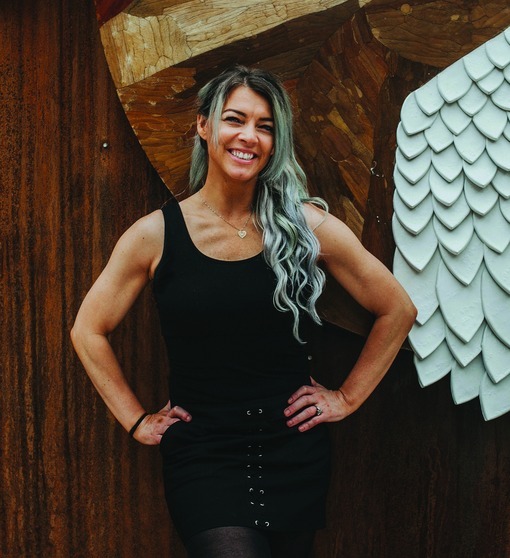
Bailey Dawn
Bailey Dawn is a world-renowned therapist and award-winning bodybuilder who has worked with high performers for twenty years, including professional athletes, celebrities, executives, and physicians. A business owner, dreamer, and doer, Bailey is “one of the guys,” loves a good scotch and cigar, loves God, and is based in Columbus, Ohio, with her husband and little girl.
📚 Books by Bailey Dawn
Transcript
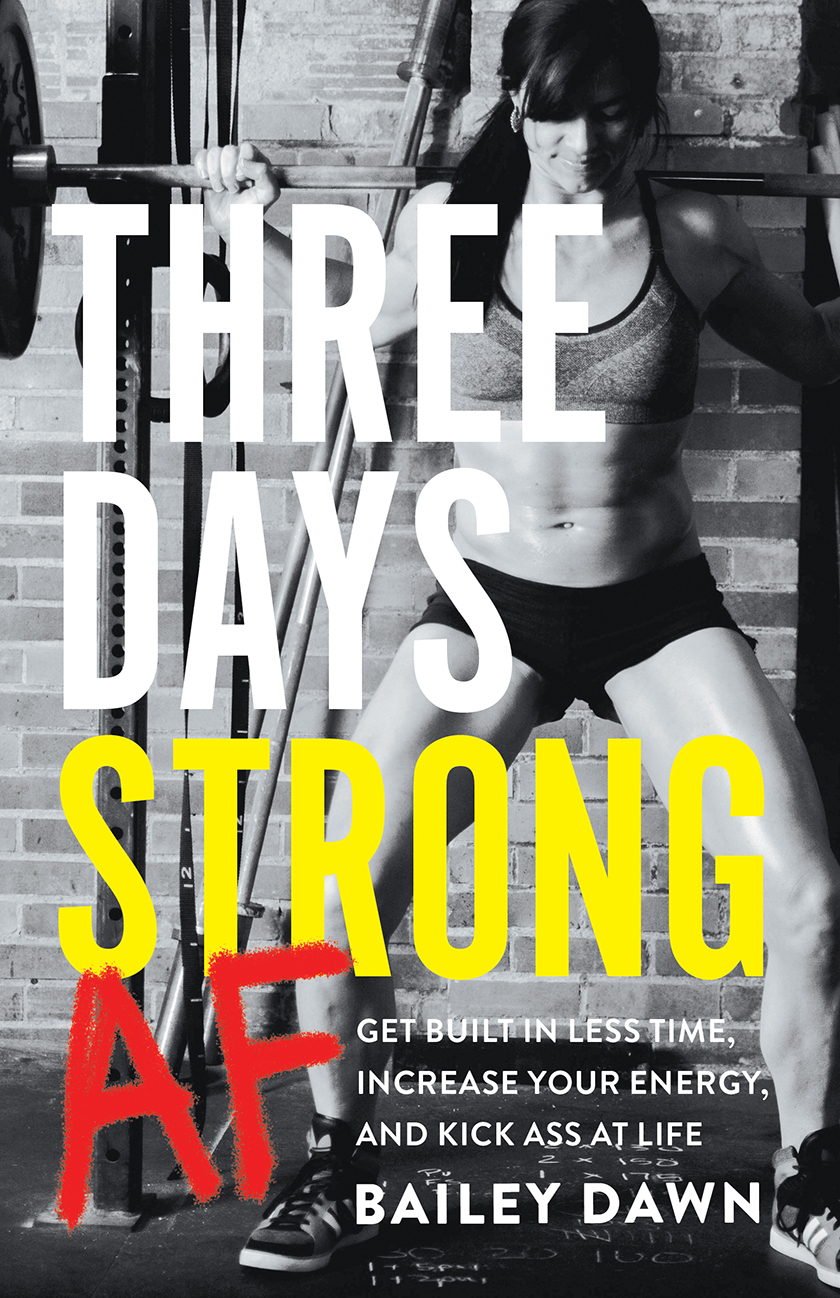
[0:00:33] HA: My next guest wrote an incredible book for executives and high achievers. The program she created focuses on the most effective ways to eat and train without letting either one take over your life. Welcomed back to the Author Hour Podcast. I’m your host Hussein Al-Baiaty and my next guest is Bailey Dawn, who is here with me to celebrate and talk about her new book called Three Days Strong AF, Let’s get into it. Hello everyone, welcome back to the Author Hour show. I’m here with Bailey Dawn, my new friend. We just got done talking before this interview and I’m so excited to have you here today. Thank you for joining me today, Bailey.
[0:01:17] Bailey Dawn: Well, thank you so much for having me and this is such a joy for me to be here.
[0:01:21] HA: Yeah, absolutely. So you wrote a book called, Three Days Strong AF. I’m really excited to kind of get into that. But before we do, I really want to share with our audience a little bit about our author. So their background, where you grew up, you know, the people that you love, their influence to you and all these things that kind of got you into the space of health, wellness and all those lifting and all those things that you're into now. But I want to know a little bit about your background, your history, can you share a little bit about that?
[0:01:51] Bailey Dawn: Sure, oh gosh, like, where do I even start? Very much a small-town girl. So my high school, I went to Southeast High School, ran track for them and I remember that most of the time, it smelled really bad because we had a pig farm across the street, we had cows on the other side and so I’m just used to being a small town girl but yeah, I ran track, I was into sports. I am an Irish twin to my younger brother, so we’re literally 357 days apart. So I was born December 10th and then before my first birthday, he was born on December 2nd and so we call each other Irish Twins. So I grew up as like one of the boys, you know, with my brother and his friends and playing sports with them and so I was taught like, this is how you catch frogs and this is how you catch snakes. So I’ve never been squeamish about those things. Like playing baseball with the guys, I actually tried going out for the baseball team in college but the baseball coach was like, “Oh, I’m sorry, we already have a female corresponding sport that you need to do” and it’s like, “Yeah, I’m not wanting to play softball, I’m here to play baseball and hardball” and so they wouldn’t let me play that. I was really bummed about that but I spent a lot of my time, you know, with family and I think my dad had a very big part of that. He was a hard worker, he volunteered, he always gave his time and when he wasn’t working, serving and he was with us and so spending time either outside or hiking or catching snakes or throwing the ball as hard as you can which end up helping me be a pitcher for men’s baseball team later on. But we had so much fun and just so much emphasis on the importance of family and so I just need to give a lot of, you know, credit to my dad.
[0:03:56] HA: Yeah, I love that so much. Thank you for sharing that. That’s so important because you I know, I feel like, how we were brought up, what we were brought up around, right? Our environments and all these things, sometimes things are way outside of our control. Obviously, we absorb the most, right? So family structure, dynamics, if you grew up in the hood or you grew up in a small town. In my case, I grew up in Iraq and then in a refugee camp, like all those environments are different but they kind of set a tone for you, and then, of course, the next layer is your family and the people that surround you, that sets another tone, which I feel like add so much to our character, our personality and what we choose as our interests, right? So it sounds like sports and family orientation, all these beautiful things were sort of embedded around you to help you get through the world, right? And have fun and enjoy it. So yeah, it sounds like you’ve got into sports. Did that carry over into university or college or any of that or did you just kind of do something else?
[0:04:57] Bailey Dawn: It did. So I had no intention to go to college after I was done with high school. Like, I didn’t take any of my ACTs, SATs. I wanted to immediately move to Australia and I wanted to study reptiles in their natural habitat and I wanted to… I am such a weirdo.
[0:05:17] HA: No, I love it, this is so great. Keep going.
[0:05:22] Bailey Dawn: And I like because of my dad, when he was younger, like one of his gigs was that he got paid, I think it was like $10 per foot for every foot of a rattlesnake that he caught and so I grew up like not being afraid of these things at all and I was like, “That’s it, I’m going to go to Australia and I’m going to do it in the wild and I’m going to televise it” and this is before Steve Irwin, right? And so yeah that was my dream. That was my dream, I was going to televise it and I was going to have cameras there and what happened? Like yeah, I had no intention and then I went to the state every year as a sprinter and a hurdler, and my senior year, this college recruit that was out there and was like, “Hey, Bailey, we’d love you to run for us” and I was like, “Oh man, I was hoping on just getting on a plane and going out to Australia and doing my thing.” So I had to hurry up and do my ACTs and SATs and all of those things and I’m like, “Well, I guess I can go to school for a couple of more years and run” and so I never did the Australia thing. So yeah, so I ended up running track, being a sprinter and a hurdler and I just did that for two years because I was like, “You know what? Eventually, God’s going to come out of the clouds and tell me what I’m supposed to do, you know, for the rest of my life.” While I was in school for those two years running track, nothing was ever clear. Like nothing really ever struck me of like, really what I wanted to do and I would take these aptitude tests and they would all cause all this anxiety there, like, “Do you want to work inside or outside?” Both. “Well, do you want to work with people or alone?” Both.
[0:07:07] HA: I can’t stand those tests and I can’t stand them, yeah.
[0:07:09] Bailey Dawn: Yeah and so I was like, “You know what? I’m going to make my own aptitude test.” Screw this and I was like, “Well, what’s on my aptitude test?” and they were like, “Well, what do you like to do, Bailey?” and I was like, “Well, I just know I like to serve people and make people happy, you know?” It was before the Internet. So I went to the library and I went to the career section. And that’s when I just started praying and I was just like, “Right, God, how are the ways that I could love people, serve people and make people and make people happy?” and I just like took book after book after book after book, like off the bookshelf and I put them on the tables and once I went through all of those books, putting on the table and then I would skim through each one and say, “Okay, could I serve people, could I make people happy doing this?” So that’s how it came into starting with this massage therapy and natural medicine and alternative medicine and then I left my university to go to medical massage therapy and focus on alternative medicine and I’ve been kind of a, when I told my brother I wanted to do that, he’s like, “So you want to be a witch doctor?” I’m like, “No, not a witch doctor, I just feel like there’s so much more than just, you know, diseases in medicine that’s out there” you know? There’s a whole body, there’s the, like you said, like, there’s the body, the mind, the spirit, and the soul, they all work together, you know? To be how we’re created to be and so that just… I geek out about that.
[0:08:30] HA: I love that so much. I can’t resonate with that anymore like, I really appreciate anyone’s perspective that’s elevated to the degree in which we’d look at our body as you know, not just this physical form and there’s like, all the components and parts but it’s a little bit deeper than that in that, you know, there is something even now, that as much as we know about the body, as much as we… there’s still more mystery. There’s still more unknown and that layer of like, you know, whether you call it spirit energy, you know, that, whatever it is, that resides within that does these things to us, that pushes us, right? That pushes our purpose from within, right? It’s like, it’s, “How do we identify ourselves to further understand our purpose?” and I think what’s really interesting about that is, you know, whether you’d gone through trauma or physical or mental or anything like that, your purpose kind of hides, right? It hides behind the fears, it hides behind the things that it tries to protect you from and it’s harder to tap into and reach out and pull your purpose unless you start to face those fears, unless you start to get out of your comfortability. Then the purpose really has to come out to meet those challenges and I think what I hear from you and kind of you sharing your story is that if there was a part of you that’s trying to come out and knows books really challenge how you thought about what makes people happy, right? And I love that because it obviously started you off on this sort of beautiful trajectory. So let’s talk about this a little bit, let’s talk about your first section of the book, which you really talk about, you know, elevating your mindset to like a professional athlete and how self-care is crucial. Can you talk about those two things, you know, why mindset and self-care, just are massively important and how we approach our well-being, our health?
[0:10:22] Bailey Dawn: Absolutely, that’s such a great question. I think so much of us, we want to be our best self. We want to be our best for ourself, for those in our lives and you know, for those in our world but until we learn how to elevate that mindset, we won’t get there and so I think a lot of people, they try the new programs. They try the new diets, they try the new books, they try the new workouts and nothing ever sticks, you know? They start something and then, you know, life gets busy or hectic and they stop or they fall off the wagon but it’s not about jumping off the wagon because life gets hard and then getting on and then getting off again. It’s a matter of being able to take our mindset to the next level and breaking through where we’ve been stuck. Whether it’s the fears that you just talked about and you know what? On the other side of fear is beauty and people are just so like, whatever someone’s fear is, whatever someone’s insecurity is, that fear just, it keeps them stuck and so not until you face that fear, you’re not going to realize what you’re capable of and the depth that you’re really made out of and what your potential is and so once you start unlocking that, it’s just level after level. There’s just so much joy in there and I think more than ever, because I actually wrote this book prior to the pandemic and just that we all need joy in our life and you know, the last couple of years have been so hard on a lot of people. I mean, my self-included, it’s been hard and so how do we increase that joy in our lives and not just like, in our body, like not just because we want to be lean and fit. You know, how do we increase that joy in every area of our lives and when you said it back to your question about the mindset of professional athletes, it has been such a joy for me to work with professional athletes and even others telling me that I’m a world-class athlete. I’m like, “Oh, I never really thought of it like that but thanks” but working with professional athletes. Whether it’s basketball or football or soccer, boxing, they all have, not just a routine but it’s a mindset. The way that they take care of themselves is not just on the weekends, you know? It is a complete, it’s a lifestyle and so that’s something that we can really learn from professional athletes. I mean yeah, we’re not going to have the medical team and the coaches around us like professional athletes do. When we start spending that kind of attention with ourselves and our healing and our self-care, we can start getting into that mindset of what we need to go to that next level.
[0:13:29] HA: Yeah, that’s so amazing. I feel like when we start to analyze how these professional athletes, they just have a body, they have a body that they’ve been, you know, putting this immense amount of practice in to do X, Y or Z but it doesn’t mean that we can’t, it doesn’t mean that we can’t see ourselves in that way. Like, my body is my temple and it is my, you know, it’s the thing that houses the most important thing, my spirit, you know? Whatever it is, right? If you don’t believe in spirit, it houses all the other things, you know? All the other components to keep you going. So if you neglect that, if you don’t think of it as how can I improve this mechanism so that it can serve me and how can I serve it, that mindset of you know, changing that, “Look, this thing that you're sitting in right now” this exoskeleton if you will “It is a beautiful thing that it’s your job and responsibility.” I think this is the way my father always put it out to me. This is your job and your responsibility to take care of your body to the best of your abilities and so I think and for him, he wasn’t even like, you know, he didn’t train or anything like that. He would just walk, he would go on a light jog when he was younger. But it was more about prayer and like, calming the body and you know, the emotional aspect of it too, which I thought was really, you know, I didn’t realize how important that was until I got older and so you know, it’s those things. It’s like how you see your body and your organs and all these things as a place where you could be healthy by making a choice, which starts at the mindset. I think that’s so powerful, I’m so glad, you really started your book out with that and it was so powerful because yeah, without a mindset, it doesn’t matter what diet you choose, it doesn’t matter how many times you go to the gym, right? Let’s go a little bit further. You talked to us about like, this idea of generating energy to be fit and to become a higher performer. What do you mean by that? How can we, you know, in our day-to-day life really generate this energy, not only for the day but for the week perhaps? Make it a little more tactical for me.
[0:15:37] Bailey Dawn: Okay, so more tactical for you when it comes to generating energy. When life gets hard or we have a lot on our plate, it’s so easy to be drained, right? And we’re like, “Oh I just wish I had more time, I wish we had some more energy” but you can’t wait until you get the energy. We have to drum up that energy, we had to generate that energy and again, that does start in our mind and in our mindset. Yes, there are things that we can do that you know, that we’re going to be taking care of our body through nutrition and through exercise and medication and through prayer but there are certain practices that we can do and I like to call them the renewal rhythms. So if there’s like, there’s something you look forward once a year. Like usually your big vacation, you can check out and like unplug and completely just rejuvenate your mind and your spirit. You know, a really nice beach vacation or whatever it is that really that your soul and your spirit really need because when you get your soul ad your spirit right, your body follows, right? And so once we get like our, the once a year and then we look at something every quarter and you know, for everyone it’s different. It could be just, you know, a one-day, a two-day. You know, for some people, it could be like a yoga retreat or for me, I ran up like two hours north and I did wine tasting just by myself. I sat around the fire and just did wine tasting by myself and I just brought my journal and I just wrote and had some good healthy tears and had another wine, drank, you know, listen to some really great live music. You know, things that like written, what rejuvenates the next person may not rejuvenate you know, the next. So like being able to find like, what really rejuvenates and refills your soul and your spirit is so good for the body. So you find something once a year, something once a quarter and you know, this gives you something to look forward to and then something monthly, then something weekly, and then something daily, and of course, like you might not be able to go on a big vacation every day and if you can, that’s awesome. But when you’re, like for me, like, I have a five-year-old and very large dogs at home, where I can’t just do that all the time. So for me, you know, a daily thing is like, I lock myself in the bathroom and light a candle and read a book or a devotional and write in my prayer journal, you know? Something, you know, instead of just like, waiting to last minute to wake up and sprinting out the door to handle, you know, work and business. So being able to do something like that, just every day to give yourself a break, something every week to give yourself a break and just refill your soul.
[0:18:31] HA: I love that so much, I love this idea of you got to drum up the energy. However, if you want to drum up the energy, you got to give yourself the rest, the chocolate at the end of the thing or the chocolate before the thing, so you can just kind of get going, right? You know, sometimes I do that, right? Sometimes I’m like, “No, I’m not saving that, I’m going to do that right now.” Like I don’t know if I’m going to be around in 10 more minutes, like, I just don’t know. I love that so much. Thank you for really, you know, I guess simplifying how we perceive energy because when you think energy, you think, “Oh, I’m going to use this energy and time to be productive, to go do something” whatever it is. If we work it out, working, taking care of the kids, whatever it is of course, however, energy runs out and you got to refill and if you can refill every day, you know every week and maybe it gets bigger as you kind of zoom out of the year like have one thing at the end of the year or sometime during the year that’s really big that kind of takes you away. Then it’s smaller crumbs of that all throughout the year and spread out, even throughout the day. That’s really profound. For me, I like to go take my pup out for a walk like middle of the day, I’m like, “Nope, I’m not doing emails, I’m not doing nothing, I’m going to just go for a walk” and I think for me that once I really started becoming almost religious about it and I would do my prayer in the afternoon and I would take the dog, that has become like I look forward to that every day because it is such a calming thing in the middle of the day. So I am so glad you brought that up. For anyone out there that needs more energy, you need to take more rest. I think you really nailed it. So let us talk about sort of the next phase of your book. You talk about nutrition and then at the very end you talk about lifting, right? Because that choice to go to the gym, that choice to go work out really should be the predecessor to that is your thinking and in the middle of that is really nutrition. I think, you know, that was the last thing I thought about when I started getting into health and nutrition and working out was like I didn’t realize how important nutrition was and then it actually should become – should come before working out and so tell me about that. Tell me about why nutrition is the next thing you got to really hone in and think about and apply respectfully to your body.
[0:20:58] Bailey Dawn: I think that’s because people neglect their nutrition quite a bit. Coming from the fitness industry, I mean, I’ve come from like two different backgrounds. The first was being in college and not knowing any better and just knowing that I needed to be skinny so I can be a faster runner, right? I was just so uneducated then, I didn’t know any better so I would just starve myself. I was like, “Well, I just probably shouldn’t eat” so I struggled with eating disorders because I’m like, “Well, I can’t gain any weight because it will slow me down” and so I wish I had the knowledge I have now and you know, to be able to apply that as a college athlete, I was like, “Oh, I wonder how fast I could have been if I actually fueled my body correctly” but instead like I was starving myself. So there is a camp of, “I need to lose weight and I want to look better, so I am just going to eat celery and salad and just run all day and get on the treadmill and just run and run and run and sweat and sweat and sweat” and they are not fueling their body what it actually needs to perform and that’s what we really need more. So if you focus more on like fueling the muscles instead of starving the muscles, that’s when you’re going to get more of the results.
[0:22:16] HA: That’s really again, simplified, giving those muscles the nutrition they need so they can be strong and healthy to serve you. Again, it is this back and forth. I feel like it’s like a mutual respect, right? Between the body and the spirit. It’s like the spirit has got to provoke the mind to think about the body in a way that it’s beautiful and you know if you have a guest, you know, a good friend of yours coming into town, whatever it is, right? You want to take them to a nice restaurant, you want to cook up a great meal, right? You just step it up a notch and what if you do that with your body? I feel like that’s what I got from reading your book. It’s like a reminder to think about your body in that way, think about it in a sense of like, this is something beautiful like shouldn’t – like get that organic thing, you know make that once choice that’s better for your body because in the long run, once you give it what it needs, it will give you what you need.
[0:23:15] Bailey Dawn: Then there is the other end of the spectrum coming from the fitness industry, where people are so obsessed about their nutrition, so obsessed about their workouts that they spend more time obsessing about counting every calorie, just everything that they’re so obsessed of their own inner world of just fitness nutrition and I try to have conversations with some of my fitness friends. “How are you doing? How’s life?” “Oh, my coach increased my carbs” “Okay, that’s nice. How is life, how is marriage? How’re the kids” they’re like, “Oh, well I am doing more cardio.” I’m like, “You know, this is pretty lame.” You know, there is more to life than just obsessing about your fitness and your nutrition and I’ve watched so many like friendships, marriages, families just crumble because they were just so obsessed about it to a point where it just everything else faded away. That’s where like I shy away from obsessing about one thing because then something else has to sacrifice and is it really worth it. I mean, even from like a bodybuilding perspective and being on stage and competing like on national stages and like you had to have like a physique that compares to the best like around the nation and it’s very intimidating and just thinking like how much pressure it is to eat a certain way, to be like at that kind of level. But then still being able to take a break, I don’t want to say take a break but still be able to have a life and be able to connect with the people you love and not be so one way like in your mind that you can’t enjoy your life, that you can’t connect with people you love. I mean, not everyone needs to know you’re on a diet and you can only eat six ounces of chicken at this meal like, “Oh, sorry. I’m on a diet, I can only eat six ounces.” It’s like you know, how about you ask how they’re doing and how their life is going and how are their kids and try to connect deeply with them instead of making it about you and your grams of carbs, you know? Just there’s like we are created to have so much more about us than just obsessing about that.
[0:25:41] HA: The thing about it is, right? I feel like for most people who are not necessarily professional athletes, right? That are actually going out there, that is their job, right? To be a basketball player, to be a football player, whatever it is. I think besides that, which I feel like even with that that you can, someone can obviously over-obsess all those kinds of things but I feel like it’s like what’s the purpose of having a healthy body and a healthy mind and like a healthy diet? What is the purpose of that? Is to feel good, I think, right? Like once you feel good, then you take your feel good-ness and you apply it to your relationship and you apply it to your work. You apply that, right? I think for me, you know, running or for me I love running and I love boxing. So I have classes and go whatever and for me, it’s like I always ask myself like, “Why am I boxing right now?” I’m getting my ass kicked like this is hard.
[0:26:39] Bailey Dawn: It’s good that you love it, that’s why.
[0:26:41] HA: Yeah, right but it’s like for me at the end of the day, I’m like, “Why am I doing this?” and it always comes back to this, you know when I am done with this, it feels so good to have felt “like a warrior” for a moment because that’s what I want to feel like, right? For me, it is like a deep heritage connection to my people like there is a deeper philosophical meaning to it but I feel like when I’d go do it, it gives me this connection, right? Now, I can take this good feeling and you know, show up to hanging out with my wife feeling good as opposed to you know, “Oh, I’m upset about this thing or this email” which honestly got buried in that boxing, right? It doesn’t matter. So I really appreciate that approach, I think it is fantastic to think about this idea that you are summoning this energy when you go and do these things but what do you do with this energy? It’s not to necessarily just talk about it. It is okay to talk about it of course, this is your interest but in a way that’s interesting and unique but also utilizing it to get the best communication through relationship, I think you can improve all those things if used wisely. So I like that approach a lot. What do you think has been your favorite part about writing this book? Because I mean it’s a feat, it’s a challenge, why did you decide to write a book, and what’s been your favorite part about it?
[0:28:06] Bailey Dawn: Let’s see, I’ve wanted to write a book for probably over 10 years now. I’ve been wanting to write just sharing my stories of just overcoming adversity, overcoming trauma, overcoming nightmares, literally just being hunted in my dreams and like what that meant and facing those fears and like I said earlier, on the other side of fear is beauty but like going through all of these healing and finding that on the other side of fear is beauty. So just wherever that fear is, wherever that pain is, run towards it like that is the warrior spirit like when you see something like you run towards it, you fix it, you overcome it, and then you can move on to the next thing but I wanted to just write like basically a memoir of like, “Here’s all the crap that I went through and here’s how I overcame it” and so I would reach out to author friends because like I didn’t know how to write a book. Like how do you write a book? So I would just reach out to other authors and every single one except one had said, “You need to just lock yourself in a room or in a cabin in the woods and you just write every day until your book is done” and I was like, “But how do you know if you are writing the right way? Is there some kind of format you should follow? What are the steps to actually because I don’t want to spend all this time writing a book and then find out that I did it wrong and then I can’t actually publish it or something.” Then that’s when I talked to another author friend who went through Scribd. We went to college together, John Ruhlin, who wrote the book, Giftology. Yeah, so we went to college together and we’re at a friend’s birthday party and I was like, “John, I know that you have written a book and I’ve been talking to all of my author friends and they’re all telling me that I need to like go shut myself in a room or a cabin in the woods and just keep writing until I’m done but that just does not feel right in my spirit. What do you have to say about that?” He’s like, “Yeah, that’s the last thing you want to do. If you want to write a book, this is what you need to do” and he gave me some tips and he directly just told me to go to you guys. He’s like, “Here, you can use their script. You can download their book for free and follow what their book is, you can…” and he just showed me all of these different things that I can do through Scribd and immediately, I downloaded it. I wrote my first eight chapters of my rough draft, I signed up for a workshop to like do it in person and that’s how it all started but this isn’t so much my memoir. It’s more of a purpose of learning how to not just tell my story but how to tell things in a way that I can help people with greater impact and Scribd really helped me do that.
[0:31:04] HA: Yeah, that’s so powerful, right? When you because again, the reason you were trying to figure out how was trying to understand how you can go through this fear of writing a book and putting yourself out there even more, putting your wisdom out there more and I love that you were just kind of on this relentless, you know, seeking that knowledge of trying to figure out how to go about doing this. Once you found a good answer, an answer that kind of validates how you should go about doing it instead of just locking yourself up in a cabin, which is one way to do it. I mean, that’s not a bad way to do it.
[0:31:38] Bailey Dawn: There’s no way I’m going to be able to do that.
[0:31:40] HA: Yeah, I feel like that’s the where like how is a whole different story because you could definitely do it. It’s not a problem at all.
[0:31:47] Bailey Dawn: That sounds relaxing actually.
[0:31:49] HA: Yeah, it does. Although I feel like the moment like you get all excited, you get ready to go write your book, you got the week or two weeks built, you know, whatever set up, you get there and I guarantee you like I know myself, I know myself well enough to be like, “What the hell am I doing here? I don’t want to write” you know what I’m saying like I don’t like. You know how many people have done that and have just gotten there. But they still couldn’t face the fear, the fear of sitting down and putting yourself out there, that’s what it is. I think it’s that transition and so for you, it sounds like there has been a transformation not only through just your work and what you do but it sounds like you even transform even throughout the writing process, which I can attest to writing my memoir. Definitely went through a transformation. So Bailey, what do you think the biggest transformation has been for you? What would you say the one thing that really stands out for you and how are you on the other side now?
[0:32:51] Bailey Dawn: Wow, that’s a really good question. The biggest transformation, you know, I want to say I think asking for help because like I said, I wrote this book prior to the pandemic and so after writing it, then you have to go through the editing process and I just kept editing and editing and editing and I was overthinking things and like I became so paralyzed with trying to edit that I repeated myself. Like my editors later told me like, “We had to take out like…” I forget how many thousands of words because I told the same story three times. I was like, “Well, I didn’t know I told the story” because I feel like my eyes were starting to cross over and I was like I thought I was starting to get delirious in a couple of places and like, “I think I should say this. Can I say that? I will just say it anyway” and the more I had to edit things, I just feel like that my brain just does not work. I couldn’t, no matter what I tried, you know, I could not edit it and so I think I finally went to the editors and I said, “Look, I hate saying the word “can’t” however, I feel like I have no arms and trying to edit this book is like you asking me to do pushups with no arms. So if I can just give you my book and what I have edited because I keep making this worse the more that I edit it, so if I can just give this to you and you know, just add it to my tab and I will just pay you extra for it” or whatever editing you need to do because yeah, my editing skills. I mean, I’ve got the thoughts and the story and you know, strategy but when it comes to just the editing, I’m like, “Sorry, no go, can’t do it. No arms, can’t, can’t do pushups with no arms, yep, can’t do it.”
[0:34:50] HA: Right, exactly. Well, here’s the thing, right? I feel like for me for the past year or so, I have always been trying to just work on my form, right? Like in the running form and so it’s like if somebody outside of you isn’t looking at you or if you don’t videotape yourself and like really watch yourself and then analyze it and compare it to how you should be running and all these kinds of things, how do you get better? The breathing technique or whatever it is, right? It’s like you have to kind of go outside of yourself, seek someone that is either better than you at that thing or can see it differently because they’re going to see it differently. They have a different perspective on life and for them to come back and challenge you and say, “Hey, this is great what you’re doing but here are the tweaks that I would do to improve your running skill or improve your breathing” or in your case, “Improve your editing or here’s what I would do to make sure that this story is really highlighted and that story comes in at the end for the knockout” you know? We don’t know that because we are not trained writers, right? I didn’t go to school to write books. I didn’t, you know I went to school for architecture. So like I still have a unique way of telling a story and if I can be authentically myself, express that and have someone else help me hone that in, that’s what we got to do. You got to ask for that help and I love that that’s the big transformation you got from this. I think that is a very powerful sort of way and mindset to think about whatever it is you’re working on in the future as well because you got to carry this knowledge now, right? Apply it to different things. Very powerful. Bailey, I’ve had such a wonderful conversation with you but I really want to just say, congratulations because writing a book is no easy feat, no matter how you approach it. It brings out the best in us but it really is challenging, so congratulations to you. I’m super excited for what your book is going to do in the world and I learned so much today. The book is called, Three Days Strong AF: Get Built in Less Time, Increase Your Energy, and Kickass at Life with a Holistic Body, Mind, and Spirit. I love it all, so besides checking out the book, where can people find you? Can people find resources from your book perhaps? Where can people find more of what you have to offer?
[0:37:06] Bailey Dawn: Yeah, just jump on over to threedaystrongaf.com, where I will have some even more free resources for you to go through and even how to work more closely together.
[0:37:17] HA: I love that so much. Bailey, it’s been a pleasure speaking with you today. I literally love these conversations because they really do combine the mind body and spirit from tactical things to mindset. You really bridge a lot of gaps for me and I hope that you did for our audience too. Again, thanks again. Head on over to threedaystrongaf.com, check out Bailey’s new book, go get that thing, leave her a review, read, digest this amazing quality book. Again Bailey, thanks for putting your wisdom into something we can all peruse through and read through to help us with our lives. Have a great rest of your day.
[0:37:54] Bailey Dawn: Thank you so much.
[0:37:57] HA: Thanks for joining us for this episode of Author Hour. You can find, Three Days Strong AF: Get Built in Less Time, Increase Your Energy, and Kickass at Life with a Holistic Body, Mind, and Spirit, right now on Amazon. For more Author Hour episodes, subscribe to this podcast on your favorite subscription service. Thanks for joining us, we’ll see you next time. Same place, different author.
Want to Write Your Own Book?
Scribe has helped over 2,000 authors turn their expertise into published books.
Schedule a Free Consult