Cedric Nash: Episode 1097
Read the full transcript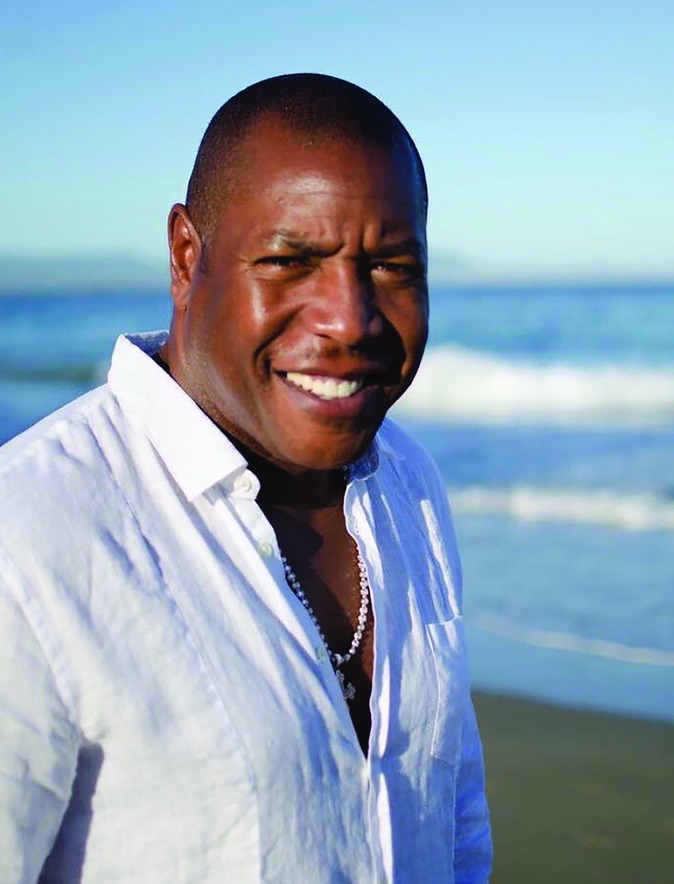
Cedric Nash
Cedric Nash is a Serial Entrepreneur, Investor, Wealth Coach and soon to be Author of a series of books in the works, aimed to teach and inspire black wealth development.
Cedric is the founder/Owner and President and CEO of Oakland with over 200 employees nationwide. In 1997 Nash, founded Oakland Consulting after years of experience with leading consulting firms servicing Fortune 500 clients. Oakland provides a range of Enterprise IT Services that help organizations realize their business and technology goals.
Oakland has been recognized as an Inc. 500, Black Enterprise Industrial Company (2013, 2014, 2015, 2016, 2017, 2018, 2019), and Washington Fast Technology 50 company. Oakland and Its’ affiliate company Vets Etc. achieved combined revenues of $88M with over 350 employees nationwide in 2019.
Nash holds a degree in Computer Science Engineering from California Polytechnic State University and a MBA from Pepperdine University in Malibu California. Nash is a member of Alpha Phi Alpha Fraternity Inc.
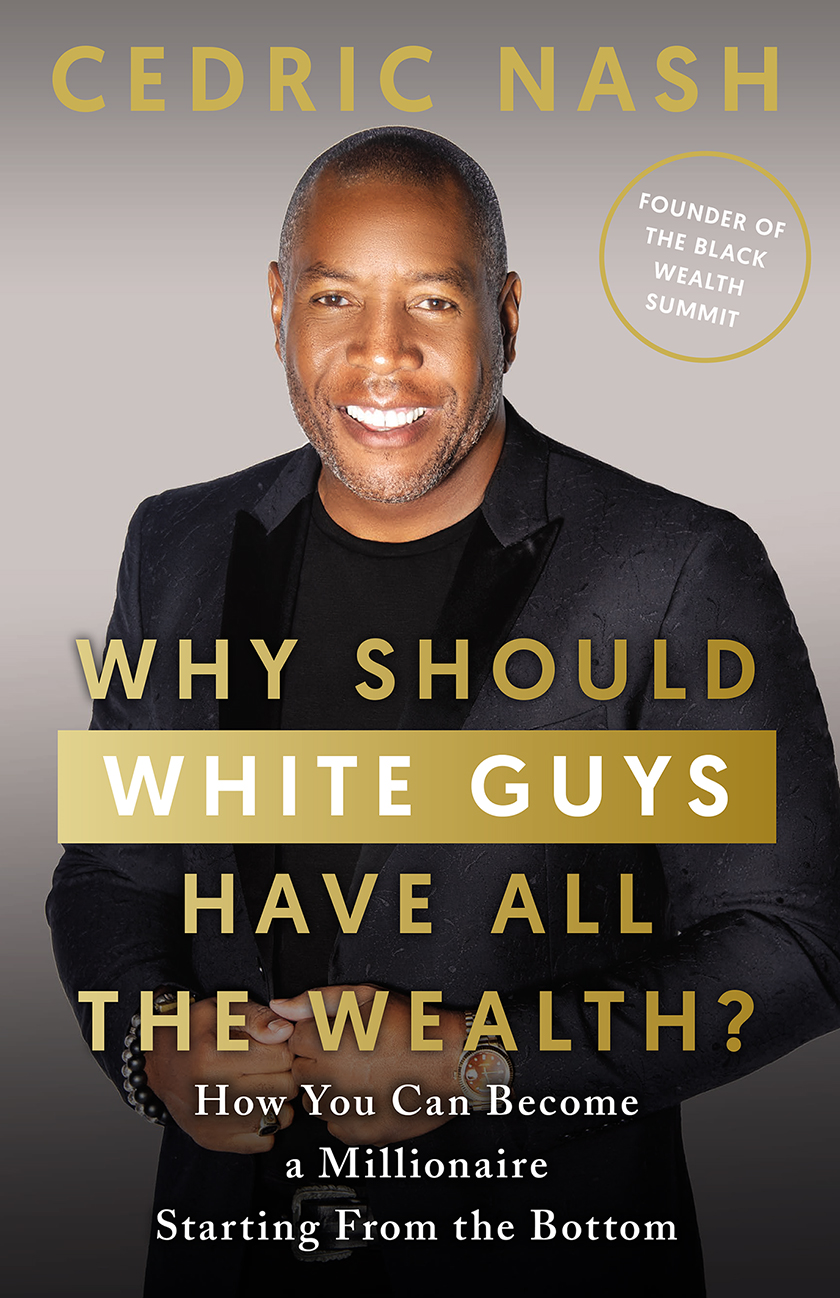
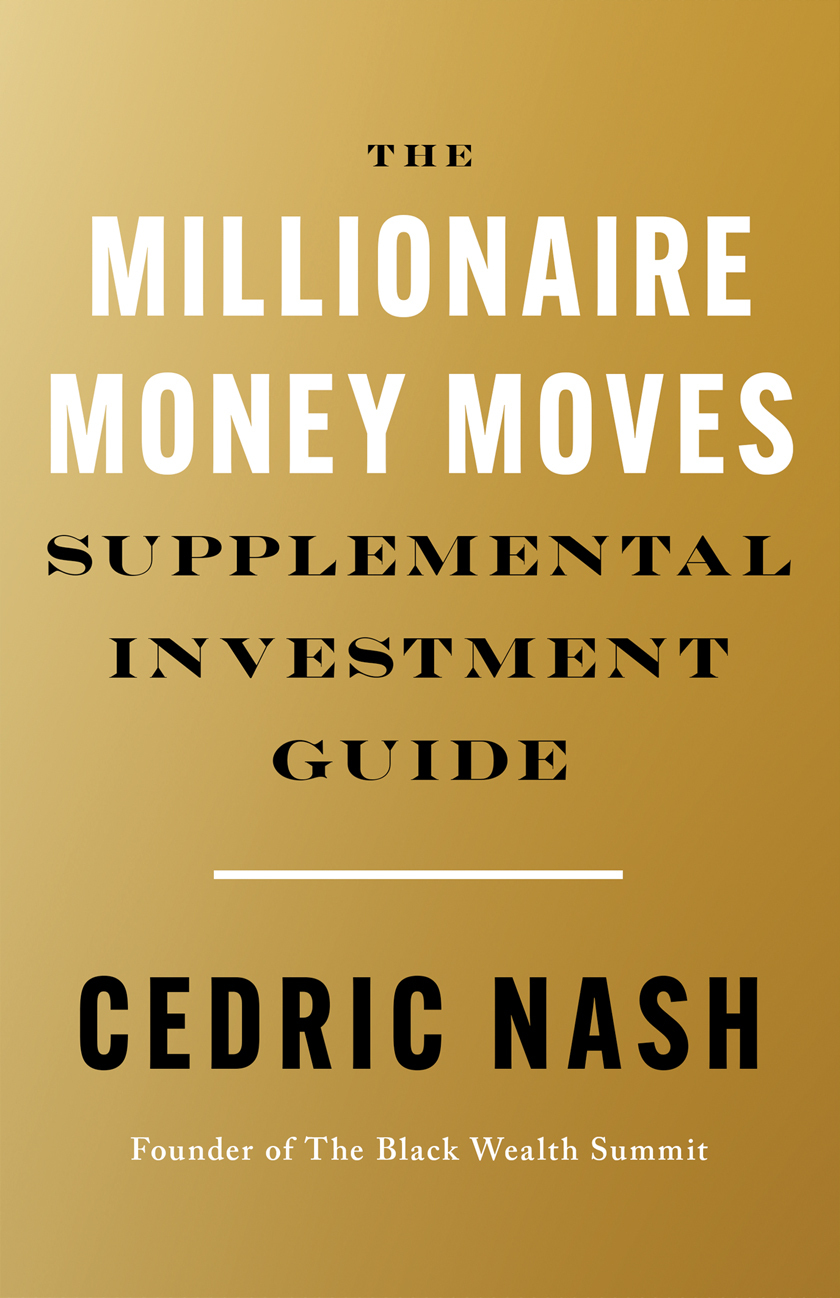
📚 Books by Cedric Nash
Transcript
[0:00:30] HA: My next guest breaks down wealth in a very unique way and helps us dig into why you find it hard to do what you need to do with your money to become a millionaire and shows you how to push past it. Welcomed back to the Author Hour Podcast. I’m your host Hussein Al-Baiaty and my next guest is Cedric Nash, who is here to talk with me about his new book, Why Should White Guys Have All the Wealth? Let’s flip through it. Welcome back everybody to the show, I’m here with my friend, Cedric Nash, who just launched a book, incredible read. I’ve had the opportunity to peruse through it. Cedric, congratulations on your book and welcome to the Author Hour Podcast Show.
[0:01:13] Cedric Nash: Thank you, happy to be here.
[0:01:15] HA: Yeah man, I’m excited. So just earlier, I heard that you know, you were saying you were on a boat. You’re somewhere out in the world, on your boat, doing this call but I’m really excited to get in this conversation because you know, from your upbringing, your childhood, you didn’t really start off on a boat man but this book really goes through some emotional stuff, man. I loved how you started off the book on such a powerful foundation but before I get into that man, I really want to talk briefly on why you decided to write this book and who you were trying to reach with your message?
[0:01:48] Cedric Nash: Yeah, thanks for the question. You know for a long time, the whole concept of building wealth kind of intrigued me. You know, I had the privilege of having you know, four million in mentors, you know, three black and one white that kind of shaped my mindset from my hometown. Plus, I had great loving parents that were you know, very modest people and had it back in my mindset as well. You know, I kind of grew up just kind of having modest desires but as I kind of moved on in my life and was exposed to other things and other ways that people lived, I kind of wanted to build them up and said, “Yo, why not go for wealth, why not be wealthy?” And so then, it started causing me to start discovering different ways to become wealthy, how to become wealthy and how to get there and so right before college, just two days before graduating, I sat down and I wrote a plan. I actually put it in my book of how I was going to launch my career and start to get myself moving, you know, after having read lots of books about various people, about various ways to do so. I kind of set a goal that I was going to become wealthy one day, I was going to become a millionaire and I want to teach others of in my community how to do it and so I’m glad to say that it’s taken some time but I’m at the stage in my life where I can give it my time to doing the things that are passion to me which is teaching African-Americans how to become millionaires starting from the bottom.
[0:03:09] HA: Man, it’s so powerful. I love that because it started off like as a seed as a young person but you knew you had to like, become the full-on tree, you know, and really grow through this because there’s a lot of trials and tribulations and kind of growing wealth and growing a business and growing yourself, right? Because it’s a multitude of things. But I love this, you know, always having in mind that you want to help others and now that you’re able to and that you’ve sort of learned from your experiences, you’re sharing from that perspective, which is so powerful. But let’s start by giving our listeners an idea of just who you are, your personal background and how you pulled off what most people think would take a lifetime by the age of 32, which is becoming a millionaire but before that, what was childhood like? What was it like growing up with those mentors around you? Who was the person that really influenced?
[0:04:01] Cedric Nash: So I grew up in a little town called Seaside, California and Seaside is a smalltown full of retired military and civil servant, people who worked for the federal government and buddied right up to Fort Order, which was the seventh ID, the seventh infantry division of military ground and my dad was you know, stationed there one time and so we knew a lot of people from who were ex-military types and it was largely African American community. But it actually butted up to a little city called Carmel in Monterey, in Pebble Beach where you know, Pebble Beach is where, you know, fairly extremely wealthy people from the Bay Area had vacation homes. You know, Charles Schwab famously has a house on Pebble Beach golf course. So it was kind of an interesting environment in that you have these very rich people who are on Carmel Pebble Beach and you had, you know, just basic working-class military types over at Seaside but you know, it gave the exposure to how they lived versus how we lived and I, like I said, had the privilege of mentorship from these four millionaire mentors, who kind of started from the bottom and built-up significant wealth and I kind of watched them and the ways they did things and how they did things, you know, I watch very closely and it impacted my mindset. My parents came from North Carolina, my dad was share copper, his grandfather was a share copper. My mother had an eighth grade education and was raised by her grandmother in Danville, Virginia jus4t crossed the county line between North Carolina and Virginia and they were just humble, you know, people that didn’t really show off but just instilled great values and that’s kind of the background that I came from. Lower middle-class, just hard working people.
[0:05:42] HA: I love that man, I think, you know, as you sort of, you kind of take it to the book and it seems like as you gotten older and as you started paying attention to what was really happening around you, you started finding these disparities and you really break down sort of, you know, you kind of set your entire story on this amazing foundation. You break down the wealth gap between white and black Americans, this is just stark but real crucial way to set the foundation of how important the information that you’re about to share is to, you know, our culture and people of color specifically, communities and the disparities of just African Americans growing up in America, so you really lay that down and however, like, the way I receive that information was that it inspired me. It moved me, it made me want to be… wing it in what I want to do and build up a business but you uplift me through the facts, not anger me and I love that so much. Well, why did you think it was so powerful to set the entire book on this foundation? Can you share some of those things that you picked up along the way about sort of that wealth gap?
[0:06:48] Cedric Nash: Yeah, you know, for a long time, you know, growing up, I kind of was fascinated by wealth, you know? You know, I had a paper route and worked at little different restaurants here and there and so I was just fascinated by it because I saw it but didn’t really understand where it came from. So I kind of set a goal early on my life that I wanted to be wealthy, I wanted to become a millionaire and I wanted to teach others how to do it. So I became a student of it, doing what I read and one of the things that I have learned and have kind of come to recognize is that the mindset of people that are wealthy is completely different than the mindset of people who aren’t and the other thing that I’ve come to learn especially as I’ve kind of matured in my development, is that African-Americans have you know, forever been dealing and managing with untreated trauma around finances, right? Untreated trauma around either not earning enough, not being able to be paid or compensated equally for what they’ve been working for or having things such as land or whatever, taken away from them and it’s been generations upon generation of untreated financial trauma that happen in previous generations and so that has kind of impacted our mindset in the way that we have responded to that trauma. Sometimes there’s overcompensation that comes with that and sometimes, there’s lack of faith that you can do better and so all of these kind of impacts our mindsets in different ways and it also impacts the way that we use money and the way that we treat money, right? There’s also, in addition to you know, overcompensation or lack of belief, there’s also a guilt associated with it for those who are raised in the church who feel like it’s, you know, money is the root of all evil, right? So we have confusion around where our mindset should be and where our heart should be as it relates to developing wealth, creating wealth and whatsoever and so we talk about it in the book. It’s like how can you be singularly focused on building wealth when your mindset vacillates across all of these different, you know, the spectrum of ideas about what you should be doing and so that creates a certain amount of confusion. So I was hoping too through my book, clarify that confusion and help people kind of create a roadmap for building wealth that anybody can do and like I said, my book is written for the 98% of Americans who are not highly connected or highly compensated. It’s not written for the 2% that are highly connected and highly compensated.
[0:09:22] HA: Right. Yeah and I feel like most books fall on that 2%, right? Just to keep building wealth, keep on acting, how do you grow your net worth and you know, there’s the few that really point to where we are today and where we potentially can go, I love that about your book. Can you share a little bit about that mindset, that millionaire mindset and sort of what were maybe a couple of things that you picked up from your mentors that you started applying, say, in your 20s that really started to compound themselves?
[0:09:54] Cedric Nash: Well you know, it’s kind of interesting because you know, the mindset is just so powerful in everything that we do. You know, I give this one example and it kind of blows people away and they quickly understand what I mean by mindset. You know, there are folks in our community, just give you a sample of mindset when you ask him about managing properties or rentals or multi-family properties and their mindset has historically been: “Oh you know, you don’t want to manage. You don’t want to own properties, all people do is tear up your property.” “You know, you don’t want to rent out to section eight people, all they do is damage your property and you never make any money” all you got to do is…
[0:10:32] HA: The number of times I’ve heard that. I’m sorry, I didn’t mean to cut you off but yes, you're 100% right.
[0:10:35] Cedric Nash: You heard that, right? But let me ask you something: Tell Mr. Bernstein that, tell Mr. Schwartz that, they’ll laugh in your face. See that’s a mindset thing that gets passed from generation to generation and causes us to go in the wrong own direction. The sad reality is, is that a lot of what happens in the African-American community and culture is driven by our culture. Where that comes from, I don’t know. It could be a combination of fear, bad experiences, or even bad managers, maybe the issue is that the business, the issue is the person. Like me and my buddies that play golf is like, you know, is it the equipment or is it the golfer, right? The equipment does what it does but a lot of times your results have a lot to do with the person that’s actually using the equipment and so the whole point is that when you learn from people like that, it’s a mindset that sets you up for failure. And so, that’s why in my book, I focus a lot on the mindset and I focus on these eight or nine components that make up your mindset and kind of give people perspective of what a millionaire’s mindset is and how they look at things from a perspective of grit, from a perspective of patience, from a perspective of sacrifice, from a perspective of emotional control, right? So you know, that’s a very, very powerful thing and the reason why it is, is because building wealth, like I tell people on social media all the time, it’s not hard, it’s just slow, right? And it’s just very difficult to stay inspired when things are moving so slow, right? And so that’s why you need mentors to kind of keep you focused and let you know you're on track because, it’s a long journey, right? Imagine you’re on a boat and you don’t trust your compass, so you don’t have a compass and you’re constantly questioning, “Am I going the right way? Am I going to get to my destination?” So what I try to do with my book is to kind of create a roadmap so that people can define their starting point, define their end point and develop that compass to that path to get there and then it’s just a matter of trusting the process, staying motivated and continue along the journey.
[0:12:38] HA: Staying close to it. Staying close to your vision, right? I think, for me, yeah, it’s like, you know, I always have like stickers up or you know, printed out things or paying it again, whatever it is, all the things around me in my environment are always trying to bring me back to that point of like, one, gratitude and two, patience that what I’m working on is worth my time, right? It's remembering that the payoff is you know, at the very end and you know, it’s just reminding myself of those things and you're right man, like growing up a refugee kid from the Middle East in Northwest America, predominantly white neighborhood, it was a different world for me man. Like learning the language, and learning the culture, my parents came from Iraq, we don’t have credit cards. They didn’t have you know, like, my dad had a bunch of kids because he was like, you know, that’s my 401(k) and my legacy, you know what I mean? Like, we just grow up so differently and when we come to an environment where we start to understand and they didn’t have high education at all. My dad finished at seventh grade, my mom was like fourth grade, right? So, just understanding how to get to college was out of their reach. So for me, I feel very fortunate because I’ve had these, you know, like privileges of going to school here, learning, you know, what’s possible, what is, what isn’t but also learn, you know, there are so many virtues that my father passed down, right? There’s so many things that are universal truths almost, right? And one is building something around purpose. My thing is, my talent, my gift has always relied around art and creativity and really relying on that but I had a talent but yeah, my dad was like, “You got to work hard on that talent, man. It’s not going to be just always chill up for you, you got to make it better” and you know I carry that very much and luckily, you don’t need to go to Harvard University to learn that kind of thing but it stays with you but you talk about that too and the idea of wealth building around a purpose that really keeps you motivated, right? It keeps you inspired. It keeps you centered. What is your sort of purpose and what have you learned from sort of unfolding that overtime that you could share with us?
[0:14:48] Cedric Nash: Yeah, you know in my book I talk about these seven reasons why people want wealth and I kind of got that as an extension of the book I read, a Tony Robbins book, Money Master the Game. He kind of captures that a little bit differently but they are very similar and I talk about these seven reasons why people want wealth and I think it’s important that people understand their why because once they understand their why, they could know their where. So you know, I think that the and I will give you the seven off the top of my head that you know, the first one was financial comfort, you know, the second one is independence and freedom, the third one is legacy, the fourth one is significance, the fifth one is contribution, they make a difference, the sixth one is love and connection and the seventh one is power and control and so those are really the seven reasons why. They may not be exactly one, some people could have a combination. They can be orders, right? You know like, “Well, independence is number one for me” and number two could be legacy and number three can be contribution. So you can have multiple ones but I really think it is important to explore that because you know, when it comes down to building wealth, it’s slow like I mentioned. So you have to kind of draw upon inspiration somewhere. You know, external inspiration can only go so far. I mean, you find people, I know my son went to listen to this prominent African-American motivational speaker and he was so fired up but then when Monday morning came, that inspiration was gone because that was external inspiration. So you have to find your internal inspiration and that’s where the heart of your why for wealth is rooted. Because when things get tough, when things are slow, you have to kind of rely on that. Those are the things that are going to keep you going and as a result of what my son said and a mentor who would say this all the time, that’s why chapter 11 is, What am I going to do about it on Monday morning, because I wrote a book designed to create action so that when you are done with my book like maybe books that I have read is like okay, a great book. Okay, where do I start now? Where do I go here? I basically put together a roadmap at the end of the steps people need to go to start a to-do in order to start making money nobody wants.
[0:17:00] HA: That’s so powerful because you know, to build your book around not just information but also action, information that leads to action is so important. I think for me I’d love to know, what are the actions that you started taking that started moving you along this journey? What would be two things you want to share that be like, “If people do this right now” or go set this up right now, that’s one action you can start on and then in a month or two you can build on that, what’s something that you always point to when you are sort of mentoring people?
[0:17:30] Cedric Nash: It’s planning, right? So if I look at my eight-step millionaire money moves framework, there is eight steps and the first step is planning. I have this chart that says, million nevers versus millionaires and so a million nevers do four things, they earn, they pay, the consume so they pay the things they acquired, they consume the things that they want and they give back either to their family or to something and that’s what they do with their money. So they never build wealth because their money is constantly going out, right? And they are not regenerating any money and so what millionaires do is they plan. So they have a vision for their money, they have a vision for their whole wealth and so the first thing that I do and I’m always been a compulsive planner as my buddies would call me, I would plan. You know, I have a vision for what I am trying to achieve. Often when it comes to personal finance, you know, personal finance people don’t give you that vision, right? They don’t have the tools to give you a vision of what you are trying to do and even ask you the right question so you could discover that. That’s what I do with the book, I basically give people the tools so that they can create their, what I call, millionaire money moves master plan. Their master plan for how they’re going to go from where they are to where they desire to go, right? So I ask very key questions that help them formulate that plan. So you know, developing a plan is very, very important and then the second part is execute, right? It’s easy to plan or easy to create a plan but the hardest part is executing consistently and so that’s where mindset and value set comes into play. That is when you know, having a well laid out plan helps because now when you like I’d have a friend, she call me frantic about being unhappy with her job and I’d ask her. I said, “So where is your roadmap? Where is your map?” You know, we continue to talk about this but you never laid out your map because you might be very frustrated because you are having an issue at work or your battling with another executive. But what gives you peace is the fact that I am not working just to work for the rest of my life. I am working towards a destination that is going to give me the freedom and I am working towards the destination where my money will make the money that I spend, so I don’t work for money and when I get there, I can choose to do the work that matters to me most. I can choose to do the work that makes a difference in the world. I can choose to do the work that leverages my gifts and talents that God gave me to serve a purpose, which may or may not be money because my money is making money for me and so often as African-Americans, we’re living in this trauma that we’re never able to leverage our gifts and talents that we’ve been given, right? Because we are so busy dealing with trauma. We’re so busy being preoccupied with having to make a living and have to deal with challenges and trauma of being black in America.
[0:20:19] HA: The stories that have been told to us and the stories that revolve in our minds, right? Like sort of unlearning those stories is such an important role but if no one is around you, mentors you or you know, there’s ways to do it. There is of course, there is the breakthroughs, we got to look up to people that inspire you and move you and I think for me, I always tell people, you know especially my nephews and nieces and stuff like that. I’m like before I earn, started earning and building my business and I built a big print shop and all these good stuff, I told all my nephews you know because they would come and fold t-shirts with me and I’d give them some money, you know, whatever but I told them, “You know, all you got to do is read and you can be mentored by the wealthiest people on the planet, you just got to pick up a book like start there and things will unravel themselves and do it while you are young” you know? So like you, I have this mentality of how do I – how to shape someone else but I got to go do it too. I got to go experience it and show the example, what you have been able to do is so powerful. This is kind of a different direction kind of question but a book is in its own feat, man. It’s it own, you know, thing that really challenges you, it pushes you and helps you put things in perspective and helps you with clarity. What is the most difficult part of writing the book and producing it for you?
[0:21:38] Cedric Nash: Right. You know, the most difficult part of the book, there were probably two difficult parts of writing it because I actually wrote probably over a thousand pages single space, right? After we had already tried to write accept a ghost writer and after we tried to – he tried to articulate my thoughts. I gave him outlines about outlines. I am thinking I am clear, I gave him all the background information. We did interviews, we talked about different stories and then he started putting the book together but he was putting stories in the wrong place. It didn’t feel like it was my book. So we stopped and that’s why it took me so long to really finish it. We stopped and I went to my place in Miami and I just you know, by myself just sat there and just started writing my ideas chapter by chapter and then it start coming together. So that was very, very impactful to kind of to do it and then we went back over each, chapter by chapter and he, you know, was frustrated because he will be having to rewrite it again but when it was done, I was proud of it because it was a true reflection of what I wanted to say. So that was one part that was difficult. The other part that was really difficult was kind of balancing making the argument that I made for teaching people how to do it on their own, right? So trying to weed that into my story about the racial wealth gap, about you know, how the government’s made promises upon promises about making the game fair and African-Americans are sitting there waiting for the game to be fixed and how you know, through our religious and our religion and our practice of religion, how we have been either waiting for this financial blessing or waiting for Jesus to solve all of these financial challenges that we’d had. I was thinking about how do I articulate that? How do I weave that into my story and keep the story moving and after talking to a dear friend of mine about it, they asked me a very simple question, “Isn’t this book supposed to be about personal finance?” and I said yes. So what happened is I was veering off into a direction that was being more philosophical about what we as black people can do and that wasn’t my objective. My objective was to write a book about what you, the individual can do and in fact, you don’t have to be black. You could be Hispanic, you could be Middle Eastern, you could be even white. You can be anybody, seriously, the methods and the approach work. It is just the setup and the cultural impact of the money that we experience as black people is where the book really kind of focuses and our challenges as a people and the work that we have to do.
[0:23:56] HA: Yeah and that’s the experience you can speak from, right? Because that’s the experience you grew up with. That’s the truest experience you can share and I think it’s relatable because there are so much universal truths to it so anybody can really pick it up. However your target audience, the people that you really seek to help, other people that you saw growing up struggling, right? With these ideas and these concepts and because you struggle through it too but you struggled and figure out a way through and I just you know, I just want to point that out to you because you know, you did say the things that you needed to say at the beginning, which is what you set your foundation on. You know, this idea that like, “Look, you know, I am sorry to say it but Jesus’s philosophies weren’t necessarily about your personal financials.” It is like practicing those virtues should help you, right? But let us start with that and it is so profound because those are the things that we do need to hear but then you lay down, you know, you lay down on top of that your personal experiences, you lay down on top of that methodologies and actionable steps that can lead us on this journey and a map that we can create for our self, which is really powerful man. I mean, I love that because it is so tangible. So you know, talk about difficulties of writing a book, which again, you seem to have gone through them in such a beautiful way but what was the best part of writing the book and putting it together?
[0:25:13] Cedric Nash: Yeah, I think the best part of writing a book was like really finishing because when you are done with your manuscript, you think you are finished, I mean, you got to go through all these copy edit stuff and –
[0:25:22] HA: A little bit more.
[0:25:22] Cedric Nash: Yeah, you have to go through all of that. So I think the best part was actually finishing it and feeling like I nailed it, right? Feeling like I said what I wanted to say and that you know, because when you deal with a ghost writer, you know, he’s often taking your words and he is replacing them with his words. So that was kind of difficult to say, “Wow, you now, this guy is an incredible writer, why can’t I write like this?” Well, I am not a writer, that’s not really what I do.
[0:25:45] HA: Yeah, you do trained, yeah, exactly.
[0:25:47] Cedric Nash: Yes. So that was kind of interesting but it was just so good and I really, really enjoy reading it and saying, “Wow, I nailed it. This is what I wanted to say. This is what I am having to get across.” The other thing is we had some early releases of the book at the Black Wall Summit and about a 150 books were released on that day and I’m getting feedback from those folks. They are comparing the book to the classics of, The Millionaire Next Door, of Rich Dad Poor Dad, of Why Should White Guys Have All the Fun? So getting those references and people saying, “Wow, this book, it reminds me of that.” One woman said she hadn’t been inspired in decades since reading Rich Dad Poor Dad and so when you hear those, you know that is really, really powerful that says, “You know, we nailed it.” We did what I was trying to do.
[0:26:33] HA: Man, let me tell you something. Like I said, reading your first forward, your introduction and everything and kind of skimming through your process, dude, I felt very inspired man. I got to be honest, I got to agree with some of those people. Cedric, I learned so much today man. Thank you for sharing your stories and your experiences. I know you are on a boat right now, I’m sure hopefully you’ll be enjoying some sunshine. You know, the book is called, Why Should White Guys Have All the Wealth? : How You Can Become a Millionaire Starting From the Bottom. So besides checking out the book, where can people find you? How can people reach out to you and get the resources and help they need?
[0:27:12] Cedric Nash: Yes, you could find me on Instagram @millionairemoneymoves. You can also find me on my website at cedricnash.com. Please come check us out, you know, I have a Black Wealth Growth Challenge that is free. I mentor people for free, on my process, you know they buy the book and they start developing their own wealth charity and I coach them for an entire year for free if they are willing to put in the time, put in the work, make the necessary sacrifices so that they too can learn how to make millionaire money moves.
[0:27:41] HA: Incredible. Cedric, you are an inspiring man. I appreciate you. It was an honor and a privilege talking with you today. Thank you for coming on the show, much success to you and your book my friend. Thank you again.
[0:27:54] Cedric Nash: Thank you again. Thank you for having me.
[0:27:55] HA: Yeah, absolutely. Thank you so much for joining us for this episode of Author Hour. You can find, Why Should White Guys Have All the Wealth? : How You Can Become a Millionaire Starting From the Bottom, right now on Amazon. For more Author Hour episodes, subscribe to this podcast on your favorite subscription service. Thanks for joining us, we’ll see you next time. Same place, different author.
Want to Write Your Own Book?
Scribe has helped over 2,000 authors turn their expertise into published books.
Schedule a Free Consult