Kay Allison: Episode 1100
Read the full transcript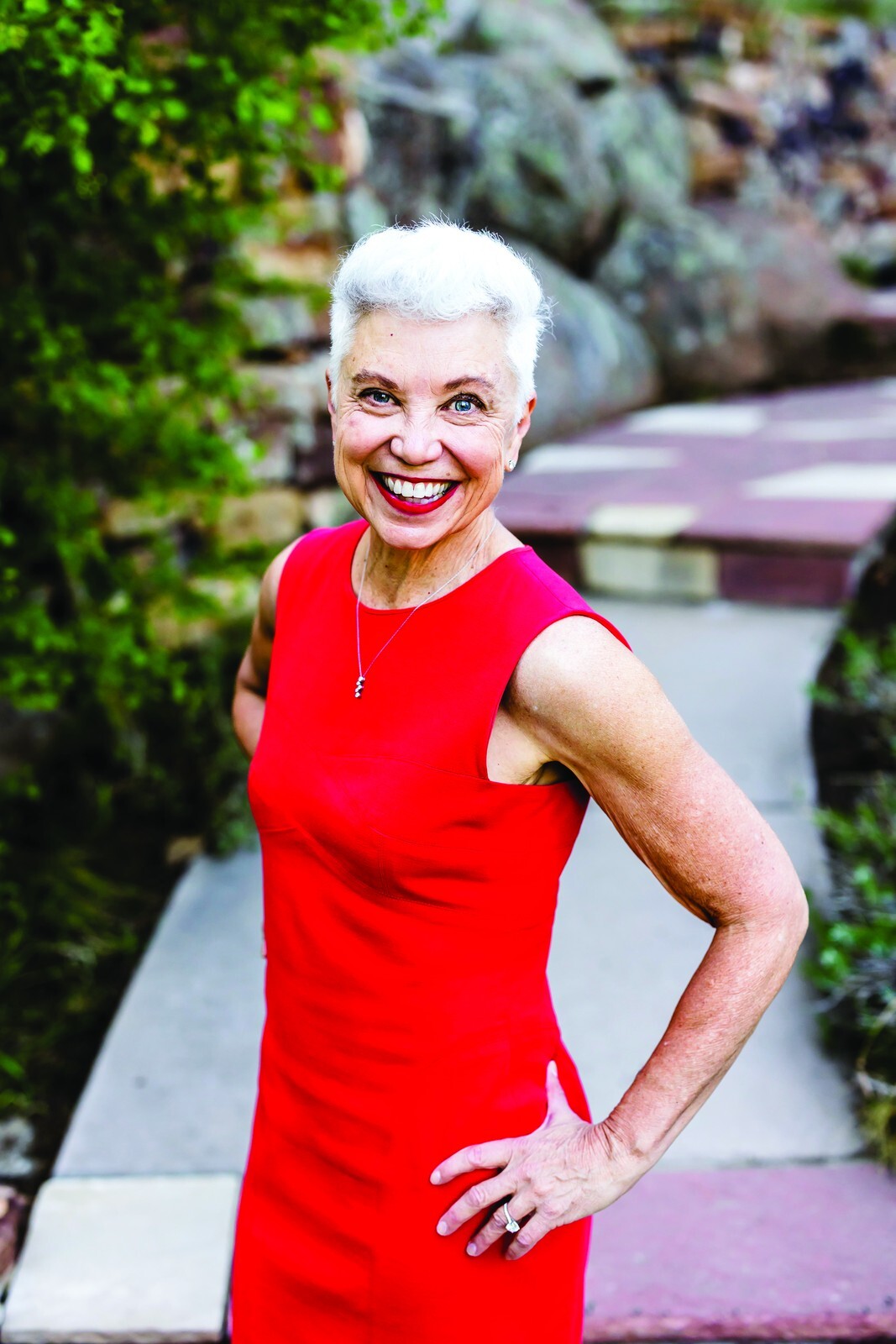
Kay Allison
Kay Allison was a senior vice president at a global ad agency when she decided to go alcohol free. A year later, she launched her first company, The Energy Infuser, a consumer insights and innovation agency that helped Fortune 200 companies create new, $100 million products and businesses. Her clients generated $2 billion in annual revenue. Kay went on to create The Energy Annex, a modern focus group facility that won “World's Best Facility” seventeen years running. Today, Kay is a minister and entrepreneur. She adores her family and lives in a pine forest. She truly lives a Juicy AF life.
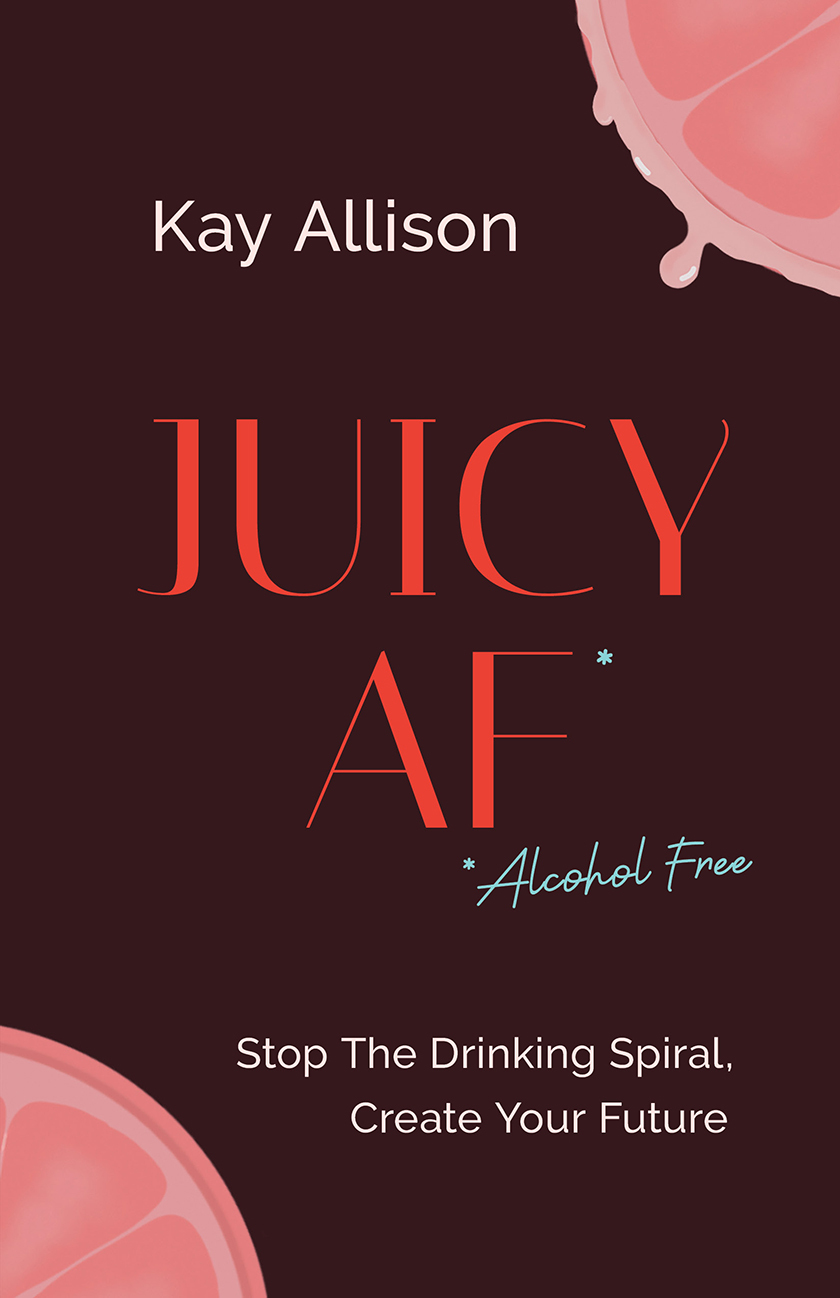
📚 Books by Kay Allison
Transcript
[0:00:40] HA: If you suspect drinking isn’t working for you anymore, if you’re sober, curious, but worry sobriety sounds boring, my next guest carries a unique perspective to an executive coach and entrepreneur who proves otherwise. Welcomed back to the Author Hour Podcast. I’m your host Hussein Al-Baiaty and my next guest is Kay Allison, who is here with me to talk about her new book, Juicy AF, and AF is for Alcohol-Free, let’s get into it. Hello friends, welcome back to the show. I’m here with my friend Kay Allison. Kay, welcome to the show, thank you so much for your time.
[0:01:19] Kay Allison: I’m really excited to be here, thanks for the opportunity.
[0:01:22] HA: Yeah, Kay, you have just launched a book and I think it’s a special one because it’s something that we, you know, as young adults of pretty much everywhere have struggled with, which is the topic of alcohol and you specifically talk to women in your book, but I know, some of the topics, some of the things really landed with me. You know, I grew up of Muslim faith so alcohol was just completely off the table. However, it didn’t stop me in college to take a few sips here and there. But I think those early days, you know, helped me, you know, as far as like growing up with my dad, was very strict and things, just kind of help me understand a little bit about alcohol just coming form a different culture. However, you had a little bit of a different sort of upbringing and different place in the world and alcohol was introduced to you differently. But can you tell us a little bit about those days that you grew up, you know, your background, with your high school, college years and you know, what ultimately brought you to this profession, this line of work where you’re helping women really overcome those difficulties with alcoholism.
[0:02:25] Kay Allison: So I always felt intensely different and alcohol helped numb that alarm that I always felt, that somehow my imposter status was going to get exposed or people were really going to find out that I was not good enough. So I just, I had this inner alarm that was ringing all the time and alcohol muffled it, at least temporarily and what I didn’t understand was that drinking actually was ratcheting up my internal anxiety over time. But for a long time, it made me feel uninhibited and not alarmed and free to be whoever I was. I didn’t really care what other people thought when I was drinking but then the negative effects started showing up in my life, you know? I would say, “Oh, I’m only going to have one” but I would never just have one. I would do things when I was drunk that I would pretend I hadn’t done when I wasn’t drunk and the quality of men that I was hanging out with just was declining very rapidly and just came to a head one night and I woke up not only with the usual kind of anxiety and remorse and shame but I also had a moment of clarity and that’s when I was done.
[0:04:01] HA: Oh, can you please talk to us about that moment of clarity? When did you feel like you came sort of head on with the decision to make a serious change? What was that moment of clarity for you?
[0:04:15] Kay Allison: What I had done the night before was so out of keeping with the way that I thought of myself and what I prided myself on. I had thrown a party, I set out to not drink because I had so many friends that had shown up from all over and somebody offered me a glass of champagne, just one too many times, Hussein, you know? If they hadn’t, everything would have been fine and my older kids who were then adolescent had to put me to bed and I woke up the next morning and I just was done. On some very physical level had done that audit of, “Man, the benefits of what I’m getting from drinking are not worth the costs” and that moment of clarity, I have to tell you, I was just done. I was 100% committed to being alcohol-free from that point forward.
[0:05:16] HA: I love that but that decision is you know, I feel like a lot of people, especially again, young people, you wake up and you say, “Never again” and then you know, the afternoon comes around and the next weekend comes around and you're like, “All right, the hell with it, one more drink” you know? Like, I known a lot of those people and so when you make that decision but for you, you just felt at the utmost, whether the lowest or highest, you know, depending on how you felt in that moment. But what then happened, like, how did you actually go on to make that transformation to stop drinking and really rely on yourself to move forward? What was the things that you started doing?
[0:05:59] Kay Allison: Well, I actually went to a 12-step program, where I quickly realized that while there are certain things that were invaluable and I‘m very grateful for, the AA and its sister organizations are really not designed for women and especially not for high achieving women like I was at that point. And so what I really appreciated was having a roadmap for what it was like, how to be alcohol-free and also having a bunch of traveling companions and it was that part of having friends that we’re going through the same thing, as well as people that were further ahead in the experience that really made all the difference.
[0:06:50] HA: Right, so having like a community around you, people that, again, are gone, are on the same path but maybe a different places in the past but helping each other move along the journey of just you know, improving one’s health because that’s the way I feel like I look at these things. You know, addictions are… it’s like a mental health thing and so how you come to realize that, how you come to understand and try to heal yourself, you know, it’s all different for different people but it sounds like you know, for me, it feels like there’s a thread of community, right? If you surround yourself by people who you know, really want to help you and really helping themselves, right? Because they’re not just sitting there preaching to you, they’re actually going through that hard work as well. It sounds like that’s what you found but you know, I think for most young people, I think you know, this idea of the shame, the numbness and all those kinds of things that arise, right? Of like, signing up to a program or you know, those kinds of things, how do you overcome that? I mean, I know there’s a sacrifice that needs to be made. What was that sacrifice for you in you going to that program or programs and what was that like for you to kind of just set those things aside and really start working on yourself?
[0:08:07] Kay Allison: Early in my experience of being alcohol free, I walked into a recovery meeting and there is this gorgeous woman sitting at the front of the room telling her story and she worked in the same profession that I did at the time and she was extremely accomplished, dressed in designer clothes, just impeccably put together and she said that she was in her living room with her husband and then the story starts to get weird. She was also there with her boyfriend and the police and it was 3AM and she thought, this was perfectly normal and she threw back this main of curls and she laughed and I remember being viscerally shocked because at the time, everything that I was doing was hidden under layers of regret and remorse and shame and embarrassment, you know, with wallpaper on top of it all saying, “Nothing to see here, pass on by” and she represented freedom. Freedom from alcohol but freedom from pretending and freedom from shame and all that was left was this sparkling sense of aliveness and joy and at the time, it had never occurred to me that that was possible. I wanted that that for myself and today, I want to be that for other women.
[0:09:37] HA: That is very powerful, what a transformation. I mean, I feel like yeah, when you see someone sort of overcome that layer of… I feel like something I felt for sure growing up, you know, there was a layer of shame, there’s a layer of discomfort being culturally different and so you know, you look around and you’re just like, I just wanted to hide. So I kind of dressed the way everyone dressed and almost talk like everyone, you know? As best I could just to kind of fit in, realizing like the harder I try to fit in, it’s like, there you are, you know what I mean? The matter where you go, there you are. Once I started learning to shed that and letting go, I started feeling like myself holistically and I started leaning into that and you know, there’s more self to discover and unravel of course. So this path starts to take you forward and you know, you start the healing process and you overcome. So what happened next? Where do you take your journey? Where do you take your career, how do you start to see yourself and feel? Tell me about these next steps.
[0:10:42] Kay Allison: In the first few years after I went alcohol-free, I increased my income 600%. I started two-million-dollar companies and I met and married the love of my life. We adopted a child, I wrote a book, a first book and my life transformed in such a magical, powerful way. I didn’t realize how much energy was being expended by trying to, like, physically feel okay but also pretending. All the pretending is just draining and redirecting that energy and getting free form hiding and shame and embarrassment, getting free from pretending, redirecting that energy into my career and my personal life just catapulted me into a world that was unimaginable to me.
[0:11:49] HA: Yeah, it’s really powerful and in the book, you talk about sort of having a spiritual awakening if you will or journey that you started on. Tell me, when that sort of came about and how that started to unravel because you create these sorts of spiritual laws that you kind of go into in your book. Not kind of, you actually go very deep into those components in your book but tell me about when the beginning of that started to happen for you?
[0:12:16] Kay Allison: We tend to have a drink to take the edge off but drinking, even moderately on a regular basis actually increases our anxiety through a variety of physiological mechanisms and willpower is not enough to combat biology. Biology always wins, Mother Nature holds the trump card. I couldn’t transform myself, I really needed a spiritual solution, something bigger than myself to help me rearrange the way that my internal state was and my ways of interpreting what was happening to me in the world, so that I didn’t develop that edge to start with and what I’ve come to understand, Hussein, is that in the same way that you can’t see gravity but it still works whether you can see it or not, these spiritual laws of you know, forgiving other people frees us and being of service to other people diminishes your self-consciousness. And envisioning your future self as a very powerful, compelling idea is more effecting of who we are today than anything that happened in the past, uncovering your old story and substituting a spiritual principle for it. Those spiritual laws, when I became aware of them and develop some practical ways to act in alignment with them, I was able to walk through my life with a sense of inner equanimity rather than developing that anxious edge.
[0:14:06] HA: Yeah, that’s so powerful. It’s really interesting too because for me, you know, like, I guess I didn’t really choose to be a Muslim. Maybe it just chose me. I don’t… where I was born, I was born in Iraq, right? Like, I got to come to America and grew up here and for me, there’s – I always you know, I had deep conversations with my father and you know, I would ask him like, “Why don’t we drink, why can’t I have a beer, why can’t I?” you know what I mean? As you grow up. And you know, he’s just like, “Well, how important are your decisions?” So I’m like, “I mean, some of them are really important, some of them are not” you know? Like, I don’t know, when I was young but he’s just like, “The more you value who you are, your decisions and how you think about the world and how you see yourself, the more that matters to you, the less like, those other things help that valuable stuff stay intact” right? And you know, it didn’t occur to me until obviously, as I got older and things and it makes perfect sense, right? Because the spirituality, when we say like, “Oh, you can’t drink” you know, it’s part of your faith or whatever but you know, you sort of want to rebel against that and it’s like, “Why can’t I?” you know? But if you just get down to the grass roots of it, right? “Who are you and do you value your body, do you value your biology, do you value your, you know, just how your liver works and how your heart works?” and it’s like, yes, it’s like, “Well, what do you want to give it?” you know? A great thing of water that has electrolytes, that has whatever, right? And that idea of treating your body as you know, this beautiful place that you shouldn’t allow anything gross in there, right? And so this idea, you know, transformed into of course, alcohol but it also goes into like drinking Pepsi or drinking things that… you know what I mean? It’s not… it is like we are drinking Kool-Aid that’s full of sugar, which is of course, also very addicting. So it transcends this idea. It’s like, it’s not just alcohol what you put in your body, it’s also what you consume, what you see on television, what you see, you know what I mean? It just goes further and further and further and I love that because it really helped me, like later in life, really understand why there is a spiritual law about what you put into your body and you know, when I saw that in your book, it really resonated with me. I’m sorry, I’m kind of just going off because I found a connection in your book that I felt like there was bits and pieces of wisdom in there that have been poured over. So can you talk a to me about the law that you feel really helps you the most in cases where you try to help others but it’s something that you really lean into in your practice?
[0:16:45] Kay Allison: Well, thank you first for saying what you just said that it’s really touching to me, thank you very much for that. The two laws that go together for me that have been transformational, the first one has been to get down to what I call our OS, our operating system, also known as our old stories, right? So those old stories about how I… my identity and my place in the world and the way the world treats me, once I could get down to the story that really has run me for so many years, which is, “I’m not good enough.” The converse of that is or the antidote to that is, “What character value?” or what, as I call them, “Spiritual principle is the antidote to that?” So every time I get thrown to that, “Oh, I’m not good enough or I’m going to get found out” or whatever if I can practice a spiritual principle that’s the antidote I get some relief. So for me, it might be amusement. It might be being rigorously honest about myself and being very kind to other people. Like, that troika, that combination of three things gives me some relief.
[0:18:16] HA: It takes that edge off for you in a different and more beautiful way, right? It remind you that you are plenty good enough, plenty, just being who you are as you're existence is the purpose, right? And you don’t need more and more substances or substance to eliminate or you know, dumb that down or darken it away or… and I think that’s such a powerful thing where I really step into ourself, we start to unravel like you said. I mean, you leaned into these things, you start to develop these spiritual laws and I feel like they’ve always been there but perhaps, you needed the clarity and that clarity was a step away from alcohol for a little bit and the further you stepped away, it sounds like you started to flourish, things really became more clear. Your husband came into the picture, your business started to thrive. How do you use your story today to help other women sort of get in that transformation mode and to the amazing beautiful women that they already are?
[0:19:22] Kay Allison: I am very out about being alcohol-free. For a long time, I mean, I’ve been alcohol free since 1999. So for the first 20 years, I would tell people that I was alcohol-free, when it seemed like it would be helpful to them. It’s not something that I presented as very publicly. Today, in the same way that that gorgeous woman was like so unabashedly and unflinchingly telling the truth about what her experience was, I feel that it’s incumbent on me if I want to help other women that I have to tell my story and be very forthright about it and so today, I am public about my story and my experiences in service of other women who deal with anxiety. Like seriously, addiction doesn’t even need to be part of the story. If women are experiencing anxiety and they’re drinking moderately, there’s a link. There is a biological link and there are other ways to walk through your days both externally and internally, so you don’t need to pick up that drink, which is going to minimize your anxiety.
[0:20:50] HA: That’s so powerful. That’s so powerful and in knowing those connections and knowing how one, like, sort of overlaps the other and understanding perhaps the root cause of these things, then you can sit down to try to address in a different way. What’s the path that you try to take some of these women on in the sense of like, how do you get one to recognize that “Hey, you know, these two things are linked but what’s really driving your anxiety?” Do you do talks, do you do events, do you do like one-on-one coaching? How do you go about doing this work?
[0:21:23] Kay Allison: So I have of course, my book which takes people through the three steps in my process. The first is to do an audit of your anxiety energy and your alcohol consumption and to really make a clear-eyed decision about how it’s benefiting you, how it’s costing you, what is costing you. A very pragmatic set of tools for how to become an alcohol-free person and then the meat, the ongoing meat of it is understanding these spiritual laws and applying them not only in your personal life but also in your professional life and I do this via a 30-minute coaching call and then a course and then a community.
[0:22:14] HA: I love that, very beautiful. Kay, if there was one thing from your book that you hope that the reader would take away, what would that be?
[0:22:22] Kay Allison: That if you think that your drinking is taking the edge off your anxiety, the bad news is, it’s actually a cause in the culprit of your anxiety and that there is a way to live without alcohol where you actually will be that magical creature you imagine you are when you’ve got a glass of wine in your hand.
[0:22:45] HA: Absolutely love that. Thank you so much Kay, congratulations on your book. I just want to say, you know, having people like you on the show is amazing because it’s really empowering in a direction that, “Hey look, here’s a substance that you may not need to improve yourself to take the edge off” really going in deep and going into your purpose, unfolding that in a beautiful way. I think in a lot of ways Kay, you did become that woman that you looked up to and you know, because it’s inspiring to me and I know and for sure it’s inspiring to other women out there as well. Kay I learned so much today, thank you for sharing your stories, your experiences. The book is called, Juicy AF which is alcohol free, Stop the Drinking Spiral and Create Your Future. Besides checking out the book, where can people find you, Kay?
[0:23:34] Kay Allison: The best place is to go to juicyaf.life and if you do juicyaf.life/book, you will get placed to get advanced access to the book as well as the workbook and a journal.
[0:23:49] HA: Absolutely beautiful. Thank you so much Kay, I appreciate you coming on the show today, congrats again on your book.
[0:23:55] Kay Allison: Thanks so much for the conversation. I really thoroughly enjoyed this.
[0:23:58] HA: Yes, as I did. Thanks for joining us for this episode of Author Hour. You can find Juicy AF: Alcohol Free, Stop the Drinking Spiral, Create Your Future, right now on Amazon. For more Author Hour episodes, subscribe to this podcast on your favorite subscription service. Thanks for joining us, we’ll see you next time. Same place, different author.
Want to Write Your Own Book?
Scribe has helped over 2,000 authors turn their expertise into published books.
Schedule a Free Consult