Vince Vitiello: Episode 1131
Read the full transcript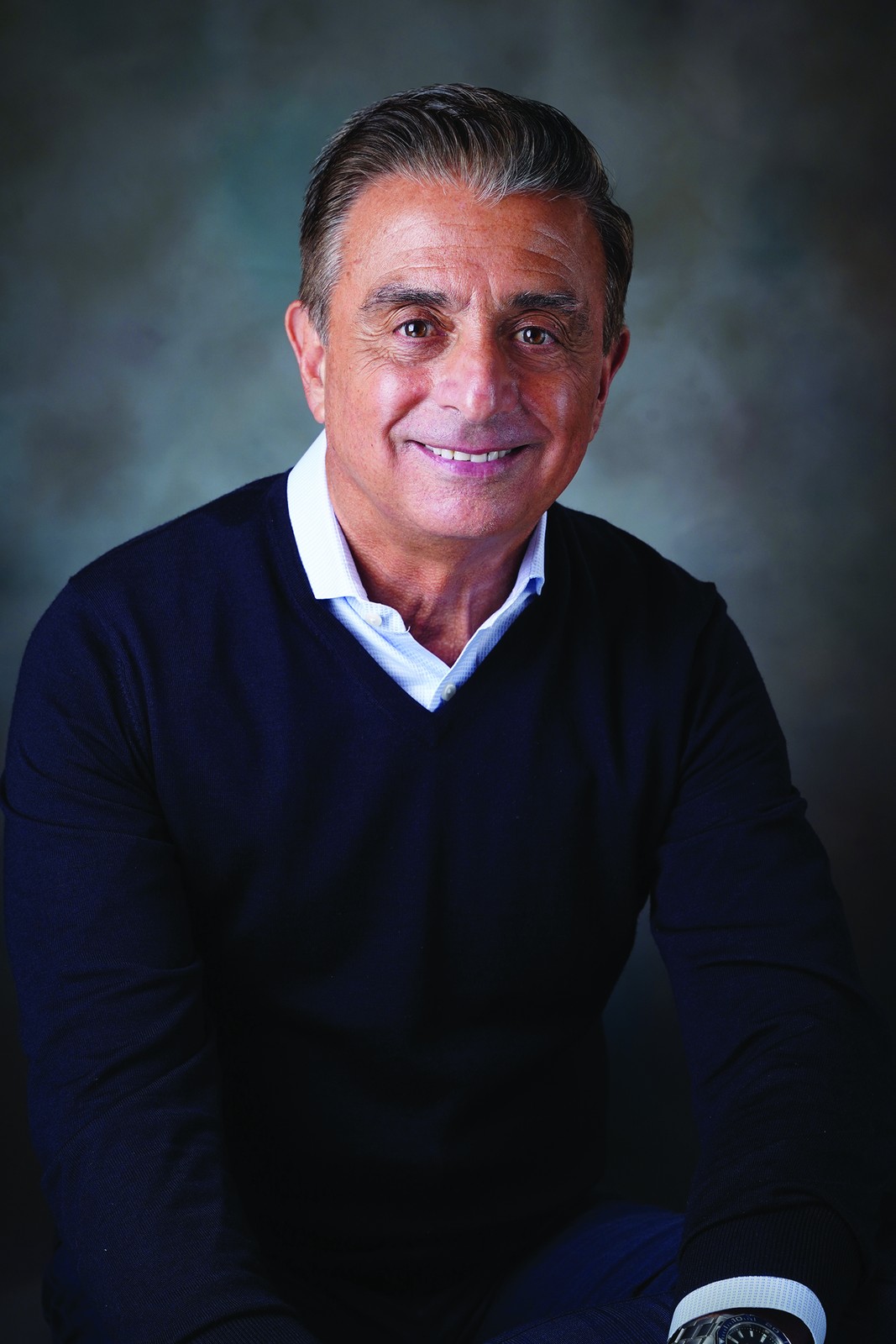
Vince Vitiello
I have developed strategies to uncover incredible opportunities for both top and bottom line growth focusing on the exploding diverse markets. My experience includes tapping the 117 million U.S. citizens that comprise these markets; Asian, Women, Hispanic, African American, Orthodox and Hasidic market segments have been typically approached as main stream customers. While in many instances this is true, there are strategies that can assist your firm in becoming a dominant player in these markets. My experience also includes uncovering similar opportunities in European markets. I have developed a simple 6 step strategy that once executed, has positioned many companies as the leader with emerging markets, and resulted in consistent double digit sales increases.
📚 Books by Vince Vitiello
Transcript
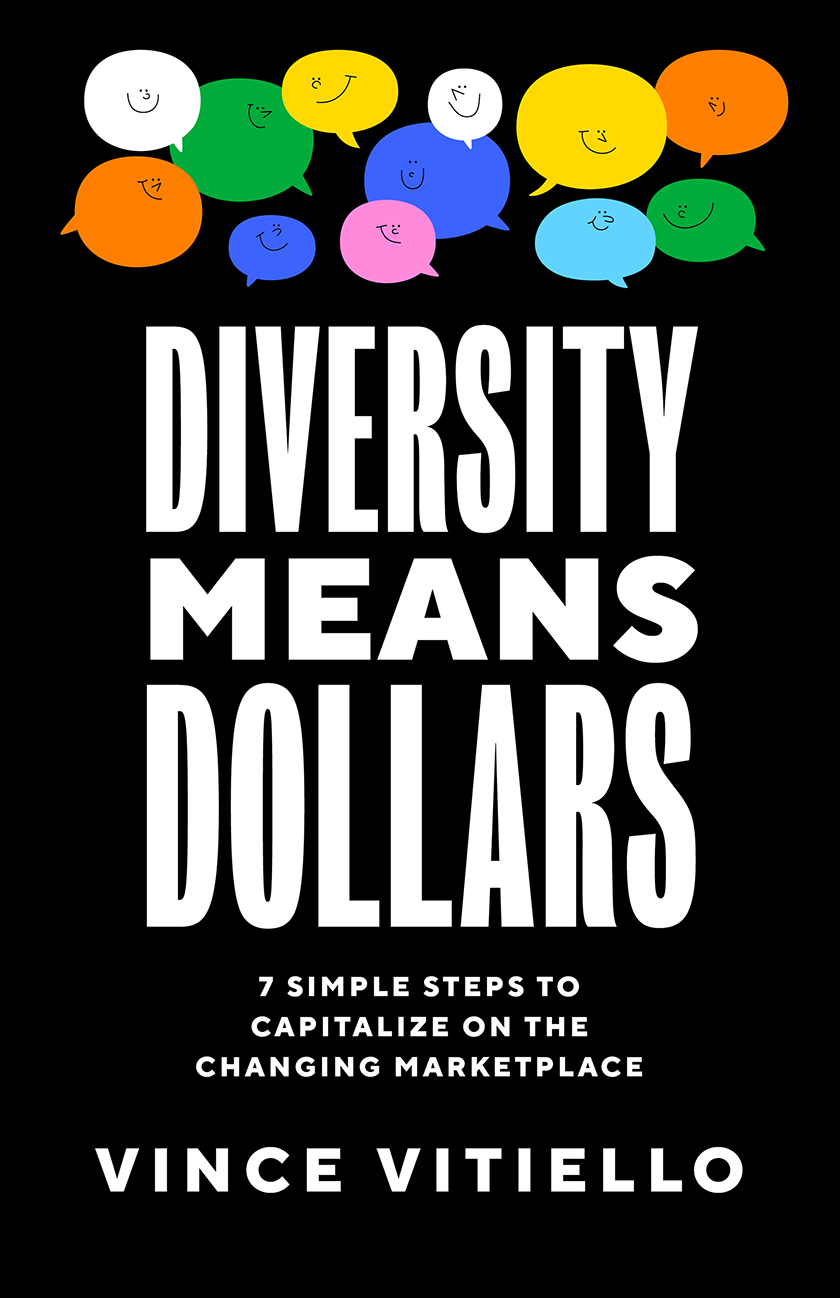
[00:00:47] HA: When you market towards diverse, underserved communities, you help them gain access to products they need or want, but haven't been able to easily obtain. My next guest shows you how to achieve potential growth for your business, but by doing well for your business, you will also be doing good for underserved consumers. Welcome to the Author Hour podcast. I'm your host Hussein Al-Baiaty. Today I'm joined by author Vince Vitiello, who's here to talk about his new book called, Diversity Means Dollars. Let's flip through it. Hello, my friends. I'm here with my friend Vince, today. I'm super excited to have you, Vince. The book is called Diversity Means Dollars. Man, I can't tell you how easy this was to go into it and just fall into the chapters, fall into the story. Vince, congratulations on your book, man. What a great to read.
[00:01:42] Vince Vitiello: Thanks, Hussein. I’m really excited about it. Thank you so much.
[00:01:45] HA: Yeah, absolutely, man. I mean, you bring up diversity in such a unique way. We go into these steps about how to really incorporate diversity in your marketing, in your workplace, all this good stuff. Before we get into the book and the depth of everything, of course, that's all your wisdom. I really want to get to know you a little bit and tell our audience a little bit about your personal background, perhaps a story of when you were growing up, and maybe a person that inspired you to be on the path that you're on now.
[00:02:13] Vince Vitiello: Hey, very good. Well, I grew up in New York City. I grew up in a Italian Jewish immigrant area of Brooklyn, New York. The interesting part, people asked me, I'm a Caucasian, white guy. I'm very passionate about the diverse markets. A lot of folks asked me, “How did you get into it? Why is that of an interest to you?” In the book, I talk a little bit about my dad. My dad was an insurance agent for a company called MetLife, which I became the Chief Marketing Officer for many years after. In the old days, insurance agents would literally go house to house to pick up premiums for life insurance. My dad was from an immigrant family. My dad's both English, and he was fluent in Italian. The area that was designated for him to do business in and to pick up the premiums and to make sales was the Italian immigrant area of Brooklyn. The reason why my dad was successful was because he wasn't educated. He knew a little bit more than the recent immigrant. He knew about college funding. He knew about mortgages. He knew about immigration issues. He knew about investing. He certainly knew about life insurance. So I saw my dad become successful and actually become, his clients actually became family of ours. We became very close with a lot of his clients. As time went on the area where I grew up, which was Italian and Jewish immigrants began to change. The Italians and the Jews move out to the suburbs and who came back into those communities where Chinese, Hispanic, and other immigrant groups. As I began my career in the financial services, I said, most marketing companies look at the market as if they're old white guys. I began to say, “There's something to marketing to people, as a segments.” They all want to be assimilated, but the immigrant population and diverse population like to know that you've created a little bit more special stickiness in approach to them. That's been my start to the diverse markets. I as a young kid, I just saw success. Then I've been able to take that on a little bit more professional level and now leading up to a much more step by step approach to the marketplace.
[00:04:44] HA: Yeah, man. I love that. Thank you for laying out that foundation. The reason I ask people these questions is because for me, I relate to that in some way, because my father was an artist and the way he went about contributing and being around his community and being a value was beautiful to watch. Also as I grew up in the States, right, different world different culture. We came here as refugees so like, for me, it was learning a lot of what he was trying to teach me, but applying it in a different setting, right? In your scenario, right? It's like, “Okay, well, how can I take what I've been seeing as far as what success is, and what this looks like, but now apply it to everyone, people who aren't Italians. Who aren't basically of my faith, of my identity, or what I connect to?” That's where we create connection. I feel like a deeper connection, because I feel like as immigrants or refugees, anyone knows a little bit more than you do about the community and how it operates. Now, you’re friends like, can you taught me something that I'm using? I want to be able to return that favor and by working with people in that way is really powerful. It sounds like, not only did you approach your work and just thinking about diversity, but really thinking about community, and what the colors of that community mean. It sounds like you're very much inspired by those early days, of course, to create this book that you brought all his wisdom to. Why do you believe this topic is important for businesses to consider?
[00:06:11] Vince Vitiello: Well, I think a key reason. We talk about community. We talk about the needs of these communities. We'll get to that in a moment. I think it helps grow a top and bottom line. When you go to business leaders and you could talk about how they could dramatically increase market share. They can literally own some of these market segments, it really gets people interested. I guess the major reason is, “Hey, I'm running a business and how do I grow my business?” I think in the book I talk about our GDP when we have a two or 3% increase. The country says, “Wow, it's just an incredible year.” How about growing your business by 40 or 50%? I think I've seen a lot of companies and a lot of divisions, look at these markets, really take ownership of it and able to really explode their business. Hussein, I had a call today with a potential client, who is in the property and casualty insurance business. Their major growth engine, this past year has been the Chinese market. Another client of ours down south on the life insurance business, their best division last year, their number one division of maybe 40 divisions was their Hispanic initiative. It's not just a nice thing to do. It's really great for business.
[00:07:33] HA: Yeah, absolutely. To position yourself there, right, because, look, we're in a country where like we are diversified. Especially now the newer generations, right? For me, my generation, who are also having kids, right? It's that unfolding of these newer generations that are very American, as American as it gets, born here, raised here, all that good stuff. Of course, they grew up in a household that speaks a different language, or sees the most high in a different way, right, whatever it is, right? But that doesn't mean that they're not in need of these types of services. How you bring them to the table. How you speak and communicate with them. That's really beautiful, man. Can you tell us a little bit, I know you talk about the seven steps, of course. We're not going to go through all of them, because I really want people to go pick up your book. Let's talk about maybe one or two of them about those steps and how you use them to leverage this idea of diversity and how businesses can apply these steps to their own marketing strategies. Maybe what's one or two that you started applying, or perhaps a client of yours started applying.
[00:08:33] Vince Vitiello: Right, got it. So going back to the story of my dad, or going back to some of the businesses that have had success with this. Sometimes it just was a subconscious competency. So what I tried to do in the book is to create a conscious competency. Of the seven steps, I think there might be two or three to me that are really critical. The first one is actually selecting a market, Hussein. So many people, when they see the diversity of the US, there's over 100 million ethnic population in the US. They want to target all 100 million and all ethnicities. One of the key parts of the book is a stress to select one specific market and go very deep into that market. Probably the second step is to immerse yourself in the market. I think what a lot of business leaders who are not diverse, they have a fear of getting into the marketplace, because they're afraid of making a mistake. They don't know much about the market. They may not know the Hispanic market, the Chinese market, the Orthodox Jewish market, but one of the things I just suggest is just to meet someone from that community and ask them a series of 10 or 20 questions which are in the book. Then really would help that person understand how these people think, where they pray, where they play, how they communicate with each other. I would think the first step is, select the market and go very, very deep. The other one, I think is critical is developing a value proposition for that specific market. What I mean by that is, when I ask business leaders to tell me about their value proposition of their business, typically I get the same stock answers. We have great products. We have good customer service. Our culture is great. Our technology is great, all that. Then when I asked them, what's the value proposition to attract a diverse customer, a Hispanic customer, an African American customer. Typically, there isn't anything in addition to those five things they just mentioned. The thing is, building a value proposition, in addition to your great culture, tell me why if I'm an African American family, or I'm an Asian business owner, why I would want to buy your product or your service that differentiates you from every other company out there. That's what we stress in the book. The last part, which is more of a softer approach is doing well, by doing good. A lot of companies have specific products, or training, or approaches that in addition to growing their business, they're really doing something for the community. I've talked about the life insurance business, most of the multicultural markets did not know about the benefits of life insurance and planning and financial planning. So while you're growing your business, you're actually helping a community assimilate quicker into the financial fabric of the country. The last part of the book is probably what I love best. It's doing well, by doing good.
[00:11:46] HA: Oh, man. This is so good, because it really brings me to the next phase of the conversation, which is, I love that your book really like adds value to the current conversation around, let's be honest, around race, around the issues that face America in a way, right? I guess I've always been there in some way, shape, or form. Today how do we talk about these – How do we bring these things up in a meaningful way, in a positive way. Actually, working towards blending those lines a lot further, right? I think as I was reading your book, it really brought my attention to those things, because to some people, different immigrants, different family structures, different types of communities, different values are aligned, right? Whether it be religious, whether it be communal, whatever it is, but at the end of the day financials, and how we see ourselves in the future and what we want for our kids. Those are all things that are very true, and they're all relatable across the board. How can we bring something like you said, a value to those people, specifically, that can serve them? But also, like you said, almost speak their language, not necessarily speak their tongue, but speak their language in the sense of what is valuable to them and work backwards and in bringing this information that's very healthy, because obviously, right? If we bring this financial idea of what a health insurance, in general, to those communities, they're obviously going to get stronger, they're going to get better, they're going to be included in our conversations and included in our fabric, which is so powerful. Where do you see the common mistakes that businesses make when trying to get into those diverse markets and audiences? What do you think the common mistakes that come up during this transition, if you will?
[00:13:35] Vince Vitiello: Well, I guess mistake number one would be no effort into the market and thinking that I can capture that market. I'll give you an example. Let's assume Macy's or a department store says, “Hey, I already know I have diverse customers.” Again, part of that is because I have a – it's a subconscious competency. People have just come into my store. So the first mistake is, “Hey, I'm already getting a piece of it.” Then the next step would be that they automatically go to, “Well, what is my sales brochure look like?” Immediately, you just mentioned language. Well, Hispanics speak a different language. Let me put my sales brochures or my website in Spanish so that people think that I have a sensitivity towards it. I think the mistake is that most companies don't have a broad strategic plan. The plan I call the surround sound. What does your staffing look like? What does your training look like? What does your internal diversity teams look like? Your website? What does your social media look like? What is your product development looked like, specifically for that market? I think people say, “Hey, yeah. I'm going to get into market. I'll do a sales brochure just because it's in language and I'll draw the market.” That typically doesn't do it. I'll develop my website in a different language. That typically doesn't do because you need to drive traffic into the store or into the business or towards the website. I think that's a pretty big mistake, just doing it, so very superficially.
[00:15:12] HA: Yeah. I agree with that. In today's world like you can see right through it, right? It doesn't come off really authentic. It doesn't come off as you're just seeking to get in my pocket as opposed to really help me figure out life, right? There's two different lines. I feel like in today's world, with everything being extremely transparent. People can sense that and see right through it. But I got to ask you, man. I mean, writing a book is a huge feat, of course. I want to congratulate you on that. What was your favorite part of pulling your book together? Like it must have been hard like pulling together all the pieces to the to the wisdom, right? We usually like to say, what's the cup from the waterfall that you're going to collect to actually bring forth to your reader? I want to know, what was your favorite part about pulling this book together? What have you learned from this journey?
[00:16:01] Vince Vitiello: Hussein, I think the favorite part was actually creating the step-by-step process. I know the various steps that I've gone through, but putting them into a book and actual, it's not a manual, but putting it in writing, to me really formalizes the process. I think what it creates for the reader or the business leader is, there literally is a roadmap for them to uncover these markets. It's not that complicated, but it just took all my 30 years of experience of doing it. The best part was, hey, this is exactly how I did it. Maybe I did it step-by-step one year and step by step the next year, but this really summarizing, it says, “Wow, this is pretty scientific at this part.” Yeah. So that's what I really enjoyed about putting it together.
[00:16:53] HA: I love that, man. Was there anything in the journey in the writing process that made you realize, wow, like I haven't thought about this, or haven't reapplied this, it. Like, was there anything in the journey, in the writing process that made you stop and think about and reflect on your own journey?
[00:17:10] Vince Vitiello: I think Hussein, the part that I mentioned earlier about doing well, and by doing good. Some of my closest relationships in my career have come from the communities that I've helped. I'm still friends and mentors and from my penetration into these markets. I've seen a lot of the folks that I've dealt with in these ethnic markets, become who are really recent immigrants, become quite wealthy, because they've exploded their businesses in these specific markets. Actually seeing them grow and then, them having their children and a gentleman that I help in these markets who was Chinese, and really exploded his business with MetLife. Many years ago, he and his wife had their first child. They named the child Vincent, after me. Somehow, someway I connected with Vincent on Facebook. I took him to lunch. Now to see this 25-year-old guy named after me, because his father became successful. But really a true story. That journey was the journey of actually seeing people do well and exploding their business. There are so many stories of businesses who are getting their dramatic growth from these markets. That's the other part just seeing businesses grow dramatically.
[00:18:32] HA: Man, I got to tell you, that's so powerful. I love – this probably one of my favorite things about, I guess, not only self-reflection, but what a book can do in writing. There's something I feel like beautiful that happens. It's that you go into your memories with a very open heart, right? Very compassionate about your journey, and how you got to where you're at. Not only that, you're also of course, sharing your wisdom with the reader. It's those moments of like, “Wow, man. This person that I met and helped in some way shape or form.” But look at this expanded identity of how this actually transformed this person's life to go as far as being, their son being named after you. That's such a beautiful thing. Then to further connect with their son and take him out to dinner, whatever it is like that is such a life full circle moment that I feel has to feel good. I think, in life, whatever we're pursuing, if you can create those moments where they overlap, right? They cross generations, that is really beautiful and very commendable, my friend. So congrats on that, man. What a beautiful journey.
[00:19:41] Vince Vitiello: If I could just mention one of the stories. I think the book is, we keep talking about business leaders and for the most part, a lot of business leaders today in larger companies are not multicultural, though it's getting better. So the book approaches, “Hey, you're not a diverse person. Here's how to get into the markets.” Just this week, I was in Houston. I addressed a group of 50 business owners that are Hispanic Americans. So I was a little cautious about, “Well, I'm going to teach these guys, how to get into the market, meanwhile, they're in the market.” I presented the seven steps. So a lot of these folks are at first base with their business, or maybe second base. Going through the seven steps with them, and showing them how to get really explode their business, utilizing social media, immersing themselves in the market, developing a business plan. It also resonates with groups that are multicultural. They really look to American business owners on how to grow their business. That's what they really love. That's why they came to our country is because of the education and the leadership. I think there's a place also for not just the large business that is run by a non-diverse person. There's also a place for the small businesses that are popping up all across the US. By the way, in Houston 44% of the market, 44% of the 2.8 million people are of Hispanic origin. 48% of them, nearly half of them, Spanish is their primary language. Just imagine you're a business and you're approaching that market as if they're a mainstream market. They're really not. They are the new mainstream market in the Hispanic world, but that's not the mainstream typical market that American companies would market to.
[00:21:37] HA: Man, that is so powerful, because in thinking that way, right? It's the reshaping of our thinking that can help us really connect and make bridges and build bridges and in that way and how you teach these seven steps, it's actually really powerful. Again, why I highly recommend this read is because you're right, man. This is the future of how we see ourselves and where we see America moving towards, right? We live in a very diverse environment. We have to think about that, but not only, how we present ourselves in our marketing material, of course, but how does our culture reflect that? How does the inner workings of our company reflect that? Our actual employees are people leading other people and having those conversations and approaching things with sensitivity with a lens of culture, with a lens of appreciation. It's a different approach. It's a very thoughtful approach. I'm grateful that I got to peruse your book, and hopefully get through it throughout this weekend, because I didn't want to put it down, because it's so powerful.
[00:22:35] Vince Vitiello: Hussein, you had mentioned that this is where the country is moving towards, but what are the things that I mentioned in the book, in the 10 largest US cities today. Multicultural is already the majority. If your business does business in Los Angeles and San Francisco, in Phoenix, or Philadelphia, or New York or Miami, don't think of this as an emerging market. This is already the market. This is the market.
[00:22:59] HA: Right. Right. Yeah. I love that. It's whether you know it or not, this is what's happening around you. How you choose to navigate. I guess that's what I mean, by moving forward in that direction. Is that, yeah, the waters already there, choose what boat you want to get on. You know what I mean? Like just that, it's the moving forward of how you think. I appreciate that man, because it all starts with how we see ourselves in the marketplace and what our value is in that marketplace. That's really powerful. When the reader picks up your book and begins to read through it. I know there's going to be many people who are going to be impacted by this. What do you hope they feel after putting it down?
[00:23:37] Vince Vitiello: I guess, I hope they feel two things. First, the opportunity. I think most people already know that there's an opportunity. So for some people, if they're already there, I think the second step would be, “Hey, this ain't that difficult.” It's not as easy as creating a brochure, but I hope that they feel that this is a great opportunity. Now I have a step-by-step approach to how to do it. I helped to feel excited about it. Most people when I talk about these markets, and what I do, they're always intrigued by it, because there aren't many marketing companies that actually do this. I hope you feel excited about it and get ready to start it.
[00:24:22] HA: Very powerful. Vince, thank you for sharing your stories, and your experiences with me, and our audience today, as well. The book is called Diversity Means Dollars: 7 Simple Steps to Capitalize on the Changing Marketplace. Besides checking out the book, my friend. Where can people find you?
[00:24:41] Vince Vitiello: They could find me at vince@newamericamarketing.com.
[00:24:46] HA: I'm sure you're on LinkedIn, as well. I know you're a social media person.
[00:24:50] Vince Vitiello: I am on LinkedIn.
[00:24:51] HA: Beautiful. So we can reach out there and connect. You guys. Thank you so much for listening. My friend Vince, thank you for coming on the show. Appreciate your expertise. Your time, of course honored today to have met yet another immigrant in the world doing beautiful and amazing things. Thanks again and perhaps to your father, man. I know I said, when I was reading your story, it really reminded me of my father and the hard work they put forth. Hats off to them.
[00:25:15] Vince Vitiello: Thank you, Hussein. I do appreciate it.
[00:25:16] HA: Thank you, brother. Appreciate you. Thank you all so much for joining us for this episode of Author Hour. You can find Diversity Means Dollars: 7 Simple Steps to Capitalize on the Changing Marketplace, right now on Amazon. For more Author Hour episodes, subscribe to this podcast on your favorite subscription service. Thanks for joining us. We'll see you next time, same place, different author.
Want to Write Your Own Book?
Scribe has helped over 2,000 authors turn their expertise into published books.
Schedule a Free Consult